Top 20 Castles around Kaulsdorf
Best castles around Kaulsdorf offers a collection of historical sites, primarily located in the picturesque region of Thuringia, Germany. This area is characterized by its diverse landscapes, including river valleys and rolling hills, providing a scenic backdrop for these ancient structures. The guide focuses on exploring the cultural significance and architectural heritage of these fortifications, which often stand as prominent landmarks within their natural surroundings.
Best castles around Kaulsdorf
- The most popular castles is Lauenstein Castle, a castle that…
Last updated: July 6, 2026
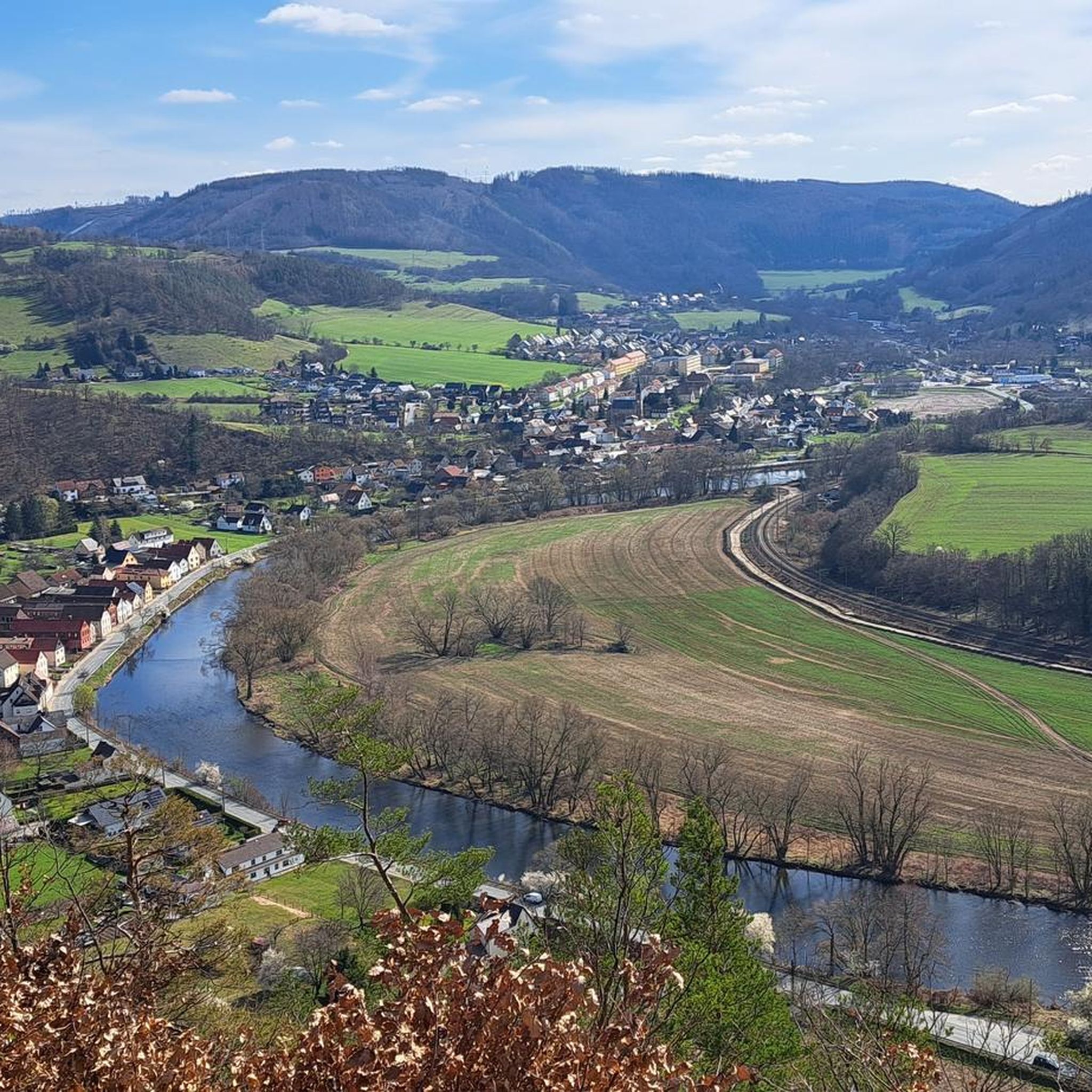
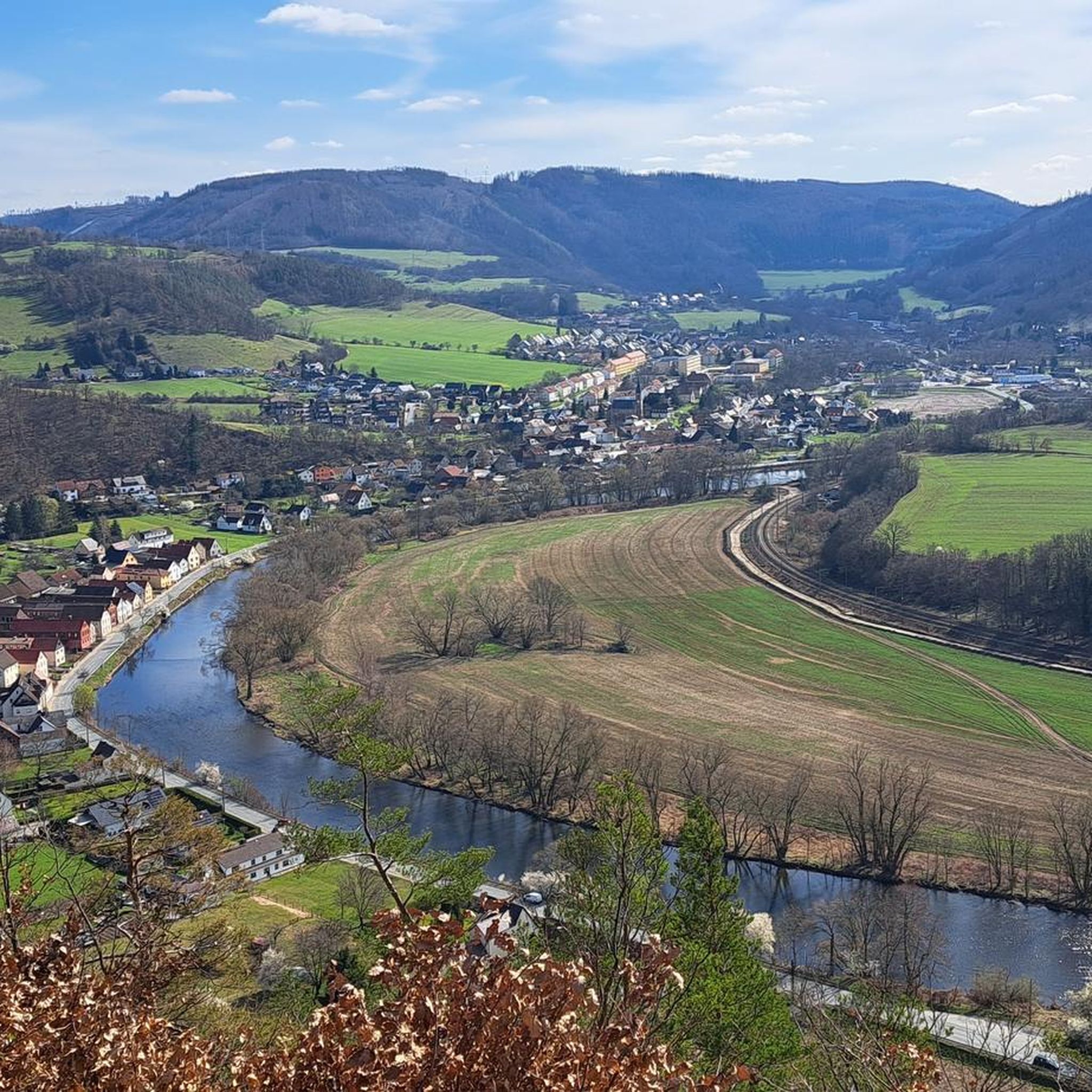
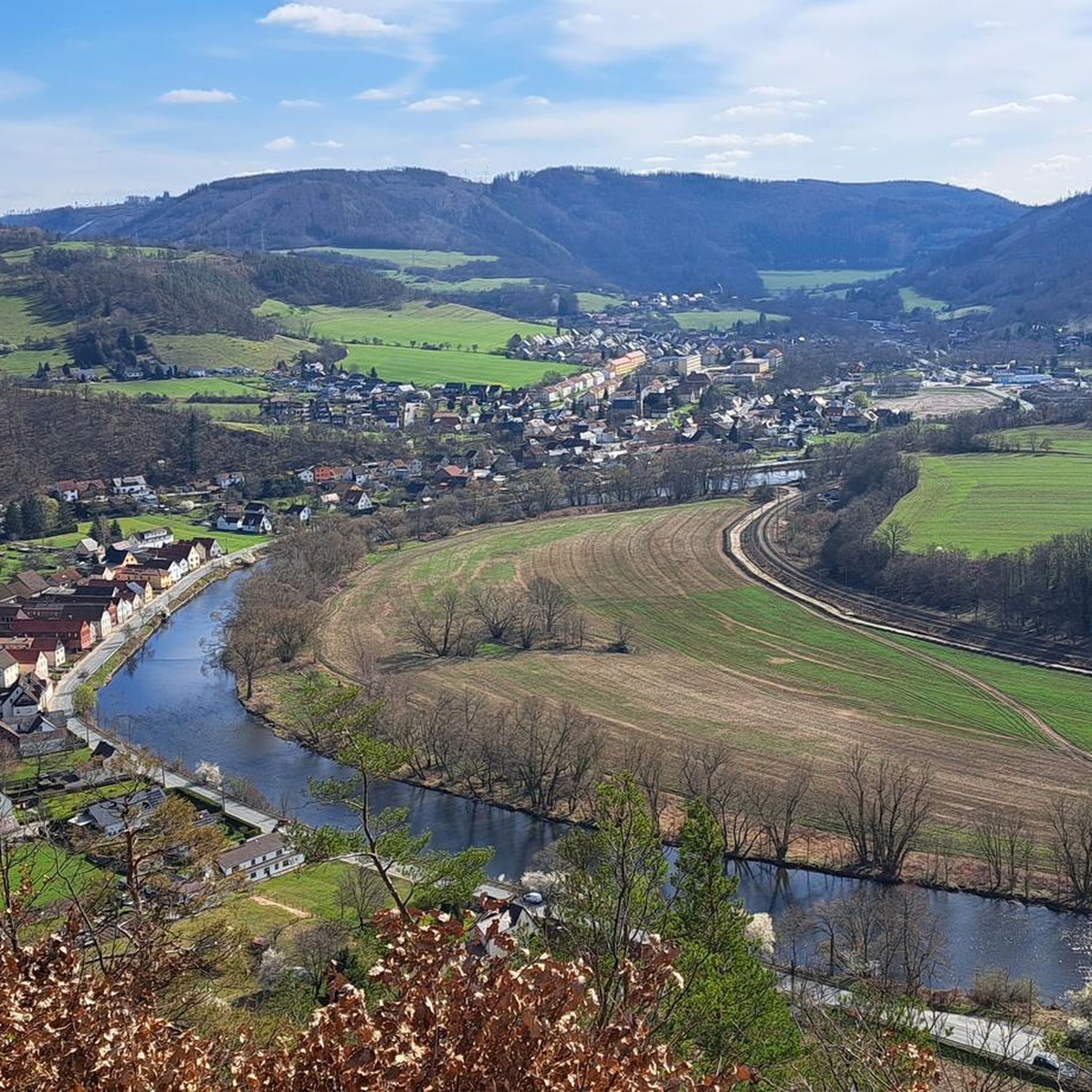
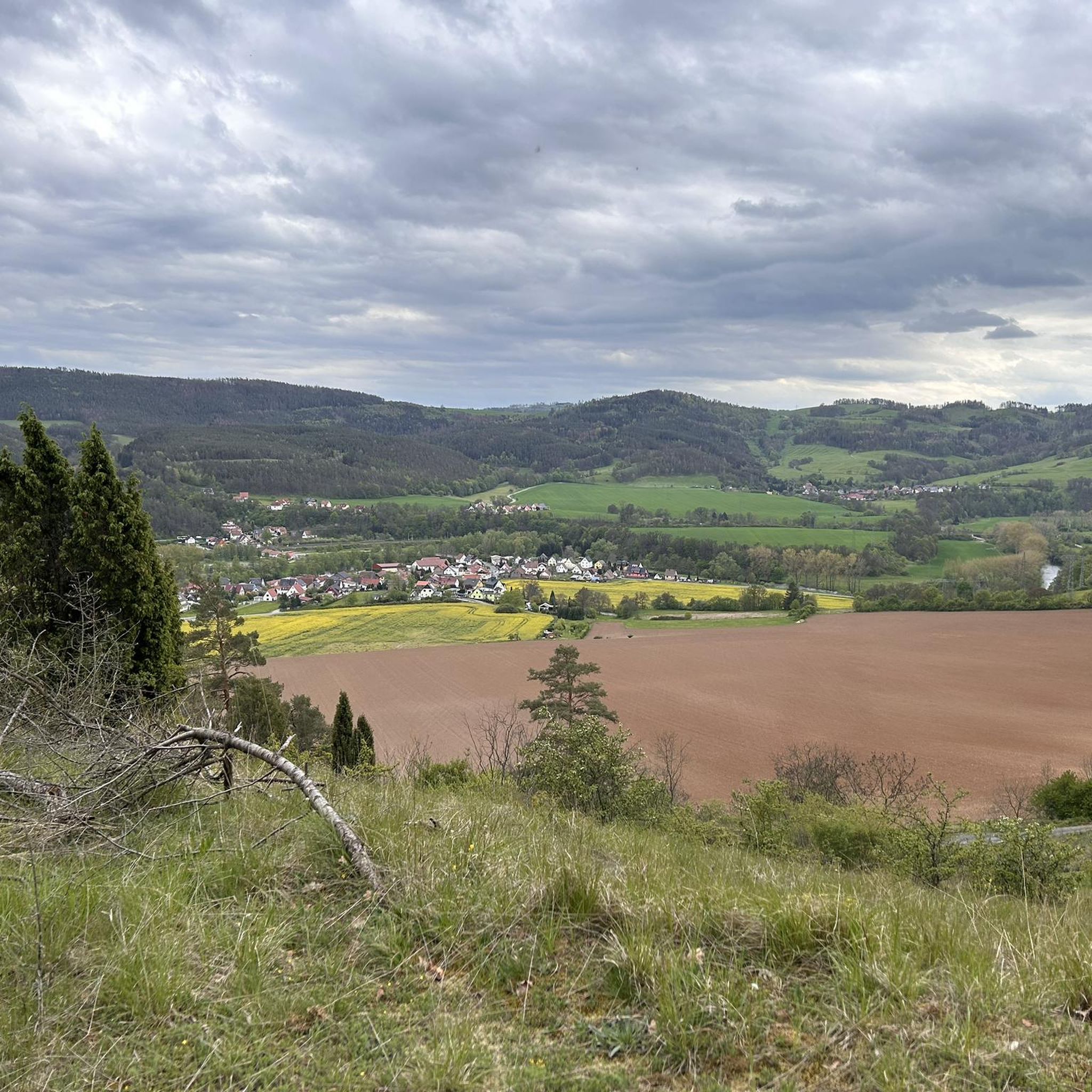
View of Rudolstadt and Heidecksburg Palace
Highlight • Viewpoint
Translated by Google •
Tip by

Lauenstein Castle
Highlight • Castle
Translated by Google •
Tip by

Sign up now to discover places like this
Get recommendations on the best single tracks, peaks, & plenty of other exciting outdoor places.
Sign up for free
Saalfeld
Highlight • Settlement
Translated by Google •
Tip by

Ranis Castle
Highlight • Castle
Translated by Google •
Tip by

Eyba Castle
Highlight • Castle
In 1369 the Edelhof was the seat of a …
Translated by Google •
Tip by

Sign up for free to discover even more castles around Kaulsdorf.
Sign up for free
Already have an account?
Start today with a free account
Your next adventure awaits.
Login or Signup


Other adventures around Kaulsdorf

Tips from the Community

This hilltop castle, originally part of the Orlagau region, was built over a thousand years ago in the midst of a clearing on the upper reaches of the Saale River and its tributary, the Loquitz. It was first mentioned in a document from 1222. Via the Counts of Orlamünde (1250) and the Knights of Ghüna (1506), the castle finally passed to the Margraves of Brandenburg-Kulmbach and Bayreuth in 1622, falling to Prussia in 1791 and Bavaria in 1803. In 1896, the castle romanticist Dr. Erhard Messmer from Halle an der Saale acquired the completely neglected castle complex, had it renovated, and refurbished. Katharina von Orlamünde was born at Lauenstein Castle in the 14th century. She is said to haunt the castle to this day as the restless ghost known as the "White Lady."
16
0
After the castle romanticist Dr. Ehrhard Messmer from Halle an der Saale purchased the dilapidated Lauenstein Castle in 1896, he had the building renovated in the historicist style. This included the restoration of the bridge over the moat leading up to the historic castle gate.
13
0

There has been a fortification on the castle hill since the 11th century. In 1084, Emperor Henry IV enfeoffed Wiprecht von Groitzsch, the later Margrave of Meissen and Lusatia, with the Castrum Ranis - the first documented mention. (Wikipedia)
25
0

The Ratskeller is located in the beautiful town hall. You can eat very well there. With a bit of luck you can get a seat in one of the two niches. From there you have a great view of the market square.
6
0

The Saalfeld town hall is an early Renaissance building on the market square in Saalfeld in the Saalfeld-Rudolstadt district in Thuringia. It is the seat of the town administration of Saalfeld and is one of the most important historic town halls in Thuringia. In the courtyard stands the so-called hat box, a round tower with the Saalfeld official prison. In 1363, a town hall in Saalfeld was first documented in writing; in 1491, a so-called Lower Town Hall in Saalgasse was mentioned, which was destroyed by fire in 1517. The stately, three-story corner house was built between 1529 and 1537 and, along with the town halls in Neustadt an der Orla and Pößneck, is one of the most important new town halls of the Renaissance in Thuringia. Source: https://de.m.wikipedia.org/wiki/Rathaus_Saalfeld
12
0
The Saalfeld town hall is an early Renaissance building on the market square in Saalfeld in the Saalfeld-Rudolstadt district in Thuringia. It is the seat of the Saalfeld city administration and is one of the most important historic town halls in Thuringia. In the courtyard stands the so-called hat box, a round tower with the Saalfeld official prison. In 1363, a town hall in Saalfeld was first documented in writing; in 1491, a so-called Lower Town Hall in Saalgasse was mentioned, which was destroyed by fire in 1517. The stately, three-story corner house was built between 1529 and 1537 and, along with the town halls in Neustadt an der Orla and Pößneck, is one of the most important new town halls of the Renaissance in Thuringia. Source: https://de.m.wikipedia.org/wiki/Rathaus_Saalfeld
13
0

In the end, it was very worth seeing and informative, and the museum staff were also super friendly.
11
0

Very nice little place. Idyllic little church that was locked. And a beautiful castle that stands empty. A pity .
1
0
Frequently Asked Questions
What kind of castles can I expect to find around Kaulsdorf?
The region around Kaulsdorf, primarily in Thuringia, offers a diverse range of historical castles. You can explore medieval fortresses like Ranis Castle, Renaissance complexes such as Eyba Castle, and ancient tower hill castles like Obernitz Castle. These structures range from well-preserved sites to those in need of refurbishment, each with its own unique history.
Are there family-friendly castles to visit near Kaulsdorf?
Yes, several castles in the area are considered family-friendly. Lauenstein Castle is often described as a fairytale castle and is a worthwhile destination for children. Ranis Castle offers informative exhibits, and the nearby Ilsen Cave can also be visited. Eyba Castle and Obernitz Castle are also suitable for families.
What are some popular outdoor activities or routes near these castles?
The area around Kaulsdorf is excellent for outdoor activities. You can find various cycling and hiking routes. For cycling, explore options like the 'Saale Cycle Path – Orla Cycle Path loop' or the 'Eichicht Dam – Hohenwarte Dam loop' in the Cycling around Kaulsdorf guide. If you prefer hiking, the Easy hikes around Kaulsdorf guide features routes such as the 'Lohmturm Observation Tower loop' and the 'Kaulsdorf Castle – Kaulsdorf Quarry loop'.
Which castles offer the best views of the surrounding landscape?
For expansive vistas, the View of Rudolstadt and Heidecksburg Palace is highly recommended, offering a scenic perspective of the former Residenzschloss Heidecksburg and the town of Rudolstadt. Ranis Castle also provides a wonderful view over the town of Ranis.
What is the historical significance of Lauenstein Castle?
Lauenstein Castle is a hilltop castle built over a thousand years ago on the upper reaches of the Saale River. First mentioned in 1222, it passed through various noble families before being renovated in the historicist style in the late 19th century. It's also known for the legend of the 'White Lady,' Katharina von Orlamünde, who is said to haunt the castle.
Are there any unique natural features or landmarks near the castles?
Near Ranis Castle, you can visit the Ilsen Cave, which is accessible independently of the castle's opening hours. The castles themselves are often set amidst diverse landscapes, including river valleys and rolling hills, providing picturesque natural surroundings for exploration.
What do visitors particularly enjoy about the castles around Kaulsdorf?
Visitors appreciate the historical significance and picturesque settings of these castles. For instance, Lauenstein Castle is often described as a 'fairytale castle' that has resisted commercialization. Ranis Castle is praised for its well-preserved state, informative exhibits, and friendly museum staff.
Can I find places to eat or stay near the castles?
While specific accommodation details are not provided, Eyba Castle functions as a conference venue and has a restaurant named 'Egon,' making it a good stop for refreshments. The towns surrounding the castles, such as Rudolstadt and Ranis, would likely offer various cafes, pubs, and accommodation options.
Is there a castle in Berlin-Kaulsdorf?
It's important to distinguish between Kaulsdorf in Thuringia (where these castles are located) and Berlin-Kaulsdorf. Berlin-Kaulsdorf does not have traditional fortified castles. Its most notable historical structure is the Kaulsdorf Village Church (Dorfkirche Kaulsdorf), dating back to the 14th century, which forms the historical heart of the village.
Are there any castles that are currently being restored or are in need of refurbishment?
Yes, Obernitz Castle and Church is noted as being in urgent need of renovation. Despite this, it is still considered very worth seeing and has historical significance as a tower hill castle first mentioned in 1152.
What is the best season to visit the castles around Kaulsdorf?
The guide does not specify a single 'best' season, but the picturesque landscapes, including river valleys and rolling hills, suggest that spring and autumn would offer beautiful scenery for exploring the castles and their surroundings. Autumn, in particular, would provide vibrant foliage for hiking and sightseeing.
Most popular routes around Kaulsdorf
Most popular attractions around Kaulsdorf

Get inspired with the komoot mobile app


Explore more
Looking for the best castles somewhere else? Discover other guides around Kaulsdorf:
