The best walks and hikes in Kiebitzholmer Moor Und Trentmoor
4.6
(4595)
16,974
hikers
794
hikes
Hiking in Kiebitzholmer Moor Und Trentmoor offers exploration of unique moorland ecosystems and diverse natural features. The region is characterized by expansive moorland, wet and sand heaths, and extensive wet grasslands. Trails also wind through picturesque birch-bog forests and past small ponds, providing varied scenery. This area is part of a NATURA 2000 protected site, highlighting its ecological significance.
Best hiking trails in Kiebitzholmer Moor Und Trentmoor
- The most popular hiking route is Hiking loop from Daldorf, an 8.6…
Last updated: May 8, 2026
4.6
(11)
31
hikers
13.9km
03:31
30m
30m
Moderate hike. Good fitness required. Easily-accessible paths. Suitable for all skill levels.
5.0
(5)
34
hikers
Moderate hike. Good fitness required. Easily-accessible paths. Suitable for all skill levels.

Sign up for free
5.0
(3)
5
hikers
7.09km
01:48
10m
10m
Easy hike. Great for any fitness level. Easily-accessible paths. Suitable for all skill levels.
4.0
(1)
3
hikers
Easy hike. Great for any fitness level. Easily-accessible paths. Suitable for all skill levels.
3
hikers
Moderate hike. Good fitness required. Easily-accessible paths. Suitable for all skill levels.
Get access to more routes and recommendations from other explorers.
Sign up for free
Already have an account?
Our route recommendations are based on thousands of hikes, rides, and runs completed by other people on komoot.
Start today with a free account
Your next adventure awaits.
Login or Signup
Tips from the Community

A very nice hike
0
0

The artistically designed yellow metal gate reveals much of what this beautiful adventure forest has to offer: wild boars, a dog park, a butterfly garden, and a gnome trail.
1
0
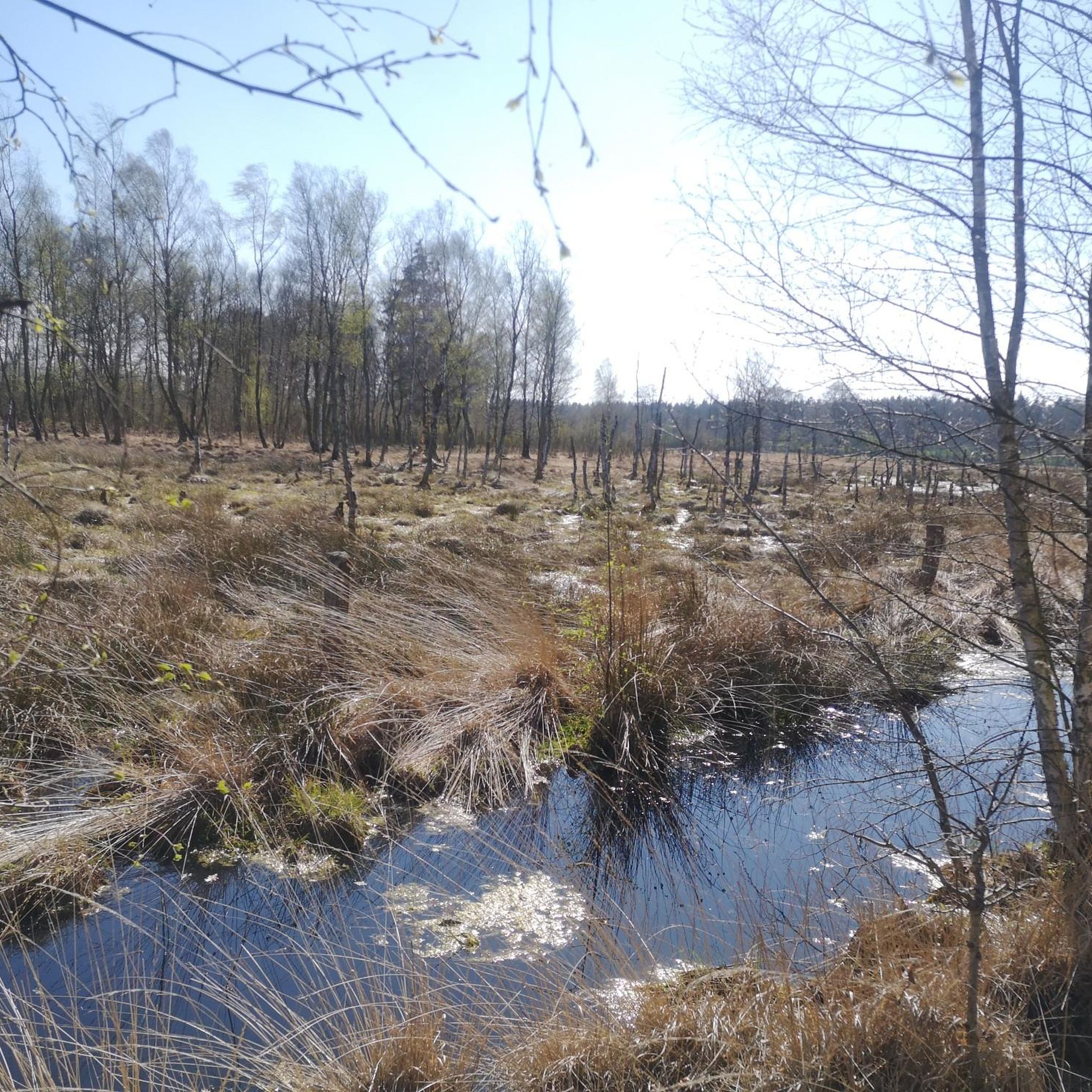
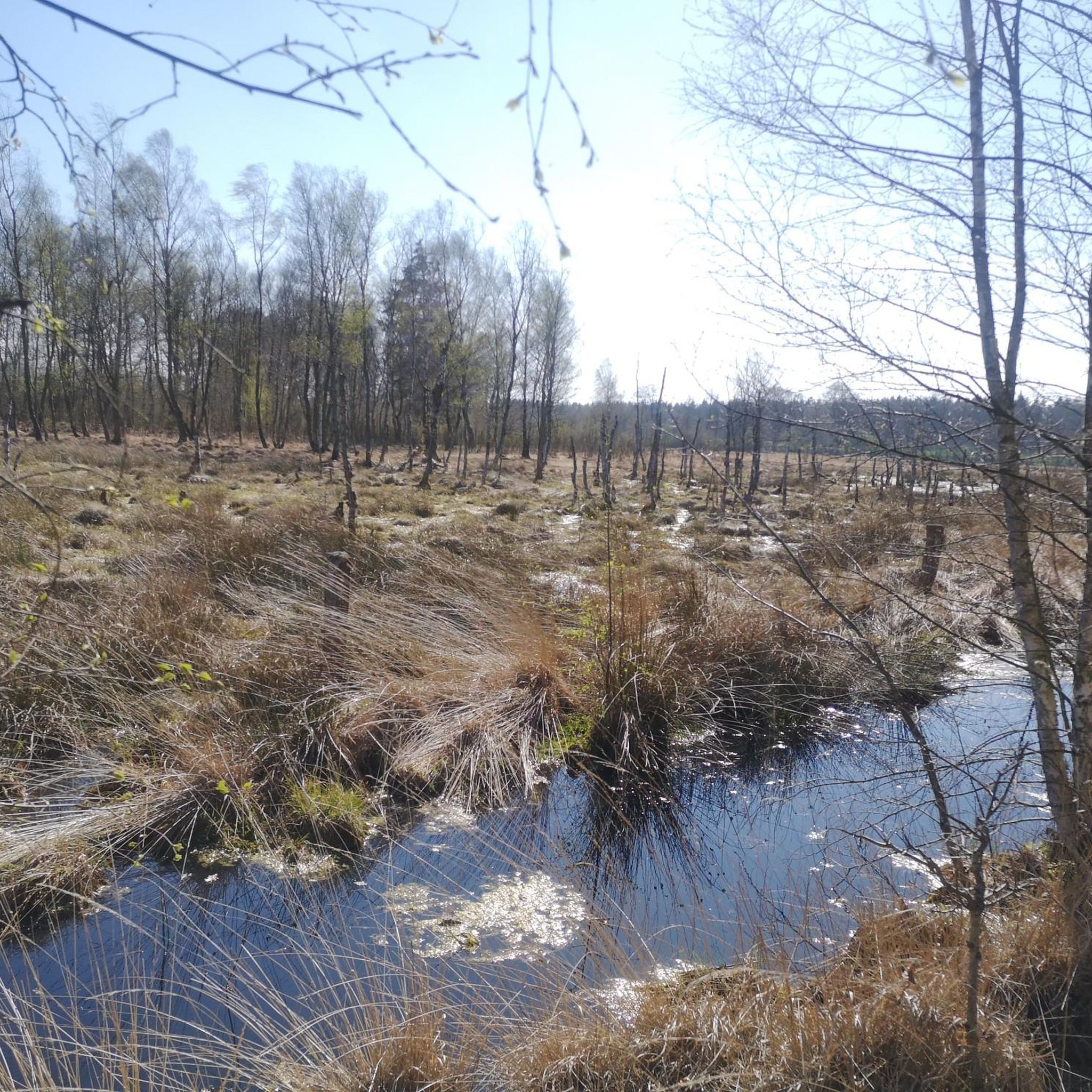
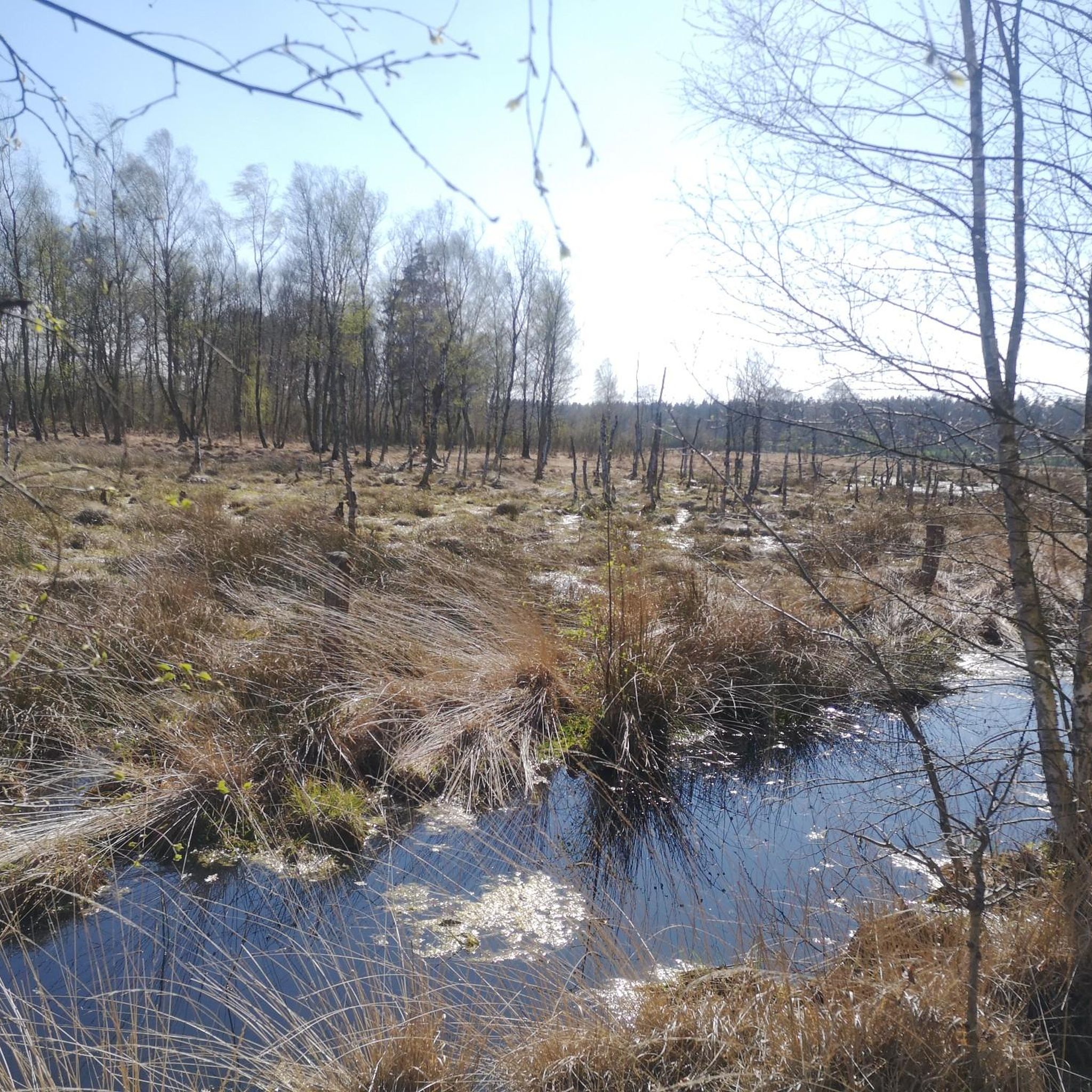
At this forest pond, you can observe and hear toads. But be aware that you'll also be plagued by mosquitoes.
2
0
Admittedly, it's not particularly fun. But if you experience nature with open eyes, you can discover little wonders despite the street noise: moor frogs, harvest mice, red-necked silphs, etc.
2
0
Small bodies of water are valuable habitats that often house rare aquatic and marsh plants as well as numerous animal species – including dragonflies and amphibians, which spend their larval stages here. On the Geest, many of these bodies of water are artificial, such as marl pits or livestock watering holes. Due to landscape change and intensive agriculture, many have disappeared, particularly affecting amphibians. A newly created pond with shallow banks, a sunny location, and nearby woodland now provides favorable conditions for their reproduction.
2
0
Interracial love: Here an oak and a birch tree fell in love.
2
0
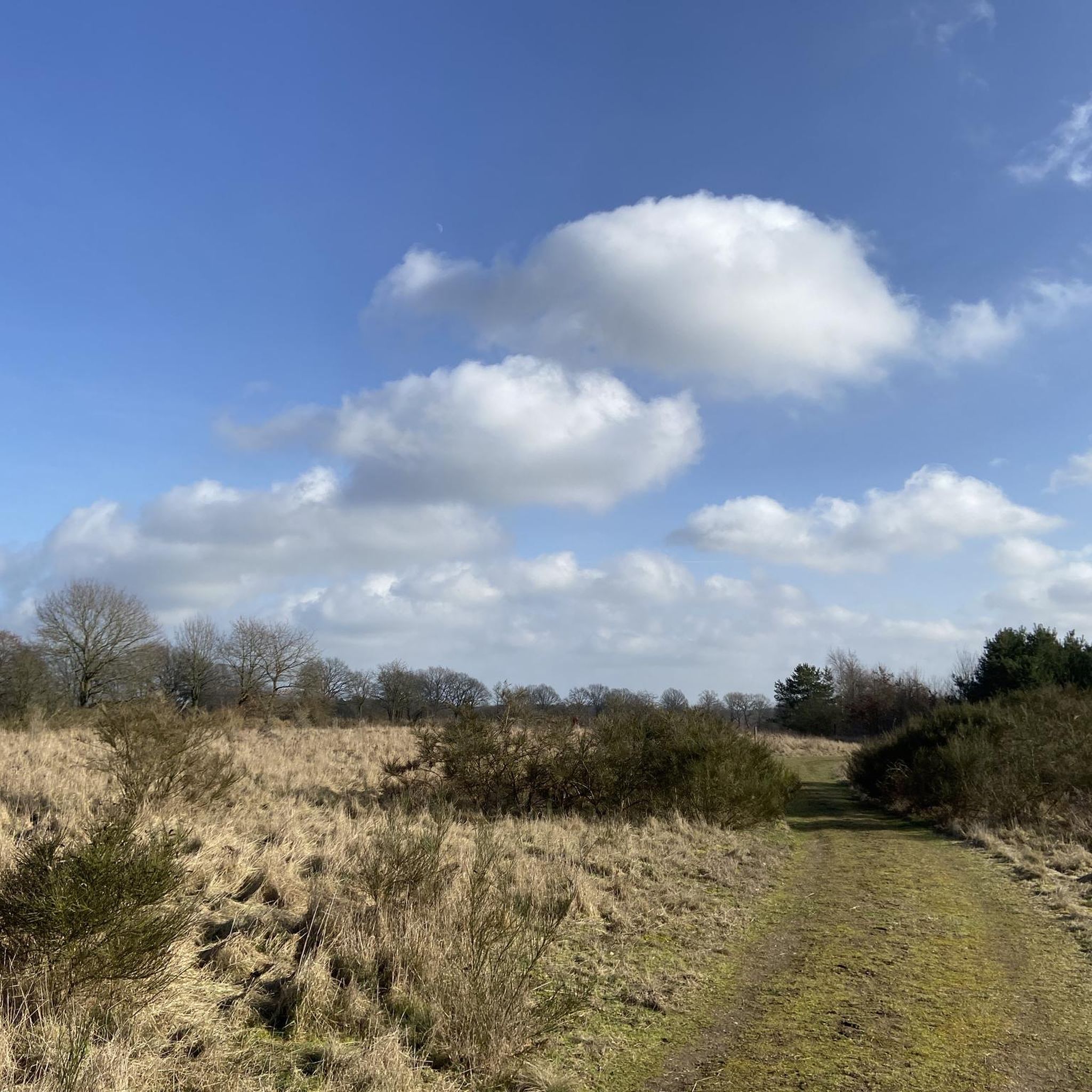
In the middle of the heath stands a large oak tree. Next to it is a bench where you can sit and relax. From here, you can enjoy a wonderful view of the heath.
2
0
Together with the Kuhlen Moor and parts of the Trentmoor, the area is part of the European Natura 2000 conservation network. Raised moor, wet grassland, and sandy heathland meet on approximately 495 hectares; a habitat for rare amphibians, reptiles, and birds. A quiet hotspot for nature lovers – protected and valuable.
2
0
Frequently Asked Questions
How many hiking trails are available in Kiebitzholmer Moor Und Trentmoor?
There are nearly 800 hiking routes in Kiebitzholmer Moor Und Trentmoor, offering a wide range of options for all skill levels. Over 550 of these are considered easy, making the area very accessible for casual walkers.
What is the best time of year to go hiking in Kiebitzholmer Moor Und Trentmoor?
The best times to visit for hiking are spring and autumn. It is recommended to go after a dry spell, as the paths can become quite muddy following prolonged rain, which might affect your experience through the rustic natural scenery.
Are there any family-friendly hiking options in Kiebitzholmer Moor Und Trentmoor?
Yes, Kiebitzholmer Moor Und Trentmoor offers many easy trails suitable for families. An excellent option is the Moor Frog loop from Hoheluft, an easy 1.9-mile (3.1 km) trail that takes about 46 minutes to complete, leading through diverse moorland habitats.
Can I bring my dog on the trails in Kiebitzholmer Moor Und Trentmoor?
While specific regulations for dogs vary, generally, dogs are welcome on trails in natural areas like Kiebitzholmer Moor Und Trentmoor. However, due to the sensitive moorland ecosystem and wildlife, it's always best to keep dogs on a leash and ensure they do not disturb the local flora and fauna. Please respect any local signage regarding pets.
What kind of wildlife can I expect to see while hiking?
Kiebitzholmer Moor is a significant wildlife habitat. You might spot various species, including dragonflies, moor frogs, bitterns, and natterjack toads. The region is particularly noted for its populations of amphibians, reptiles, and birds, especially in the swampier sections where cotton grass grows.
Are there any circular hiking routes available?
Yes, many routes in the region are circular. For example, the Hiking loop from Daldorf is a moderate 8.6-mile (13.9 km) trail that offers a comprehensive experience of the local landscape. Another popular choice is the The Stammtisch Shelter – Wildtränke Pond loop from Kiebitzholmer Moor und Trentmoor, a moderate 6.6-mile (10.6 km) path featuring a mix of forest and open areas.
What are some interesting natural features or landmarks to look out for?
The region is rich in natural features. You can explore the expansive moorland, wet and sand heaths, and extensive wet grasslands. Keep an eye out for picturesque birch-bog forests and small ponds. Notable highlights include the Heathland in Kiebitzholmer Moor und Trentmoor, Small Water Bodies, and the Stone Bridge Over the Rothenmühlenau. The area also features the unique watershed separating the North Sea and the Baltic Sea.
Are there any easy trails for beginners or those looking for a short walk?
Absolutely. Over 550 of the routes in Kiebitzholmer Moor Und Trentmoor are classified as easy. A good option for a shorter, less strenuous walk is the Sheltered bench in the forest – Wooden Observation Tower loop from Rickling, which is an easy 4.6 km route.
What do other hikers say about the trails in Kiebitzholmer Moor Und Trentmoor?
The trails in Kiebitzholmer Moor Und Trentmoor are highly rated by the komoot community, with an average score of 4.6 stars from over 4000 reviews. Hikers often praise the unique moorland landscapes, the feeling of untouched nature, and the diverse flora and fauna found along the paths.
Is public transport available to reach the hiking areas?
While the region is known for its natural, somewhat remote feel, public transport options to the general vicinity of Kiebitzholmer Moor Und Trentmoor may be limited. It is advisable to check local bus schedules or consider driving to access the trailheads, as this will offer the most flexibility for exploring the various starting points.
Where can I find parking for the hiking trails?
Specific parking information for each trailhead is often available on individual route pages. Generally, you can find designated parking areas near popular starting points for trails, such as those around Daldorf or Hoheluft. It's recommended to check the komoot tour details for the specific route you plan to hike for precise parking locations.
What kind of vegetation can I expect to see in the moorland?
The moorland boasts diverse flora typical of raised bog habitats. You'll encounter peat mosses, cotton grass (especially in swampier areas), and rosemary heath. Depending on the season, you might also see yarrow, sorrel, wild geranium with pink blossoms, various buttercup species, yellow gorse, blue lupines, heather, and rushes.
Most popular routes in Kiebitzholmer Moor Und Trentmoor
Most popular attractions in Kiebitzholmer Moor Und Trentmoor

Get inspired with the komoot mobile app


Explore more
Browse the best Hikes in other regions.
