Attractions and Places To See in Naturschutzgebiet Wittenborner Heide - Top 10
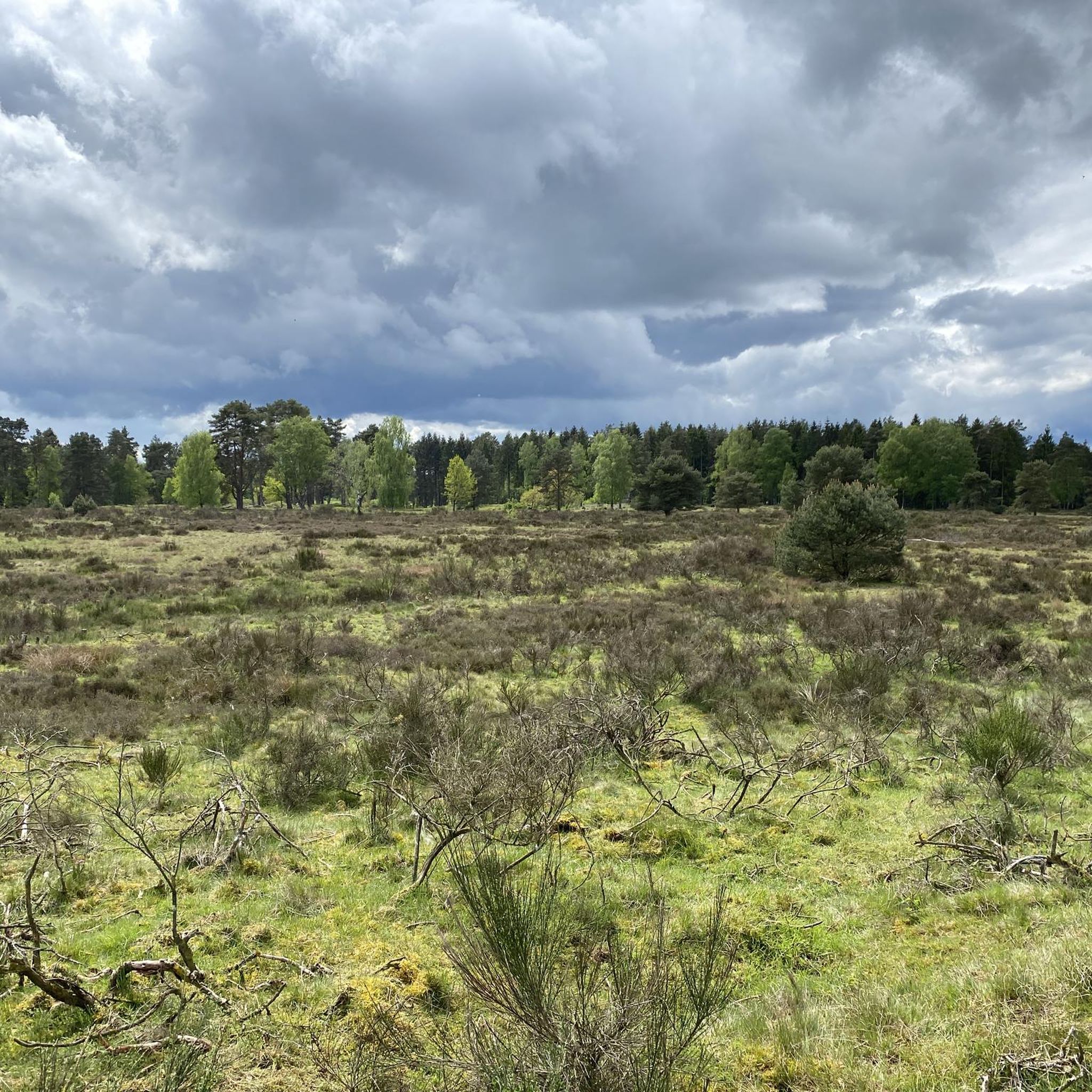
Best attractions and places to see in Naturschutzgebiet Wittenborner Heide include a diverse 294-hectare nature reserve located west of Bad Segeberg in Schleswig-Holstein, Germany. This area features a mosaic of habitats, including open dunes, dry grasslands, heaths, and near-natural deciduous forests. Its unique character is shaped by both natural forces and its history as a former military training ground, which prevented intensive agricultural use and preserved nutrient-poor soils. The reserve is a significant area for recreation and wildlife observation, offering…
Last updated: October 9, 2026
Wittenborn Heath Nature Reserve
Highlight • Natural Monument
Translated by Google •
Tip by

Wittenborn Bat Station
Highlight • Structure
Translated by Google •
Tip by

Sign up now to discover places like this
Get recommendations on the best single tracks, peaks, & plenty of other exciting outdoor places.
Wittenborner Heath
Highlight • Natural
Flatter than the northern heath around Buchholz or near Fischbek, but no less beautiful.
I think the paths here are wonderful to drive. Many branched …
Translated by Google •
Tip by

Anti-Aircraft Training Installation in Wittenborner Heide
Highlight • Monument
Translated by Google •
Tip by

Bronze Age Burial Mounds
Highlight • Historical Site
Translated by Google •
Tip by
Sign up for free to discover even more attractions in Naturschutzgebiet Wittenborner Heide.
Already have an account?
Start today with a free account
Your next adventure awaits.
Popular around Naturschutzgebiet Wittenborner Heide
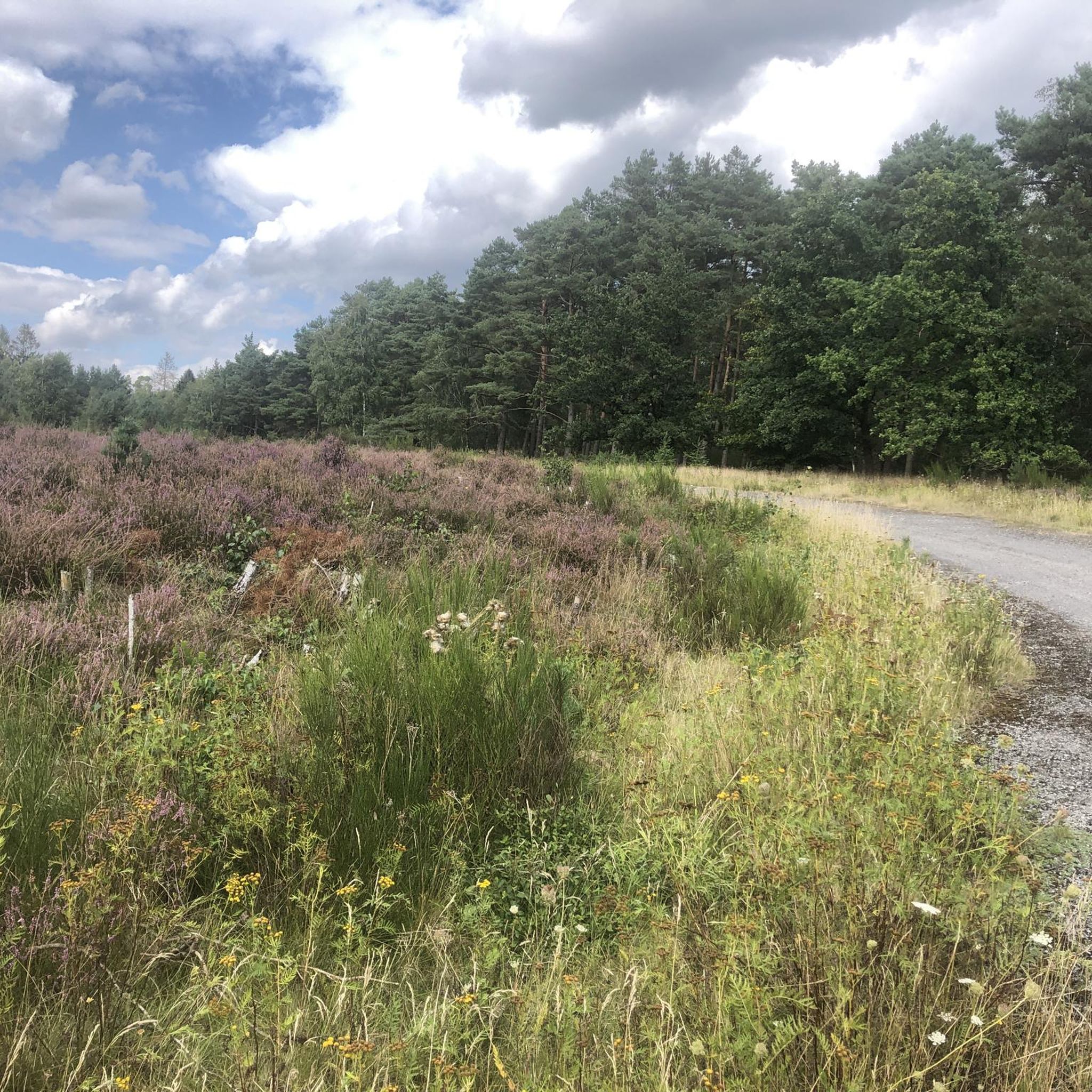
Hiking in Naturschutzgebiet Wittenborner Heide
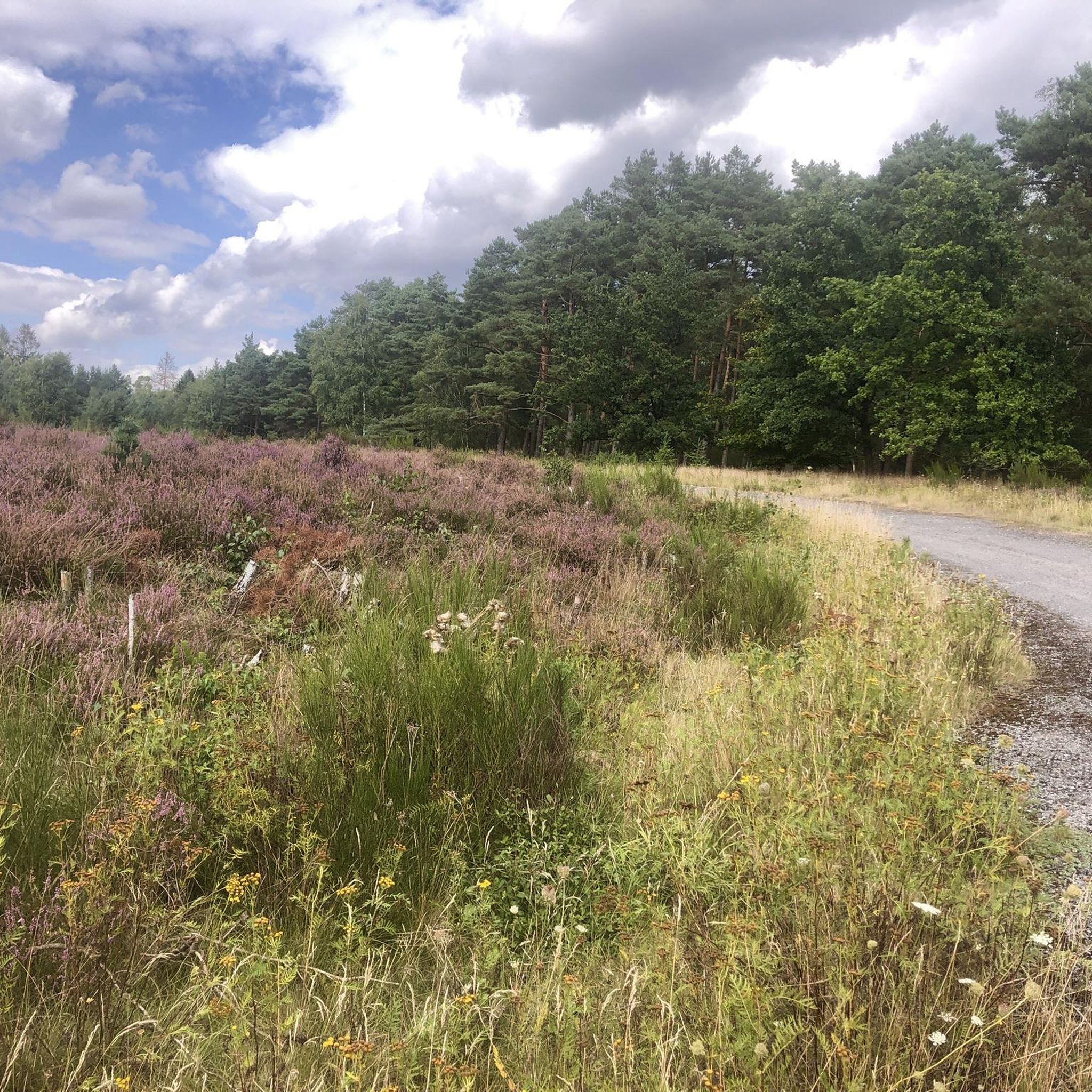
Cycling in Naturschutzgebiet Wittenborner Heide
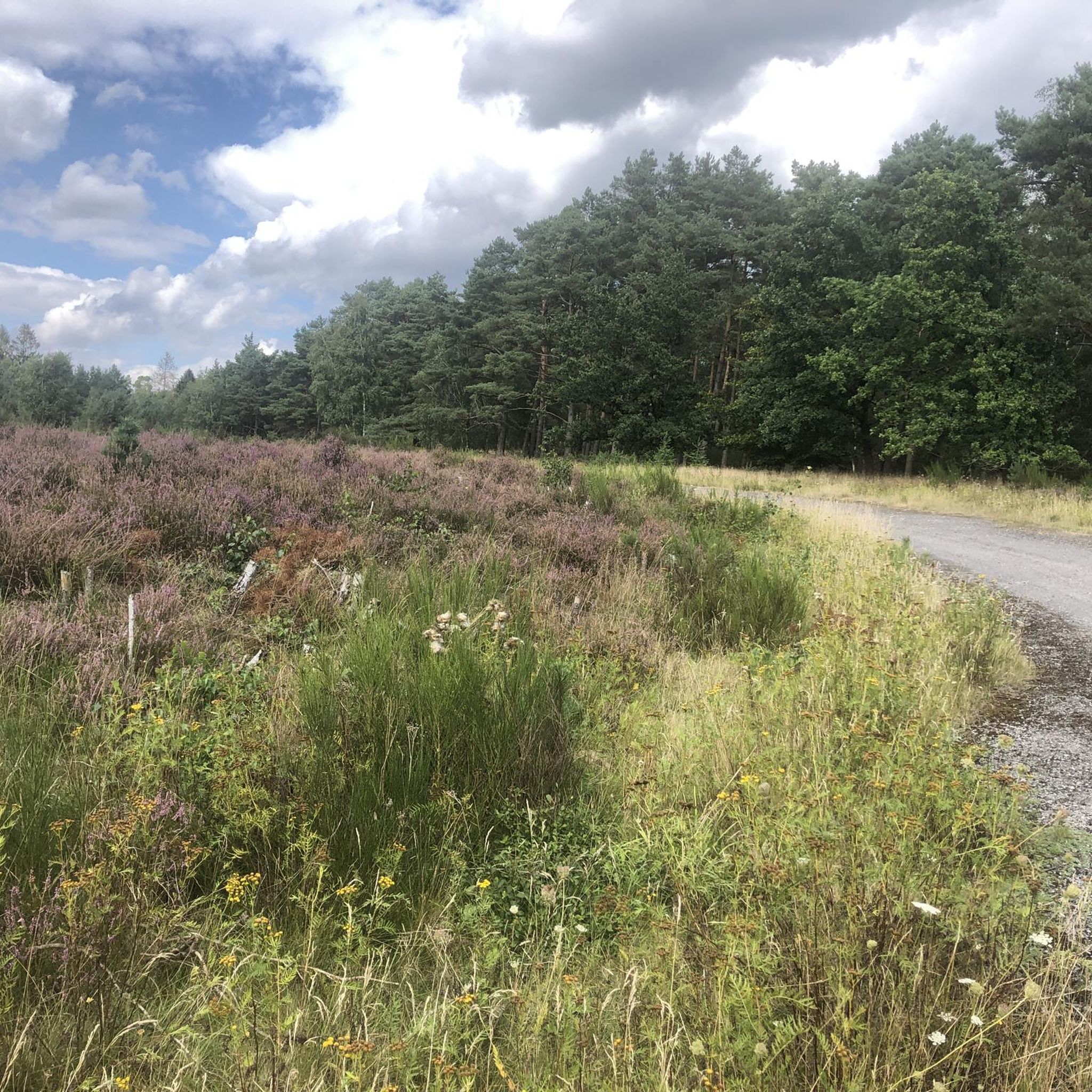
Road Cycling Routes in Naturschutzgebiet Wittenborner Heide
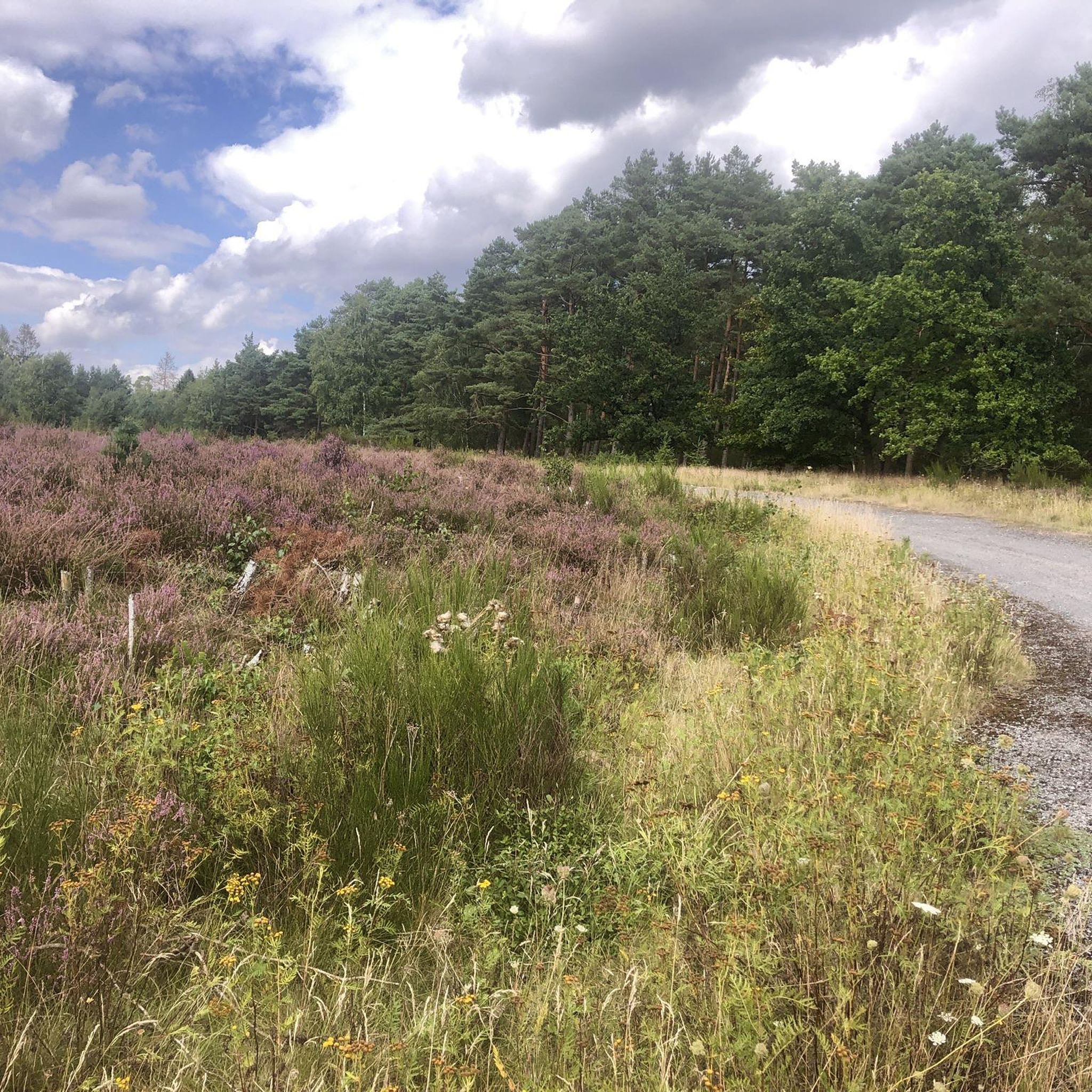
MTB Trails in Naturschutzgebiet Wittenborner Heide
Running Trails in Naturschutzgebiet Wittenborner Heide

Gravel biking in Naturschutzgebiet Wittenborner Heide
Tips from the Community

A beautiful, naturally preserved area.
0
0

The Wittenborner Heide nature reserve remained nutrient-poor and unfertilized due to its previous use as a military training area. This resulted in a diverse landscape of heathland, moors and sparse forests that provide a habitat for many species. You can hike through a very beautiful landscape that is always worth a visit.
3
0

A large building just for the bats! Fantastic!
8
0

Fantastic, it smells so nice, the paths are great and nature lets you relax. Highly recommended. When the heather blooms it must be amazing.
0
0

You have to look closely to spot this military relic from the days of the military training area: two red and white painted steel masts are hidden behind trees. A steel cable was once stretched between the masts. Tin airplane models were pulled along this over the then treeless meadow, which was then fired at with infantry weapons, simulating an anti-aircraft battle. Of course, only practice ammunition was used here. This "blue" ammunition fires plastic projectiles with very little energy. Although it is now completely out of date, the Bundeswehr still practices this in exactly the same way today.
0
0

Two signs in quick succession point to barrows, unfortunately there is no further information
1
0
A former military training area building that was converted into a bat home
3
0

What you can do with an old BW house.
4
0
Frequently Asked Questions
What unique natural features can I explore in Naturschutzgebiet Wittenborner Heide?
The reserve boasts a diverse mosaic of habitats, including open and wooded dunes, dry grasslands, heaths, transitional moors, and near-natural deciduous forests. You can observe typical pioneering plants like silver grass and sand sedge, alongside broom and heather. The area's unique character was shaped by its geological past and its history as a former military training ground, which preserved its nutrient-poor soils and rare sand and heathland communities.
Are there any historical or cultural sites to visit in the nature reserve?
Yes, the area has a fascinating history. You can explore the ancient Bronze Age Burial Mounds, which are clearly recognizable and date back to approximately 1800-500 BC. Additionally, the reserve's past as a military training ground has left unique relics, such as the Former Tank Wash Facility Wittenborn and the Anti-Aircraft Training Installation in Wittenborner Heide.
What kind of wildlife can I expect to see in Naturschutzgebiet Wittenborner Heide?
The reserve is a sanctuary for diverse wildlife. Keep an eye out for rare reptiles like the smooth snake and adder. Mammals such as the hazel dormouse and various bat species inhabit the area, particularly around the Wittenborn Bat Station. It's also an important bird area, part of the EU bird sanctuary, where you might spot eagle owls, woodlarks, and green woodpeckers.
Are there family-friendly activities or trails in the Naturschutzgebiet Wittenborner Heide?
Absolutely. The entire Wittenborn Heath Nature Reserve is considered family-friendly, offering wonderful nature for relaxing walks. Many of the hiking routes are suitable for families, with easy to moderate difficulty levels. Exploring the diverse habitats and looking for wildlife can be an engaging experience for all ages.
What outdoor activities, like hiking or cycling, are available near these attractions?
The Naturschutzgebiet Wittenborner Heide is excellent for outdoor activities. You'll find numerous well-maintained paths for hiking and cycling. For hiking, explore routes like the 'Wittenborner Heide – Wittenborn Bat Station loop' or the 'Wittenborner Heide – Wittenborner Heath loop'. For more options, check out the dedicated Hiking in Naturschutzgebiet Wittenborner Heide guide. Cyclists can find routes such as the 'Wittenborner Heath – Barker Heide Nature Reserve loop'; more details are in the MTB Trails in Naturschutzgebiet Wittenborner Heide guide.
When is the best time of year to visit Naturschutzgebiet Wittenborner Heide?
The reserve offers beauty throughout the year. Spring brings fresh greenery and awakening wildlife, while autumn showcases vibrant foliage. However, the heathlands are particularly stunning during the blooming season, typically in late summer (August/September), when the heather turns purple. This is also an excellent time to enjoy views from the viewpoint tower.
Are dogs allowed in Naturschutzgebiet Wittenborner Heide, and what are the rules?
Dogs are generally welcome in the Naturschutzgebiet Wittenborner Heide. However, to protect ground-nesting birds like the woodlark and other wildlife, it is crucial to keep dogs on a short leash at all times and to stay on designated paths. This helps preserve the sensitive ecosystem of the nature reserve.
Where can I find a good viewpoint to see the heathland?
Visitors can enjoy a splendid panoramic view over the heathland from a dedicated tower within the reserve. This viewpoint is especially popular during the heather blooming season, offering picturesque vistas of the diverse landscape.
What is the Wittenborn Bat Station, and why is it significant?
The Wittenborn Bat Station is a unique research facility located in a disused building from the former military training ground. It serves as an experimental setup for creating bat habitats and was recognized as a UN Decade Project in 2016. It's a significant point of interest for those interested in bat conservation and offers a glimpse into efforts to protect these nocturnal creatures.
What is the typical difficulty level for hiking trails in the reserve?
The hiking trails in Naturschutzgebiet Wittenborner Heide generally range from easy to moderate difficulty. Many routes are suitable for leisurely walks, while others might involve slightly longer distances. For example, the 'Wittenborner Heide – Wittenborner Heath loop from Wittenborn' is rated easy, while the 'Wittenborner Heide – Wittenborn Bat Station loop from Wittenborn' is moderate. You can find detailed difficulty ratings in the Hiking in Naturschutzgebiet Wittenborner Heide guide.
How can I get to Naturschutzgebiet Wittenborner Heide, and is there parking available?
The Naturschutzgebiet Wittenborner Heide is located west of Bad Segeberg in Schleswig-Holstein, Germany. While specific public transport details might vary, it is generally accessible by car, and parking facilities are available near the main entrances to the reserve. It's advisable to check local information for the most convenient parking spots before your visit.
Most popular routes in Naturschutzgebiet Wittenborner Heide

Get inspired with the komoot mobile app


Explore more
Still not found the Highlight you’re looking for? See guides of the top attractions in other regions:
