Top 8 Castles around Tangermünde
Castles around Tangermünde are situated in a region rich in history, positioned on the Elbe River. The town itself features a blend of Romanesque and Brick Gothic architecture, with preserved 14th-century city walls. Tangermünde Castle, a prominent fortification, stands approximately 43 meters above sea level, offering views over the Elbe. The area provides a tangible connection to over a thousand years of German history, from early border fortifications to imperial residences.
Best castles around Tangermünde
- The most popular castles is…
Last updated: August 16, 2026
Tangermünde Old Town
Highlight • Settlement
Translated by Google •
Tip by

Roland Statue at Stendal Town Hall
Highlight • Monument
Translated by Google •
Tip by

Sign up now to discover places like this
Get recommendations on the best single tracks, peaks, & plenty of other exciting outdoor places.
Sign up for free
Briest Castle and Chapel
Highlight • Castle
Translated by Google •
Tip by

New Castle Tangerhütte
Highlight • Castle
Translated by Google •
Tip by

Storkau Castle
Highlight • Castle
Translated by Google •
Tip by

Sign up for free to discover even more castles around Tangermünde.
Sign up for free
Already have an account?
Start today with a free account
Your next adventure awaits.
Login or Signup
Popular around Tangermünde
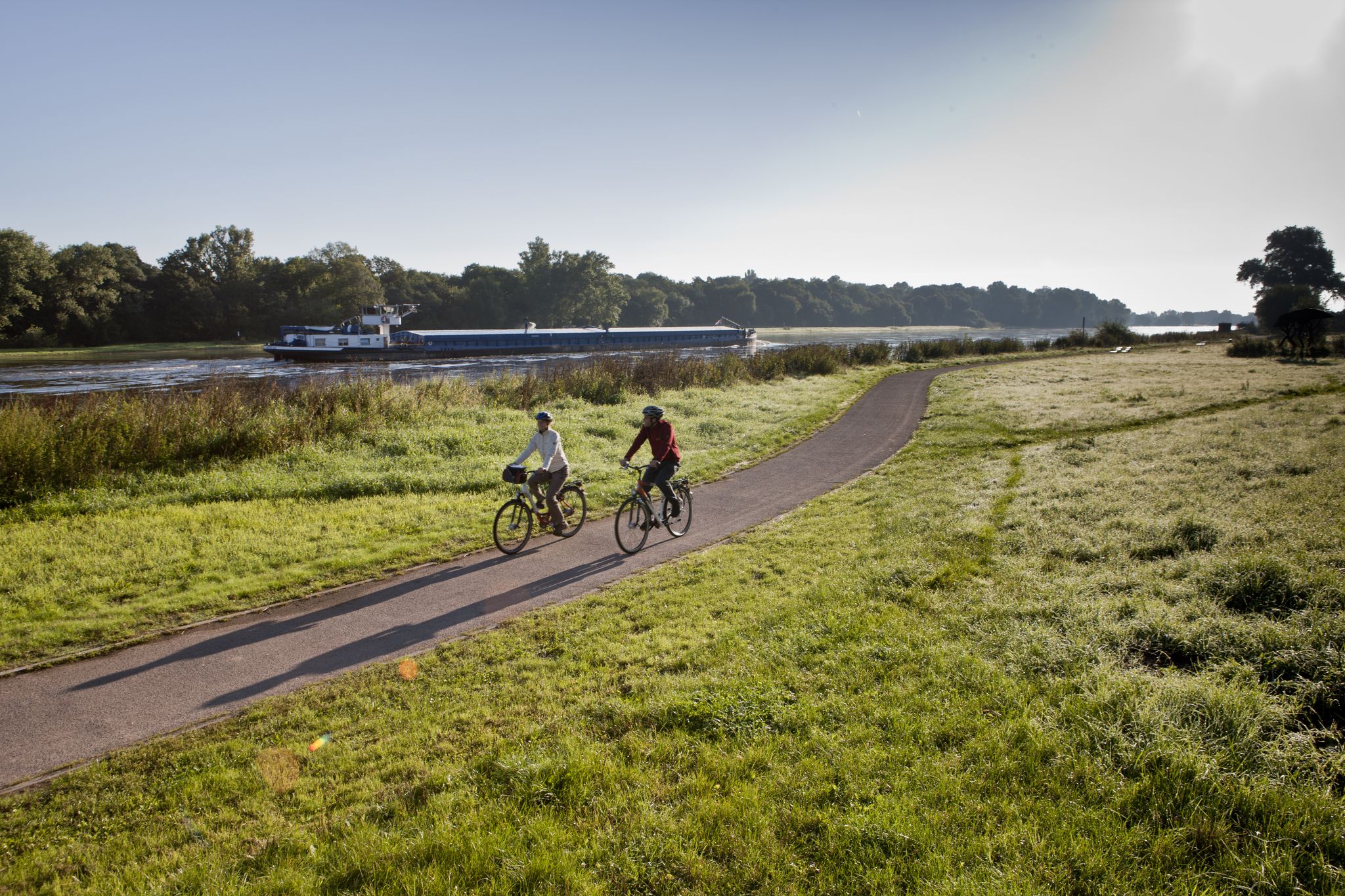
Elbe Cycle Route – Ride through Saxony-Anhalt
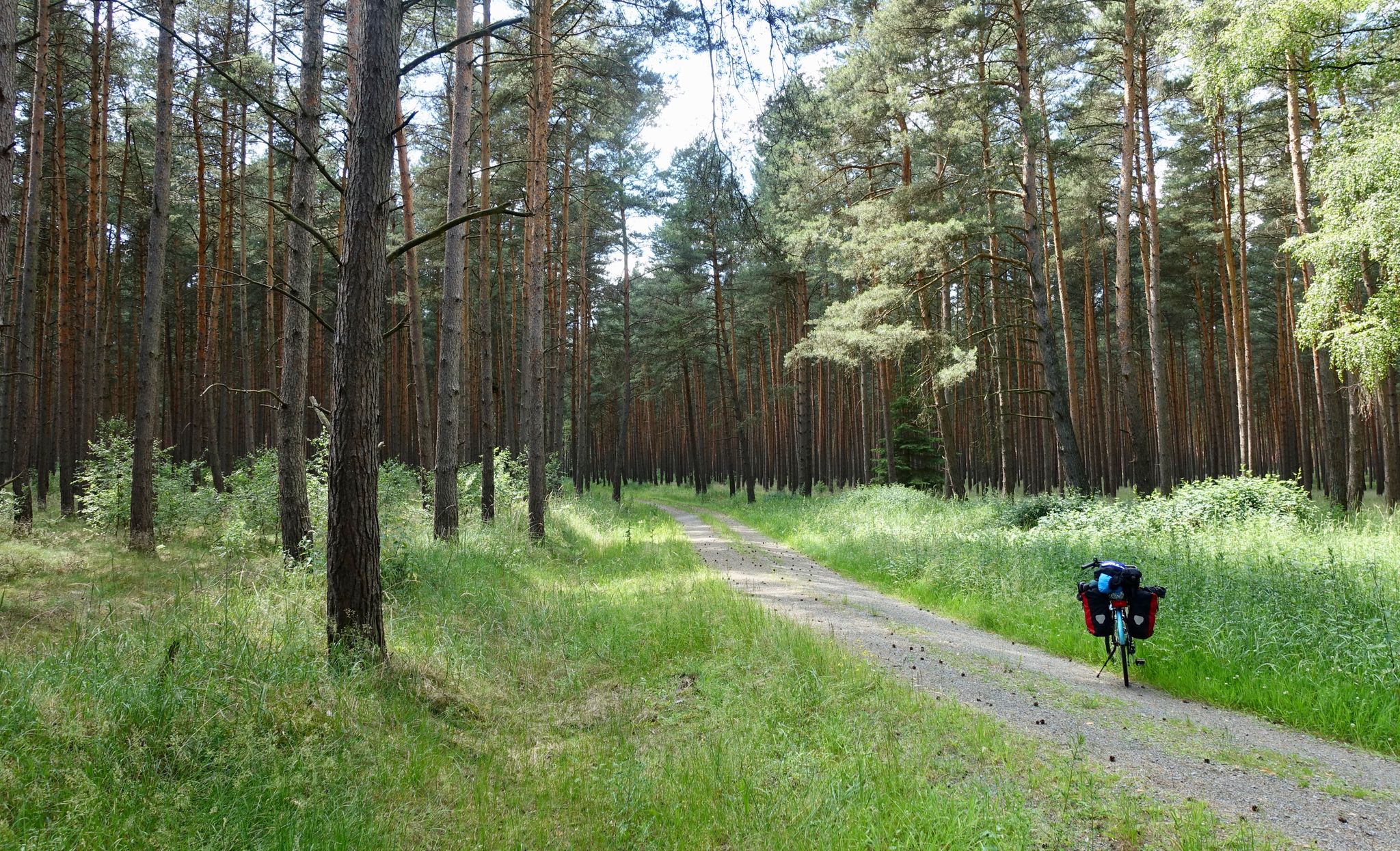
Altmark round-trip in Saxony-Anhalt
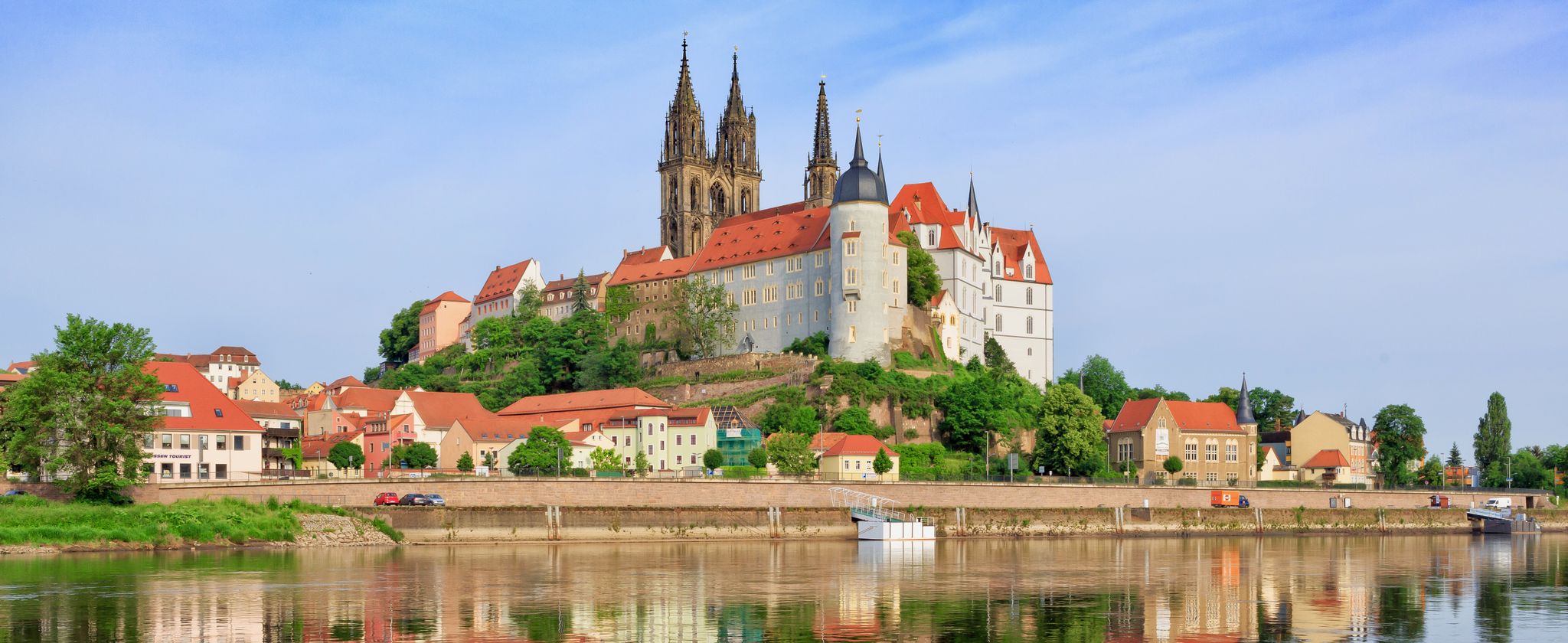
The Elbe Cycle Path — cross-border cycling pleasure
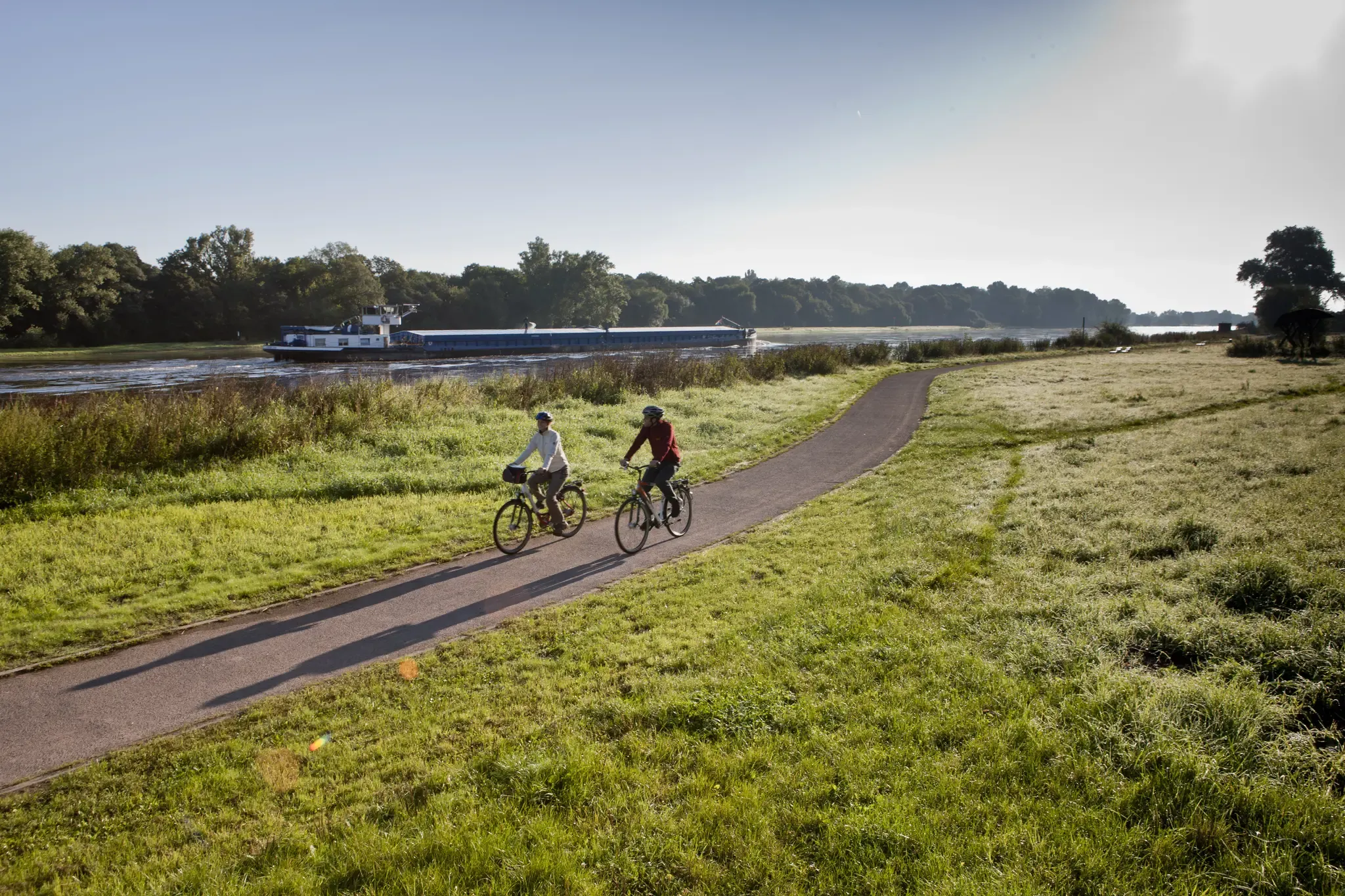
Ride the Elbe Cycle Route through Saxony-Anhalt
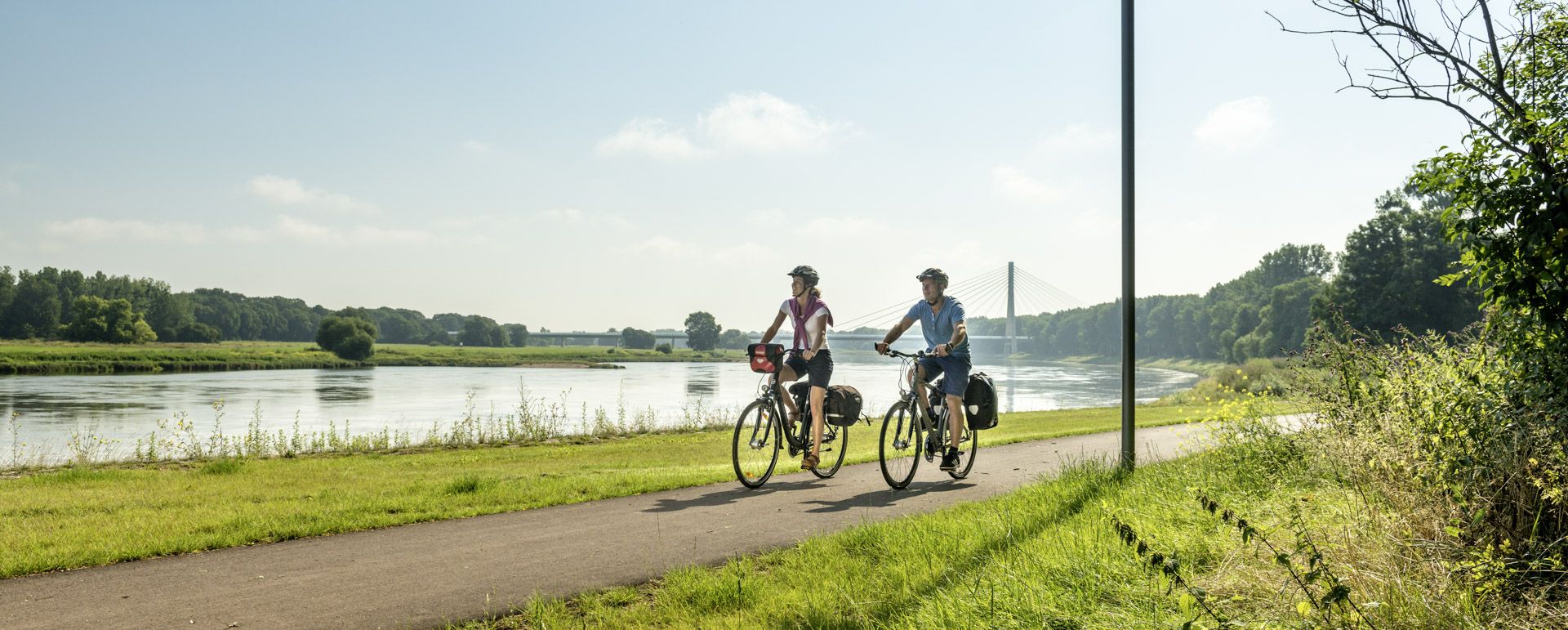
Cycling in Saxony-Anhalt – Where nature and culture combine
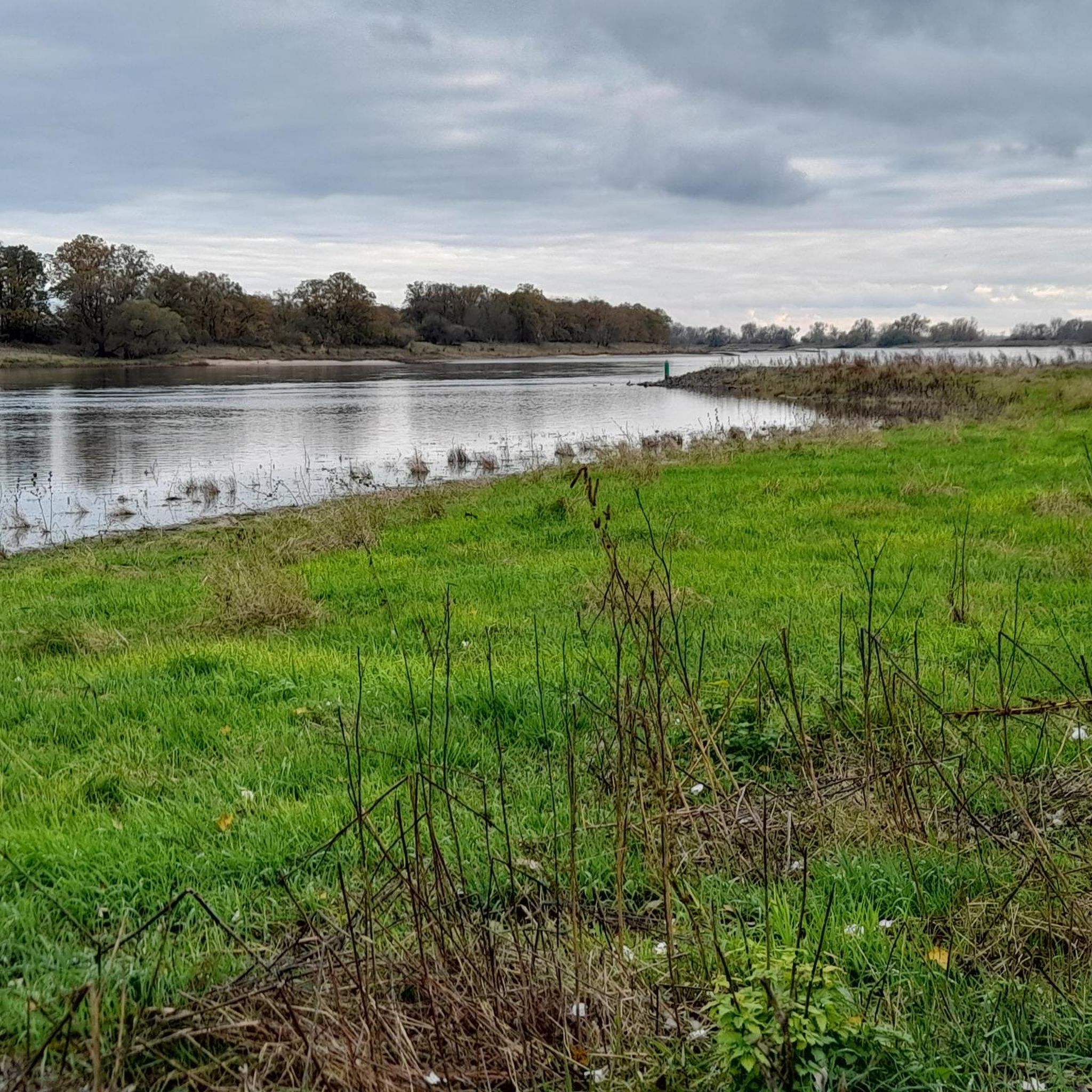
Cycling around Tangermünde
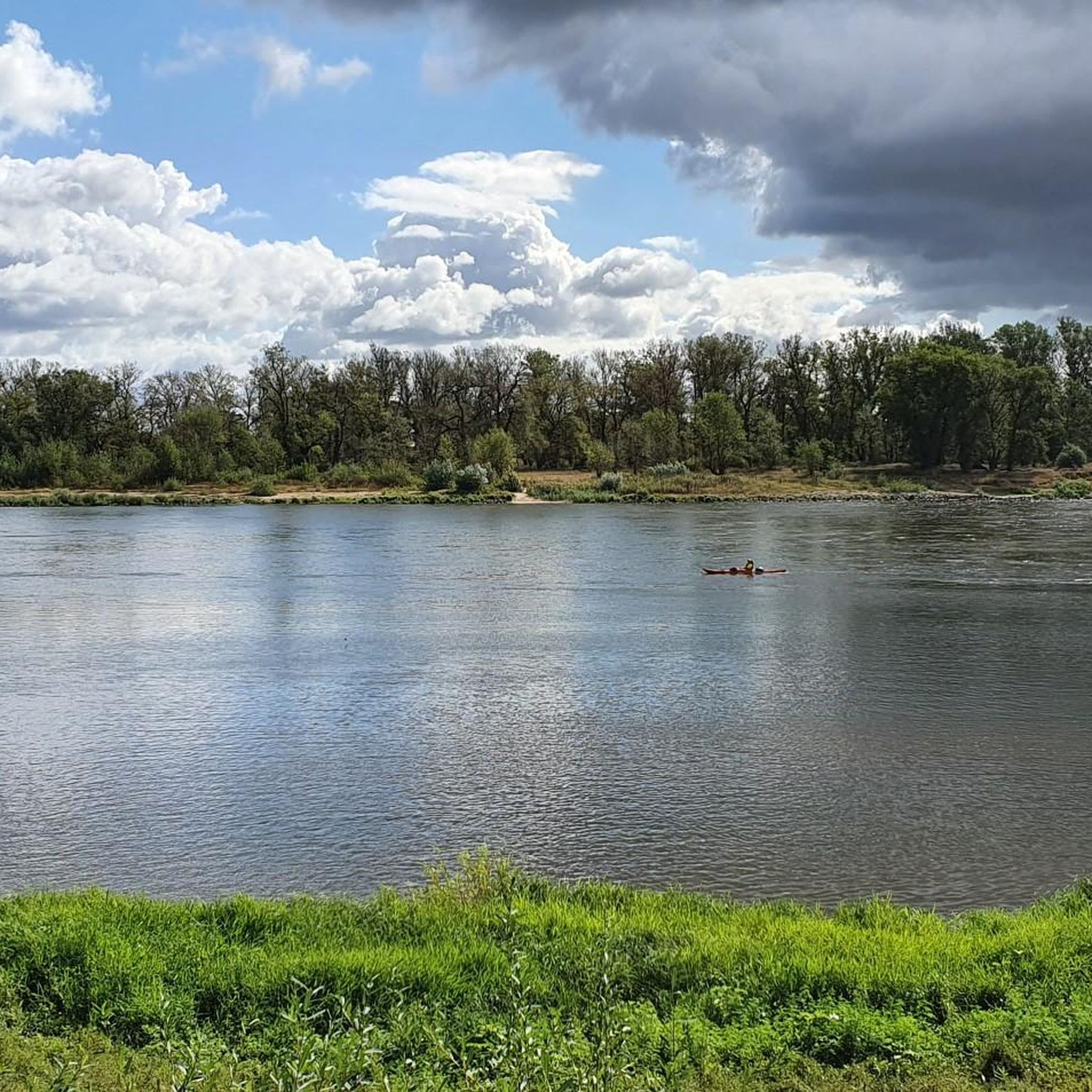
Hiking around Tangermünde
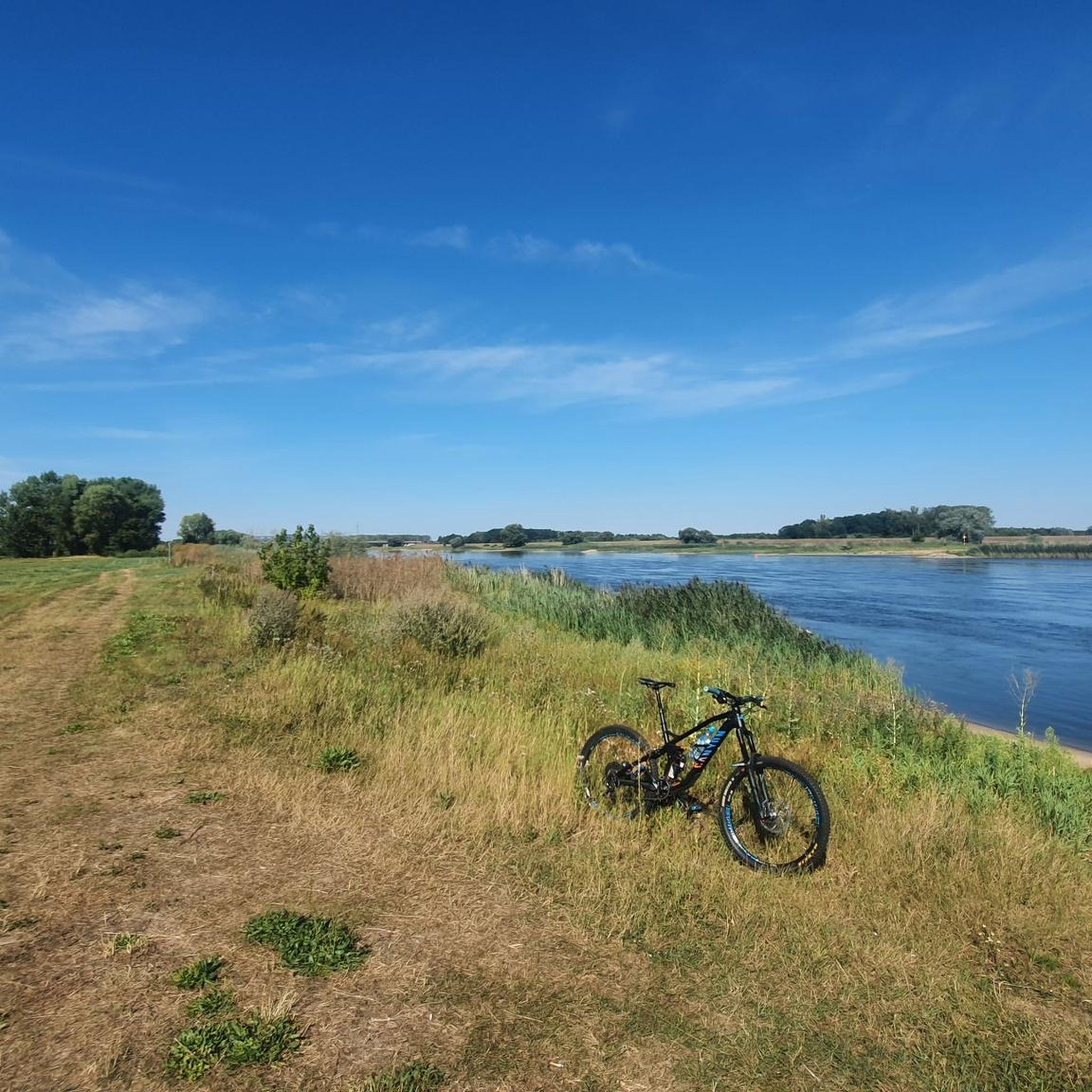
Running Trails around Tangermünde
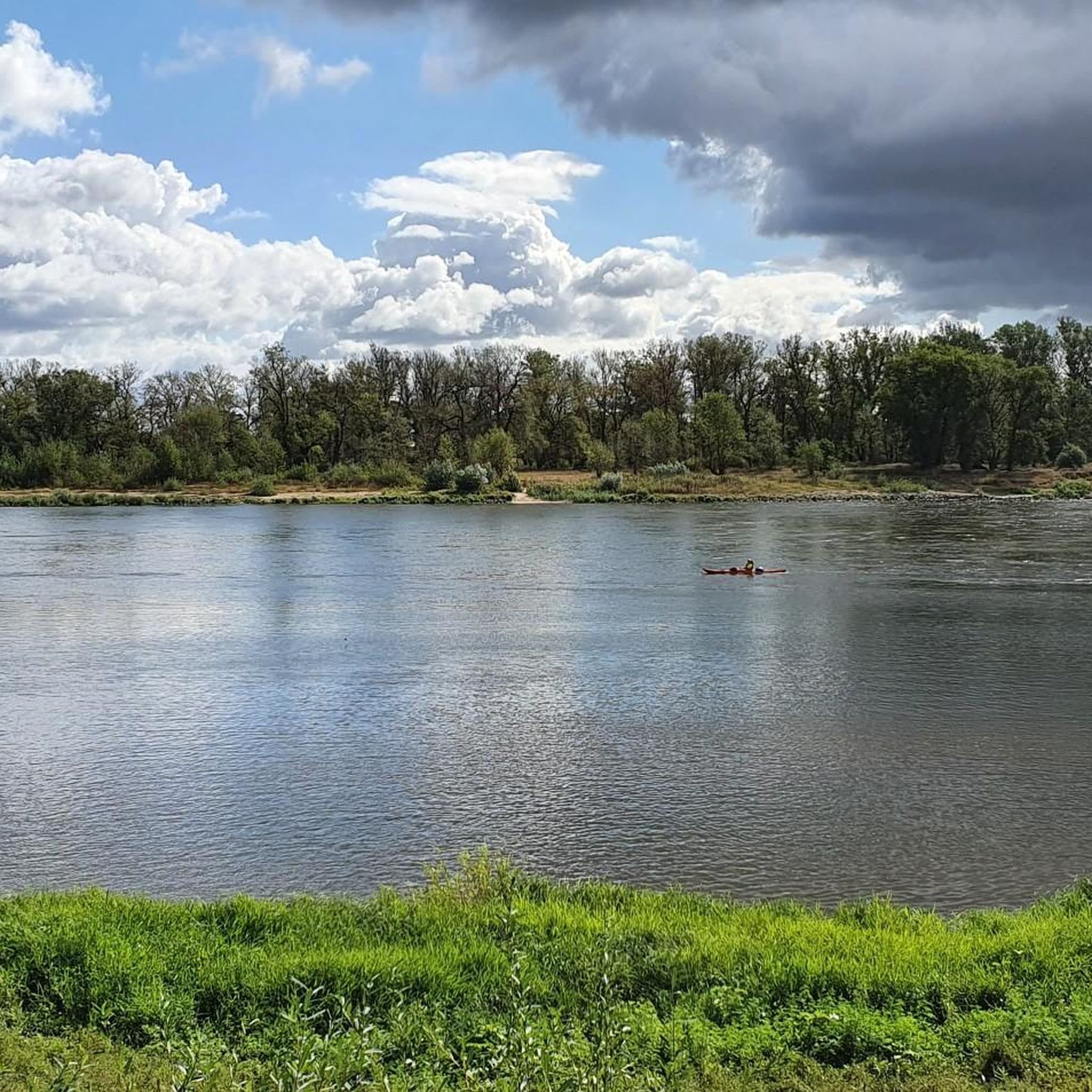
Road Cycling Routes around Tangermünde
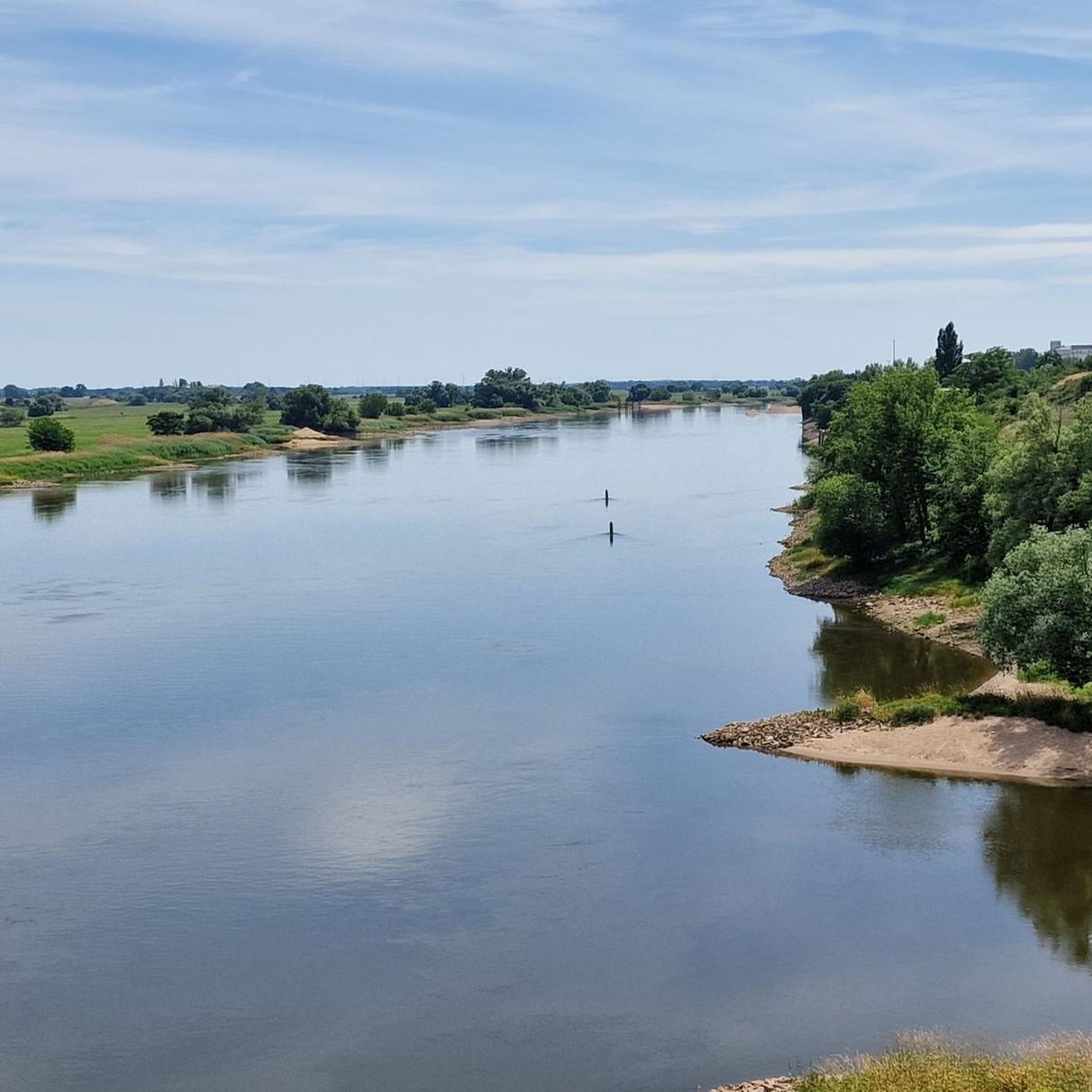
MTB Trails around Tangermünde
Other adventures around Tangermünde


Tips from the Community

Briest Manor was built in 1624 and rebuilt in 1839 after a fire. It is considered one of the last remaining aristocratic residences of its kind in Northern Germany.
3
0

The castle (open only on special occasions) and the park are beautiful and recommended as a running route.
2
0

The area is freely accessible.
0
0

In 1873, the owner of the hut had a palace built as his residence in the middle of the park, today's "Old Palace." This palace surrounds a park landscape with a swan pond, a sculpted section with a waterfall, and a mausoleum. To mark the marriage of Franz Wagenführ's son, the owner of the hut had a new palace built in the park between 1909 and 1911. In this context, the park was also expanded to include a courtyard of honor, a parterre with a pergola, a pond, and a lidded vase rondel. The "New Palace," built in the Italian style, is located in the southeastern part of the park.
4
0

The two castles remained the residence of the Wagenührs von Arnim until the middle of the 20th century. At the end of the Second World War, the family fled from the Red Army in 1945. In the GDR, the “New Castle” was used as a retirement home. In 1996 it came into the possession of the city.
0
0
For exactly 600 years to the year, the Briest line of the von Bismarck family lived on their estate in the Altmark. In 1345, Nikolaus von Bismarck received the Briest and Burgstall estates as a fief from the Margrave of Brandenburg. In 1945 the family was expropriated and expelled from their property as part of the land reform. The current manor house was built in 1624 by Christoph von Bismarck and his wife Dorothea II von derschulenburg in the swamp landscape of Tangier and Elbe on the foundations of the old moated castle. After a fire in 1839, the damaged part of the building was restored by the family in the Renaissance style. Because it was one of the few mansions that were built during the Thirty Years' War. After 1945 and a demolition prevented by monument preservation, the manor house in Briest initially housed refugees and later socially disadvantaged families until the early 1990s. The rooms inside have been remodeled accordingly. However, the building complex, consisting of an elongated main building and a right-angled wing building as well as an octagonal stair tower on the courtyard side, has retained its Renaissance appearance. And not only this, the farm complex has also been largely preserved with a brewery, barns and a small church from 1599. Like the manor house, most of the buildings are built in strong red brick framework. The spacious landscape park, which was laid out as an English landscape garden in 1849 according to plans by the horticultural director Christian Schaumburg, the designer of the Georgengarten in Hanover-Herrenhausen, is also still there - although overgrown and with a pond that has been enlarged to form a swimming lake.
1
0

Those who visit Tangermünde should also use the side roads. There's a lot of nice old houses there.
3
0

It's a wonderful little park to walk around in, unfortunately I wasn't inside the Schlosshotel...😢
1
0
Frequently Asked Questions
What are some of the most notable castles to visit around Tangermünde?
Beyond the historic Tangermünde Castle, which served as an imperial residence, you can explore several other significant sites. These include Briest Castle and Chapel, a rare aristocratic residence from the 17th century, and New Castle Tangerhütte, known for its beautiful 12-hectare park. Storkau Castle, built in neoclassical style, also offers scenic views over the Elbe.
Are there family-friendly castles or activities in the Tangermünde area?
Yes, several castles offer family-friendly experiences. Storkau Castle is listed as family-friendly, and its park provides space for children to explore. The historic town of Tangermünde itself, with its medieval walls and towers, is engaging for all ages. The Roland Statue at Stendal Town Hall is also a family-friendly historical landmark nearby.
What kind of outdoor activities can I do near the castles?
The region around Tangermünde offers excellent opportunities for outdoor activities. You can find numerous routes for cycling, gravel biking, and hiking. For example, there are several hiking routes around Tangermünde, including an easy 3.1 km loop around the old town wall. You can find more details on these trails in the Hiking around Tangermünde guide.
Are there hiking trails that lead to or near the castles?
Yes, you can combine castle visits with hiking. For instance, there are hiking routes that explore the historic town of Tangermünde, which is built around Tangermünde Castle. While Storkau Castle is directly on the Elbe Cycle Path, making it accessible via walking or cycling routes. Explore various hiking options in the Hiking around Tangermünde guide.
What is the best time of year to visit the castles around Tangermünde?
The spring and summer months (April to September) are generally ideal for visiting the castles and enjoying the surrounding nature. The weather is pleasant for exploring the castle grounds, parks, and engaging in outdoor activities like hiking and cycling. Autumn also offers beautiful scenery with changing foliage.
Can I visit Tangermünde Castle, and what are its main features?
Tangermünde Castle is a historically significant fortification with origins dating back over a thousand years. While largely destroyed in the Thirty Years' War, parts have been preserved and reconstructed. Today, a significant portion of the former fortress operates as the 'Schlosshotel Tangermünde.' You can still see the castle gate, the chancery, the round keep, and a residential tower. The castle grounds offer picturesque views over the Elbe River.
Are there any castles that offer accommodation or dining options?
Yes, Storkau Castle operates as a hotel and training academy, featuring a terrace with views of the Elbe. Similarly, parts of the historic Tangermünde Castle complex have been converted into the 'Schlosshotel Tangermünde,' offering a unique stay within a historic setting. You can often find cafes and restaurants in the immediate vicinity of these larger castle sites.
What historical significance do the castles in this region hold?
The castles around Tangermünde are deeply rooted in German history. Tangermünde Castle, for instance, served as an imperial residence for Emperor Charles IV in the 14th century and was a crucial border fortification. Castles like Briest Castle and Chapel and Döbbelin Castle represent the long-standing aristocratic heritage of the Altmark region, with some remaining in family possession for centuries.
Are there any castles near Tangermünde that are particularly scenic or offer great viewpoints?
Tangermünde Castle itself, perched 43 meters above the Elbe River, offers stunning views, especially when approaching the town. Storkau Castle also boasts a beautiful terrace overlooking the Elbe. The well-preserved medieval townscape of Tangermünde, with its city walls and towers like the Chapter Tower, provides panoramic views over the Elbe floodplains and the red-brick fortifications.
What is the parking situation like for visiting castles in the Tangermünde area?
For Tangermünde Castle, parking is generally available within or near the town center, which is built around the castle. For other castles like Storkau Castle or New Castle Tangerhütte, dedicated parking facilities are often provided for visitors, especially if they house hotels or public parks. It's advisable to check specific castle websites for detailed parking information.
Can I bring my dog to the castles or on nearby trails?
Many outdoor areas and trails around Tangermünde are dog-friendly, allowing you to enjoy walks with your pet. However, access policies for dogs inside castle buildings or specific castle grounds can vary. It's recommended to check the individual castle's regulations before your visit. For dog-friendly hiking trails, you can often find options within the Hiking around Tangermünde guide.
What makes <a href="https://www.komoot.com/highlight/4323425" target="_blank" rel="noopener">New Castle Tangerhütte</a> a unique visit?
New Castle Tangerhütte, built between 1907 and 1909, is particularly notable for its setting within a magnificent 12-hectare park. This park is considered one of the most beautiful in Saxony-Anhalt and is part of the 'Saxony-Anhalt Garden Dreams' network, offering a serene and picturesque environment for visitors.
Most popular routes around Tangermünde
Most popular attractions around Tangermünde

Get inspired with the komoot mobile app


Explore more
Looking for the best castles somewhere else? Discover other guides around Tangermünde:
