The best running trails in De Geelders
4.4
(354)
16,445
runners
600
runs
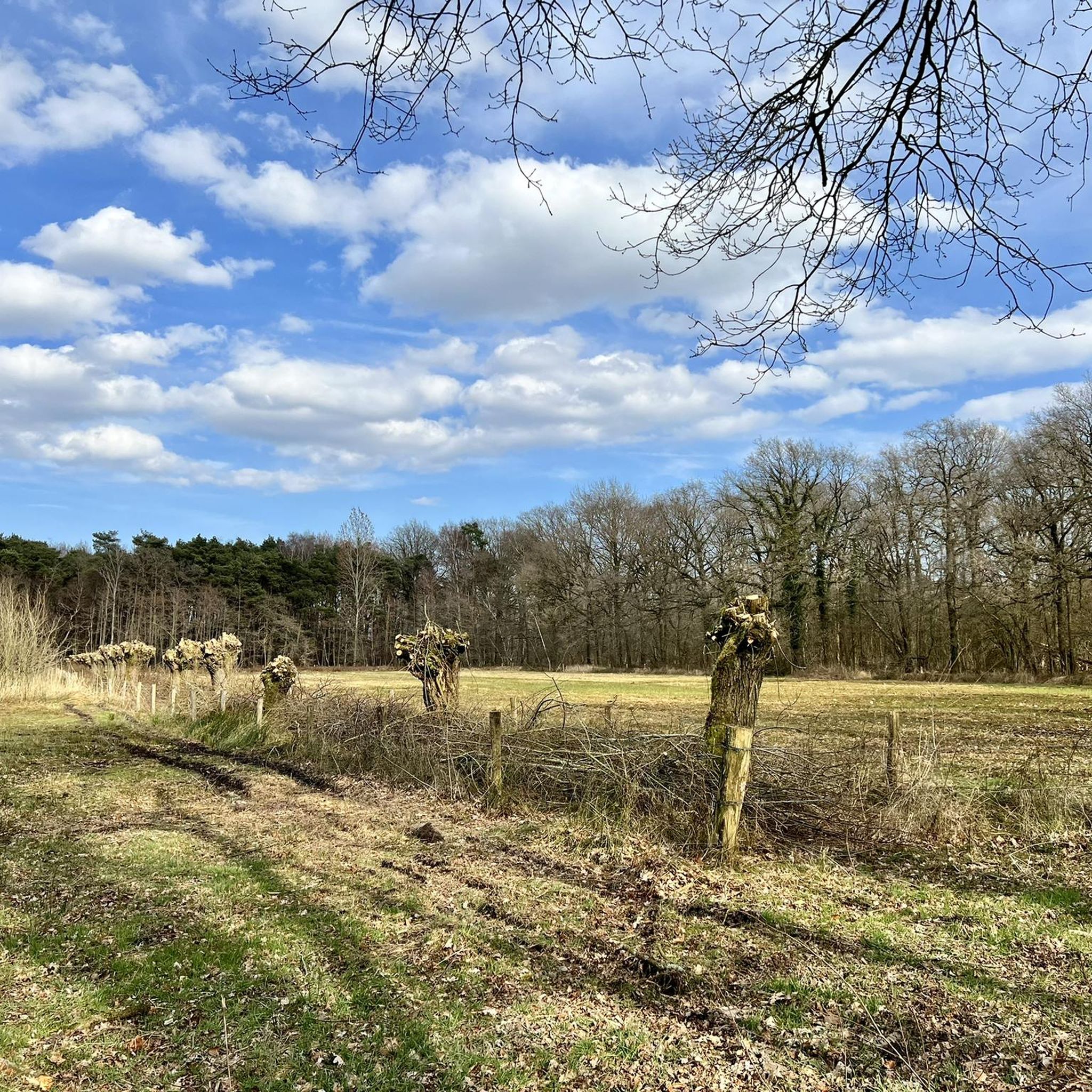
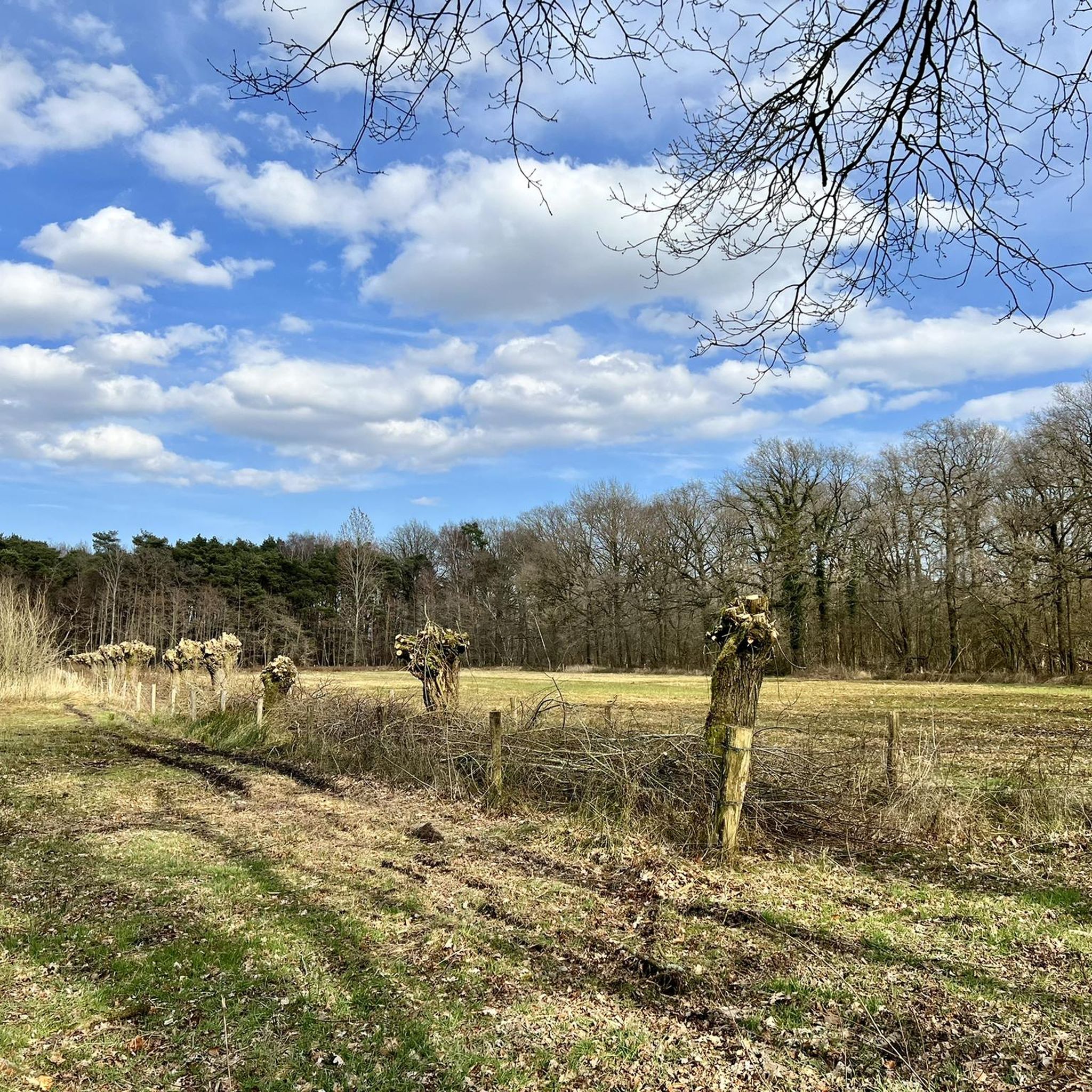
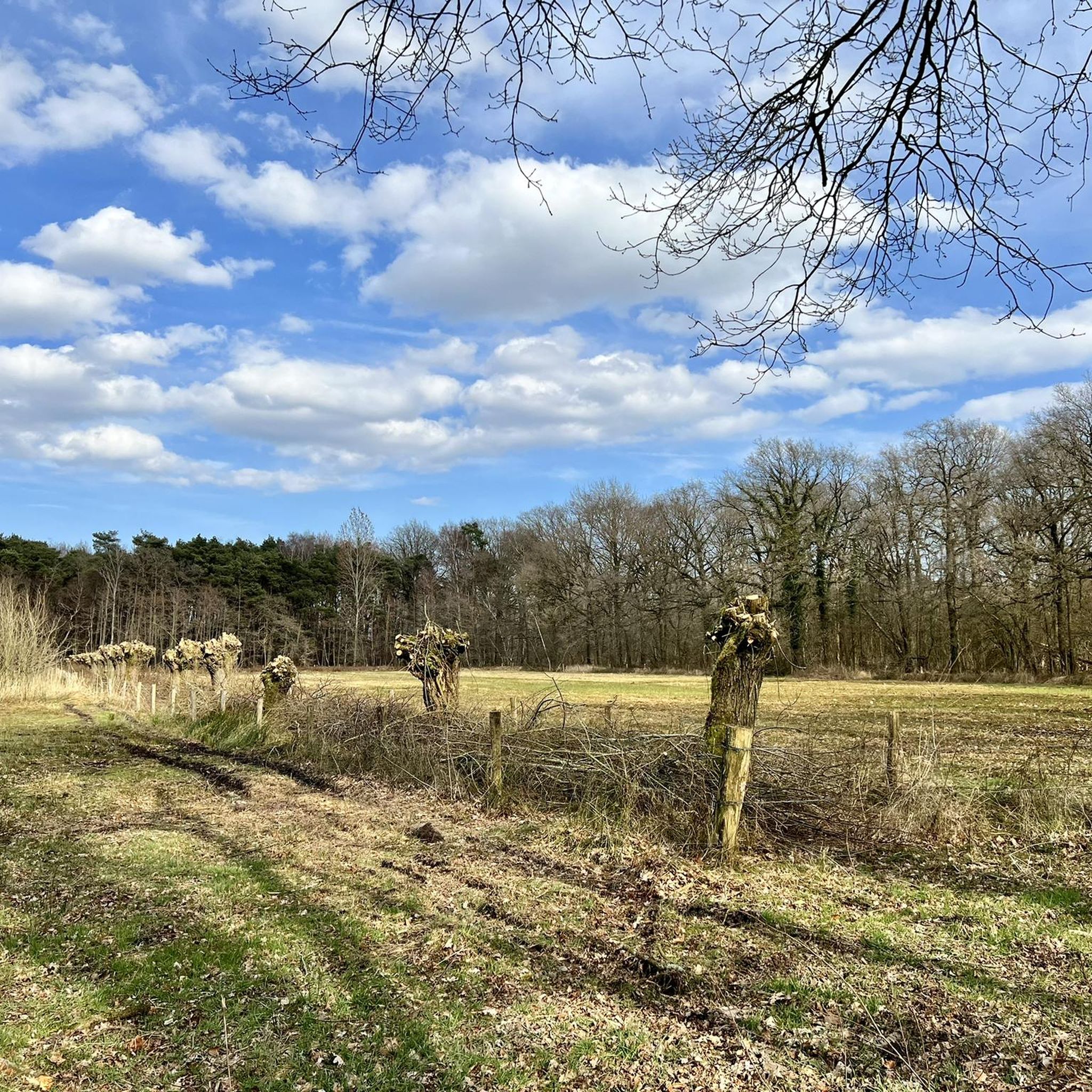
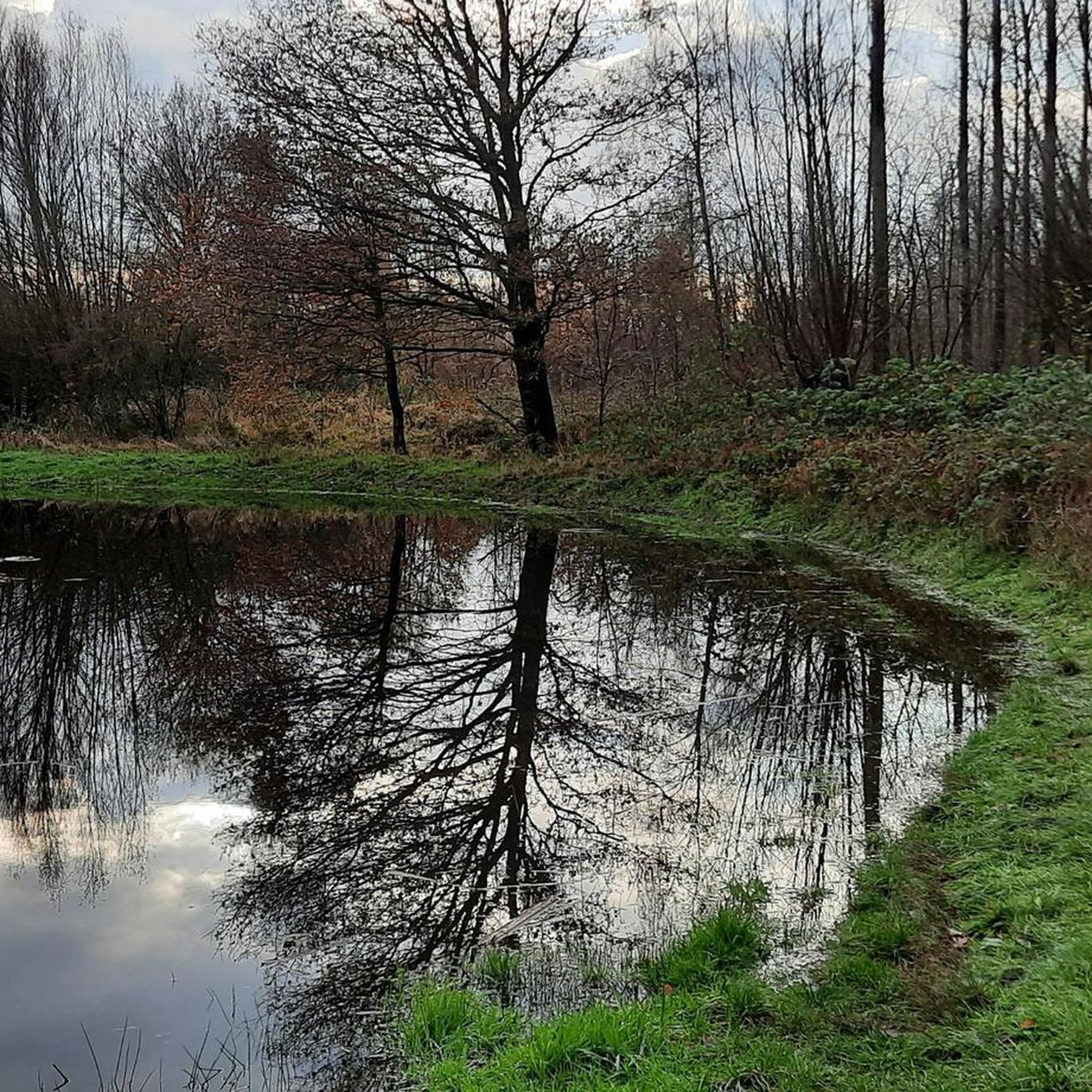
Jogging in De Geelders offers diverse routes through one of the Netherlands' most important wet loam forest areas. The region spans almost 300 hectares, characterized by a mix of coppice walls, deciduous forests, poplar groves, heathlands, and grasslands. A distinctive clay layer contributes to its wet character, fostering unique flora and fauna. The landscape provides varied terrain for running, from wide historical forest paths to winding trails.
Best jogging routes in De Geelders
- The most popular jogging route is Café…
Last updated: June 25, 2026
20
runners
12.6km
01:19
20m
20m
Moderate run. Good fitness required. Mostly paved surfaces. Suitable for all skill levels.
5.0
(2)
19
runners
7.63km
00:47
10m
10m
Moderate run. Good fitness required. Mostly paved surfaces. Suitable for all skill levels.

Sign up for free
10
runners
10.2km
01:03
10m
10m
Moderate run. Good fitness required. Mostly paved surfaces. Suitable for all skill levels.
4.0
(1)
7
runners
10.5km
01:10
10m
10m
Moderate run. Good fitness required. Mostly paved surfaces. Suitable for all skill levels.
5.0
(1)
9
runners
6.44km
00:40
10m
10m
Moderate run. Good fitness required. Mostly paved surfaces. Suitable for all skill levels.
Get access to more routes and recommendations from other explorers.
Sign up for free
Already have an account?
Our route recommendations are based on thousands of hikes, rides, and runs completed by other people on komoot.
Start today with a free account
Your next adventure awaits.
Login or Signup

Tips from the Community

Beautiful old industrial railway bridge over the Dommel, Duits lijntje! Near Kasteren station. Cycle on towards Boxtel to under the A2 where you can see beautiful graffiti works👌
0
0

Café 't Groene Woud is a traditional village pub on the edge of the Het Groene Woud nature reserve, the expansive landscape between Eindhoven, Tilburg, and 's-Hertogenbosch. The pub has long served as a starting and resting point for hikers and cyclists exploring the Dommel Valley, the Kasteren Heath, and the area's ancient hedgerows. The building is a classic Brabant pub: low, sturdy brickwork, a simple gable roof, and an interior known for its friendly atmosphere. Situated at the intersection of old connecting roads, it historically made a natural stopping place for locals, farmers, and travelers. Today, it is especially popular for its tranquil setting and proximity to the main hiking trails through Het Groene Woud. A recognizable point along the route, it's the ideal place to stop and begin or end your walk.
1
0
The former Kasteren Station is located on the former Eindhoven–Eindhoven (Limburg border) railway line of the North Brabant German Railway Company (NBDS), later known as the "German Line." The station opened in 1873 and served as a small stop for the hamlet of Kasteren, between Liempde and Sint-Oedenrode. The building stood along the route that connected international trains to Germany and on to Russia, but passenger services ceased early in the 20th century. After the line closed, the stop lost its function, but the station building was preserved as a recognizable heritage site with the typical NBDS architectural style: a compact stone structure with gables and simple details. Today, the old station is a striking landmark in the landscape along the former railway line, which is now primarily used for walking and cycling.
0
0


As the Scottish liberators approach, a café finds itself at the center of the fighting. Soon after, a completely different kind of bustle breaks out. At 7:30 a.m. on Monday, October 23, the 2nd Battalion Seaforth Highlanders begins their advance from the Schijndel Heath along the German line toward Boxtel. In the woods of the Hermalen, near the café Het Groene Woud (then the Slophoos), the Seaforths encounter German resistance and have to neutralize several German positions. However, the advance proceeds smoothly, and at 10:30 a.m., one company reaches the bridge over the Drainage Canal near Boxtel, near the Schijndelsedijk. There, civilians warn them that the bridge will be blown up by the Germans if they attempt to cross. As a precaution, the Seaforths take up positions on the Schijndel side of the bridge. They do, however, fire on the other side, attempting to prevent the Germans from blowing up the bridge. At 11:20 a.m., he finally blew up. This prevented the Seaforths from continuing on to Boxtel. B Company then advanced to the bridge at Munsel, a few hundred meters further on, but they were unable to cross. C Company remained at the blown-up bridge while A and D Companies spent the rest of the day clearing the woods around Hermalen. Several farms were set ablaze in the fighting. Nearly all the farms around the café were also destroyed by fire. Meanwhile, the 2nd's sister battalion, the 5th, had protected the left flank. At dawn on October 23, 1944, they departed from the north of Sint-Oedenrode along the Ollandseweg towards Olland. They managed to capture Olland without losses. Here too, the enemy had withdrawn towards Liempde, extending beyond the Dommel River. They were, however, hampered by mines and roadblocks in the form of trees across the road. At 6:00 PM, they set up their command post at the Slophoos. They remained in position around Holland throughout the night and the following day. It wasn't until the evening of October 24th that they departed in trucks for the north of Schijndel. It must have been incredibly busy; countless trucks and tanks drove past the café. Several units of the 7th Armoured Division, the famous Desert Rats, also passed by. The café itself was briefly used as headquarters by the 5th Battalion Seaforth Highlanders.
1
0
A café at the heart of liberation As the Scottish liberators approach, a café finds itself at the heart of the fighting. Soon after, a completely different kind of bustle breaks out. At 7:30 a.m. on Monday, October 23, the 2nd Battalion Seaforth Highlanders begins their advance from the Schijndel Heath along the German line toward Boxtel. In the woods of the Hermalen near the café Het Groene Woud (then the Slophoos), the Seaforths encounter German resistance and have to neutralize several German positions. However, the advance proceeds smoothly, and at 10:30 a.m., one company reaches the bridge over the Drainage Canal near Boxtel, near the Schijndelsedijk. There, civilians warn them that the bridge will be blown up by the Germans if they attempt to cross. As a precaution, the Seaforths take up positions on the Schijndel side of the bridge. They did, however, fire on the other side, trying to prevent the Germans from blowing up the bridge. At 11:20 a.m., it was blown up anyway. This prevented the Seaforths from continuing on to Boxtel. B Company then advanced to the bridge at Munsel, a few hundred meters further on, but they were unable to cross. C Company remained at the blown-up bridge while A and D Companies spent the rest of the day clearing the woods around Hermalen. Several farmhouses were set ablaze in the fighting. Nearly all the farmhouses around the café were also destroyed by fire. Meanwhile, the 2nd's sister battalion, the 5th, had protected the left flank. At dawn on October 23, 1944, they departed from the north of Sint-Oedenrode along the Ollandseweg towards Olland. They managed to capture Olland without losses. Here too, the enemy had withdrawn towards Liempde, all the way behind the Dommel River. They were hampered by mines and roadblocks in the form of trees across the road. At 6:00 PM, they set up their command post at the Slophoos. They remained in position around Holland throughout the night and the following day. It wasn't until the evening of October 24th that they departed in trucks for the north of Schijndel. It must have been incredibly busy; countless trucks and tanks drove past the café. Several units of the 7th Armoured Division, the famous Desert Rats, also passed by. The café itself was briefly used as headquarters by the 5th Battalion Seaforth Highlanders.
1
0

Very nice (and narrow) strip along the old railway tracks through the woods. You cross the Dommel via the bridge, you have to get off your bike here.
1
0
Frequently Asked Questions
How many running routes are available in De Geelders?
De Geelders offers a wide selection of running routes, with over 590 trails available on komoot. These routes cater to various preferences, ranging from easy strolls to more challenging runs through the diverse landscape.
What kind of terrain can I expect on the jogging trails in De Geelders?
The terrain in De Geelders is quite varied, reflecting its status as an important wet loam forest area. You'll encounter a mix of natural environments, including coppice walls, deciduous forests with historical drover's roads, poplar groves, heathlands, and grasslands. Some paths, like the 'Laarzenpad' (Boot path), can be wet and may involve small tree bridges over ditches, so appropriate footwear is recommended.
Are there any family-friendly running routes in De Geelders?
Yes, De Geelders has routes suitable for families. While specific 'family-friendly' designations aren't always explicit, many of the easier and moderate trails, especially those that are circular and well-marked, can be enjoyed by families. The 5 km circular walk marked by blue markers, mentioned in the region research, is a good example of an accessible option.
Can I bring my dog on the running trails in De Geelders?
De Geelders is generally welcoming to dogs, but it's always best to check local signage for specific rules regarding leashing, especially in nature reserves to protect wildlife. Many natural areas in the Netherlands permit dogs on trails, often requiring them to be on a leash.
What are some interesting natural features or landmarks to look out for while running?
De Geelders is rich in natural beauty and historical points. You can explore the Forest path in De Geelders, a popular highlight showcasing the area's diverse features. Keep an eye out for the Woven hedge along 't Coot, a natural monument with historical significance, and the Historical Grenswal of Het Speet. In spring, the forest floor is carpeted with millions of wood anemones, and you might spot rare plants and various bird species like tawny owls or hobbies.
Are there any circular running routes in De Geelders?
Yes, many of the running routes in De Geelders are circular, offering convenient starting and ending points. For example, the popular Café 't Groene Woud loop from Boxtel is a 7.6 km circular trail. Staatsbosbeheer also marks a 5 km circular walk with blue markers, providing an easily accessible option.
Where can I find parking or trailheads for jogging in De Geelders?
While specific parking locations aren't detailed in the route descriptions, many trails, such as the Café 't Groene Woud loop from Boxtel, often start or pass by places like Café 't Groene Woud, which can serve as a convenient starting point and may offer parking facilities. It's advisable to check local maps or the komoot app for specific trailhead and parking information for your chosen route.
What is the best time of year to go running in De Geelders?
De Geelders offers a unique experience year-round. Spring is particularly spectacular, with the forest floors covered in millions of wood anemones. The diverse deciduous forests and wet character make it beautiful in all seasons, but be prepared for potentially wet conditions, especially during wetter months.
Are there options for different difficulty levels for runners?
Absolutely. De Geelders provides a range of running routes suitable for various ability levels. Out of nearly 600 routes, 26 are classified as easy, 473 as moderate, and 95 as difficult. This ensures that both beginners and experienced runners can find a suitable challenge.
What do other runners enjoy most about the trails in De Geelders?
The komoot community highly rates the running trails in De Geelders, with an average score of 4.4 stars from over 300 reviews. Runners often praise the varied terrain, the tranquil experience along the Dommel River, and the beautiful natural surroundings, especially the wet loam forests and historical drover's roads.
Is there a place to stop for refreshments near the running routes?
Yes, Café 't Groene Woud is a well-known stopping point and a popular starting place for exploring the surrounding countryside. It offers a comfortable setting for a break before or after your run.
Are there any running routes that follow the Dommel River?
Yes, one of the top favorites among local runners is the Along the Dommel River loop from Boxtel. This moderate 9.6 km path provides a tranquil running experience alongside the scenic Dommel River.
Most popular routes in De Geelders
Most popular attractions in De Geelders

Get inspired with the komoot mobile app


Explore more
Browse the best Running Trails & Routes in other regions.
