Attractions and Places To See in Dunbergbroek (Hagelandse Vallei) - Top 7
Best attractions and places to see in Dunbergbroek (Hagelandse Vallei) include a diverse landscape within the Winge river valley. This nature reserve is characterized by its ecological variety, featuring wet sections, mixed forests, and surrounding Diestian hills. The area is known for its botanical richness, historical sites, and extensive outdoor activity options. It forms a significant part of the broader Hagelandse Vallei, offering a range of natural and cultural points of interest.
Best attractions and places to see in Dunbergbroek…
Last updated: October 9, 2026
Uithemmolen Watermill (Vlasselaar, Wezemaal)
Highlight • Monument
Translated by Google •
Tip by

Dunbergbroek Nature Reserve
Highlight • Forest
Translated by Google •
Tip by
Sign up now to discover places like this
Get recommendations on the best single tracks, peaks, & plenty of other exciting outdoor places.
Bomb craters
Highlight • Natural Monument
Translated by Google •
Tip by

Picnic Spot by the Winge with Kingfisher Information
Highlight • Rest Area
Translated by Google •
Tip by
Dunbergbroek Singletrack
Highlight (Segment) • MTB Park
Tip by

Sign up for free to discover even more attractions in Dunbergbroek (Hagelandse Vallei).
Already have an account?
Start today with a free account
Your next adventure awaits.
Popular around Dunbergbroek (Hagelandse Vallei)
Tips from the Community

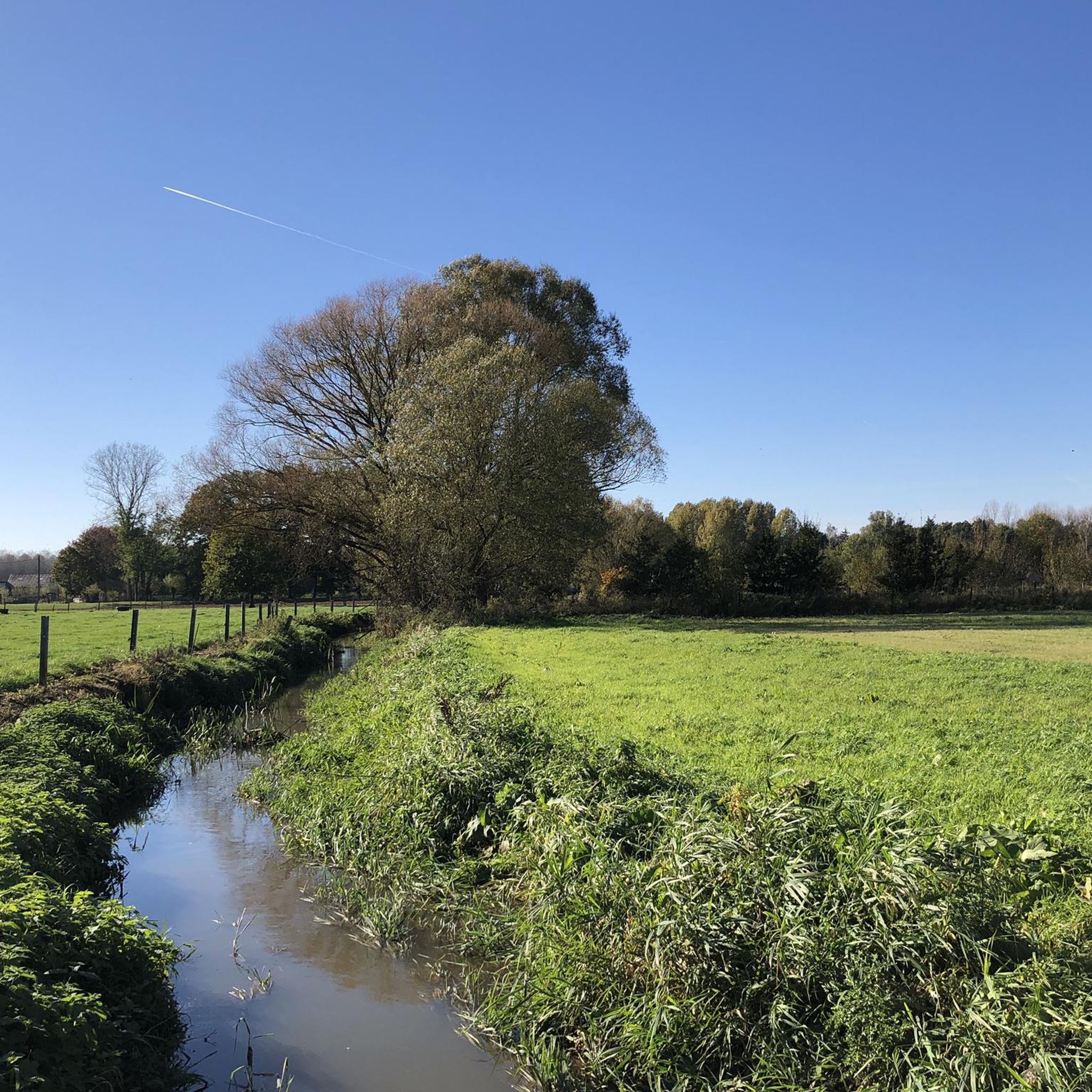
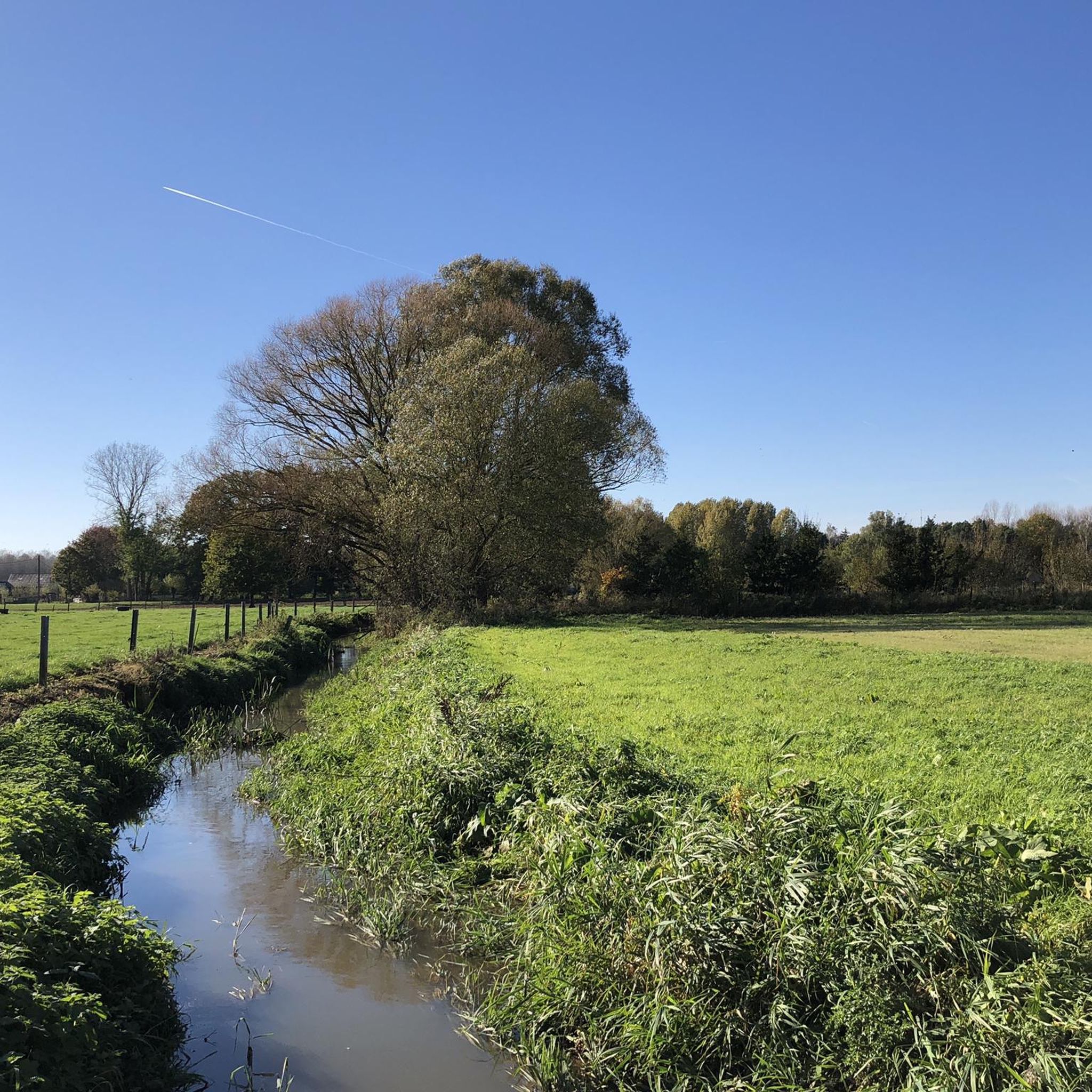
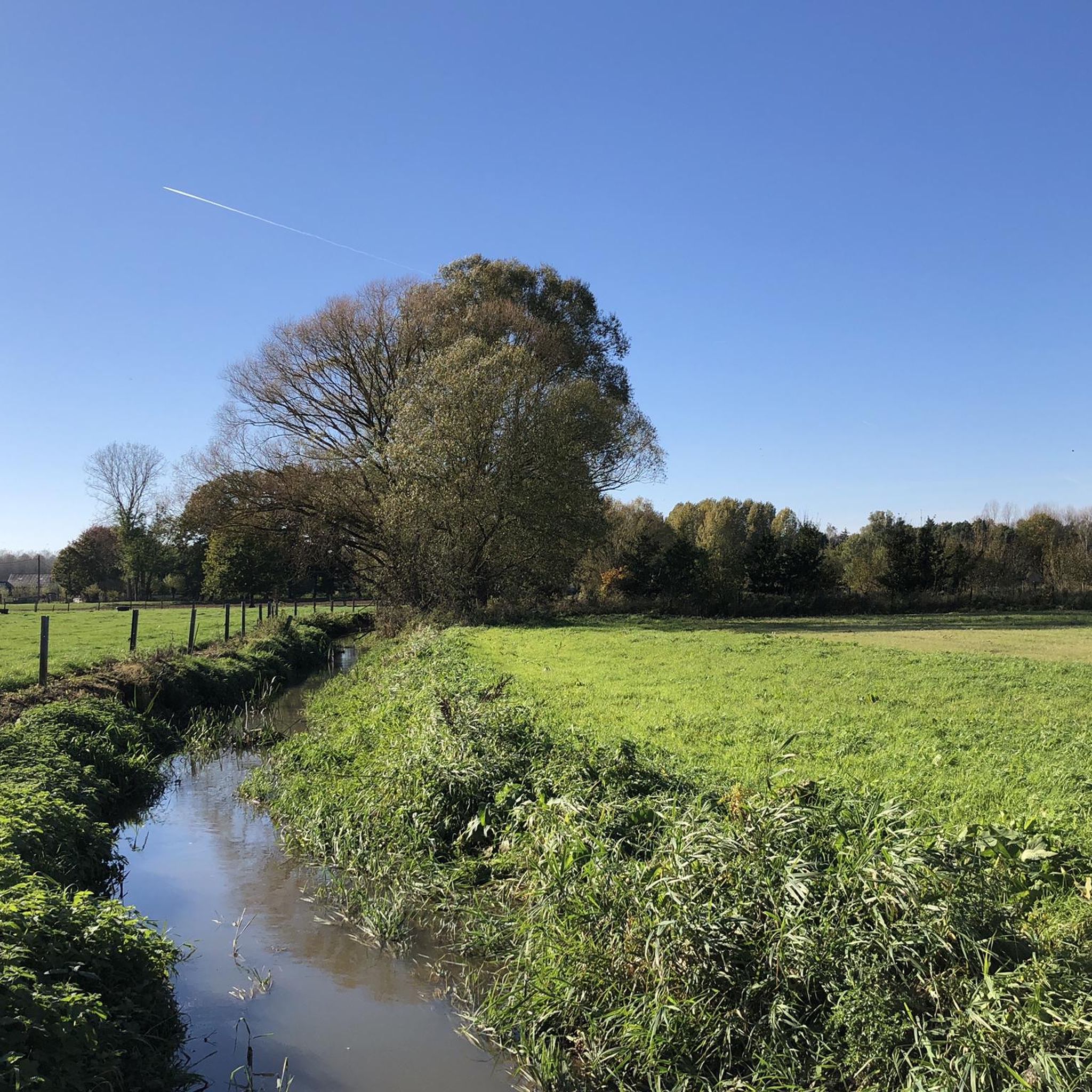
Watermill on the Winge, dating from before 1775 (oldest known mention). The year stone anno 1846 refers to the establishment of the residential house. The surroundings consist of the mill pond of the mill, a section of the Winge upstream and downstream and the surrounding meadows. The stream was straightened in the 1970s, significantly increasing its flow rate. Upstream, the surroundings consist mainly of meadow, downstream is the mill race with surrounding arable land. (Inventory of Immovable Heritage)
7
0

For us, it was the surprise of the day. What a stunning nature reserve.
1
0

According to tradition, the eight bomb pits in the Dunbergbroek were created on the morning of 14 February 1945, Ash Wednesday. The previous evening and night, the British Bomber Command had carried out attacks on the German city of Dresden. As a result, a devastating firestorm had developed in the city centre that would cost tens of thousands of lives. A Lancaster bomber returned home with (some of) its bombs still on board. Because landing with a load of explosives was particularly risky, it was preferred to dump them in uninhabited areas beforehand. In this case, the crew chose the marshy Dunbergbroek. Nowadays, that area is managed by Natuurpunt Holsbeek and the bomb pits serve as amphibious pools. Source and more at https://www.facebook.com/groups/518899858225387/posts/2762698960512121/
5
0
Small picnic spot to the right of the path that meanders along the Winge. A picnic table, (sometimes quite tall) grasses, a tree, some information about the bird for which the Winge has been made to swing again here (its name starts with ice and ends with bird) and a couple of nesting boxes. That's all a person needs (the sandwiches were also useful for a picnic).
7
0
This watermill is located in Vlasselaar, a hamlet of Wezemaal. The oldest known mention dates from 1775. The house dates from 1846, as is also visible in the year stone. The area consists of the molinotope of the mill, a stretch of the Winge upstream and downstream and the surrounding meadows. The mill part, including the lock, dates from the 18th and 19th centuries and has features that very well illustrate the way in which water mills were built in the wider area of Diest under the ancien régime.
7
0

rest under the beautiful tree
1
0
the Winge and the Kleine Leibeek flow together here
4
0
Frequently Asked Questions
What natural features can I explore in Dunbergbroek (Hagelandse Vallei)?
The region is rich in natural beauty, centered around the picturesque Winge river valley. You can explore the Wood anemones in Dunbergbroek, especially vibrant in spring, and the extensive wet sections fed by seepage water from the surrounding Diestian hills like Beninksberg and Chartreuzenberg. The area is a botanical haven with diverse flora and mixed forests.
Are there any historical sites to visit in Dunbergbroek (Hagelandse Vallei)?
Yes, the area holds unique historical significance. You can visit the Bomb craters, which are believed to have been formed in 1945 when a British bomber discharged its explosives over this marshy area. These craters now serve as crucial habitats for amphibians. Additionally, the Uithemmolen Watermill (Vlasselaar, Wezemaal), an 18th and 19th-century structure with its wheel still present, offers a glimpse into the region's industrial past.
What outdoor activities are popular in Dunbergbroek (Hagelandse Vallei)?
Dunbergbroek (Hagelandse Vallei) is a popular destination for various outdoor activities. You can enjoy hiking, cycling, mountain biking, and gravel biking. There are numerous marked trails, including those that ascend the Chartreuzenberg for a more challenging climb. For specific routes, explore the guides for Hiking in Dunbergbroek (Hagelandse Vallei), Road Cycling Routes in Dunbergbroek (Hagelandse Vallei), and Gravel biking in Dunbergbroek (Hagelandse Vallei).
Are there family-friendly spots or activities in the area?
Absolutely! The Picnic Spot by the Winge with Kingfisher Information is a charming and family-friendly location with a picnic table and informative displays about local wildlife. The Bomb craters, now amphibian pools, can also be an interesting and educational stop for families. The numerous easy hiking trails in the region are also suitable for family outings.
What is the best time to visit Dunbergbroek (Hagelandse Vallei) for nature viewing?
Late spring is ideal for experiencing the vibrant hay meadows, while early spring is perfect for seeing the rich array of spring flora, such as extensive carpets of wood anemone, within the forests. The region is particularly stunning in March/April when the Wood anemones in Dunbergbroek are in full bloom.
Can I spot any wildlife in Dunbergbroek (Hagelandse Vallei)?
Yes, the area is abundant in wildlife. Keep an eye out for kingfishers along the Winge river, especially near the Picnic Spot by the Winge with Kingfisher Information. Other potential sightings include fox-headed sheep, hawkes, polecats (bunzing), and deer. The Bomb craters also provide crucial habitats for amphibians.
Are there specific hiking trails recommended for exploring the Winge valley?
Yes, the Hagelandse Vallei offers several marked walking trails. The Hagelandse Valleiwandeling is a popular option that allows you to explore the Winge valley, Dunbergbroek, and Kloosterbroekbos. You can find more information and maps for various routes, including those that ascend the Chartreuzenberg, from Natuurpunt. For a specific route, consider the Hagelandse Valleiwandeling (red route).
What kind of cycling experiences can I find in Dunbergbroek (Hagelandse Vallei)?
The region caters to various cycling preferences. Mountain bikers can enjoy the Dunbergbroek Singletrack, a flat yet twisty trail along the meandering river. For those interested in gravel or road cycling, there are numerous routes available, ranging from easy to moderate difficulty. Check out the dedicated guides for Gravel biking in Dunbergbroek (Hagelandse Vallei) and Road Cycling Routes in Dunbergbroek (Hagelandse Vallei).
What should I be aware of when visiting the wet areas of Dunbergbroek?
Given the extensive wet sections and marshy areas, especially during warmer months, it is highly recommended to use mosquito repellent when visiting Dunbergbroek. Some paths, particularly in the wetter parts, can also be soggy, so appropriate footwear is advisable.
Are there any viewpoints or scenic spots in the region?
The surrounding Diestian hills, including the Beninksberg, Wijngaardberg, Chartreuzenberg, and Speelberg, offer elevated perspectives and enhance the area's natural beauty. The Picnic Spot by the Winge with Kingfisher Information also provides a pleasant view along the river.
What makes the Dunbergbroek Nature Reserve unique?
The Dunbergbroek Nature Reserve is renowned for its ecological diversity. It features vibrant hay meadows, rich spring flora in its forests, and is carefully managed with regular mowing and grazing by fox-headed sheep. It's an integral part of the larger Hagelandse Vallei, known for its winding Winge river and extensive wet sections, making it the region's most ecologically varied valley.
Most popular routes in Dunbergbroek (Hagelandse Vallei)

Get inspired with the komoot mobile app


Explore more
Still not found the Highlight you’re looking for? See guides of the top attractions in other regions:
