Attractions and Places To See in Marais D'Harchies-Hensies-Pommerœul - Top 4
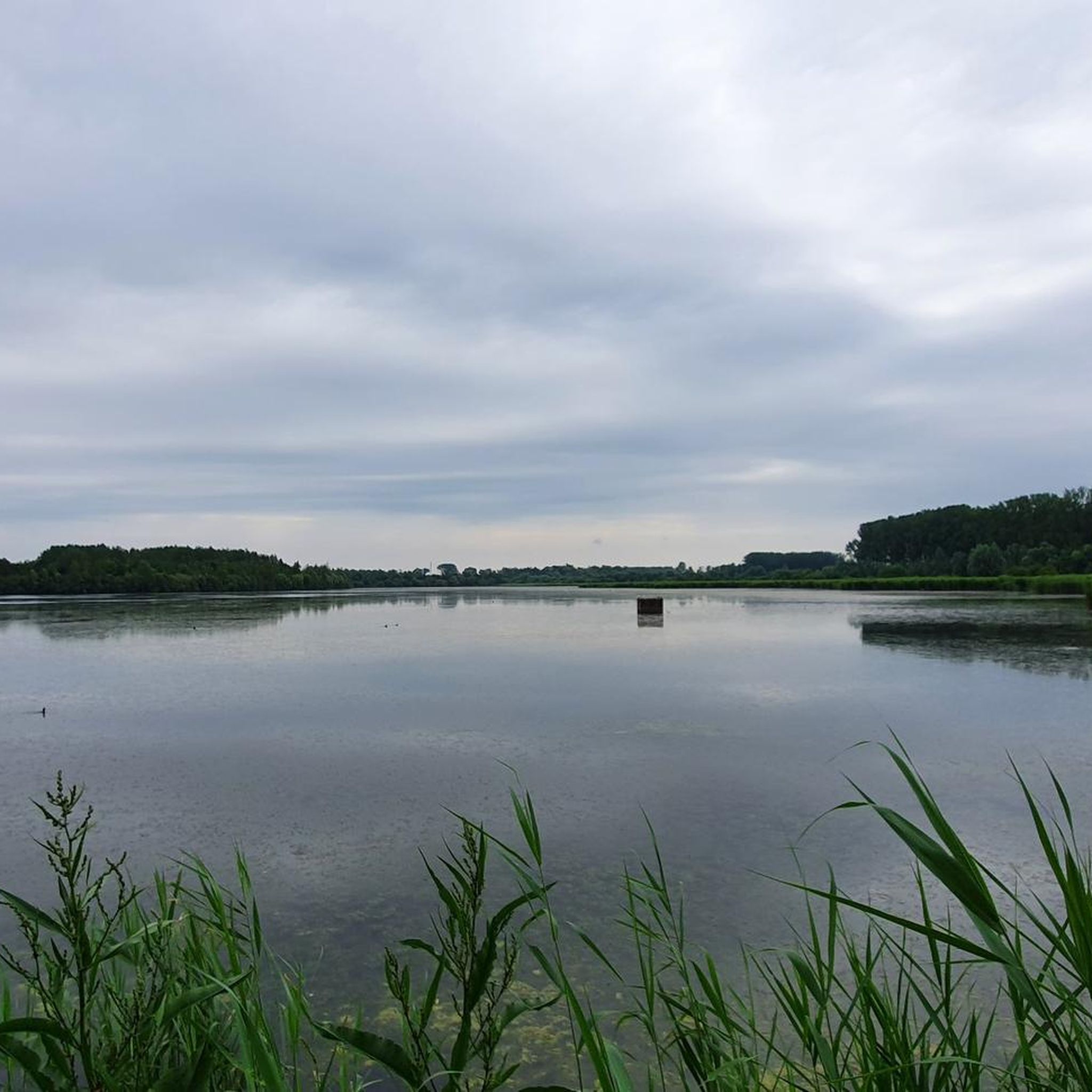
Best attractions and places to see in Marais D'Harchies-Hensies-Pommerœul include a significant natural area in Wallonia, Belgium, known for its extensive wetlands and rich biodiversity. This region, formed from mining subsidence in the early 20th century, has developed into a crucial ecological site. It is recognized internationally as a Ramsar wetland, offering diverse habitats such as ponds, reed beds, and wet meadows. The area provides opportunities for nature observation and exploring landscapes shaped by both natural processes and industrial history.
…Last updated: May 5, 2026
Marais d'Harchies-Hensies-Pommerœul Nature Reserve
Highlight • Natural Monument
Translated by Google •
Tip by

Birdwatching hide at the Marais d'Harchies-Hensies-Pommerœul
Highlight • Structure
Translated by Google •
Tip by

Sign up now to discover places like this
Get recommendations on the best single tracks, peaks, & plenty of other exciting outdoor places.
Sign up for free
Les Catillons
Highlight • Natural Monument
Translated by Google •
Tip by
Harchies-Pommeroeul Lock Complex
Highlight • Structure
Translated by Google •
Tip by

the remains of the Hensies-Pommeroeul coal mines
Highlight (Segment) • Historical Site
Translated by Google •
Tip by
Start today with a free account
Your next adventure awaits.
Login or Signup
Popular around Marais D'Harchies-Hensies-Pommerœul
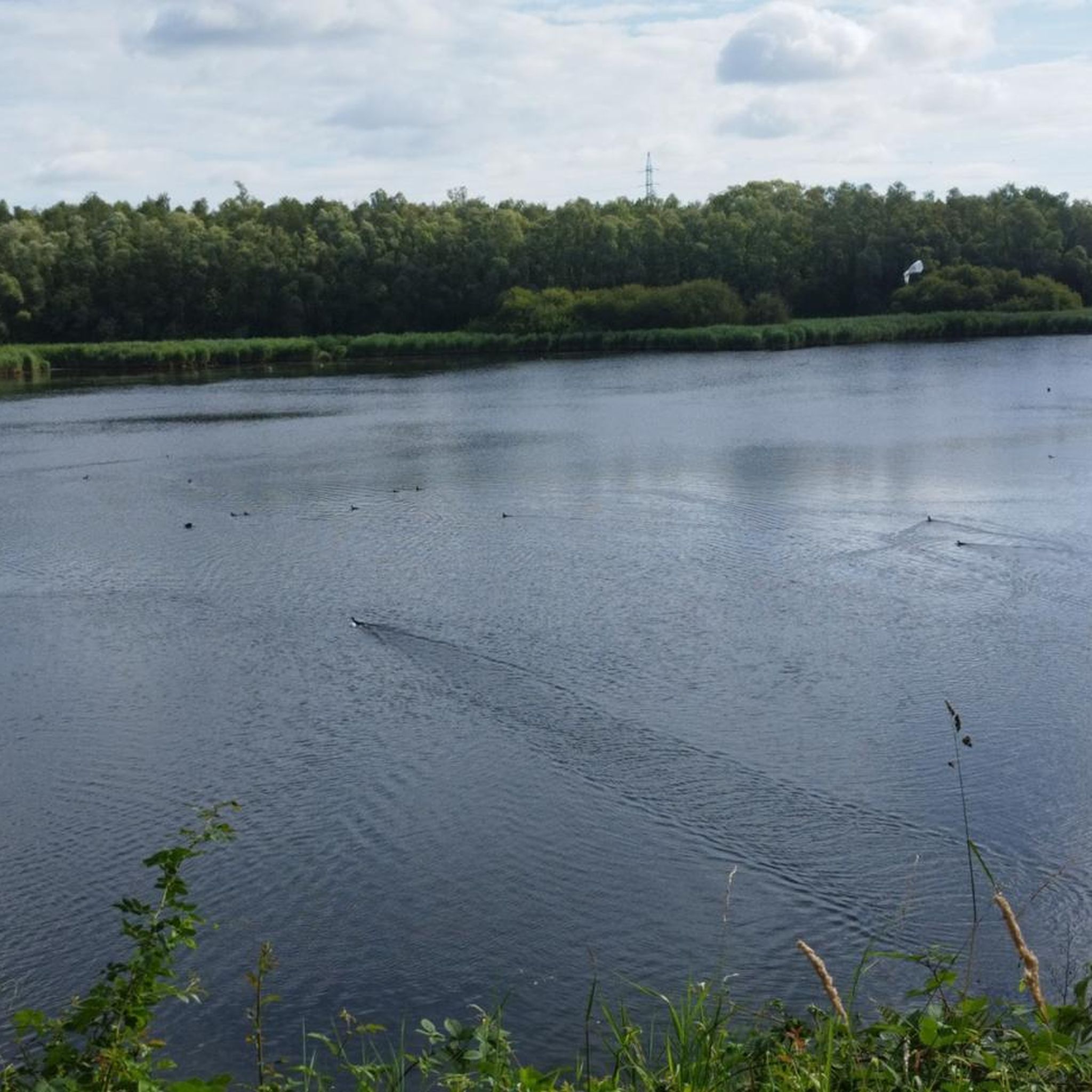
Hiking in Marais D'Harchies-Hensies-Pommerœul
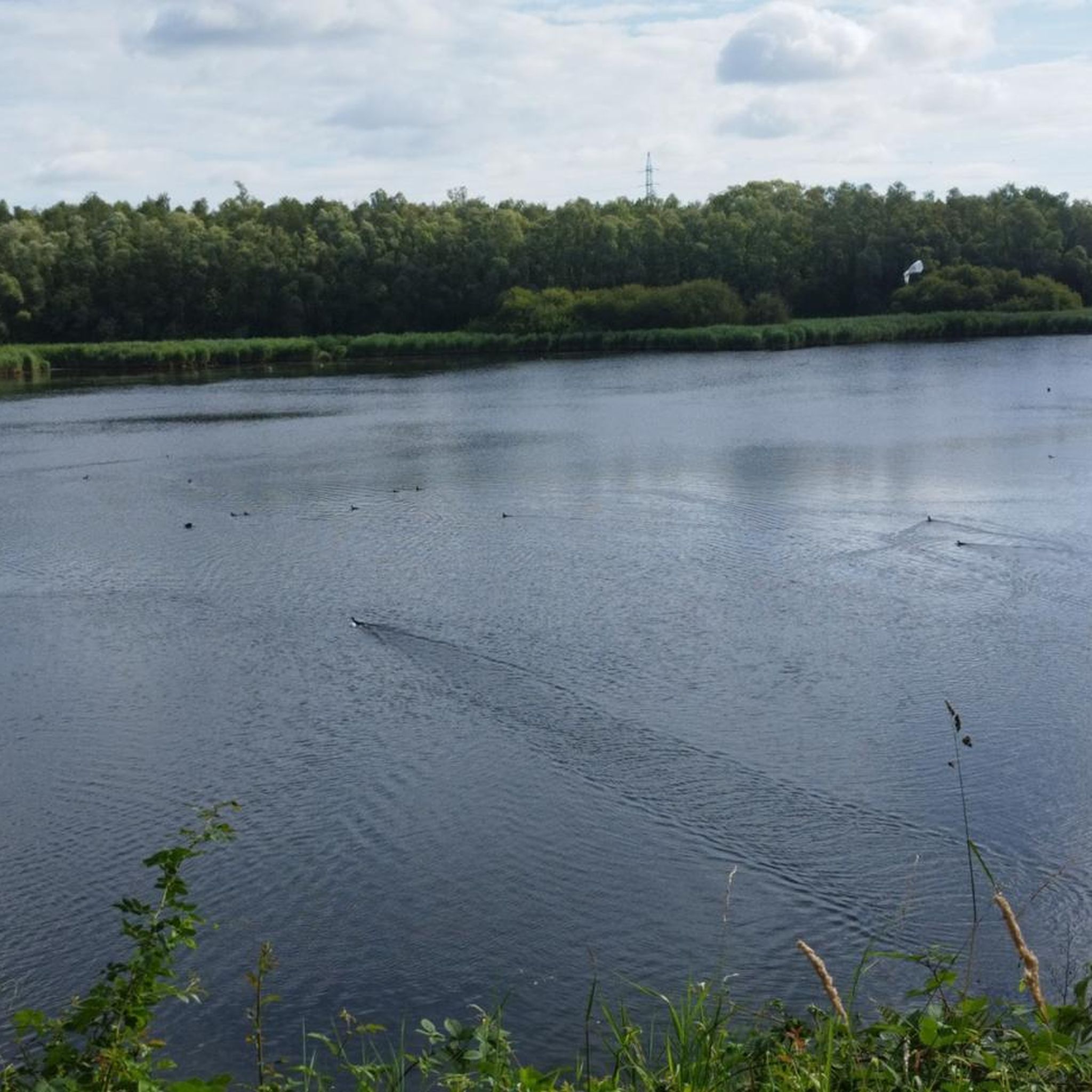
Road Cycling Routes in Marais D'Harchies-Hensies-Pommerœul
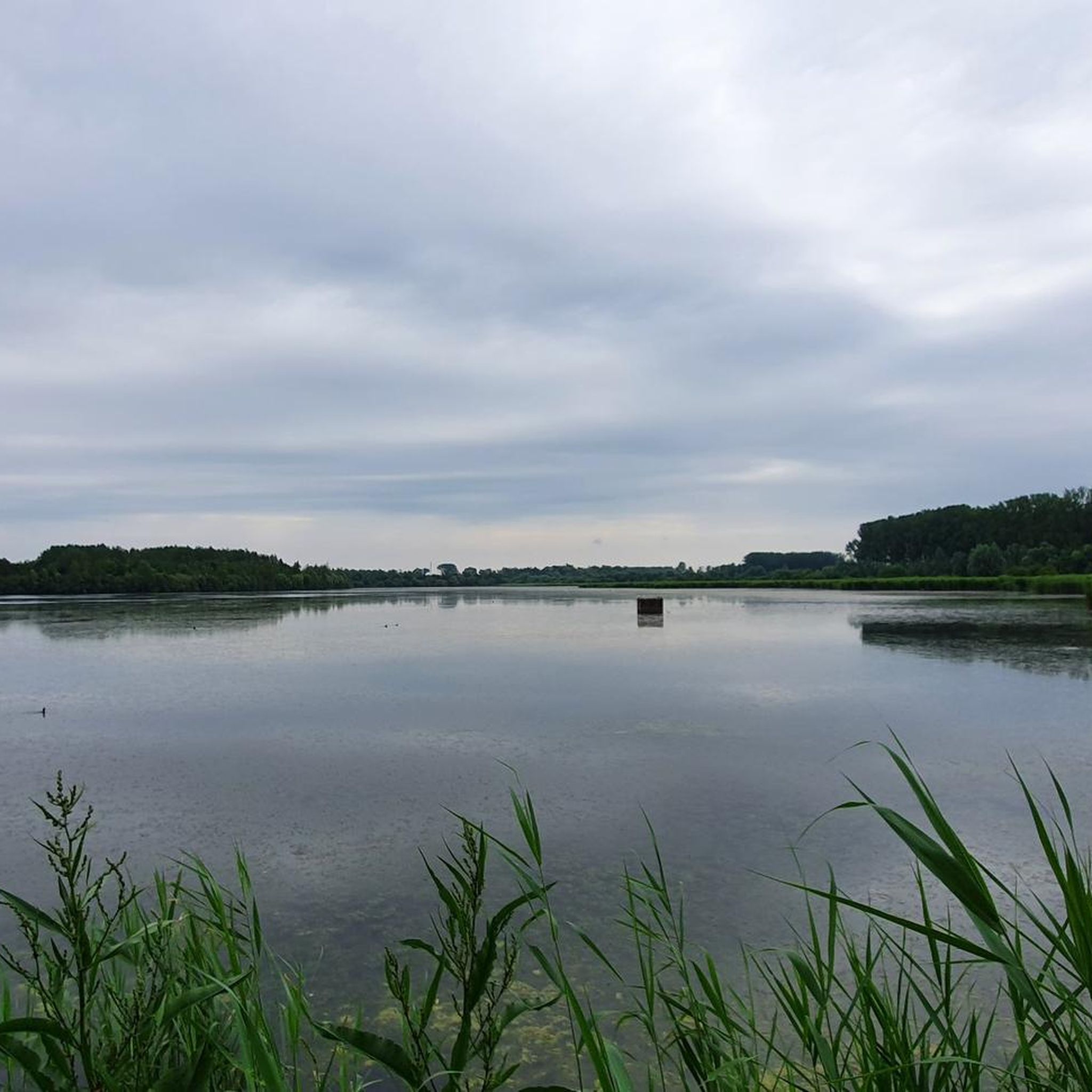
Cycling in Marais D'Harchies-Hensies-Pommerœul
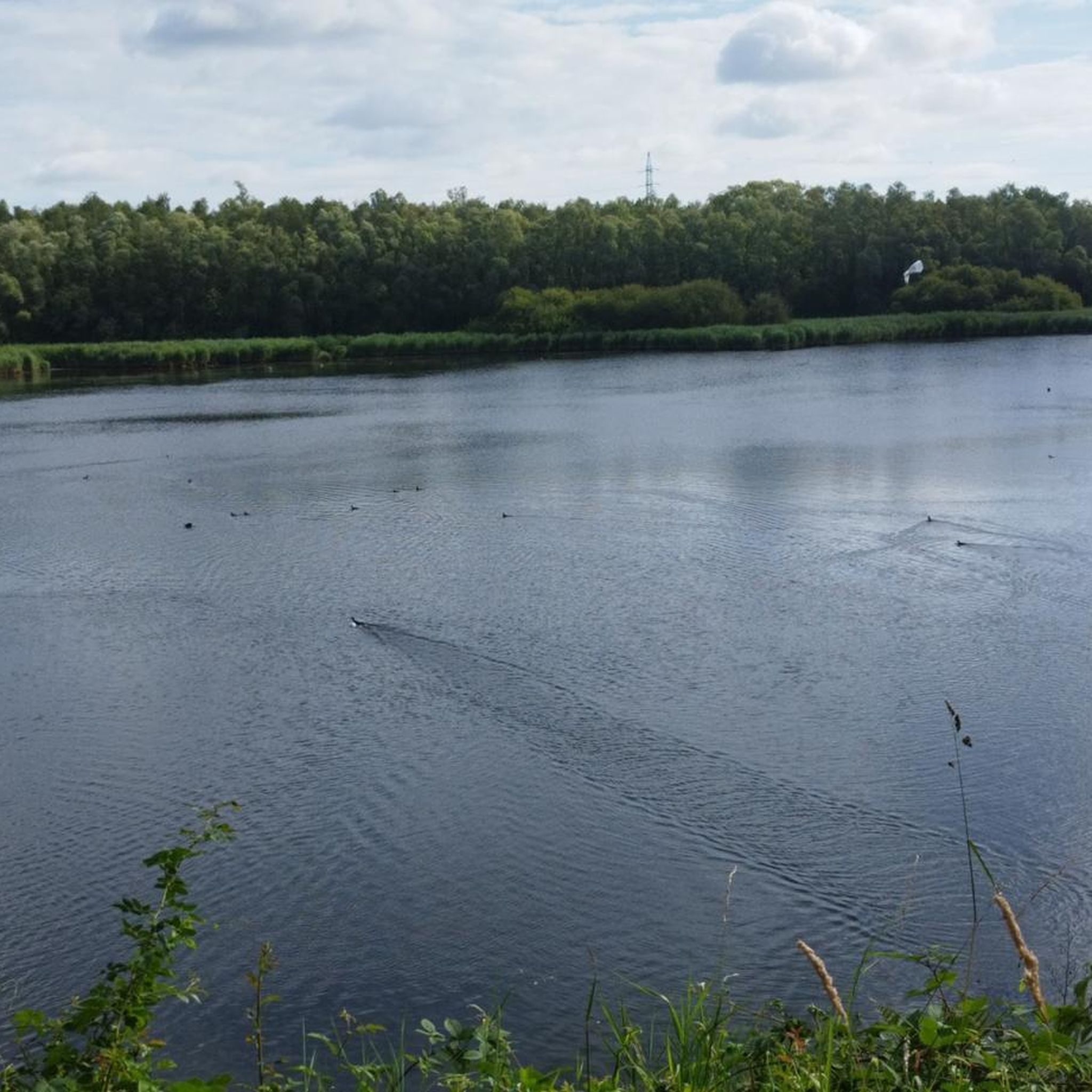
MTB Trails in Marais D'Harchies-Hensies-Pommerœul
Running Trails in Marais D'Harchies-Hensies-Pommerœul

Gravel biking in Marais D'Harchies-Hensies-Pommerœul
Tips from the Community

Attention change of regulation, a part of the reserve is forbidden to bicycles. I saw it this morning.
0
0

Huge lock on the canal, the last in Belgium.
3
0

Ornithological nature reserve, with magnificent species. Several observation points set up for bird watching. accessible to PMR.
3
0

On the right of this road, heaps of coal dust and old ruined industrial buildings are the remains of the coal mines of Hensies-Pommeroeul. This colliery was put into operation after the First World War and provided high quality products. The headquarters of Sartis was the last coal mine in the Borain basin. It closed on March 31, 1976 (GR412 Slag heap trail)
9
0
There are two viewing huts on the route. But especially many ornithologists. This must clearly be a special place!
9
0
Rarely seen so many ornithologists together. Each with their big, long cameras!
9
0
Located in the heart of the Haine valley, between Mons and Tournai, the marshy complex of Harchies-Hensies-Pommeroeul, better known as the Marais d'Harchies, is a major site for the fauna and flora of Wallonia. Covering an area of 550 hectares, this site of great biological interest is home to many species and constitutes an important transit site during bird migration and offers ideal conditions for the nesting and wintering of numerous species. Its registration as a “Ramsar” wetland confirms its importance on an international scale. https://oiseaumaraisdharchies.be/
9
0

Very beautiful site, beautiful nature reserve, home to many birds. Some observatories on the route to better appreciate this walk
6
0
Frequently Asked Questions
What kind of natural environment can I expect to find in Marais D'Harchies-Hensies-Pommerœul?
Marais D'Harchies-Hensies-Pommerœul is primarily an extensive wetland area, recognized internationally as a Ramsar site. You'll discover a diverse landscape of ponds, reed beds, sedge beds, wet meadows, willow groves, and poplar stands. This rich environment, formed from mining subsidence, is a crucial ecological site in Wallonia, Belgium.
What makes Marais D'Harchies-Hensies-Pommerœul important for wildlife?
The region is a paramount ornithological site, hosting around 250 observed wild bird species, making it the richest in the Hainaut region. It serves as an important transit point during bird migration and offers ideal conditions for both nesting and wintering species. The extensive reed beds, covering nearly 50 hectares, are particularly vital for many species.
What are the best opportunities for birdwatching in the Marais d'Harchies?
The Marais d'Harchies is a prime location for birdwatching, with numerous species present throughout the year. May is particularly good for rare migratory birds, while March-May and August-November offer excellent overall observation opportunities. There are viewing huts specifically designed for bird observation along the trails. Remember to bring binoculars to fully appreciate the diverse avifauna at Marais d'Harchies-Hensies-Pommerœul Nature Reserve.
Are there walking trails available in the Marais D'Harchies-Hensies-Pommerœul?
Yes, several circuits are available for exploring the marshes, allowing visitors to discover the wetland landscapes. Common routes range from approximately 4.8 km to 6.7 km. These paths offer a chance to observe the natural beauty and inhabitants of the area, including the significant Les Catillons.
What are some easy walking options in the Marais d'Harchies?
For easy walks, you can find several routes within the Marais d'Harchies-Hensies-Pommerœul area. For example, there are easy hikes like the 'Les Catillons – Hunting Avenue loop from Marais d'Harchies-Hensies-Pommerœul' which is about 3.6 km, or the 'Hunting Avenue – Les Catillons loop from Bernissart' at around 6.5 km. You can find more options in the Easy hikes in Marais D'Harchies-Hensies-Pommerœul guide.
Can I bring my dog on the trails in Marais D'Harchies-Hensies-Pommerœul?
Yes, dogs are permitted on the trails within the Marais D'Harchies-Hensies-Pommerœul, but they must be kept on a leash at all times to protect the sensitive wildlife and natural environment.
When is the best time of year to visit Marais D'Harchies-Hensies-Pommerœul?
The best times to visit for birdwatching and enjoying the natural beauty are generally during the migratory periods: March to May and August to November. May is particularly highlighted for observing rare migratory birds. However, the reserve offers unique experiences throughout the year.
Are there any facilities or visitor centers at the Marais d'Harchies?
Yes, the CRIE d'Harchies (Regional Center for Environmental Initiation) is integrated with Natagora and offers environmental education activities. They often organize guided tours of the marshes, providing deeper insights into the ecosystem. These tours can be a great way to learn more about the area.
Is Marais D'Harchies-Hensies-Pommerœul accessible for visitors with mobility challenges?
Some parts of the Marais d'Harchies-Hensies-Pommerœul Nature Reserve are noted as wheelchair accessible. It is advisable to check specific trail conditions or contact the CRIE d'Harchies for detailed information on the most accessible routes.
What outdoor activities can I do near these attractions?
Beyond walking and birdwatching, the region offers opportunities for cycling. You can explore various routes, including gravel biking and mountain biking trails. For example, there are MTB Trails in Marais D'Harchies-Hensies-Pommerœul and Gravel biking in Marais D'Harchies-Hensies-Pommerœul guides available.
What do visitors enjoy most about Marais D'Harchies-Hensies-Pommerœul?
Visitors particularly appreciate the rich vegetation, unique scents, and the enchanting ornithological reserve. Many find it a special place for birdwatching, often bringing binoculars to observe the diverse species. The peaceful wetland landscapes and the opportunity for quiet nature walks are also highly valued.
Are there any historical or man-made points of interest in the area?
While primarily a natural preserve, the region's history is tied to mining subsidence, which formed the wetlands. You can still see remnants like numerous spoil tips (terrils) that now host unique flora. Additionally, the Harchies-Pommeroeul Lock Complex, situated between the Canal Condé-Pommeroeuil and the Haine River, represents a piece of local infrastructure and historical engineering.
Most popular routes in Marais D'Harchies-Hensies-Pommerœul

Get inspired with the komoot mobile app


Explore more
Still not found the Highlight you’re looking for? See guides of the top attractions in other regions:
