Attractions and Places To See around Diesdorf - Top 20
Best attractions and places to see around Diesdorf include historical sites, cultural museums, and natural features. This municipality in Germany is situated in a landscape shaped by the Saale Ice Age, characterized by terminal moraines and wooded areas. The region offers insights into rural life and historical architecture, with its traditional houses and ancient settlements. Diesdorf provides a variety of points of interest for those exploring history and nature.
Best attractions and places to see around Diesdorf
- The most popular attractions is Fieldstone Church Wallstawe, a religious building that is a small stone church typical of the region. Its tower is located on the east side, which is an unusual feature for churches in the Altmark.
- Another must-see spot is Diesdorf Market Square, a historical site. This picturesque market square features traditional regional houses and offers a place to relax.
- Visitors also love Diesdorf Open-Air Museum, a historical site. Founded in 1911, it is one of Germany's oldest open-air museums, spanning approximately 6 hectares with over 20 historical timber-framed houses illustrating rural life from the 17th to 20th centuries.
- Diesdorf is known for its historical sites, cultural museums, and natural features like megalithic graves. The area offers a variety of attractions to see and explore, from ancient churches to preserved traditional villages.
- The attractions around Diesdorf are appreciated by the komoot community, with over 160 upvotes and 30 photos shared.
Last updated: July 7, 2026
Diesdorf Market Square
Highlight • Historical Site
Translated by Google •
Tip by

Diesdorf Open-Air Museum
Highlight • Historical Site
Farmhouses, storehouses and gatehouses, blacksmith and windmill, pigeon tower, bakery and village school convey the culture and way of life of the people in the Altmark between the 17th and 20th centuries
Translated by Google •
Tip by

Sign up now to discover places like this
Get recommendations on the best single tracks, peaks, & plenty of other exciting outdoor places.
Sign up for free
Fieldstone Church Wallstawe
Highlight • Religious Site
Translated by Google •
Tip by

Knesebeck Castle Wall
Highlight • Castle
Translated by Google •
Tip by

Monastery Church of St. Mary and Crucis Diesdorf
Highlight • Religious Site
Translated by Google •
Tip by
Sign up for free to discover even more attractions around Diesdorf.
Sign up for free
Already have an account?
Start today with a free account
Your next adventure awaits.
Login or Signup
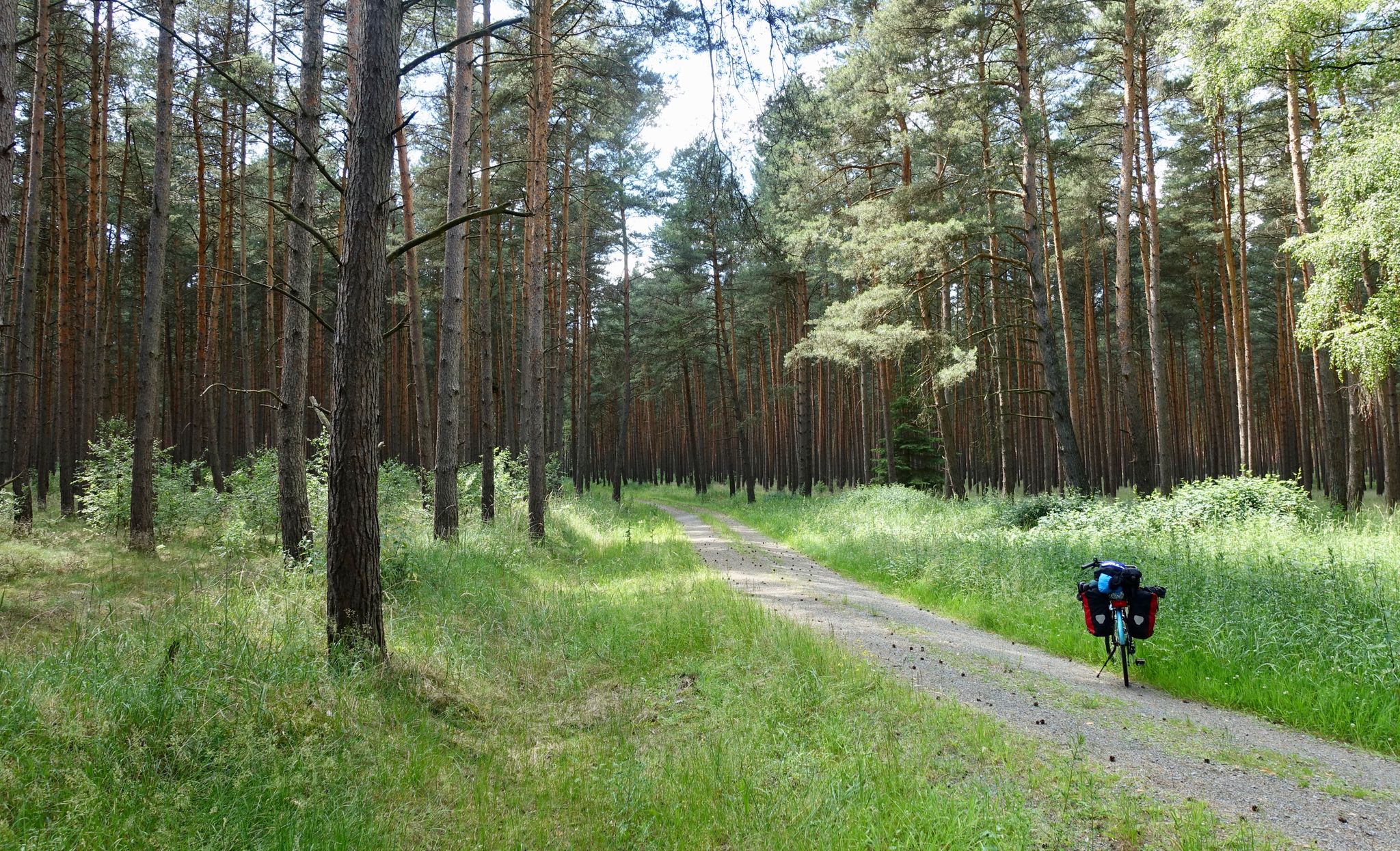
Other adventures around Diesdorf

Tips from the Community

It's nice to drive around and view from the outside. I don't know if it's possible to view the inside.
0
0

Unfortunately, it's not really accessible. On the one hand, there's very dense vegetation around it in the summer, and on top of that, there's a metal fence. An information board at the front of the main road also provides useful information about the wall in German and English.
1
0

The monastery church of St. Mary and Crucis in Diesdorf was founded in 1161 as part of an Augustinian monastery. Construction of the three-aisled brick basilica began in 1182 and was completed around 1230. It is an important example of brick Romanesque architecture in the Altmark and is characterized by its complete groin vaults and the tied system. Of the old four-part chimes, only the smallest bronze bell from 1652 has survived. The remaining bells fell victim to the armaments industry in the two world wars. In the 1950s, four cast iron bells were purchased thanks to donations from the community. After reunification, Otto Bose, a native of Diesburg, donated four new bronze bells to the church. The church is part of the Romanesque Road and can be visited from April to September.
6
0

The castle is definitely worth a visit
0
0
A beautiful excursion destination the old castle
1
0

An impressive church, unfortunately only open for visits from April to October. However, you can access pictures of the interior via a QR code.
0
0

The museum, founded in 1911, is one of the oldest museum villages in Germany. A visit to the museum with over 25 residential and commercial buildings is extremely worthwhile and highly recommended.
3
0
A beautiful place. The nearby monastery is especially great!
1
0
Frequently Asked Questions
What historical sites can I explore in Diesdorf?
Diesdorf offers a rich history, including the Monastery Church of St. Mary and Crucis Diesdorf, a significant Brick Romanesque site on the Romanesque Road. You can also visit the Diesdorf Market Square with its traditional houses, and the Alte Darre, the former monastery's brewing and baking house now serving as a local historical museum. The area also features several megalithic graves, indicating ancient human settlement.
Are there any museums in Diesdorf?
Yes, the Diesdorf Open-Air Museum is a prominent cultural attraction. Founded in 1911, it is one of Germany's oldest open-air museums, showcasing over 20 historical timber-framed houses and farm buildings across six hectares, illustrating rural life in the Altmark region from the 17th to 20th centuries.
What natural features can I see around Diesdorf?
Diesdorf is set in a landscape shaped by the Saale Ice Age, characterized by terminal moraines and wooded areas. You can explore the surrounding countryside, which is known for its natural beauty and old oak trees. The area also features several ancient megalithic graves.
Are there family-friendly attractions in Diesdorf?
Absolutely. The Diesdorf Open-Air Museum is highly recommended for families, featuring a natural playground and a café. The Diesdorf Market Square is also a pleasant spot for a family stroll, and the Knesebeck Castle Wall area offers a well-maintained park suitable for a family outing.
What kind of outdoor activities can I do near Diesdorf?
The region around Diesdorf is excellent for outdoor activities. You can find various routes for hiking and cycling. For specific hiking options, explore the Easy hikes around Diesdorf guide, which includes routes like the 'Diesdorf Market Square – Alte Darre, Diesdorf Monastery loop'. Cyclists can find inspiration in the Road Cycling Routes around Diesdorf guide.
Are there hiking trails to explore ancient sites?
Yes, the Hünengrabwanderweg is a 7.5-kilometer hiking trail that allows visitors to explore the area's megalithic tombs. This trail also passes by the historical Diesdorf Market Square and the monastery church walls.
What do visitors enjoy most about Diesdorf?
Visitors appreciate the journey back in time offered by the Diesdorf Open-Air Museum, with its detailed portrayal of rural life. The picturesque Diesdorf Market Square with its traditional houses is also a favorite for its charm and relaxing atmosphere. The unique architecture of the Fieldstone Church Wallstawe, with its unusual east-side tower, is also a point of interest.
Where can I find parking near Diesdorf attractions?
The Diesdorf Market Square offers free parking, making it a convenient starting point for exploring the town's attractions. Parking information for other specific sites may vary, but the market square is a good central option.
Is there a castle or similar historical fortification nearby?
While a bit further afield, the Knesebeck Castle Wall is considered an attraction around Diesdorf. Dating back to the 13th century, it features a well-maintained park with remnants of an old defensive wall, offering a glimpse into the region's medieval past.
Are there any unique architectural features in the churches around Diesdorf?
Yes, the Monastery Church of St. Mary and Crucis Diesdorf is notable for having the Altmark's first fully developed groin vault. Additionally, the Fieldstone Church Wallstawe is unique because its tower is located on the east side, which is an unusual feature for churches in the Altmark region.
Can I find places to eat or drink near the attractions?
The Diesdorf Open-Air Museum includes a café, providing a convenient spot for refreshments during your visit. The Diesdorf Market Square area also offers opportunities for shopping and places to relax.
Most popular routes around Diesdorf
Most popular attractions around Diesdorf

Get inspired with the komoot mobile app


Explore more
Still not found the Highlight you’re looking for? See guides of the top attractions in other regions:
