Attractions and Places To See in Grotenhoutbos - Gierlebos - Top 15
Best attractions and places to see in Grotenhoutbos - Gierlebos. This historic forest, located southwest of Turnhout on the border of Lille and Vosselaar, spans approximately 300 to 375 hectares. It is known for its extensive forests, diverse ecosystems, and significant biodiversity. Once a hunting ground for nobility, the area features a rich variety of tree species and plant life, making it a notable destination for outdoor activities.
Best attractions and places to see in Grotenhoutbos - Gierlebos
- The most…
Last updated: July 19, 2026
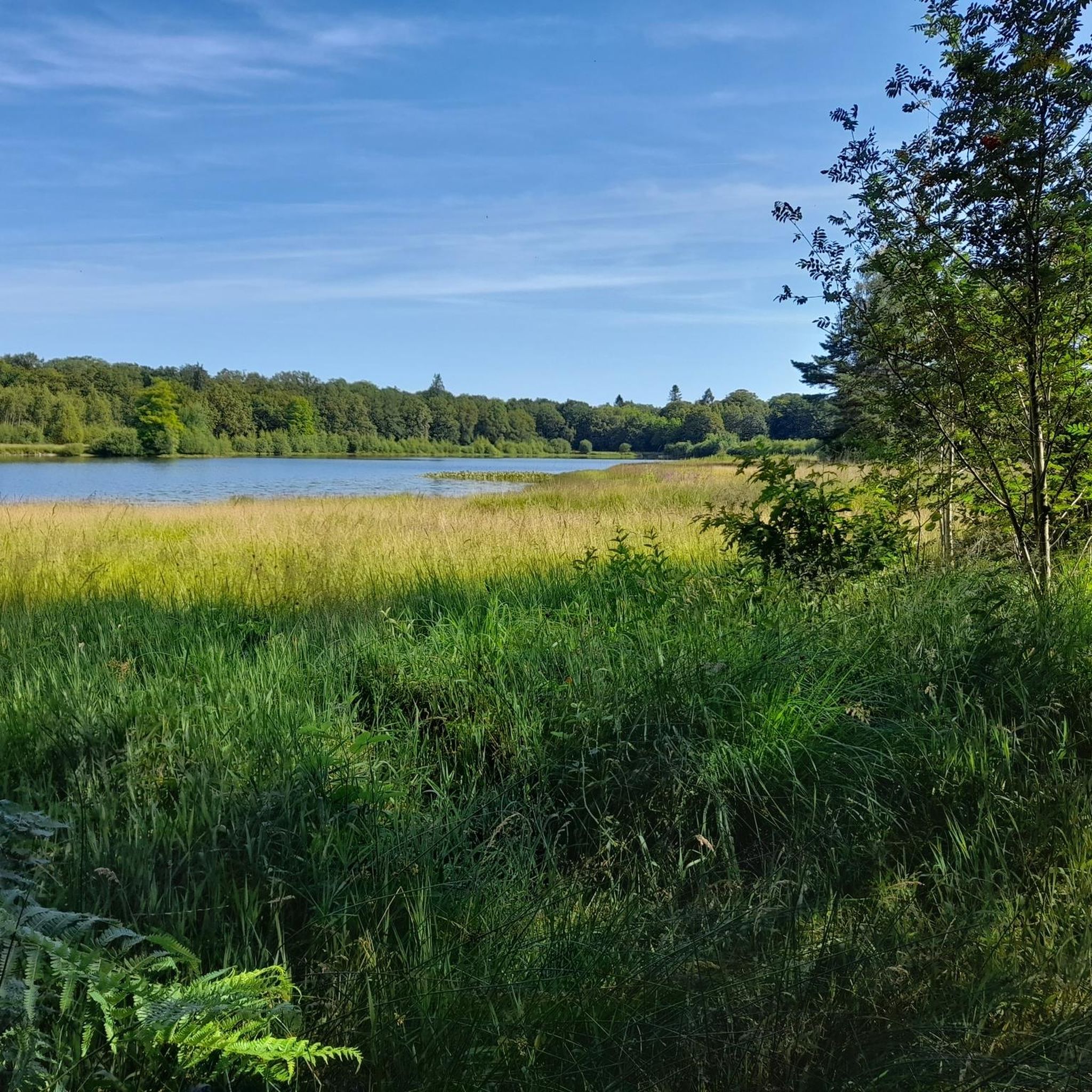
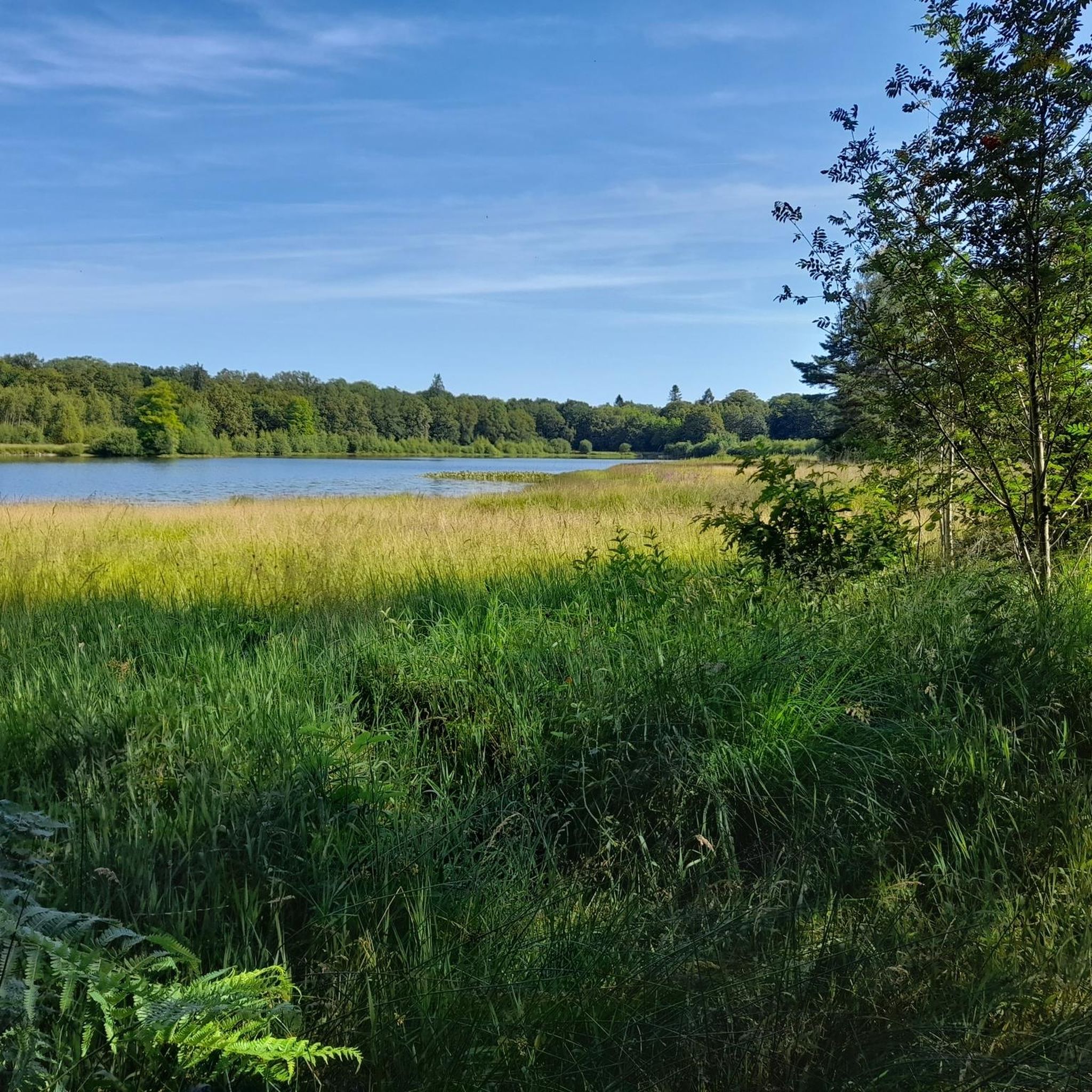
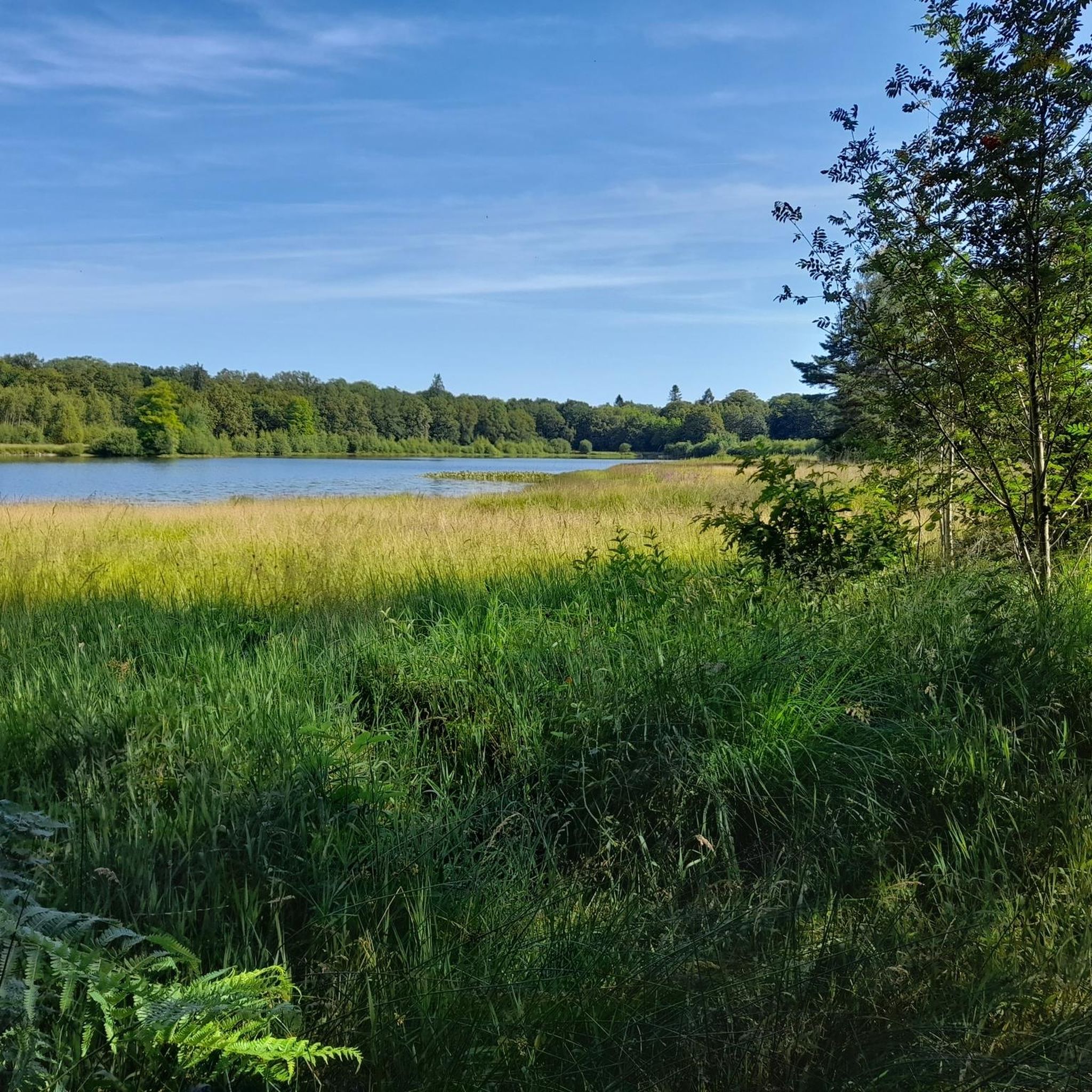
Grotenhoutbos Lake
Highlight (Segment) • Lake
Grotenhout, also called the Gierlese forest, is located southwest of Turnhout on the border of the municipalities of Lille …
Translated by Google •
Tip by

Grotenhout Forest
Highlight • Forest
Translated by Google •
Tip by

Sign up now to discover places like this
Get recommendations on the best single tracks, peaks, & plenty of other exciting outdoor places.
Sign up for free
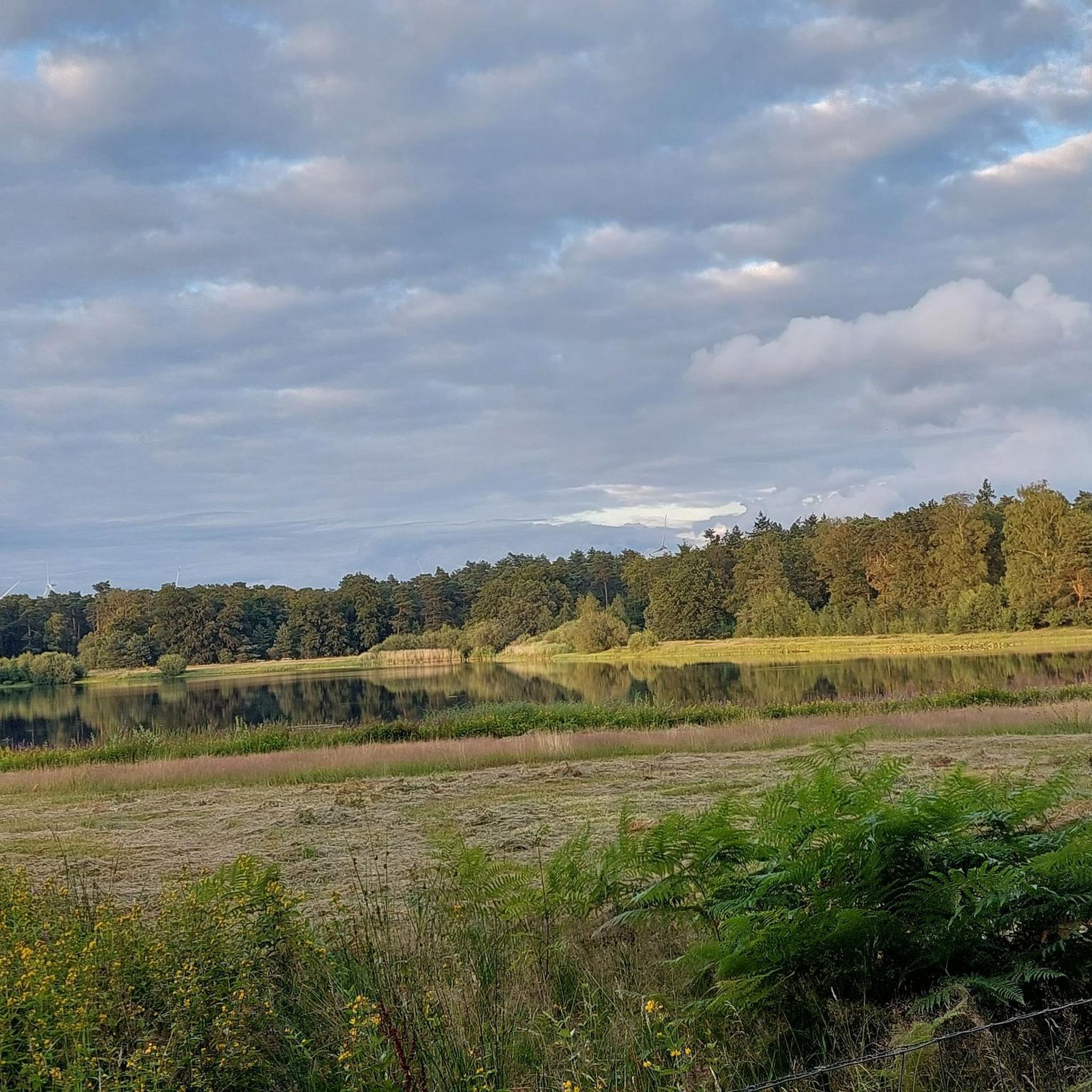
View of Grotenhoutbos Pond
Highlight • Viewpoint
Translated by Google •
Tip by

Grotenhoutbos/Gierlebos
Highlight • Forest
Translated by Google •
Tip by

Tinder Fungus Tree
Highlight • Natural Monument
Translated by Google •
Tip by
Sign up for free to discover even more attractions in Grotenhoutbos - Gierlebos.
Sign up for free
Already have an account?
Start today with a free account
Your next adventure awaits.
Login or Signup
Tips from the Community

The Grotenhoutbos, also known as the Gierlese Bos, is a forest in Flanders, southwest of Turnhout, on the border of the municipalities of Vosselaar and Gierle. It covers an area of 375 hectares and is part of the Natura 2000 area "Forest and heathland areas east of Antwerp." https://nl.wikipedia.org/wiki/Grotenhoutbos
0
0

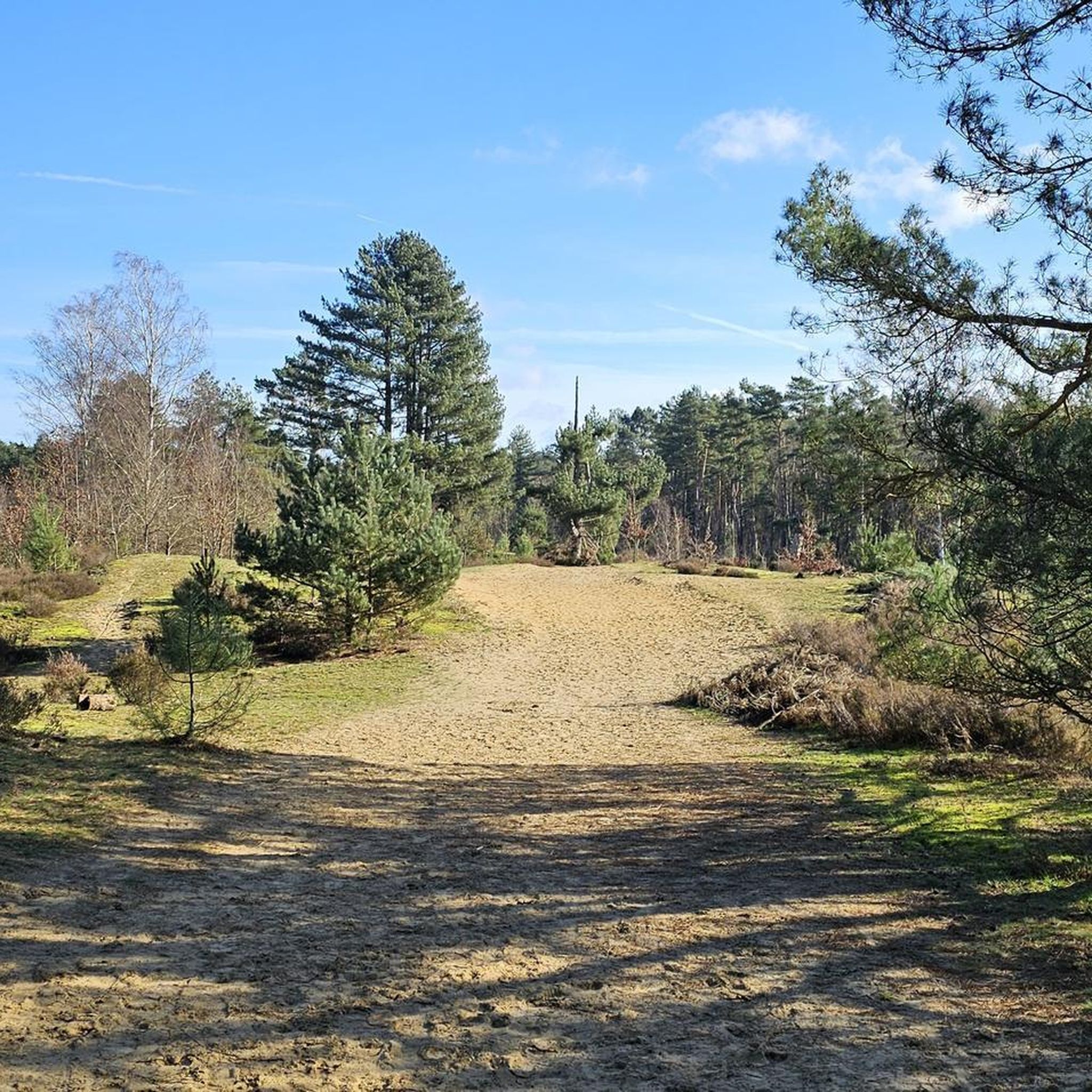
It is one of the oldest forests in the Kempen with very diverse biotopes. So give your eyes and ears a good treat during your walk or bike ride through this wonderful habitat. There are many mammals in Grotenhout (300 hectares): eight different bat species, roe deer, hare, fox and stoat. The pond is a popular spot for butterflies, dragonflies, frogs and toads. Breeding birds include the honey buzzard, the wood warbler, the middle spotted woodpecker and the black woodpecker. The plant list is also impressive with more than 360 discovered species. One of the oldest forests in the Kempen Grotenhout, also called the Gierlese forest, is located southwest of Turnhout on the border of the municipalities of Lille and Vosselaar. With its 300 hectares, it is one of the largest and oldest forests in the Kempen. The area contains approximately 100 hectares of oak forest that is more than a hundred years old, as well as beech, ash and alder forests. The alternation of a rich subsoil with poor grasslands ensures a great wealth of plants. Muskwort, wood anemone, scattered-leaved goldfinch, slender primrose, blue button and ground star are just a few examples of the more than 360 species that occur. Back in time The Grotenhout forest has a rich past that (on paper) dates back to 1320. For centuries, noble families used the forest as a hunting domain. For example, the Dukes of Brabant, Burgundy, Habsburg, Nassau and Prussia held sway in the Grotenhout. The importance of the Grotenhout is also evident from the addition of the area to the list of free forests, the most important hunting domains for the lord of the manor Philip the Good (1430). From the 18th century onwards, the managers focused on timber production, although the nobility hunted small and large game there for a long time. Natuur en Bos took over the management of the Grotenhout in 2000. We want to safeguard the landscape and the natural values through smart management. Old forest plants are given every chance again and rare animals come home. Parts of the Grotenhout are protected as a forest reserve and are not accessible to visitors.
7
1
The former Grotenhoutbos is a relic of the estate forest with an impressive avenue complex that served as a hunting ground for the Dukes of Brabant, later Lords of Turnhout. This forest domain - a large, contiguous, wooded area in a intact, open agricultural area - is the only old forest complex of that size in the Kempen that has remained present since at least the Middle Ages. Vulnerable old vegetation with rare plants associated with a forest environment can be found in the forest.
7
0
The real tinder fungus (Fomes fomentarius, synonym: Polyporus fomentarius), also known as tinder fungus or tinder-hole fungus[2], is a fungus belonging to the family Polyporaceae. It is a weak parasite that grows on weakened living or dead trees. It has a particular preference for birch (66%) and beech (24%). Other substrates are poplar (4%), oak (3%) and a number of other deciduous trees in even smaller numbers.
7
0
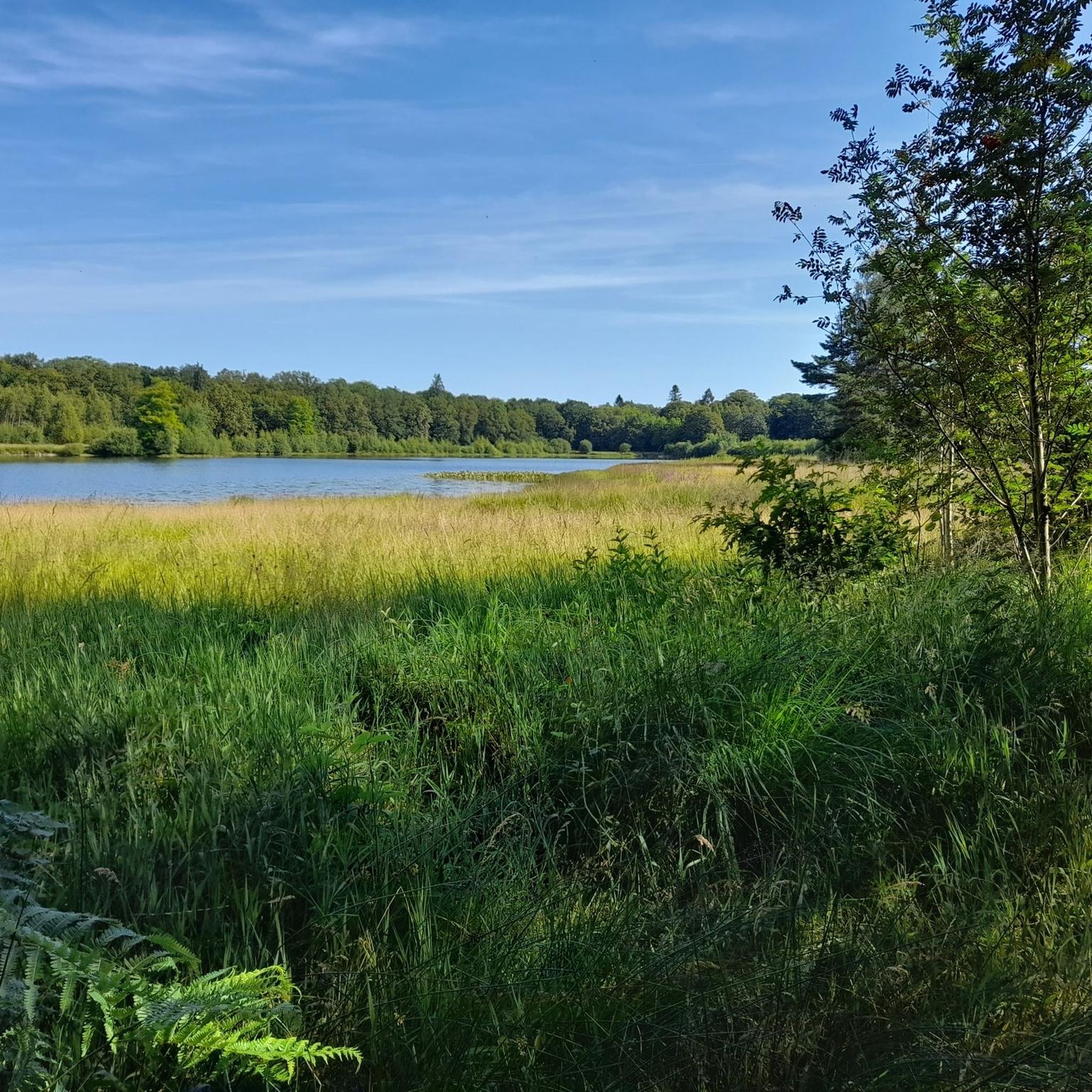
An idyllic spot with a view of the pond
6
0

Resting spot at the pond
4
0

The Grotenhoutbos, located in the south of Vosselaar and partly in Gierle, is one of the oldest forests in the Antwerp Kempen. The forest (300 ha) also has an extremely rich history. Until the end of the 17th century, hunting fulfilled the most important function in the forest. For example, the Dukes of Brabant held grand hunting parties there in the thirteenth century. This changed from the 17th century onwards. In 1667, Adriaen Ghys, a forester from Vosselaar, sowed the first pine tree in the Kempen. The domain remained in the hands of important noble families, but they now focused on timber production. One of the owners was Victor Bracht, who was able to save the remaining 415 ha. of forest from destruction in 1929. Since 2000, the Grotenhoutbos has been owned by the Agency for Nature and Forests of the Flemish government. Through sophisticated forest management, the original landscape is to be restored as much as possible. Centuries-old forest plants are given every chance again, which in turn attracts rare animals. The greatest asset of the Grotenhoutbos is the enormous variety of different ecosystems. Various signposted walks run through the domain. The main entrance to the Grotenhoutbos is located at De Breem, at the bridge over the E34 motorway.
11
0

Frequently Asked Questions
What kind of natural features can I explore in Grotenhoutbos - Gierlebos?
Grotenhoutbos - Gierlebos is rich in natural beauty. You can explore the ancient Grotenhout Forest, one of the oldest and largest forests in the Kempen region, known for its diverse tree species and centuries-old trees. The tranquil Pond (De Vijver) is ideal for wildlife observation, and you might spot the unique Tinder Fungus Tree. The forest also boasts diverse flora, including rare plants like wood anemone and slender primrose, and is home to various wildlife such as eight bat species, deer, foxes, and numerous bird species.
Are there historical sites or cultural points of interest in Grotenhoutbos - Gierlebos?
Yes, Grotenhoutbos - Gierlebos has a rich history. You can discover the imposing complex of historic driving lanes, such as the Grote Dreef and Gierlse Dreef, which once served as hunting paths for the Dukes of Brabant. The landscape also features two former forest ranger's houses, remnants of the forest's historical infrastructure. The area has significant archaeological potential, with very old hamlets nearby, and its history as a ducal hunting domain adds a unique cultural dimension.
What types of outdoor activities can I do in Grotenhoutbos - Gierlebos?
Grotenhoutbos - Gierlebos offers a variety of outdoor activities. You can enjoy easy hikes, moderate running trails, and cycling tours. For specific routes, explore options like the 'Beech Avenue – View of Grotenhoutbos Pond loop' for hiking, or the 'Beech Avenue – Lake in the Forest loop' for running. You can find more details and routes on the easy hikes guide, running trails guide, and cycling guide for the region.
Are there family-friendly attractions or activities in Grotenhoutbos - Gierlebos?
Absolutely! Many attractions in Grotenhoutbos - Gierlebos are family-friendly. The Grotenhout Forest itself, with its ancient trees and diverse vegetation, is great for family walks. The Beech Avenue offers a peaceful and beautiful setting for walks with children. The Bracken Ferns in Grotenhoutbos also provide shady lanes and a tranquil environment suitable for families.
What is the best time of year to visit Grotenhoutbos - Gierlebos?
Grotenhoutbos - Gierlebos offers beauty throughout the year. Spring brings vibrant displays of wood anemone and other rare plants. Summer provides lush greenery and shady lanes, perfect for walks. Autumn transforms the forest with rich colors, making it ideal for scenic walks. The Beech Avenue, in particular, is noted as beautiful to walk in all seasons.
Where can I find viewpoints or scenic spots in Grotenhoutbos - Gierlebos?
For scenic views, the Beech Avenue is a beautiful stately avenue that offers a peaceful and picturesque walking experience. The tranquil Pond (De Vijver) within the forest is also a favored location for observing wildlife and enjoying the natural surroundings, with benches available for relaxation.
Is Grotenhoutbos - Gierlebos accessible for people with limited mobility or wheelchairs?
While specific accessible paths are not widely detailed, the Bench at Grotenhoutbos Parking is listed as wheelchair accessible, suggesting that at least some areas around the parking and immediate trails might be suitable. It's advisable to check local signage or contact the regional tourism office for detailed information on accessible routes.
What do visitors enjoy most about Grotenhoutbos - Gierlebos?
Visitors particularly appreciate the peaceful atmosphere and the natural beauty of the forest. The Beech Avenue is loved for its stately old trees and tranquil walking experience. Many enjoy the diverse vegetation and the opportunity for quiet reflection in places like the Bracken Ferns in Grotenhoutbos. The ancient trees and rich biodiversity of the Grotenhout Forest are also highly valued.
Are there specific trails for running in Grotenhoutbos - Gierlebos?
Yes, Grotenhoutbos - Gierlebos offers several running trails. You can find moderate routes like the 'Beech Avenue – Lake in the Forest loop' or the 'Running loop from Grotenhoutbos - Gierlebos'. These trails provide a great way to experience the forest's natural environment while exercising. More running options are available in the Running Trails in Grotenhoutbos - Gierlebos guide.
Can I bring my dog to Grotenhoutbos - Gierlebos?
While the guide data doesn't explicitly state dog-friendly policies for all areas, forests in Belgium generally allow dogs on leash. Given the natural environment and extensive trails, it's a popular spot for dog walkers. Always ensure your dog is on a leash and that you clean up after them to preserve the natural habitat for wildlife and other visitors.
Where can I park when visiting Grotenhoutbos - Gierlebos?
There is parking available, and you can find a specific spot like the Bench at Grotenhoutbos Parking, which also serves as a trailhead. This location often has information boards about routes, making it a convenient starting point for your visit.
What kind of wildlife can I expect to see in Grotenhoutbos - Gierlebos?
Grotenhoutbos - Gierlebos is a haven for wildlife. You might spot eight different bat species, deer, hares, foxes, and ermine. Birdwatchers can look out for honey buzzards, wood warblers, middle spotted woodpeckers, and black woodpeckers. The tranquil Pond (De Vijver) is an excellent spot for observing various waterfowl, dragonflies, butterflies, frogs, and toads.
Most popular routes in Grotenhoutbos - Gierlebos
Most popular attractions in Grotenhoutbos - Gierlebos

Get inspired with the komoot mobile app


Explore more
Still not found the Highlight you’re looking for? See guides of the top attractions in other regions:
