Attractions and Places To See in Bos Van Ranst - Top 11
Best attractions and places to see in Bos Van Ranst include a blend of natural beauty, historical landmarks, and recreational areas. This nature reserve, located near Ranst in the Antwerp province of Belgium, is composed of the Muizenbos and Zevenbergenbos. Recognized as a European protected Natura 2000 area, it features ancient forests, diverse flora and fauna, and unique soil compositions. The region offers a variety of sites for exploration, from historical castles to tranquil natural spaces.
Best attractions and places…
Last updated: May 8, 2026
Hof Zevenbergen Castle and Grotto
Highlight • Castle
Translated by Google •
Tip by

Entrance Gate of Kasteelpark Zevenbergen
Highlight • Monument
Translated by Google •
Tip by

Sign up now to discover places like this
Get recommendations on the best single tracks, peaks, & plenty of other exciting outdoor places.
Sign up for free
Grotto of Our Lady of Lourdes
Highlight • Religious Site
Everywhere in Belgium people build and build Lourdes caves. Some are beautiful constructions and very similar to the original. Each of …
Translated by Google •
Tip by

Standard orchard
Highlight • Natural
Translated by Google •
Tip by

Sheep pasture with Kangal dogs
Highlight • Structure
During the day they lie inconspicuously in the meadow behind the power grid (except …
Translated by Google •
Tip by
Sign up for free to discover even more attractions in Bos Van Ranst.
Sign up for free
Already have an account?
Start today with a free account
Your next adventure awaits.
Login or Signup

Tips from the Community


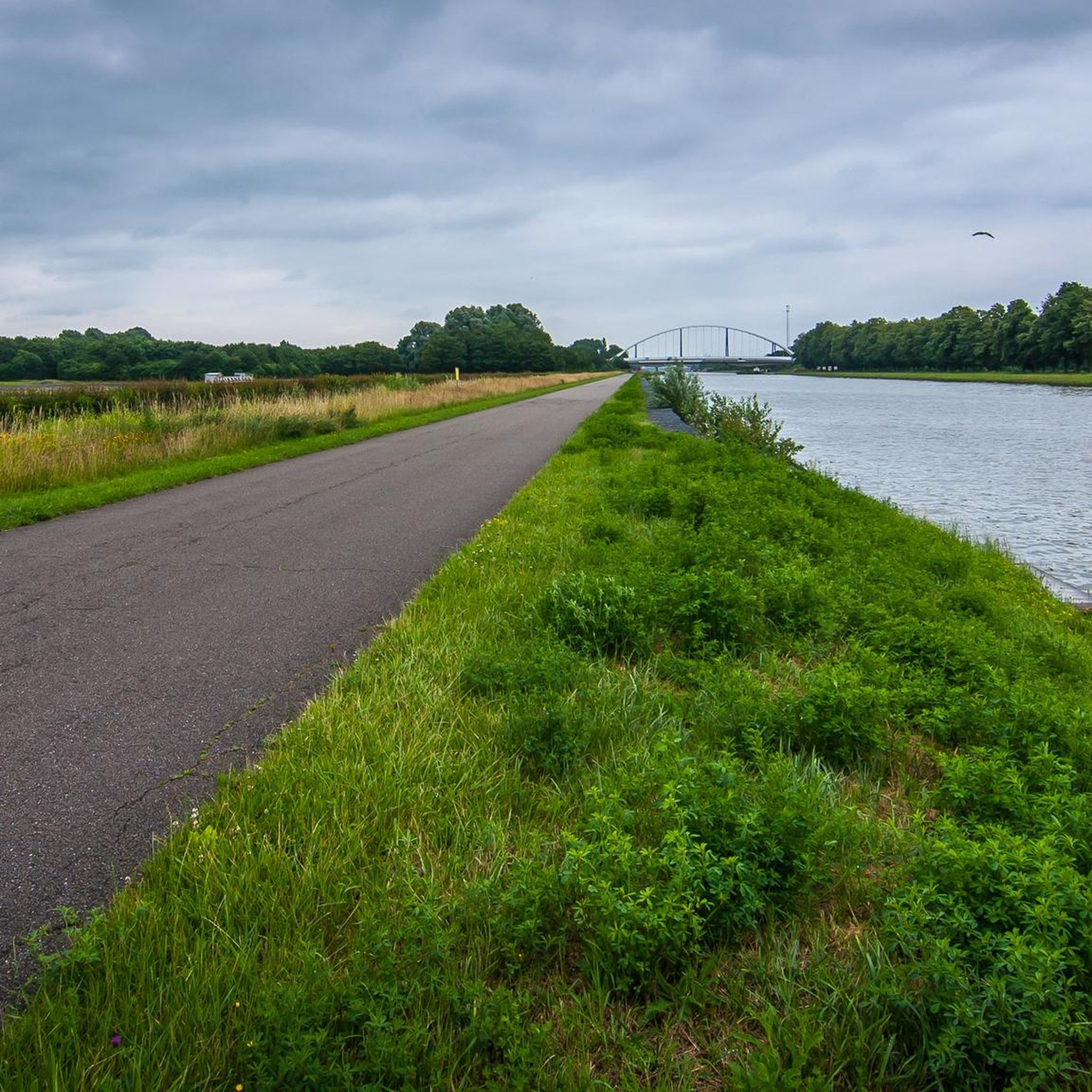
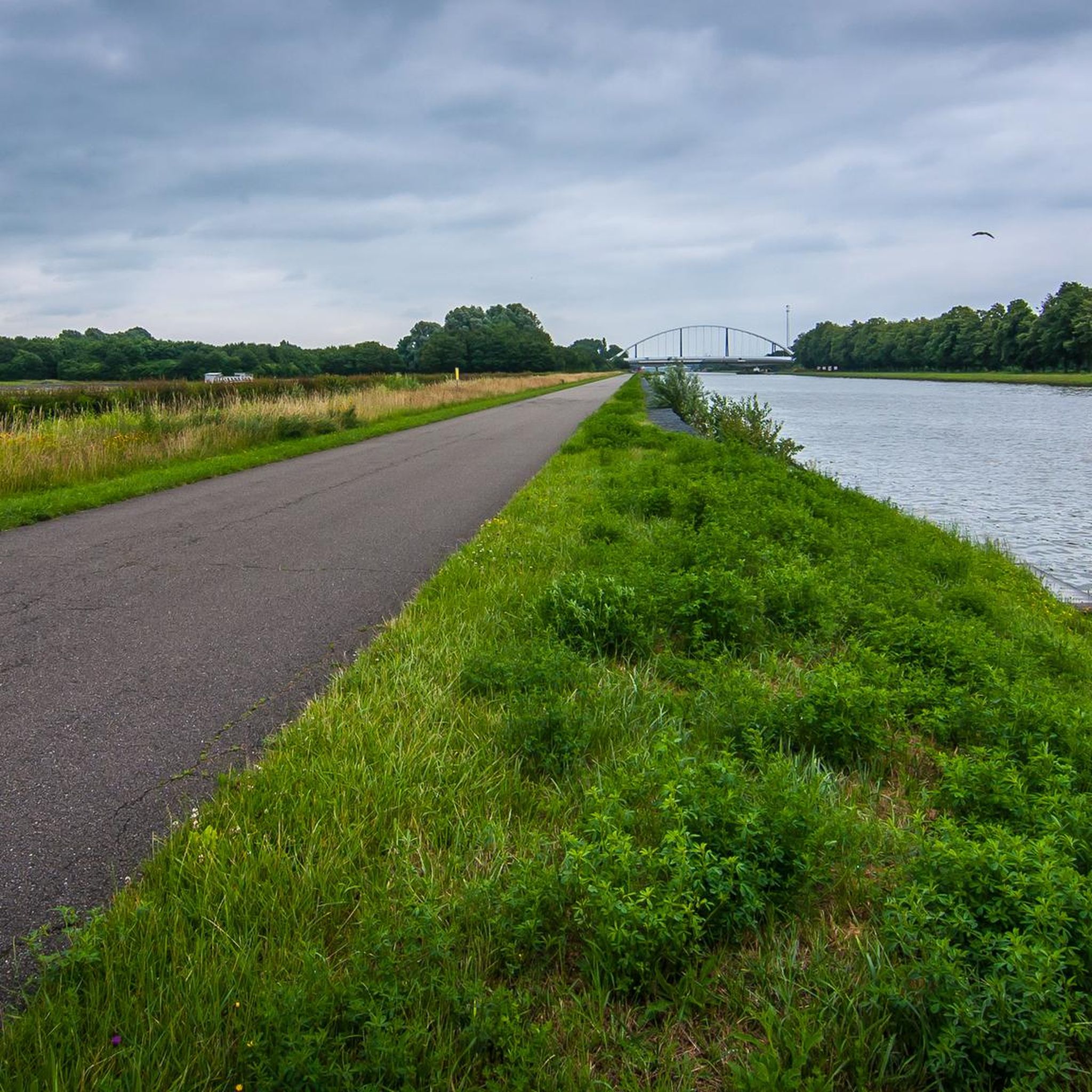
Sheep farmer Theo De Cock from Ranst uses Turkish Kangals to protect his flock of sheep. During the day they lie inconspicuously in the meadow behind the power grid (except when walkers with a dog pass by). It is mainly at night that they come into action to guard and protect the sheep. Theo De Cock was discredited in 2019 because he had equipped his kangals with collars with metal pins, so that they could not suffer neck bites in the event of a wolf attack. Source: Het Nieuwsblad
7
0
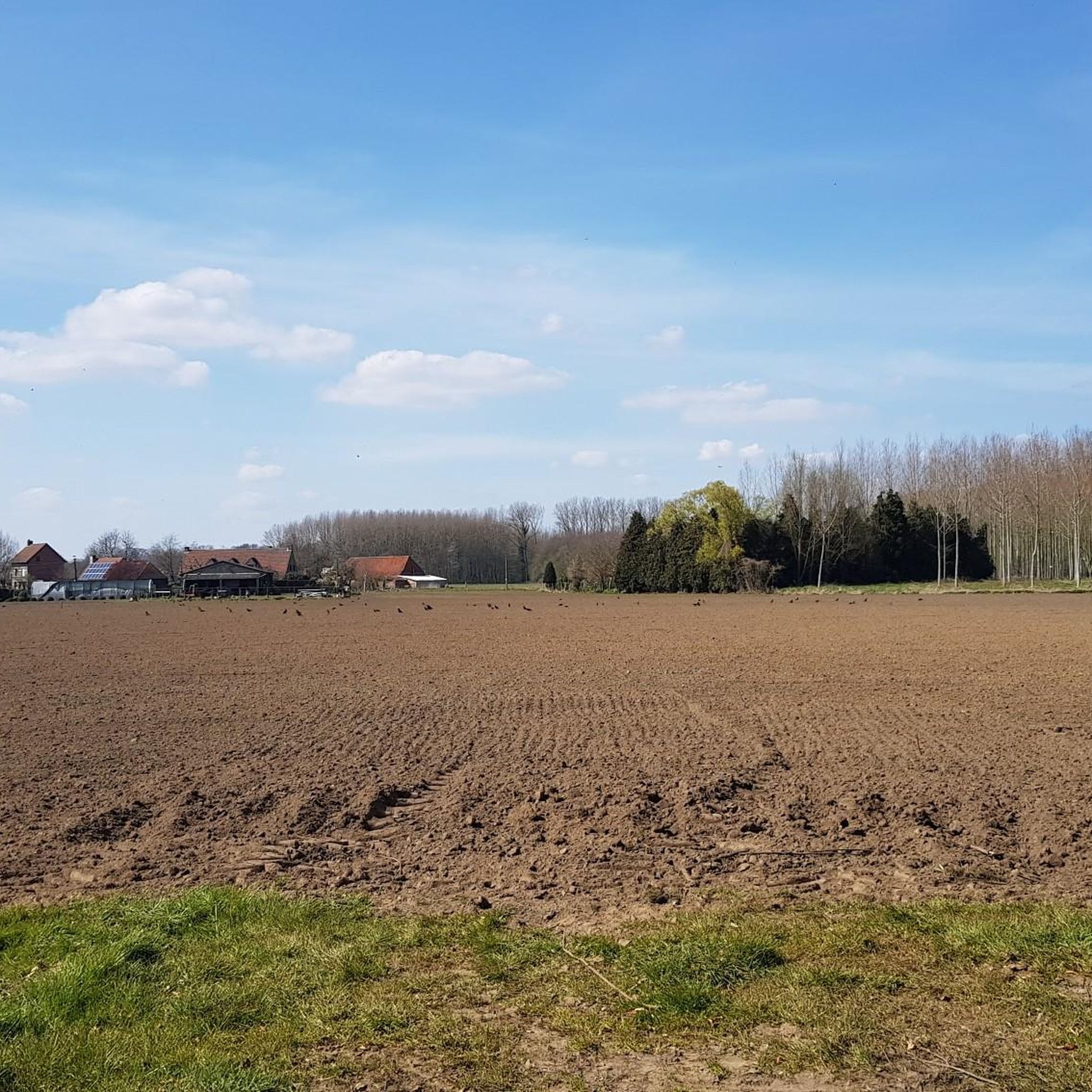
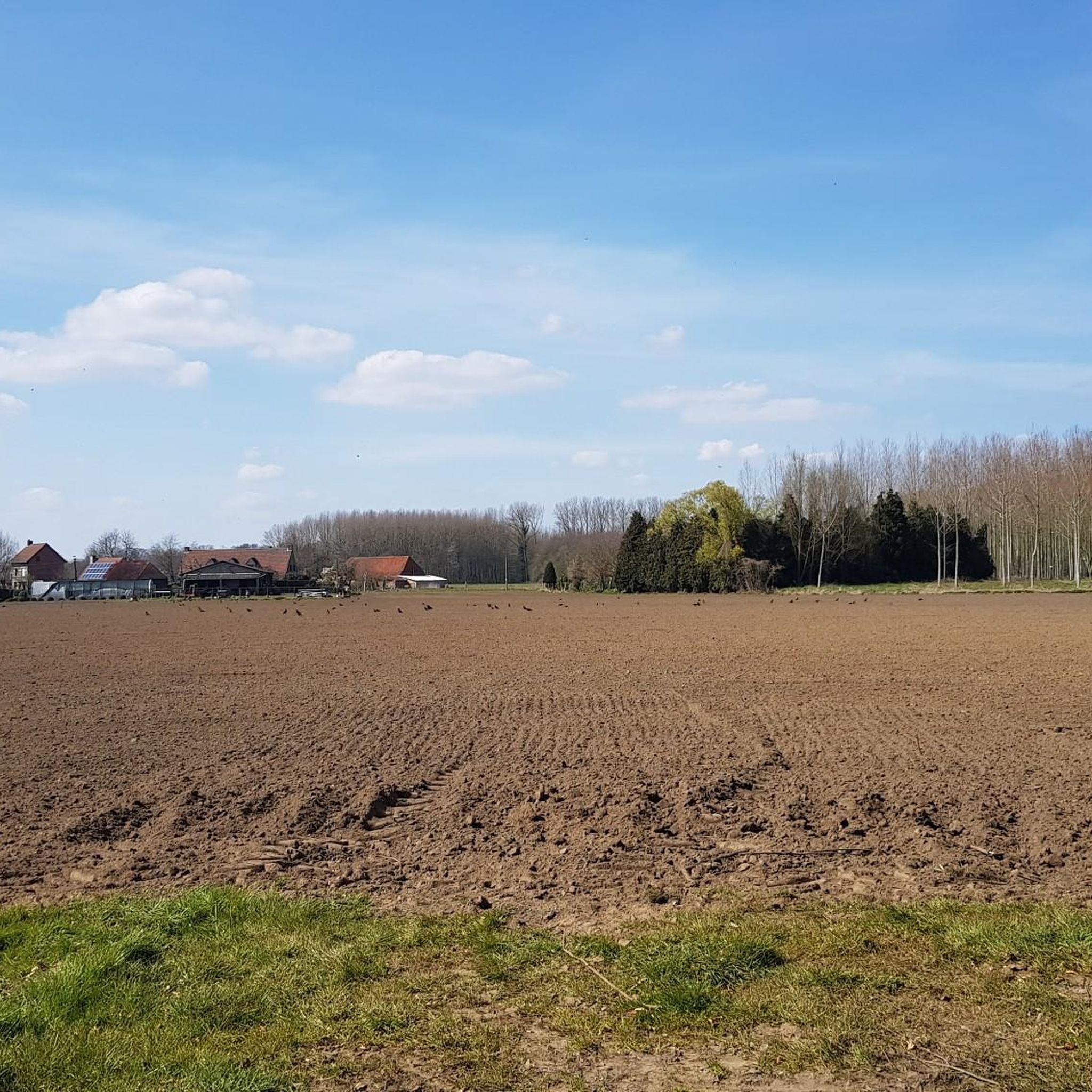
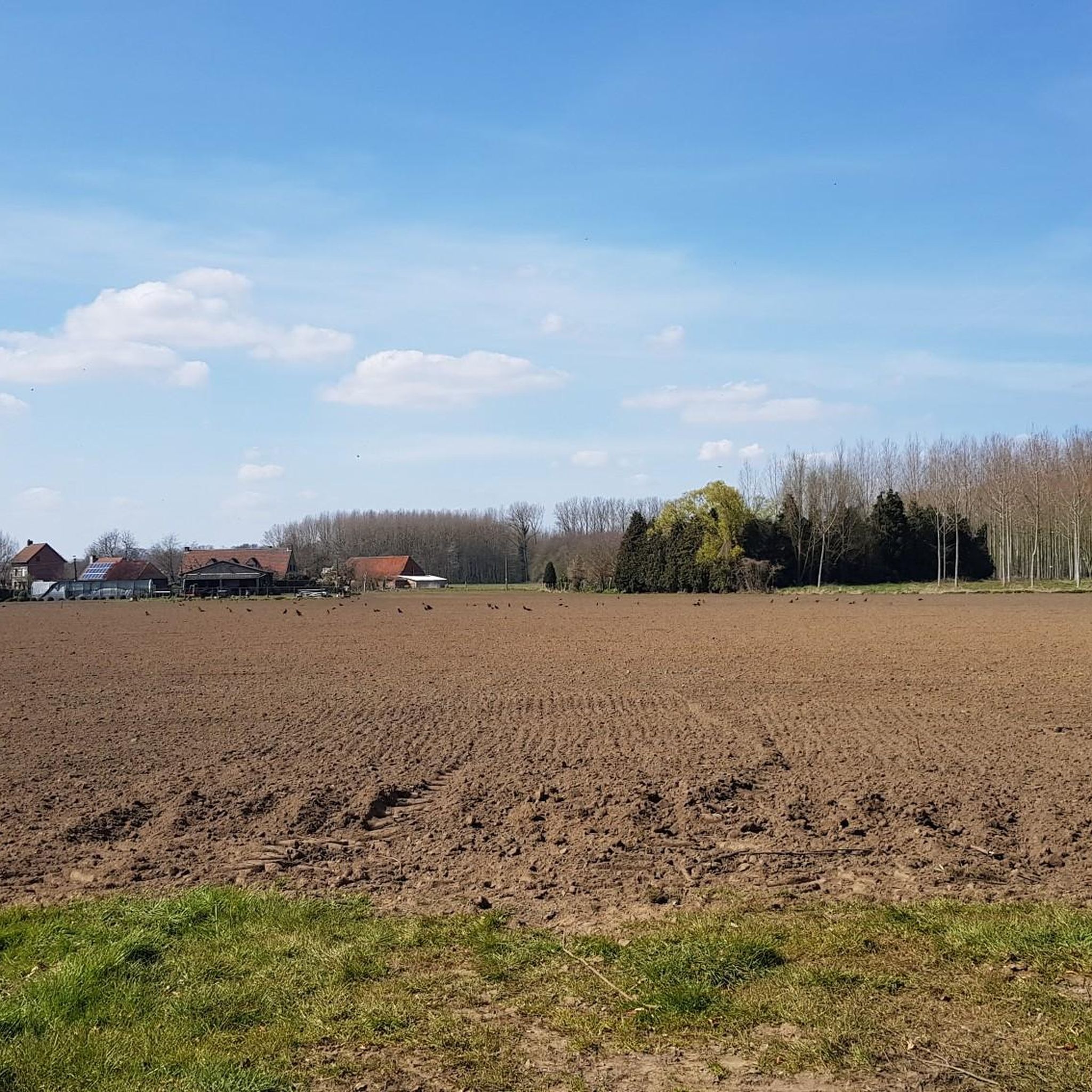
Since 2009, a standard orchard has been created on a higher-lying meadow with fruit varieties that used to be common in the region. In addition to pear varieties such as Double Flip, Brown Kriek pear and Légipont, there are also apple varieties such as Keuleman, Reinette, Double Bellefleur. The meadows in and next to the valley of the Hogenaardeseloop are managed as flower-rich hay meadows and for grazing with Galloway cattle in the summer. Source: Natuurpunt
7
0
Hoogstemorgaarden are a 'five star hotel' for nature. Animals find food, rest and nesting place there. In addition, the trees produce delicious fruit.
7
0
The oldest mentions of this domain date back to the 14th century. The castle was largely destroyed during WWI but largely rebuilt by the sisters of the Convent of Bethlehem and currently serves as a center of reflection.
8
0

currently under repair due to storm damage 13022024 completely restored to all its glory.
11
2

It initially concerned an allodial property that belonged to the van Zevenbergen family. After about 1450 it became a fief of the Dukes of Brabant. The family van Zevenbergen remained lord until about 1492 after which it passed into the hands of various owners. It was destroyed in 1542 by the troops of Maarten van Rossum and in 1590 by Spanish troops led by Ambrogio Spinola. In 1613, the castle is said to have been restored by order of the then owner Godefroid Houtappel. Renovations were also carried out in the 2nd half of the 17th century and in 1733 the castle was again beautified by order of Ferdinand Vecquemans. In 1914 the castle was destroyed by fire and demolished in 1968. What remains are the foundations of the old castle and some service buildings, the core of which dates back to the 18th century. The sisters of the Convent of Bethlehem had a new building constructed in 1989. The castle domain connects to the Zevenbergenbos, which is part of the Bos van Ranst. Source Wikipedia
6
0
This cave of Our Lady of Lourdes was founded in 1952 by Gaston van den Berghe de Gilman, the last descendant of the de Gilman de Zevenbergen family that has inhabited the castle since 1766.
7
0
Frequently Asked Questions
What natural features can I explore in Bos Van Ranst?
Bos Van Ranst is rich in natural beauty, featuring the ancient Zevenbergenbos and Muizenbos, which are among the oldest forests in Antwerp province. You can admire a carpet of wood anemones and slender cowslips in spring, and diverse butterflies in summer. The area also boasts unique soil compositions supporting rare plants, flower-rich Hooilanden (Hay Meadows) grazed by Galloway cattle, and several amphibian ponds.
Are there any historical landmarks to visit in Bos Van Ranst?
Yes, the region has several historical sites. You can visit Hof Zevenbergen Castle and Grotto, a recently built castle on a historic site, surrounded by woodland gardens. Another significant landmark is the Entrance Gate of Kasteelpark Zevenbergen, which marks the entrance to the castle park with a history dating back to the 14th century. The Grotto of Our Lady of Lourdes also offers a site of spiritual and historical significance.
What kind of wildlife can I expect to see in Bos Van Ranst?
The Bos Van Ranst is home to a wealth of plant and animal life. You might spot various butterfly species, including the rare elm page, large tortoiseshell, and small pearl-bordered fritillary. The area is also rich in birds and multiple bat species. In the amphibian ponds, you can observe toads and frogs, and the hay meadows are grazed by Galloway cattle.
Are there family-friendly activities or attractions in Bos Van Ranst?
Absolutely! The Zevenbergenbos features a municipal play forest for children. Families can also enjoy visiting the Sheep pasture with Kangal dogs, where you can observe these protective animals. The Entrance Gate of Kasteelpark Zevenbergen and the Grotto of Our Lady of Lourdes are also considered family-friendly spots.
When is the best time to visit Bos Van Ranst to experience its natural beauty?
The best time to visit Bos Van Ranst is in early spring. This is when the forests come alive with a carpet of wood anemones and slender cowslips, and the Drogenhofpad is particularly recommended to enjoy these early bloomers. The flower-rich hay meadows also burst with color in early spring, featuring plants like lesser celandine and cuckooflower.
Are there accessible attractions for wheelchair users in Bos Van Ranst?
Yes, Hof Zevenbergen Castle and Grotto is fully accessible for wheelchair users, including adapted sanitary facilities. It offers a tranquil escape within its woodland gardens.
What outdoor activities can I do near the attractions in Bos Van Ranst?
Bos Van Ranst is a popular destination for outdoor enthusiasts. You can find numerous routes for hiking, cycling, and mountain biking. For hiking, explore trails like the "Driepikkelhoeve – Sheep pasture with Kangal dogs loop from Ranst" or the "Bossenstein Castle – Saint Pancras Church loop from Ranst." Cyclists can enjoy routes such as the "Stone Mill of Oelegem – Zevenbergen Forest Trail loop from Ranst." You can find more detailed routes on the respective guide pages for hiking, cycling, and MTB trails in Bos Van Ranst.
Are there specific hiking trails recommended for experiencing the forest's early bloomers?
Yes, the Drogenhofpad is particularly recommended in early spring to enjoy the forest's early bloomers, such as wood anemones and slender cowslips. This trail offers a beautiful experience of the vibrant flora.
What is the significance of the soil composition in Bos Van Ranst?
The diverse soil in Bos Van Ranst, ranging from wet to dry and sandy to clay, supports a wide variety of plant species. Uniquely, the presence of lime in the soil, due to an ancient, shallow seabed with shells, allows for the abundant growth of rare plants, some of which are found nowhere else in the province.
What is the Hof Zevenbergen Castle used for today?
The current Hof Zevenbergen Castle, rebuilt in 1989 by the sisters of the Convent of Bethlehem, serves as a reflection and meeting center. It is a place of peace and quiet, offering an ideal retreat for reflection and spiritual connection.
What is the 'Standard orchard' highlight in Bos Van Ranst?
The Standard orchard is a 'five-star hotel' for nature, created on a higher-lying meadow. It features fruit varieties that were historically common in the region, such as pear varieties like Double Flip and apple varieties like Keuleman. These orchards provide food, rest, and nesting places for animals, while also producing delicious fruit.
Most popular routes in Bos Van Ranst

Get inspired with the komoot mobile app


Explore more
Still not found the Highlight you’re looking for? See guides of the top attractions in other regions:
