The best MTB trails in Mechels Broek
4.2
(427)
4,835
riders
175
rides
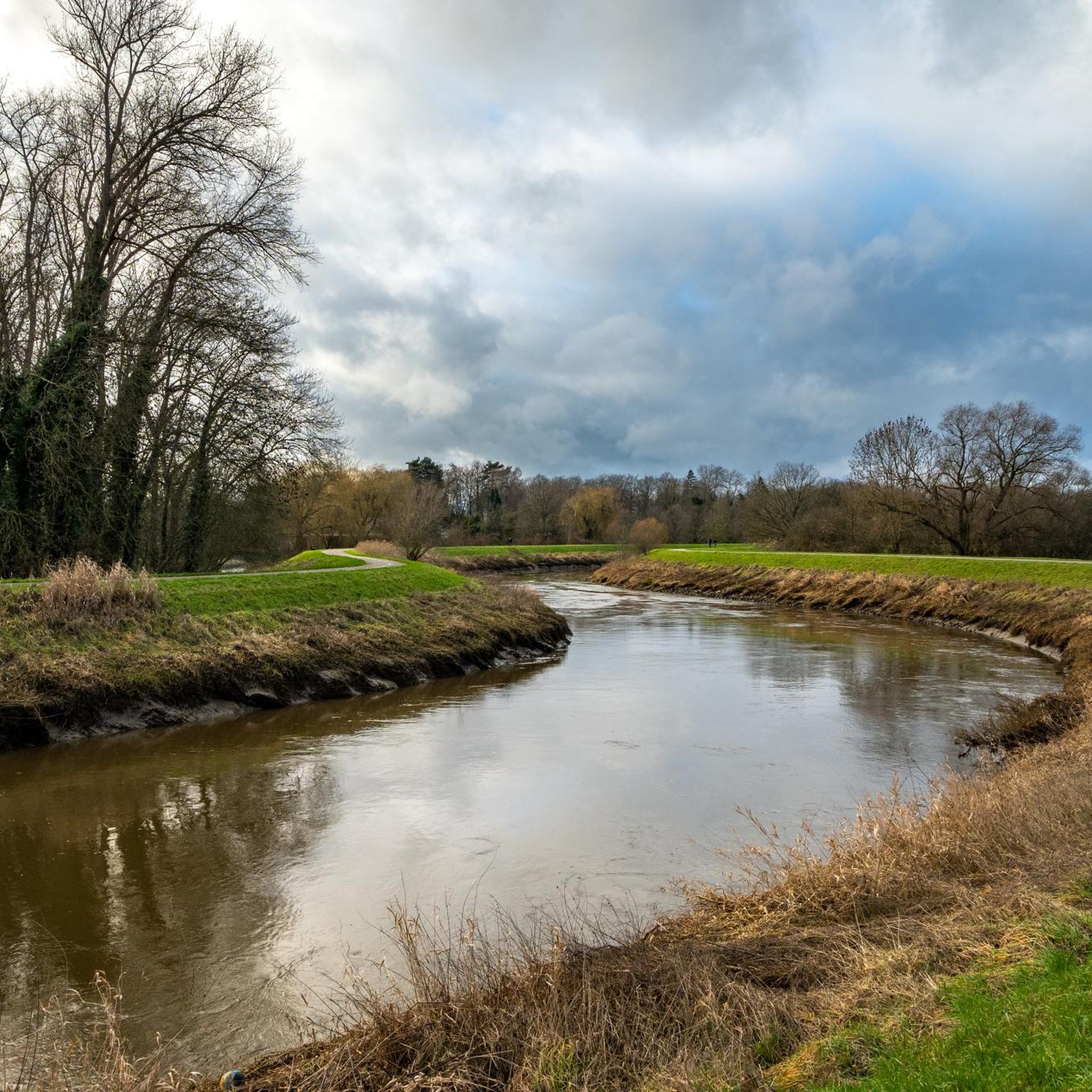
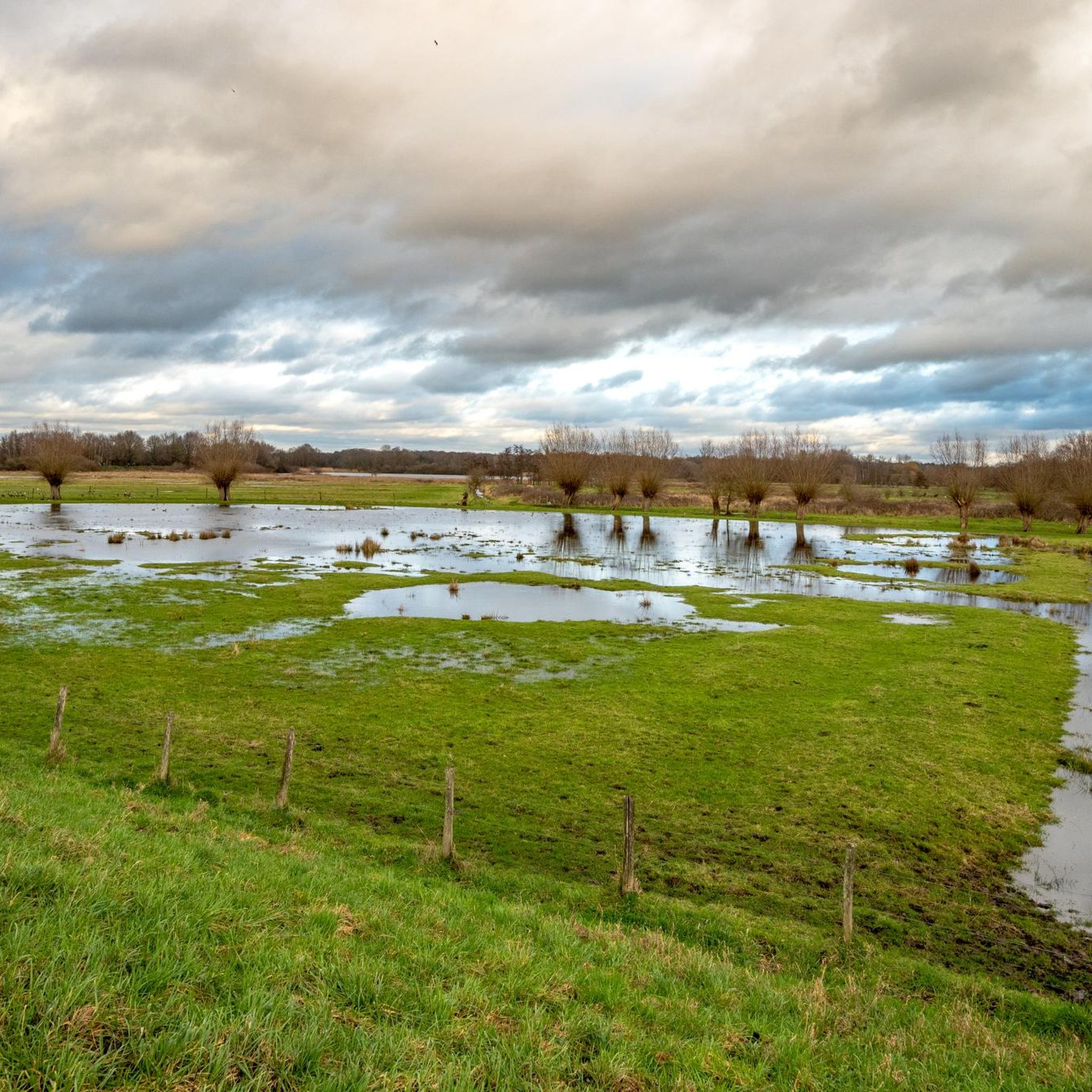
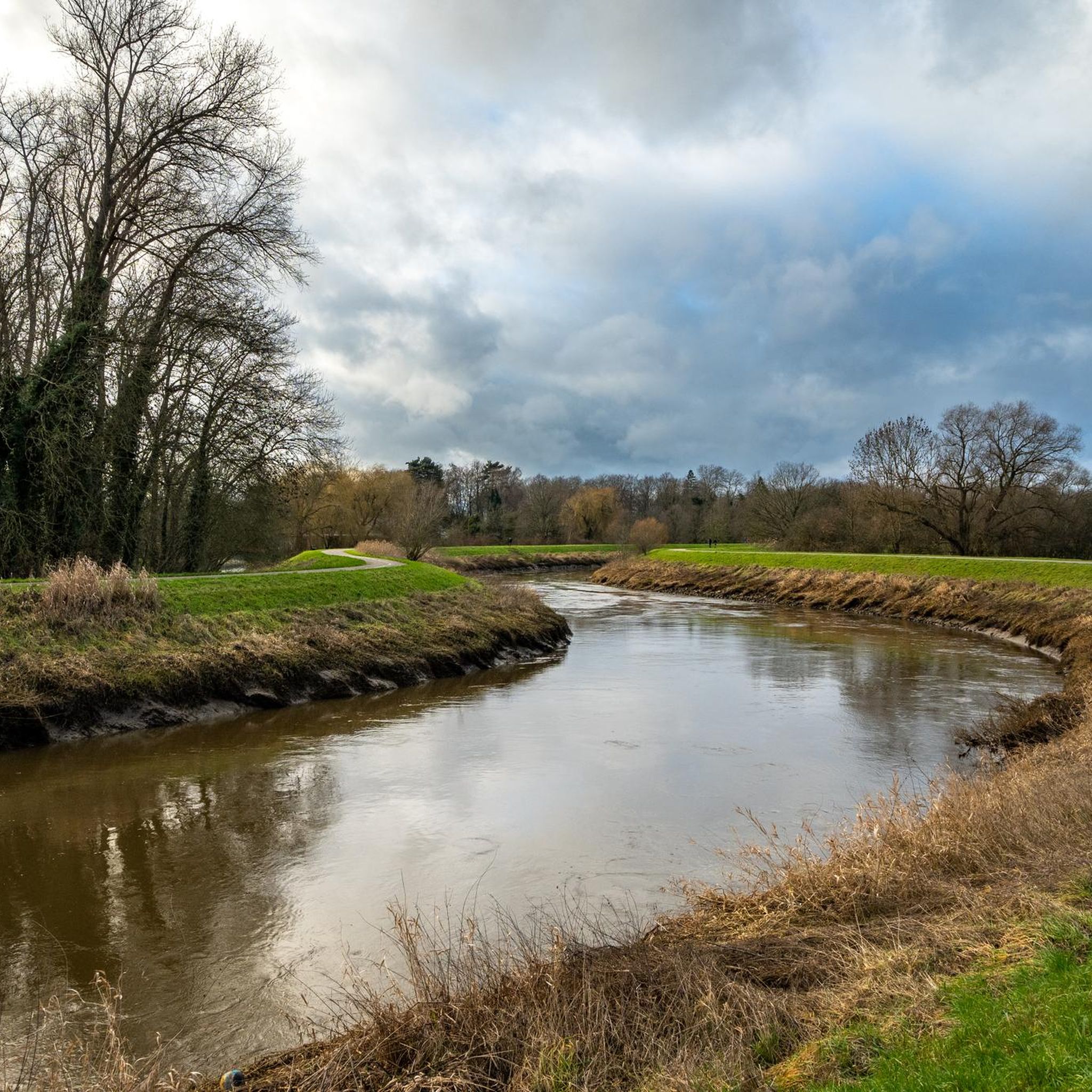
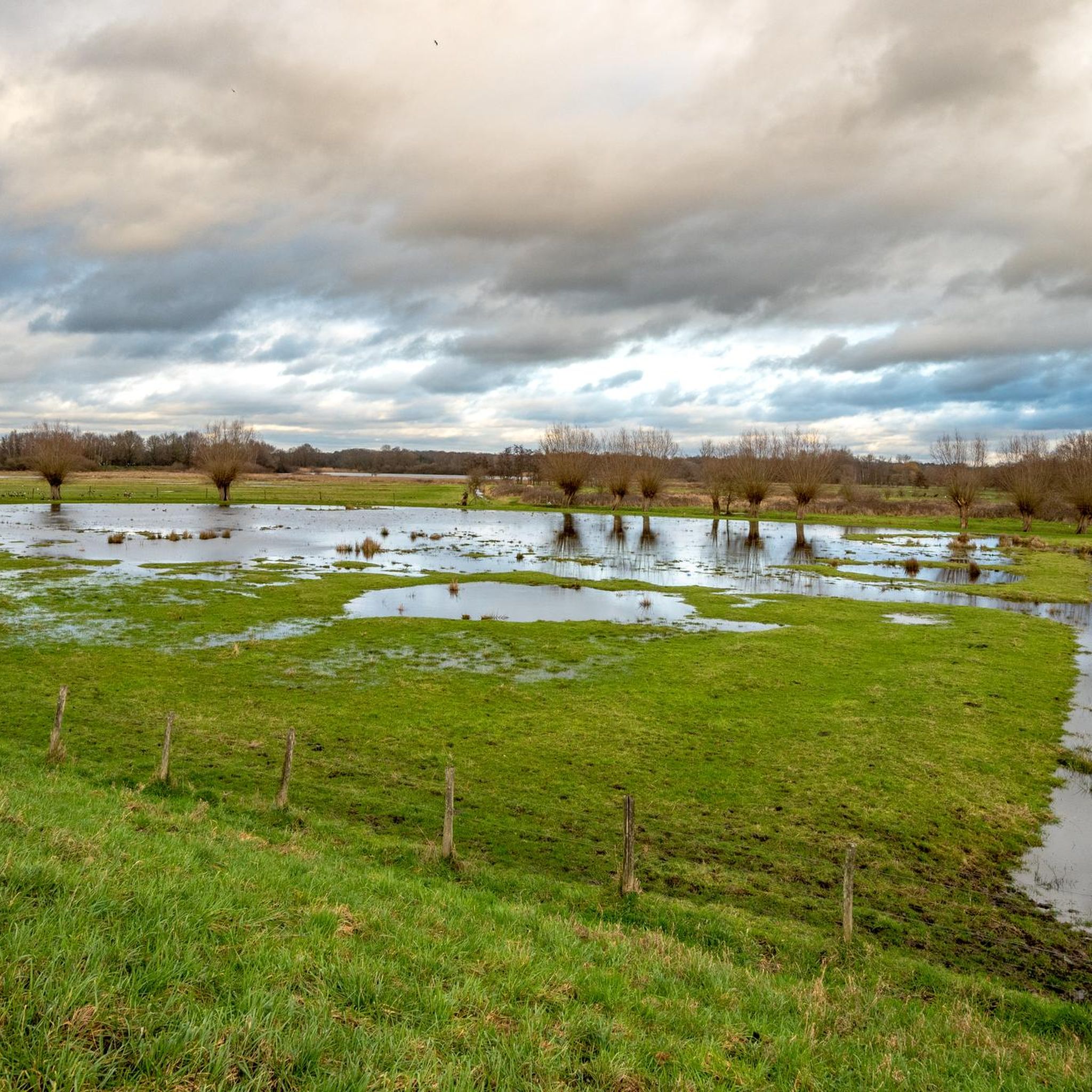
Mountain bike trails in Mechels Broek traverse a diverse landscape of wet grasslands, marshy areas, and wooded banks alongside the Dyle River. The terrain features a mix of gravel paths and unpaved surfaces, offering varied conditions for mountain biking. This nature reserve, characterized by a central lake and numerous ditches, provides a dynamic environment for off-road cycling. The area's varied landscape includes open fields and sections that can be muddy, adding to the challenge for riders.
Best mountain bike trails…
Last updated: October 8, 2026
4.8
(10)
281
riders
Moderate mountain bike ride. Good fitness required. Advanced riding skills necessary.
4.5
(8)
116
riders
40.3km
02:32
50m
50m
Moderate mountain bike ride. Good fitness required. Advanced riding skills necessary.

4.8
(4)
64
riders
53.8km
03:12
100m
100m
Moderate mountain bike ride. Good fitness required. Advanced riding skills necessary.
5.0
(1)
6
riders
44.8km
02:46
70m
70m
Moderate mountain bike ride. Good fitness required. Advanced riding skills necessary.
11
riders
64.7km
03:20
110m
110m
Moderate mountain bike ride. Good fitness required. Suitable for all skill levels.
Get access to more routes and recommendations from other explorers.
Already have an account?
Our route recommendations are based on thousands of hikes, rides, and runs completed by other people on komoot.
Start today with a free account
Your next adventure awaits.

Tips from the Community

Two concrete strips make it a bit easier...
5
0
Just out of the center for the colorful peace...
6
0
Restoration work is currently underway...
3
0
Changes ownership and now it is forbidden to park anywhere there for anyone wishing to walk locally... Major restoration is also underway now...
3
0

nice gravel paths along the water and along the tennis court
0
0
Frequently Asked Questions
What kind of terrain can I expect on mountain bike trails in Mechels Broek?
Mechels Broek offers a diverse landscape for mountain biking, characterized by wet grasslands, marshy areas, and wooded banks along the Dyle River. You'll encounter a mix of gravel paths and unpaved surfaces. The area's varied landscape includes open fields and sections that can be muddy, especially after rain, adding to the challenge for riders.
Are there mountain bike trails suitable for beginners in Mechels Broek?
Yes, Mechels Broek has options for various skill levels. While many routes are rated moderate, there are 47 trails categorized as easy, making them suitable for beginners or those looking for a less strenuous ride. These trails often feature more consistent surfaces like gravel paths.
What are some of the longer mountain bike routes available in Mechels Broek?
For longer rides, consider routes like Bridge over the Grote Nete – Gravel Path Lined With Trees loop from Muizen, which spans approximately 63 km. Another option is Soldiers' Bridge over the Demer – Gravel climb Wijngaardberg loop from Muizen, covering about 59 km with varied terrain.
Are there any challenging mountain bike routes for experienced riders?
While the majority of trails are moderate, Mechels Broek does offer 13 routes categorized as difficult. These trails often feature more technical sections, potentially muddier conditions, and varied unpaved surfaces that provide a greater challenge for experienced mountain bikers.
What natural features or landmarks can I see along the mountain bike trails?
Mechels Broek is rich in natural beauty. You can expect to see diverse water bodies, including a large central lake and numerous 'bomb crater ponds' that support rich aquatic life. The area is also known for its rich biodiversity, especially waterfowl, and you might spot Galloway cattle grazing in the meadows. Notable highlights include the View of Mechels Broek and Nekkerspoel Pond.
Is Mechels Broek suitable for family mountain bike outings?
Yes, the varied terrain and presence of easier routes make Mechels Broek suitable for families. The nature reserve's relatively flat landscape, with its grasslands and gravel paths, can be enjoyable for riders of different ages and skill levels. It's advisable to choose one of the 47 easy routes for a family-friendly experience.
Can I bring my dog on the mountain bike trails in Mechels Broek?
Mechels Broek is a nature reserve managed by vzw Natuurpunt. While it's a popular area for outdoor activities, specific regulations regarding dogs on mountain bike trails can vary. It's always best to check local signage or the official Natuurpunt website for the most current rules on dog access to ensure a pleasant and compliant visit.
What is the best time of year to go mountain biking in Mechels Broek?
The best time to visit depends on your preference. The area can be particularly beautiful in spring and autumn. However, due to its marshy nature and wet grasslands, conditions can be muddy, especially after rain. If you prefer drier trails, late spring to early autumn might be ideal. If you don't mind mud, the varied terrain offers a unique experience year-round.
Are there any facilities or places to rest near the trails?
Yes, you can find some facilities in and around Mechels Broek. For instance, The Bridge House is a cafe that could serve as a resting point. Additionally, the Mechels River Area Visitor Centre provides further facilities and information about the region.
How can I get to Mechels Broek using public transport?
Mechels Broek is accessible by public transport. You can take a train to Mechelen station, which is a central hub. From there, local buses or a short bike ride can connect you to the nature reserve. It's recommended to check current bus schedules from Mechelen station to the specific entry points of Mechels Broek for the most up-to-date information.
Is parking available for mountain bikers at Mechels Broek?
Yes, parking facilities are available at various entry points to Mechels Broek. While specific parking areas are not detailed in the guide, the popularity of the area for outdoor activities suggests designated parking spots for visitors. It's advisable to look for official parking signs upon arrival.
Do I need a permit to mountain bike in Mechels Broek?
Mechels Broek is a nature reserve. While general access for cycling is common, specific regulations for mountain biking, especially concerning permits, can be in place for certain trails or protected areas. It's always best to consult the official website of Natuurpunt or local signage for any permit requirements before you ride.
What do other mountain bikers enjoy most about Mechels Broek?
The area is highly rated by the komoot community, with an average score of 4.2 stars from over 300 reviews. Reviewers often praise the diverse landscape, the mix of gravel and unpaved paths, and the opportunity to explore a dynamic natural environment. The varied terrain, from wet grasslands to wooded banks, is frequently highlighted as a key appeal.
Most popular routes in Mechels Broek
Most popular attractions in Mechels Broek

Get inspired with the komoot mobile app


Explore more
Browse the best MTB trails in other regions.
