The best cycling routes in Vallei Van De Wimp En De Grote Nete Te Herenthout
4.2
(818)
11,559
riders
606
rides
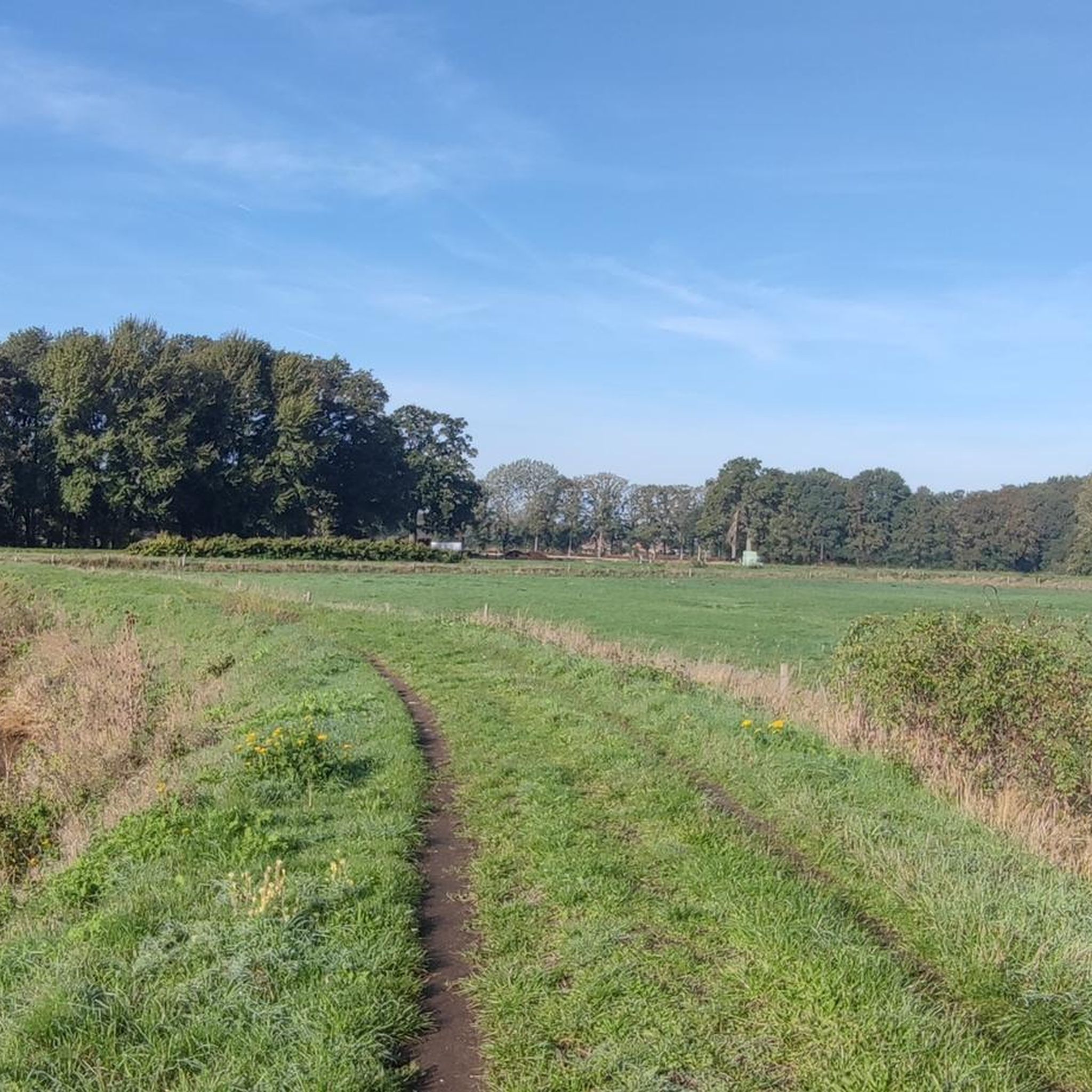
Touring cycling in Vallei Van De Wimp En De Grote Nete Te Herenthout offers routes through a landscape characterized by river valleys, canals, and agricultural fields. The region features generally flat terrain with minimal elevation changes, making it suitable for relaxed cycling. Paths often follow waterways like the Wimp and Grote Nete rivers, providing scenic views of the surrounding nature and rural areas. This area is ideal for exploring the Belgian countryside on two wheels.
Best touring cycling routes in…
Last updated: May 6, 2026
13
riders
36.4km
02:12
60m
60m
Moderate bike ride. Good fitness required. Mostly paved surfaces. Suitable for all skill levels.
16
riders
19.6km
01:07
30m
30m
Easy bike ride. Great for any fitness level. Mostly paved surfaces. Suitable for all skill levels.

Sign up for free
2.5
(2)
7
riders
44.9km
02:35
60m
60m
Moderate bike ride. Good fitness required. Mostly paved surfaces. Suitable for all skill levels.
4.7
(3)
7
riders
19.9km
01:09
30m
30m
Easy bike ride. Great for any fitness level. Mostly paved surfaces. Suitable for all skill levels.
13
riders
11.9km
00:42
20m
20m
Easy bike ride. Great for any fitness level. Mostly paved surfaces. Suitable for all skill levels.
Get access to more routes and recommendations from other explorers.
Sign up for free
Already have an account?
Our route recommendations are based on thousands of hikes, rides, and runs completed by other people on komoot.
Start today with a free account
Your next adventure awaits.
Login or Signup
Popular around Vallei Van De Wimp En De Grote Nete Te Herenthout
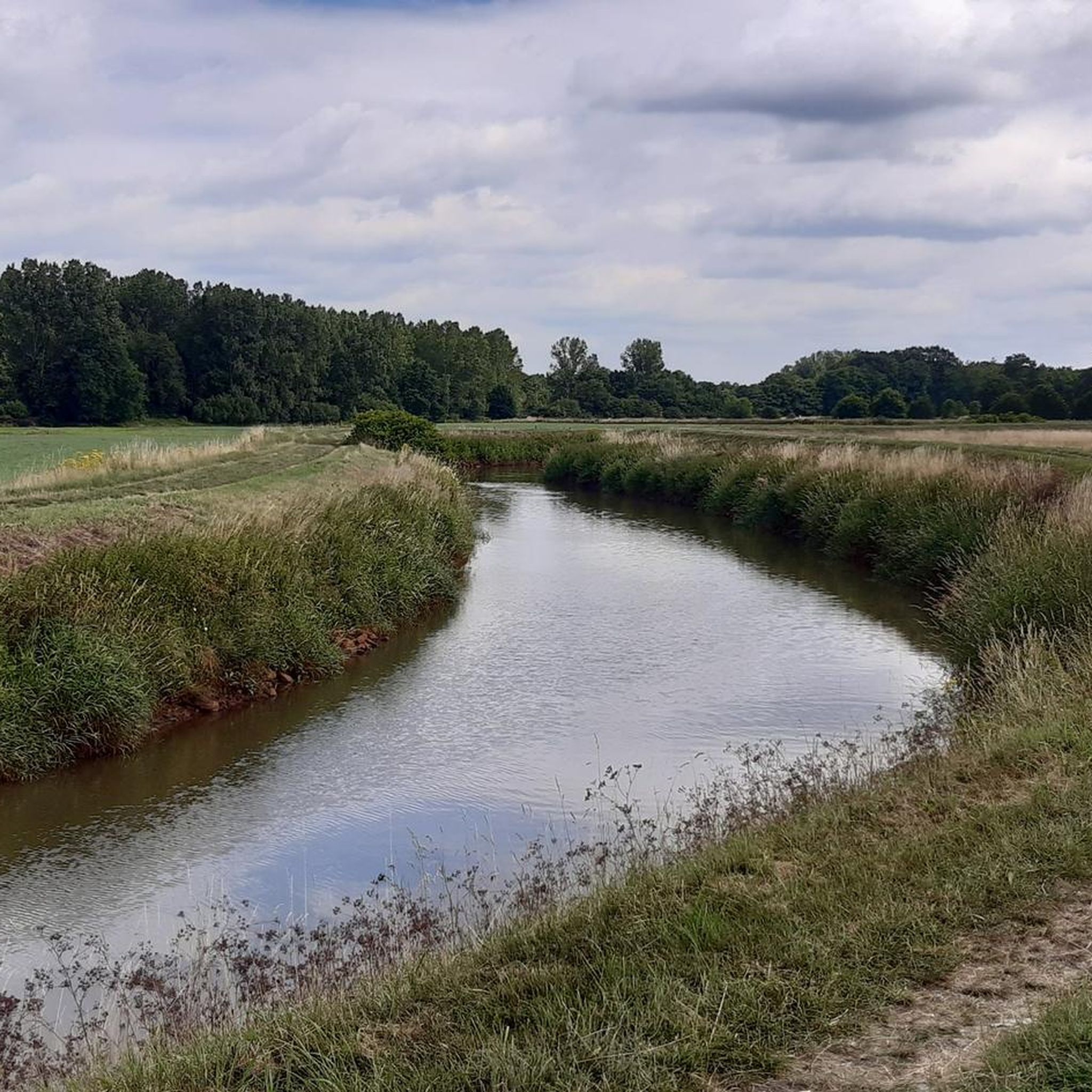
Running Trails in Vallei Van De Wimp En De Grote Nete Te Herenthout
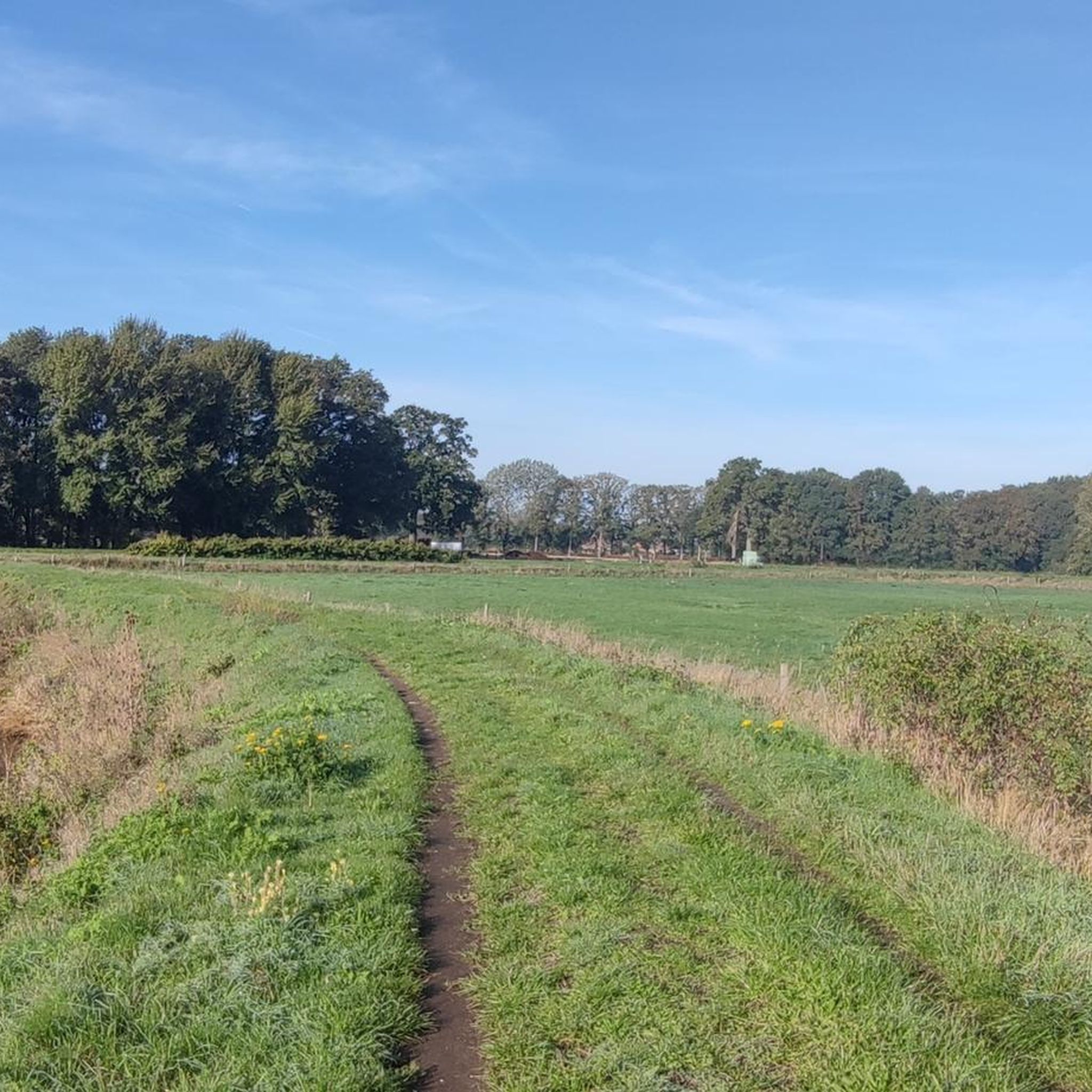
MTB Trails in Vallei Van De Wimp En De Grote Nete Te Herenthout
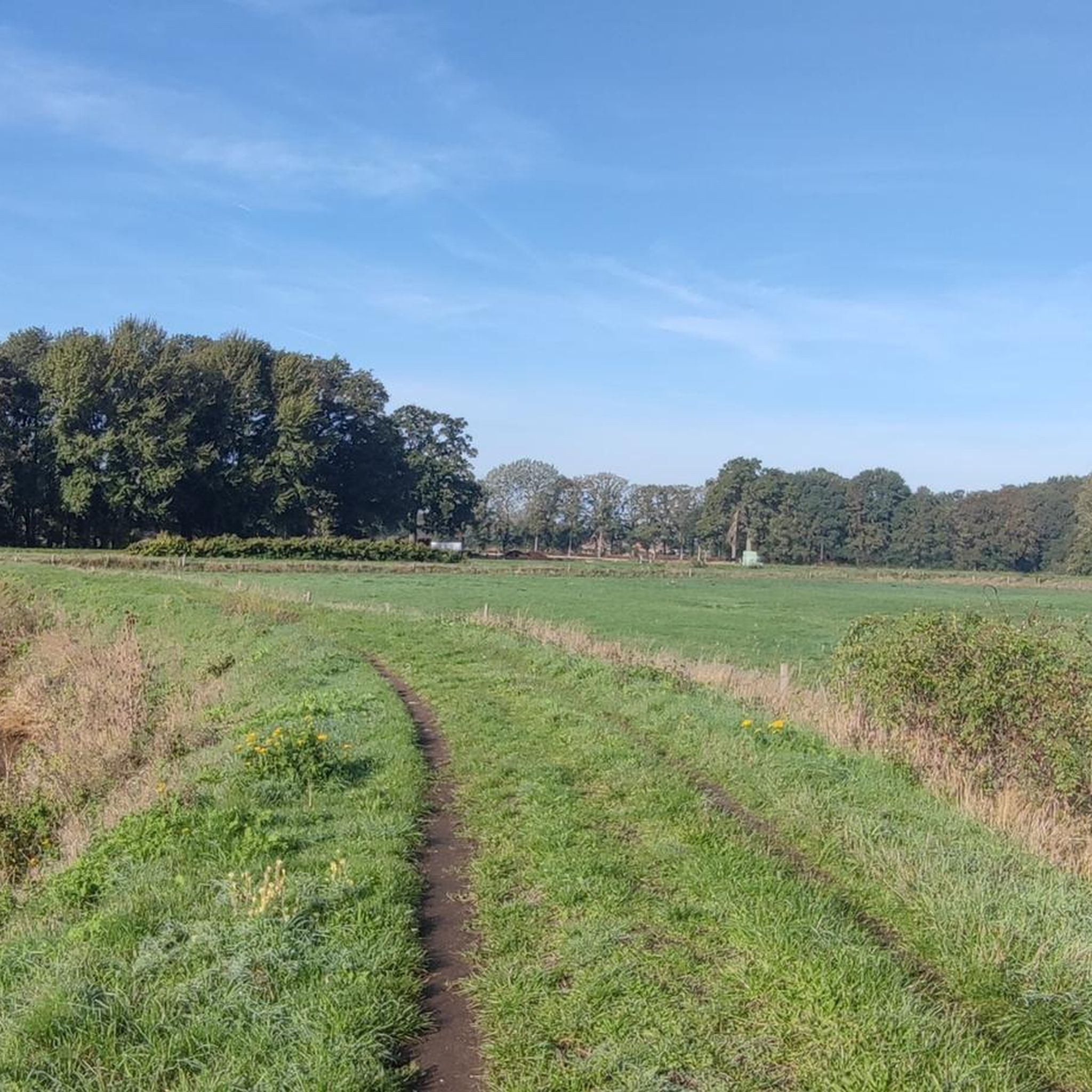
Hiking in Vallei Van De Wimp En De Grote Nete Te Herenthout
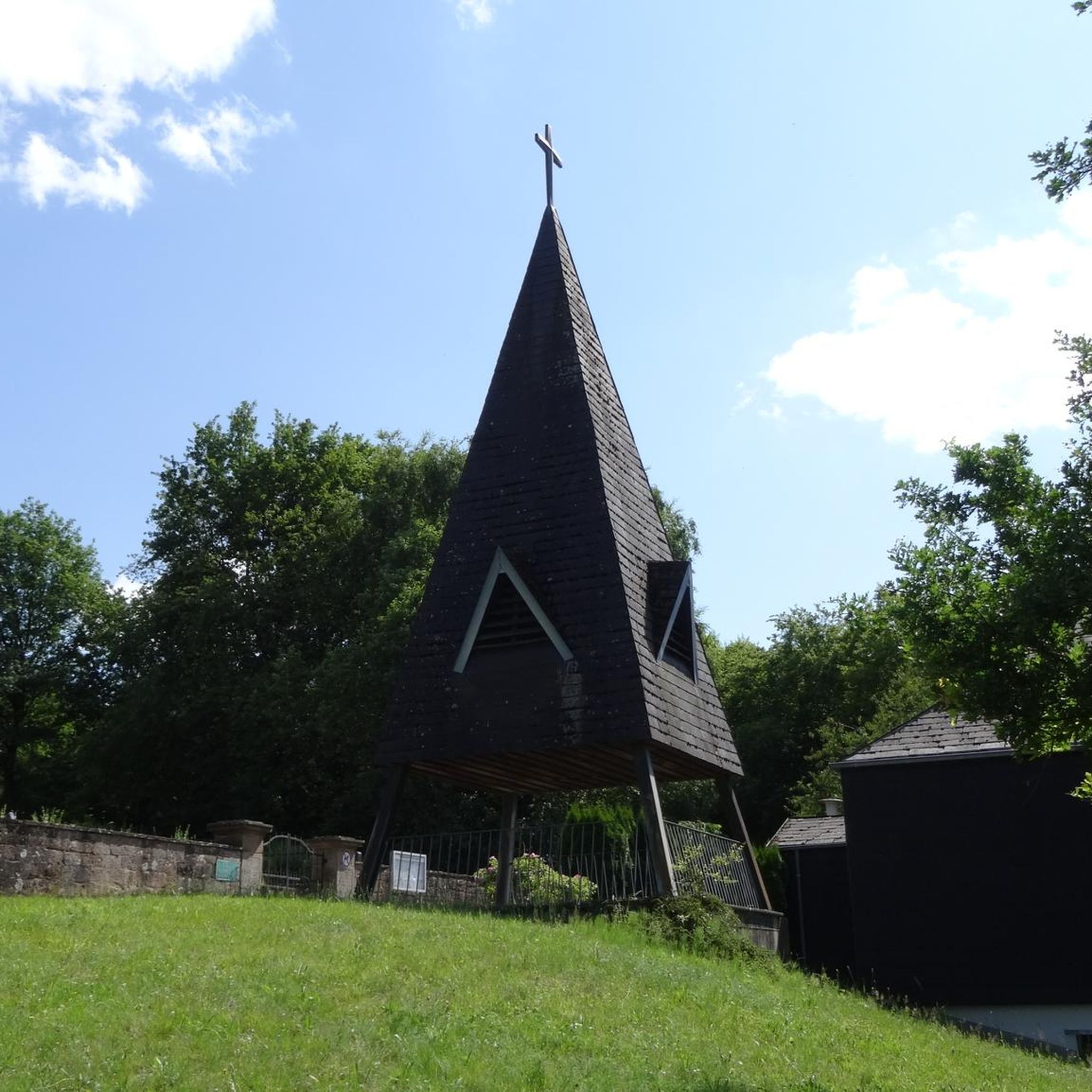
Gravel biking in Vallei Van De Wimp En De Grote Nete Te Herenthout
Road Cycling Routes in Vallei Van De Wimp En De Grote Nete Te Herenthout
Tips from the Community

The Grote Nete, roughly speaking, marks the transition to the Kempen region. This rain-fed river flows through a diverse landscape with vast marshlands, sandy grasslands, and mixed forests. The Grote Nete valley includes the Grote Laak, Kleine Laak, Rode Laak, Wimp, Herselt Loop, and Zaartloop. Source and more (with hiking tips) at https://www.landschapsparkdemerode.be/vallei-van-de-grote-nete
6
0

The majestic Dutch linden tree in the center of Itegem has a trunk circumference of 4 meters at a height of 1.50 meters. Fun historical fact: During the Ancien Régime, the court of aldermen, responsible for both administration and justice, met here to deliberate and administer justice. Before the abolition of the Ancien Régime, justice was administered outside the court within a zone cordoned off by four ropes, traditionally located under a linden tree, called the "vierschaar" (court of justice). Four benches were arranged in a square around this zone. The aldermen sat on these benches, and the accused stood in the center of the square. This form of justice was certainly still practiced in Itegem in the first half of the 18th century.
6
0
In the heart of Herentals stands the Cloth Hall, the most important witness to Herentals' rich past. The building was built in the early fifteenth century by wealthy wool weavers and cloth makers to conduct their trade. In 1512, the building was almost completely destroyed by fire. Reconstruction was completed in 1534. Over the years, the town hall has undergone numerous repairs and renovations. The last major renovation took place in 2010. The Cloth Hall is a simple, rectangular building. The tower is approximately 35 meters high. Since the mid-sixteenth century, a carillon has hung in the belfry. The fifty bells together weigh almost four tons. The carillon is still played regularly. The oldest sources refer to the building as the "gulden huys," "meethuys," or "loothuys." Around 1430, the building was officially given the name "town hall." Since 1998, it has officially been called the Cloth Hall. The belfry is a UNESCO World Heritage Site. The Cloth Hall now serves a socio-cultural purpose, regularly hosting exhibitions and concerts. During exhibitions, the Cloth Hall is freely accessible. The belfry is not open to the public. Source: https://www.herentals.be/lakenhal
0
0
The Zandpoort gate was first mentioned in 1402. The facade is clad in Gobertange limestone. Inside, a large amount of local iron ore was used. In 1643, the gate was thoroughly restored and rebuilt, giving it a flat exterior facade in a sober Renaissance style. The last restoration dates from 2007. Source: https://www.herentals.be/zandpoort
1
0
Le Paige Castle dates from 1892 and incorporates elements from the Renaissance, Baroque, and Classical periods. The interior features hints of Art Nouveau. The castle includes an arboretum. The complex is called Domaine Le Paige, a reference to the Le Paige family who long owned it.
3
0

Children feel grown up and the grown-ups are happy to be children again...
6
0

Generations of castle lords and the village community have cared for the magnificent heritage we have today. We must cherish this legacy with care. Everyone has a responsibility in this regard: the government, the owners, and certainly also the visitors. We all want to safeguard this for future generations. VORSELAAR: Proposal to protect the castle "de Borrekens", the rectory, the immediate surroundings of the castle, and the linden avenue as a village landmark. The castle was built in the thirteenth century as a military fortification for the Duke of Brabant, granted as a fief to the Lord Van Rotselaer. The latter gave the fortification, which had the character of a moated castle, the ground plan that can still largely be seen today. Little is known about its evolution since the thirteenth century. The castle is depicted in a print by Ertinger in the second half of the seventeenth century and published by Jacques Le Roy. This shows that the current castle's core still largely reflects this condition. The building's military character was lost in the eighteenth century, and it was converted into a "house of pleasure." This involved the demolition of several surrounding walls and defensive towers, and the moat separating the forecourt from the castle was filled in. Simultaneously or shortly before, several embellishments were carried out on the castle, with J.P. van Baurscheit as the architect. The buildings in the forecourt were constructed during the same period. In the 1850s and 1860s, restoration work was carried out in keeping with the fashion of the time. Several dormers, stepped gables, fireplaces, turrets, and battlements were added in the Neo-Gothic style. The interior was also altered during this period and in the same style. Although this renovation significantly altered the castle's appearance, the renovation itself is remarkable as a testament to the Neo-Gothic style that emerged in our region around 1850.
0
0
Frequently Asked Questions
How many touring cycling routes are available in Vallei Van De Wimp En De Grote Nete Te Herenthout?
There are over 500 touring cycling routes in Vallei Van De Wimp En De Grote Nete Te Herenthout. The region offers a wide variety of paths suitable for different preferences and skill levels.
What is the general difficulty level of touring cycling routes in this region?
The majority of touring cycling routes in Vallei Van De Wimp En De Grote Nete Te Herenthout are classified as easy or moderate. With over 340 easy routes and more than 200 moderate options, the area is well-suited for relaxed cycling through its flat river valleys and agricultural landscapes.
Are there any family-friendly touring cycling routes in Vallei Van De Wimp En De Grote Nete Te Herenthout?
Yes, the region's generally flat terrain and well-maintained paths along rivers and canals make it ideal for family cycling. Many of the easy routes are suitable for all ages, such as the Albert Canal at Herentals – Cloth Hall, Herentals loop from Herenthout, which is just under 20 km and features minimal elevation changes.
What kind of landscapes can I expect to see while touring cycling in Vallei Van De Wimp En De Grote Nete Te Herenthout?
You can expect to cycle through picturesque river valleys, alongside tranquil canals, and across expansive agricultural fields. Routes often follow waterways like the Wimp and Grote Nete rivers, offering scenic views of the surrounding nature and rural Belgian countryside.
Are there any circular touring cycling routes available?
Yes, many routes in the region are designed as loops, allowing you to start and end at the same point. An example is the Grobbendonk Watermill – Along the Kleine Nete River loop from Herenthout, an easy 29.1 km trail that offers views of the watermill and river.
What are some interesting places to explore along the touring cycling routes?
Along the routes, you can discover various points of interest. Consider visiting the Boardwalk to the Grote Neet for natural beauty, or the historic Herlaar Castle. For a break, the restaurant 't Schipke on the Nete is a popular spot.
What do other touring cyclists enjoy most about cycling in Vallei Van De Wimp En De Grote Nete Te Herenthout?
The area is highly rated by the komoot community, with an average score of 4.2 stars from over 700 reviews. Cyclists often praise the gentle river paths, canal-side routes, and open agricultural landscapes, highlighting the relaxed and scenic nature of the rides.
Are there any longer, more challenging touring cycling routes for experienced riders?
While the region is predominantly flat, there are longer routes that offer a more extended experience. For example, the Visitor Center De Averegten – Grote Nete loop from Herenthout is a moderate 45 km trail that takes you through river valleys and past the visitor center, providing a good endurance challenge.
Is it possible to access the touring cycling routes using public transport?
Herenthout, a central point for many routes, can be reached by public transport, typically via bus connections from larger towns with train stations. It's advisable to check local bus schedules for the most convenient access points to the trailheads.
Where can I find parking for touring cycling routes in Herenthout?
Parking is generally available in and around the town of Herenthout, often near public facilities or designated parking areas. For specific routes, it's recommended to check the route details on komoot for suggested starting points with parking options.
What is the best season for touring cycling in Vallei Van De Wimp En De Grote Nete Te Herenthout?
The spring, summer, and early autumn months generally offer the most pleasant conditions for touring cycling, with mild temperatures and lush scenery. The flat terrain also makes it feasible to cycle in late autumn or even winter, provided you are prepared for cooler weather and potentially wet conditions.
Are there any routes that pass by historic sites or castles?
Yes, some routes incorporate historical landmarks. The Grobbendonk Watermill – Borrekens Castle loop from Herenthout is a moderate route that passes by historic sites like Borrekens Castle, offering a blend of nature and cultural exploration.
Can I find cafes or places to stop for refreshments along the routes?
Yes, as the routes often pass through or near villages and towns, you will find opportunities for refreshments. Local cafes and eateries are available, particularly in Herenthout and other settlements along the rivers. The highlight 't Schipke on the Nete is one such spot.
Most popular routes in Vallei Van De Wimp En De Grote Nete Te Herenthout
Most popular attractions in Vallei Van De Wimp En De Grote Nete Te Herenthout

Get inspired with the komoot mobile app


Explore more
Browse the best Cycling routes in other regions.
