The best cycling routes in Geeneindsche Heide
4.4
(2656)
34,151
riders
1,021
rides
Touring cycling in Geeneindsche Heide offers routes through a landscape characterized by forests, open heathland, and historical watermills. The region features generally flat terrain, making it accessible for various cycling abilities. Routes often incorporate natural areas and cultural points of interest, providing a diverse cycling experience.
Best touring cycling routes in Geeneindsche Heide
- The most popular touring cycling route is Cycle Path Through the Forest – Collse Watermill loop from Nuenen c.a., an easy 18.4 miles (29.5 km) trail…
Last updated: August 29, 2026
27
riders
8.52km
00:31
10m
10m
Easy bike ride. Great for any fitness level. Mostly paved surfaces. Suitable for all skill levels.
8
riders
Easy bike ride. Great for any fitness level. Mostly paved surfaces. Suitable for all skill levels.

Sign up for free
21
riders
6.92km
00:24
10m
10m
Easy bike ride. Great for any fitness level. Mostly paved surfaces. Suitable for all skill levels.
4.5
(2)
7
riders
Moderate bike ride. Good fitness required. Mostly paved surfaces. Suitable for all skill levels.
12
riders
11.6km
00:43
20m
20m
Easy bike ride. Great for any fitness level. Mostly paved surfaces. Suitable for all skill levels.
Get access to more routes and recommendations from other explorers.
Sign up for free
Already have an account?
Our route recommendations are based on thousands of hikes, rides, and runs completed by other people on komoot.
Start today with a free account
Your next adventure awaits.
Login or Signup
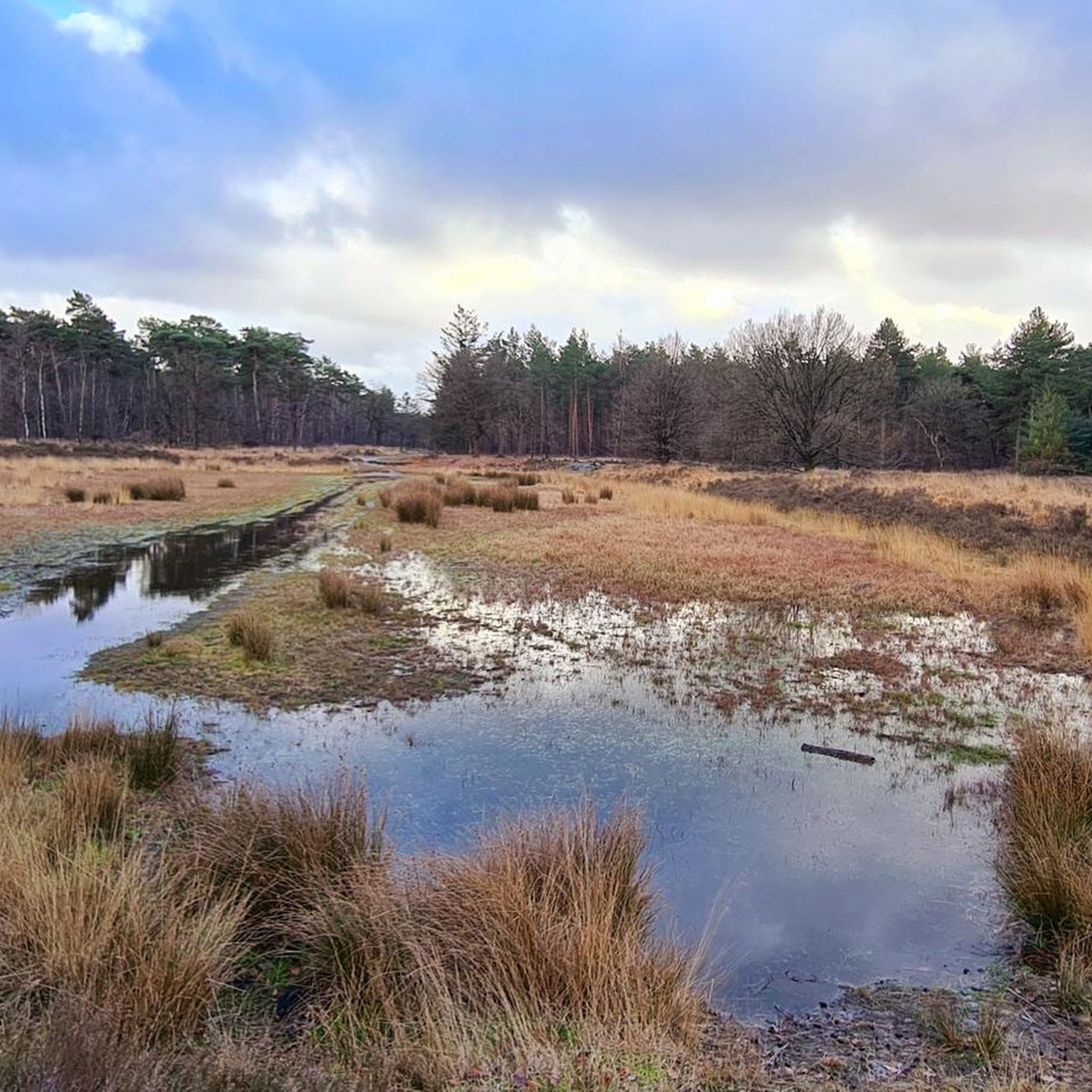
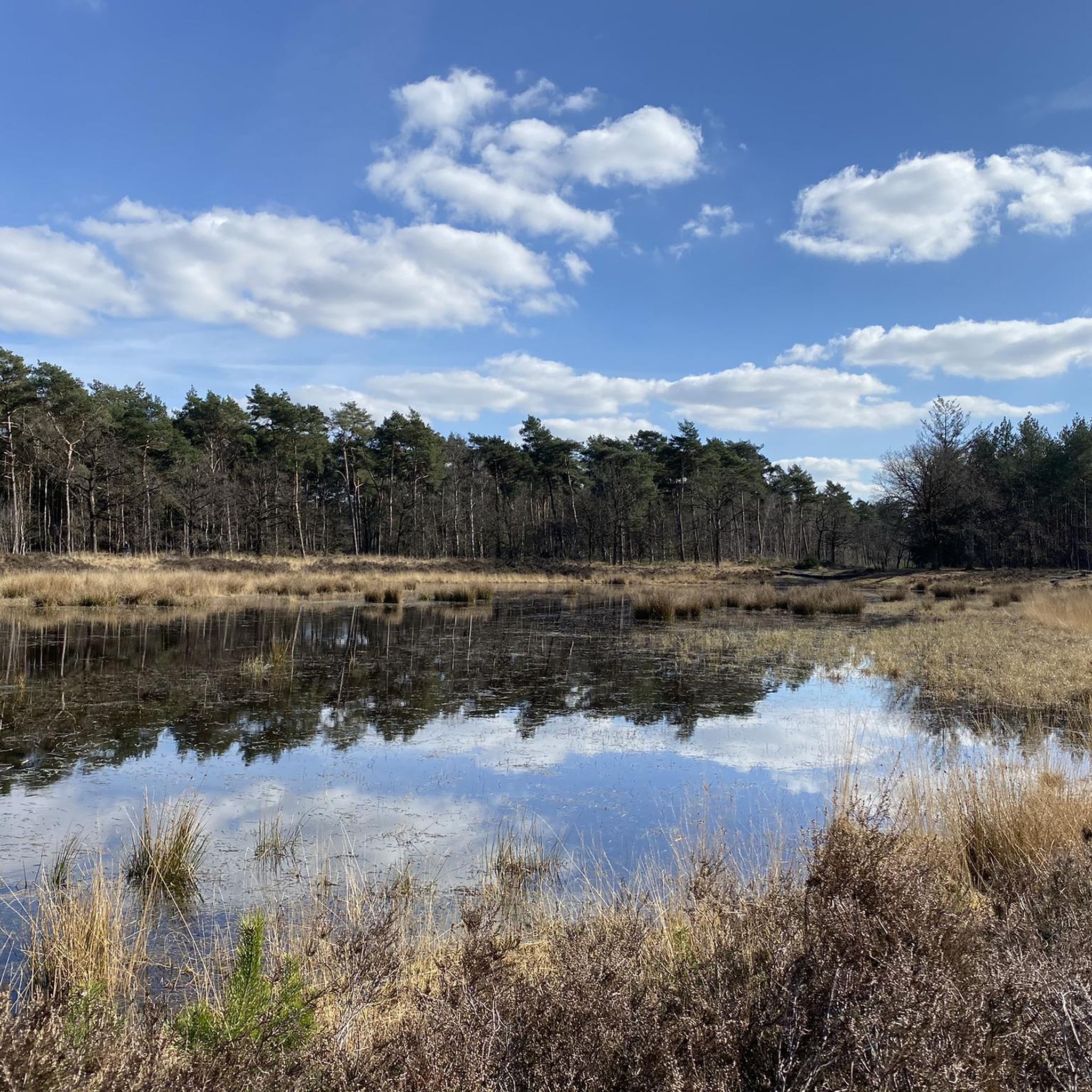
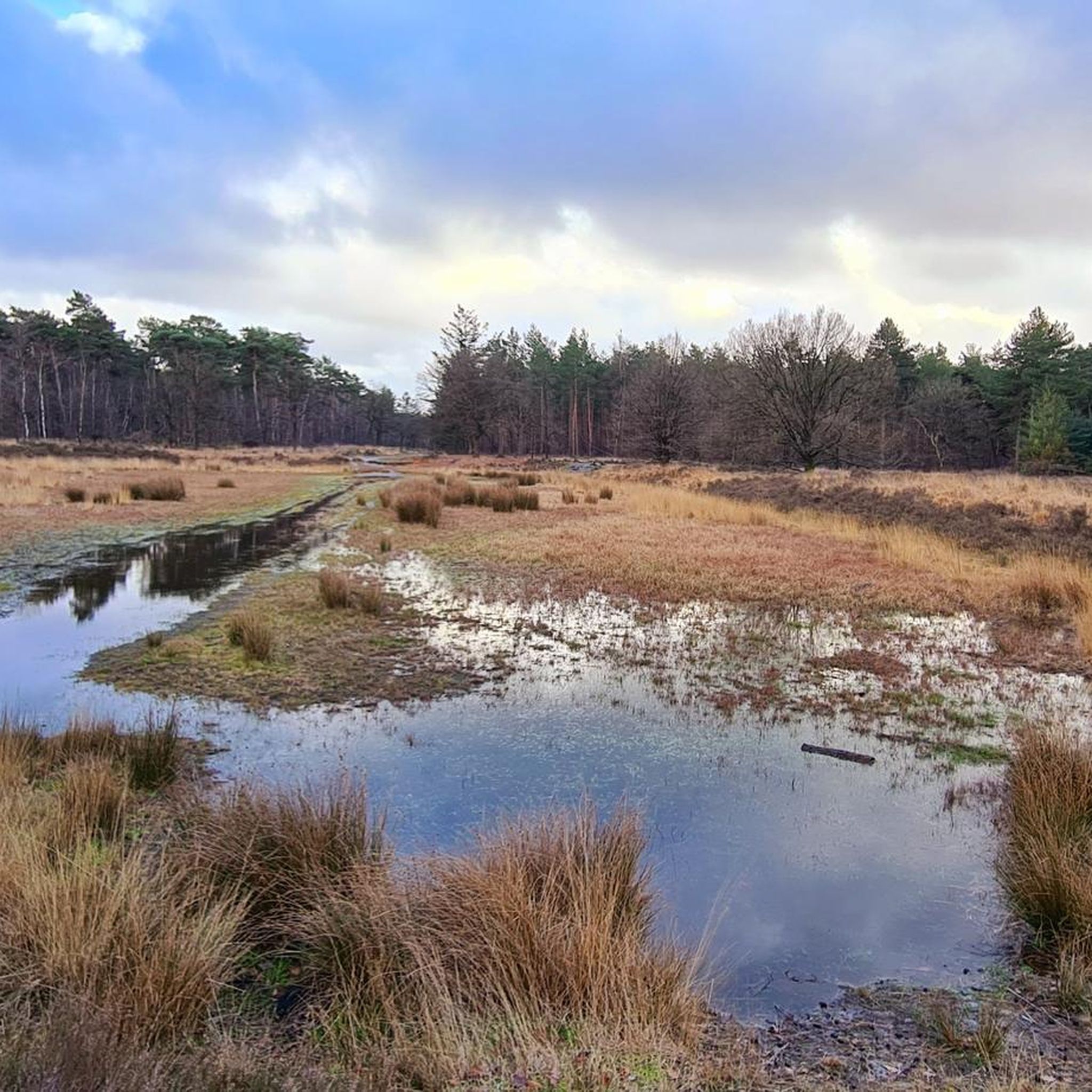
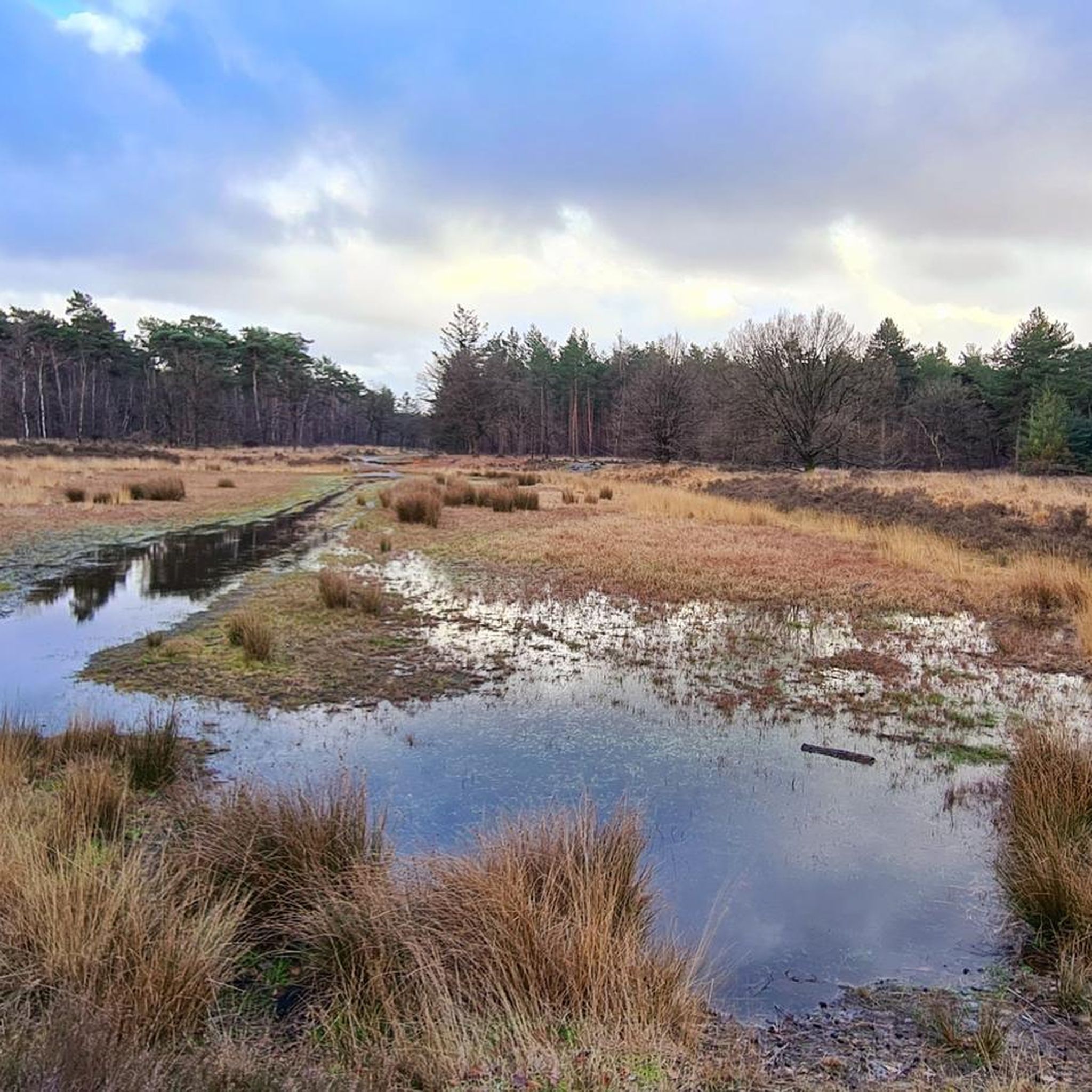

Tips from the Community

Beautiful, fast trail through the forest.
1
0

In the middle of the center of Geldrop lies Kasteel van Geldrop, surrounded by a beautiful English garden and Bloemenhof. Kasteel Geldrop, as it is called, was built in 1350 by Knight Philips 1 van Geldrop, about whom not much else is known. Meanwhile, the Castle with the gardens around it has become a place where it is wonderful to relax. The little ones will quickly entertain themselves in the petting zoo and the sensory garden. In the Bloemenhof, which is full of blooming flowers in the summer, there are all sorts of seats you can use. The Koetshuis is the home of the IVN, which regularly organizes all sorts of activities. The Castle is fantastic to wander through. Various guided tours can be booked, so you can discover the real treasures. The old cellar with the dungeon, the 19th-century style rooms with authentic furniture, the library with the old books: you will be surprised by what Kasteel Geldrop has to tell. And it may well be that a wedding is just being held: Kasteel Geldrop is a popular place to pledge your love to each other and have a beautiful wedding reportage made. Regularly, there are exhibitions to visit in the Castle. The exhibition rooms of Kasteel Geldrop on the first floor are fully accessible for wheelchairs. The exhibitions are open every Thursday, Friday, and Sunday between 2:00 PM and 5:00 PM. Admission is free. Source and more at https://www.visitgeldropmierlo.nl/nl/wat-te-doen/dagje-uit/landgoed-kasteel-geldrop
1
0
The Holy Brigidakerk, located in the center of Geldrop, is unique in the Netherlands for several reasons. Its shape and architectural style differ completely from other churches built in the Netherlands in the 19th century. The neo-Romanesque Gothic Holy Brigidakerk was designed by Carl Weber and built around 1890. It is one of his most important works. The gigantic octagonal high dome, the 71-meter-high towers, and the intricate layout of the spaces breathe history. Realize, as you walk around, that Allied soldiers were regularly hidden there during World War II. The carillonneurs who play the carillon have won various prizes at national and international level for their organ playing. Concerts are held annually in July and August that you can attend. The change ringing is also unique in the Netherlands, as it is done on the eight largest bells of the Holy Brigida Church. In total, 47 bells hang in the right tower, which are rung every hour (computer-controlled). Source and visitor info at https://www.visitgeldropmierlo.nl/nl/locaties-overzicht/2220054356/heilige-brigidakerk
1
0


Yes, it's quite nice, but the wow factor is unfortunately missing. If you post-process the pictures a bit... it looks beautiful 🙃
0
0

Unfortunately, ordering is only possible via QR code, which didn't work for us as a German bank card was not accepted 🤷♀️
0
0

The castle was first mentioned in 1403, but it presumably already existed much longer at that time. After it came into the possession of the Hornes in 1462, it came under Brabant's control. During the Guelders Wars, it was shelled by the Guelders. The castle originally had a high keep, which was certainly still intact until 1825, but was later demolished. Bishop Michael Ophovius of the Diocese of 's-Hertogenbosch, who was driven out of 's-Hertogenbosch by Frederik Hendrik in 1629, found shelter in the castle of Geldrop from 1631 to 1636, before he left for Antwerp. Source and more info: Wikipedia
3
0

Beautiful resting place directly at a pond with bench and table
1
0
Frequently Asked Questions
How many touring cycling routes are available in Geeneindsche Heide?
Geeneindsche Heide offers a wide selection of touring cycling routes, with over 900 options to explore. The majority of these, around 670, are classified as easy, making the region very accessible for various skill levels.
Are there easy touring bike trails suitable for beginners or families in Geeneindsche Heide?
Yes, Geeneindsche Heide is very beginner and family-friendly, with over 670 easy touring cycling routes. Many paths are flat and wind through forests and heathland. A great option is the The Potato Eaters Sculpture – Van Gogh Village Museum loop from Nuenen c.a., which is an easy 7.5-mile (12.1 km) trail.
What kind of terrain can I expect on touring cycling routes in Geeneindsche Heide?
The terrain in Geeneindsche Heide is generally flat, characterized by a mix of forests, open heathland, and agricultural areas. This makes it suitable for relaxed touring cycling, with minimal elevation changes. You'll find well-maintained paths that are pleasant for cycling.
Are there any circular touring cycling routes in Geeneindsche Heide?
Yes, many touring cycling routes in Geeneindsche Heide are designed as loops, allowing you to start and end at the same point. For example, the Cycle Path Through the Forest – Collse Watermill loop from Nuenen c.a. is a popular circular route that takes you through woodlands and past a historic watermill.
What are some interesting landmarks or attractions to see along the cycling routes?
Geeneindsche Heide offers several points of interest. You can cycle past the historic Collse Watermill, explore areas connected to Vincent van Gogh's history, or visit Heeze Castle. Natural attractions include various lakes like Wasven Pond, Kamerven, and Witven, as well as forest areas like Stiphoutse Bossen.
Are there any moderate or challenging touring cycling routes for more experienced cyclists?
While the region is predominantly flat, there are moderate routes for those seeking a bit more distance. For instance, the Strabrechtse Heath – Heeze Castle loop from Nuenen c.a. is a moderate 22.5-mile (36.2 km) path that traverses open heathland and passes by Heeze Castle. There are also 42 routes classified as difficult for experienced riders.
What do other touring cyclists enjoy most about cycling in Geeneindsche Heide?
The area is highly rated by the komoot community, with an average score of 4.4 stars from over 2,000 reviews. Reviewers often praise the quiet woodlands, expansive heathland, and the cultural landmarks like the Collse Watermill and Van Gogh-related sites, which provide a diverse and enjoyable cycling experience.
Can I find routes that focus on nature and wildlife spotting?
Yes, the region's heathlands and forests, such as the Strabrechtse Heath and Stiphoutse Bossen, are excellent for nature observation. Routes often pass by tranquil lakes like Kamerven and Kikkerven, where you might spot local wildlife. The Collse Watermill – Van Gogh–Roosegaarde Bike Path loop from Nuenen c.a. offers a blend of natural beauty and cultural interest.
Is there parking available near the touring cycling routes?
Yes, various starting points for routes in and around Geeneindsche Heide, particularly near towns like Nuenen c.a., offer parking facilities. It's advisable to check specific route details on komoot for recommended parking locations closest to your chosen starting point.
What is the best time of year to go touring cycling in Geeneindsche Heide?
The spring and summer months (April to September) generally offer the most pleasant weather for touring cycling in Geeneindsche Heide, with milder temperatures and longer daylight hours. Autumn can also be beautiful with changing foliage, though cooler temperatures and more rain are possible. The heathlands are particularly vibrant when in bloom during late summer.
Are there any routes that highlight the region's connection to Vincent van Gogh?
Absolutely. Geeneindsche Heide is closely associated with Vincent van Gogh's early work. Routes like the Van Gogh Village Museum – The Potato Eaters Sculpture loop from Nuenen c.a. specifically lead you through areas and past landmarks that inspired the artist, offering a unique cultural cycling experience.
Are there cafes or places to stop for refreshments along the cycling trails?
Yes, many routes pass through or near villages and towns where you can find cafes, restaurants, and other refreshment stops. Given the region's popularity for cycling, you'll often find establishments catering to cyclists, especially in areas like Nuenen c.a. and around popular attractions.
Most popular routes in Geeneindsche Heide
Most popular attractions in Geeneindsche Heide

Get inspired with the komoot mobile app


Explore more
Browse the best Cycling routes in other regions.
