The best walks and hikes in Roerdal
4.5
(26326)
92,675
hikers
20
hikes
Hiking in Roerdal, located in the province of Limburg, Netherlands, offers diverse natural landscapes and well-maintained trail networks. The region is characterized by the unique terraced landscape of National Park De Meinweg, featuring forests, heathlands, and fens. The naturally meandering Roer River valley forms a dynamic riverine environment with oxbow lakes and varied banks. These features provide a blend of serene nature and cultural heritage for hikers.
Best hiking trails in Roerdal
- The most popular hiking route is Beachclub Koers…
Last updated: August 14, 2026
4.1
(45)
165
hikers
8.17km
02:05
30m
30m
Moderate hike. Good fitness required. Easily-accessible paths. Suitable for all skill levels.
4.6
(26)
67
hikers
Moderate hike. Good fitness required. Easily-accessible paths. Suitable for all skill levels.

Sign up for free
4.8
(8)
29
hikers
Easy hike. Great for any fitness level. Easily-accessible paths. Suitable for all skill levels.
4.6
(16)
69
hikers
3.79km
00:58
10m
10m
Easy hike. Great for any fitness level. Easily-accessible paths. Suitable for all skill levels.
4.3
(6)
19
hikers
Easy hike. Great for any fitness level. Easily-accessible paths. Suitable for all skill levels.
Get access to more routes and recommendations from other explorers.
Sign up for free
Already have an account?
Our route recommendations are based on thousands of hikes, rides, and runs completed by other people on komoot.
Start today with a free account
Your next adventure awaits.
Login or Signup
Tips from the Community


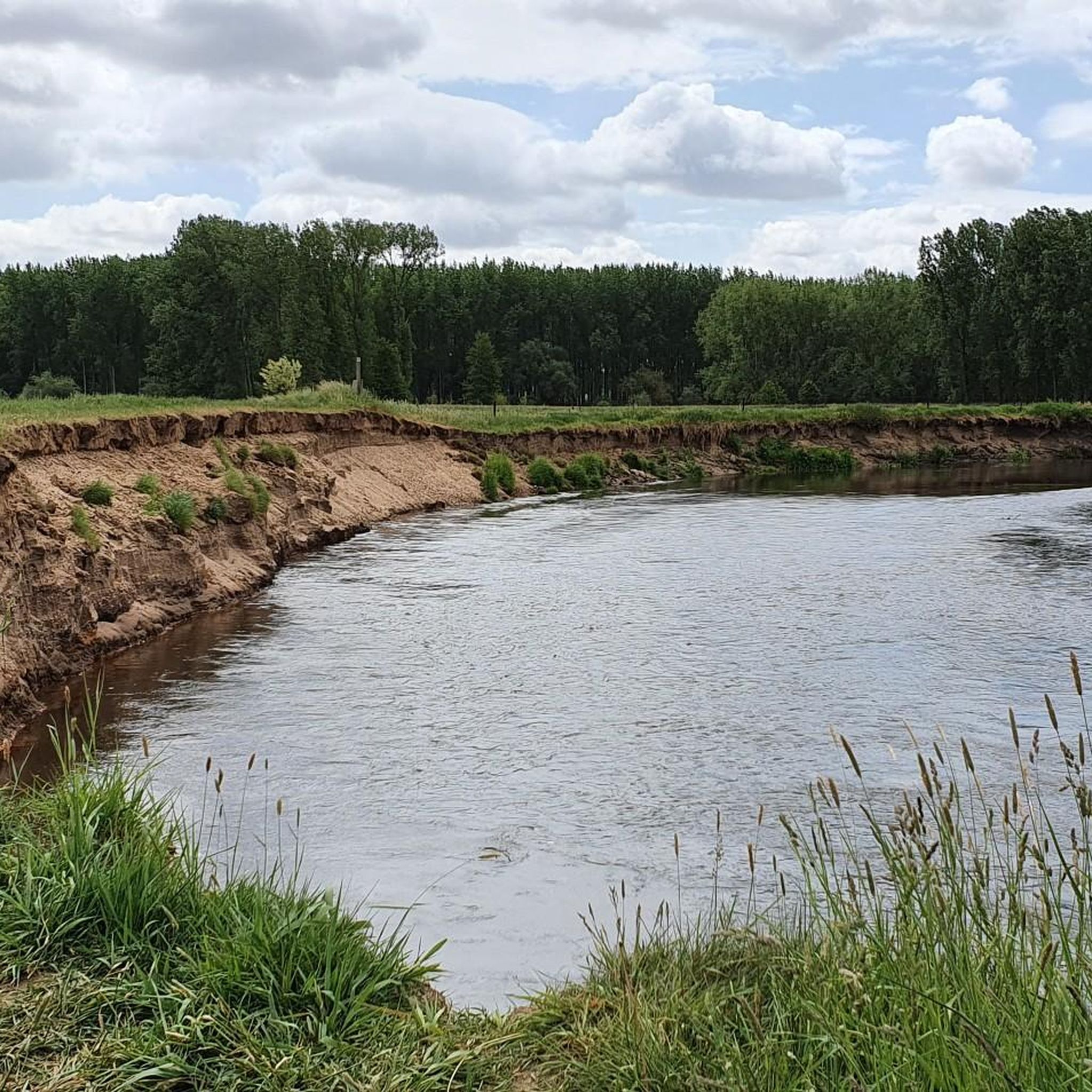
Walking along the narrow path and enjoying the view of the Roer, sometimes with a lot of water and a strong current. And sometimes gently flowing with little water.
0
0
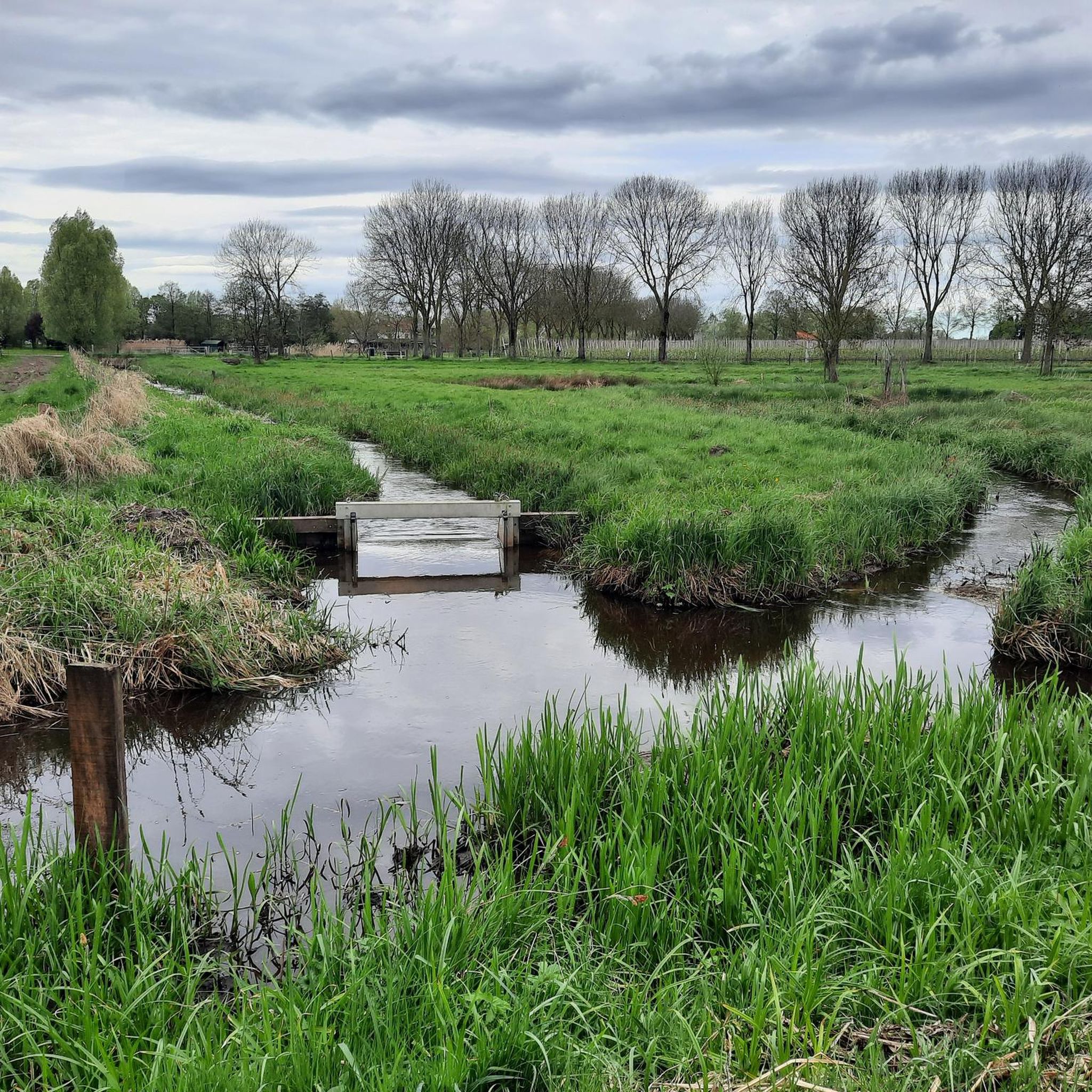
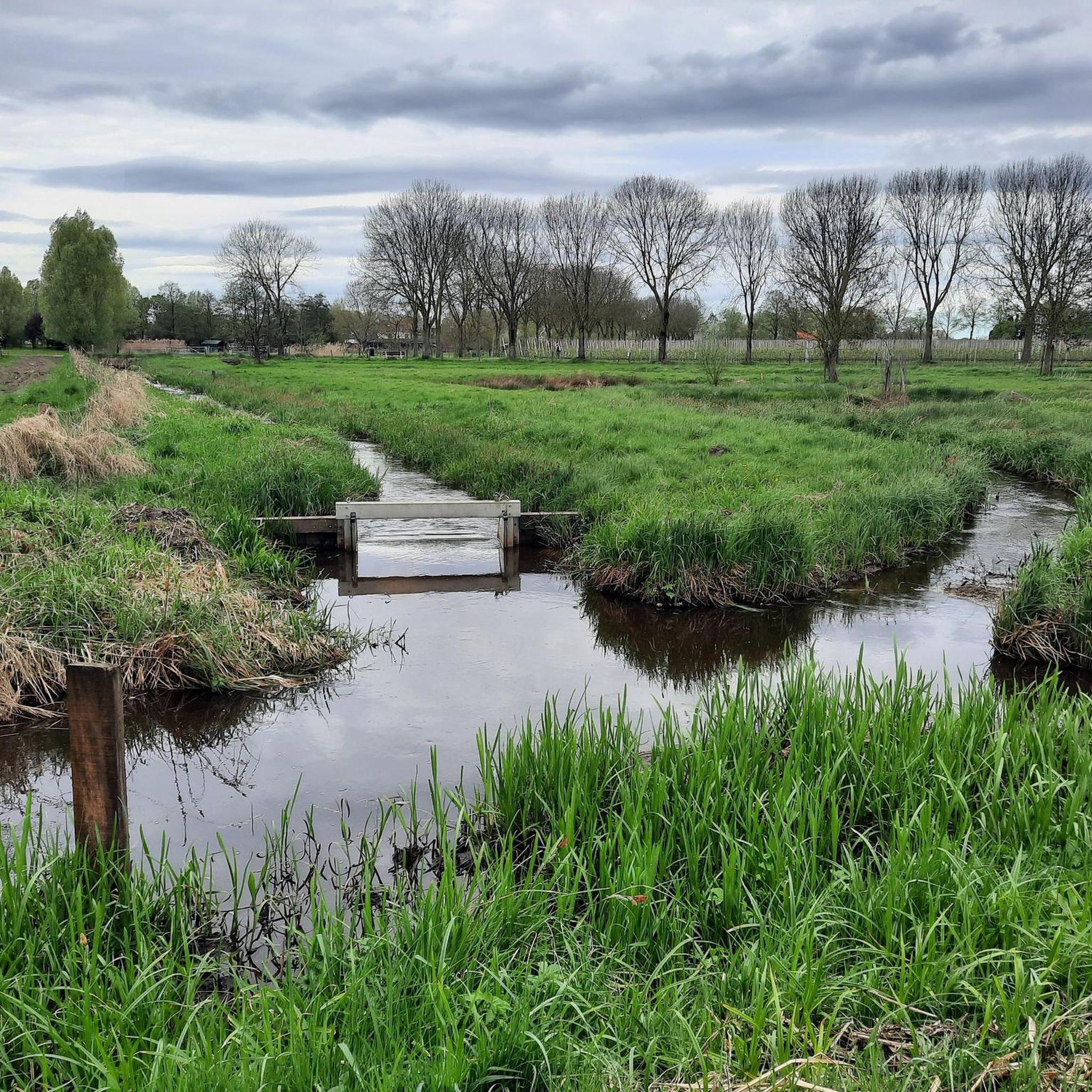
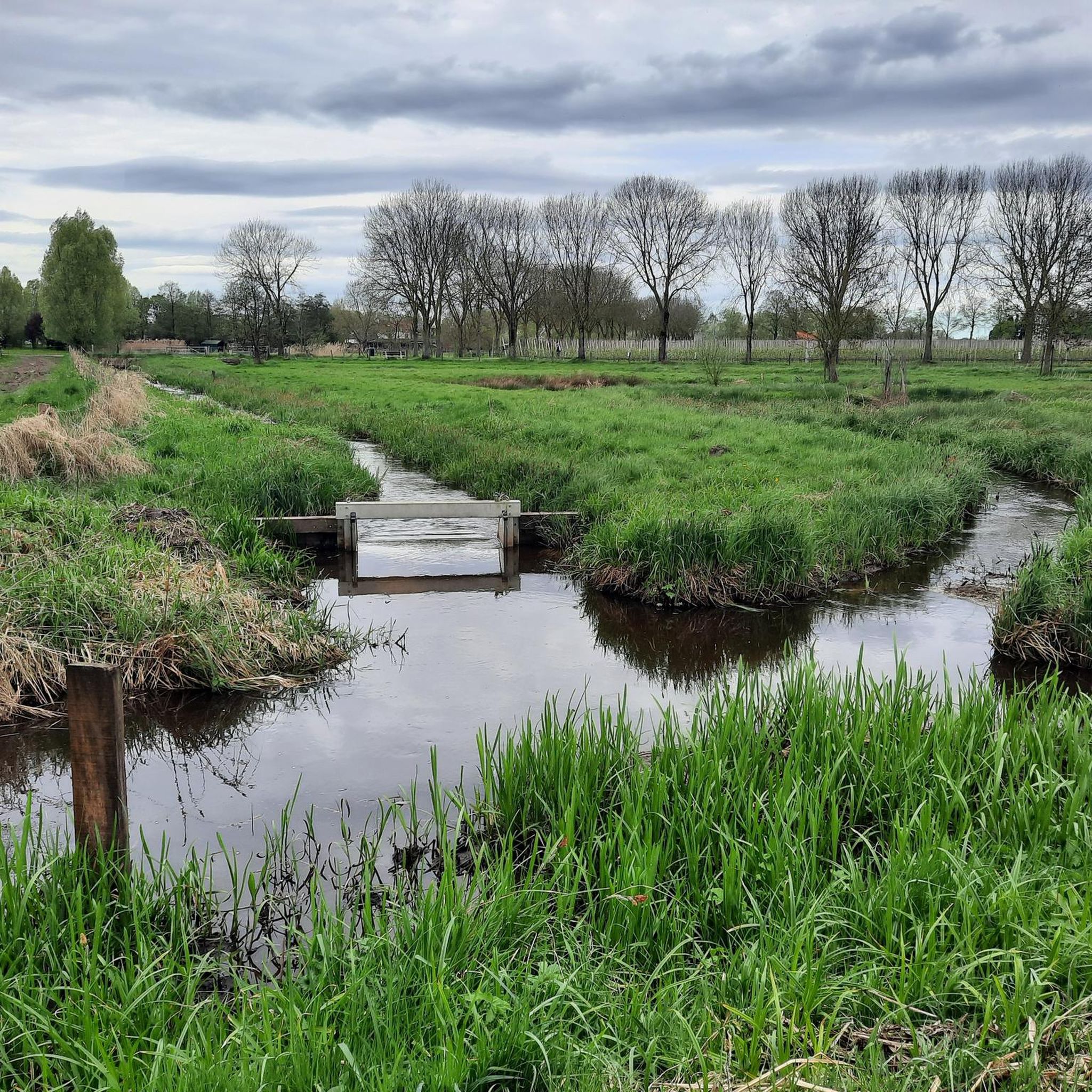
Relaxing on the couch and looking out over the Roer,
0
0

Beachclub Koers Zuid is a distinctive and vibrant beach club located in De Weerd in Roermond, in the Area-X recreation area on the Maasplassen lakes. What once began as an initiative of passionate windsurfers has grown into a versatile meeting place where sports, relaxation, and food and drink come together in a distinctly summery setting. The club's origins date back to 1979, when windsurfers gathered at this location to take to the water together. From this sporting foundation, a club with a strong community spirit developed, which later expanded to include an accessible beach club where non-members can also enjoy the terrace and food and drink facilities. The waterfront location is the heart of the experience. Koers Zuid overlooks one of the lakes in the Maasplassen area, giving visitors from the terrace an unobstructed view of surfers, SUP riders, and recreationalists taking to the water. Especially in the afternoon and evening, the low sun creates a distinct beach atmosphere that evokes an almost Mediterranean feel in Central Limburg. The combination of sand-covered wooden patio elements, beach chairs, and the sound of lapping water gives the place a relaxed, informal atmosphere strongly reminiscent of a seaside location. Although the beach club primarily serves as a place for drinks and food for many visitors, its sporting identity remains strongly present. Windsurfing remains a key pillar of the club, with options for lessons, training, and equipment storage. Both beginners and advanced surfers will find a suitable location here, thanks in part to the relatively sheltered water and open space. In addition, activities are regularly organized around SUP (stand-up paddleboarding) and other water sports, making Koers Zuid an accessible gateway to an active outdoor life by the water. The beach club has also developed into a social meeting place. Throughout the season, typically from spring to autumn, it hosts events ranging from informal drinks to larger parties with music. In this way, Koers Zuid fulfills not only a recreational but also a unifying role within the region. Families also find the location, thanks to the space around the terrace and the relaxed setting where children can play while adults enjoy the view. Its location within Area-X enhances its appeal. This area in Roermond is known as a hub for water recreation, with beaches, sports facilities, and a variety of leisure activities nearby. Hikers and cyclists exploring the Maasplassen lakes often use Koers Zuid as a rest stop, where nature experiences and restaurants complement each other. The combination of open water and activity on the lake creates a dynamic setting that changes daily and seasonally.
0
0
The Vismarkt (Fish Market) in Roermond is one of the oldest and most characteristic places in the historic city center. As the name suggests, this square was traditionally the center of the fish trade, a logical consequence of Roermond's location on the Roer and Meuse rivers. The Vismarkt is therefore a direct reminder of a time when water and trade were inextricably linked. The square is located a short distance from the river and was part of the city's economic heart. Here, fishermen, traders, and residents gathered to trade fresh fish, but also to exchange news and socialize. The proximity of the water ensured that fish could be delivered quickly, making the Vismarkt a vibrant and important hub in daily city life. Over the centuries, the Vismarkt's function changed, but the square retained its central role. Today, it is an atmospheric urban space with historic buildings, restaurants, and terraces. Its original commercial function has given way to a place for meeting and relaxing, but its name and location continue to evoke the past.
0
2
The Akcros paint factory was one of the earliest and most important industrial companies in Roermond. Established in 1869 along the banks of the Roer River in what later became the Willem-Alexanderhaven area, the factory produced paint and related chemical products for construction and industry. Its location directly on the water allowed the factory to import raw materials and export products via the river, a major logistical advantage at the time. During the late 19th and early 20th centuries, Akcros grew into a major employer in Roermond. The factory served not only as a production and trading center but also as part of the major wave of industrialization in Limburg. Workers from the city and surrounding area found work there, and the company's presence contributed to the city's urbanization and social development. After decades of operation, the paint factory declined in importance during the 20th century, partly due to technological changes, competition, and shifts in production. In the second half of the 20th century, Akcros moved from its original factory site, after which most of the buildings were demolished or adapted for other purposes. Where chimneys and factory buildings once stood, now mainly open space and water features remain, with only a few visible remnants of the industrial past. Today, a few remnants are still visible in the area around the former factory, such as: The large chimney that once formed part of Roermond's industrial skyline. Remains of brick facades and structural fragments, and foundations and wall remnants that reveal the scale of the old production halls. The former Akcros site is now part of Akcrospark and walking routes along the river. The area has been transformed from an industrial zone into a green recreational area where residents and visitors can walk, cycle, and relax. The remains of the factory, particularly the chimney, stand as silent witnesses to its industrial history and add visual and emotional weight to the transformation from a production area to an urban green space. This development ensures that the area remains relevant and enjoyable: not only as a place for relaxation but also as a reminder of Roermond's economic and social development over the past century and a half.
0
0
The Roer (German: Rur) is a tributary of the Meuse River that flows through Belgium, Germany, and the Netherlands, eventually joining the Meuse at Roermond. The river has a total length of approximately 165 km, of which approximately 21.5 km run through Dutch territory. The Roer rises at approximately 660 m above sea level in the High Fens (Hautes Fagnes) in Belgium, near the country's highest peaks. From there, it flows north through Germany, passing through the Eifel region and cities such as Monschau, Düren, and Jülich. It then reaches the Netherlands at Vlodrop and continues its course through Limburg. In the Netherlands, the Roer flows through the villages of Herkenbosch, Melick, and Sint Odiliënberg towards Roermond. Just before it flows into the Meuse at Roermond, the river splits into two branches: the Urban Roer and the Hambeek. This division also affects water management and ecology in the urban area. Near Roermond, the Roer River forms a significant water landscape that shapes the urban environment. The river flows through the landscape and empties into the Meuse River near the city center. Historically, the city is partly situated on the banks of these rivers, where early settlements arose at the confluence of the Roer and Meuse rivers. Along the river, you'll find characteristic spots such as the Roerkade, a strip of cafes and terraces where residents and visitors can enjoy views of the water and the Maria Theresia Bridge (also known as Steene Brök), which connects the old Sint Jacob suburb with the city center. The Roer, together with its valley, forms the Roerdal, a unique river landscape. In the Netherlands, the Roer is one of the few freely meandering rivers, meaning it has largely retained its natural winding course. The Roerdal is rich in natural resources and supports flora and fauna characteristic of river landscapes, such as kingfishers, beavers, and dragonflies. Historically, the Roer, particularly in its lower reaches in the Netherlands, was heavily polluted by industrial discharges from Germany. However, after the closure of the mines and improved water treatment, the water quality has significantly improved. As a result, fish species such as trout and even salmon have returned to the river, a sign of ecological recovery. Because the Roer carries water via Germany and Belgium, the water level can fluctuate quite rapidly and significantly. This has sometimes led to flooding in the Dutch section of the river, especially during heavy rainfall or when the Meuse reaches a high water level. The water board and other parties are working on water management measures to mitigate risks, such as fish passages and water level distribution between branches of the river.
1
0
Munsterplein is the central square in the historic heart of Roermond and, together with the surrounding streets and monuments, forms one of the city's characteristic meeting places. Located in the city center, Munsterplein is close to shopping streets and other squares. The square is an open, accessible space where both residents and tourists gather to stroll, sit on terraces, attend events, or simply enjoy the historic surroundings. Our Lady of the Munster Church dominates the square and is considered one of the finest examples of Late Romanesque architecture in the Netherlands. Dating back to the early 13th century, the church houses, among other things, the mausoleum of Count Gerard III of Guelders and his wife Margaret of Brabant. Directly on the square is a bandstand (music pavilion), designed by the renowned architect Pierre Cuypers in 1885. This cast-iron, twelve-sided bandstand with a wooden dome has served as the square's musical heart since the 19th century, hosting live performances by brass bands and musical ensembles almost every weekend during the summer. At Munsterplein, you'll also find archaeological sites from the old Munster Abbey, which stood here for centuries before the abbey buildings largely disappeared. These remains lie underground and are part of the Archeo Route Limburg, where information points guide you through the long history of this place. The square also occasionally features memorials and local monuments that commemorate important events in Roermond's history, such as commemorations of the Second World War. The square is surrounded by café terraces, restaurants, and lunchrooms, such as the Munstercafé, which, with its view of the Munster Church, is a popular meeting place for breakfast, lunch, or a coffee break during a city walk. During the summer months, the square becomes a vibrant hub, especially when the weather is nice: the terraces are full, and various musical events and activities take place around the bandstand. Munsterplein serves as an event venue, especially in conjunction with the bandstand concerts in spring and summer. The square also occasionally serves as a venue for seasonal events, such as winter activities around the holidays (e.g., temporary indoor arenas and markets). Roermond's Munsterplein is more than just a town square: it's a cultural meeting place steeped in history and atmosphere. With the 13th-century Munsterkerk (Munster Church), the Cuypers kiosk, archaeological remains of the old abbey, charming terraces, and regular music and events, the square forms the vibrant heart of the city center, where past and present converge.
0
0
Frequently Asked Questions
What kind of terrain can I expect on hiking trails in Roerdal?
Roerdal offers a diverse landscape for hikers. You'll find the unique terraced landscape of National Park De Meinweg, characterized by forests, heathlands, and fens. The region is also defined by the naturally meandering Roer River valley, featuring oxbow lakes and varied banks. Trails can range from flat river paths to gently rolling heathlands.
Are there many easy hiking trails in Roerdal?
Yes, Roerdal is very welcoming for those seeking easier walks. Out of the 23 available hiking routes, 17 are classified as easy. An example is the Roermond Town Hall – Red Bridge over the Hambeek loop from Roermond, which is 7.0 km long and takes about 1 hour 47 minutes to complete.
What natural features or landmarks can I see along the hiking trails in Roerdal?
Hiking in Roerdal offers many natural and historical sights. You can explore the dynamic Roer River, with its meandering bends and oxbow lakes, or visit the marshy nature reserve of De Turfkoelen. Notable landmarks include the Red Bridge over the Hambeek and the historic Dalheim Mill, which you can see on the Rode Beek (Rothenbach) – Dalheim Mill loop from Vlodrop. The region also features 'Places of Happiness' for reflection and enjoyment of the surroundings.
Are there any circular hiking routes in Roerdal?
Many of the hiking routes in Roerdal are designed as loops, allowing you to start and end at the same point. For instance, the Beachclub Koers Zuid – View of Roermond Skyline loop from Roermond is a moderate 8.2 km circular trail offering views of the Roermond skyline.
What do other hikers enjoy most about hiking in Roerdal?
The hiking experience in Roerdal is highly rated by the komoot community, with an average score of 4.6 stars from over 100 reviews. Hikers often praise the diverse natural landscapes, including the unique terraced areas and the serene river valleys, as well as the well-maintained trail networks that cater to various fitness levels.
Can I find longer, more challenging day hikes in Roerdal?
While many trails are easy to moderate, you can find longer routes that offer a good day hike. The Rode Beek (Rothenbach) – Dalheim Mill loop from Vlodrop is a moderate 15.5 km path that explores the water-rich landscape of the Rode Beek and passes historical sites, making for a substantial outing.
Is Roerdal suitable for family-friendly hikes?
Yes, Roerdal offers several options for family-friendly hikes. With 17 easy routes available, families can choose shorter, less strenuous paths that are suitable for all ages. The varied terrain and natural features like the Roer River and heathlands provide engaging environments for children to explore.
Are there opportunities to see wildlife while hiking in Roerdal?
Roerdal's diverse ecosystems, including wet areas, fens, and forests, are rich in flora and fauna. You might spot marsh orchids, sundew, and various dragonflies. Wildlife such as kingfishers, grey wagtails, pine martens, wild boars, and deer can also be seen, especially in quieter areas like National Park De Meinweg and along the Roer River.
What is the best time of year to go hiking in Roerdal?
Roerdal is beautiful year-round, but spring and autumn are particularly pleasant for hiking. In spring, the flora comes alive, and in autumn, the changing colors of the forests are stunning. The well-maintained trails make it accessible even in milder winter conditions, while summer offers lush greenery, though it can be warmer.
Are there any trails that offer views of the Roermond skyline?
Yes, you can enjoy views of the Roermond skyline on some trails. The Beachclub Koers Zuid – View of Roermond Skyline loop from Roermond is a moderate 8.2 km route specifically designed to offer these scenic perspectives.
Are there any cross-border hiking opportunities in Roerdal?
Yes, Roerdal's proximity to Germany, particularly with National Park De Meinweg being a cross-border area, allows for hikes that traverse both Dutch and German territory. This adds an international dimension to your hiking experience, letting you explore diverse landscapes across two countries.
Most popular routes in Roerdal
Most popular attractions in Roerdal

Get inspired with the komoot mobile app


Explore more
Browse the best Hikes in other regions.
