Attractions and Places To See in Beegder Heide - Top 18
Best attractions and places to see in Beegder Heide include diverse natural landscapes in the Limburg region of the Netherlands. The area features open heathlands, deciduous and coniferous forests, sand drifts, fens, and moors. This unique combination of habitats supports a variety of plant and animal life. The reserve offers opportunities for exploring its natural environment through various walking and cycling routes.
Best attractions and places to see in Beegder Heide
- The most popular attractions is The Lange Vlieter,…
Last updated: July 5, 2026
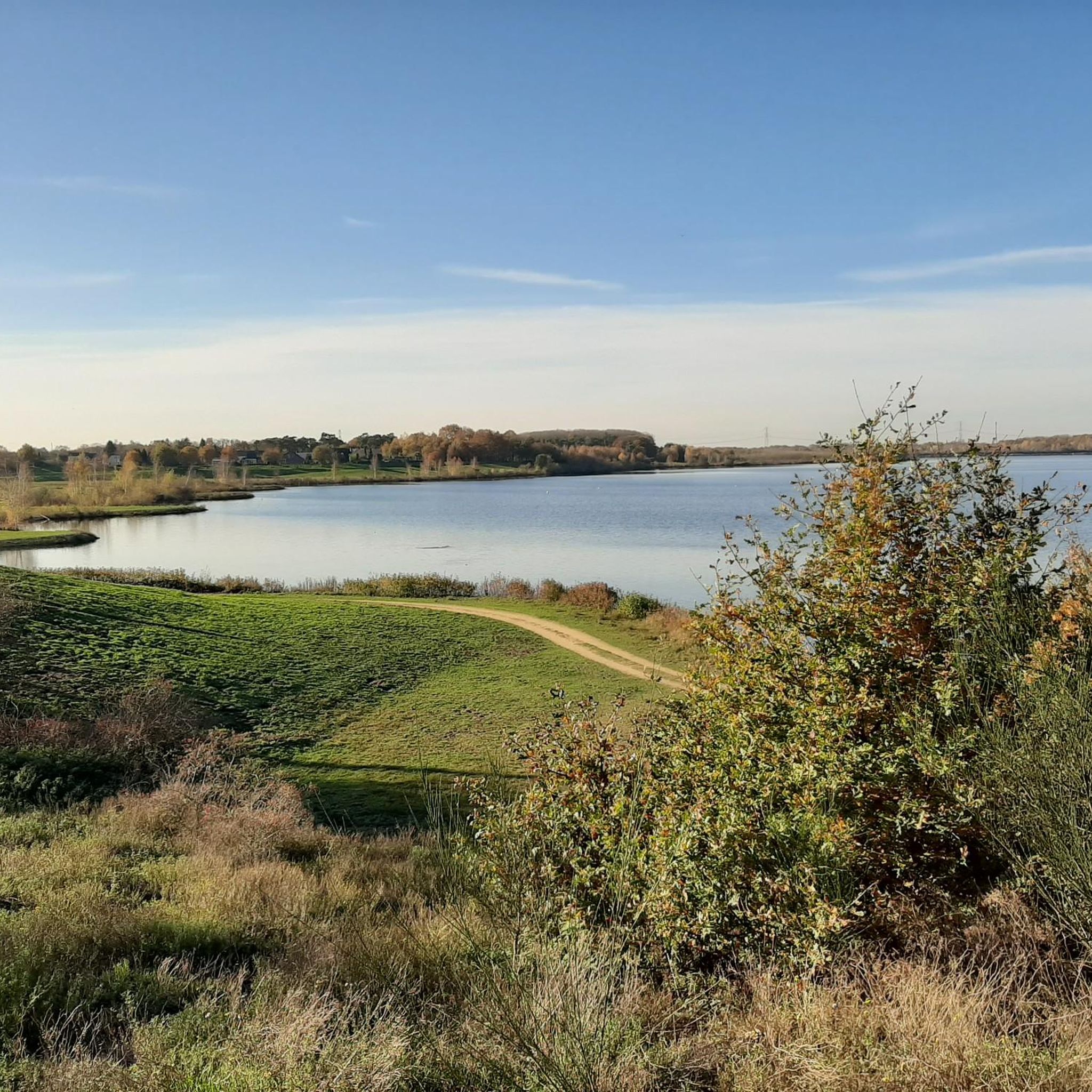
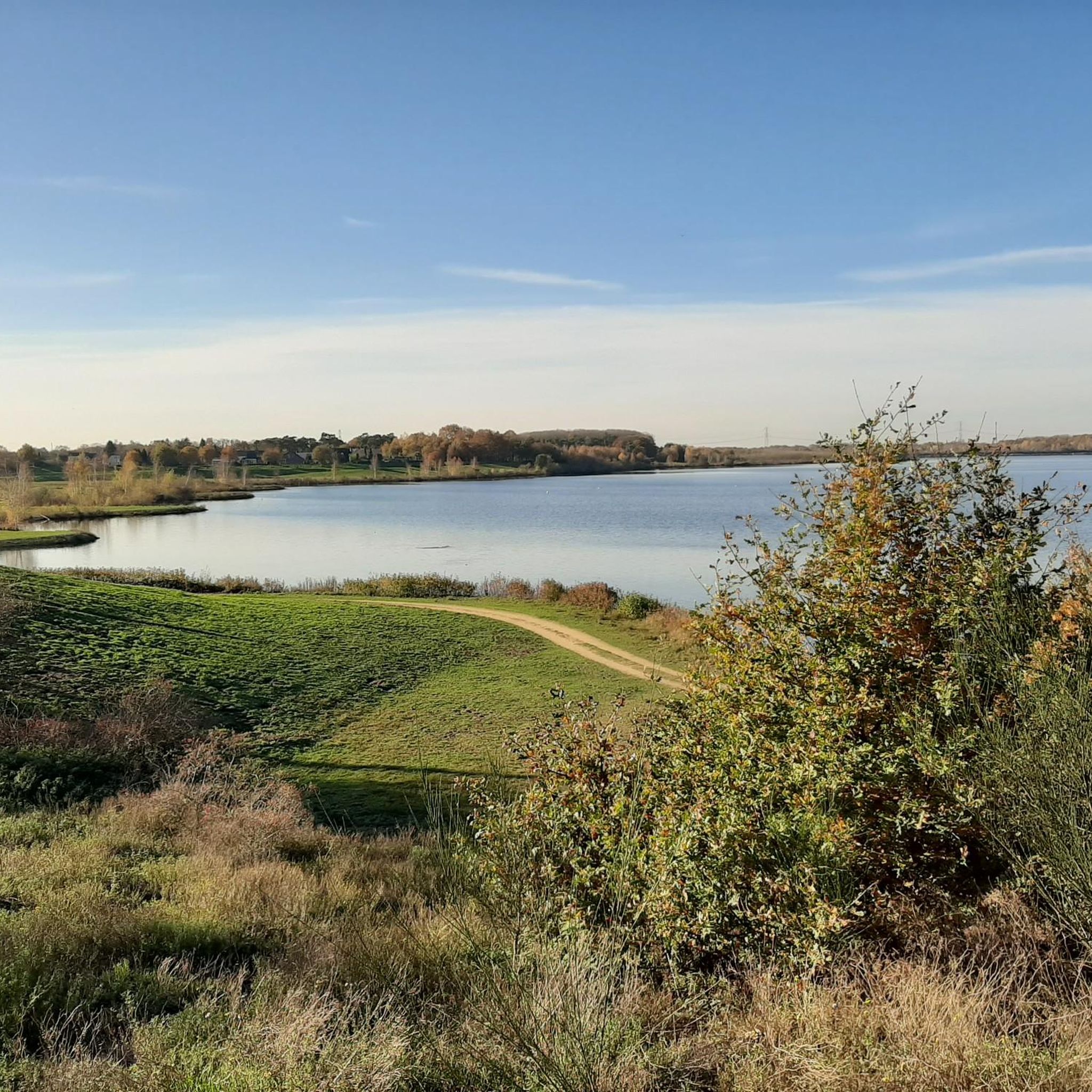
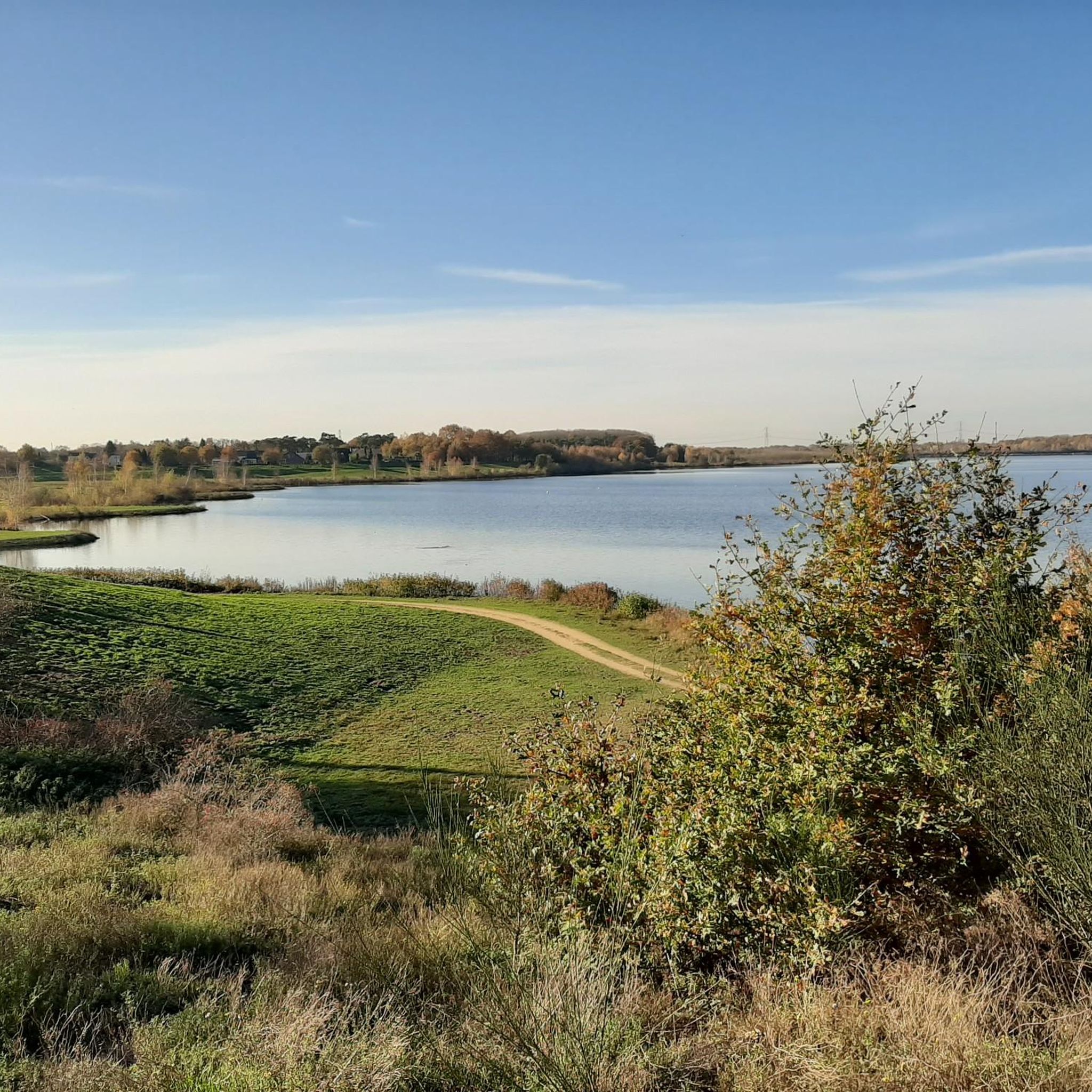
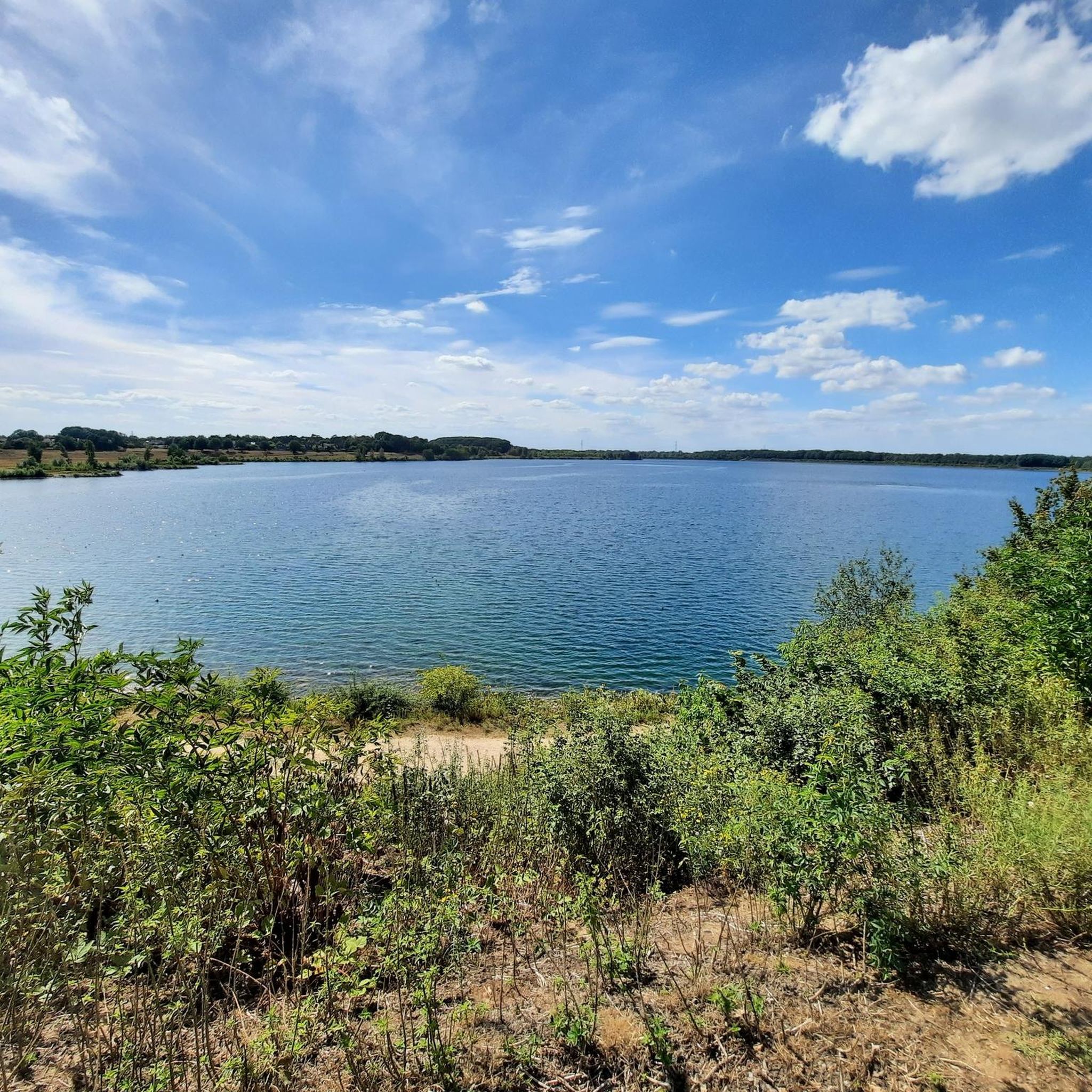
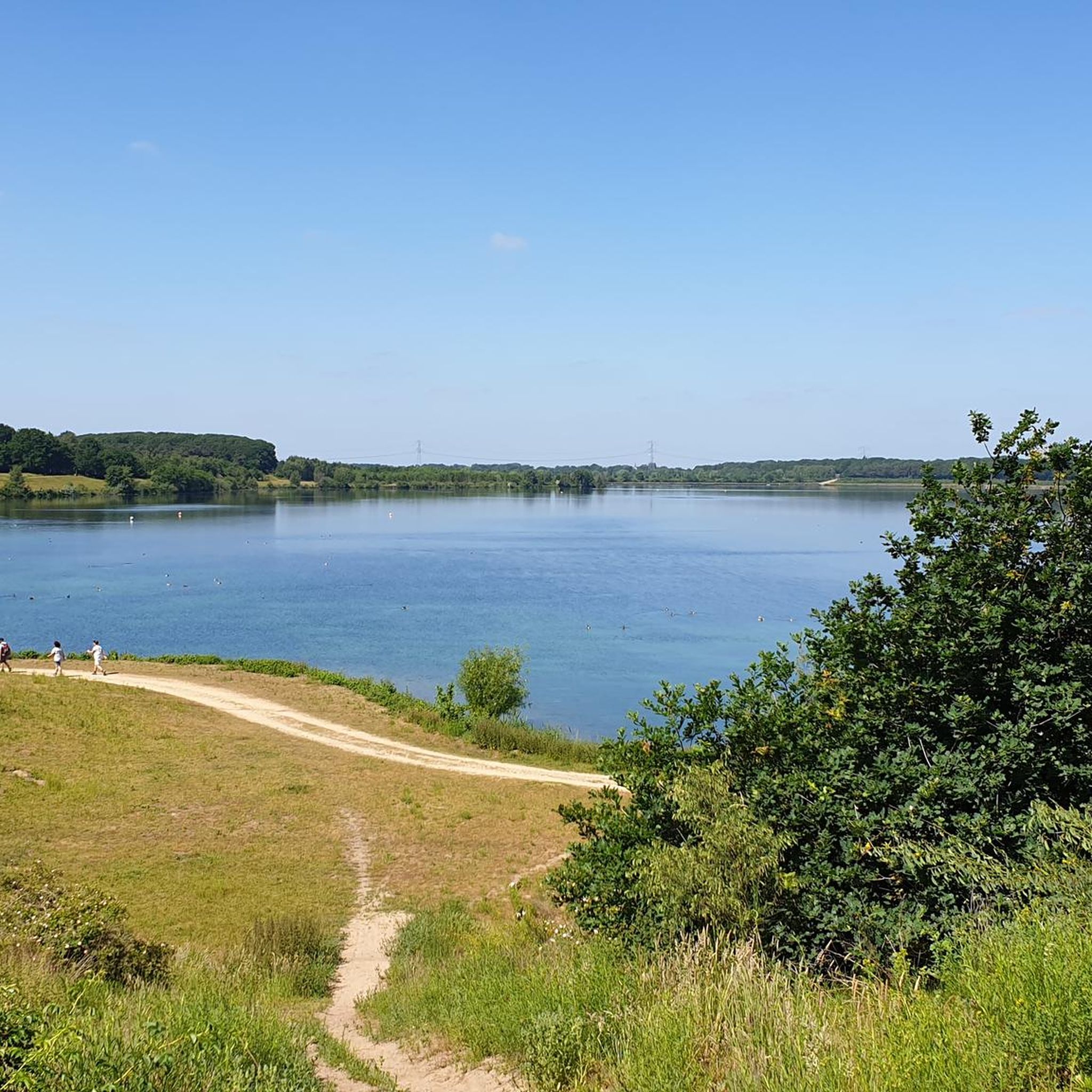
The Lange Vlieter
Highlight • Lake
Translated by Google •
Tip by

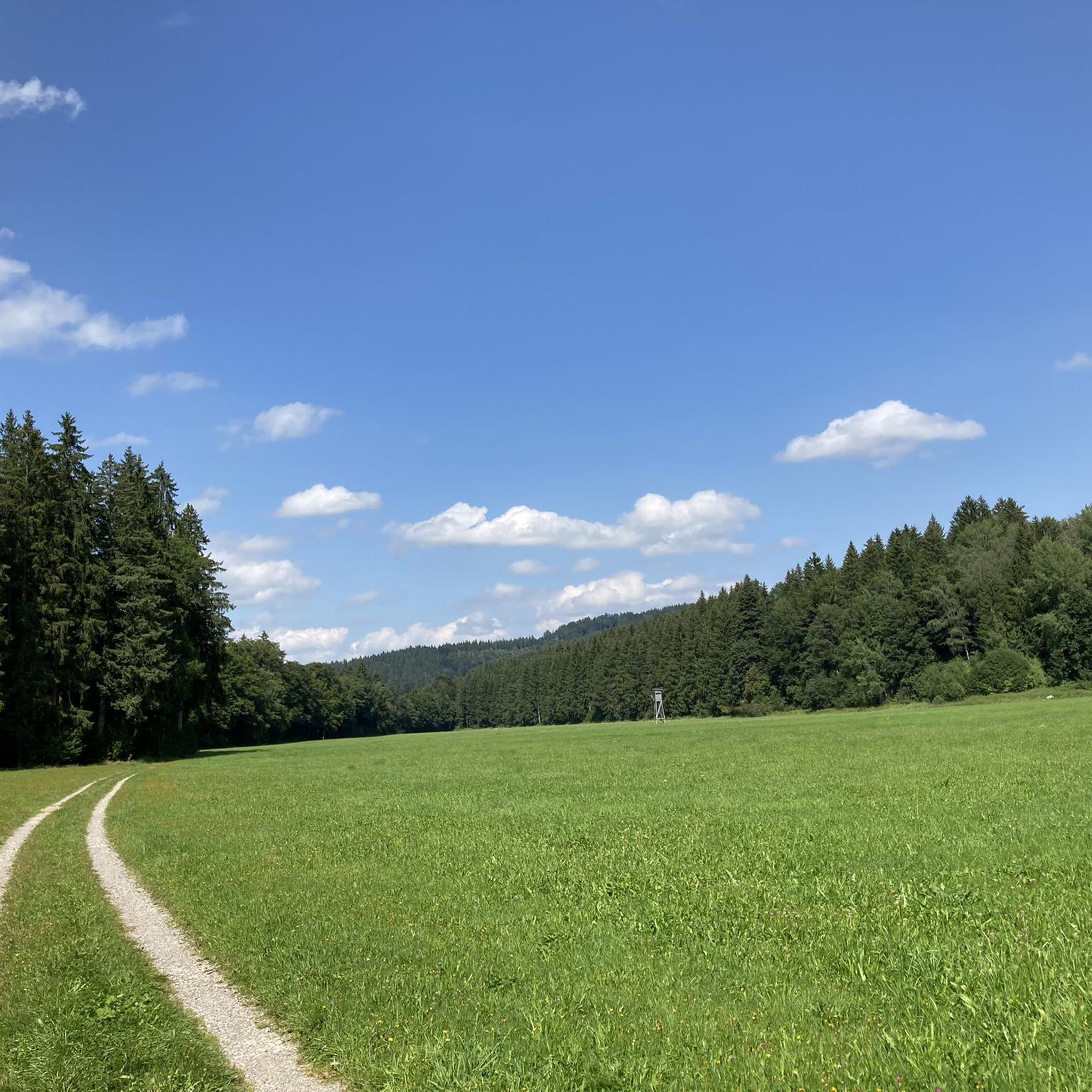
Unpaved Path Through the Beegderheide Nature Reserve
Highlight (Segment) • Trail
Translated by Google •
Tip by

Sign up now to discover places like this
Get recommendations on the best single tracks, peaks, & plenty of other exciting outdoor places.
Sign up for free
Saint Lindert Mill
Highlight • Monument
Translated by Google •
Tip by
Cycle path along the Lange Vlieter
Highlight (Segment) • Cycleway
Translated by Google •
Tip by
Beegderheide Heath
Highlight • Natural
Unfortunately, a few high voltage lines run through the Beegderheide. If you do not mind, the heathland is gorgeous!
Translated by Google •
Tip by

Sign up for free to discover even more attractions in Beegder Heide.
Sign up for free
Already have an account?
Start today with a free account
Your next adventure awaits.
Login or Signup
Tips from the Community

Several walking and cycling routes run through the Beegderheide, giving visitors the opportunity to explore this beautiful and diverse nature reserve.
2
0
On the edge of the Meuse Valley lies the Beegderheide nature reserve. It features a wide variety of open heathland and secluded woodlands. Characteristic of the Beegderheide are its rich topography and the large number of small and large fens. Moreover, the Beegderheide is a haven for a diverse array of plants and animals, including several rare and endangered species such as the field cricket, moor frog, and various salamander and dragonfly species. Sparrowhawks, hawks, and woodpeckers also breed annually in the woods, and the extremely rare Phegea butterfly is abundant here. A unique natural area has been recreated on the Beegderheide, with diverse deciduous and coniferous forests, a sand drift, several heathlands, and various fens. Parts of the area are grazed and therefore fenced off. Part of the Beegderheide is the Lange Vlieter, a gravel pit that is used as a reservoir for the drinking water supply.
2
0

The Sint Lindertmolen (Sint Lindert Mill) was built between Heel and Panheel as an open standard mill with the permission of Countess Douairière de Horion in 1790. It was relocated to the edge of the Beegderheide in 1856. In 1928, the mill's four open legs were covered with round walls and covered with asphalt paper roofs. In 1965, miller Niessen installed an electric hammer mill in his barn, and in 1969, a major renovation took place, making it possible to grind in the mill again. In 1991, the last miller, Sjeng Niessen, died. In 1997, it became apparent that the mill's standard had been severely affected by the colorful rodent bait. The municipality of Heel purchased the mill, and a comprehensive renovation followed. The mill was dismantled, and the enormous frame was renewed. The pot rods and wooden tail were replaced with welded steel. As many original parts as possible were treated and cleaned. The mill reopened in 2000. Two years later, a new mill barn was built and converted into a reception and information room. The mill then received its name: Sint Lindertmolen. Sint Lindert, or Leonardus, was a hermit in the sixth century. He is a folk saint who cured all kinds of illnesses and pests, such as infertility, rheumatism, and livestock diseases in horses and cattle. He was venerated in Beegden until the 1950s.
11
0
Vast heathlands, idyllic little lakes, moorland, gnarled pines, and sandy soil covered in pine cones alternate harmoniously. No matter the season... a visit to the Beegderheide is always beautiful!
12
0

This unpaved cycle path runs through the Beegderheide, a beautiful nature reserve that is perfect to explore by bike. You cycle along sand drifts, through deciduous and coniferous forests and along fens, grasslands and heathlands. The ideal place for a bike ride through a unique piece of Limburg nature!
3
0

The Sint Lindertmolen was built in 1790 with the permission of the Countess-douairier de Horion between Heel and Panheel, built as an open standard mill. In 1856 he moved to the edge of the Beegderheide. In 1928 the four open feet of the mill with circular walls were fitted with a roof of asphalt paper. In 1965 the miller Niessen puts an electric hammer red mill in his barn and in 1969 a major renovation takes place so that the mill can also be used for grinding again. In 1991 the last miller, Sheng Niessen, died. In 1997 the standard was heavily affected by the spotted gnawing beetle. The municipality of Who buys the mill and a total renovation follows. The mill is dismantled and the large standard renewed. The pottards and the wooden tail are replaced with welded steel. As many original parts as possible are treated and maintained. The reopening takes place in 2000. Two years later, a new mill barn is built and furnished as a reception and information room. The mill then receives its name: Sint Lindertmolen. Saint Lindert or Leonardus was a hermit in the sixth century. He is a saint against all kinds of diseases and plagues such as infertility, rheumatism and cattle diseases in horses and cattle. He was venerated in Bavaria until the 1950s. Technical data: Type: closed standard mill for grinding grain - Fastening: 2 coupling grindstones - Weighing system: old Holland - Flight: 25.20 m - Rudder and stern: so-called Derckx steel - Special feature: guardhouse on the balcony.
3
0
A unique piece of nature has emerged in the Beegderheide, with varied deciduous and coniferous forests, a sand drift, several moors and several fens. Parts of the area are grazed and are therefore fenced off. Part of the Beegderheide is the Lange Vlieter, a gravel pit that is used as a drinking water reservoir. Various hiking and cycling trails lead through the Beegderheide and give visitors the opportunity to explore this beautiful and diverse nature reserve.
4
0

When the blue flag is flying outside you can visit the mill from the inside 👍
2
0
Frequently Asked Questions
What natural features can I explore in Beegder Heide?
Beegder Heide is rich in diverse natural landscapes. You can explore open heathlands, deciduous and coniferous forests, sand drifts, numerous fens, and moors. A prominent feature is The Lange Vlieter, a gravel pit that serves as a drinking water reservoir, offering a scenic route around its 15.1 km circumference. The Beegderheide Heath is another must-see, especially when the heather is in bloom.
What kind of wildlife can be spotted in Beegder Heide?
The diverse habitats of Beegder Heide support a wide array of plant and animal life. Visitors might spot rare and endangered species such as the field cricket, moor frog, various salamander and dragonfly species, sparrow hawks, goshawks, woodpeckers, and the rare Phegea butterfly.
Are there good cycling routes in Beegder Heide?
Yes, Beegder Heide offers several cycling opportunities. You can cycle around The Lange Vlieter on a well-paved route, which is about 15.1 km long. There's also an Unpaved Path Through the Beegderheide Nature Reserve that winds through sand drifts, forests, fens, grasslands, and heathlands, ideal for exploring by bike. For more cycling options, you can explore the various routes listed in the Cycling in Beegder Heide guide.
What kind of hiking trails are available in Beegder Heide?
Beegder Heide is crisscrossed with various walking routes, including the Beegder Sagenroute (Legends route) and other nature walks. Many paths are unpaved, offering an immersive experience through sand drifts, forests, moors, grasslands, and heathlands. For easy hikes, you can find options like the 'Beegderheide – Sand dune on the Beegderheide loop' or 'Beegderheide – Beegderheide Heath loop' in the Easy hikes in Beegder Heide guide.
Are there any historical sites to visit in Beegder Heide?
Yes, Beegder Heide features historical structures such as the Saint Lindert Mill. This imposing mill, originally built in 1790 and relocated to the edge of the Beegderheide in 1856, has a rich history and underwent significant renovations. It's a notable landmark that can also be visited.
When is the best time to visit Beegder Heide to see the heath in bloom?
To experience the heathlands in their full glory, the best time to visit Beegder Heide is typically in late summer, around August and September, when the heather flowers are in bloom. This is when the violet tones dominate the landscape, offering particularly scenic views.
Are there family-friendly options for visiting Beegder Heide?
Yes, Beegder Heide offers several family-friendly attractions and activities. The well-paved route around The Lange Vlieter is suitable for families to cycle. The Beegderheide Heath is also a great spot for walks, and the Saint Lindert Mill is a historical site that can be interesting for all ages.
What are the typical terrain and difficulty levels of paths in Beegder Heide?
The paths in Beegder Heide vary, offering diverse terrain. You'll find well-paved routes, such as the one around The Lange Vlieter, suitable for easy cycling. Many other paths, like the Unpaved Path Through the Beegderheide Nature Reserve, are unpaved and wind through sand drifts, forests, and heathlands. Hiking trails generally range from easy to intermediate, making them accessible for most visitors.
What do visitors enjoy most about Beegder Heide?
Visitors frequently praise the beautiful and diverse natural environment of Beegder Heide. They enjoy the harmonious alternation of vast heathlands, idyllic fens, gnarled pines, and sandy soil. The well-maintained cycle paths, especially around the Lange Vlieter, and the opportunity to walk among sheep on former military training grounds are also highly appreciated.
Can I find circular walks in Beegder Heide?
Yes, Beegder Heide offers various circular walks that allow you to explore its natural beauty. Many of the nature walks and trails are designed as loops, providing immersive experiences through the unique Limburg landscape. You can find several circular routes, including easy options, in the Easy hikes in Beegder Heide guide.
Are there any specific viewpoints or scenic spots in Beegder Heide?
Absolutely. The Beegderheide Heath offers particularly charming and extensive heathland views. Additionally, the Cycle path along the Lange Vlieter provides scenic views of the lake and surrounding nature, making it a popular spot for photography and enjoying the landscape.
Most popular routes in Beegder Heide

Get inspired with the komoot mobile app


Explore more
Still not found the Highlight you’re looking for? See guides of the top attractions in other regions:
