Top 12 Castles around Ausleben
Castles around Ausleben are found within the historical Börde district of Saxony-Anhalt, Germany. This region is characterized by a rich history, featuring a diverse collection of historical castles and palaces. These structures range from medieval fortifications to Baroque masterpieces and Renaissance-style buildings, often set within extensive parks. They offer insights into centuries of architectural evolution and the region's past.
Best castles around Ausleben
- The most popular castles is Harbke Castle Park with orangery and castle ruins, a historical site…
Last updated: October 9, 2026
Harbke Castle Park with orangery and castle ruins
Highlight • Historical Site
Translated by Google •
Tip by

Harbke Tower Ruins
Highlight • Monument
Translated by Google •
Tip by

Sign up now to discover places like this
Get recommendations on the best single tracks, peaks, & plenty of other exciting outdoor places.
Sommerschenburg Castle
Highlight • Castle
Unfortunately, you hardly have any insight.
Translated by Google •
Tip by

Oschersleben Castle
Highlight • Castle
Translated by Google •
Tip by

Ampfurth Castle
Highlight • Castle
Translated by Google •
Tip by

Sign up for free to discover even more castles around Ausleben.
Already have an account?
Start today with a free account
Your next adventure awaits.
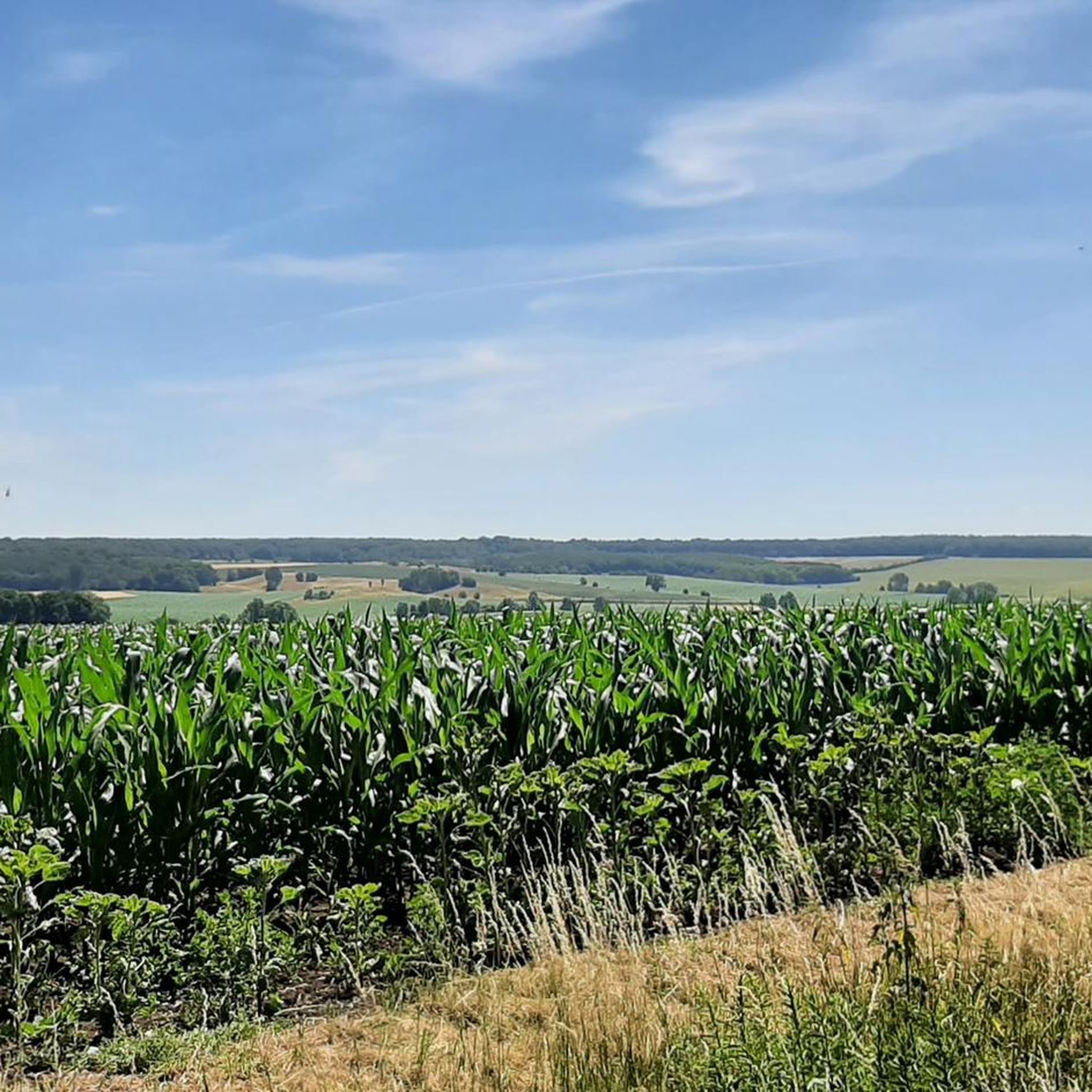
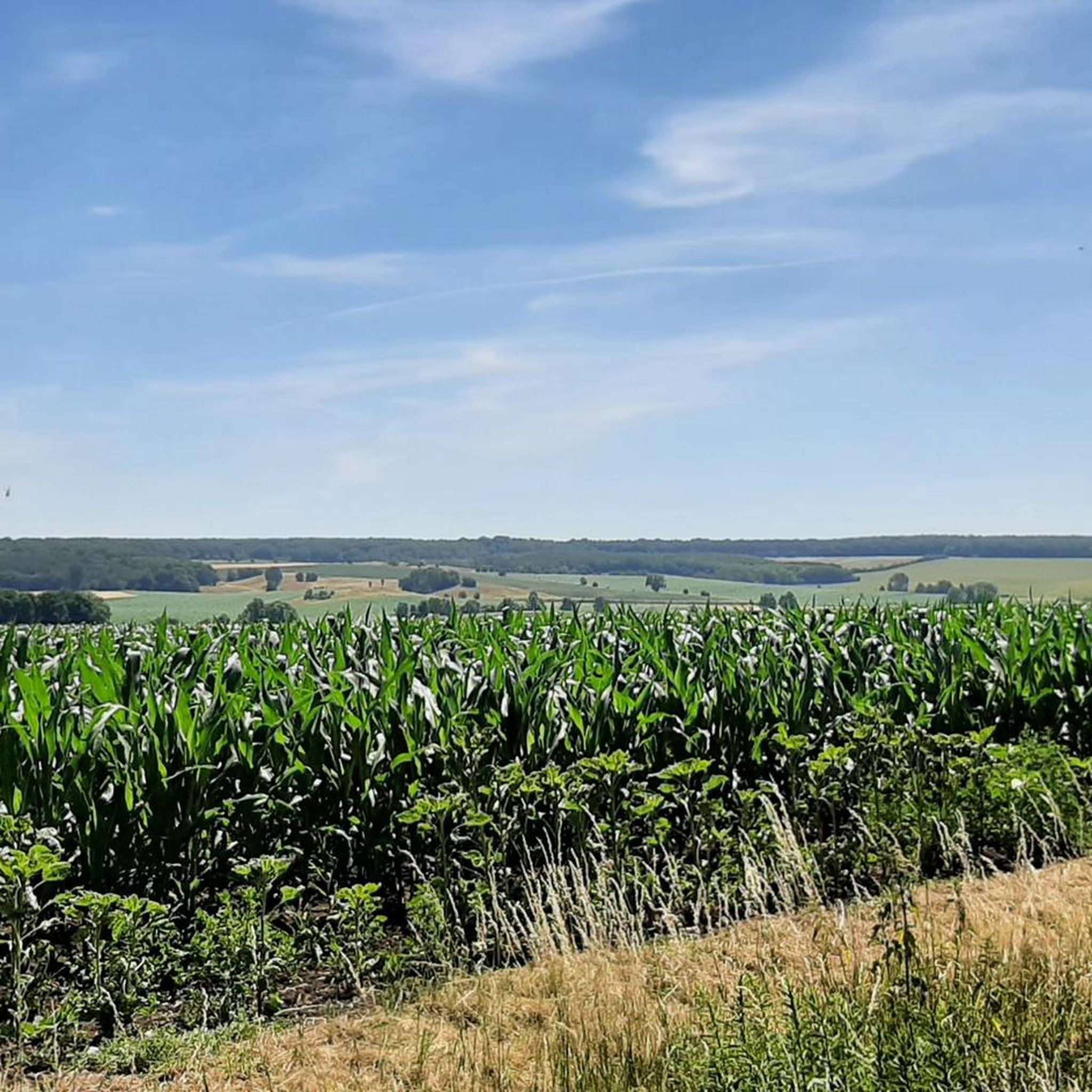
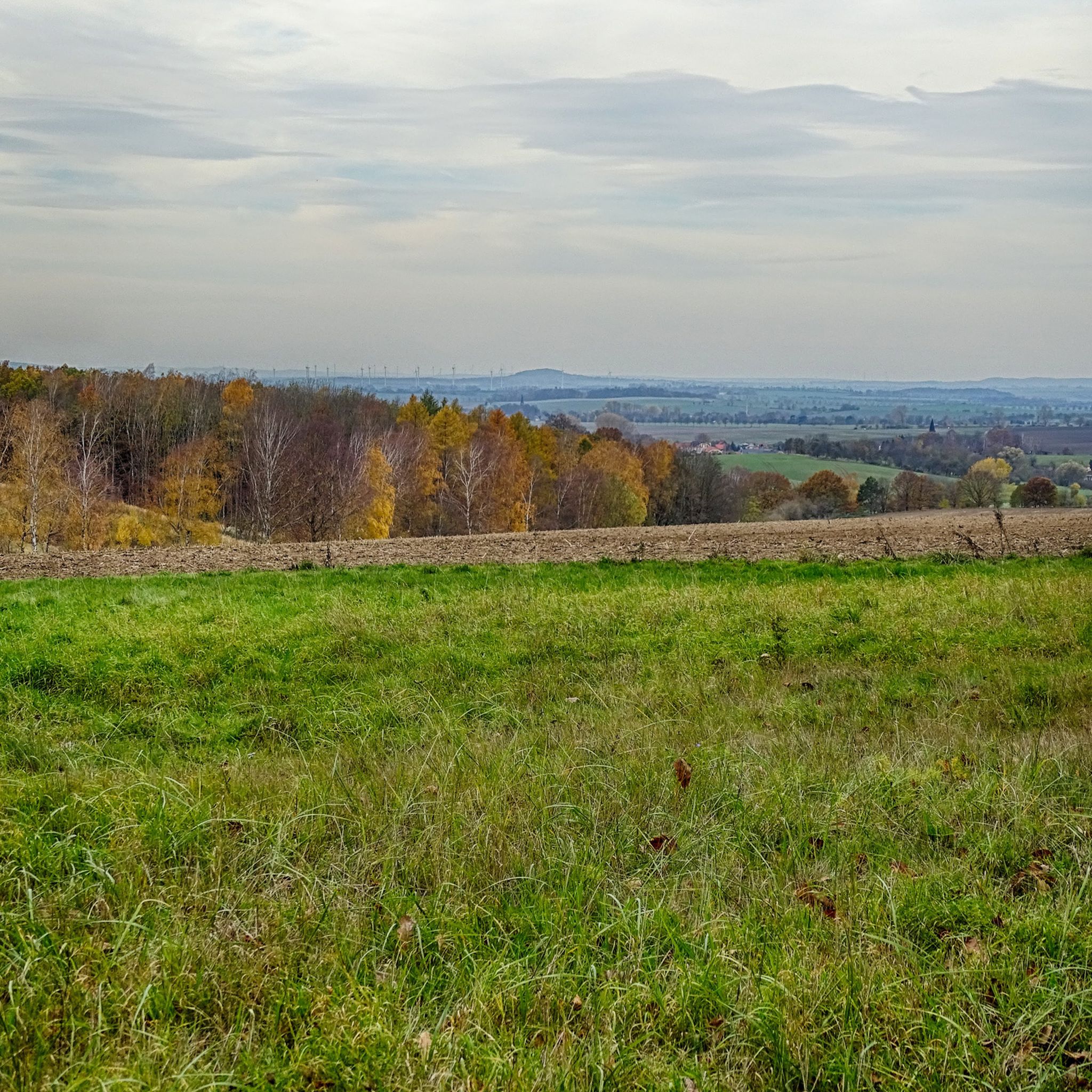

Tips from the Community

A detour is always worthwhile here. It's often busy here on weekends too.
0
0

With so many windows, the building doesn't look like a castle at all.
7
0

The castle has been exceptionally restored. Very interesting ambience with remains of the castle wall and pigeon tower. It's worth it.
2
0

The castle was completely renovated from 2011-2017 and has been used for a variety of purposes ever since.
3
0

Oschersleben Castle, sometimes also known as Oschersleben Castle, is a castle complex in Oschersleben district of Börde in Saxony-Anhalt that dates back to the Middle Ages, but only a few remnants of it have been preserved. The castle was built as a lowland castle in the immediate vicinity of the Bode. It was provided with ramparts and moats. The earliest documented mention dates back to 1205, although the castle is likely to be older. In addition to a core castle, there was an outer bailey to the north, which was later used as a farm yard. (Source: Wikipedia)
1
0

The first documented mention of a castle dates back to 1205 and was owned by the bishops of Halberstadt. In 1896 the castle was demolished except for the stair tower, which has survived to this day. The material from the former castle was used to build the storehouse, which is still preserved today.
3
0

The castle was built as a lowland castle in the immediate vicinity of the Bode. It was provided with ramparts and moats. The earliest documented mention dates back to 1205, although the castle is likely to be older. In addition to a core castle, there was an outer bailey to the north, which was later used as a farm yard. In the second half of the 19th century the domain passed into private hands. In 1896 the castle was demolished except for a stair tower that has survived to this day and rebuilt as a storage facility. The material from the previous building was used again. Source: Wikipedia The buildings were renovated from 2011 and now house the district and city archives.
9
1

On a graceful hill, surrounded by vast fields, the octagonal tower of Castle Ampfurth can be seen from afar. In the years 1835-1849 it served as the 16th station of the Royal Prussian telegraph line from Berlin to Koblenz.
1
0
Frequently Asked Questions
What kind of historical sites can I expect to find around Ausleben?
The region around Ausleben, particularly the Börde district, is rich in history, featuring a diverse collection of historical castles and palaces. You'll find everything from medieval fortifications and impressive keeps to Renaissance-style buildings and Baroque masterpieces, often set within extensive parks. These structures offer a glimpse into centuries of architectural evolution and the area's past.
Are there any particularly well-preserved or architecturally significant castles in the region?
Yes, several castles stand out. Harbke Castle Park with orangery and castle ruins is known for its extensive parkland and historical ruins. Further afield, you can explore Schloss Hundisburg, a significant rural Baroque castle with impressive gardens, or Wasserschloss Flechtingen, a picturesque moated castle entirely surrounded by water. Burg Wanzleben is notable for its thousand-year-old, over 30-meter-high keep, and Schloss Altenhausen showcases numerous reconstructions over 500 years, featuring a Neo-Gothic keep and Renaissance elements.
What makes Harbke Castle Park a popular destination?
Harbke Castle Park with orangery and castle ruins is appreciated for its beautiful park-like area with old trees and castle ruins, perfect for a short walk. Visitors also enjoy the castle cafe, which offers a great atmosphere and a range of cakes and coffee.
Can I climb the Harbke Tower Ruins?
Yes, the Harbke Tower Ruins, sometimes referred to as 'Rapunzel Tower,' can be climbed when it is open, offering a unique perspective and great views. It's advisable to check local announcements for specific opening times.
Are there family-friendly castles to visit near Ausleben?
Yes, several castles in the area are suitable for families. Harbke Castle Park with orangery and castle ruins is listed as family-friendly, offering space to explore and a cafe. Oschersleben Castle is also noted as family-friendly, though much of its original structure has been repurposed.
What is the history behind Sommerschenburg Castle?
Sommerschenburg Castle has a long and complex history, first mentioned in 983. It has seen numerous ownership changes and reconstructions, including being destroyed in 1192 and again in the Thirty Years' War in 1626. The visible part of the fortress today was created between 1895 and 1897, incorporating Gothic and Renaissance elements. It was once owned by Field Marshal August Neidhardt von Gneisenau, whose mausoleum is in the park.
What kind of natural features or viewpoints can I find near these castles?
Many castles are set within scenic landscapes. For instance, Harbke Castle Park offers extensive parkland with old trees. The Harbke Tower Ruins provide a viewpoint over the surrounding area. Schloss Hundisburg also boasts a 100-hectare landscape park, the third-largest in Saxony-Anhalt, featuring horticultural art and symmetrical designs.
Are there hiking opportunities near the castles around Ausleben?
Yes, the region offers various hiking opportunities. For example, you can find several easy to moderate hiking routes around Ausleben, such as the 'Forest Shelter – Snowy Misty Forest loop' or the 'View of the Harz – Forest Shelter loop'. You can explore more options for hiking in the area by visiting the Hiking around Ausleben guide or the Easy hikes around Ausleben guide.
What about cycling routes near the castles?
For cyclists, there are road cycling routes available around Ausleben. Options include routes like the 'Café Waldhaus – View of Halberstadt loop' or the 'Priesterteich – MiG-21 Fighter Jet Display loop'. More details on these and other routes can be found in the Road Cycling Routes around Ausleben guide.
Is there parking available at the castles?
Parking is generally available at the larger, more frequently visited sites. For example, Harbke Castle Park with orangery and castle ruins lists parking as one of its amenities. For other castles, it's advisable to check specific visitor information or local signage upon arrival.
What is the best time of year to visit the castles around Ausleben?
The castles and their surrounding parks are beautiful throughout the year. Spring and summer offer lush greenery and pleasant weather for exploring gardens and outdoor areas. Autumn brings vibrant colors to the landscape, while winter can offer a unique, serene atmosphere, especially if there's snow. Checking specific opening hours for indoor attractions is always recommended, as these can vary seasonally.
Are there any 'hidden gem' castles or less-known historical sites worth exploring?
While not a 'hidden gem' in the traditional sense, Ampfurth Castle is a Renaissance-style castle built between 1608-1615 on a former round castle site. It has undergone several reconstructions and is currently undergoing restoration work, offering a glimpse into ongoing preservation efforts. Its history as one of the most beautiful Renaissance castles in northern Germany makes it a noteworthy visit.
Most popular routes around Ausleben
Most popular attractions around Ausleben

Get inspired with the komoot mobile app


Explore more
Looking for the best castles somewhere else? Discover other guides around Ausleben:
