The best walks and hikes in Dauner Maare
4.5
(20599)
69,111
hikers
70
hikes
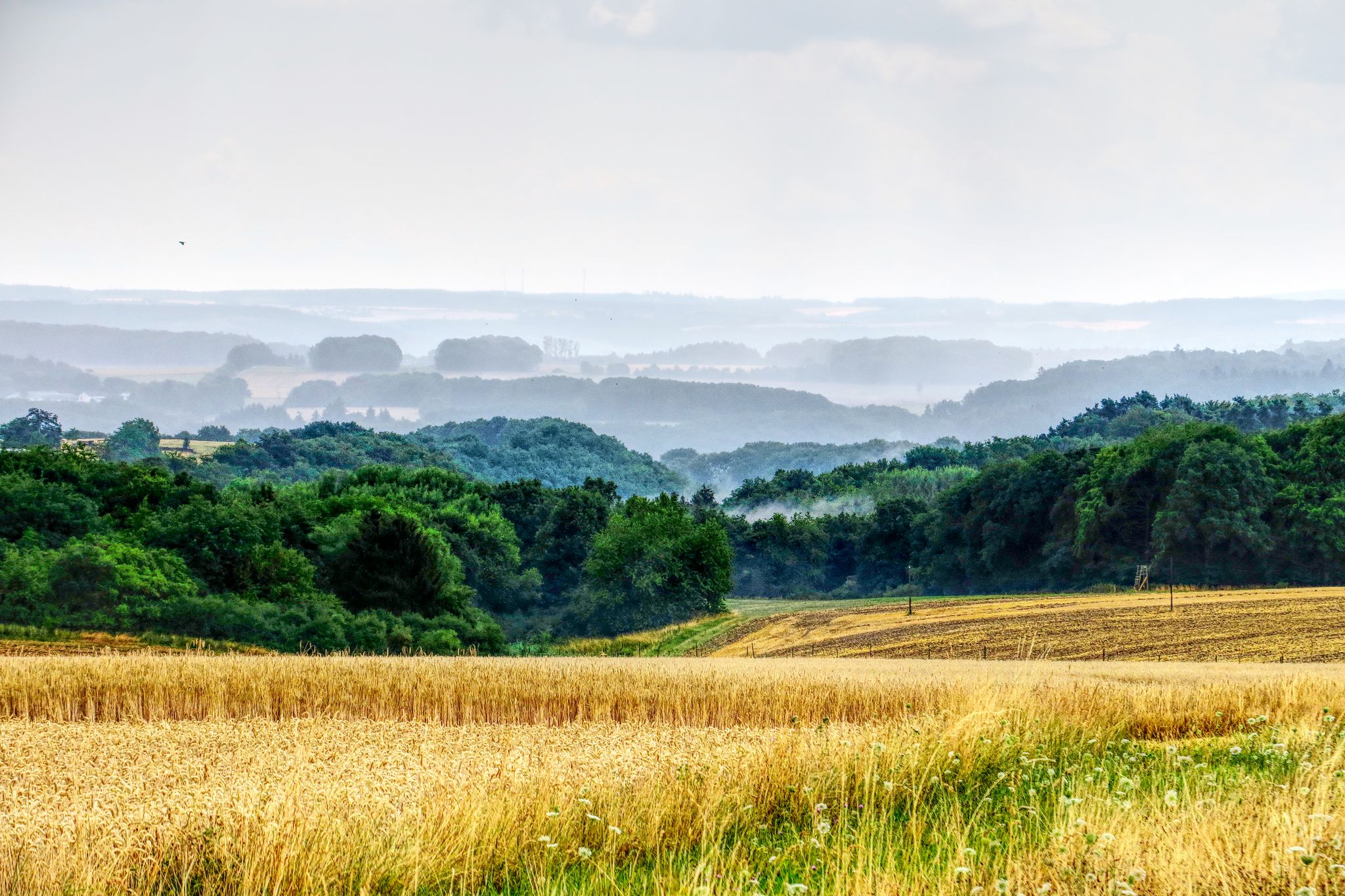
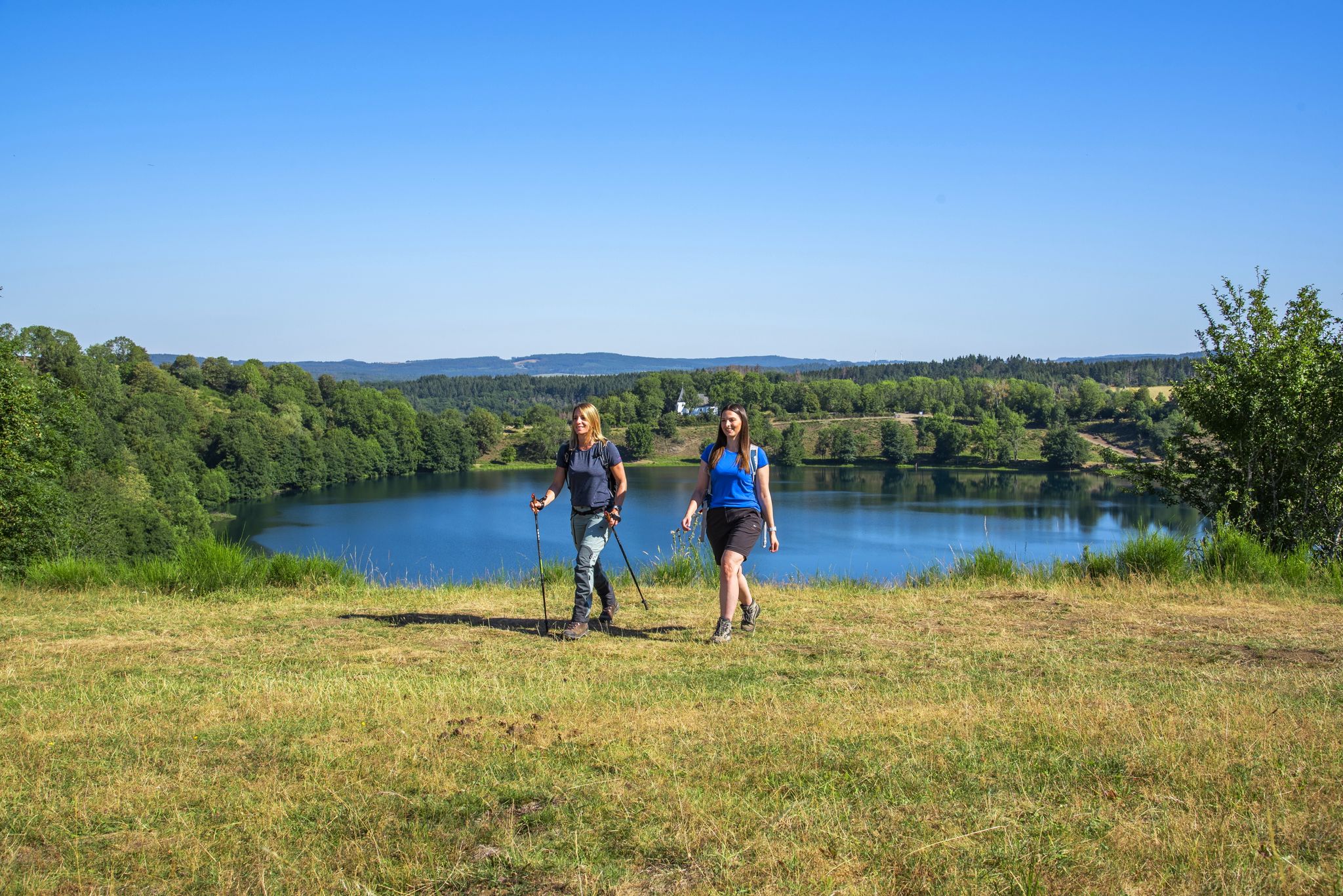
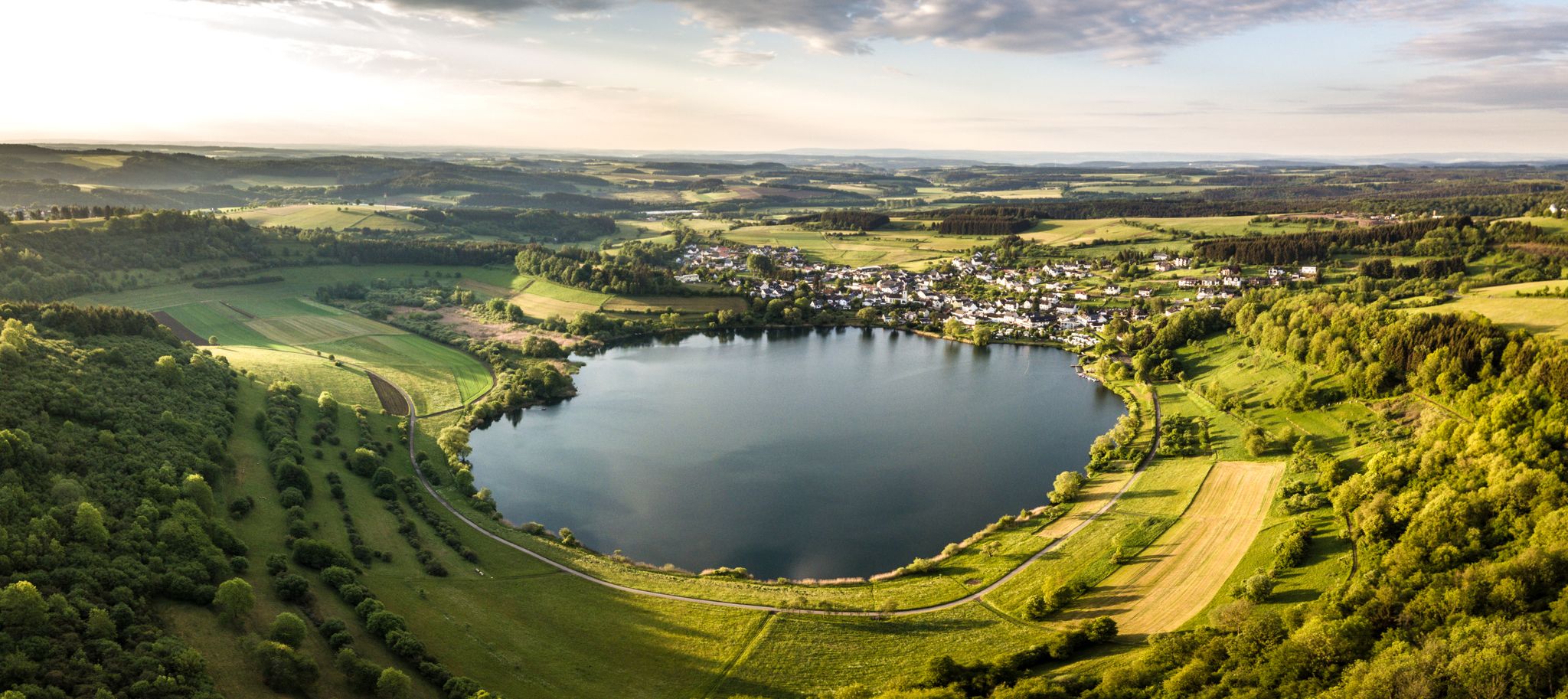
Hiking trails in Dauner Maare are set within the Vulkaneifel region of Germany, characterized by its unique volcanic landscapes. The area is renowned for its maars, which are circular, water-filled volcanic craters such as the Gemündener Maar, Weinfelder Maar, and Schalkenmehrener Maar. These features are nestled amidst wooded slopes, offering diverse terrain for exploration. The region's volcanic past has created a landscape of distinct crater lakes and surrounding forests.
Best hiking trails in Dauner Maare
- The most popular hiking route is Schalkenmehrener Maar – Gemündener Maar loop from Schalkenmehren, a 5.0 miles (8.1 km) trail that takes 2 hours 26 minutes to complete, connecting two of the prominent maars.
- Another top favourite among local hikers is Gemündener Maar – View of the Weinfelder Maar loop from Gemünden, a moderate 6.2 miles (9.9 km) path. This route offers scenic views of the maars and surrounding volcanic landscape.
- Local hikers also love the Dronke Tower on the Mäuseberg – View of the Weinfelder Maar loop from Daun, a 3.3 miles (5.3 km) trail leading through wooded areas to an observation tower, often completed in about 1 hour 32 minutes.
- Hiking in Dauner Maare is defined by its volcanic maars, wooded slopes, and panoramic viewpoints. The network offers options for various ability levels, from easy walks to more challenging routes.
- The routes in Dauner Maare are highly rated by the komoot community with an average score of 4.6 stars from over 4,900 reviews. More than 18,000 hikers have used komoot to explore Dauner Maare's varied terrain.
Last updated: October 10, 2026
4.7
(606)
2,130
hikers
Moderate hike. Good fitness required. Easily-accessible paths. Suitable for all skill levels.
4.3
(36)
158
hikers
26.2km
07:20
510m
510m
Hard hike. Very good fitness required. Easily-accessible paths. Suitable for all skill levels.

4.2
(25)
93
hikers
28.9km
08:15
670m
660m
Hard hike. Very good fitness required. Easily-accessible paths. Suitable for all skill levels.
4.7
(178)
924
hikers
3.16km
00:50
30m
30m
Easy hike. Great for any fitness level. Easily-accessible paths. Suitable for all skill levels.
4.7
(275)
967
hikers
6.97km
02:05
210m
210m
Moderate hike. Good fitness required. Easily-accessible paths. Suitable for all skill levels.
Get access to more routes and recommendations from other explorers.
Already have an account?
Our route recommendations are based on thousands of hikes, rides, and runs completed by other people on komoot.
Start today with a free account
Your next adventure awaits.
Popular around Dauner Maare
The National Natural Landscapes in Rheinland-Pfalz
Excellent paths in the Vulkaneifel – Explore the HeimatSpuren
Volcanoes, water, forest – the partner trails of the Eifelsteig
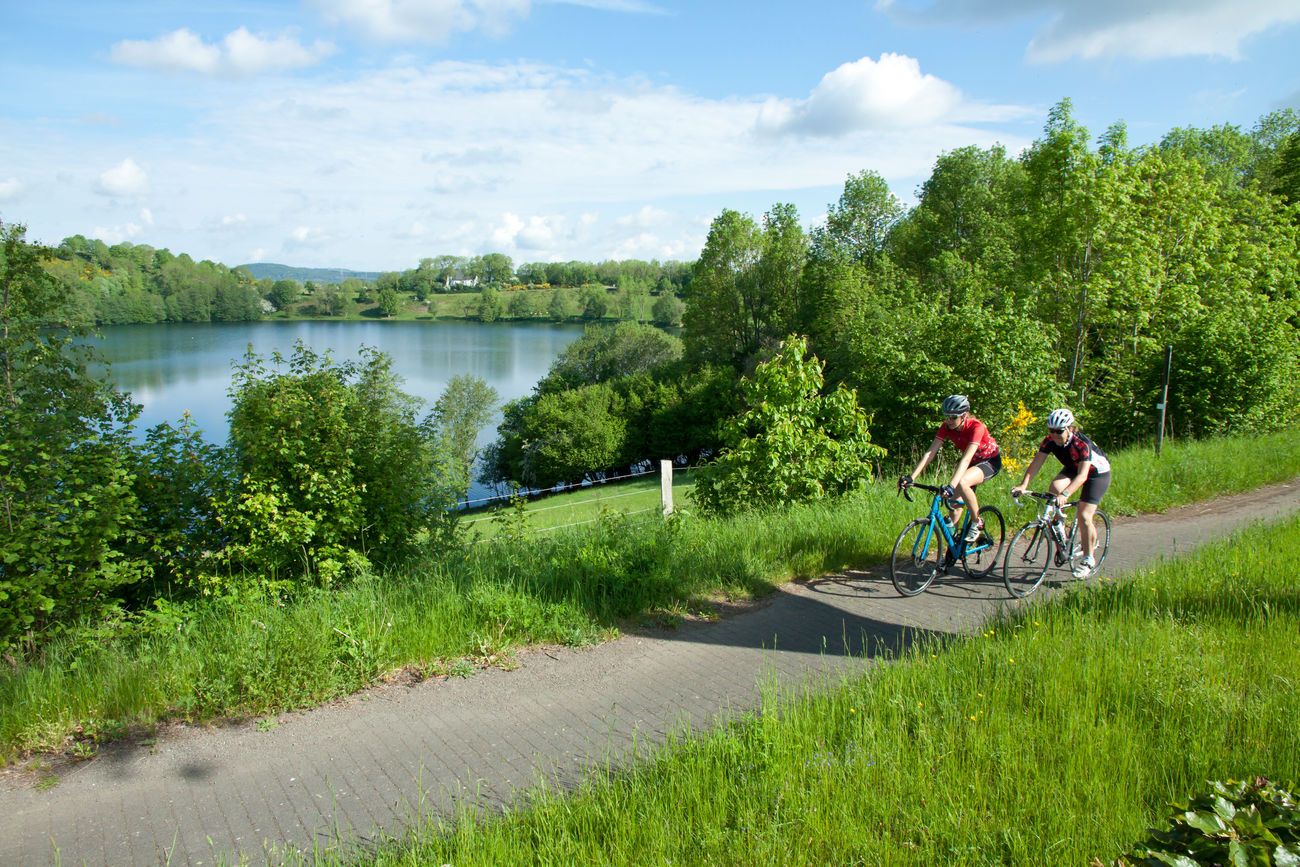
Discover Germany with the Tour in a motorhome and racing bike
Cycling in Dauner Maare
MTB Trails in Dauner Maare
Running Trails in Dauner Maare
Road Cycling Routes in Dauner Maare
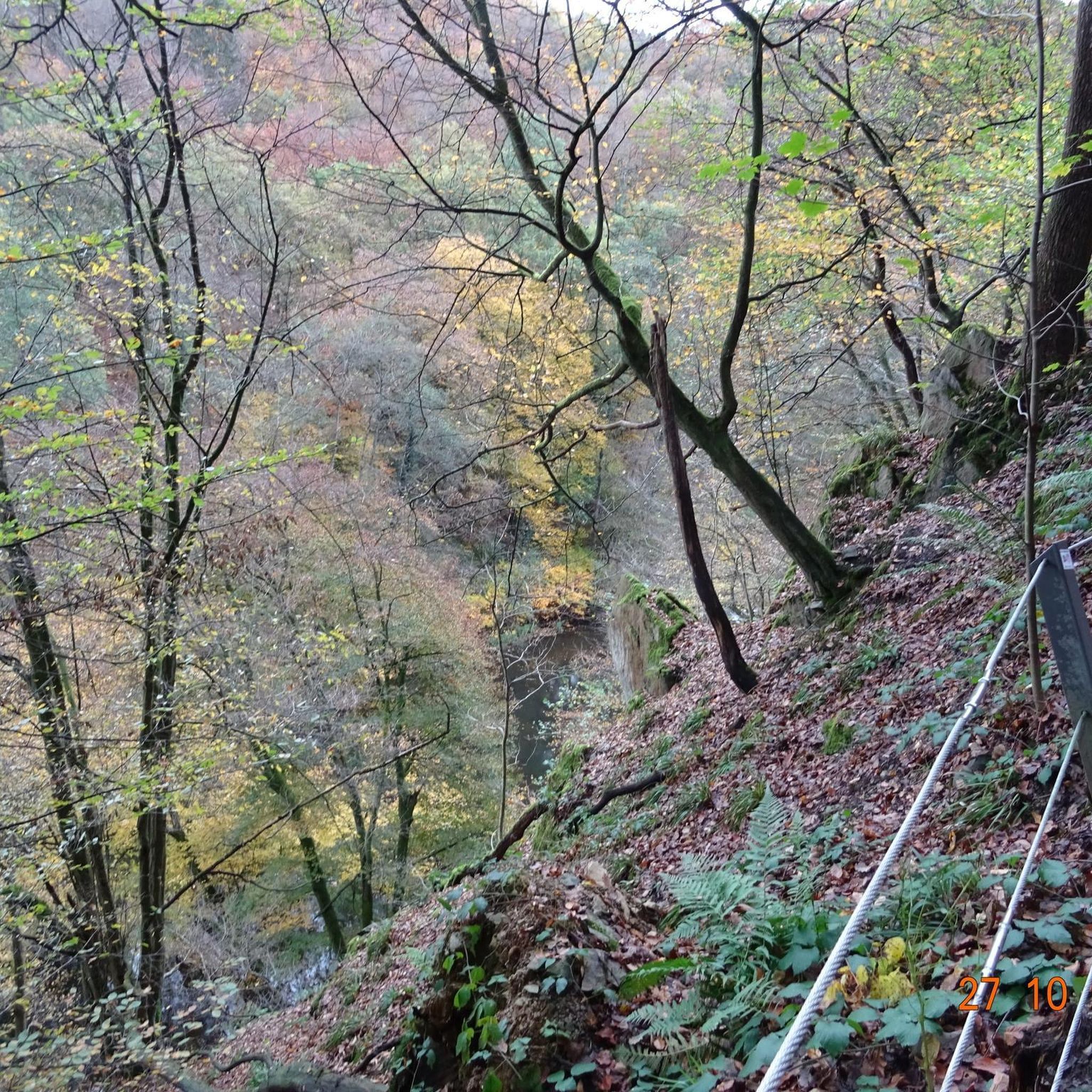
Gravel biking in Dauner Maare
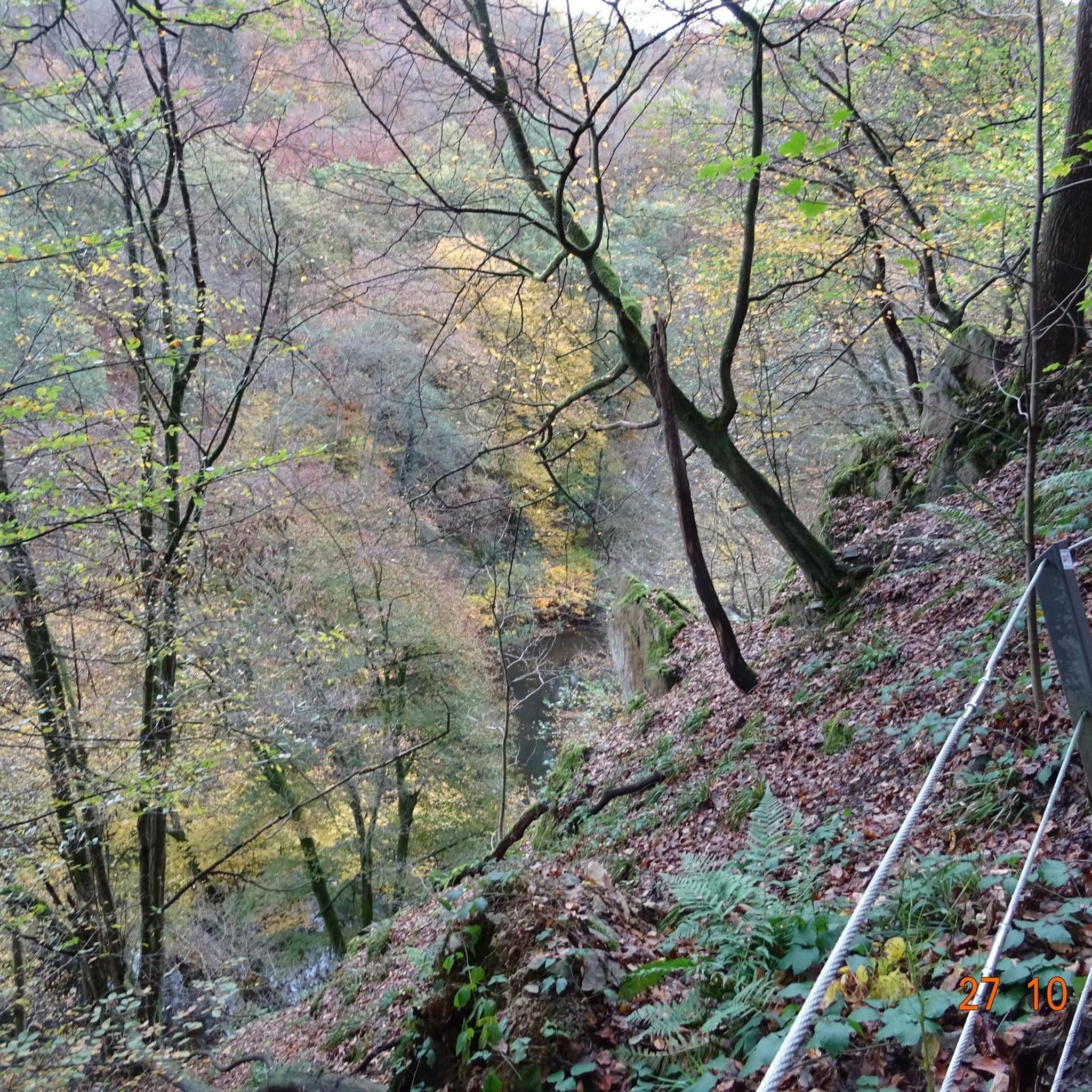
Mountain Hikes in Dauner Maare
Other adventures in Dauner Maare


Tips from the Community

Wonderfully located, highly recommended.
0
0

But with a great natural swimming area and super water quality.
0
0

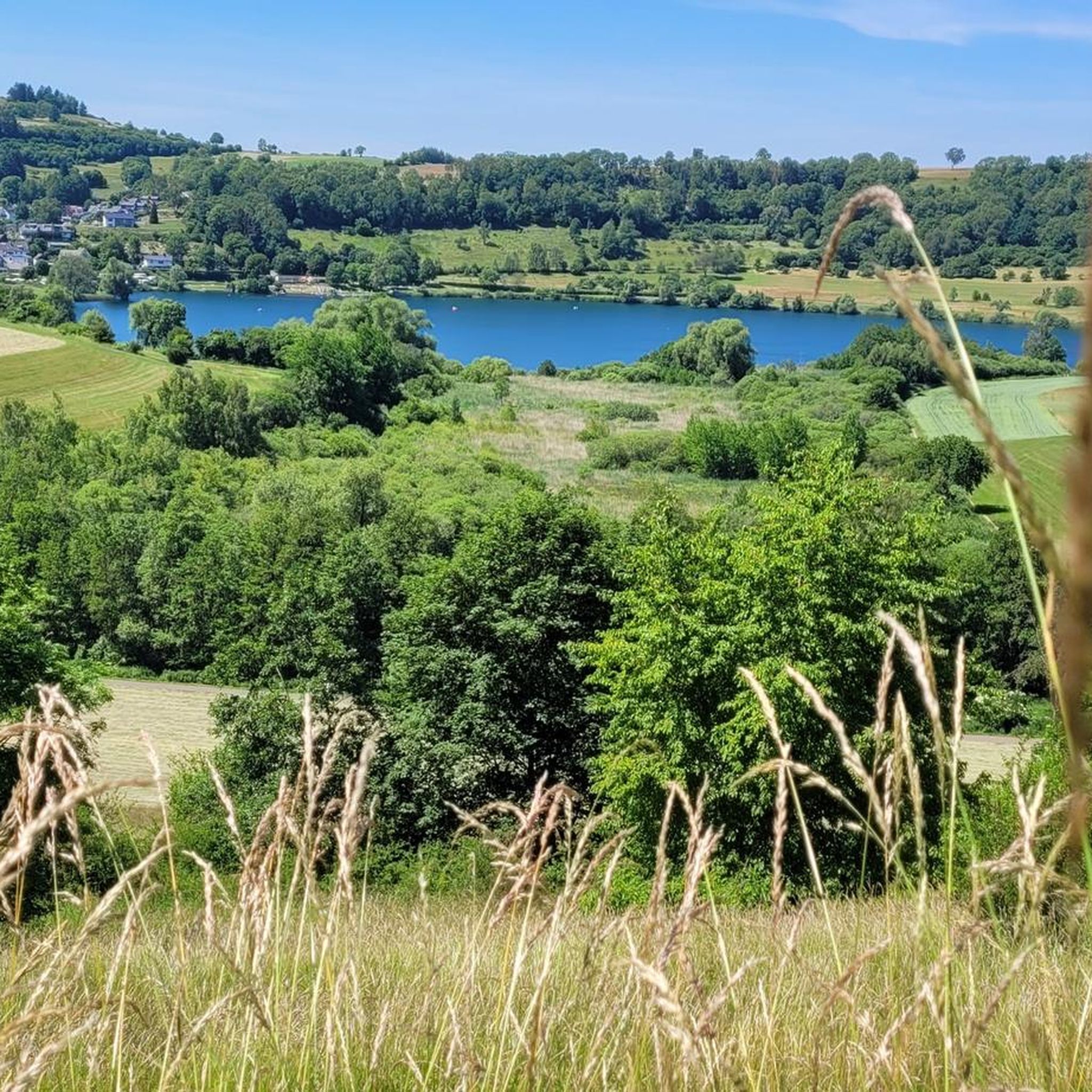
Numerous legends surround the quiet Totenmaar. According to one legend, a castle once stood at this spot, inhabited by a benevolent count with his servants, his hard-hearted wife, and their only child. One day, the count returned home from the hunt and found only a lake where his castle had stood. It had sunk into the earth with all its inhabitants, leaving behind a lake, the Totenmaar. As if by a miracle, a cradle appeared on the surface, in which his child drifted safely to shore. The count's horse dug out a spring from the ground during an exclamation by its master. The count later built a chapel out of gratitude for his child's rescue, which, like the spring, is still preserved today. Das Weinfelder Maar 1878 (Die Gartenlaube) The Eifel painter Richard Franzen from Mehren dedicated the following poem to this maar: Droben steht noch die Kapelle, hier im schönen Eifelland, wo vor ein paar hundert Jahren einst das Dörfchen Weinfeld stand. Pest und Armut, schlechte Zeiten, zwang die Menschen in der Not, ihre Heimstatt zu verlassen, letzter Zug im Abendrot. Doch nach Weinfeld kehren wieder Stille Schläfer Jahr für Jahr, um für immer auszuruhen auf dem Berg am Totenmaar
0
0

The urge to "immerse oneself in nature" is not a modern trend that we humans of the 21st century are letting ourselves be led into – for example, with the komoot tour planner – but is based on much older behaviors and the ancient knowledge that it simply does good. Already in a "little book of reminders" written by Peter Rosegger (1843 to 1918), the exhortation reads: "We must once again properly bring out our healthy limbs and immerse ourselves in nature, rediscovering within ourselves the lost strengths that are ours. That... makes you fresh, makes you strong, and makes you wise. You learn a lot from it, especially how to live simply and become cheerful."
0
1
„Birds are singing, flowers are blooming, green is again the forest and the field. Oh, let us go and wander from one place to another through the wide, green world!“ (Hoffmann von Fallersleben)
5
0
All hikers / walkers, who are enjoying this view that presents itself to the eye here, I would like to invite with the words of the writer Otto Wilhelm Ullmann to discover the world (and with it the beauty of nature): "Hiking means discovering the world, finding hidden corners, in old alleys, quiet spots feeling the bliss of peace, raising reverence for the old and nurturing the heritage of the fathers, awakening joy from the smallest things: Hiking means discovering the world."
2
0
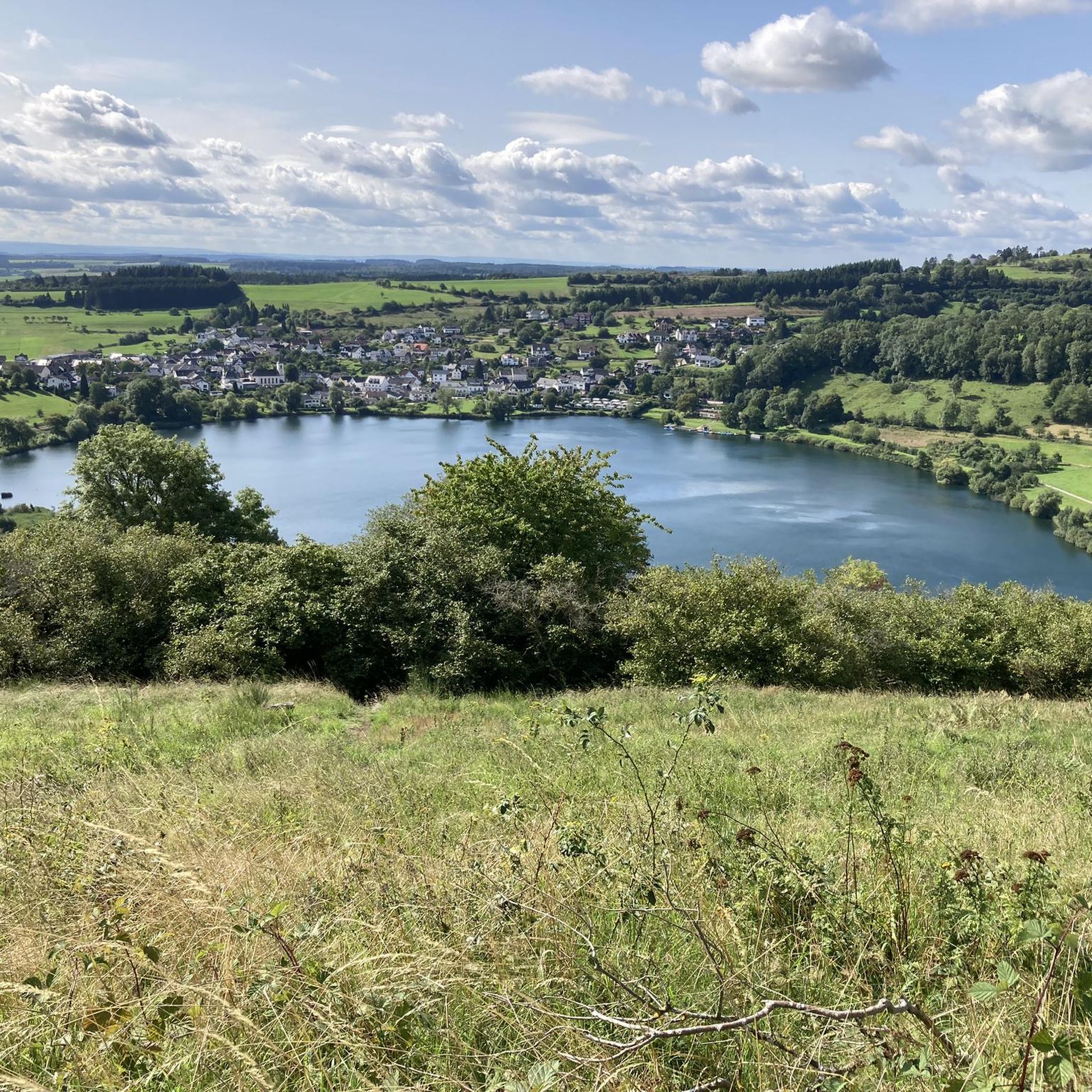
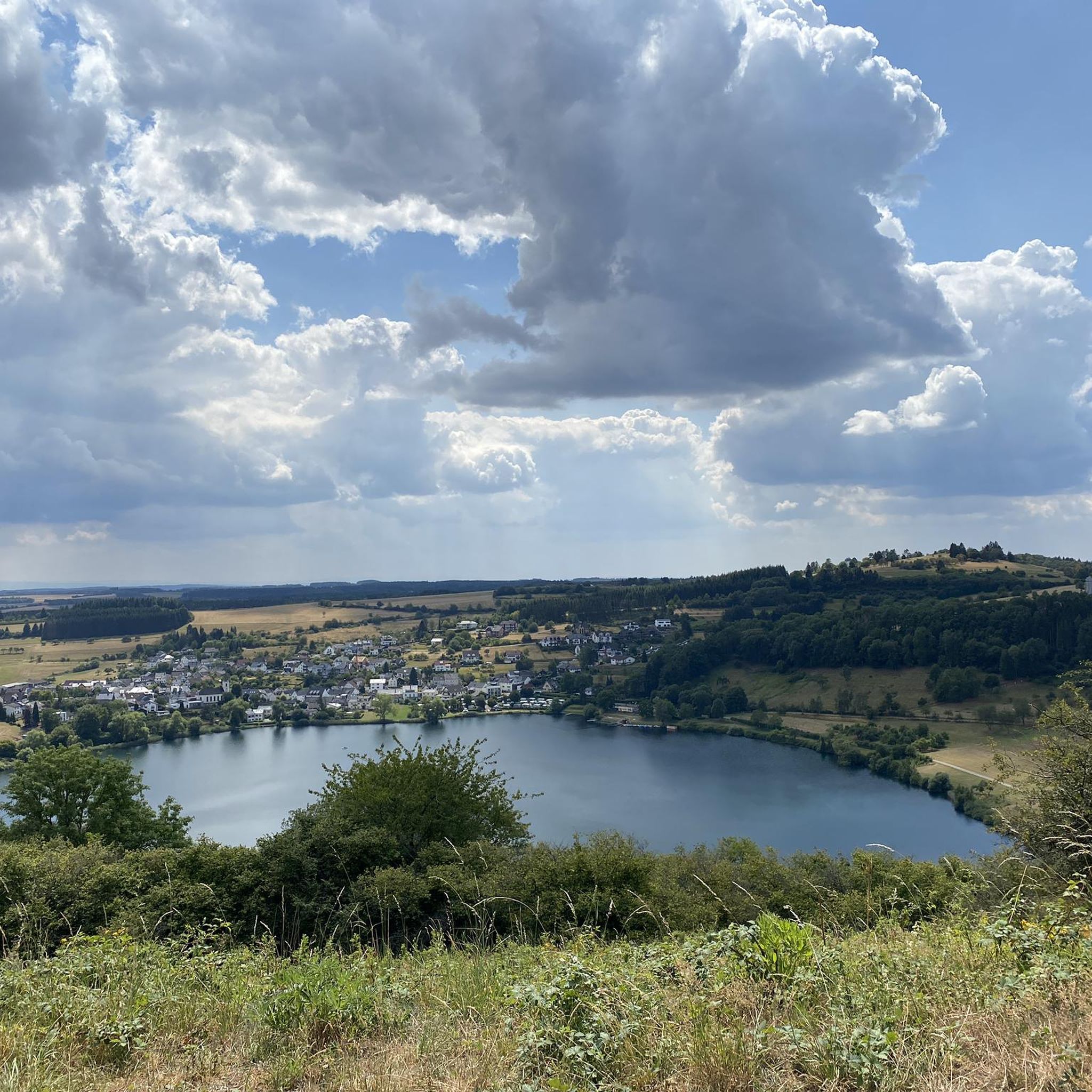
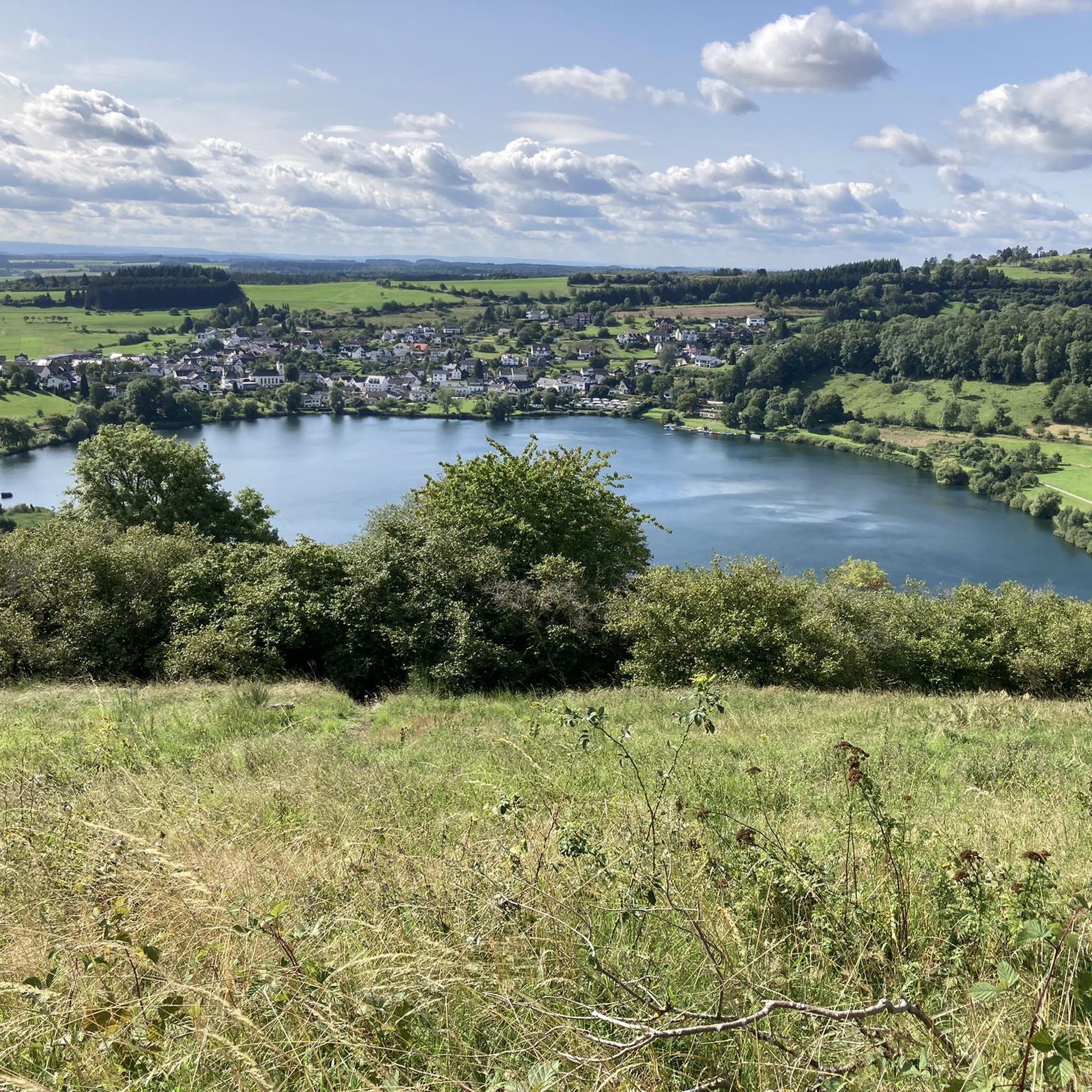
The "Heimatspur Maareglück", which hikers/walkers repeatedly encounter in the vicinity of the Totenmaar, the Schalkenmehrener Maar, and the Gemündener Maar - or perhaps even follow - is in the final for the election of the most beautiful hiking trail in Germany (2026). Those who still want to vote by June 30 can find the virtual voting booth at =>> https://wandermagazin.de/wahlstudio
1
0
Frequently Asked Questions
How many hiking trails are available in Dauner Maare?
There are over 70 hiking trails in the Dauner Maare region, offering a wide range of options for different preferences and fitness levels. These include 40 easy routes, 26 moderate routes, and 5 difficult routes.
What makes hiking in Dauner Maare unique?
Hiking in Dauner Maare offers a unique experience due to its distinctive volcanic landscape. The region is famous for its 'maars' – circular, water-filled volcanic craters like the Gemündener Maar, Weinfelder Maar, and Schalkenmehrener Maar. These features, nestled amidst wooded slopes, provide diverse terrain and stunning views, showcasing the geological history of the Vulkaneifel.
What do other hikers say about the trails in Dauner Maare?
The hiking trails in Dauner Maare are highly rated by the komoot community, with an average score of 4.6 stars from over 4,900 reviews. Hikers often praise the scenic beauty of the maars, the well-maintained paths, and the variety of routes available for all skill levels.
Are there easy hiking options for beginners or casual walkers?
Yes, the Dauner Maare region offers plenty of easy hiking options. With 40 routes classified as easy, you can find gentle paths suitable for beginners or those looking for a relaxed stroll. An example is the Dronke Tower on the Mäuseberg – View of the Weinfelder Maar loop from Daun, which is 3.3 miles (5.3 km) and leads to a panoramic viewpoint.
Can I find more challenging or longer hikes in the Dauner Maare region?
Absolutely. For those seeking a greater challenge, there are 5 difficult routes available. These include longer distances and more significant elevation changes. The HeimatSpur Großer Dauner – GesundLand Vulkaneifel, for instance, is a demanding 18.1 miles (29.2 km) trail with over 600 meters of ascent.
Are there circular hiking routes around the maars?
Yes, many of the most popular routes in Dauner Maare are circular, allowing you to experience the beauty of the maars from all angles. The Schalkenmehrener Maar – Gemündener Maar loop from Schalkenmehren is a popular 5.0 miles (8.1 km) circular trail connecting two prominent maars.
Are the hiking trails in Dauner Maare suitable for families with children?
Many trails in Dauner Maare are suitable for families, especially the easier, shorter loops around the maars. The natural lido at Schalkenmehrener Maar offers modern facilities and swimming opportunities, making it a great destination for a family outing combined with a walk.
Can I bring my dog on the hiking trails in Dauner Maare?
Generally, dogs are welcome on most hiking trails in the Dauner Maare region. However, it's always advisable to keep them on a leash, especially in nature reserve areas like around the Weinfelder Maar (Totenmaar), and to be mindful of local regulations and other hikers.
What are some notable viewpoints or attractions I can see while hiking?
The Dauner Maare region is rich in scenic viewpoints and natural attractions. A must-visit is the Dronke Tower on the Mäuseberg, which offers breathtaking panoramic views over the Vulkaneifel and the three main maars. You can also find stunning perspectives at the View of the Gemünden maar and the View of the Weinfelder Maar (Totenmaar).
What is the best time of year to go hiking in Dauner Maare?
The Dauner Maare region is beautiful year-round, but spring and autumn are particularly popular for hiking. In spring, the landscape bursts with fresh greenery and wildflowers, while autumn offers vibrant foliage. Summer is ideal for combining hikes with swimming in the Gemündener Maar or Schalkenmehrener Maar. Winter hiking is also possible, offering a tranquil experience of the volcanic landscape.
Are there places to eat or drink near the hiking routes?
Yes, you'll find various cafes, restaurants, and pubs in the towns and villages surrounding the maars, such as Daun and Schalkenmehren. Many establishments offer local Eifel cuisine and refreshments, perfect for recharging after a hike. Some maars, like the Gemündener Maar and Schalkenmehrener Maar, also have facilities directly by the water.
What kind of natural features can I expect to see on the trails?
Beyond the iconic water-filled maars, you'll encounter a diverse volcanic landscape. This includes dry maars, which are former craters that have silted up, and raised bogs, showcasing different stages of maar evolution. The wooded slopes surrounding the maars are home to rich flora, including reeds, water lilies, and various grassland species, all within a designated nature park and UNESCO Global Geopark.
Most popular routes in Dauner Maare
Most popular attractions in Dauner Maare

Get inspired with the komoot mobile app


Explore more
Browse the best Hikes in other regions.
