Naturpark Stromberg-Heuchelberg
Naturpark Stromberg-Heuchelberg
Top 20 Castles in Naturpark Stromberg-Heuchelberg
Castles in Naturpark Stromberg-Heuchelberg offer a glimpse into centuries of German history within a diverse natural landscape. This region, particularly around the town of Stromberg, features historically significant castles, many of which are hilltop structures. The area is characterized by its wine-growing communities and offers views over the Zabergäu and Kraichgau. Visitors can explore these historical landmarks while enjoying the surrounding Hunsrück, Soonwald, and Nahe regions.
Best castles in Naturpark Stromberg-Heuchelberg
- The most popular castles is Neipperg Castle, a…
Last updated: November 19, 2026
Blankenhorn Castle Ruins
Highlight • Castle
Translated by Google •
Tip by

Ravensburg Castle
Highlight • Castle
As …
Translated by Google •
Tip by

Sign up now to discover places like this
Get recommendations on the best single tracks, peaks, & plenty of other exciting outdoor places.
Schlossbergturm Sternenfels
Highlight • Monument
More info here: sternle-am-schlossbergturm.de
Showing Translation
Tip by

Neipperg Castle
Highlight • Castle
Translated by Google •
Tip by

Flehingen Moated Castle
Highlight • Castle
Translated by Google •
Tip by

Sign up for free to discover even more castles in Naturpark Stromberg-Heuchelberg.
Already have an account?
Start today with a free account
Your next adventure awaits.
Popular around Naturpark Stromberg-Heuchelberg
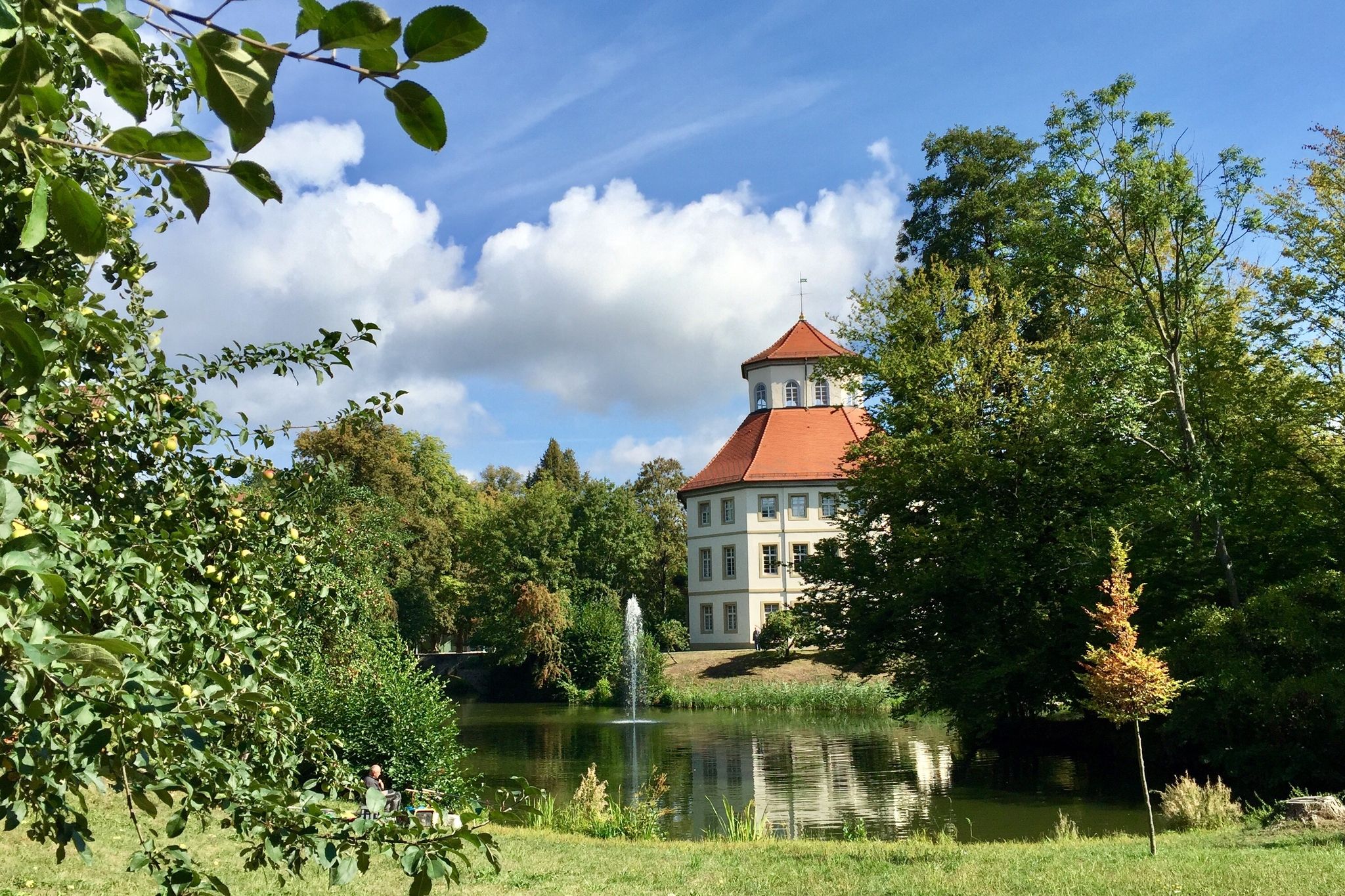
The Stromberg Murrtal Bike Path – 7 stages of nature and culture
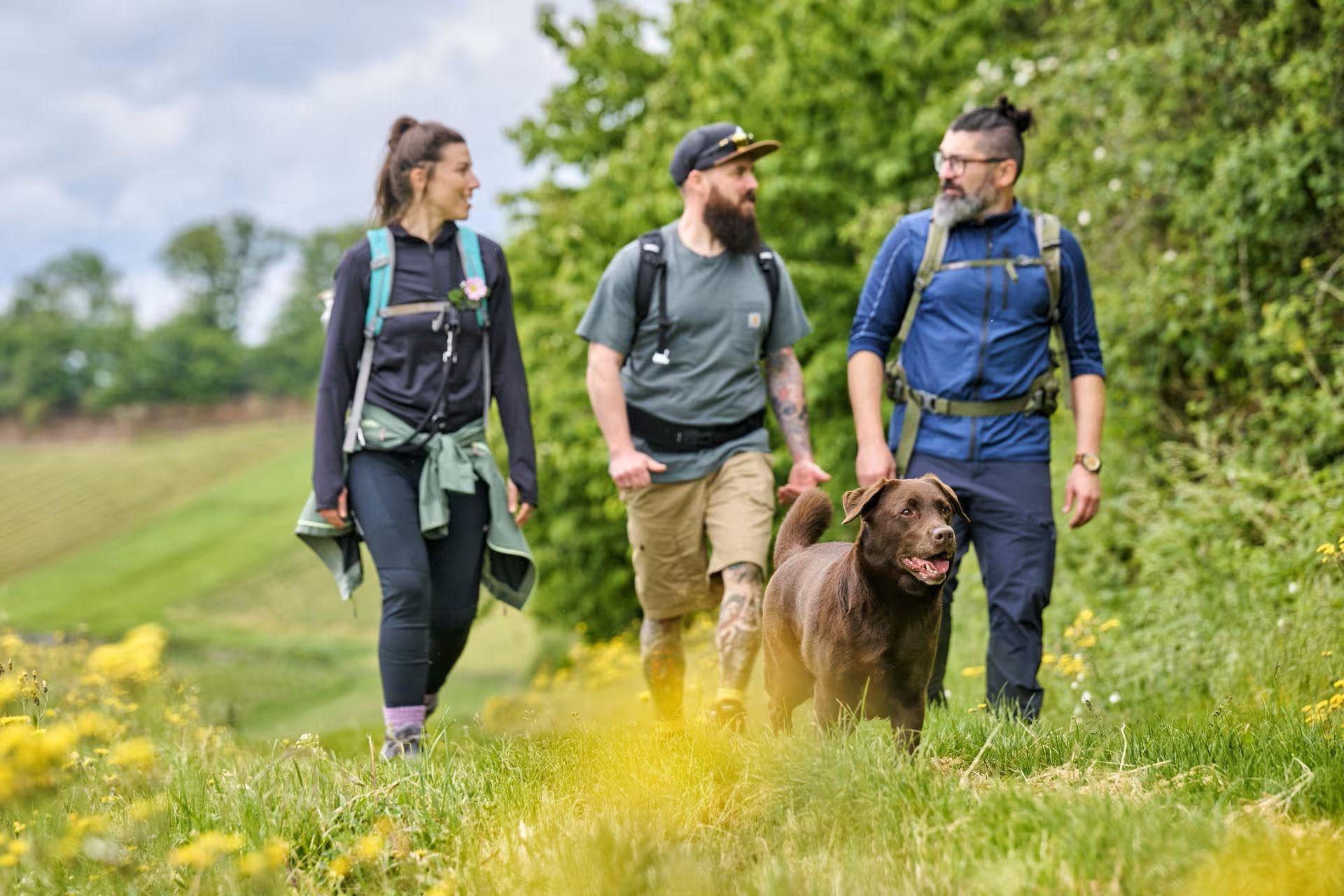
The Land of 1,000 Hills by bus and train – car-free hiking adventures
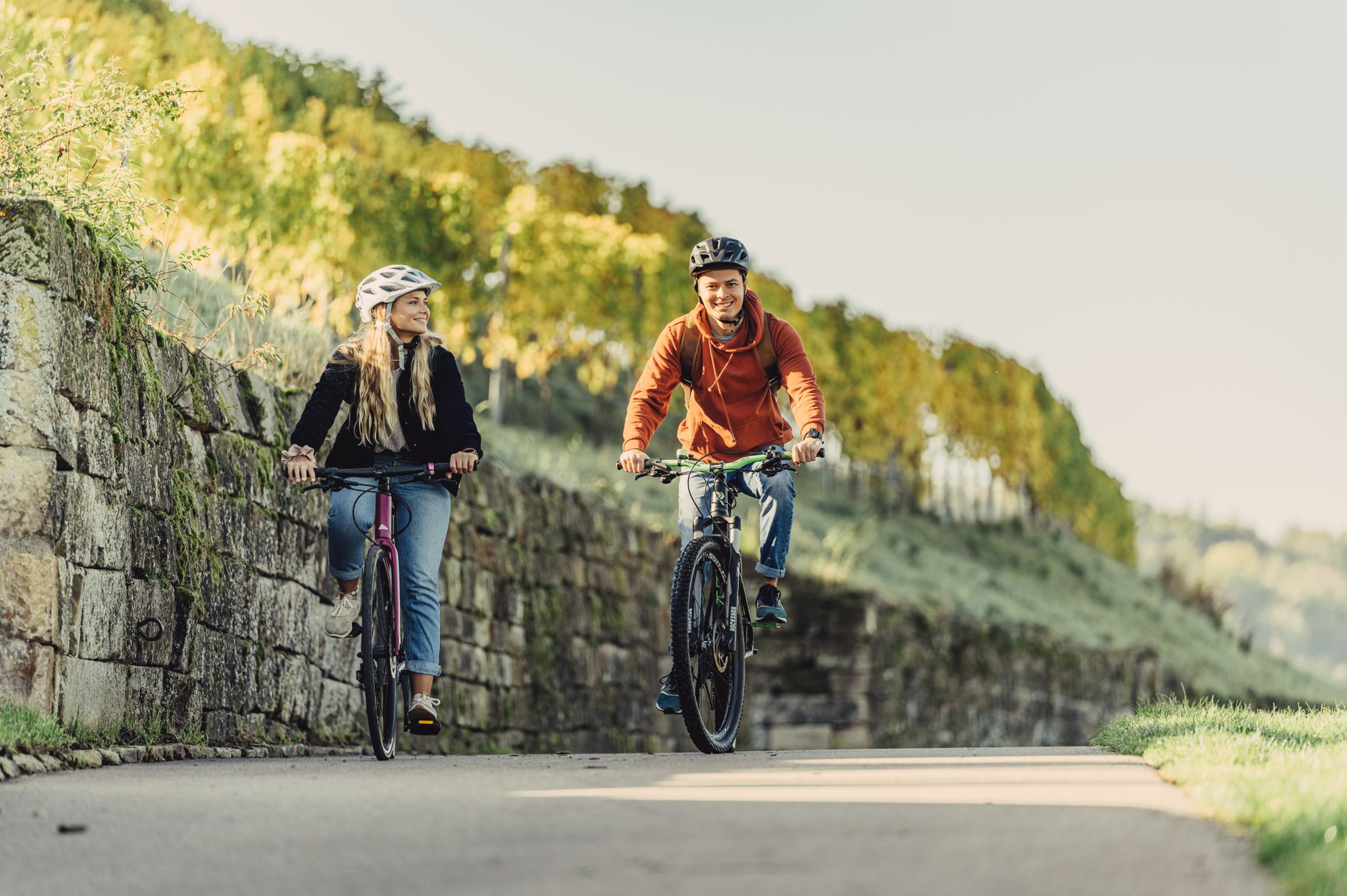
Vineyards, River Valleys & Panoramic Views: Cycling in the HeilbronnerLand
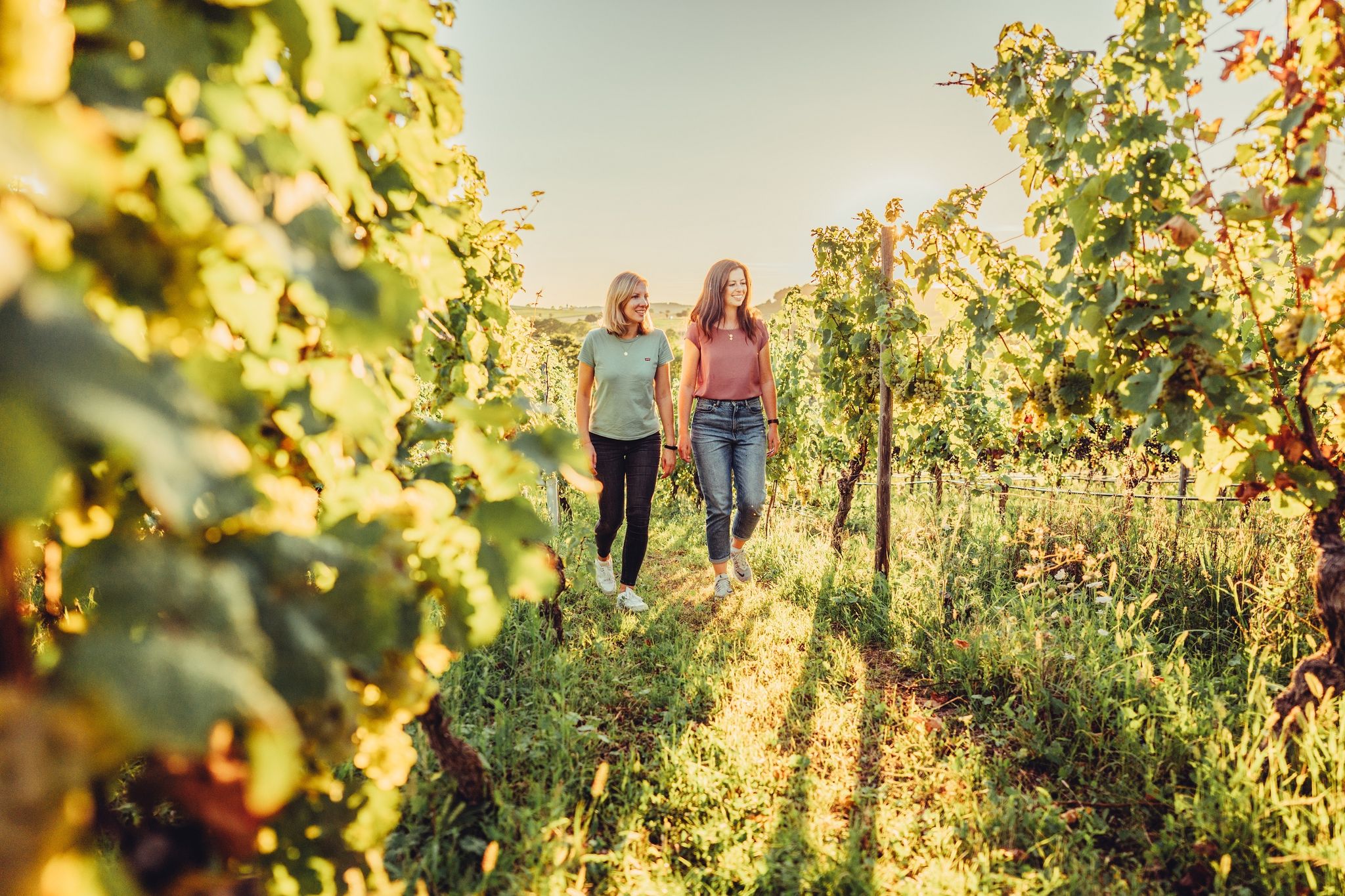
Wine love & wanderlust – gourmet tours in HeilbronnerLand
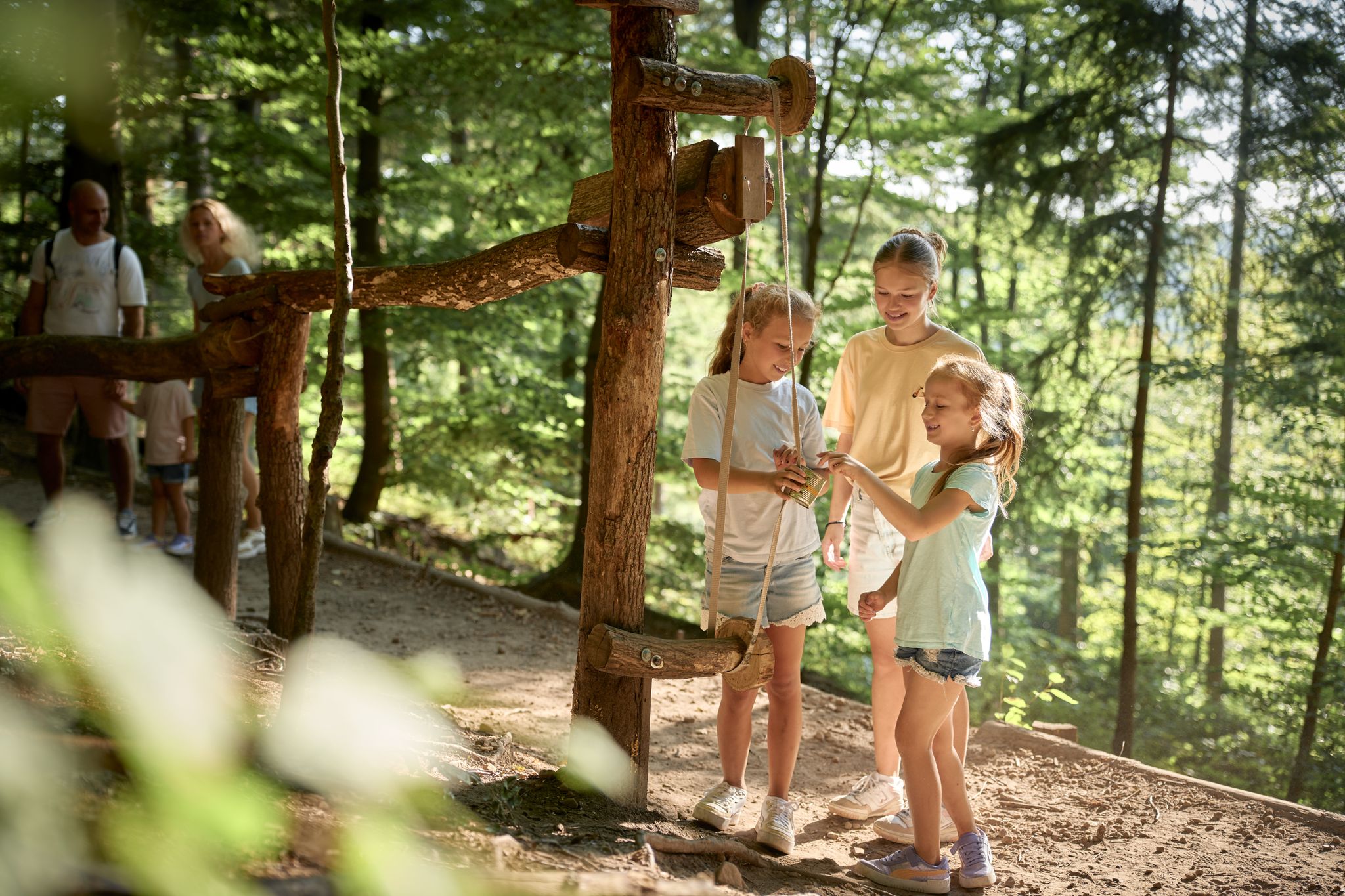
Forest & Wonder – family hikes in HeilbronnerLand
Trail running between woodlands & wine in the Land of 1000 Hills
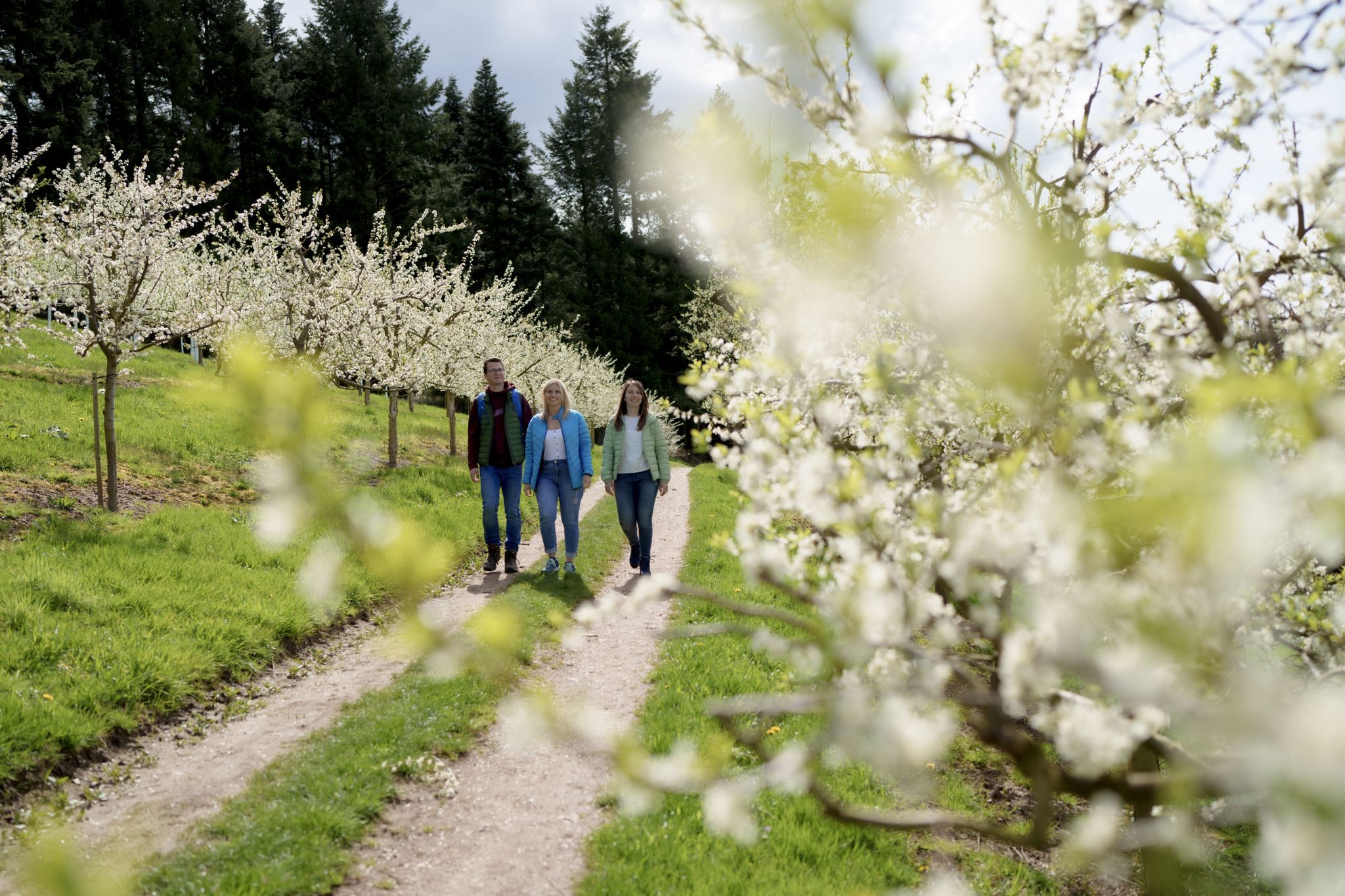
Hiking between Baden's vineyards, wildflowers & green lizards
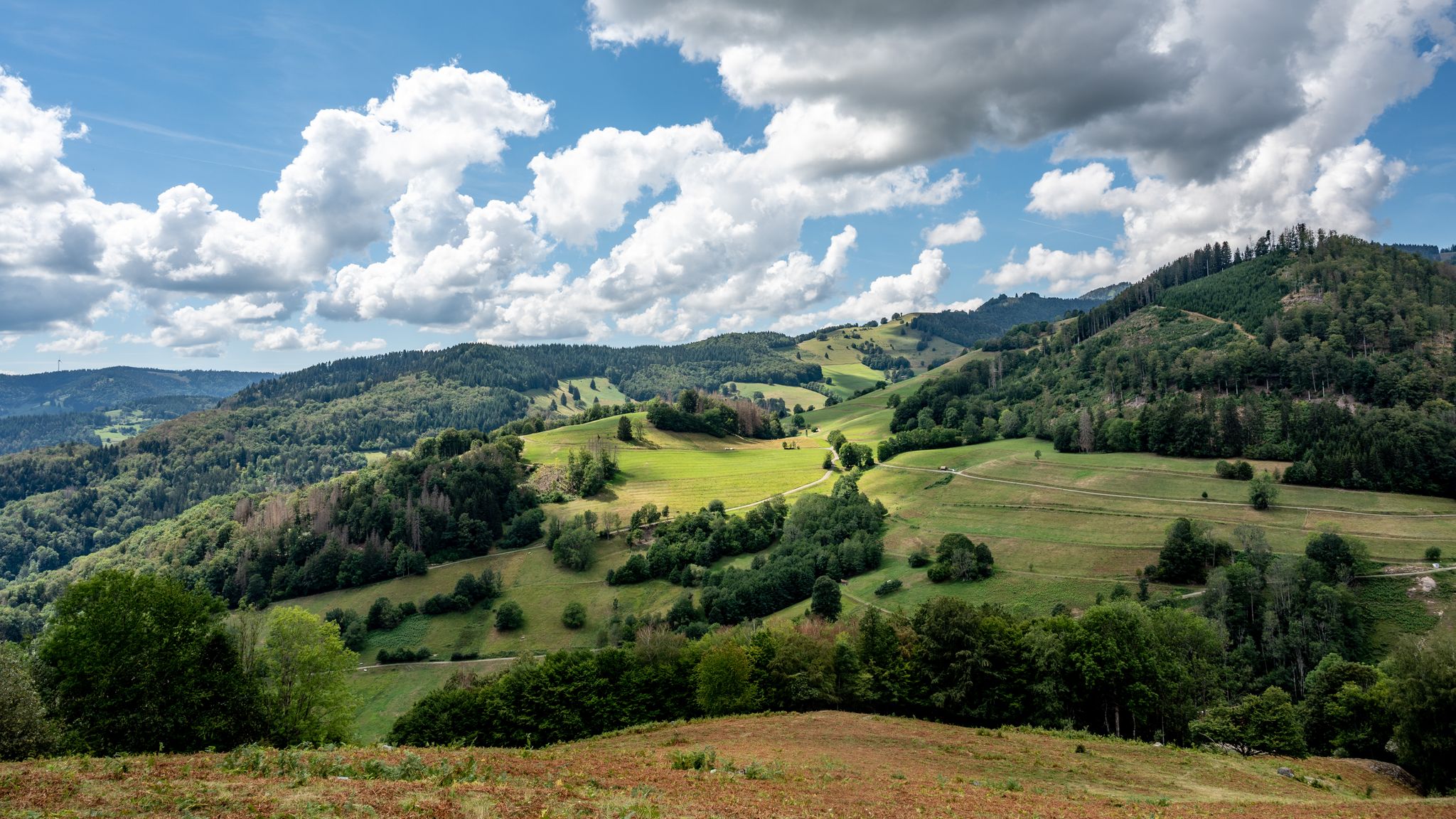
The National Natural Landscapes in Baden-Württemberg
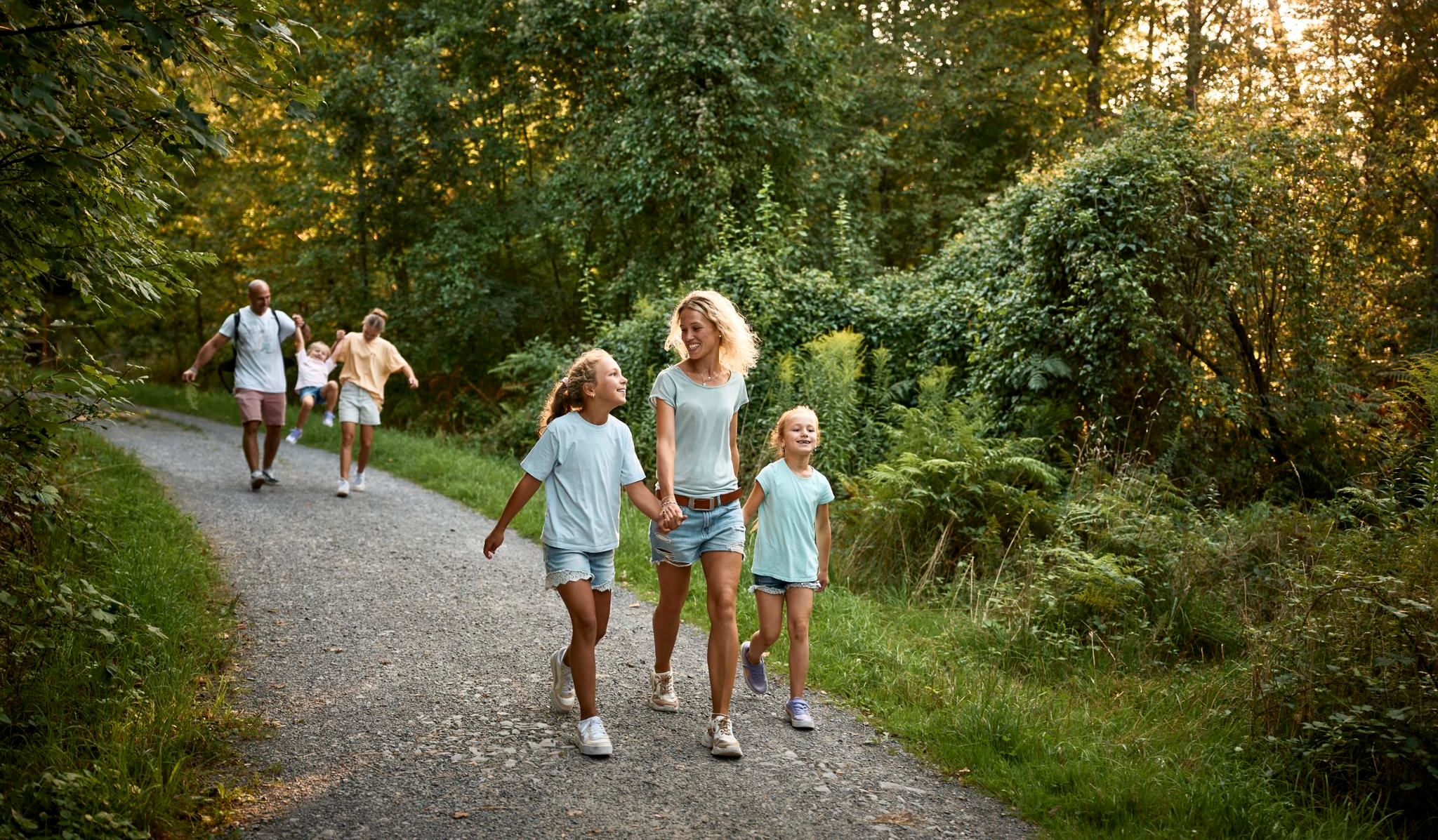
Family hiking with the adventure factor in the 'Süden ganz oben'
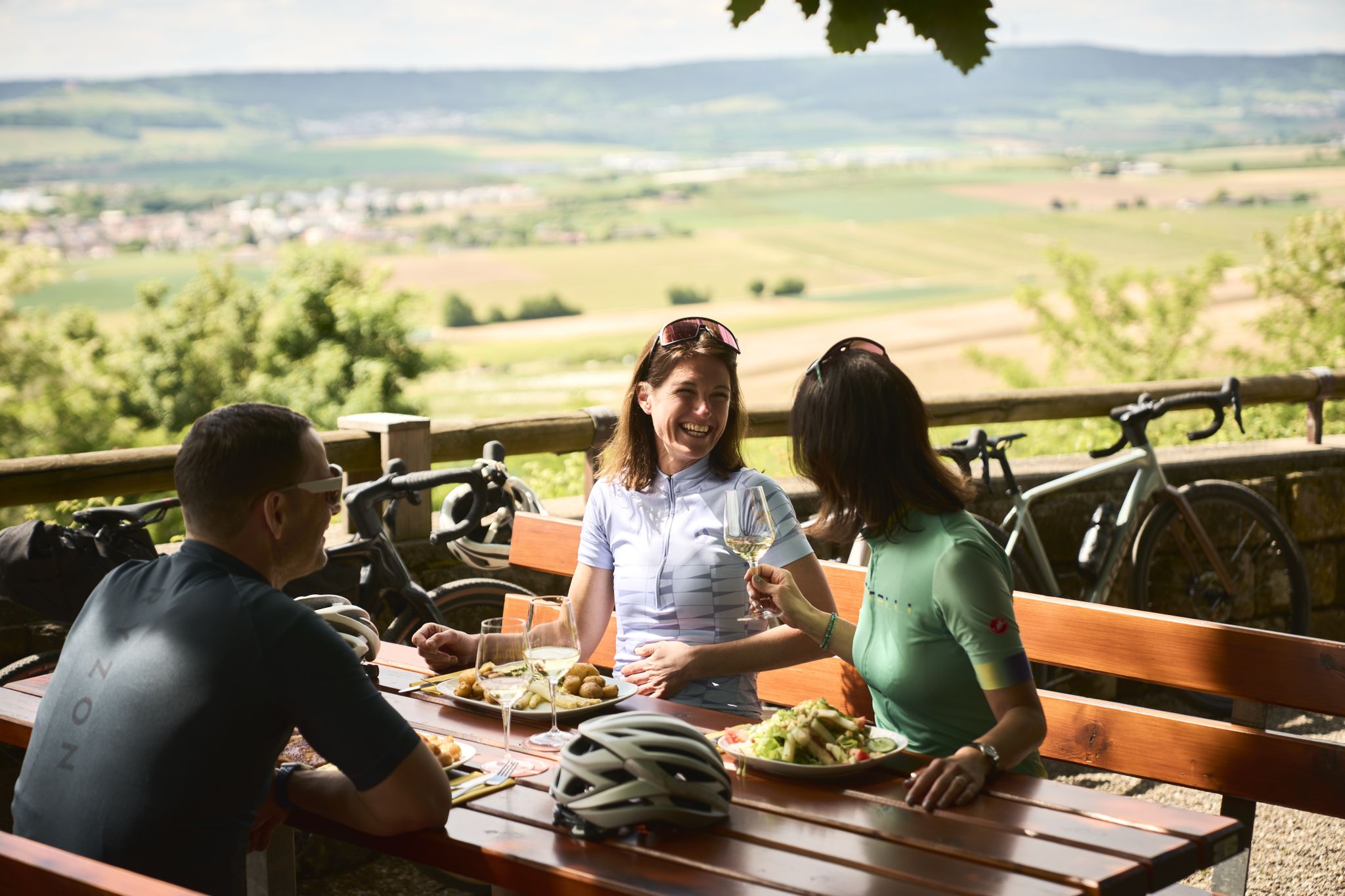
Cycling and local cuisine – pleasure rides in the Süden ganz oben
Other adventures in Naturpark Stromberg-Heuchelberg


Tips from the Community

The castle was built by Ludwig Wolf von Flehingen (1517–1600) and his wife Anna, née Göler von Ravensburg, in 1565, using existing wall sections of a former lower castle. In 1637, ownership passed to Baron Johann Adolf Wolff Metternich zur Gracht. In 1876, it was bought by the municipality of Flehingen. Around 1894, the state of Baden acquired the castle to establish an educational institution there. Today, the castle houses an educational institution and vocational schools.
6
0

Pretty medieval water castle (though nothing more can be seen of the water). Today, it is home to several vocational schools and an educational center of the KVJS.
9
0

A particularly dramatic episode occurred in 1525 during the German Peasants' War. The peasants, rebelling against the oppression and high taxes of the nobles, laid siege to Neipperg Castle. The siege was fierce and the castle's defenders had to stand up bravely against the attackers. Eventually the Lords of Neipperg managed to repel the siege, but the damage to the castle was considerable. After the war, the castle was rebuilt and reinforced to better withstand future attacks. These events shaped the history of the castle and made it a symbol of the resistance and steadfastness of the Lords of Neipperg.
11
0

The Ravensburg is one of the most important castles in Kraichgau. The view from there is beautiful. The castle also looks impressive from the outside. Unfortunately, it can no longer be visited. The entire castle grounds have been cordoned off and are not allowed to be entered since 2022!
7
0

A moated castle or what has become of it 👍
4
2

Flehingen Castle has been an educational center for several years and therefore cannot be visited.
3
0
A castle in the same location is already mentioned in 1353. This castle was sold in 1366, along with the village of Flehingen, to the nobles of Strahlenberg, from whom Elector Ruprecht I of the Palatinate acquired Flehingen and Sickingen in 1368. As a fief, the lordship passed to the Lords of Flehingen in 1396. In 1803, Flehingen came into the possession of the Grand Duchy of Baden, but the castle remained in the possession of the Wolff-Metternich zur Gracht family. In 1876, the castle was sold for 550,000 marks to the municipality of Flehingen. In 1894, the Baden state acquired the castle to establish an educational institution within it. In the years 1904 and 1905, the castle's interiors were converted for this purpose. Today, it is used as an educational center of the „Municipal Association for Youth and Social Affairs of Baden-Württemberg (KVJS)“. The castle also houses four state-recognized vocational schools. https://de.wikipedia.org/wiki/Wasserschloss_Flehingen
5
0

Quote from the owner family von Göler: "Ravensburg Castle, the associated wedding chapel and the marked paths and areas are purely private property. Taking photographs (wedding pictures, photo shoots and the like) on our premises is subject to a fee and is only permitted with our prior written permission - for inquiries about this, please contact us well in advance. In the event of violations, we reserve the right to exercise our house rules accordingly. Outside of our restaurant opening hours (Wednesdays to Sundays), the outer castle courtyard is available for visitors to view. During restaurant opening hours, the inner castle courtyard can also be viewed - after dark there is no access. Please note that a tour of the castle's exterior is not possible or only possible to a limited extent depending on the booking situation/event planning or due to maintenance measures. For safety reasons, it is no longer possible to visit the keep until further notice. The Göler family, the owners, expressly point this out." Source: https://www.burgrestaurant-ravensburg.de/de/ueber-uns
9
0
Frequently Asked Questions
What types of castles can I explore in Naturpark Stromberg-Heuchelberg?
The Naturpark Stromberg-Heuchelberg region offers a variety of castle types, including impressive hilltop castles, historic castle ruins, and even moated castles. You can explore different architectural styles and historical periods, from medieval strongholds to Renaissance structures.
Are there any castles in the region that offer panoramic views?
Yes, several castles provide excellent panoramic views. For instance, Ravensburg Castle offers magnificent views over the entire Kraichgau region. The courtyard of Stromburg also provides phenomenal views of the city, and Schlossberg Tower, Sternenfels, a former castle site, is known for its great vistas.
Which castles are particularly rich in history?
The region is steeped in history. The Stromburg, first mentioned in 1056, has been destroyed and rebuilt multiple times, and was home to a leader of the Thirty Years' War. The Alte Stromburg offers a unique insight into early medieval castle architecture from the 11th and 12th centuries. Neipperg Castle, a Hohenstaufen complex, has been owned by the Neipperg family since its beginnings and played a role in the German Peasants' War.
Can I find family-friendly castles or activities in the Naturpark Stromberg-Heuchelberg?
Many castles and their surroundings are suitable for families. Blankenhorn Castle Ruins is an impressive facility that serves as an ideal place to rest during a hike, and its categories include 'family_friendly'. Schlossberg Tower, Sternenfels is also listed as family-friendly, offering great views. The general area provides opportunities for hiking and exploring historical sites together.
Are there hiking trails that connect different castles in the region?
Yes, the region is excellent for combining hiking with castle visits. A hiking trail connecting the Stromburg, Alte Stromburg, and Gollenfels Castle was planned for opening in Spring 2023. Additionally, many hiking and cycling trails lead past Neipperg Castle, connecting popular viewing areas. You can find more hiking options in the region by exploring the Hiking in Naturpark Stromberg-Heuchelberg guide.
What outdoor activities can I do near the castles?
Beyond exploring the castles themselves, the Naturpark Stromberg-Heuchelberg offers various outdoor activities. You can enjoy hiking, road cycling, and gravel biking on numerous routes. For example, there are road cycling routes like the 'Gochsheim Castle – Odenheim town centre loop' and gravel biking tours such as the 'Schlossberg tour in the Kraichgau-Stromberg region'. More details can be found in the Road Cycling Routes and Gravel biking in Naturpark Stromberg-Heuchelberg guides.
Are there restaurants or accommodation options near the castles?
Yes, some castles offer amenities. The Stromburg houses a gourmet restaurant and the Stromburg Hotel. Ravensburg Castle has a restaurant and beer garden, though access may require a reservation. Schlossberg Tower, Sternenfels also has a beer garden that is open seasonally. For broader options, you'll find cafes, pubs, and accommodation in the surrounding towns and villages.
What is the best time of year to visit the castles in Naturpark Stromberg-Heuchelberg?
The region's castles can be enjoyed throughout the year, but spring and autumn offer pleasant weather for hiking and exploring the outdoor grounds. The beer garden at Schlossberg Tower, Sternenfels is typically open from April to October, weather permitting, which suggests these months are popular for outdoor activities.
Is it possible to visit Gollenfels Castle?
Gollenfels Castle is privately owned, and direct access is generally not possible. However, a planned hiking trail connecting the Stromburg, Alte Stromburg, and Gollenfels Castle was set to open in Spring 2023, making the external grounds of Gollenfels accessible and offering views towards the Stromburg from its terrace.
What makes the Alte Stromburg unique among the region's castles?
The Alte Stromburg is unique because it was an incredible archaeological discovery, previously unknown, and largely preserved in its original form from the Salian and early Staufer periods (11th and 12th centuries). Its early abandonment means it offers a rare insight into early medieval castle architecture, including a main castle with walls up to 2.5 meters thick and a nearly preserved rosette mosaic from its chapel.
Can I visit a moated castle in the Naturpark Stromberg-Heuchelberg?
Yes, you can visit Flehingen Moated Castle. This Renaissance-era castle, though its moat is no longer visible, is a pretty medieval structure. Today, it serves as an educational center for young people and houses several technical schools.
What do visitors particularly enjoy about the castles in Naturpark Stromberg-Heuchelberg?
Visitors appreciate the historical depth and the diverse natural landscape surrounding the castles. The opportunity to combine cultural exploration with outdoor activities like hiking and cycling is a major draw. Many enjoy the panoramic views from hilltop castles and the chance to discover well-preserved ruins or unique architectural examples like the Alte Stromburg.
Most popular routes in Naturpark Stromberg-Heuchelberg
Most popular attractions in Naturpark Stromberg-Heuchelberg

Get inspired with the komoot mobile app


Explore more
Looking for the best castles somewhere else? Discover other guides in Naturpark Stromberg-Heuchelberg:
