The best cycling routes in Parco Di Poggio Neri
4.4
(742)
6,812
riders
77
rides
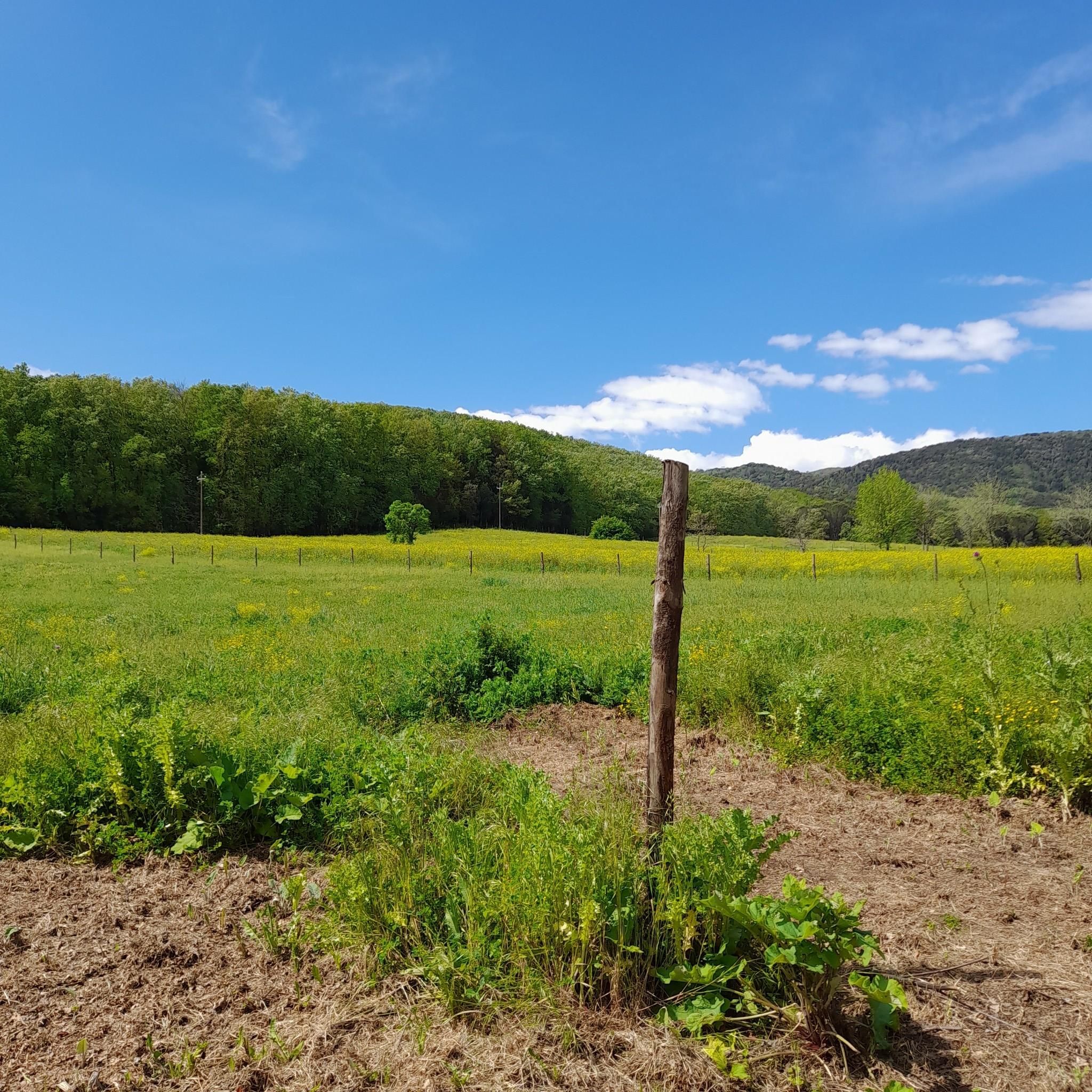
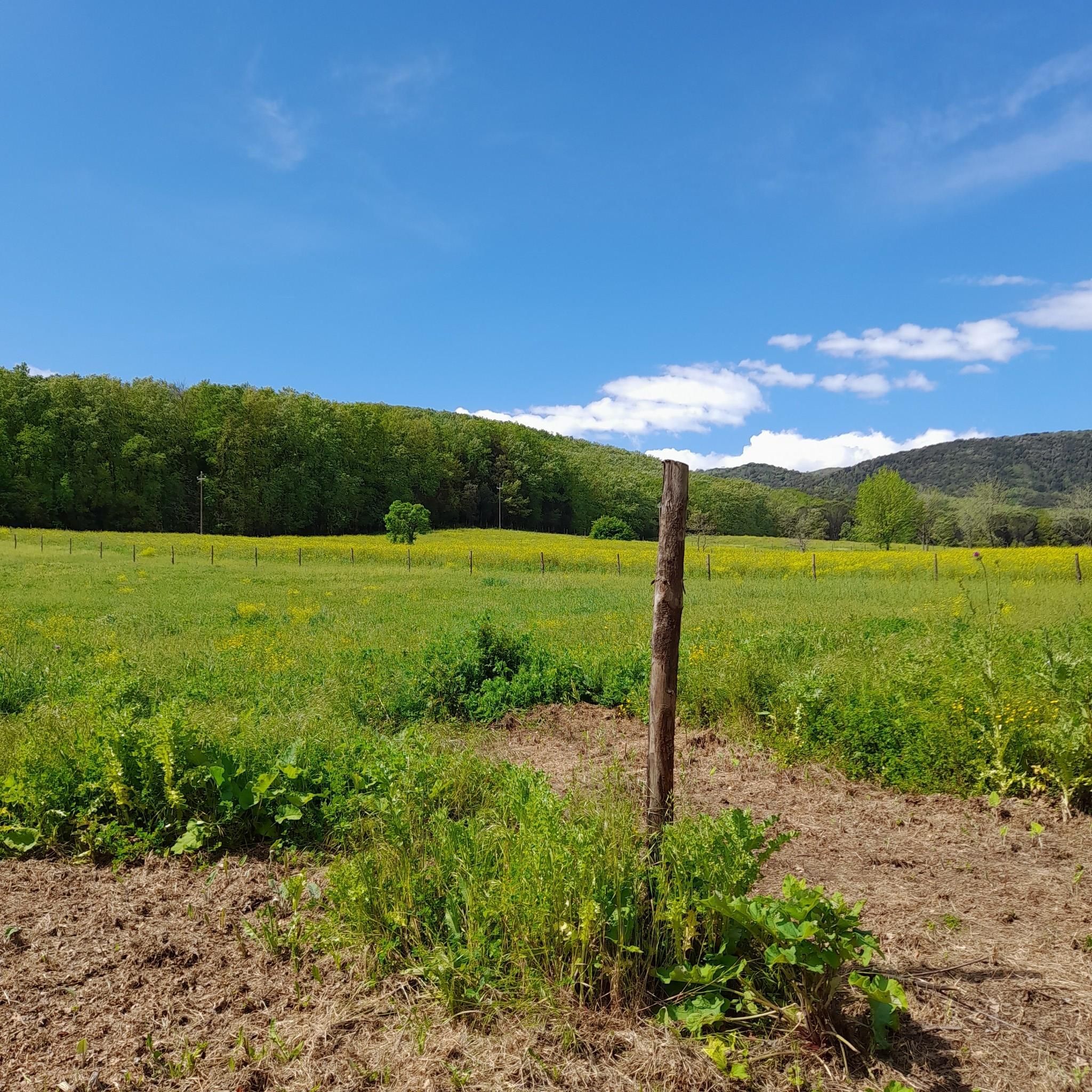
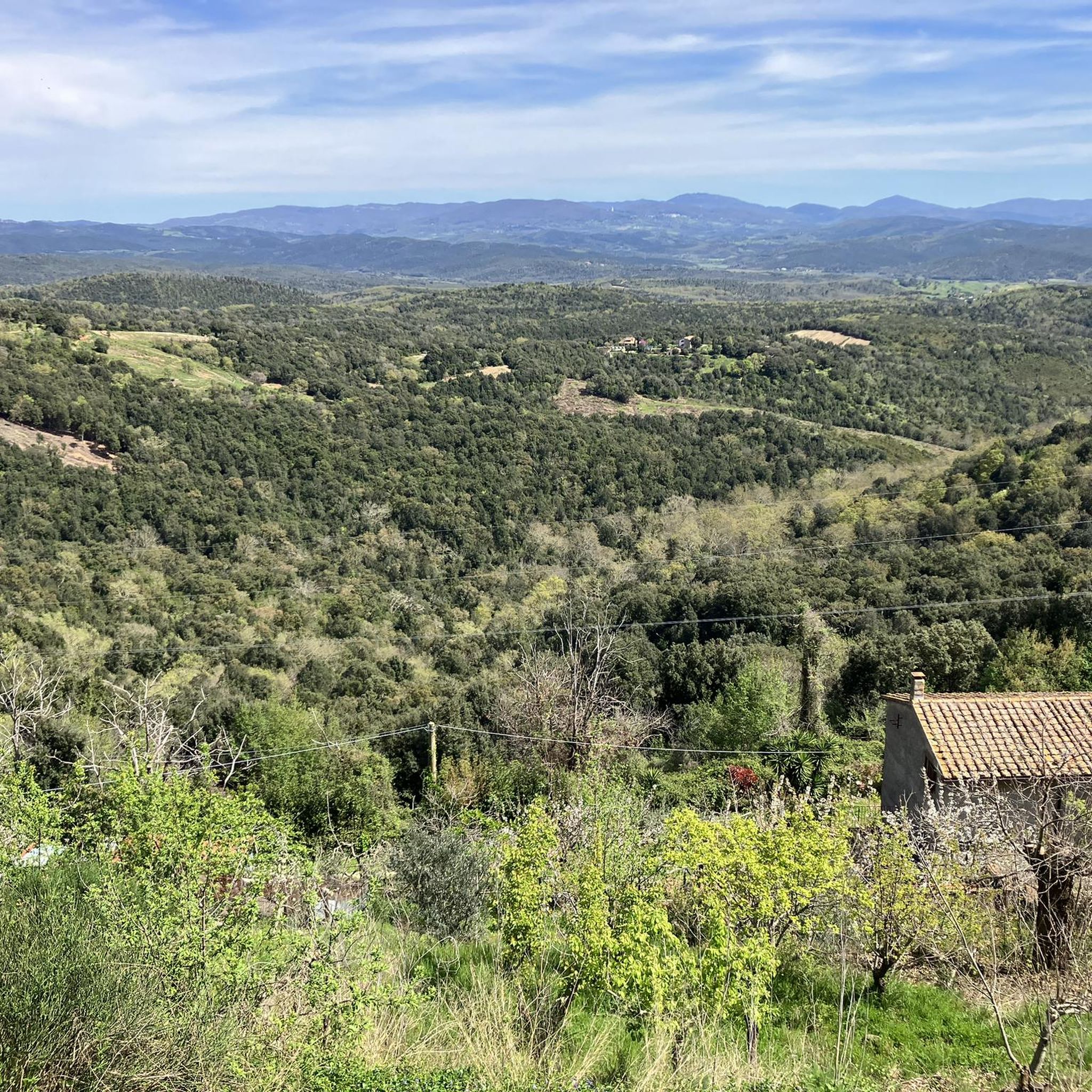
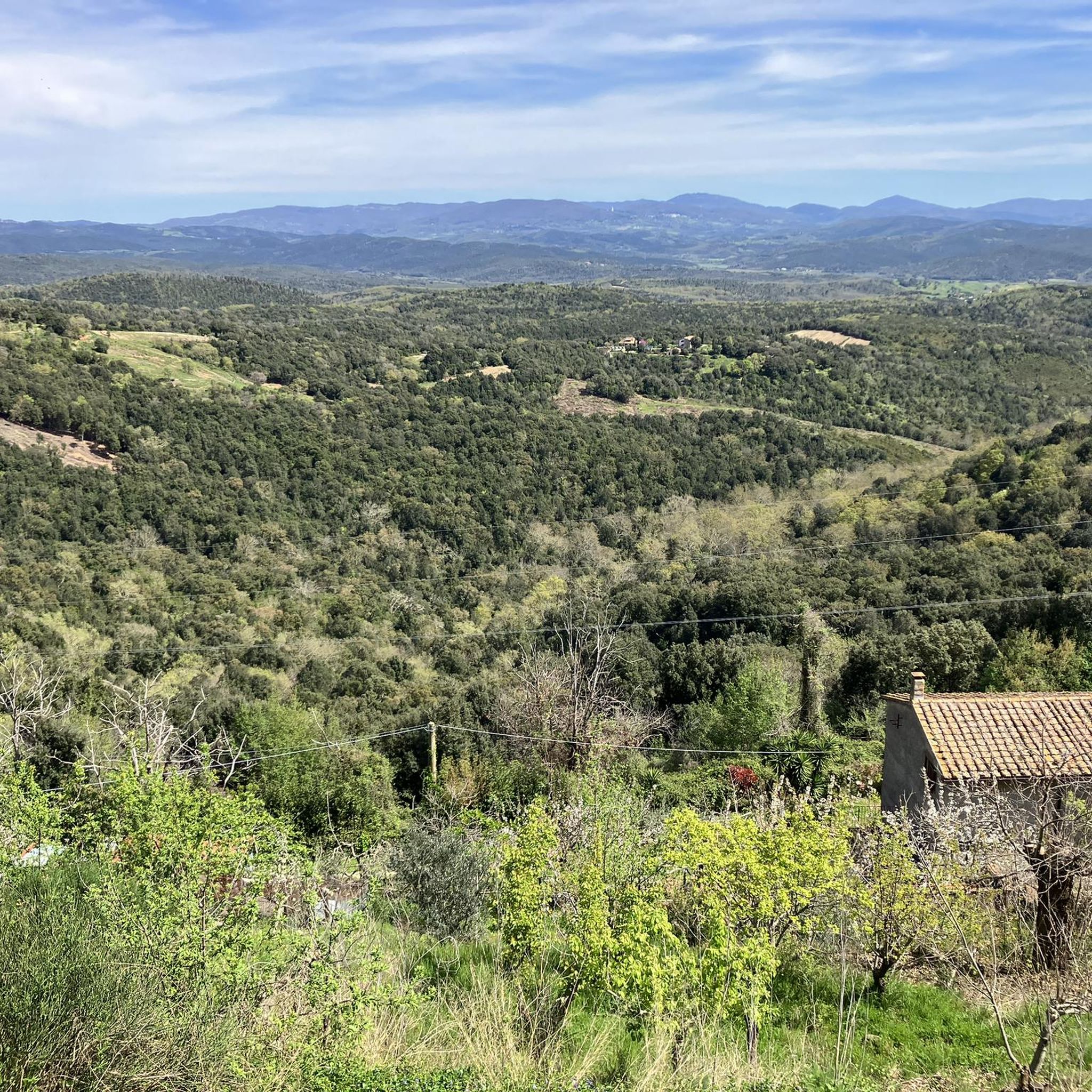
Touring cycling routes in Parco Di Poggio Neri traverse a hilly forest landscape, characterized by extensive woodlands of holm oaks and chestnuts. The park, located in the Val di Cornia, features over 37 kilometers of signposted trails suitable for cycling. Routes often include ascents around Monte Bufalaio and pass through areas with historical significance, such as disused marble quarries. The terrain offers a mix of shaded forest paths and open sections, providing varied conditions for touring cyclists.
Best touring cycling…
Last updated: May 11, 2026
5.0
(3)
25
riders
Hard bike ride. Very good fitness required. Mostly paved surfaces. Suitable for all skill levels.
5.0
(1)
10
riders
Moderate bike ride. Good fitness required. Mostly paved surfaces. Suitable for all skill levels.

Sign up for free
5.0
(1)
4
riders
Moderate bike ride. Good fitness required. Mostly paved surfaces. Suitable for all skill levels.
3
riders
Moderate bike ride. Good fitness required. Mostly paved surfaces. Suitable for all skill levels.
5.0
(1)
1
riders
8.38km
00:44
240m
240m
Moderate bike ride. Good fitness required. Mostly paved surfaces. Suitable for all skill levels.
Get access to more routes and recommendations from other explorers.
Sign up for free
Already have an account?
Our route recommendations are based on thousands of hikes, rides, and runs completed by other people on komoot.
Start today with a free account
Your next adventure awaits.
Login or Signup
Tips from the Community

Delicious, nice to sit, but expensive in relation.
0
0

The historic center of Campiglia Marittima is a well-preserved medieval Tuscan village on the Etruscan Coast, perched on a hill with panoramic views. Characterized by cobbled alleys, arches, and ancient walls, it houses the Rocca di Campiglia, the Palazzo Pretorio, the Pieve di San Giovanni, and offers picturesque views, artisan shops, and typical taverns.
0
0
The Church of San Giusto is the guardian of millennia-old stories and a timeless charm. A majestic church, whose origins date back to between the 9th and 12th centuries, located next to the Church of San Michele Arcangelo, it is not only a sacred building, but a piece of history can be found in every corner. Named after San Giusto, bishop of Volterra, its origins are linked to the legend of the African exiled bishops, San Giusto, San Cerbone, San Fiorenzo, and San Regolo, who landed in the Val di Cornia in the 6th century, leaving an indelible mark throughout the valley. It is no coincidence, in fact, that San Fiorenzo is the patron saint of Campiglia Marittima and the Cathedral of Massa Marittima is dedicated to San Cerbone. The gabled façade, the evocative portal, and the quatrefoil rose window, with its black and white band decoration, are hallmarks of the Tuscan Romanesque style.
0
0
The alleys of Suvereto are hidden corners, each one concealing a story. Walking along these alleys will make you feel like a pilgrim immersed in medieval beauty.
1
0
The Parish Church of San Giusto in Suvereto is one of the most interesting Romanesque buildings in the province of Livorno. The church, mentioned as early as 923, was rebuilt in 1189 by the masters Barone Amico and Bono da Calci. The façade features a portal flanked by two columns with lions, a decorated architrave, and a quatrefoil oculus at the top. The interior, with a single nave, features a late-medieval octagonal baptismal font and several frescoes. The bell tower, with its crenellated top, underwent restoration in the 19th century following a lightning strike.
1
0
Suvereto lies between the hills and the sea of the Etruscan Coast. The medieval village is considered one of the most beautiful in Italy and has also been awarded the Touring Club's Orange Flag. Immersed in the nature of the Val di Cornia, the town is a true treasure: its walls guard the characteristic medieval streets, stone houses, historic buildings, and evocative churches. All around are endless forests of chestnut, oak, and, of course, cork oak trees, from which the town's name derives. Surrounded by the scents of the Mediterranean scrub, Suvereto is a village rich in art and history, distinguished by its pleasant views and its preserved spirit of tranquility and rest.
2
0

Great place to stop for a bite to eat.
0
0

Located in Sassetta, Art Caffè Wine Bar Roma is an ideal stop for those exploring the area by bike. It offers a warm welcome and a relaxed atmosphere, perfect for recharging your batteries between pedals. The restaurant offers Italian and Mediterranean cuisine, delicious snacks, and a selection of local wines, for a complete gastronomic experience. The outdoor spaces allow you to enjoy the fresh air and the surrounding views, making every break a pleasant and regenerating experience. A must-see for cyclists who want to combine sport, relaxation, and good food during their adventures. ART CAFFE' WINE BAR ROMA is also the ideal place to charge your e-Bike and earn DINAclub points. Find out how at: https://dinaclub.repower.com/ To discover the area, a ready-to-ride itinerary: https://www.komoot.com/it-it/tour/2598777429?share_token=aLMmA9rcLNhauAiUngwk6FuJQ8BUusDvu487nhCVu58ZS5uOOv&ref=wtd
0
0
Frequently Asked Questions
What kind of terrain can I expect on touring cycling routes in Parco Di Poggio Neri?
The routes in Parco Di Poggio Neri primarily traverse a hilly forest landscape, characterized by extensive woodlands of holm oaks and chestnuts. You'll find a mix of shaded forest paths and open sections, with ascents often around Monte Bufalaio. Some paths also lead past disused marble quarries, adding historical interest to the varied terrain.
Are there routes suitable for families with children in Parco Di Poggio Neri?
Yes, Parco Di Poggio Neri offers routes suitable for various ability levels, including easier options that can be enjoyed by families. While the park is generally hilly, there are paths that provide a more gentle experience. For example, the park features a 500-meter accessible itinerary through the Mediterranean scrub forest, which could be a good starting point for families looking for a less challenging ride.
What are some notable natural attractions or viewpoints along the cycling routes?
Cyclists can enjoy breathtaking panoramic views, especially from paths winding around Monte Bufalaio. The park also features a Botanical Trail and disused marble quarries, once the source of the renowned Red Marble of Sassetta. You might also encounter sculptures crafted from this local red marble along the paths. A specific highlight is the View of the Tuscan Hills, offering expansive vistas.
Can I bring my dog on the touring cycling trails in Parco Di Poggio Neri?
The park's varied natural environment is generally welcoming to visitors with dogs. While specific rules for cycling with dogs should always be observed, the extensive forest trails provide ample space for you and your canine companion to enjoy the outdoors. It's always recommended to keep dogs on a leash and ensure they do not disturb wildlife.
Are there any circular touring cycling routes available?
Yes, many of the touring cycling routes in Parco Di Poggio Neri are designed as loops, allowing you to start and finish at the same point. An example is the View of Sassetta – Drinking fountain in Sassetta loop from Sassetta, which is a popular 25.8-mile (41.5 km) route offering diverse scenery.
What historical or cultural sites can I explore while cycling in the park?
Parco Di Poggio Neri offers unique historical insights. You can visit the Museo del Bosco (Museum of the Wood), an open-air museum that reconstructs the daily life of chestnut gatherers and charcoal burners. Complementing this is the Via del Carbone (Charcoal Way), a trail with interpretive panels explaining the ancient art of charcoal production. These sites offer an educational experience amidst nature.
What is the best time of year to go touring cycling in Parco Di Poggio Neri?
The extensive forests of holm oaks and chestnuts provide a scenic and often shaded environment, making cycling enjoyable across various seasons. Spring and autumn generally offer pleasant temperatures and vibrant natural colors. While the region is beautiful year-round, checking local weather conditions before your visit is always advisable for the most comfortable experience.
Are there any specific permits required for cycling in Parco Di Poggio Neri?
The park boasts over 37 kilometers of well-equipped and signposted trails suitable for cycling, and generally, no specific permits are required for recreational touring cycling on these designated paths. However, it's always good practice to respect park regulations and stay on marked trails.
Where can I park my car when visiting Parco Di Poggio Neri for cycling?
The park is accessible from various points, and areas around Sassetta often provide parking facilities. Many routes, such as the Canneto Historic Center – Church of San Lorenzo, Canneto loop from Ristorante Pratella, start from locations where parking is typically available, like near local restaurants or village centers.
What do other touring cyclists say about their experience in Parco Di Poggio Neri?
The touring cycling routes in Parco Di Poggio Neri are highly rated by the komoot community, with an average score of 4.2 stars from over 600 reviews. Cyclists often praise the diverse forest terrain, the challenging yet rewarding ascents, and the opportunity to explore both natural beauty and historical sites within the Val di Cornia.
Are there any long-distance cycling connections from Parco Di Poggio Neri?
Yes, the park's trails are connected to broader regional routes, offering opportunities for extended cycling adventures. These include connections to the 'Cammino dei Tirreni' (Tyrrhenian Way) and the 'Percorso In Etruria', allowing you to link your touring cycling experience in Parco Di Poggio Neri with longer journeys across the Tuscan landscape.
Are there options for more challenging touring cycling routes?
Absolutely. While there are moderate options like the Historic Village of Sassetta – View of Sassetta loop from Ristorante Pratella, the park also features several difficult routes. For instance, the Suvereto Historic Center – Campiglia Marittima loop from Parco di Poggio Neri is a challenging 26.5-mile (42.6 km) path with significant elevation gain, connecting historic centers through the park's hilly landscape.
Are there places to rest or have a picnic along the cycling paths?
Yes, along the well-maintained and signposted trails, cyclists and other visitors will find numerous equipped areas specifically designated for picnics and rest stops. These spots are ideal for taking a break, enjoying a snack, and soaking in the tranquil forest environment.
Most popular routes in Parco Di Poggio Neri
Most popular attractions in Parco Di Poggio Neri

Get inspired with the komoot mobile app


Explore more
Browse the best Cycling routes in other regions.
