Attractions and Places To See in Riserva Naturale Della Bessa - Top 7
Best attractions and places to see in Riserva Naturale Della Bessa include a unique landscape shaped by ancient Roman gold mining and glacial activity. Located between Biella and Ivrea, this protected area features immense stone mounds, remnants of one of the ancient world's largest open-pit gold mines. The reserve is part of the Serra moraine, Europe's largest, and offers diverse ecosystems alongside its archaeological marvels. It provides opportunities to explore historical sites and natural features.
Best attractions and places to…
Last updated: July 19, 2026
Bessa Gold Mining Archaeological Site
Highlight • Natural Monument
It is located between Biella and Ivrea, included in the municipalities …
Translated by Google •
Tip by

Victimula Goldpanners' Arena
Highlight • Structure
Tip by

Sign up now to discover places like this
Get recommendations on the best single tracks, peaks, & plenty of other exciting outdoor places.
Sign up for free
Victimula
Highlight • Historical Site
Translated by Google •
Tip by

Picnic area next to the Bessa Nature Park visitor center
Highlight • Rest Area
Translated by Google •
Tip by
Vermogno Picnic Area
Highlight • Rest Area
Translated by Google •
Tip by

Sign up for free to discover even more attractions in Riserva Naturale Della Bessa.
Sign up for free
Already have an account?
Start today with a free account
Your next adventure awaits.
Login or Signup
Popular around Riserva Naturale Della Bessa
Tips from the Community

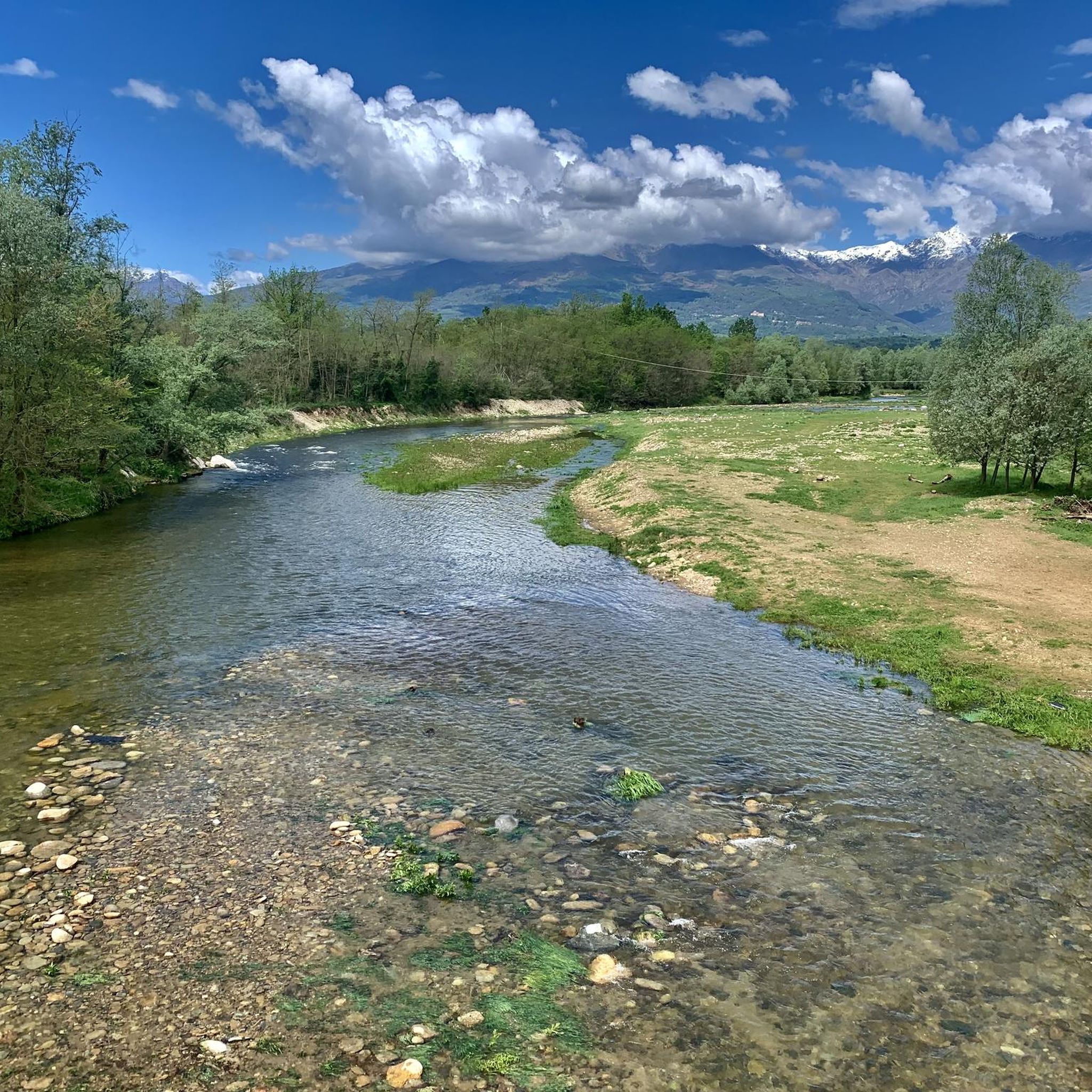
Area where gold prospecting competitions are held. Italian, European and World championships have taken place here.
1
0

Wikipedia: Victimulae (or Victumulae), or more commonly Victimula, is a Roman-era settlement (probably already developed in pre-Roman times) located in Piedmont, in the southwest of the Biella area, not far from Lake Viverone. More precisely, it is believed to have been located on the slopes of the Serra Morenica d'Ivrea near the Bessa plateau.
0
0

Must do, at least once, interesting place.
1
0
area equipped for international gold flake extraction competitions. The extraction of the metal in Bessa dates back to the Gallo-Roman era
0
0

A beautiful equipped area perfect for having a picnic or a simple stop inside the Bressa reserve.
1
0

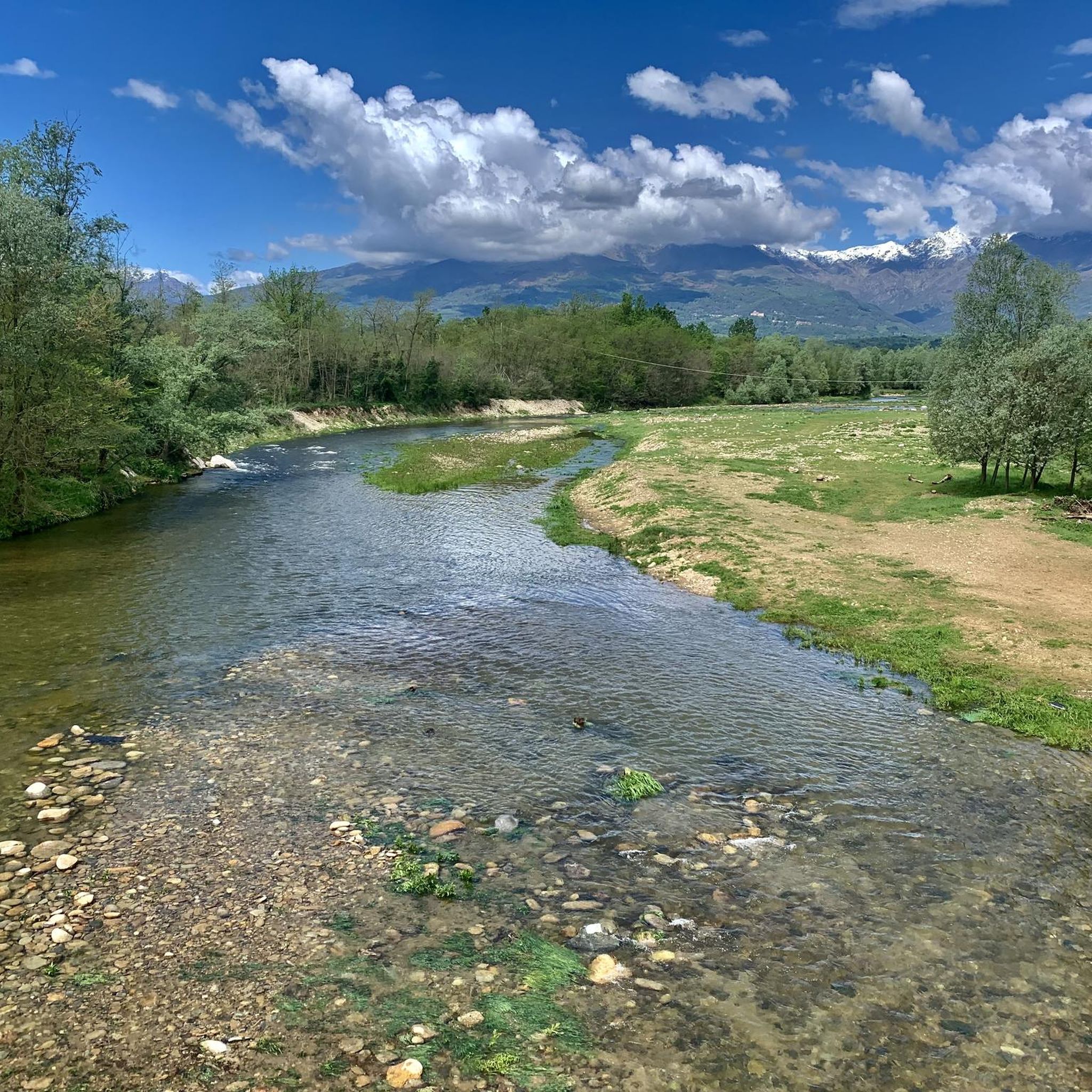
The area of the Bessa Nature Reserve is approximately 8 kilometers long, with an average width of one kilometre. It is located between Biella and Ivrea, included in the municipalities of Borriana, Cerrione, Mongrando and Zubiena, on the orographic right of the Elvo stream. It is part of the Serra moraine, considered the largest in Europe. A lunar appearance, with large mounds placed together like desert dunes, made up of stones of various sizes. Between one pile and another, curtains of often impenetrable plants and bushes. This is the aspect that one perceives when entering the Bessa Nature Reserve for the first time, established in 1985. But the charm of Bessa also lies in its history. One thing is now certain. This entire large territory, almost ten square kilometers, has been entirely modified in its appearance by the work of thousands of men. These were the Ictimuli - or Vittimuli - who inhabited a large part of the Biella area over two thousand years ago. Led and exploited by the Romans between the 2nd and 1st centuries BC. they transformed the Bessa into one of the largest open-pit gold mines in the world. Traces of this immense work remain in the mounds, erected by piling up the stones discarded during the excavation. Source: https://www.atl.biella.it/localita-dettaglio/-/d/riserva-speciale-della-bes-1
1
0
from access to the main paths of the Bessa
0
0
Area set up for gold prospecting competitions as an activity that over the centuries has characterized the Bessa territory, already known in pre-Roman times for the large quantities of this metal that was extracted from the bed of moraine torrents. It can still be found today and was the site of a world championship.
0
0
Frequently Asked Questions
What is the historical significance of Riserva Naturale Della Bessa?
Riserva Naturale Della Bessa is historically significant as one of the largest open-pit gold mines in the ancient world. Between the 2nd and 1st centuries BC, the Ictimuli people, exploited by the Romans, extracted vast amounts of gold, leaving behind immense mounds of discarded stones. You can explore the remnants of this activity at the Bessa Gold Mining Archaeological Site.
What unique natural features can I expect to see in the reserve?
The reserve boasts a unique 'lunar' landscape characterized by large stone mounds, remnants of ancient gold mining. It is also part of the Serra moraine, Europe's largest, shaped by ancient glaciers and the Elvo stream. You'll find diverse flora, including flowering cherries and hawthorn in spring, alongside oaks, birches, and chestnuts.
Are there hiking or cycling trails available in Riserva Naturale Della Bessa?
Yes, the reserve offers a network of trails suitable for hiking, cycling, horseback riding, and mountain biking. Pathways like 'Fontana del Buchin' and 'Ciapei Parfunda' provide different perspectives on the reserve's geology, history, and nature. For specific routes, you can explore guides like Cycling in Riserva Naturale Della Bessa.
Is Riserva Naturale Della Bessa suitable for families with children?
Yes, Riserva Naturale Della Bessa is considered family-friendly. Many trails are accessible, and attractions like the Picnic area next to the Bessa Nature Park visitor center offer equipped spots for breaks. Children might also enjoy the unique landscape and the possibility of amateur gold panning.
Can I engage in gold panning activities in the reserve?
Yes, visitors can engage in amateur gold panning along the Elvo torrent, continuing a long-standing local tradition. The Victimula Goldpanners' Arena is an area specifically equipped for gold prospecting activities and competitions, highlighting this historical practice.
What kind of wildlife can be spotted in Riserva Naturale Della Bessa?
The reserve provides a habitat for various animals. You might spot rodents, foxes, hares, and a variety of reptiles such as adders and rat-snakes. Birdwatchers can look for species common to the Biellese woods, including tawny and barn owls.
How can I access Riserva Naturale Della Bessa, and is there parking?
The reserve is located between Biella and Ivrea, included in the municipalities of Borriana, Cerrione, Mongrando, and Zubiena. There is a visitor center that serves as a starting point for exploration, and equipped picnic areas, such as the Picnic area next to the Bessa Nature Park visitor center, often have parking available.
What is the best time of year to visit Riserva Naturale Della Bessa?
Spring is a particularly beautiful time to visit, as you can witness the flowering of cherries, hawthorn, cyclamen, and dog rose, adding vibrant colors to the unique landscape. The trails are generally pleasant for exploration during milder seasons.
Are there facilities like picnic areas within Riserva Naturale Della Bessa?
Yes, the reserve offers equipped picnic areas for visitors. Notable spots include the Picnic area next to the Bessa Nature Park visitor center and the Vermogno Picnic Area, both providing pleasant spots for a break amidst nature.
Where can I learn more about the gold mining history of Bessa?
Beyond exploring the Bessa Gold Mining Archaeological Site, a Museum of Gold and Bessa in the area provides further insights into the historical gold mining techniques used throughout history. The visitor center can also offer information.
Are there options for longer outdoor activities like running or road cycling near the attractions?
Yes, the area around Riserva Naturale Della Bessa offers various routes for longer outdoor activities. For running, you can find routes like the 'Serra di Ivrea Loop' or 'Elvo Stream Marsh loop' in the Running Trails in Riserva Naturale Della Bessa guide. Road cycling enthusiasts can explore options such as the 'Borriana loop' or 'Ricetto of Candelo – Borriana loop' in the Road Cycling Routes in Riserva Naturale Della Bessa guide.
What do other visitors enjoy most about Riserva Naturale Della Bessa?
Visitors frequently appreciate the unique 'lunar' landscape shaped by ancient Roman gold mining, finding it an interesting and historically rich place. The natural beauty, especially the diverse flora, and the opportunity for outdoor activities like hiking and gold panning are also highly valued by the komoot community.
Most popular routes in Riserva Naturale Della Bessa

Get inspired with the komoot mobile app


Explore more
Still not found the Highlight you’re looking for? See guides of the top attractions in other regions:
