Attractions and Places To See around Fürstenberg/Havel - Top 20
Best attractions and places to see around Fürstenberg/Havel include historical sites and natural features. Situated amidst the Mecklenburg Lake District, Fürstenberg/Havel is characterized by its numerous lakes, including Röblinsee, Baalensee, and Schwedtsee, and the Havel River flowing through it. The area offers a blend of historical significance, such as memorials and palaces, with extensive forest and lake landscapes. This region provides opportunities for exploring both cultural heritage and diverse natural environments.
Best attractions and places to see around Fürstenberg/Havel
- The most popular attractions is Himmelpfort Lock, an other man-made structure. The first lock between the Haussee and the Stolpsee was built in 1752. It was reconstructed in 1907 and renovated in 1976 to accommodate growing shipping.
- Another must-see spot is Brick museum and park, a historical site. This museum showcases the history of the former large brick factory in Mildenberg. It features remaining buildings and tells the story of the region's industrial heritage.
- Visitors also love Trail through the Döbertstich and Pappelstich ponds, a trail. This trail offers a quiet bike path surrounded by nature. It provides many small observation points on the stitches.
- Fürstenberg/Havel is known for its landmarks near Fürstenberg/Havel and natural features Fürstenberg/Havel, including historical sites and extensive waterways. The region offers a variety of attractions to see and explore, from cultural monuments to scenic trails.
- The attractions around Fürstenberg/Havel are appreciated by the komoot community, with over 2000 upvotes and more than 300 photos shared.
Last updated: July 20, 2026
Himmelpfort Lock
Highlight • Structure
Source: Wikipedia
Translated by Google •
Tip by

Brick museum and park
Highlight • Historical Site
Translated by Google •
Tip by

Sign up now to discover places like this
Get recommendations on the best single tracks, peaks, & plenty of other exciting outdoor places.
Sign up for free
Trail through the Döbertstich and Pappelstich ponds
Highlight (Segment) • Trail
Translated by Google •
Tip by

Trünnensee and Buchsee Forest Trail
Highlight (Segment) • Trail
Translated by Google •
Tip by

Himmelpfort
Highlight • Settlement
Good food in the cafe
Translated by Google •
Tip by

Sign up for free to discover even more attractions around Fürstenberg/Havel.
Sign up for free
Already have an account?
Start today with a free account
Your next adventure awaits.
Login or Signup
Popular around Fürstenberg/Havel
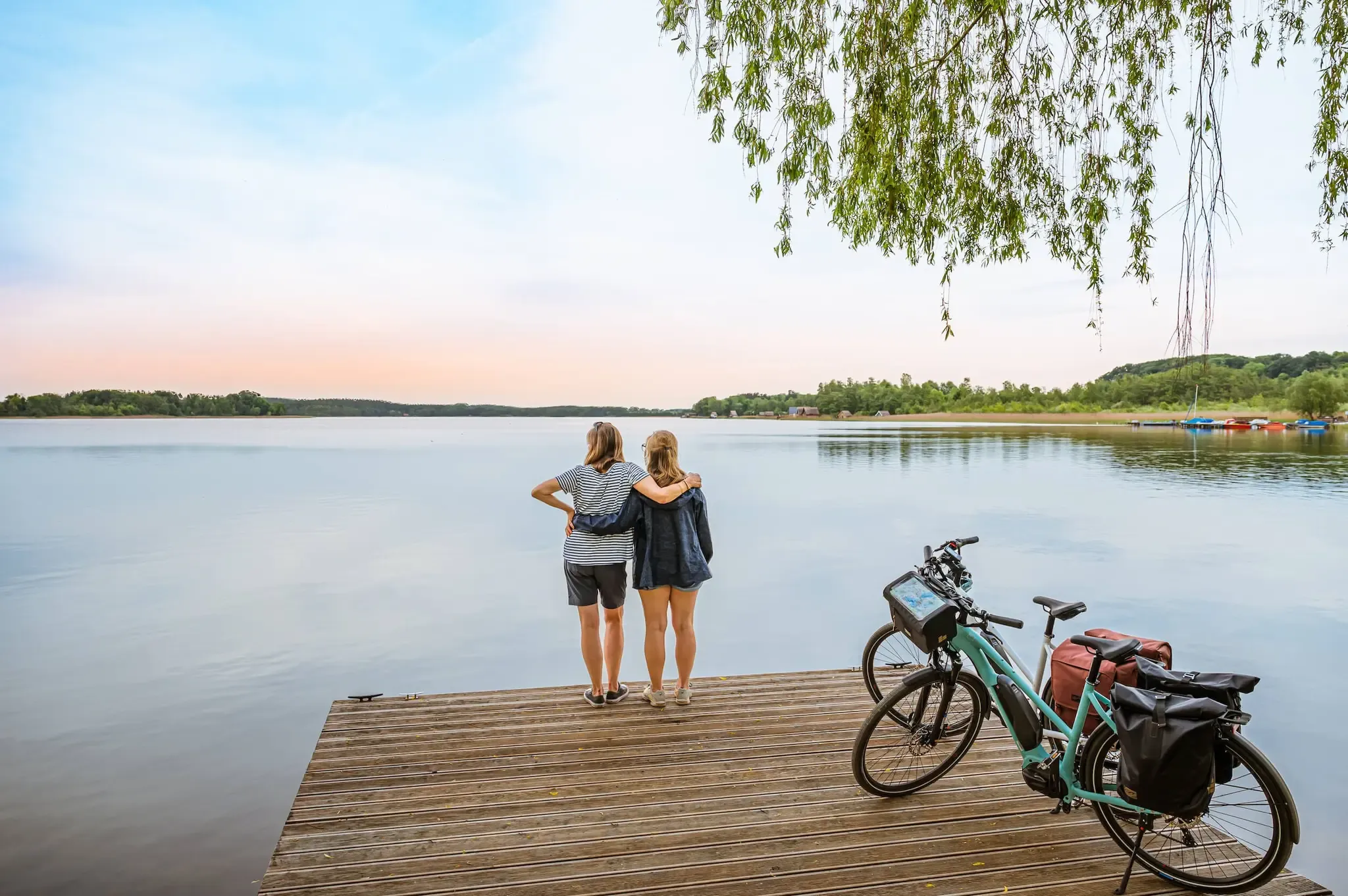
The long distance bicycle route Berlin-Copenhagen
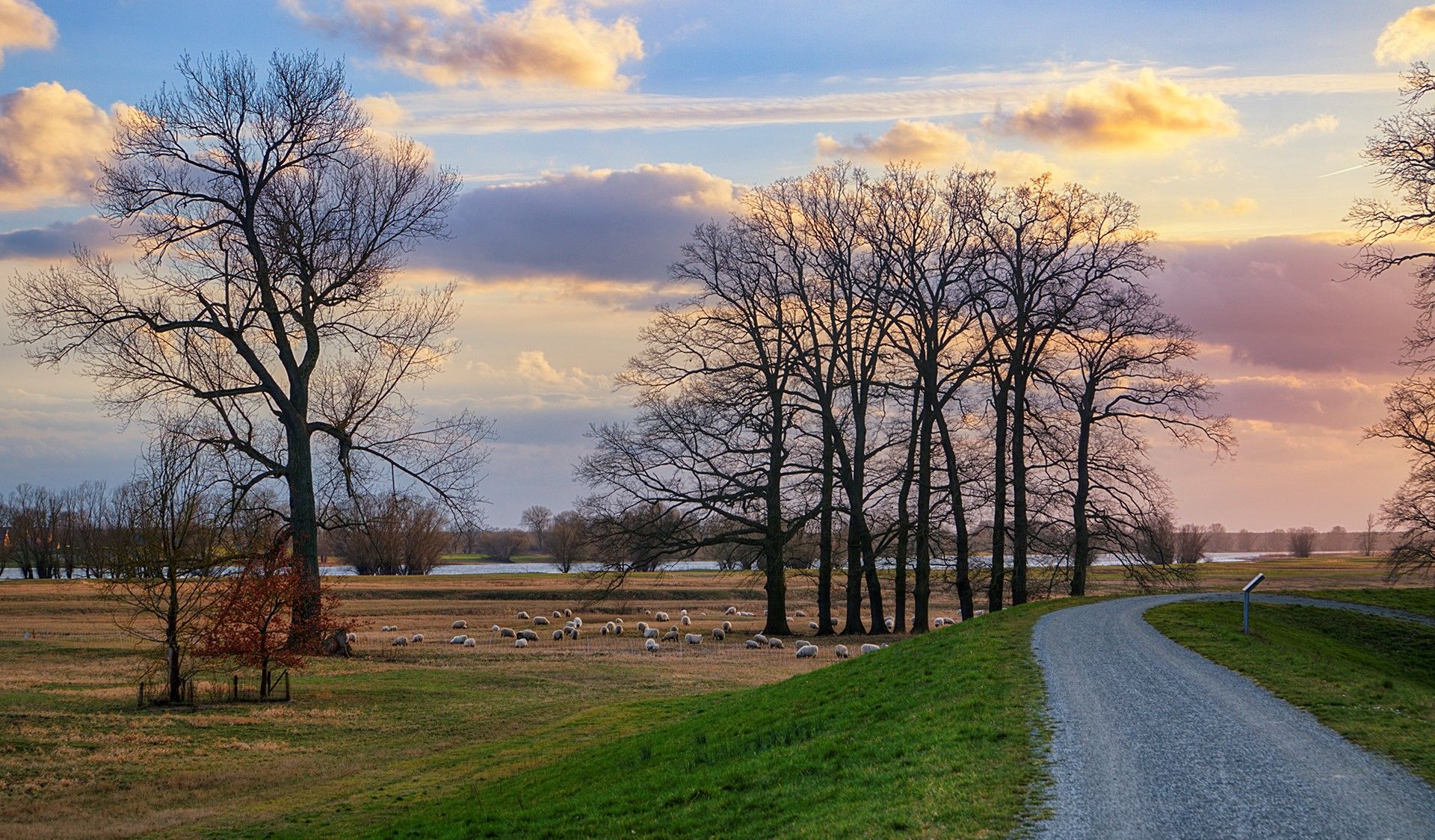
Tour Brandenburg – Cycle around Berlin in 18 stages
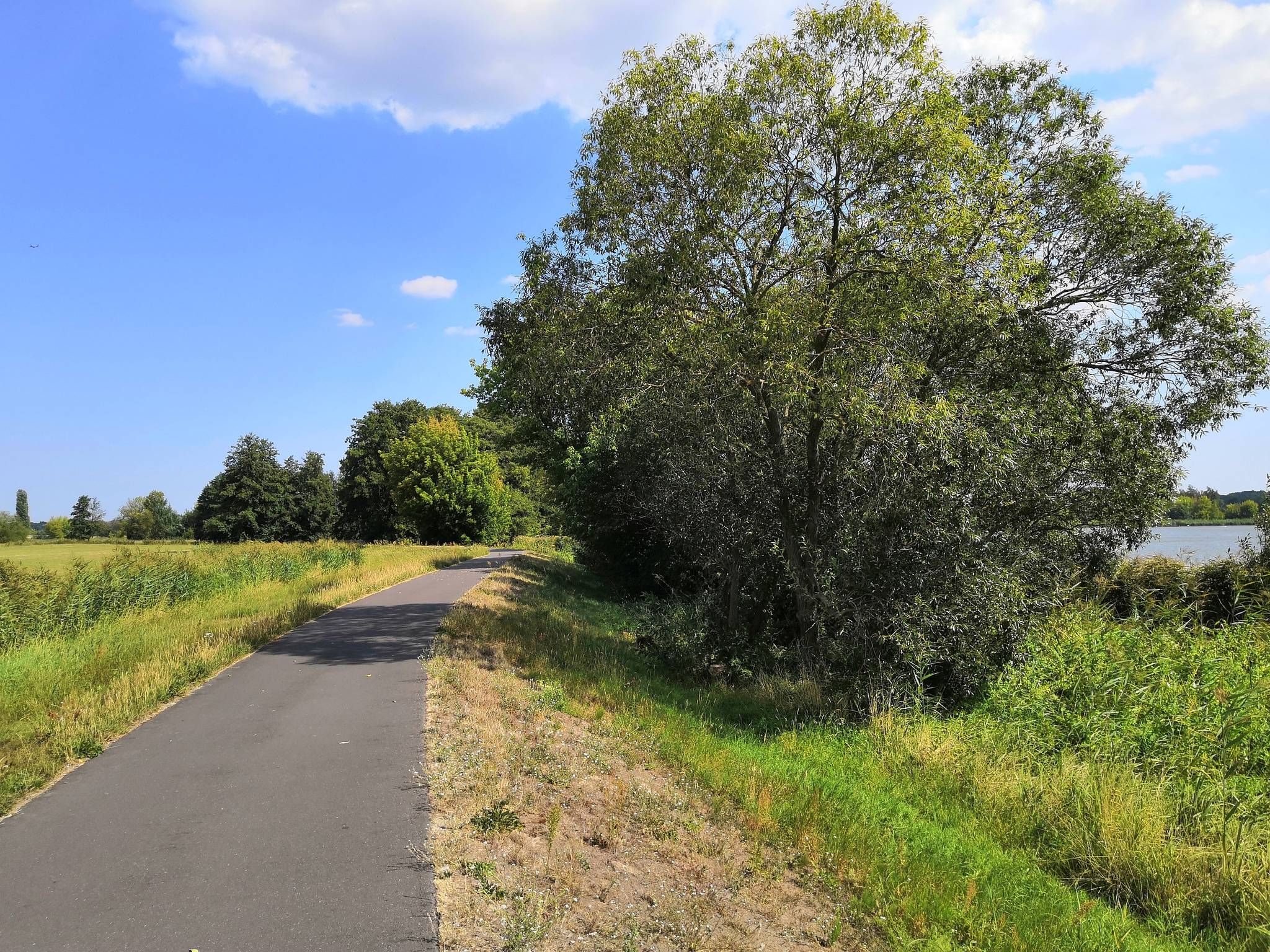
The Havel Cycle Path – in 6 stages from its source to its mouth
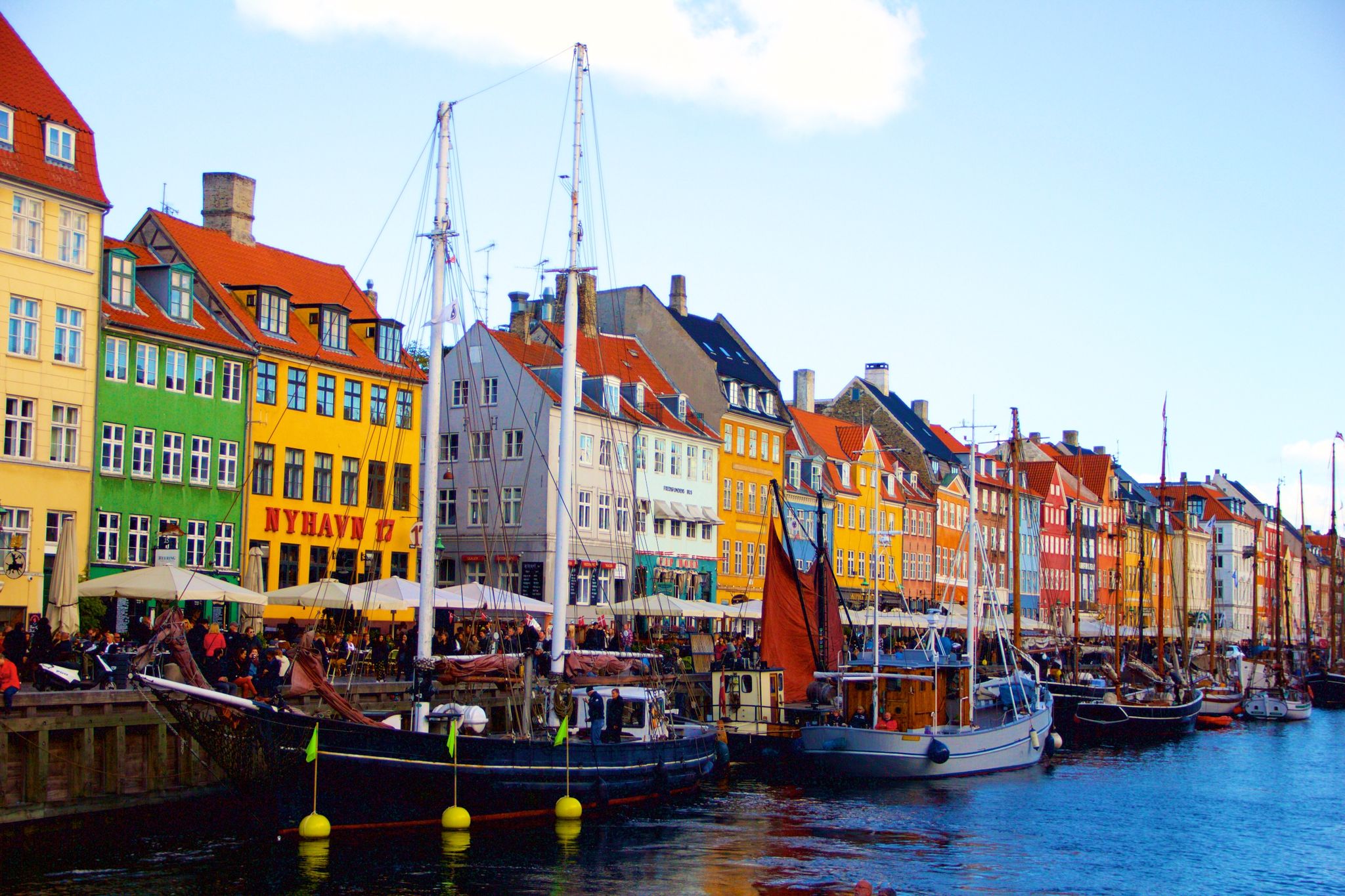
Berlin. Fehmarn. Copenhagen. An adventure on two wheels.
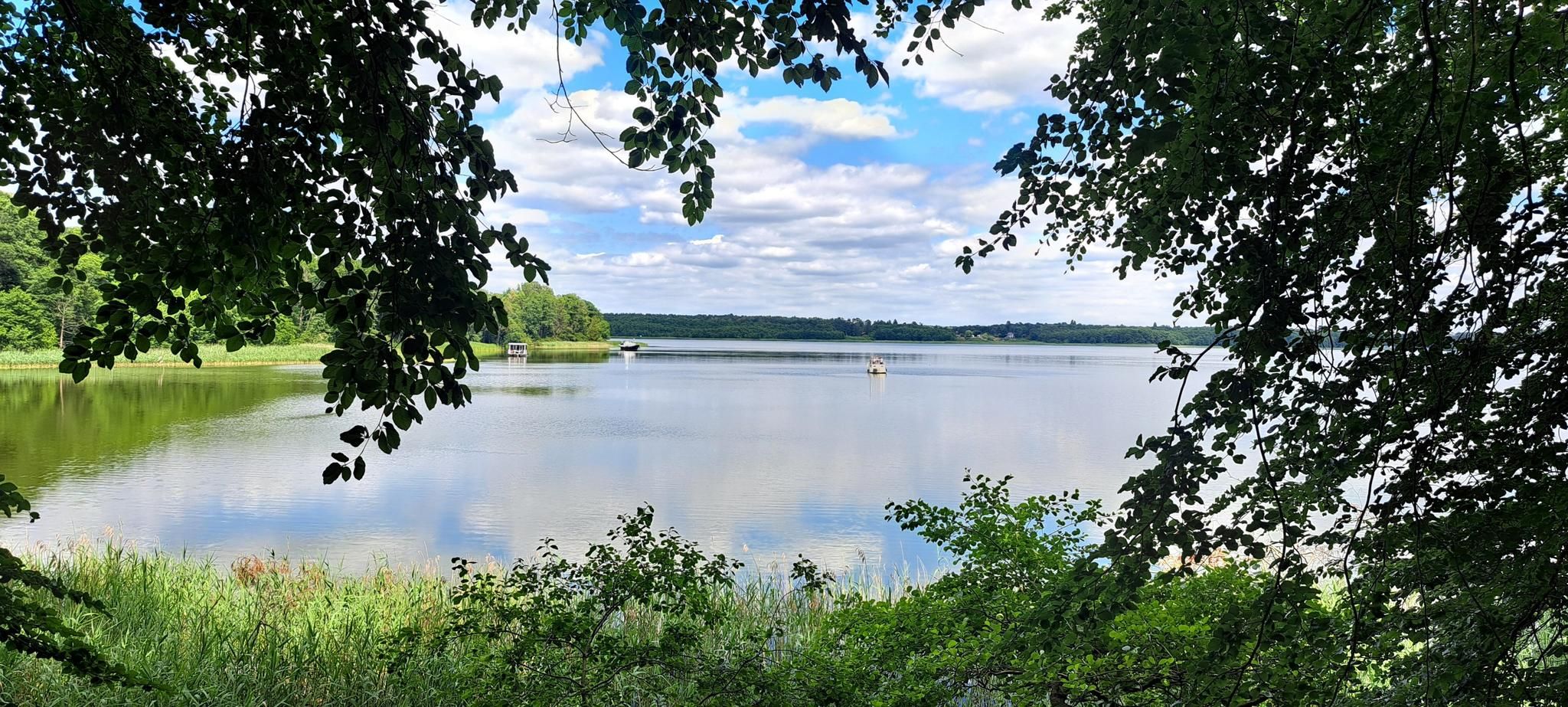
The National Natural Landscapes in Brandenburg
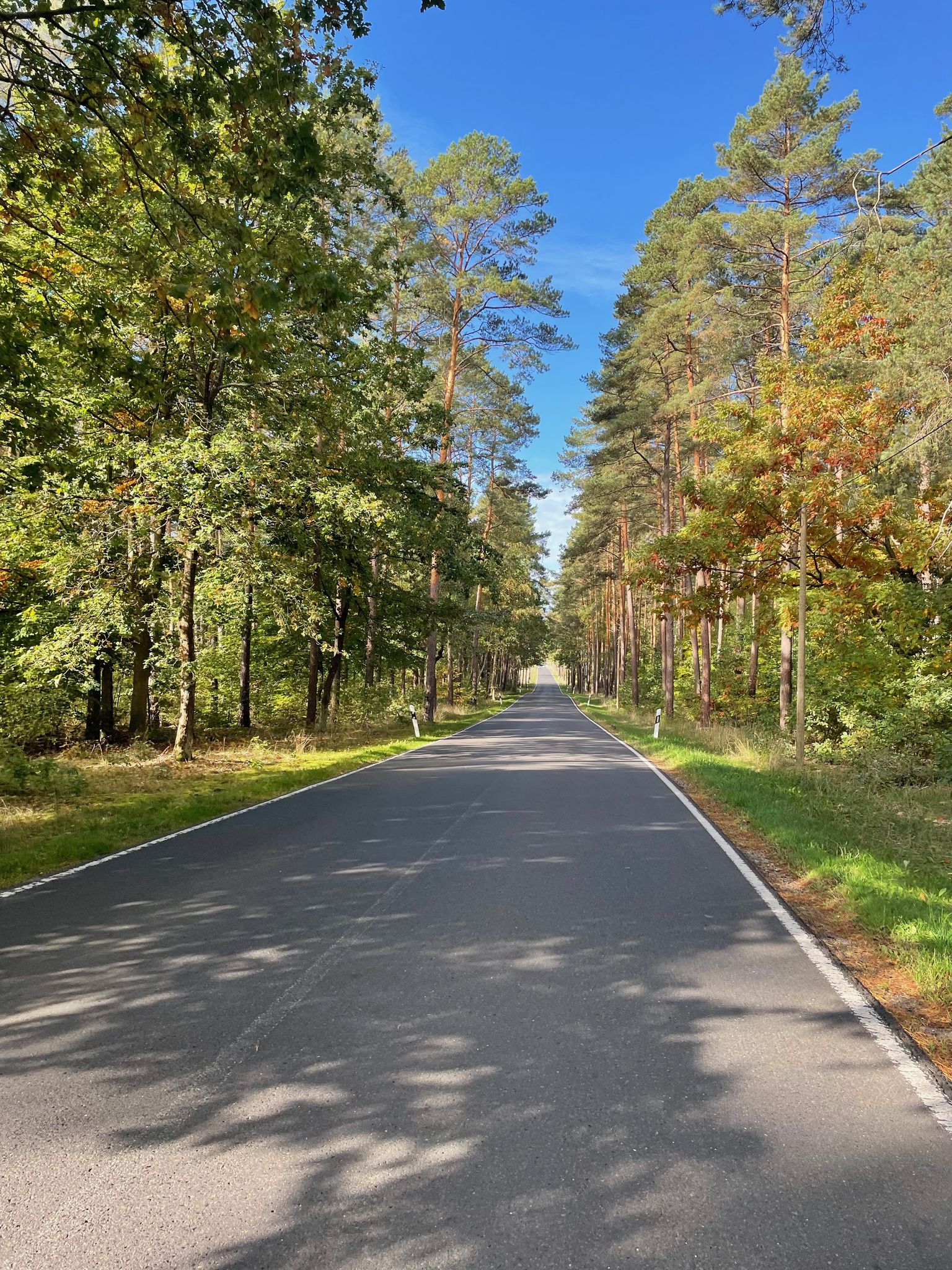
The Glacial Series of the Uckermark – bikepacking north of Berlin
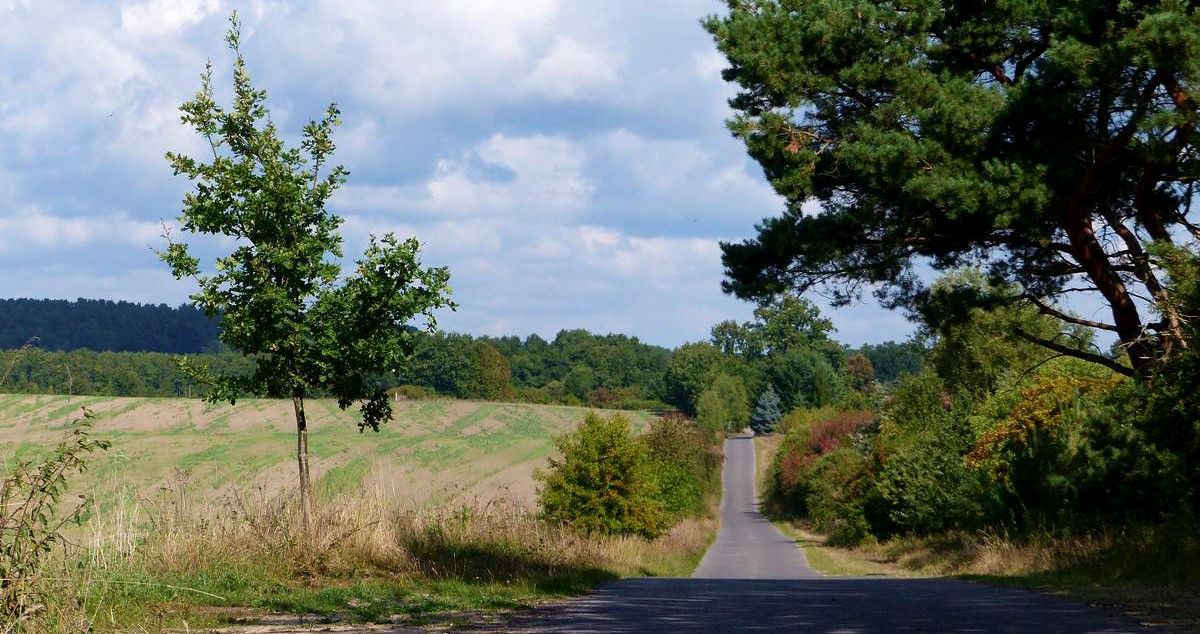
Cycling the Ice Age Route in the Mecklenburg Lake District
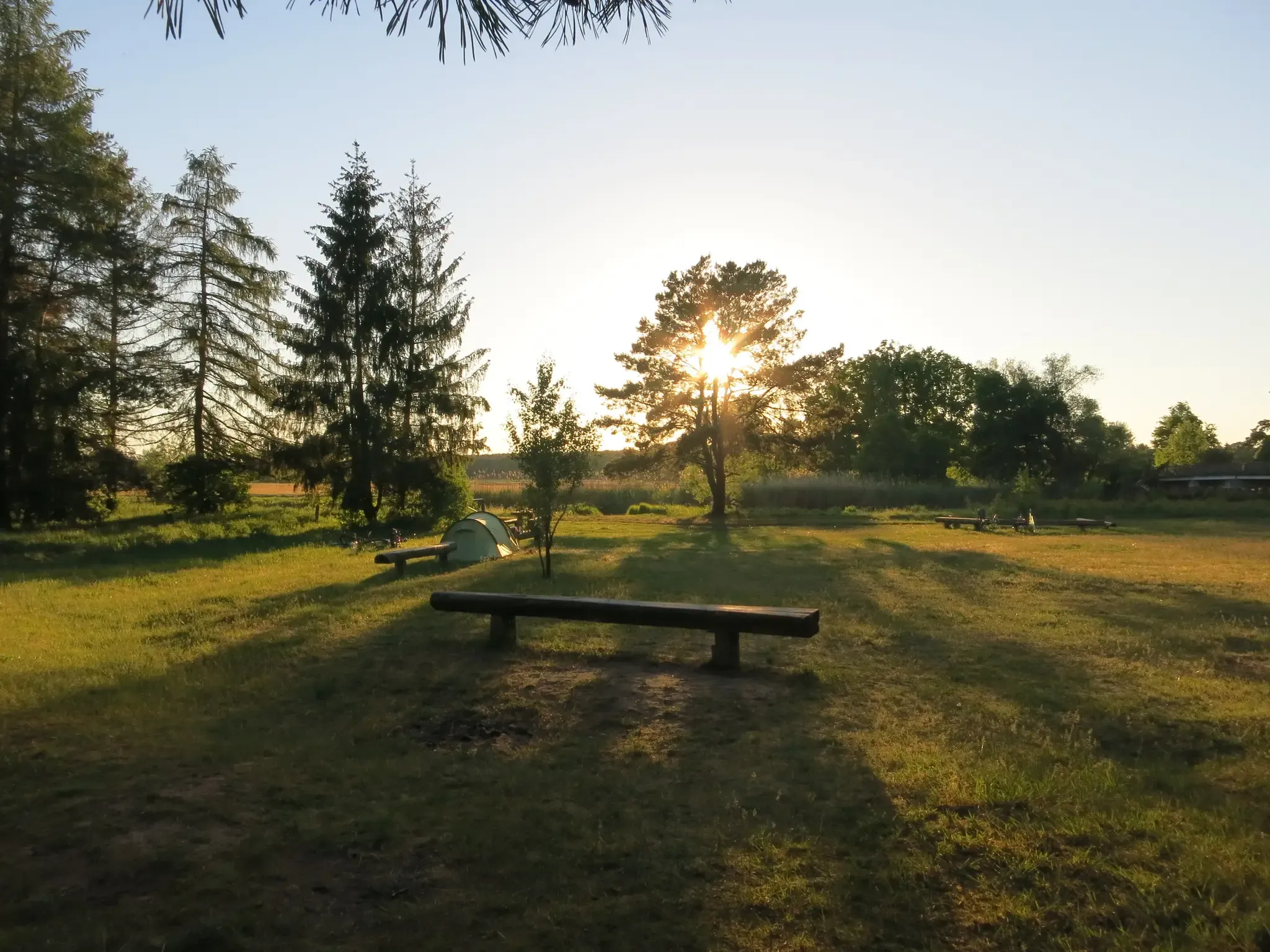
Natural campsites around Berlin
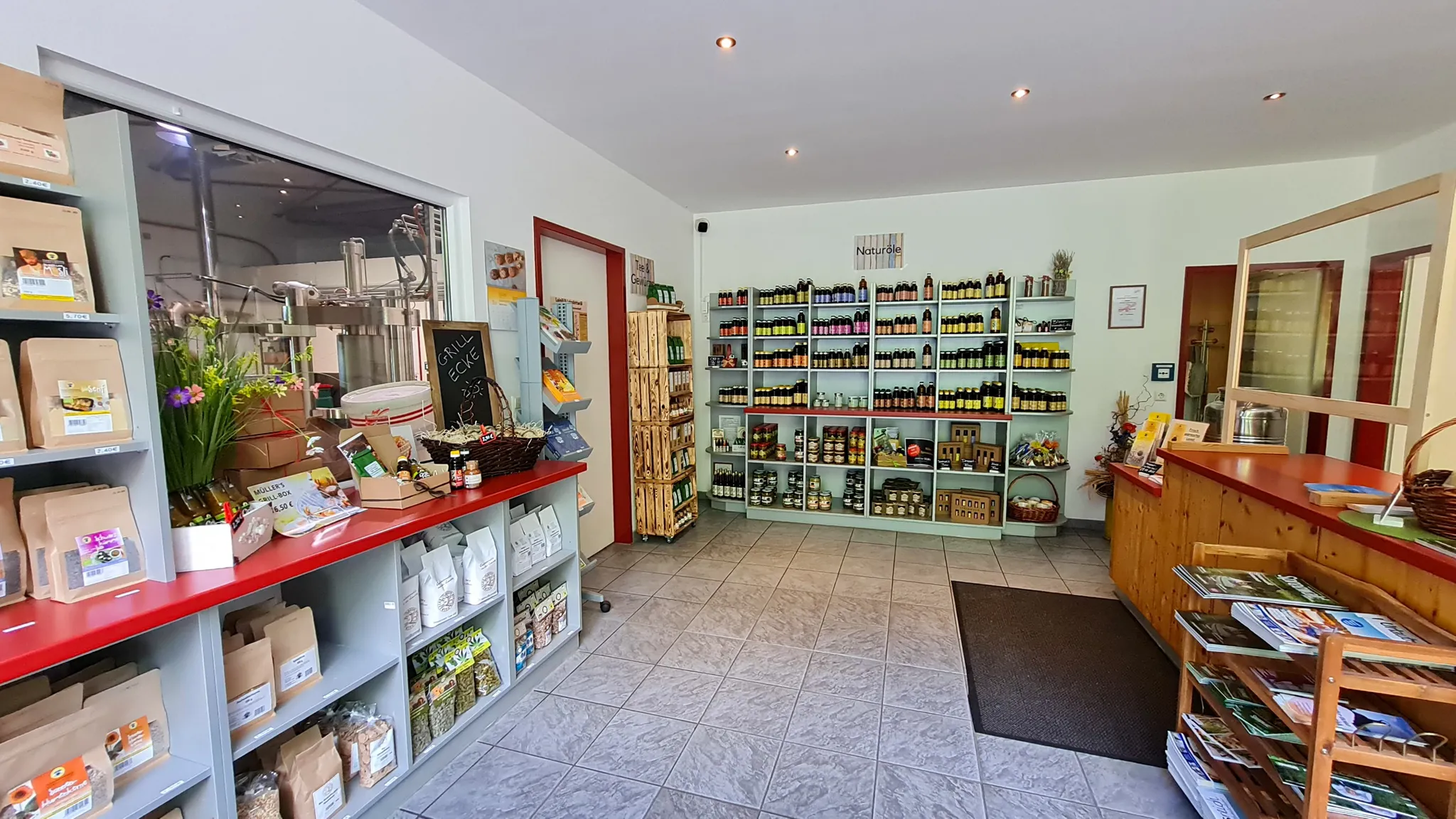
Farm shops in Brandenburg
Schotterglück und Overnight-Abenteuer – Graveln mit Roeckl Sports
Other adventures around Fürstenberg/Havel


Tips from the Community


The first lock between the Haussee and the Stolpsee was built in connection with the navigability of the Woblitz in 1752. In order to accommodate the growing shipping on the waters there, a lock was built between 1879 and 1882 according to the Finow standard, reconstructed in 1907 and renovated and rebuilt in 1976. Before the reconstruction in 1976, the lock chamber had sloping gravity walls made of bricks with driven wooden piles for mooring the ships. Source: Wikipedia
8
0
The first lock between the Haussee and the Stolpsee was built in connection with the navigability of the Woblitz in 1752. In order to accommodate the growing shipping on the waters there, a lock was built between 1879 and 1882 according to the Finow standard, reconstructed in 1907 and renovated and rebuilt in 1976. Before the reconstruction in 1976, the lock chamber had sloping gravity walls made of bricks with driven wooden piles for mooring the ships. Source: Wikipedia
9
0

Cute place, Santa Claus is currently sleeping there in the Christmas room. A must for children!
0
0

beautiful little lock in the heart of Himmelpfort
2
0

cute little village AND Santa Claus workshop
2
0

Nice bike route through the area.
3
0

The place was created at the beginning of the 14th century for the convent buildings of the Cistercian monastery Himmelpfort and is known today for its Christmas post office.
3
0
Frequently Asked Questions
What historical sites can I visit in Fürstenberg/Havel?
Fürstenberg/Havel offers several significant historical sites. The Ravensbrück Memorial is a powerful and crucial site reflecting a dark chapter of history. You can also explore the ruins of the Himmelpfort Cistercian Monastery, the 12th-century Old Castle, and the impressive Neo-Gothic Town Church. The historic town center itself, situated on islands, invites visitors to discover its rich past.
Where can I learn about the region's industrial heritage?
You can learn about the region's industrial past at the Brick museum and park. Located in Mildenberg, this museum showcases the history of the former large brick factory, detailing the story of brick-making in the area and its impact on the landscape.
What natural attractions are there around Fürstenberg/Havel?
Fürstenberg/Havel is renowned for its natural beauty, surrounded by the **Röblinsee**, **Baalensee**, and **Schwedtsee** lakes, with the Havel River flowing through the town. The area is nestled within extensive forests and lies between the Uckermärkische Seen and Stechlin-Ruppiner Land nature parks, offering clean waters and lush landscapes reminiscent of Sweden.
Are there good places for hiking or walking in the area?
Yes, the region offers numerous opportunities for hiking and walking. A notable option is the Trünnensee and Buchsee Forest Trail, which features a varied landscape of lakes, beech forests, and fields with scenic views. For more options, you can explore various easy hikes around Fürstenberg/Havel, such as the 'Fürstenberg Lock – View of Lake Baalensee loop', which you can find details about in the Easy hikes around Fürstenberg/Havel guide.
What cycling routes are available in Fürstenberg/Havel?
Fürstenberg/Havel is excellent for cycling. You can find routes like the 'Trail through the Döbertstich and Pappelstich ponds', which offers a quiet bike path with observation points. The region is also part of the Berlin-Copenhagen cycle path. For more detailed routes, check out the Cycling around Fürstenberg/Havel guide, which includes routes like the 'Bredereiche Lock – Himmelpfort Lock loop'.
Can I enjoy water activities in Fürstenberg/Havel?
Absolutely! As Germany's 'water town,' Fürstenberg/Havel is perfect for water activities. The surrounding lakes (Röblinsee, Baalensee, Schwedtsee) and the Havel River provide excellent opportunities for swimming, boating, fishing, and various water sports. The annual Brandenburg Water Festival in July celebrates this deep connection to water.
Are there family-friendly attractions in Fürstenberg/Havel?
Yes, there are several family-friendly options. The Brick museum and park is often recommended for families, offering engaging exhibitions. The charming settlement of Himmelpfort is also known for its festive atmosphere, especially around Christmas, where children can send wish lists to Santa Claus.
What do visitors particularly enjoy about the attractions in Fürstenberg/Havel?
Visitors appreciate the blend of historical significance and natural beauty. The community frequently highlights the serene bike paths through nature, the historical insights offered by sites like the Brick Museum, and the lively atmosphere around the Himmelpfort Lock, where there's always something happening. The region's extensive waterways and forests are also a major draw.
What is the Himmelpfort Lock?
The Himmelpfort Lock is a significant man-made structure connecting the Haussee and Stolpsee. First built in 1752 and reconstructed multiple times, it's a historical point of interest demonstrating the region's long connection to shipping and is a popular spot where visitors can observe boats passing through.
Is there a local museum in Fürstenberg/Havel?
Yes, the Fürstenberg/Havel Museum provides insights into the town's history. It features exhibitions that delve into the local heritage, including the fascinating history of rafting on the Havel River.
What is Fürstenberg Palace?
Fürstenberg Palace, located north of the town center, is a beautiful baroque palace constructed between 1741 and 1752 for Dorothea Sophie of Mecklenburg-Strelitz. It stands as a striking example of 18th-century architecture and is a notable landmark in the area.
Are there opportunities for mountain biking near Fürstenberg/Havel?
Yes, there are several mountain biking trails in the vicinity. You can find moderate routes such as the 'View of Lake Stechlin – Lake Stechlin loop' or the 'Stolpsee – Bredereiche Lock loop'. More options are detailed in the MTB Trails around Fürstenberg/Havel guide.
Most popular routes around Fürstenberg/Havel
Most popular attractions around Fürstenberg/Havel

Get inspired with the komoot mobile app


Explore more
Still not found the Highlight you’re looking for? See guides of the top attractions in other regions:
