The best walks and hikes in Riserva Naturale Basso Merse
4.3
(411)
1,434
hikers
44
hikes
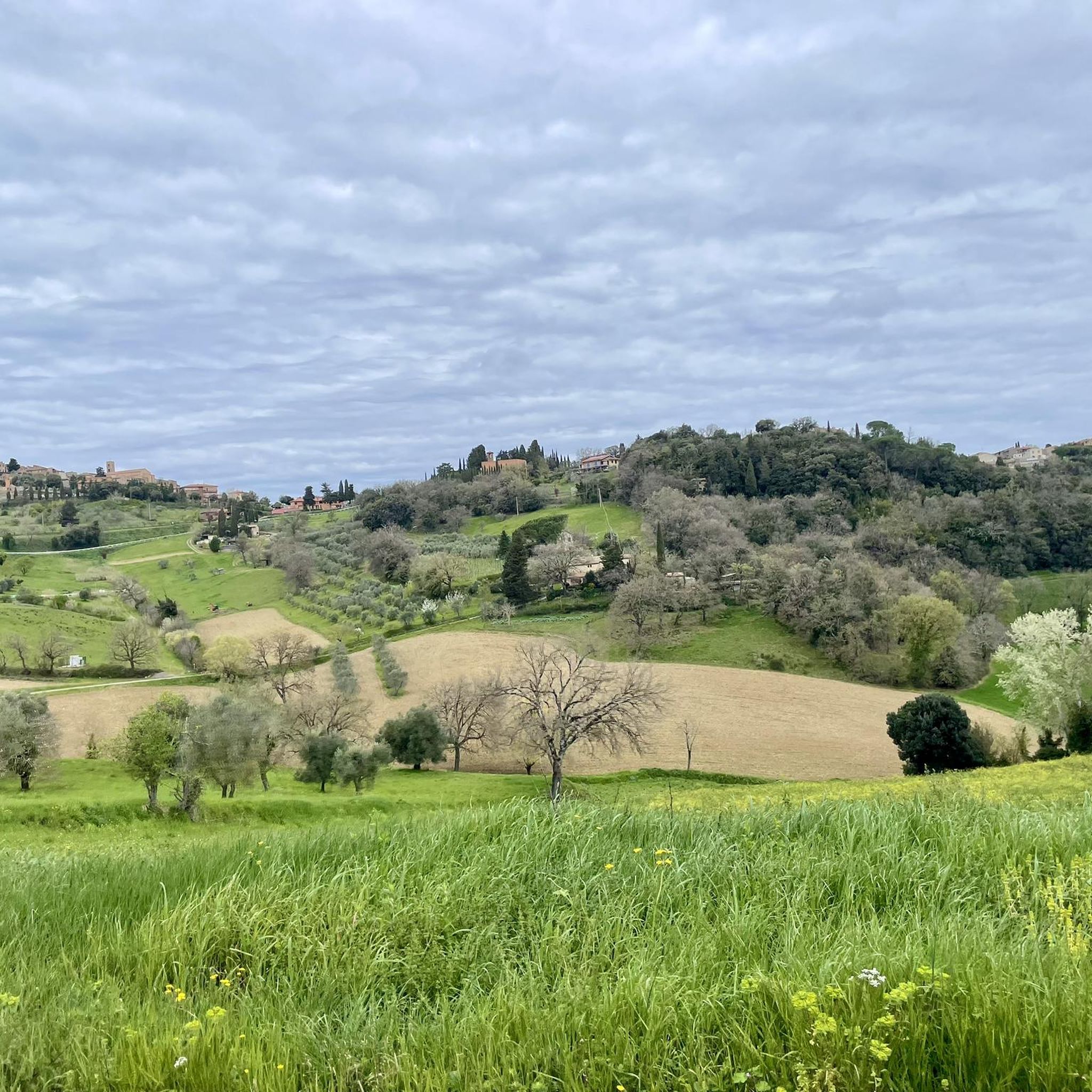
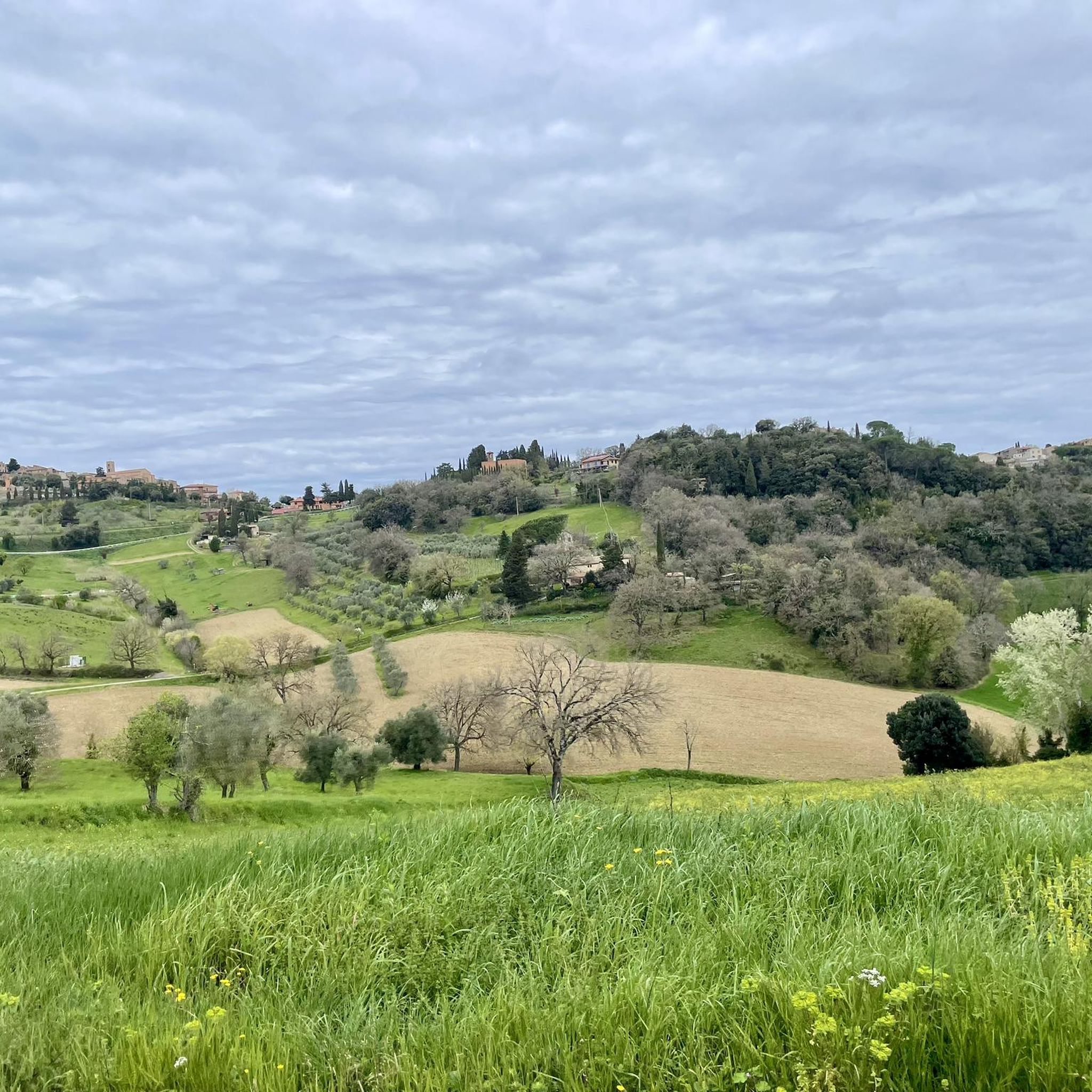
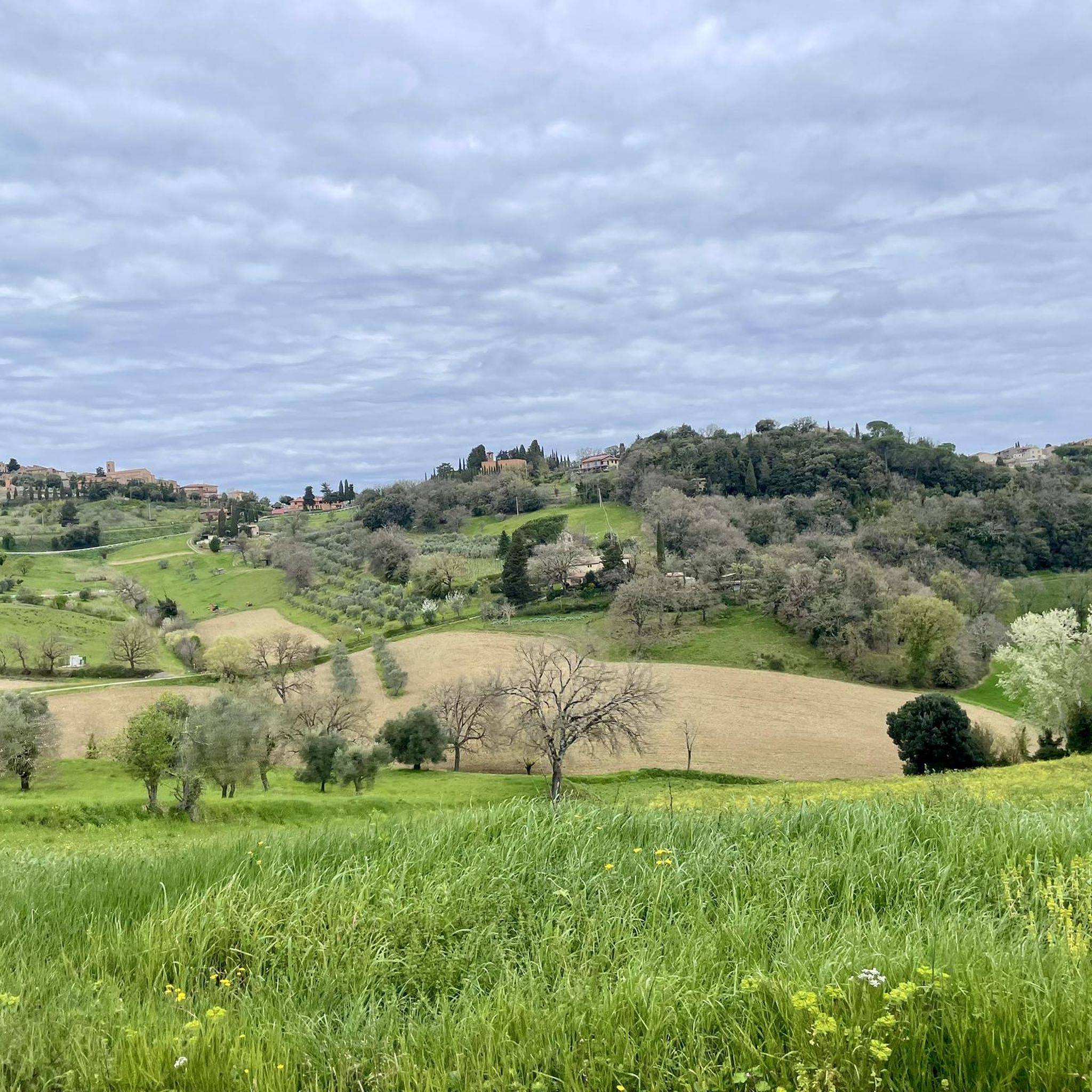
Hiking in Riserva Naturale Basso Merse offers diverse landscapes characterized by its riverine environments, mixed forests, and hilly terrain. Located in the provinces of Siena and Grosseto, the reserve protects the ecosystems along the Merse, Farma, and Crevole rivers. The area features distinctive serpentinite rock formations and generally does not exceed 1,300 feet (400 meters) above sea level. These natural features provide varied hiking trails suitable for different fitness levels.
Best hiking trails in Riserva Naturale Basso Merse
- The most popular hiking route is The Farma stream and the baths of Petriolo, a 6.3 miles (10.2 km) trail that takes 2 hours 50 minutes to complete, leading through the river valley to the thermal baths.
- Another top favourite among local hikers is Farma Stream – Petriolo Thermal Baths loop from Bagni di Petriolo, a moderate 8.9 miles (14.3 km) path that explores the Farma stream and the thermal baths area.
- Local hikers also love the Farma Limestone Spring loop from Bagni di Petriolo, a 1.8 miles (2.9 km) trail leading through a limestone spring environment, often completed in about 51 minutes.
- Hiking in Riserva Naturale Basso Merse is defined by riverine environments, mixed forests, and unique serpentinite rock formations. The network offers options for different ability levels, from easy walks to more challenging moderate trails.
- The routes in Riserva Naturale Basso Merse are highly rated by the komoot community with an average score of 4.3 stars from over 300 reviews. More than 1,300 hikers have used komoot to explore Riserva Naturale Basso Merse's varied terrain.
Last updated: July 9, 2026
4.5
(4)
9
hikers
10.2km
02:50
190m
180m
Embark on a moderate 6.3-mile (10.2 km) hike along the Farma stream and through the Tuscan Maremma, taking approximately 2 hours and 50 minutes to complete. This trail offers a unique blend of natural beauty, leading you directly along the Farma riverbed, where you will navigate wet stones and sometimes ankle to knee-deep water. You will also pass through ancient cork oak forests and spectacular gorges with rocks dating back to the Carboniferous period, gaining about 618 feet (188 metres) in elevation.
While parts of the route are easily accessible, hiking along the riverbed demands good balance and sure-footedness. This moderate trail requires good fitness, and sturdy shoes are essential; high and structured hiking boots along with trekking poles are recommended for your comfort and safety. Be prepared for diverse terrain, including some less-trafficked asphalt roads, as you explore the unspoiled nature reserves of the Val di Merse.
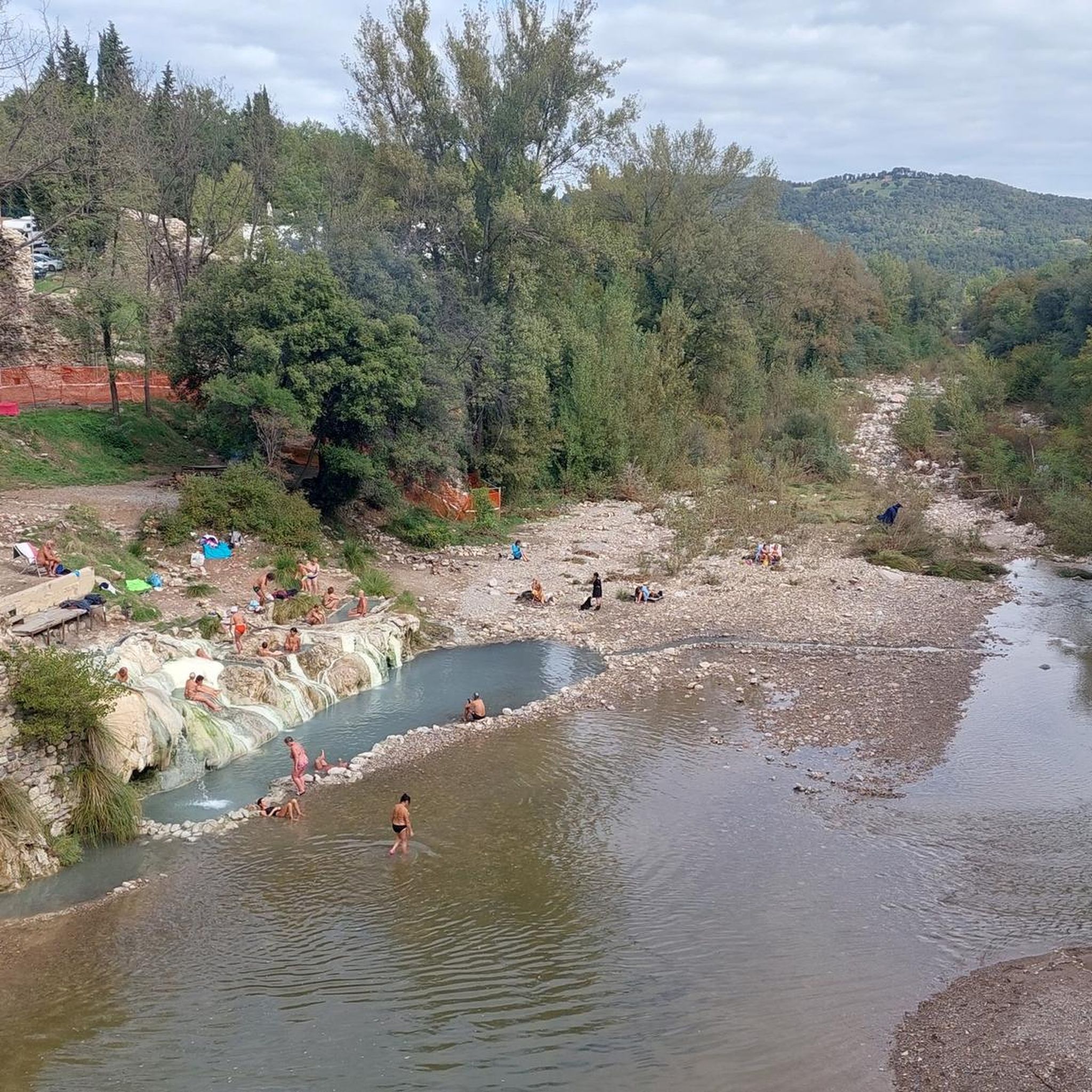
The highlight of this trail is undoubtedly the ancient Petriolo Thermal Baths, known since Roman times, where sulfureous waters gush out at 43°C (109°F). You can experience these therapeutic waters in natural pools like Pozzo dell'Inferno and Vascone, where the warm spring water mixes with the cooler river currents. This unique setting provides a regenerating experience, allowing you to alternate between warm thermal basins and refreshing river waters, offering a rustic escape from mass tourism.
3.8
(19)
50
hikers
14.3km
04:09
360m
360m
Moderate hike. Good fitness required. Easily-accessible paths. Suitable for all skill levels.

Sign up for free
3.0
(3)
14
hikers
Easy hike. Great for any fitness level. Easily-accessible paths. Suitable for all skill levels.
1
hikers
2.63km
00:47
80m
80m
Easy hike. Great for any fitness level. Easily-accessible paths. Suitable for all skill levels.
4.0
(3)
7
hikers
17.0km
04:55
430m
430m
Moderate hike. Good fitness required. Easily-accessible paths. Suitable for all skill levels.
Get access to more routes and recommendations from other explorers.
Sign up for free
Already have an account?
Our route recommendations are based on thousands of hikes, rides, and runs completed by other people on komoot.
Start today with a free account
Your next adventure awaits.
Login or Signup
Tips from the Community

The thermal water springs from the ground at 40° and creates several pools, forming a real little thermal bath.
0
0

Mandatory pit stop at the Petriolo spa, the water has a temperature of 42°. There is a food truck where you can eat very well.
0
0

A beautiful town, not too famous, making it even more authentic and less frequented.
1
0

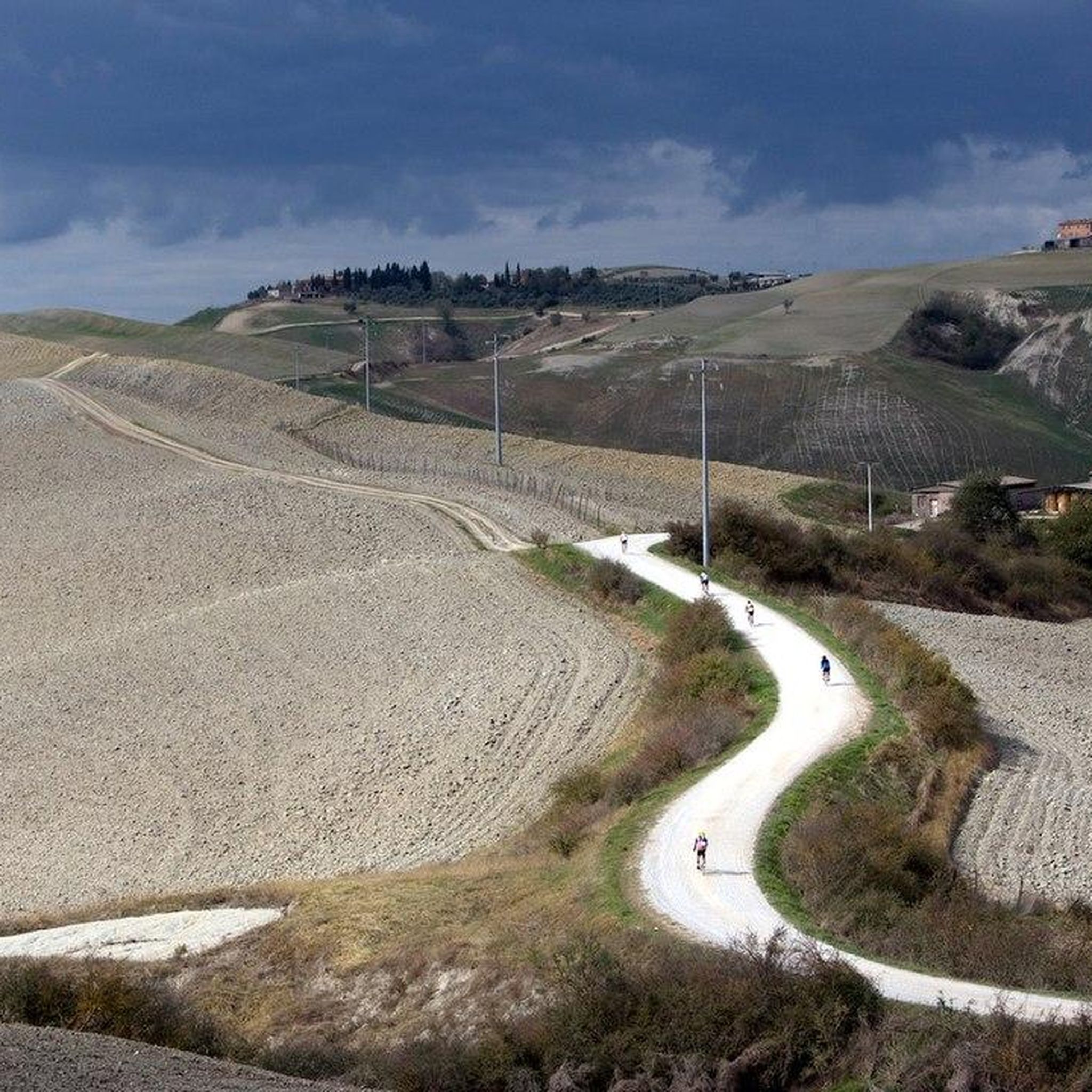
The former railway line has been opened up for tourism for hikers, cyclists and horse riders. Many information boards tell the story, benches invite you to linger. The structures (bridges, gorges, etc.) are interesting. However, the route is damaged in some places, so the passage by bike is not very easy (short, narrow, steep path). Impossible with the horse. Here is the official information: On the tracks of the railway from Miniere di Murlo This trail follows the first part of the railway track that served the mining village of Murlo. The railway began operations in 1877, transporting lignite and lime produced here to the coastal Grosseto region and northern Italian markets. It was believed that only a fast transportation system like the railway could compete with the great distances that separated Murlo from the main commercial centers. The Società Anonima della Miniera Carbonifera di Murlo was the company that built the standard gauge railway (143.5 cm) and initially operated the mining business (1872-1876); In this phase, the railway reached Volta al Salcio, near Monte Antico, where it joined the Siena-Monte Amiata-Grosseto national railway line. Mining activity was continued by the Compagnie Francaise des Charbonnages de Pienza (1876-1885) and the Società Generale per l'Industria delle Ligniti Italiane (1886-1894) and then ceased for about 25 years until the Società SAI-Ansaldo built the disused one in 1918 railway line and converted it into a narrow-gauge railway (95 cm), which was more economical and sufficient for the small locomotives used. Ansaldo ceased operations in 1922 when the last section of the mining railway (between La Befa and Monte Antico) was expropriated for the construction of the Siena-Buonconvento-Monte Antico line, which was completed in 1927. A new management of the Murlo mines only began in 1940, when the Società Miniere Carbonifere di Murlo converted the railway into a narrow-gauge "Decauville" type (60 cm) that was even cheaper, easier and quicker to lay. to La Befa; A warehouse was built here from which lignite was loaded onto trains on the new route to Grosseto. When the railway to Grosseto became unusable after the German damage in 1944, mining activity was stopped again. Finally, the management changed from 1951 to 1968 to Società Calce, Cementi, Carboni e Laterizi di Murlo, which was actually never active. Information about the route: Distance: 7 km Time: 1 hour and 40 minutes Total ascent: -188 m Difficulty: easy trail, all downhill to La Befa train station. Hiking shoes or boots and a good supply of water are required. The route can be covered on foot, by bike or on horseback. The last section between Molino della Befa and the train station is passable but has little traffic. For the way back on the same path, a total ascent of +188 m and about 2 hours can be expected.
0
0

Bridge over the crevole river in the path on the route of the old murlo mines railway
0
0

The Farma is an Italian torrent, which flows in the Tuscany region, between the provinces of Grosseto and Siena. Source: https://it.wikipedia.org/wiki/Farma
0
0
The Terme di Petriolo are a Tuscan thermal spring. The location is in the Ombrone Valley, along the course of the Farma river, on the border between the municipalities of Monticiano and Civitella Paganico, respectively in the province of Siena and in that of Grosseto. Source: https://it.wikipedia.org/wiki/Terme_di_Petriolo
0
0
Frequently Asked Questions
How many hiking trails are available in Riserva Naturale Basso Merse?
There are over 45 hiking routes in Riserva Naturale Basso Merse. These include 12 easy trails, 29 moderate trails, and 5 more challenging options, catering to various fitness levels.
What kind of terrain can I expect to find in Riserva Naturale Basso Merse?
The reserve features diverse terrain, including lush riverine environments along the Merse, Farma, and Crevole rivers, mixed forests, open grasslands, and distinctive rocky outcrops. The landscape is generally hilly, with elevations not exceeding 400 meters above sea level, and is characterized by oak woods and Mediterranean scrub.
Are there any unique natural features to observe in the reserve?
Yes, a striking feature is the presence of serpentinite, a dark green rock that supports specialized flora found nowhere else in the surrounding landscape. The reserve also protects the confluence of the Merse and Ombrone rivers, creating a dynamic river habitat.
Can I visit the Petriolo Thermal Baths while hiking in the area?
Absolutely. The famous Petriolo Thermal Baths are a significant attraction within or near the reserve, offering natural thermal springs along the Farma river. Several hiking routes incorporate these baths, such as the Farma Stream – Petriolo Thermal Baths loop from Bagni di Petriolo, providing a unique blend of nature and relaxation.
What kind of wildlife might I encounter during a hike?
The reserve is home to diverse wildlife. Along the waterways, you might spot European otters, common kingfishers, European green toads, and spectacled salamanders. The clearings attract birds of prey like the short-toed eagle and kestrel, while roe deer and wild boars can be observed, especially after dusk.
Are there any circular hiking routes available?
Yes, the reserve offers several circular routes. A notable one is the Conventaccio Ring, which explores unique environments including serpentinite outcrops and an old oak forest, leading to the ruins of the Hermitage of Montespecchio. Other options include the Farma Limestone Spring loop from Bagni di Petriolo and the Petriolo Thermal Baths loop from Bagni di Petriolo.
Are there family-friendly hiking options in Riserva Naturale Basso Merse?
Yes, there are several easy trails suitable for families. For example, the Farma Limestone Spring loop from Bagni di Petriolo is an easy 2.9 km trail that takes about 51 minutes to complete, offering a pleasant walk through a unique environment.
What do other hikers enjoy most about Riserva Naturale Basso Merse?
The area is highly rated by the komoot community, with an average score of 4.3 stars from over 300 reviews. Hikers often praise the diverse landscapes, the unique riverine environments, and the opportunity to combine hiking with a visit to the thermal baths.
What is the best time of year to go hiking in Riserva Naturale Basso Merse?
The Tuscan springs offer vibrant colors due to the specialized flora on the serpentinite rock, making it an excellent time for hiking. The diverse landscapes are enjoyable throughout much of the year, but spring and autumn generally provide the most comfortable temperatures for exploring.
Are there any challenging hikes for experienced trekkers?
While many trails are easy to moderate, some sections, like parts of the Conventaccio Ring, can be challenging due to rocky and sloping terrain, requiring appropriate hiking shoes. There are 5 difficult routes available for those seeking a more strenuous experience.
Where can I find more information about the Riserva Naturale Basso Merse?
For additional details about the reserve, including its history and conservation efforts, you can visit the official tourism sites such as visitmurlo.it or visittuscany.com.
Most popular routes in Riserva Naturale Basso Merse

Get inspired with the komoot mobile app


Explore more
Browse the best Hikes in other regions.
