Attractions and Places To See in Montagna Dei Fiori - Top 8
Best attractions and places to see in Montagna Dei Fiori, a mountain group in central Italy, offers diverse landscapes and cultural sites. Forming part of the Monti Gemelli massif and bordering the Abruzzo and Marche regions, it is known for its striking natural features including forests, prairies, caves, and gorges. The area is part of the Gran Sasso e Monti della Laga National Park, preserving its natural heritage. Montagna Dei Fiori provides opportunities for outdoor activities and exploring historical points…
Last updated: October 9, 2026
San Marco Hermitage (Eremo di San Marco)
Highlight • Religious Site
Translated by Google •
Tip by

Colle San Giacomo
Highlight • Mountain Pass
Translated by Google •
Tip by

Sign up now to discover places like this
Get recommendations on the best single tracks, peaks, & plenty of other exciting outdoor places.
San Giacomo (Montagna dei Fiori, Gran Sasso e Monti della Laga National Park)
Highlight • Settlement
Translated by Google •
Tip by

Devil's Finger
Highlight • Natural Monument
Showing Translation
Tip by

Cave of Blessed Corrado
Highlight • Cave
Translated by Google •
Tip by

Sign up for free to discover even more attractions in Montagna Dei Fiori.
Already have an account?
Start today with a free account
Your next adventure awaits.
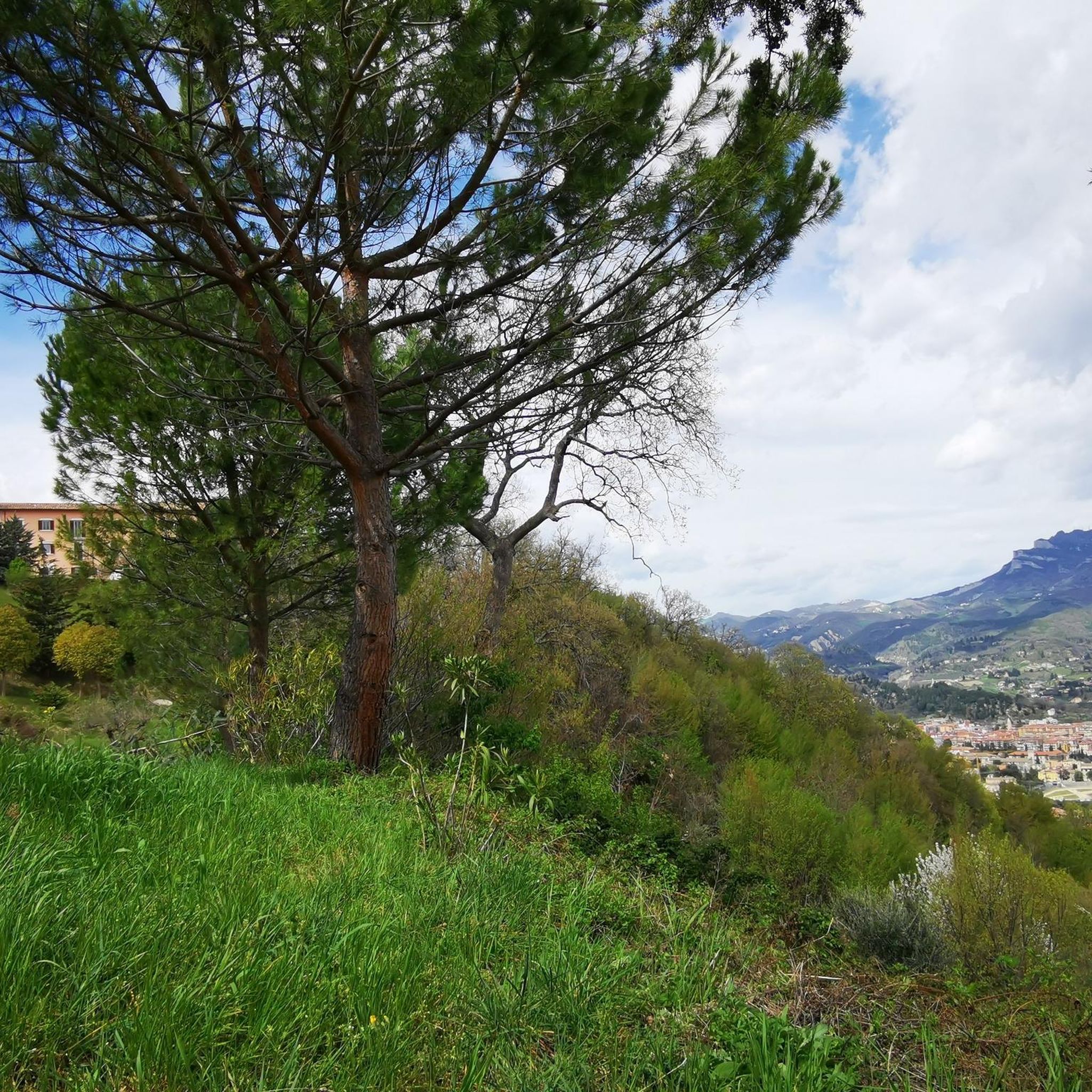

Tips from the Community

Imposing travertine spur immersed in the woods of Colle San Marco. It owes its name to its iconic shape, which resembles a gigantic index finger pointing to the sky. An ancient place of esoteric rites linked to the figure of Cecco d’Ascoli, today it is a famous rock climbing gym for bouldering and an unmissable panoramic viewpoint along the path leading to the Hermitage of San Marco.
1
0
cave with a very small entrance, pretty, worth a visit.
1
0
Ancient 13th-century monastery built in travertine and embedded in the rock. It is located on Colle San Marco, a few kilometers from Ascoli Piceno, and is reachable via a stone staircase that acts as a bridge over a deep moat. Usually open on weekends and holidays during the spring and summer months. The path to get there is also suitable for families.
1
0

short but steep path
0
0

From the imposing chestnut forest, the main path leads to a clearing located on a huge travertine spur, overlooking the forest. On the rock face, you can see, at the top right, the fascinating structure of the Hermitage of San Marco, a natural cavity closed by a church-shaped building with a bell tower and connected to the path by a stone staircase. The wall, in Romanesque style, is made of ashlar stones and has a single-lancet window and five double-lancet windows. In ancient times, the building housed a convent founded by Cistercian monks at the beginning of the 13th century and consists of two overlapping rooms, connected by a staircase resting on the rock. It is a very “poor” construction, which recalls the Benedictine monastic rule. Inside the Hermitage, it is still possible to find traces of the primitive frescoes painted by the monks on the walls and on the vault of the lower room. On the ceiling of the cave, the splendid “tapestry” of maidenhair fern is noteworthy. The Hermitage of San Marco has been restored and brought back to its maximum splendor. It retains its evocative power that attracts tourists and travelers, lovers of history and nature. (c) https://visitascoli.it/esperienze/colle-san-marco-meta-di-eremiti-nel-corso-dei-secoli/
2
0


One of the most beautiful asphalt climbs in the area, the one towards Colle San Giacomo was also tackled by the Giro d'Italia: the last time in 2021, when Gino Mader won here. Here you are at about 1,100 meters, near the ski resort of Monte Piselli.
1
0

Frequently Asked Questions
What natural features can I explore in Montagna Dei Fiori?
Montagna Dei Fiori offers diverse natural landscapes, including the prominent peaks of Monte Girella and Monte Piselli, which provide expansive panoramic views. You can also discover the dramatic Salinello Canyon, lush forests, prairies, intriguing caves like the Cave of Blessed Corrado, and unique rock formations such as Il Dito del Diavolo ("The Devil's Finger"). The region is part of the Gran Sasso e Monti della Laga National Park, safeguarding its rich ecosystems.
Are there any historical or cultural sites to visit in Montagna Dei Fiori?
Yes, Montagna Dei Fiori is rich in history. A notable site is the San Marco Hermitage (Eremo di San Marco), a captivating 13th-century Cistercian monastery built into a natural cavity. You can also find 'Le Caciare,' fascinating dry-stone shepherd huts scattered across the landscape, historically used for shelter and cheese storage. The area around Colle San Marco also holds historical significance, connected to monks, shepherds, and partisans.
What kind of outdoor activities are popular in Montagna Dei Fiori?
Montagna Dei Fiori is a popular destination for various outdoor activities. Hiking is a favorite, with numerous trails for all fitness levels. Mountain biking is particularly popular around Monte Piselli, known for its extensive trail network. During winter, the ski resorts near San Giacomo and Monte Piselli offer opportunities for skiing and other winter sports. The diverse landscapes also make it ideal for photography.
Are there easy hiking trails suitable for families in Montagna Dei Fiori?
Yes, Montagna Dei Fiori offers several easy hiking trails suitable for families. Popular routes include the 'Devil's Finger – Ruins of San Lorenzo Monastery loop' and the 'Cave of Blessed Corrado – Devil's Finger loop'. You can find more options and detailed information on easy hikes in the region by visiting our dedicated guide: Easy hikes in Montagna Dei Fiori.
Where can I find the best panoramic views in Montagna Dei Fiori?
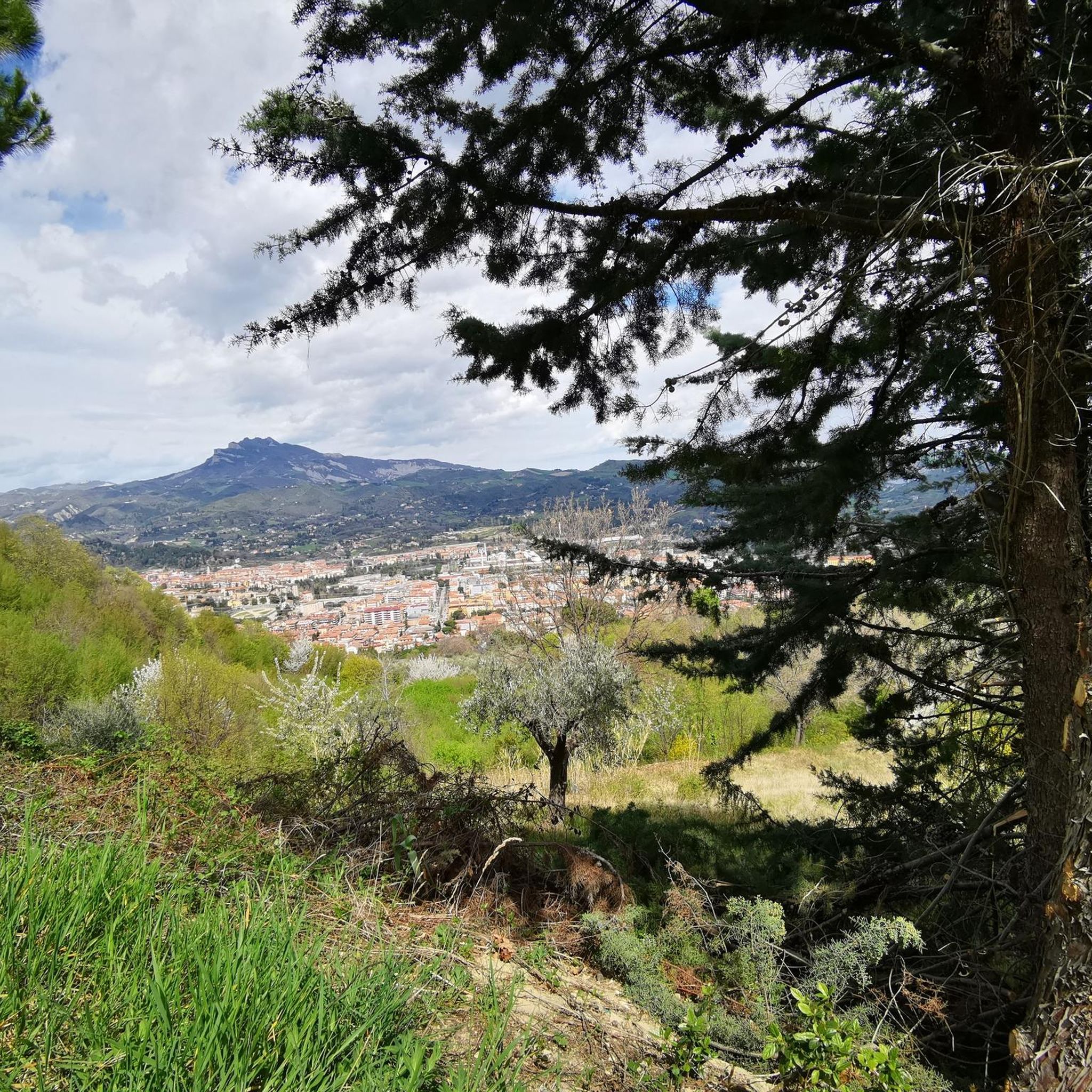
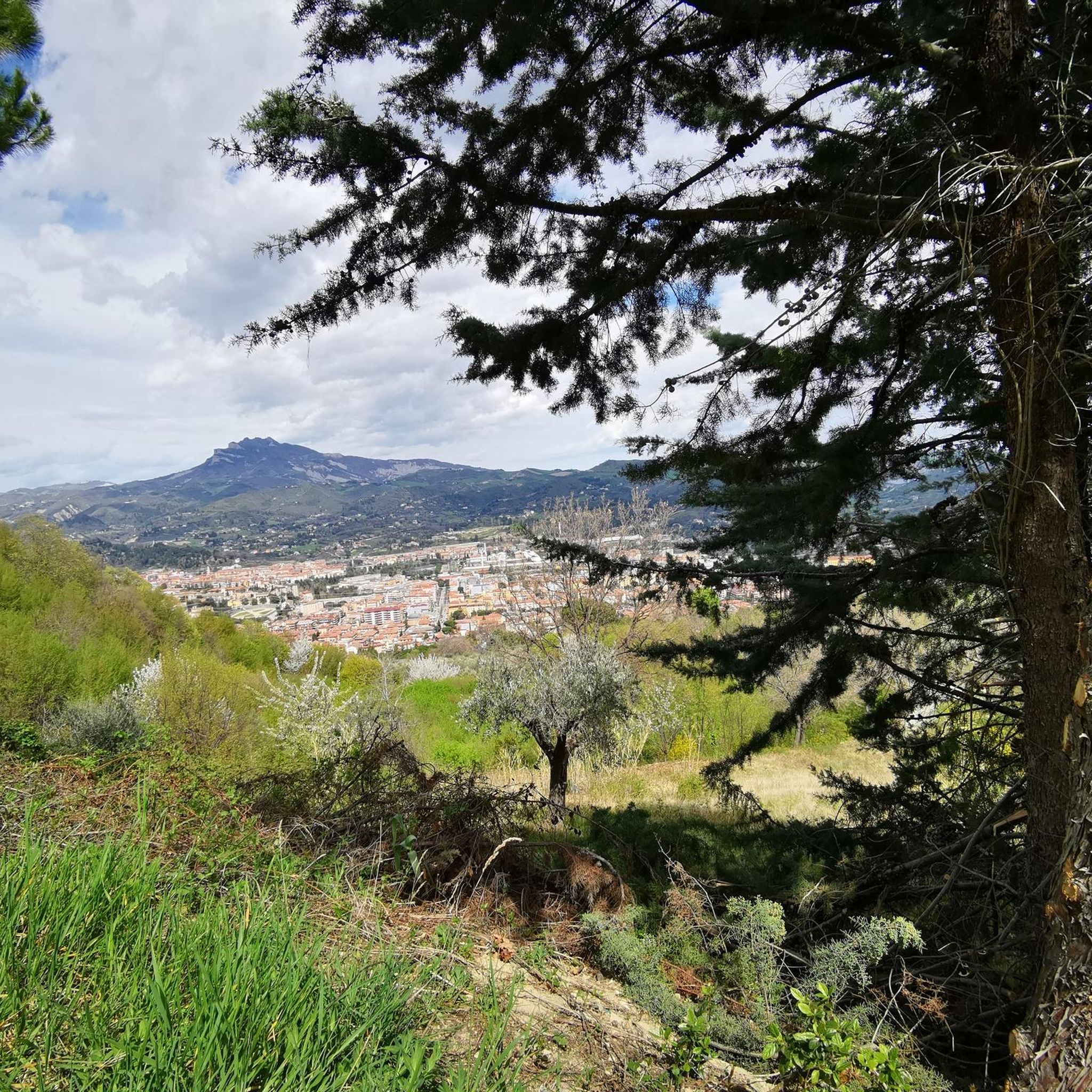
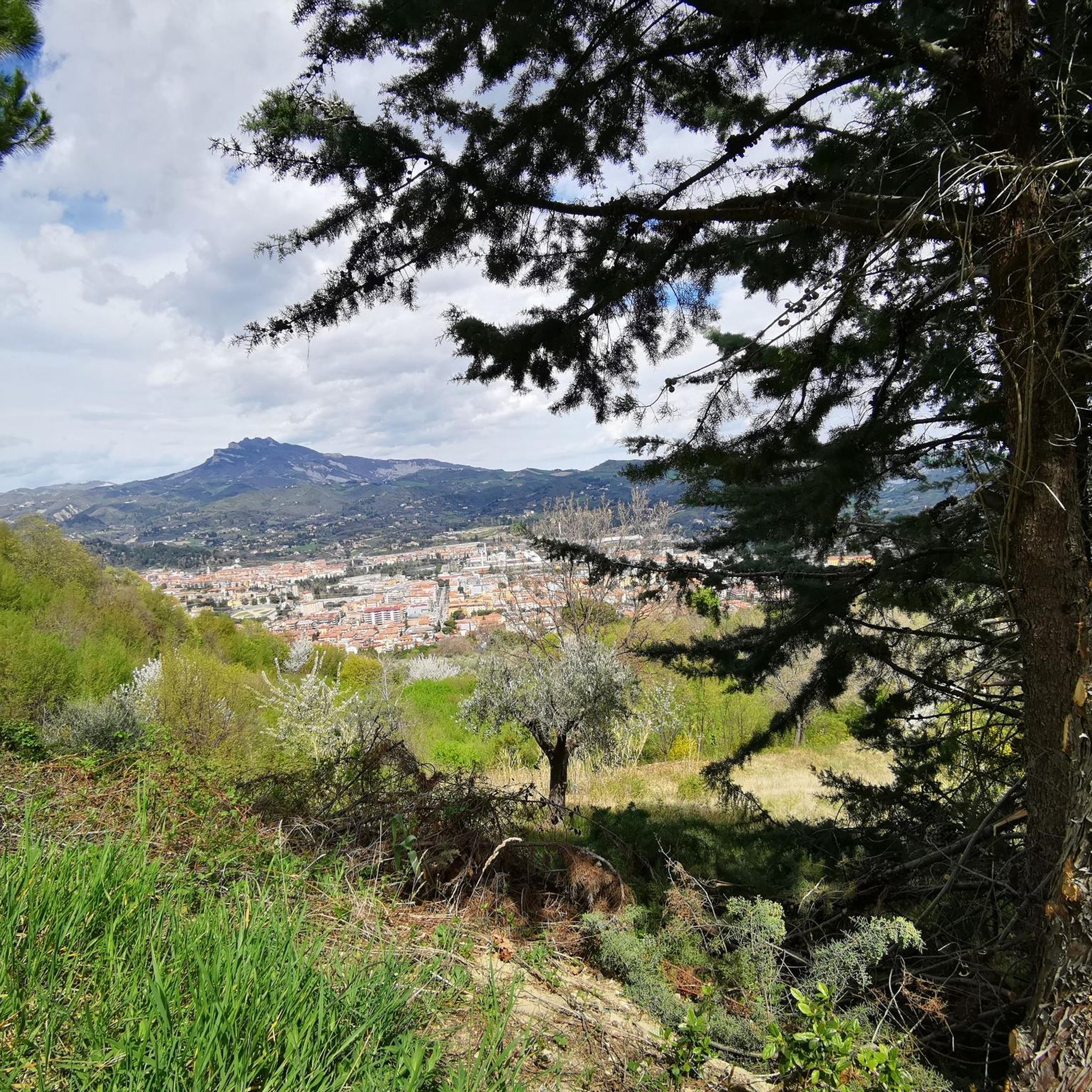
For breathtaking panoramic views, head to the peaks of Monte Girella and Monte Piselli, where you can see the Adriatic Sea, Gran Sasso, Monti della Laga, and Sibillini mountains on clear days. Colle San Giacomo, a mountain pass at about 1,100 meters, also offers beautiful vistas. Additionally, Colle San Marco provides stunning views of Ascoli Piceno and the Tronto Valley.
What is San Giacomo and what does it offer visitors?
San Giacomo is a renowned tourist destination and settlement located within the Gran Sasso and Monti della Laga National Park. Situated at 1,110 meters, it serves as a main ski resort in the area and a hub for various excursions. It provides tourist accommodations year-round and is near the Monte Piselli ski facilities.
Can I go mountain biking in Montagna Dei Fiori?
Absolutely! Montagna Dei Fiori is a fantastic destination for mountain biking, especially around Monte Piselli, which is favored for its extensive trail network. For more information on gravel biking routes in the area, you can explore our guide: Gravel biking in Montagna Dei Fiori.
What is the significance of the San Marco Hermitage?
The San Marco Hermitage (Eremo di San Marco) is a significant historical and religious site dating back to the 13th century. It was once a Cistercian monastery, uniquely built into a large natural cavity. Its Romanesque façade, bifore windows, and bell tower are notable. Inside, you can still find traces of ancient frescoes and a 15th-century tomb. It's accessible via an external staircase and bridge.
Are there any unique geological formations in Montagna Dei Fiori?
Yes, Montagna Dei Fiori features unique geological formations. One prominent example is 'Il Dito del Diavolo' ('The Devil's Finger'), a gigantic travertine column located near the remains of the convent of S. Lorenzo. The region's dramatic gorges and various caves also showcase its interesting geology.
What is the best time of year to visit Montagna Dei Fiori?
The best time to visit Montagna Dei Fiori depends on your preferred activities. For hiking and outdoor exploration, spring (April-June) and autumn (September-October) offer pleasant temperatures and beautiful scenery. Summer (July-August) is ideal for enjoying the mountain air and longer days. For skiing and winter sports, the winter months (December-March) are best, particularly around the ski facilities of Monte Piselli and San Giacomo.
What do visitors particularly enjoy about the attractions in Montagna Dei Fiori?
Visitors frequently praise the stunning natural beauty and the sense of tranquility found in Montagna Dei Fiori. The challenging yet rewarding climbs, such as the one towards Colle San Giacomo, are often highlighted. The historical depth of sites like the San Marco Hermitage and the unique experience of exploring caves like the Cave of Blessed Corrado are also highly appreciated.
Are there opportunities for road cycling in Montagna Dei Fiori?
Yes, road cycling is a popular activity in Montagna Dei Fiori. The area offers beautiful asphalt climbs, including the route to Colle San Giacomo, which has even been part of the Giro d'Italia. You can find various road cycling routes in our dedicated guide: Road Cycling Routes in Montagna Dei Fiori.
Most popular routes in Montagna Dei Fiori

Get inspired with the komoot mobile app


Explore more
Still not found the Highlight you’re looking for? See guides of the top attractions in other regions:
