The best road cycling routes in Riserva Naturale Valle Delle Ferriere
3.8
(105)
2,533
riders
28
rides
Road cycling routes in Riserva Naturale Valle Delle Ferriere navigate the rugged terrain of the Amalfi Coast, characterized by steep hills, deep valleys, and coastal roads. The region features winding ascents and descents, offering views of the Tyrrhenian Sea and the natural reserve's dense vegetation. Road cyclists can expect varied elevations and a mix of challenging climbs and scenic stretches.
Best road cycling routes in Riserva Naturale Valle Delle Ferriere
- The most popular road cycling route is View of Atrani…
Last updated: October 11, 2026
4.9
(15)
237
riders
71.4km
05:13
2,780m
2,780m
Hard road ride. Very good fitness required. Mostly well-paved surfaces and easy to ride.
52
riders
54.1km
03:35
1,690m
1,690m
Hard road ride. Very good fitness required. Mostly well-paved surfaces and easy to ride.

4.3
(3)
49
riders
33.0km
02:15
1,110m
1,110m
Hard road ride. Very good fitness required. Mostly well-paved surfaces and easy to ride.
11
riders
17.6km
01:10
520m
520m
Moderate road ride. Good fitness required. Mostly well-paved surfaces and easy to ride.
11
riders
34.7km
02:04
880m
880m
Moderate road ride. Good fitness required. Mostly well-paved surfaces and easy to ride.
Get access to more routes and recommendations from other explorers.
Already have an account?
Our route recommendations are based on thousands of hikes, rides, and runs completed by other people on komoot.
Start today with a free account
Your next adventure awaits.
Popular around Riserva Naturale Valle Delle Ferriere
Tips from the Community

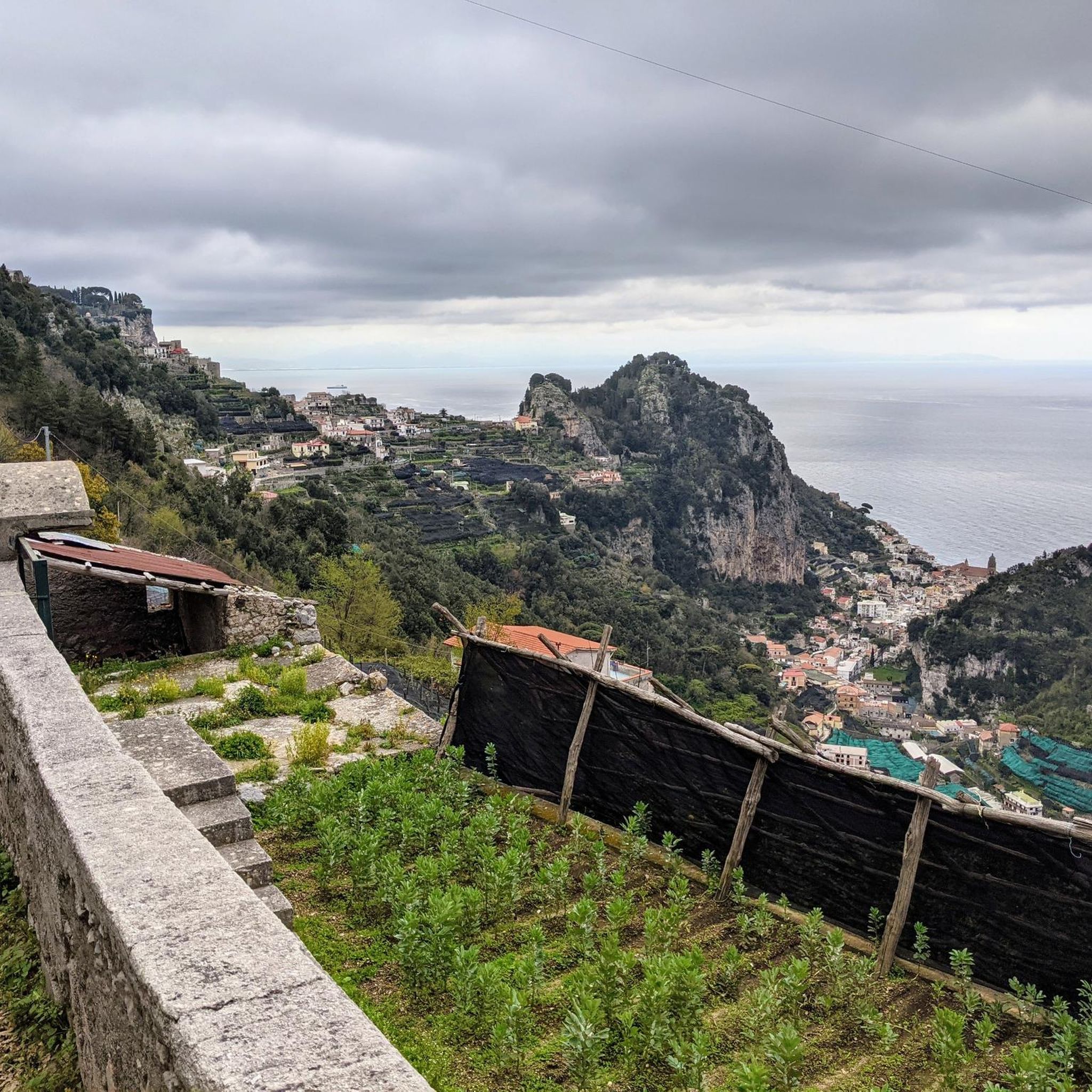
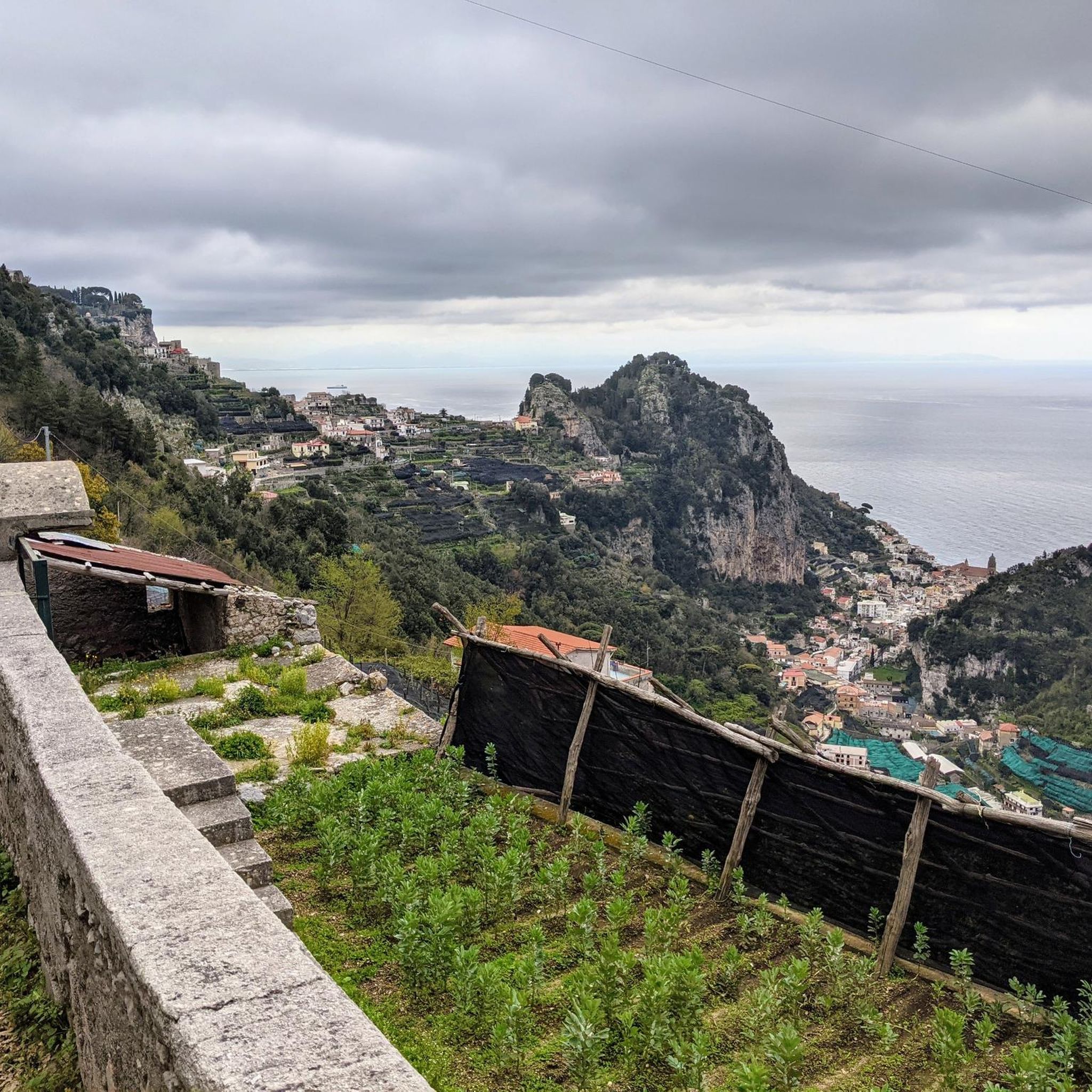
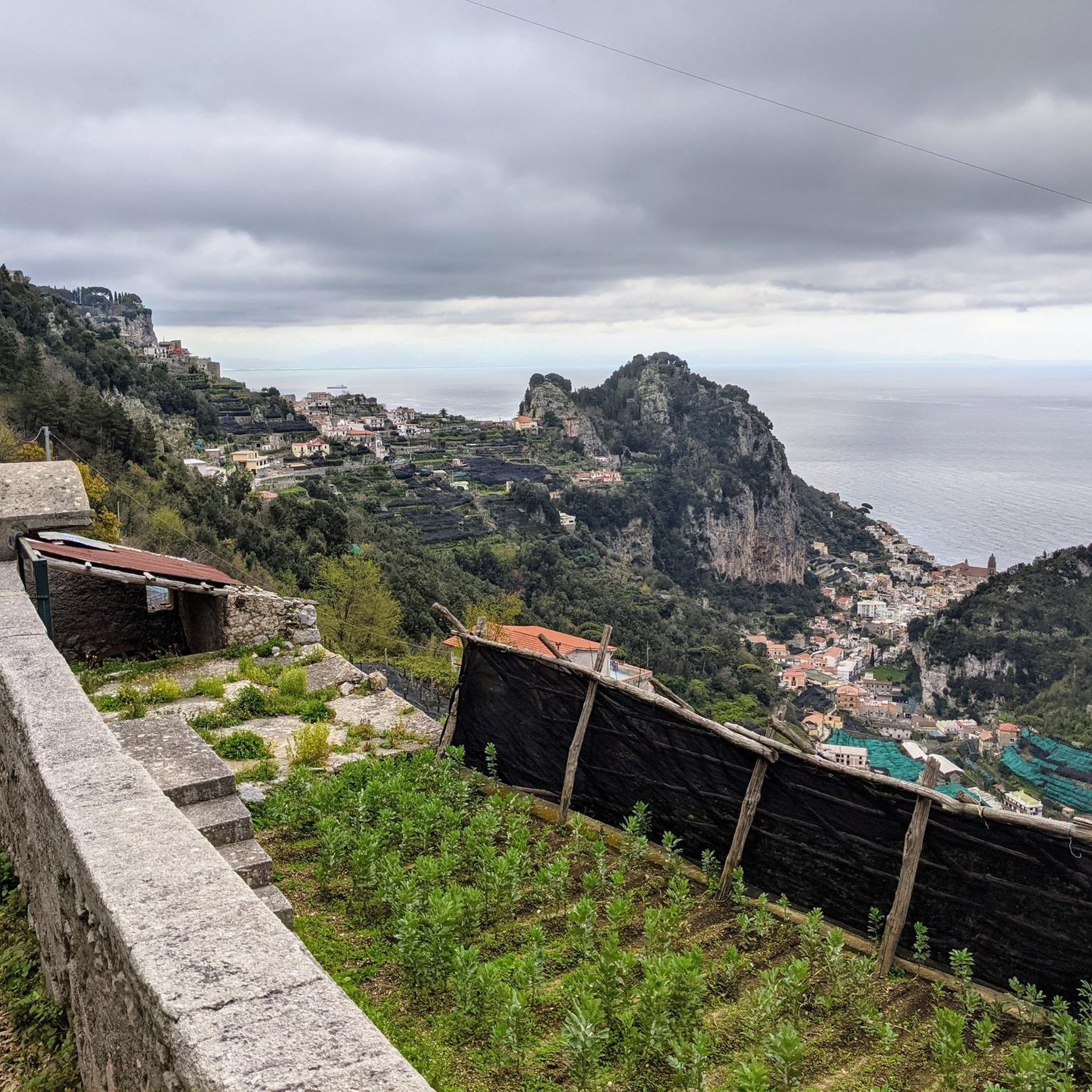
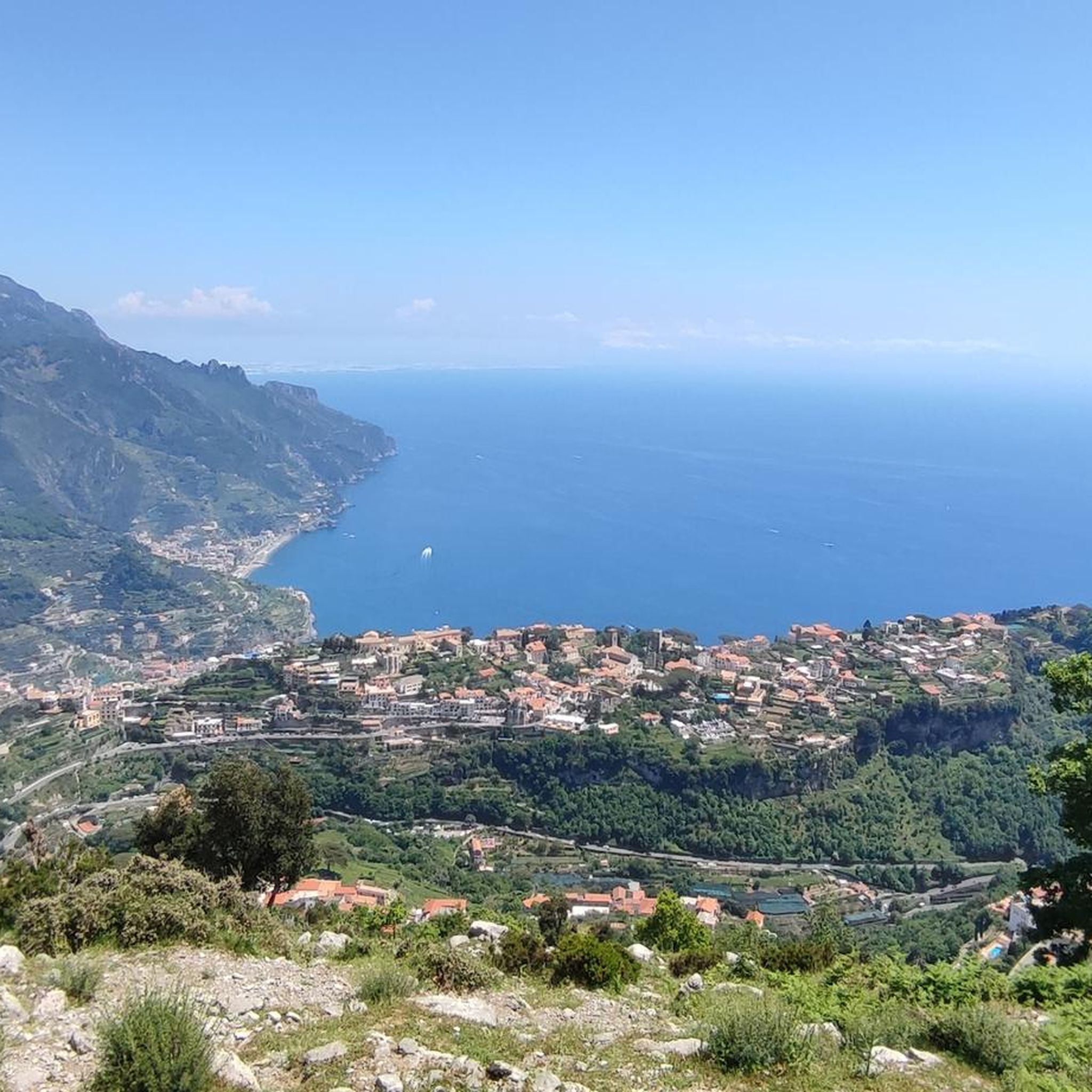
The Amalfi Coast is one of the most famous and fascinating stretches of coastline in the world, characterized by cliffs plunging into the blue sea, pastel-colored villages perched on the hillsides, terraces cultivated with lemons, and a breathtaking panoramic road (the state road 163).
0
0
The Castiglione crossroads (located along the Strada Statale Amalfitana 163) represents the main road junction for ascending towards some of the most evocative locations in the hinterland of the Amalfi Coast: Ravello, Pontone, Scala, and the Valico di Chiunzi. This junction connects the coast with the mountain paths of the Monti Lattari, alternating historic villages and unique panoramic views.
0
0
Atrani is the smallest municipality in Italy by area (just 0.12 km²), a medieval jewel set in the rock of the Amalfi Coast. Located less than a kilometer from the very crowded Amalfi, this ancient fishing village develops vertically at the mouth of the Dragon Valley, appearing to visitors as a true living nativity scene suspended over the sea.
0
0
Torre del Capo di Atrani (or Torre di San Francesco) This is the actual coastal tower located on the promontory that divides Amalfi from Atrani, along the Amalfitana State Road. History: Originally built in the Middle Ages as part of the defensive system of the Castrum Leonis, it was later adapted in the viceregal period (16th century) to protect the population from the fierce raids of Saracen and Turkish pirates. It is also called "Torre di San Francesco" due to its proximity to the ancient Franciscan convent. Current state: Today the tower is incorporated into the structure of the historic Hotel Luna Convento. As it is private property, the interior is not open to the public, but its imposing cylindrical shape close to the sea remains one of the most photographed symbols of this stretch of coast.
0
0
The Norman Tower of Maiori is the oldest watchtower on the entire Amalfi Coast. Built between 1250 and 1300 on a rocky spur overlooking the sea, it was part of the complex defensive system of Saracen towers used to spot pirate ships and send alarms via smoke or light signals. Its imposing structure, which blends elements of an Angevin cylindrical tower and a viceregal one, gives it the appearance of a true defensive fortress. Today, it is a cultural and tourist icon, so much so that it was used as a film set by director Roberto Rossellini for the film Paisà.
0
0
Maiori beach is the longest and widest on the entire Amalfi Coast, stretching for almost a kilometer along the coast of Campania. Unlike the typical rocky or pebble coves in the area, it is distinguished by a shoreline composed mainly of fine sand and gravel. This makes it one of the most accessible destinations on the entire coast, particularly popular with families with children, couples, and passengers who prefer not to face long and steep staircases.
0
0
The Belvedere di Capo d'Orso is a magnificent panoramic viewpoint located along the Amalfitana State Road (SS163), on the homonymous promontory in the municipality of Maiori, a short distance from the village of Cetara.
0
0
Atrani is a charming fishing village located on the Amalfi Coast, in the province of Salerno. It is known for being the smallest municipality in Italy by territorial extension.
0
0
Frequently Asked Questions
What is the overall difficulty level of road cycling routes in Riserva Naturale Valle Delle Ferriere?
The region offers a varied range of road cycling routes. You'll find approximately 14 easy routes, 10 moderate routes, and 10 difficult routes, catering to different skill levels. The terrain is characterized by steep hills and winding ascents.
Are there beginner-friendly road cycling routes in Riserva Naturale Valle Delle Ferriere?
Yes, there are approximately 14 easy road cycling routes available. While the region is known for its challenging terrain, these easier options allow less experienced cyclists to enjoy the scenic coastal paths and valleys.
What kind of terrain can I expect on road cycling routes in this region?
Road cycling routes in Riserva Naturale Valle Delle Ferriere navigate the rugged terrain of the Amalfi Coast. Expect steep hills, deep valleys, and coastal roads with winding ascents and descents. You'll encounter a mix of challenging climbs and scenic stretches offering views of the Tyrrhenian Sea and dense vegetation.
Are there circular road bike routes available in Riserva Naturale Valle Delle Ferriere?
Yes, many routes in the region are designed as loops. For example, the View of Atrani – Minori loop from Ravello is a popular moderate option, and the more challenging View of the Amalfi Coast – Cetara and the Angioina Tower loop from Amalfi also forms a loop.
What viewpoints can I expect along the road cycling routes in Riserva Naturale Valle Delle Ferriere?
Many routes offer panoramic views of the Amalfi Coast and the Tyrrhenian Sea. The View of the Amalfi Coast – Cetara and the Angioina Tower loop from Amalfi, for instance, provides extensive coastal vistas, including Cetara and its historic tower. The View of Atrani – Minori loop from Ravello also offers beautiful coastal views.
Are there any waterfalls or natural sights to see while road cycling?
While primarily a road cycling area, the Riserva Naturale Valle Delle Ferriere itself is known for its natural beauty. You can find highlights like the Waterfalls in the Valle delle Ferriere Nature Reserve and the Fica Noce Waterfall, which are accessible via nearby trails, though not directly on the main road cycling routes.
What is the best season for road biking in Riserva Naturale Valle Delle Ferriere?
The Amalfi Coast generally enjoys a mild Mediterranean climate. Spring (April-May) and autumn (September-October) are often considered ideal, offering pleasant temperatures and less crowded roads than the peak summer months. Summers can be hot, and winters can be cooler and wetter.
What interesting landmarks can I explore near the road cycling routes?
Beyond the stunning natural landscapes, you can explore cultural landmarks. The Amalfi Cathedral – Amalfi Harbor loop from Amalfi route passes by the historic Amalfi Cathedral and the bustling Amalfi Harbor. The View of the Amalfi Coast – Cetara and the Angioina Tower loop from Amalfi offers views of Cetara and its Angioina Tower.
Is parking available for road cyclists in Riserva Naturale Valle Delle Ferriere?
Parking availability varies by starting point. Towns like Amalfi and Ravello, common starting points for routes, have public parking facilities, though they can be busy, especially during peak season. It's advisable to check specific town parking options in advance.
How can I reach the road bike trailheads using public transport?
The Amalfi Coast is served by local SITA Sud buses connecting various towns, including Amalfi, Ravello, and Minori, which are common starting points for road cycling routes. Ferries also connect coastal towns, offering an alternative for reaching certain areas, though they may have restrictions on bikes.
Are there cafes or places to stop for refreshments along the road cycling routes?
Yes, the towns and villages along the Amalfi Coast, such as Amalfi, Ravello, Minori, and Cetara, offer numerous cafes, restaurants, and shops where you can stop for refreshments, water, and local delicacies. These are typically found in the town centers.
What do other road cyclists enjoy the most about road cycling in Riserva Naturale Valle Delle Ferriere?
The area is highly rated by the komoot community, with an average score of 3.9 stars from over 110 reviews. Reviewers often praise the breathtaking coastal views, the challenging climbs, and the unique experience of cycling through the dramatic landscapes of the Amalfi Coast.
Most popular routes in Riserva Naturale Valle Delle Ferriere
Most popular attractions in Riserva Naturale Valle Delle Ferriere

Get inspired with the komoot mobile app


Explore more
Browse the best Road cycling routes in other regions.
