The best road cycling routes in Πυρήνας Εθνικού Δρυμού Ολύμπου
5.0
(2)
63
riders
1
ride
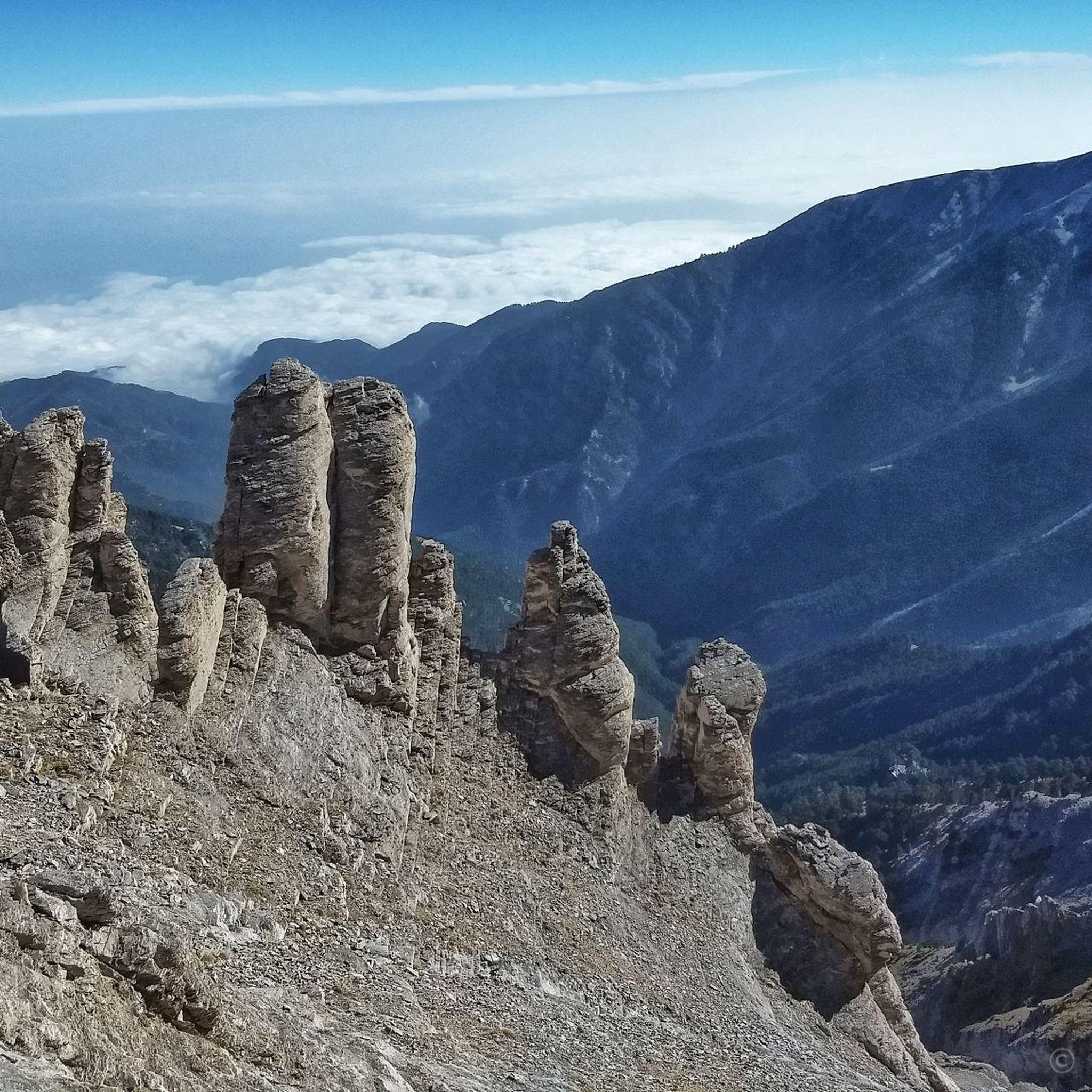
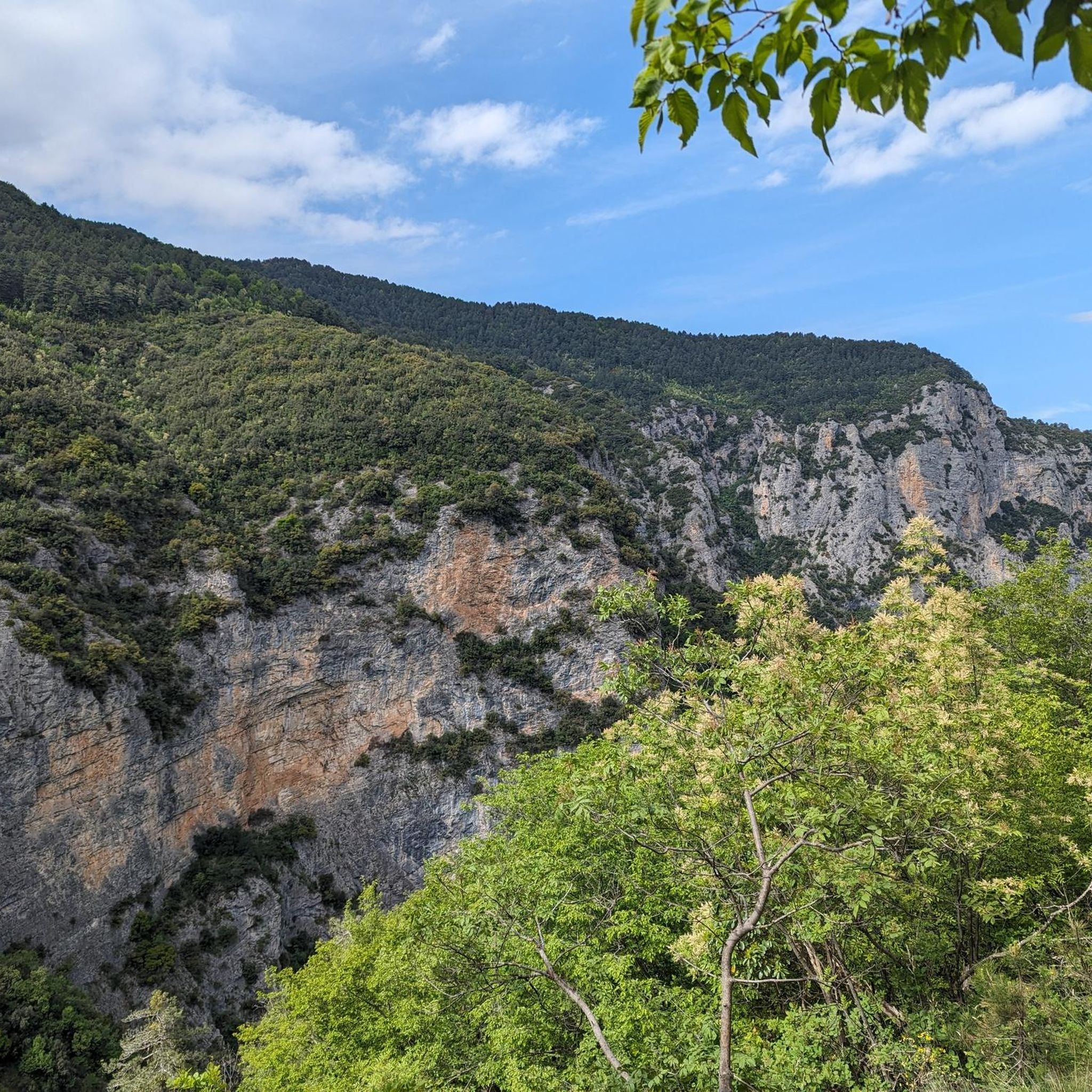
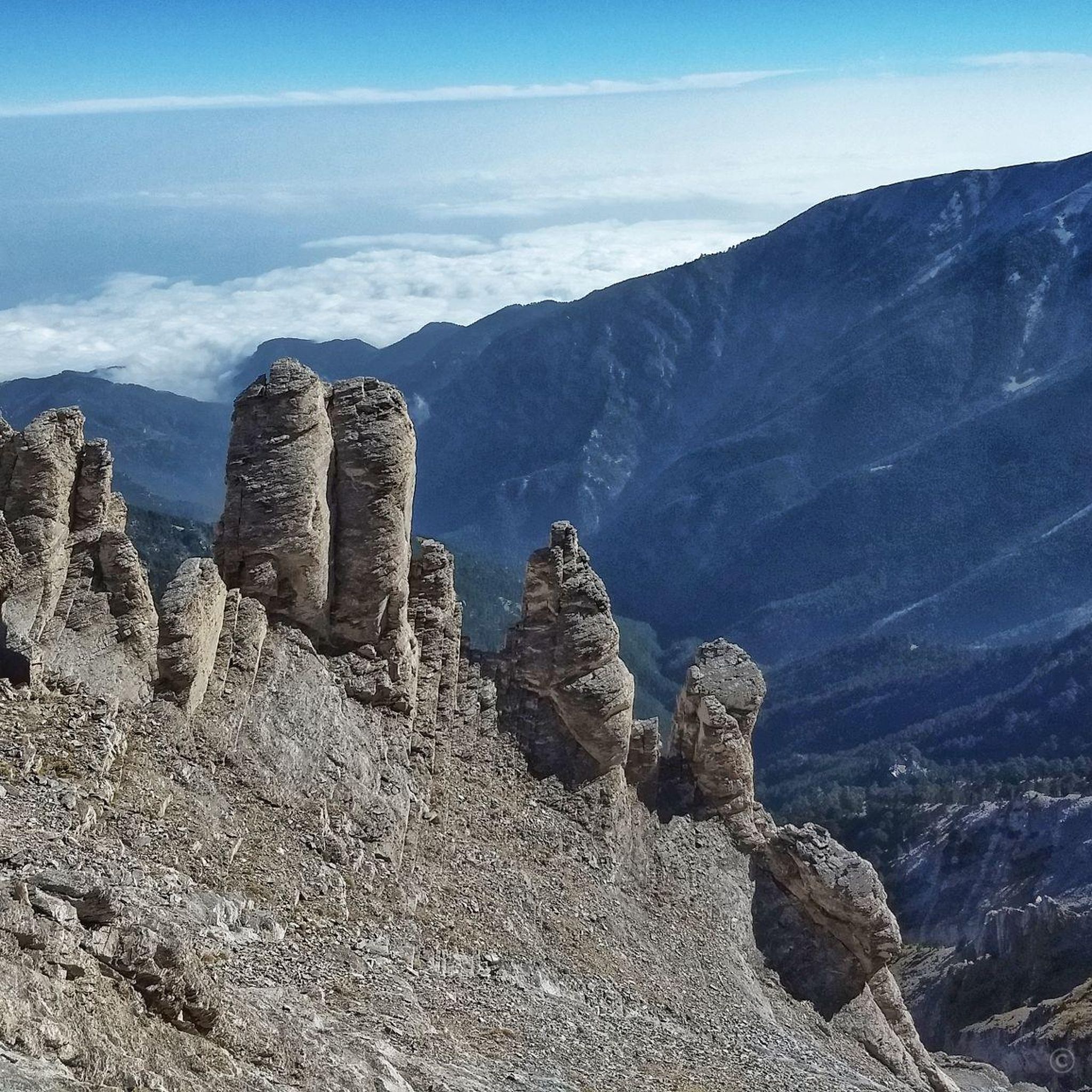
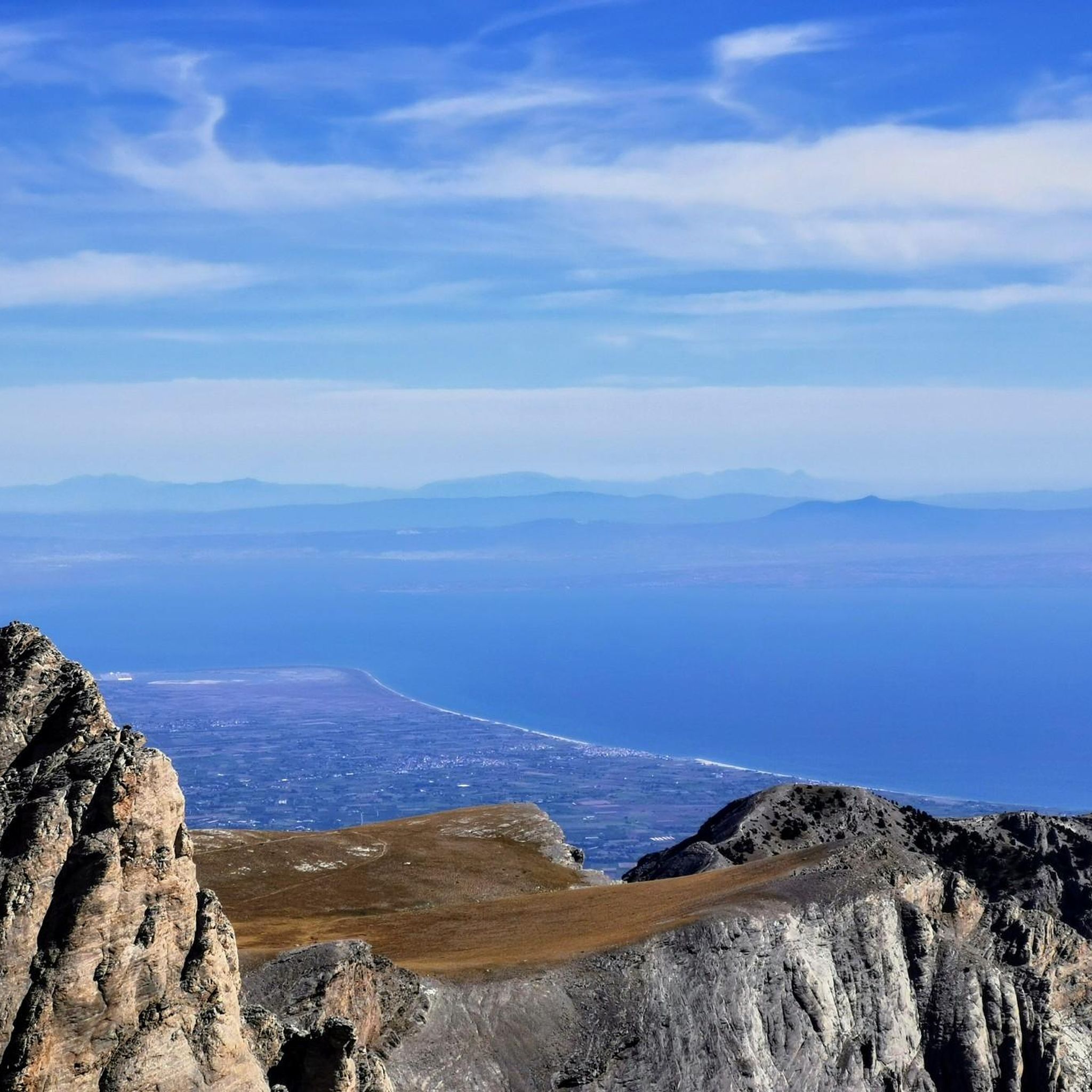
Road cycling in Πυρήνας Εθνικού Δρυμού Ολύμπου offers challenging terrain and diverse landscapes within the Mount Olympus National Park. The region is characterized by dramatic topography, featuring deep gorges, dense black pine forests, and high alpine zones leading to towering peaks. Cyclists encounter significant elevation gains, with routes often involving ascents of over 1,000 meters and sections reaching steep grades. The area provides sweeping roads through forests and numerous hairpins, offering panoramic views of the mythical countryside.
Best road cycling…
Last updated: July 11, 2026
11
riders
50.8km
02:22
590m
590m
Moderate road ride. Good fitness required. Mostly well-paved surfaces and easy to ride.
3
riders
20.8km
01:10
340m
340m
Moderate road ride. Good fitness required. Mostly well-paved surfaces and easy to ride.

Sign up for free
5.0
(2)
24
riders
66.2km
03:50
1,520m
1,520m
Hard road ride. Very good fitness required. Mostly well-paved surfaces and easy to ride.
10
riders
132km
06:55
2,190m
2,190m
Hard road ride. Very good fitness required. Mostly well-paved surfaces and easy to ride.
5
riders
Moderate road ride. Good fitness required. Some segments of this route may be unpaved and difficult to ride.
Our route recommendations are based on thousands of hikes, rides, and runs completed by other people on komoot.
Start today with a free account
Your next adventure awaits.
Login or Signup
Tips from the Community


The long sandy beach begins north of the mid-size town and continues all along the waterfront. The road along the beach is smooth pavement and less fast moving cars than on the highway that runs a couple of blocks further inland through the town center.
0
0
While the main road runs parallel further inlands, the paved road along the beach south of Leptokarya is less busy and has excellent views and access to the long beach. It has stones and pebbles on an underlying sand beach.
0
0
Until far into the 20th century, Litochoro was home to many shipowners and sailors. When the steamships displaced the sail ships, this era ended. In 1995 the members of the Association of the Retired Sailors of Litochoro were given the idea of documenting the legacy of maritime navigation and saving and preserving the cultural, maritime heritage of the place. Between 1995 and 2002 maritime relics were collected within the (formerly) maritime families of the village. From 2002 to 2004 the exhibition pieces were gathered and brought together. The "Maritime Museum of Litochoro", founded in 2004, is registered in the Greek Ministry of Culture as an "institution of cultural maritime heritage". Since its inception, the scope of the shown exhibits has been constantly expanded. The exhibits are either collected from the households of the former seafarers or were donated by shipowners or the navy. In front of the building are anchors, buoys, ships propellers and a torpedo. Although the museum is dedicated to merchant shipping, the tour begins with a model of a torpedo boat, which, in 1912, sank a Turkish warship in front of the port of Thessaloniki. Old pictures, some almost 100 years old, show proud families in the shipyard who supervise the construction of their ship. Other pictures show sailors on board or in port. In several showcases are impressive ship models. Many of these are original replicas of ships that were once home here. Others represent a cross-section of traditional Greek ships over the centuries. This is followed by nautical devices such as compasses, chronometers and sextants.ed with new elements of Naval heritage from Litohoro and the Merchant Marine. http://nmlitohorou.gr
0
0
Great long sandy beach all along the waterfront of this mid-size coastal town. In season there are beach chairs and umbrellas, in winter it is more natural.
0
0
Restaurants of the small town line the pebble beach down to the river, with a quiet road on both sides tracking back to the highway bridge.
0
0
Scenic river canyon right next to the town of Litohoro. A road leads down to some riverside restaurants. The Hellenic Mountaineering Association hut and information center is just before the descent into the gorge, for information about climbing the mountains around Mt Olympus.
2
0

Quaint old mountain village, absolutely worth seeing!
1
0
Frequently Asked Questions
How challenging is road cycling in Πυρήνας Εθνικού Δρυμού Ολύμπου?
Road cycling in the core of Mount Olympus National Park is considered one of the most challenging in Greece. Routes often feature significant elevation gains, with ascents of over 1,000 meters in relatively short distances. You can expect average grades around 7% and sections reaching up to 10-13%. Some routes, like the Leptokarya – North Lyptokarya beach loop from Λιτόχωρο, can involve over 2,000 meters of elevation gain, requiring a very good fitness level.
Are there road cycling routes suitable for beginners or less experienced cyclists?
While the region is known for its challenging terrain, there are also routes tailored for moderate fitness levels. For instance, the Maritime Museum loop from Αλεξανδρειον is a moderate 20.8 km path with coastal views, offering a less demanding option to enjoy the scenery.
What kind of natural features and landmarks can I expect to see along the road cycling routes?
The routes offer stunning views of diverse landscapes, including deep gorges like the Enipeas gorge, dense black pine forests, and high alpine zones. You might encounter natural springs and picturesque mountain lakes. Notable landmarks include the historic Old Monastery of Saint Dionysios and the beautiful Enipeas River Waterfalls. The region is also steeped in mythology, with peaks like Mytikas and Stefani (the Throne of Zeus) visible from many vantage points.
What is the best time of year for road cycling in Πυρήνας Εθνικού Δρυμού Ολύμπου?
Spring, summer, and autumn are particularly suitable seasons for road cycling in the region. During these months, the weather is generally favorable, allowing cyclists to fully enjoy the stunning sweeping roads and panoramic vistas without the challenges of winter conditions.
Are there any circular road cycling routes available?
Yes, the area offers several excellent loop routes. A popular choice is the Beach boulevard – Leptokarya loop from Λιτόχωρο, a 50.8 km trail with moderate elevation changes. Another option is the Leptokarya – Platamon Castle loop from Λεπτοκαρυά, which is longer and includes significant climbs.
What is the road quality and traffic like for cyclists?
The roads in the core of Mount Olympus National Park are generally in excellent condition, often two-lane and well-paved with asphalt, ensuring a smooth riding experience. Traffic is typically minimal, allowing cyclists to immerse themselves in the surroundings and enjoy the mythical countryside.
Are there any specific regulations or permits required for cycling in the core zone of Olympus National Park?
The core zone of Mount Olympus National Park is a protected area. While road cycling is generally permitted on designated roads, it's always advisable to check with local authorities or the National Park management for any specific regulations or permits that might apply to certain areas or activities within the core zone to ensure compliance.
Where can I find parking or access points for road cycling routes?
Popular starting points for routes include towns like Katerini, Agios Dimitrios, and Litochoro. These areas typically offer parking facilities. For example, many routes start from Litochoro, providing convenient access to the diverse terrain of the national park.
What do other road cyclists enjoy most about cycling in Πυρήνας Εθνικού Δρυμού Ολύμπου?
The area is highly rated by the komoot community, with an average score of 5.0 stars. Reviewers often praise the stunning sweeping roads through forests, the 'switchback heaven' on the south ascent with its numerous hairpins offering panoramic vistas, and the challenging yet rewarding elevation gains.
Are there options for guided cycling tours or bike rentals in the area?
Yes, guided cycling tours are available in the region. Some operators also offer bike rentals, including e-bikes and carbon road bikes, and support vehicles for longer excursions, providing comprehensive assistance for your cycling adventure.
Can I find places to eat or drink along the road cycling routes?
While the core of the National Park is wild, traditional mountain villages and towns like Litochoro, Leptokarya, and Katerini, which serve as starting points or pass-throughs for many routes, offer cafes, restaurants, and other amenities where cyclists can refuel and relax.
What is the longest road cycling route available in the region?
One of the longer and more challenging routes is the Leptokarya – North Lyptokarya beach loop from Λιτόχωρο, which spans 131.9 km and features over 2,100 meters of elevation gain, making it a significant undertaking for experienced cyclists.
Most popular routes in Πυρήνας Εθνικού Δρυμού Ολύμπου
Most popular attractions in Πυρήνας Εθνικού Δρυμού Ολύμπου

Get inspired with the komoot mobile app


Explore more
Browse the best Road cycling routes in other regions.
