Attractions and Places To See in Sa Giara - Top 20
Best attractions and places to see in Sa Giara, a distinctive basaltic plateau in central-southern Sardinia, Italy, offers a unique blend of natural and historical significance. This region is known for its wild Giara Horses and temporary lakes called "paulis." The plateau also features numerous Nuragic archaeological sites, reflecting its strategic importance in ancient times. Its isolated environment preserves a rich biodiversity, including unique flora and fauna.
Best attractions and places to see in Sa Giara
- The most popular attractions…
Last updated: October 5, 2026
Pinnettas Shepherd Huts
Highlight • Mountain Hut
Translated by Google •
Tip by

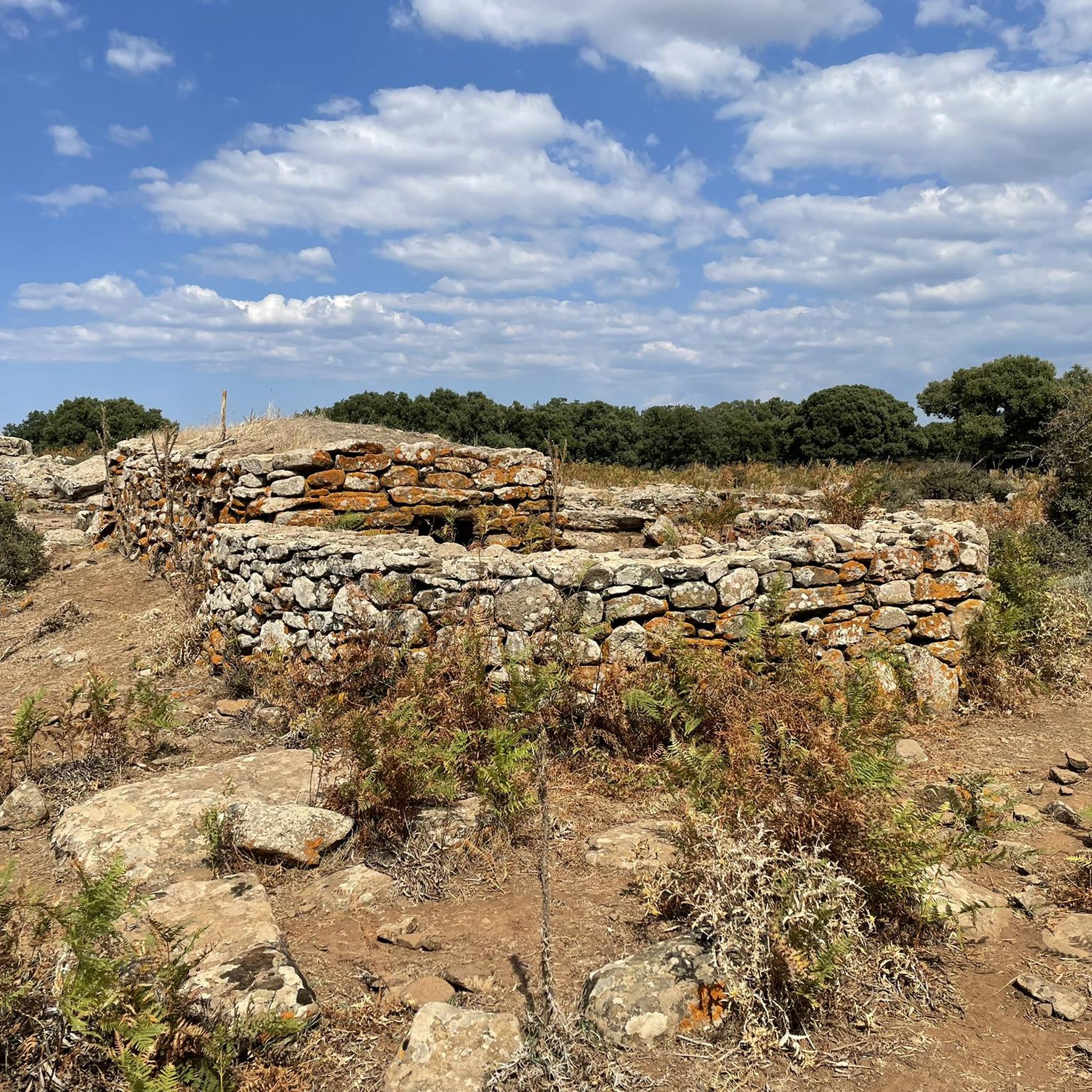
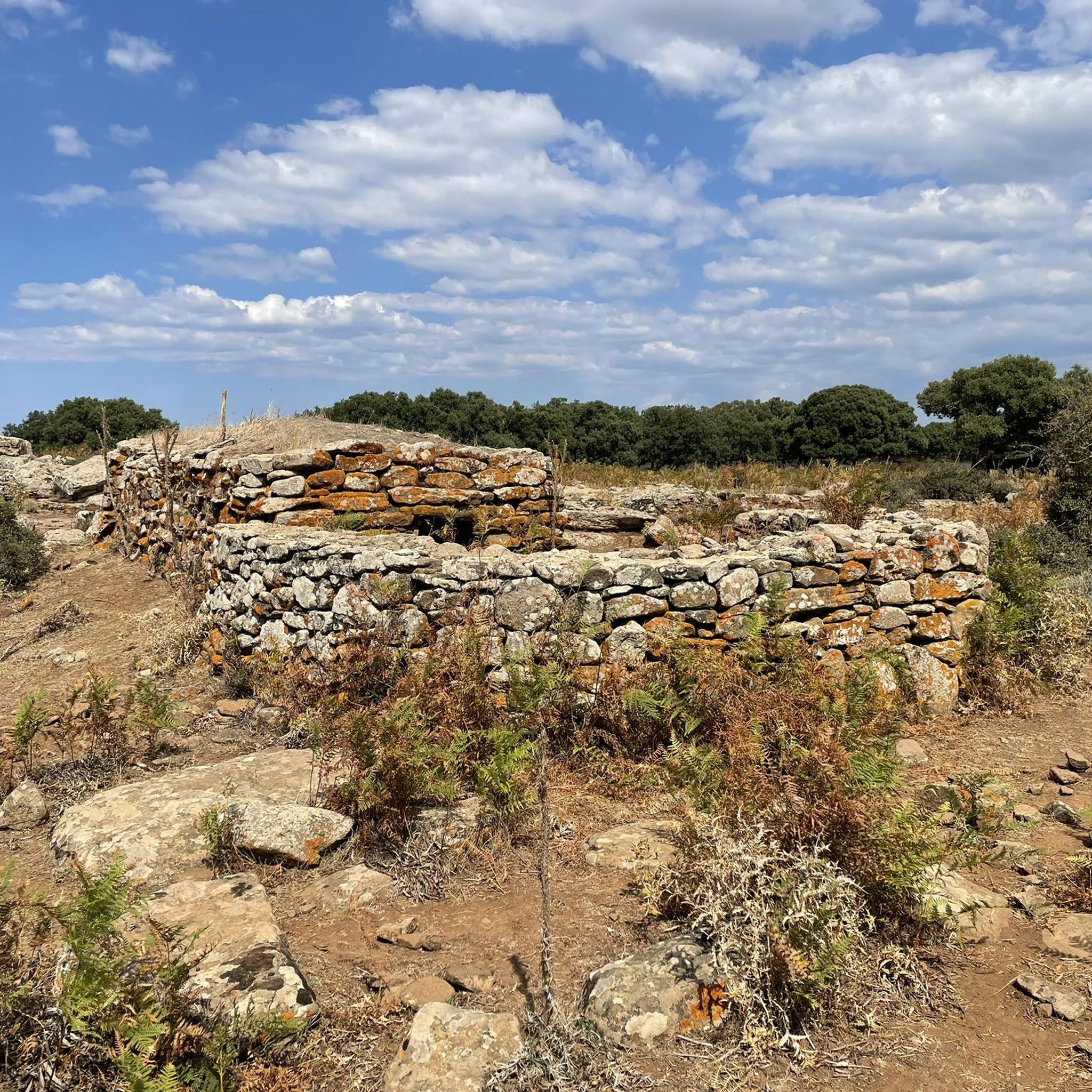
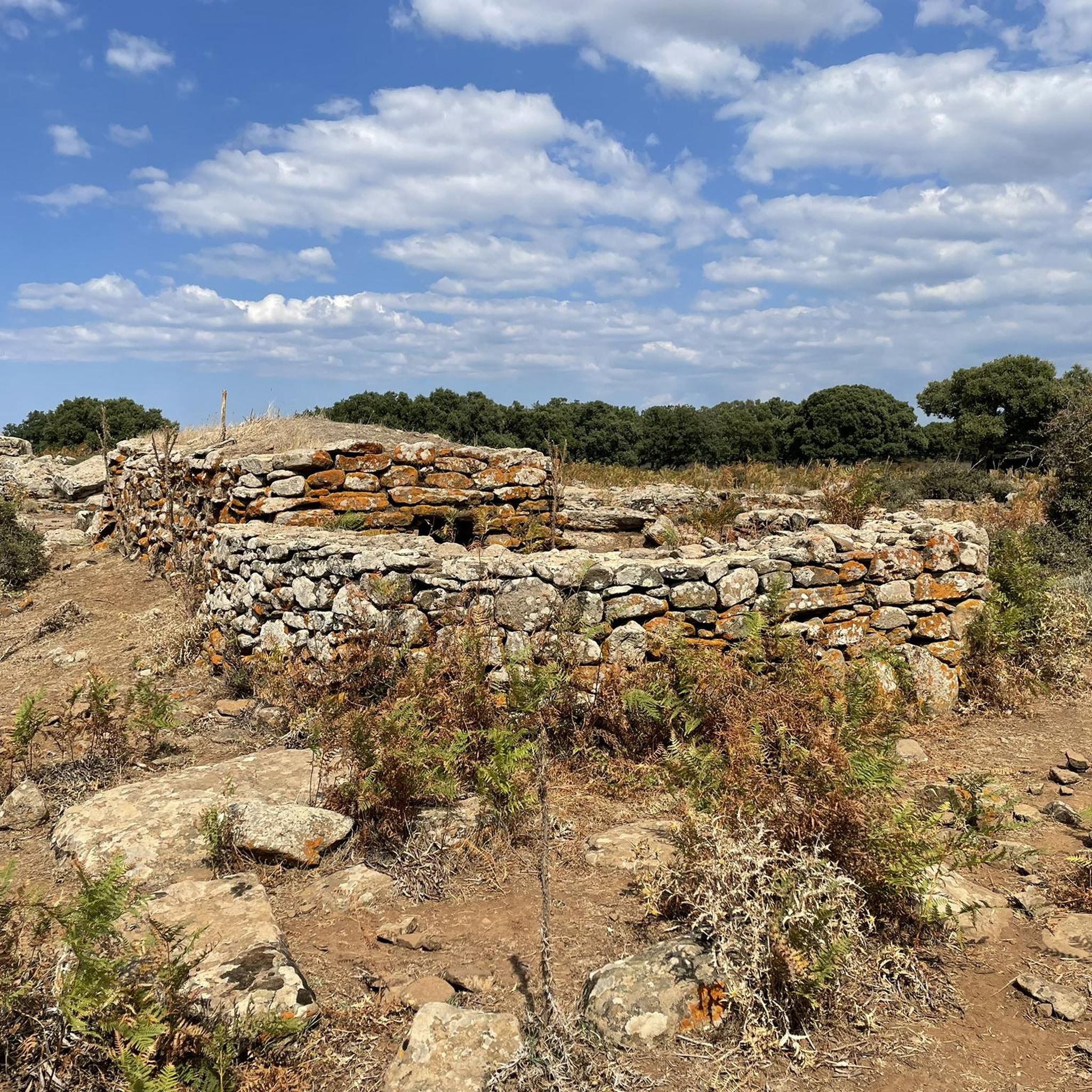
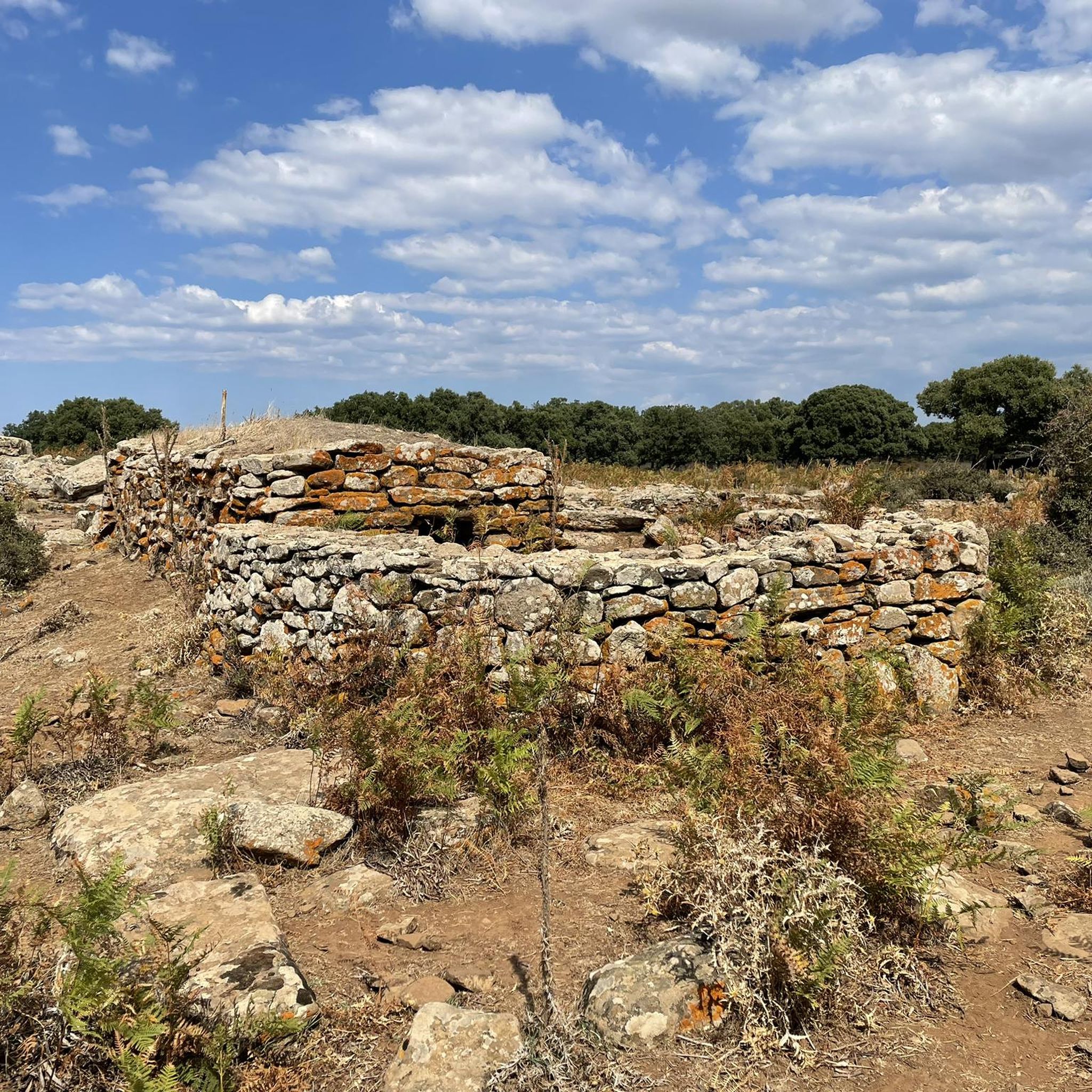
Bruncu Madugui village and nuraghe
Highlight • Historical Site
The main building is of considerable architectural importance, …
Translated by Google •
Tip by

Sign up now to discover places like this
Get recommendations on the best single tracks, peaks, & plenty of other exciting outdoor places.
Pauli Maiori Wetland
Highlight • Lake
Tip by

Giara Plateau Park
Highlight • Natural Monument
Translated by Google •
Tip by

Botanical Garden of Tìara
Highlight • Natural
Translated by Google •
Tip by

Sign up for free to discover even more attractions in Sa Giara.
Already have an account?
Start today with a free account
Your next adventure awaits.


Tips from the Community

In summer the lake is dry, but there is a good chance of seeing wild horses at the nearby springs.
0
0

The German-language television series “Treasures of the World – Heritage of Humanity” – which I can recommend without reservation – devotes a quarter-hour report to the UNESCO World Heritage Site of the “NURAGHI” in Sardinia and the traditional shepherds’ song known there as “Canto a Tenore”. The accompanying text to the programme states: “Over seven thousand round towers made of stone blocks weighing several tons are scattered all over Sardinia. Often only the stumps of these megalithic buildings, called nuraghi, remain. The first were built around 1400 BC. Small stones were placed between the mighty blocks, a construction method that made the stone towers safe from collapse." This article (episode 413 of the series) can be accessed in the ARD media library at the following link => https://www.ardmediathek.de/video/schaetze-der-welt/sardinien/3sat/Y3JpZDovL3N3ci5kZS8xNTg4MzM5MA
1
0

Here you can see wild horses and lots of insects. We saw the horses at the lake, it was really magical 🤩
1
0
There is a documentary about the model for this modern, but reminiscent of ancient models, documentation - which in my opinion is fully recommended: The German-language television series "Treasures of the World - Heritage of Humanity" is dedicated to the UNESCO world cultural heritage of the "NURAGHI" in Sardinia and a fifteen-minute contribution to the traditional shepherd's song known there as “Canto a Tenore”. The text accompanying the program says “Over seven thousand round towers made of stone pieces weighing tons are scattered all over Sardinia. Often only the stumps of these megalithic buildings, called nuraghi, remain. The first were around 1400 BC. Built. Small stones were placed between the mighty blocks, a construction method that made the stone towers collapse-proof.” This article (episode 413 of the series) is available in the ARD media library under the following link: https://www.ardmediathek.de/video/schaetze-der-welt/sardinien/3sat/Y3JpZDovL3N3ci5kZS8xNTg4MzM5MA
3
0

The complex overlooks the edge of the Giara, a basaltic plateau on the border between the regions of Marmilla, Sarcidano and Arborea. The main building is of considerable architectural importance, as it belongs to the type of protonuraghi or "corridor" nuraghi. It is a mighty construction in the Cyclopean work of irregular blocks of basalt. source Sardinia Culture
1
0

The Giara di Gesturi plateau is home to the small wild horses "Cavallini della Giara", which are very rare in Italy and Europe. Here the Parco della Giara was set up to protect them. The landscape consists mainly of cork oaks and Mediterranean maquis. Often you can only hear the cute wild horses neighing from afar. With a bit of luck you can also spot them and watch them nibble on the green of the trees. The park can be visited on your own or you can book a guided tour. More information is available here: https://parcodellagiara.it/?lang=en
4
2
Great botanical garden. The old tree from which the lower layer of bark has been removed is particularly interesting. The thickness is incredible.
1
0
It is a fantastic experience when you are just looking around the small old village and suddenly one of the small wild horses is walking behind you. There is also a nice picnic area here.
3
0
Frequently Asked Questions
What unique wildlife can I encounter in Sa Giara?
Sa Giara is most famous for its wild Giara Horses, which are the only wild horses in Europe living in their natural state. You can often spot them grazing, especially around the 'paulis' (natural wetlands) like Pauli Maiori Wetland. The plateau is also home to wild boars, weasels, hares, martens, foxes, and over 60 bird species, including various birds of prey. Its unique biodiversity also includes ancient crustacean species in the paulis.
What are the significant natural features of the Sa Giara plateau?
The Sa Giara plateau is a distinctive basaltic formation, a result of ancient lava flows, characterized by its steep cliffs and surprisingly flat top. Key natural features include the 'paulis,' which are natural depressions that fill with rainwater, creating temporary lakes crucial for wildlife. Notable examples are Pauli Maiori and Pauli Tramatzu. The plateau also boasts lush woods with ancient cork oaks, holm oaks, and a rich variety of Mediterranean flora, including over 25 species of wild orchids.
Are there specific places to observe the wild Giara Horses?
Yes, the wild Giara Horses can often be observed throughout the plateau, particularly around the 'paulis' (natural wetlands). Pauli Maiori Wetland is a crucial habitat where they are frequently seen, especially when the paulis are full of water in spring. The Giara Plateau Park was established specifically to protect these rare animals, offering excellent opportunities to spot them among cork oaks and Mediterranean maquis.
What historical or archaeological sites can I explore in Sa Giara?
Sa Giara has a rich historical past, with evidence of human presence dating back to the Copper Age. You can explore numerous Nuragic sites, including the proto-nuraghe Bruncu Madugui village and nuraghe, known for its significant architectural importance. Other sites include the Pinnettas Shepherd Huts, which, while more recent, reflect ancient Nuragic building styles. The area also features Domus de Janas (chamber tombs) and a seven-kilometer stretch of paved Roman road.
What cultural sites are available in the villages surrounding Sa Giara?
The villages surrounding Sa Giara offer additional cultural and historical attractions. In Barumini, you can visit Su Nuraxi, a UNESCO World Heritage site and the most famous Nuraghe on the island, along with the Lilliu Cultural Centre and Casa Zapata. Tuili features the church of San Pietro with its Retable by the Master of Castelsardo. Setzu offers traditional Campidano houses and the 'Il filo della memoria' museum, while Siddi hosts the Ornithological Museum of Sardinia.
When is the best time of year to visit Sa Giara?
The best time to visit Sa Giara largely depends on your interests. Spring (March to May) is ideal for witnessing the 'paulis' full of water, covered with white buttercup blooms, and for spotting wild horses. It's also when over 25 species of wild orchids bloom. Autumn (September to November) offers pleasant temperatures for outdoor activities. Summers can be hot, while winters are cooler and bring the rains that replenish the paulis.
Is Sa Giara suitable for families with children?
Yes, Sa Giara offers several family-friendly attractions. Children will particularly enjoy the chance to spot the wild Giara Horses at places like Pauli Maiori Wetland or within the Giara Plateau Park. The Pinnettas Shepherd Huts offer a glimpse into traditional life, and the nearby 'Sardegna in Miniatura' theme park in Tuili provides another engaging option for families.
Can I bring my dog to Sa Giara?
While Sa Giara is a natural park, specific regulations for dogs can vary. It's generally advisable to keep dogs on a leash to protect the delicate ecosystem and wildlife, especially the wild Giara Horses. Always check local signage or the official park website for the most current dog policies before your visit to ensure a respectful and safe experience for everyone.
What outdoor activities are popular in Sa Giara?
Sa Giara provides excellent opportunities for various outdoor activities. Trekking and walking are popular ways to explore its pristine natural environment and historical sites. You can also enjoy biking and horseback riding across the plateau. For those interested in cycling, there are numerous routes available, including road cycling routes, gravel biking trails, and general cycling tours, many of which offer chances to see the Giara ponies.
Are there cycling routes available in Sa Giara?
Yes, Sa Giara offers a variety of cycling routes suitable for different preferences. You can find road cycling routes that take you through the surrounding areas, gravel biking trails for a more adventurous experience, and general cycling tours. Many of these routes, such as the 'Giara ponies – Giara di Gesturi Plateau loop,' are designed to help you explore the plateau and potentially spot the wild horses.
How can I access Sa Giara, and are there parking facilities?
Sa Giara is accessible by car, with several entry points from the surrounding municipalities like Gesturi, Genoni, Setzu, and Tuili. Parking facilities are typically available near the main access points and visitor centers, such as at the Giara Plateau Park. While public transport options might be limited, local services or taxis from larger towns could be an alternative. It's recommended to check specific access points and parking availability depending on which part of the plateau you plan to visit.
Are there places to eat or stay near Sa Giara?
Yes, the villages surrounding Sa Giara, such as Gesturi, Tuili, Barumini, and Genoni, offer various amenities. You can find local restaurants and cafes serving traditional Sardinian cuisine. For accommodation, there are agriturismos, B&Bs, and small hotels in these towns, providing a comfortable base for exploring the plateau and its surroundings. These nearby villages are well-equipped to cater to visitors.
What should I pack for a trip to Sa Giara?
For a trip to Sa Giara, it's advisable to pack according to the season and planned activities. Essential items include comfortable walking or hiking shoes, water, and sun protection (hat, sunscreen) as the plateau can be exposed. Binoculars are highly recommended for wildlife spotting, especially for the Giara Horses and various bird species. Layers of clothing are useful, as temperatures can change, particularly during spring and autumn. If visiting in spring, consider waterproof gear for potential rain and muddy areas around the paulis.
Most popular attractions in Sa Giara

Get inspired with the komoot mobile app


Explore more
Still not found the Highlight you’re looking for? See guides of the top attractions in other regions:
