Attractions and Places To See in Riserva Naturale Orientata Fiume Ciane E Saline Di Siracusa - Top 6
Best attractions and places to see in Riserva Naturale Orientata Fiume Ciane E Saline Di Siracusa offers a blend of natural features, unique flora, and historical significance. The reserve is centered around the Ciane River, known for its papyrus plants, the only place in Europe where this species grows spontaneously. It also encompasses the Saline di Siracusa, which are vital wetland ecosystems providing habitat for migratory birds. This area combines natural landscapes with ancient mythological tales.
Best attractions and places…
Last updated: September 25, 2026
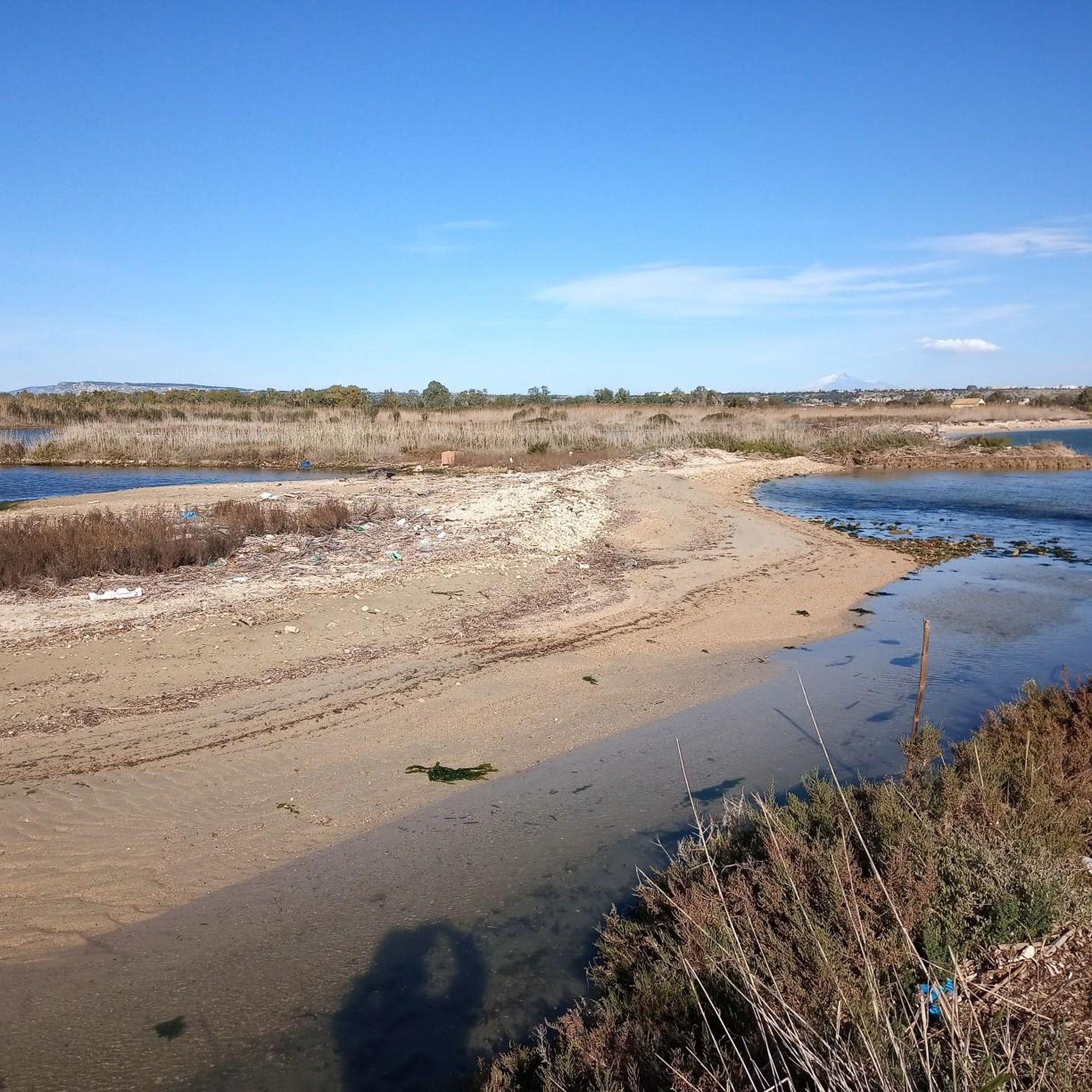
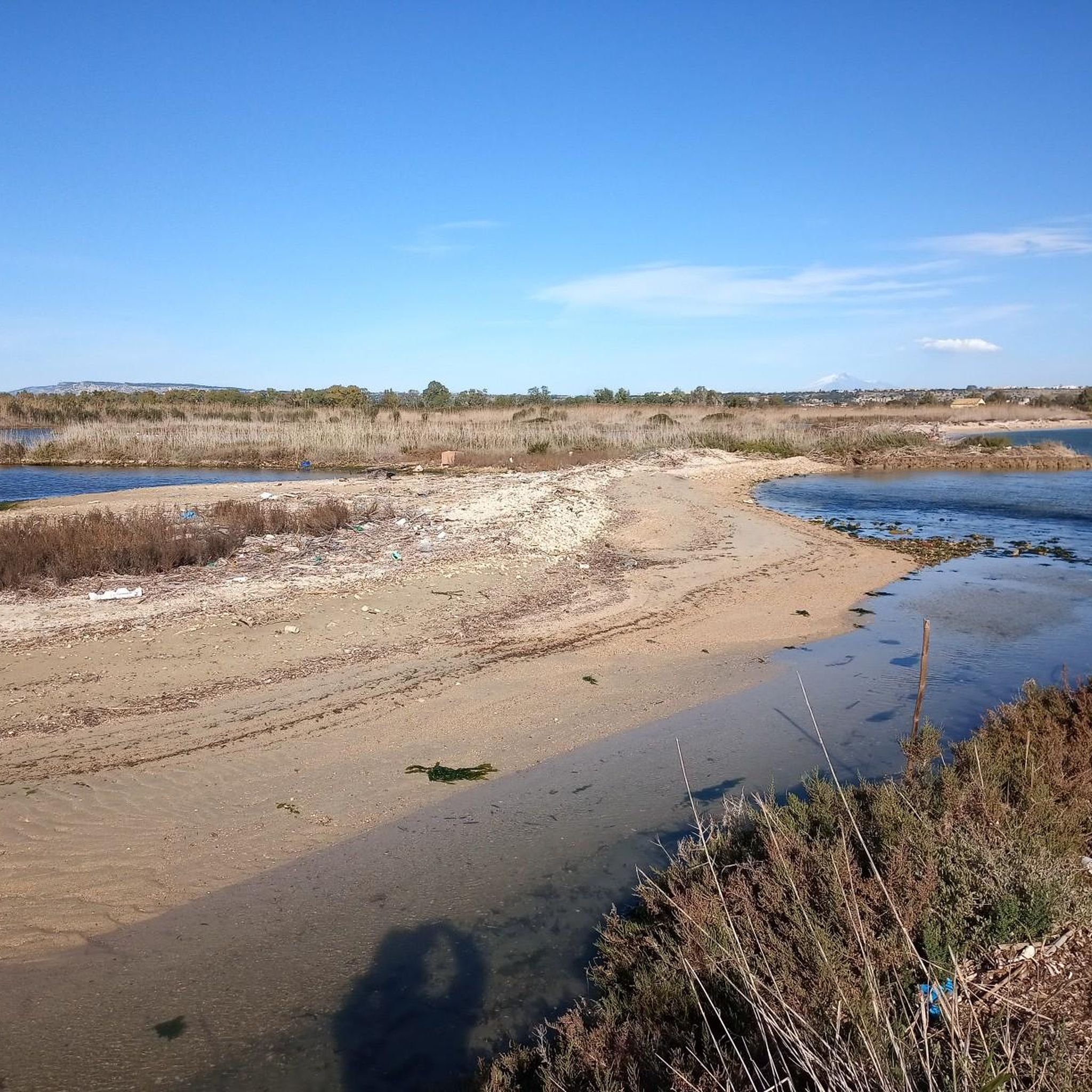
Fiume Ciane and Saline di Siracusa Nature Reserve
Highlight (Segment) • Natural Monument
Translated by Google •
Tip by

View of Fontane Bianche Beach
Highlight (Segment) • Viewpoint
Translated by Google •
Tip by

Sign up now to discover places like this
Get recommendations on the best single tracks, peaks, & plenty of other exciting outdoor places.
Ciane Spring
Highlight • River
Translated by Google •
Tip by

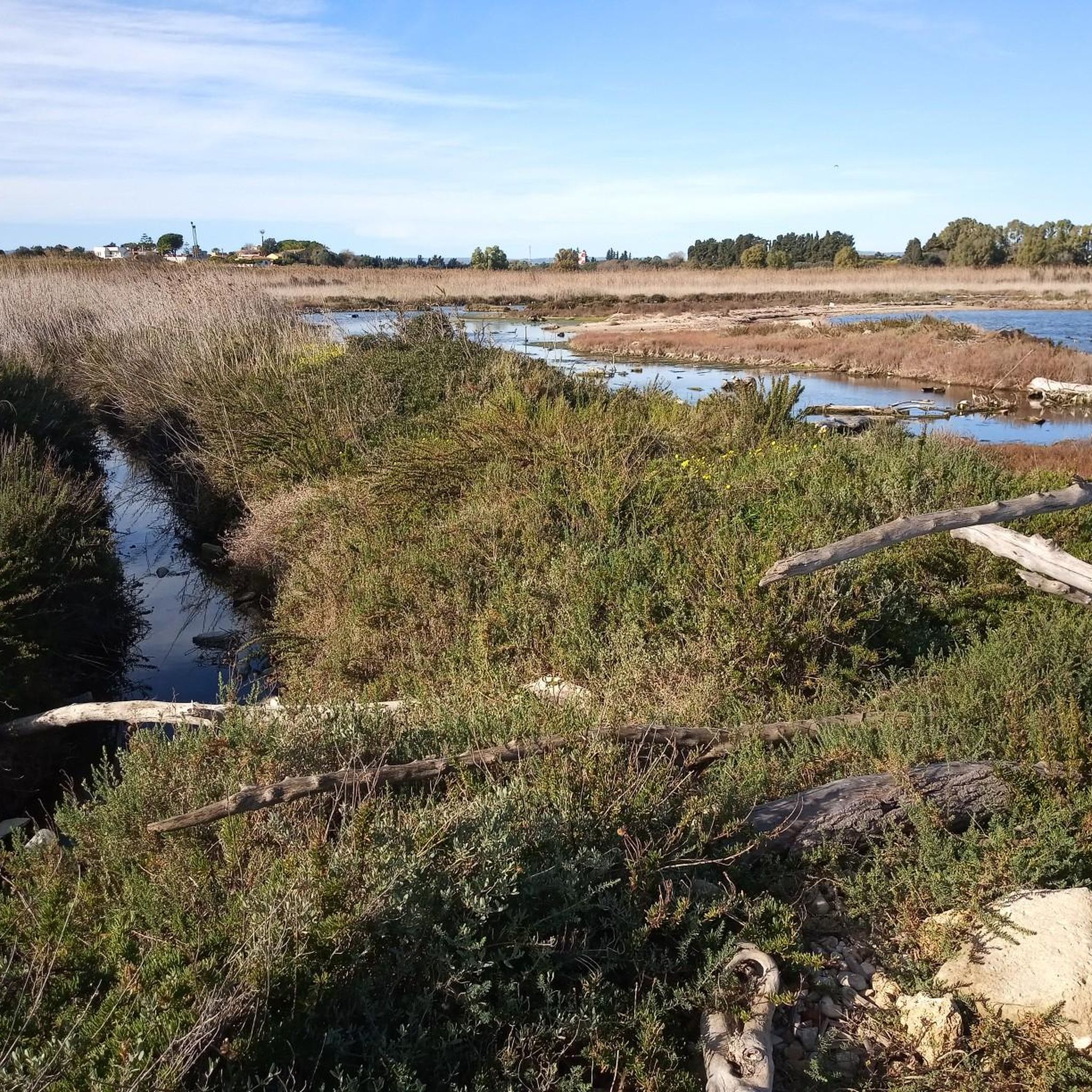
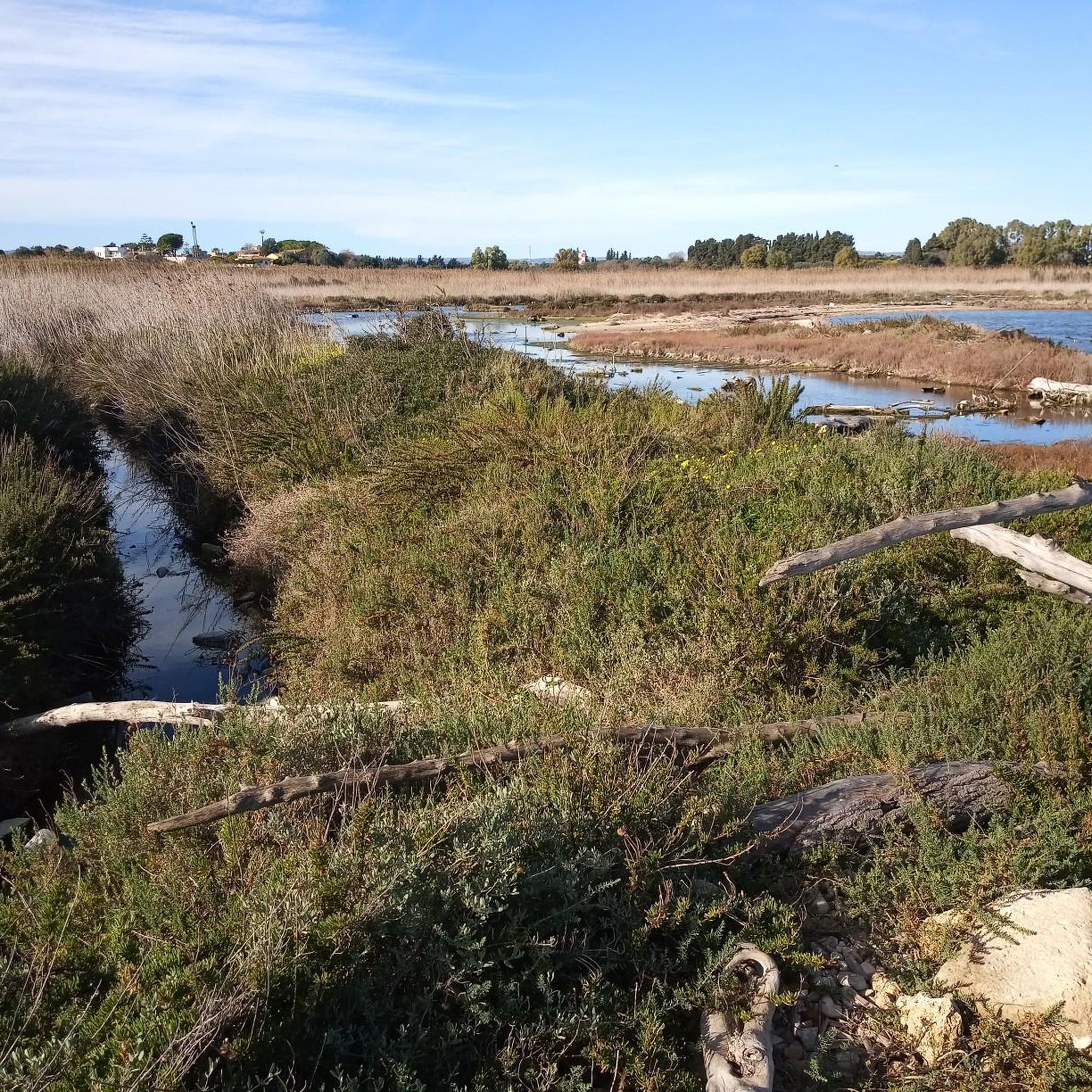
Papyrus Plants in the Ciane River Nature Reserve
Highlight • Natural
Translated by Google •
Tip by

Ciane River Park
Highlight • Forest
Translated by Google •
Tip by

Sign up for free to discover even more attractions in Riserva Naturale Orientata Fiume Ciane E Saline Di Siracusa.
Already have an account?
Start today with a free account
Your next adventure awaits.
Popular around Riserva Naturale Orientata Fiume Ciane E Saline Di Siracusa
Road Cycling Routes in Riserva Naturale Orientata Fiume Ciane E Saline Di Siracusa
Cycling in Riserva Naturale Orientata Fiume Ciane E Saline Di Siracusa
MTB Trails in Riserva Naturale Orientata Fiume Ciane E Saline Di Siracusa
Running Trails in Riserva Naturale Orientata Fiume Ciane E Saline Di Siracusa
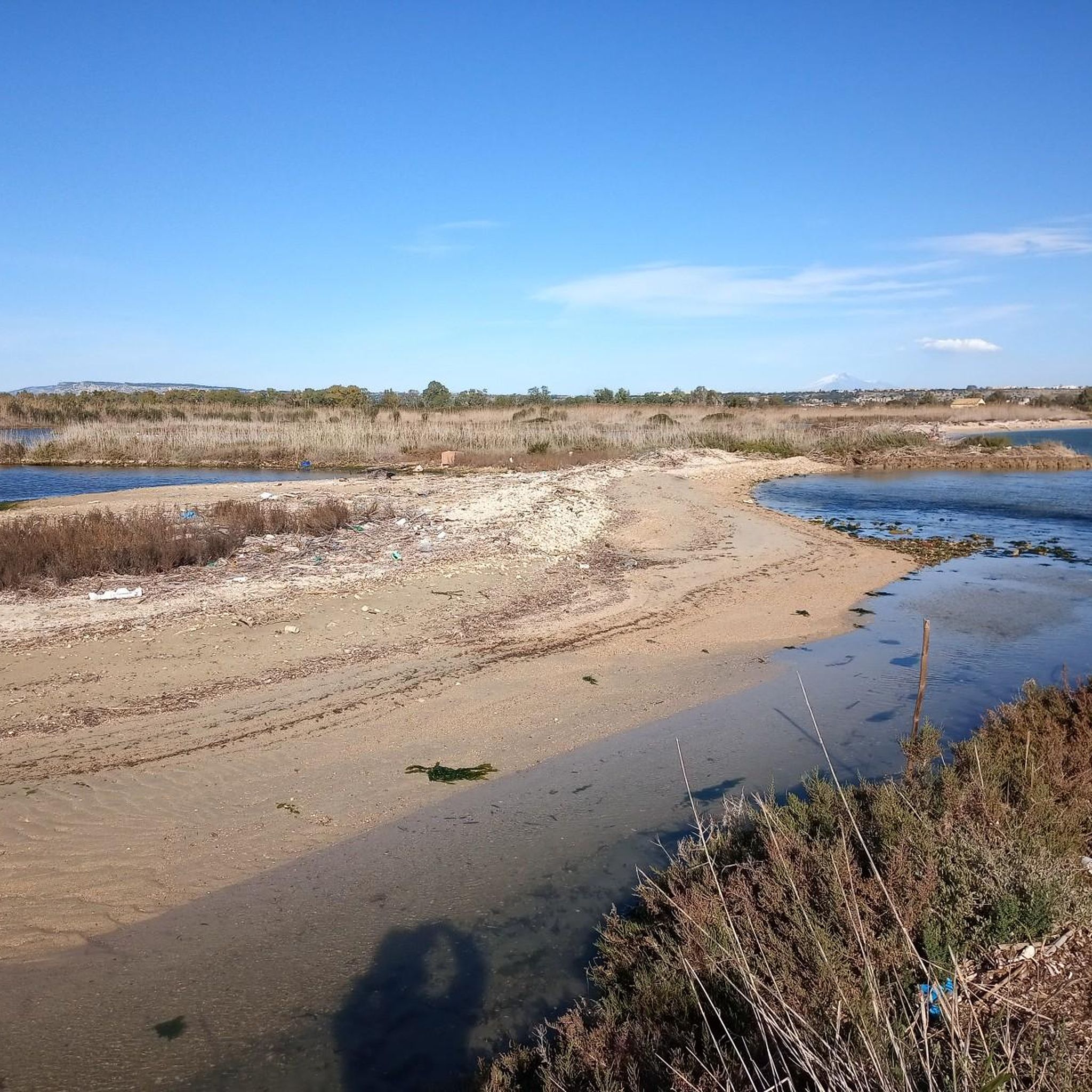
Hiking in Riserva Naturale Orientata Fiume Ciane E Saline Di Siracusa

Gravel biking in Riserva Naturale Orientata Fiume Ciane E Saline Di Siracusa
Tips from the Community

beautiful park on the edge of the city of Syracuse, with the characteristic papyrus, which grow tall here. The area is very quiet and pleasant for cycling, shaded and flat.
0
0

This suggestive place, from which the Ciane river originates, is a curious place that has given rise to some ancient mythological tales. Papyrus plants grow on its banks.
1
0

Alternative route to the State Road to move from Avola to Syracuse and vice versa away from traffic. You can extend the journey by reaching Capo Murro di Porco.
0
0

You can see many dragonflies, butterflies, and every now and then birds of prey.
0
0

These papyrus plants are a rarity on the European continent and make this fun journey in nature even more characteristic.
2
1

On the river Ciane southwest of Siracusa (Syracuse) grows the papyrus plant. It is the only place in Europe where the plant grows, from which the Egyptians produce paper. The origin comes from a gift made in ancient antiquity by the Egyptians to the king of Syracuse, the tyrant Hieron II (from about 305-275 BC). Impressive are also the many old ash trees, which line the river, and the big yellow lines. Near (about 200 m) of the eucalyptus trees fringed spring, you can stop in a café of the Agriturismo "Papyrus" and visit the lemon tree crops. According to a Roman legend, the spring came from the tears of the nymph Ciane, which she shed about the abduction of her playmate Persephone by Pluto, the ruler of the underworld. The path leads over flat terrain and can be walked on with ordinary running shoes.
0
0

If you want to get from Sircusa in the direction of Noto, many road bike tours that can be found on the Internet, surprisingly enough, take the busy main road (SS115). This can, however, on the parallel running SS104 quite well, low traffic and also nice drive around. At the roundabout, turn towards the sea, to Carrozziere. After a few kilometers, turn right towards Fontane Bianche. The road is good, no top asphalt but overall very good with the road bike passable. After the small bay on the sea in Fontane Bianche you can either continue to the left to stay at the sea. Or you go right up to Cassibile if you want to go up into the hills to the north.
3
0
Frequently Asked Questions
What unique natural features can I explore in the Riserva Naturale Orientata Fiume Ciane E Saline Di Siracusa?
The reserve is renowned for its distinctive natural elements. You can see the Ciane Spring, the source of the Ciane River, a serene lake of blue water. Along the riverbanks, you'll find the rare Papyrus Plants, the only place in Europe where this species grows spontaneously. The historic Saline di Siracusa (Salt Pans) are also a vital wetland ecosystem.
Are there any historical or mythological sites within the reserve?
Yes, the reserve is rich in ancient Greek-Sicilian mythology. The Ciane Spring is central to the legend of the nymph Ciane, who was transformed into the spring after trying to prevent Hades from abducting Persephone. While no standing ancient structures are within the reserve, archaeological findings from the Bronze Age have been made near Fonte Ciane, with artifacts displayed in the Paolo Orsi Archaeological Museum.
What kind of wildlife can I expect to see, especially for birdwatching?
The Saline di Siracusa (Salt Pans) are a crucial stopover for numerous migratory bird species, making it an excellent spot for birdwatching. You might spot birds such as the Black-winged Stilt, Common Moorhen, Little Bittern, Grey Heron, Little Egret, Water Rail, Coot, Eurasian Wigeon, Mute Swan, Flamingo, Osprey, and Great Cormorant. The Ciane River's clear waters are also home to brown trout, mullets, turtles, and crabs.
What outdoor activities are available for visitors in the reserve?
Visitors can enjoy a variety of outdoor activities. There's a circular cycle-pedestrian path of approximately 12 km, perfect for hiking or cycling. Shorter hiking loops are also available. You can also take guided boat tours or rent canoes to navigate the tranquil waters of the Ciane River and explore the salt pans from a unique perspective.
Are there family-friendly attractions or activities in the Riserva Naturale Orientata Fiume Ciane E Saline Di Siracusa?
Yes, many aspects of the reserve are family-friendly. Exploring the Fiume Ciane and Saline di Siracusa Nature Reserve, including the Ciane Spring and the Papyrus Plants, offers an engaging experience for all ages. The flat terrain along the river makes for easy walks, and boat tours can be a fun way for families to see the papyrus and wildlife.
What are the best ways to explore the Ciane River?
The Ciane River can be explored in several ways. You can walk or cycle along the paths that follow its banks, offering views of the unique papyrus plants. For a different perspective, consider taking a guided boat tour or renting a canoe to navigate the tranquil blue-green waters directly. This allows for a closer look at the riparian vegetation and wildlife.
Are there specific hiking or cycling routes recommended in the reserve?
Yes, the reserve offers several routes. A popular option is the circular cycle-pedestrian path, approximately 12 km long, which takes you through groves of papyrus from the spring to the river's mouth. For hiking, you can find easy routes like the 'Bridge over the Ciane River – Ciane Spring loop' or 'Ciane Spring – Bridge over the Ciane River loop'. You can find more details on these and other routes in the Hiking in Riserva Naturale Orientata Fiume Ciane E Saline Di Siracusa guide.
What is the best time of year to visit the Riserva Naturale Orientata Fiume Ciane E Saline Di Siracusa?
The reserve can be enjoyed year-round, but spring and autumn are particularly pleasant due to milder temperatures, making outdoor activities like hiking and cycling more comfortable. These seasons are also excellent for birdwatching as migratory species pass through the salt pans. Summer can be hot, so early mornings or late afternoons are recommended if visiting during that time.
Is the reserve accessible for people with limited mobility or strollers?
The paths along the Ciane River are generally flat, making them suitable for walking with ordinary shoes and potentially accessible for strollers in many areas. The highlight Fiume Ciane and Saline di Siracusa Nature Reserve is described as having flat terrain. However, it's always advisable to check specific trail conditions if you have particular accessibility needs.
Can I bring my dog to the Riserva Naturale Orientata Fiume Ciane E Saline Di Siracusa?
While the guide data does not explicitly state dog-friendly policies for the entire reserve, many natural parks in Italy allow dogs on leashes. It's best to check local signage upon arrival or contact the reserve management directly for the most current regulations regarding pets on trails and in specific areas.
Where can I find a good viewpoint to appreciate the natural beauty of the area?
Beyond the immediate reserve, the View of Fontane Bianche Beach offers a scenic perspective. While not directly within the core of the Ciane River area, it provides an alternative, low-traffic route for cycling from Syracuse towards Noto, leading to the sea and offering pleasant views.
Are there any cafes or places to eat near the reserve?
Near the eucalyptus trees fringing the Ciane Spring, you can find a café at the Agriturismo "Papyrus." This provides a convenient spot for refreshments and to visit lemon tree crops after exploring the spring area.
Most popular routes in Riserva Naturale Orientata Fiume Ciane E Saline Di Siracusa

Get inspired with the komoot mobile app


Explore more
Still not found the Highlight you’re looking for? See guides of the top attractions in other regions:
