Attractions and Places To See in Σταυρό Χορδάκι Δήμου Ακρωτηρίου - Top 17
Attractions and places to see in Σταυρό Χορδάκι Δήμου Ακρωτηρίου encompass a variety of historical sites, natural landscapes, and coastal features on the Akrotiri Peninsula. The area is characterized by its distinctive camel-shaped mountain, Vardies, and its protected lagoons. Visitors can explore ancient quarries, sea caves, and a collection of historic monasteries. This region provides opportunities for both coastal relaxation and inland exploration.
Best attractions and places to see in Σταυρό Χορδάκι Δήμου Ακρωτηρίου
- The most popular attractions is Ruins…
Last updated: August 15, 2026
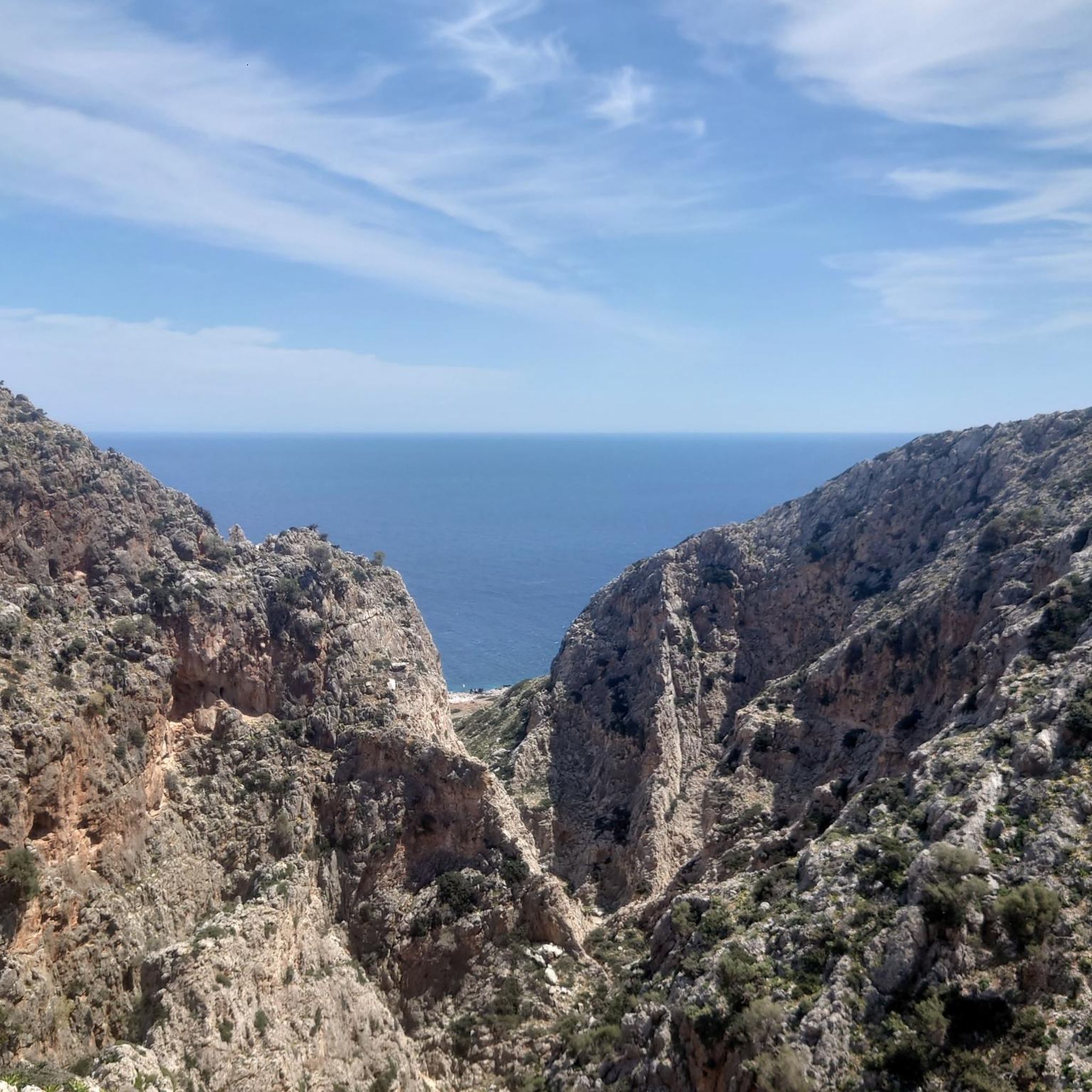
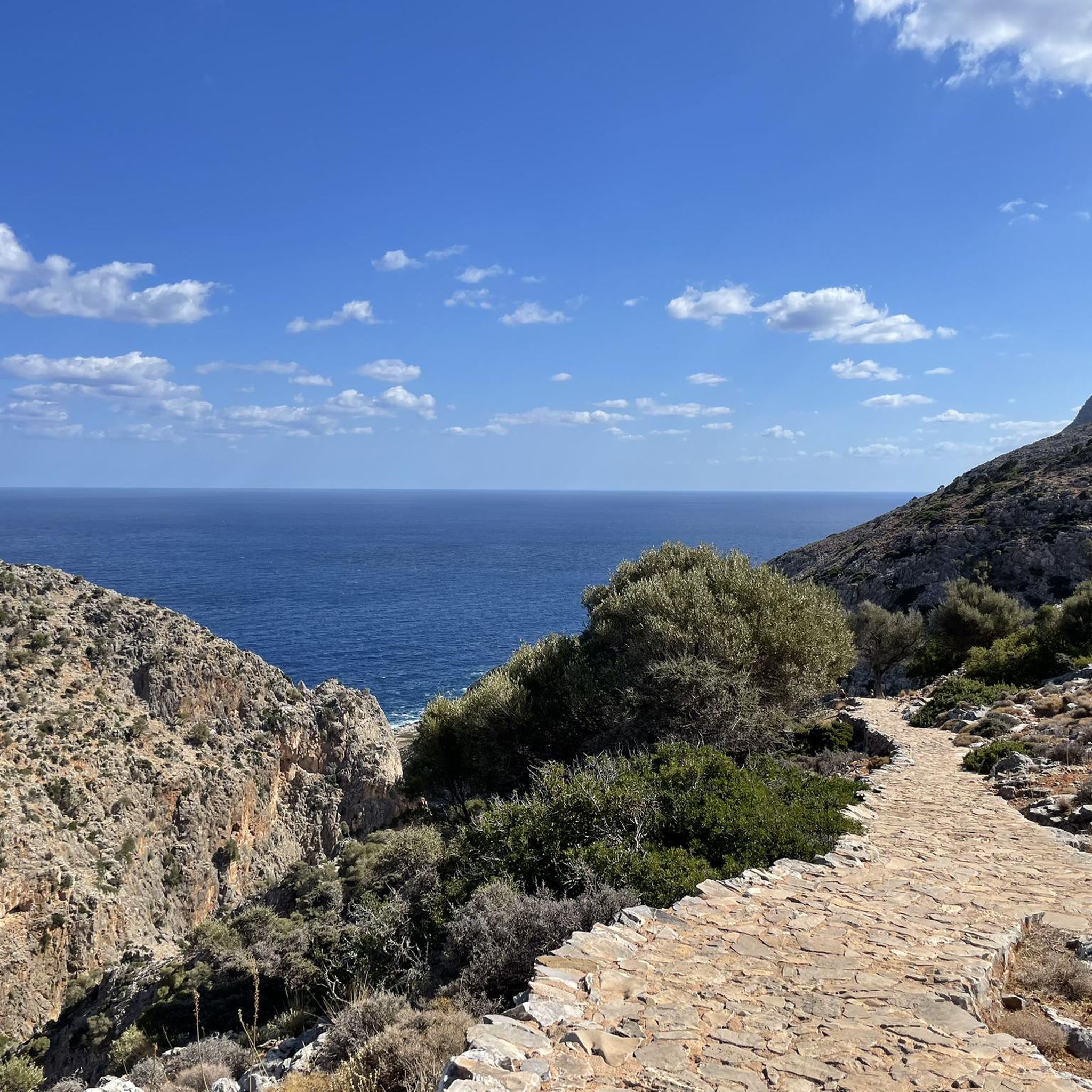
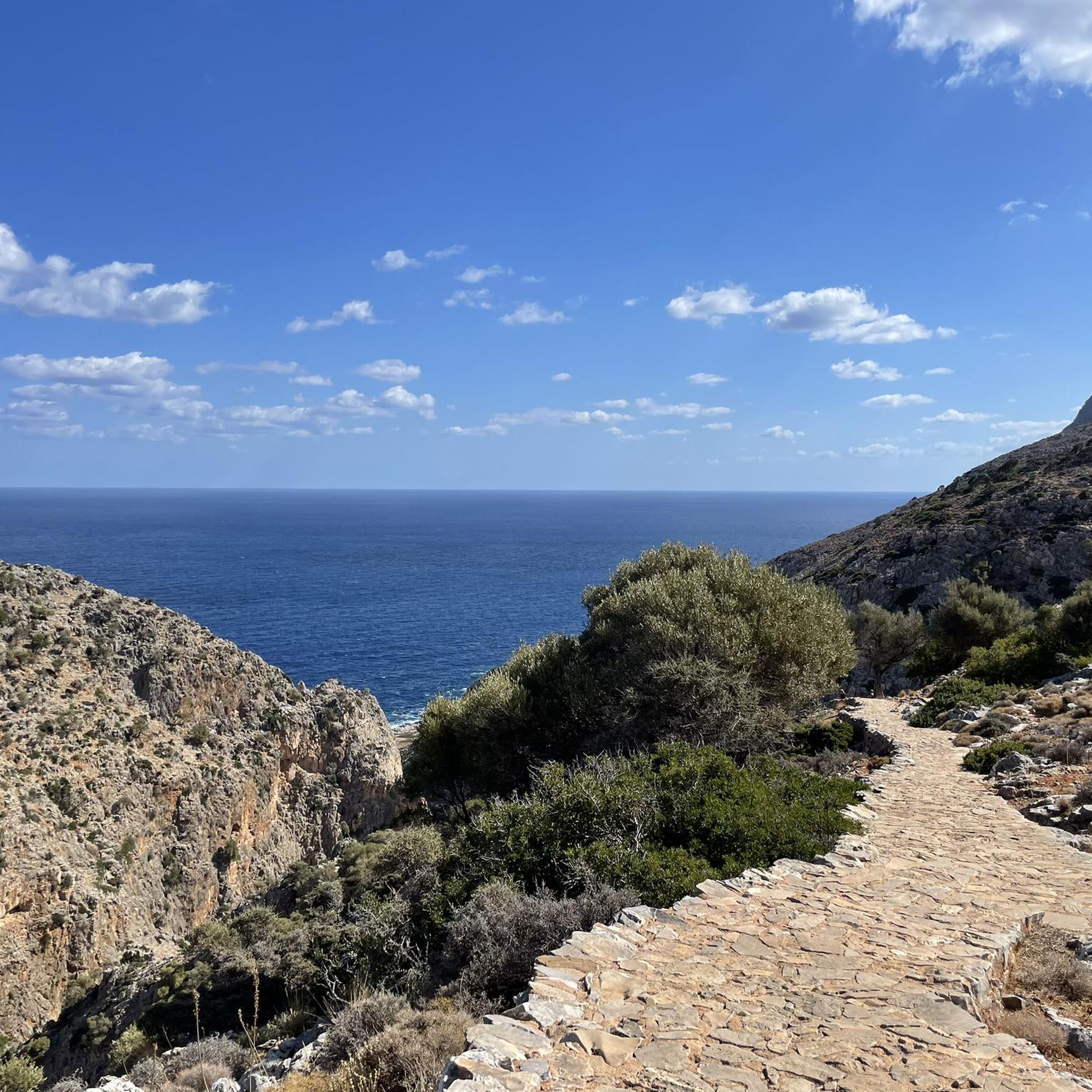
Ruins of Katholiko Monastery and Bridge
Highlight • Historical Site
Translated by Google •
Tip by

Monastery Garden of Gouverneto Monastery
Highlight • Religious Site
Translated by Google •
Tip by

Sign up now to discover places like this
Get recommendations on the best single tracks, peaks, & plenty of other exciting outdoor places.
Sign up for free
Bay Katholiko
Highlight • Beach
Translated by Google •
Tip by

Stavros Lagoon
Highlight • Beach
Translated by Google •
Tip by

Arkoudiotissa Cave
Highlight • Cave
Translated by Google •
Tip by

Sign up for free to discover even more attractions in Σταυρό Χορδάκι Δήμου Ακρωτηρίου.
Sign up for free
Already have an account?
Start today with a free account
Your next adventure awaits.
Login or Signup
Tips from the Community

"Teach me to dance... come on, boy!" And on this beach in 1964, Anthony Quinn taught Alan Bates the "Sirtaki." This final scene from "Zorba the Greek," filmed by German cinematographer Walter Lassally and awarded an Oscar, thus shows the "birth" and "birthplace" of the Sirtaki. Because the Sirtaki isn't an original Greek dance. It incorporates sequences from various Greek dances. Furthermore, Anthony Quinn had injured his ankle beforehand and was severely hampered in his dancing abilities. On the opposite hillside, the location where the collapsing wooden cable car was filmed is clearly visible. In 1979, I rode an old bicycle from Chania to this lagoon... and it was very, very empty. For those interested in culture... the film's plot is based on the novel "Zorba" by Nikos Kazantzakis, in which he created a monument to his friend.
0
0

To enter the monastery, you must wear long trousers. Dogs are also prohibited on the grounds. Alternatively, you can walk along the fence to the left of the gate. Keep to the fence. This way you can bypass the grounds, go under the monastery, and continue to the ruins. You also have a good view of the monastery from the fence.
1
0

The water shimmers beautifully in different shades of color.
0
0
It's worth a trip.
0
1
I think the tour is worth it.
0
0

At the end of the monastery hike
0
2

It is located near the cave where Ioannis the Hermit lived and shows impressive architectural details.
5
1
Frequently Asked Questions
What natural features can I explore in the Stavros region?
The region offers diverse natural beauty. You can visit the distinctive camel-shaped Vardies Mountain overlooking Stavros Beach, explore the Stavros Lagoon with its shallow, turquoise waters, or discover the rugged charm of Bay Katholiko, where you can walk to the water under a natural arch. The wider Akrotiri Peninsula features an undulating plateau, ravines, and numerous caves.
Are there any unique geological formations or caves to visit?
Yes, the area is rich in unique geological sites. Near Stavros Beach, you can find the remains of an ancient quarry and a unique 'Rhizoliths Petrified Forest' with fossilized root systems. The Arkoudiotissa Cave is a Minoan cult cave, heavily sooty inside, with a small Orthodox chapel at its entrance. Another natural sea cave, Cave Lera, is just a short walk from Stavros Beach.
What historical or religious sites can I visit in the Akrotiri Peninsula?
The Akrotiri Peninsula is home to several significant historical and religious sites. You can explore the Ruins of Katholiko Monastery and Bridge, an ancient monastery nestled in Avlaki Gorge. Nearby, the Monastery Garden of Gouverneto Monastery is one of Crete's oldest, featuring fortress-like architecture. The opulent Agia Triada Tzagaroli Monastery, founded in the 17th century, is also worth a visit.
Are there hiking opportunities near Stavros?
Absolutely. The Ruins of Katholiko Monastery and Bridge are a great hiking destination, even with children, located at the bottom of a gorge. A marked trail also leads from Gouverneto Monastery to the Avlaki Gorge and the abandoned Katholiko Monastery. For more options, you can find various running and hiking trails in the region, including routes like 'Running loop from Stavros' or 'Ruins of the Old Monastery – Arkoudiotissa Cave loop from Gouverneto monastery'. You can explore these and more on the Running Trails in Σταυρό Χορδάκι Δήμου Ακρωτηρίου guide.
What outdoor activities can I do in the area besides hiking?
Beyond hiking, the region offers excellent opportunities for cycling and mountain biking. You can find routes like 'Zorba Beach – Moni Gouverneto Monastery loop from Stavros' for cycling or 'Golden Sand Beach – Zorba Beach loop from Stavros' for mountain biking. Discover more routes on the Cycling in Σταυρό Χορδάκι Δήμου Ακρωτηρίου guide and the MTB Trails in Σταυρό Χορδάκι Δήμου Ακρωτηρίου guide.
Are there family-friendly attractions in the region?
Yes, Stavros and the Akrotiri Peninsula offer several family-friendly options. The Stavros Lagoon (Main Beach) is ideal for families with its white sand and shallow, protected waters. The hike to the Ruins of Katholiko Monastery and Bridge is also considered suitable for children. Many of the monasteries, like the Monastery Garden of Gouverneto Monastery, welcome families.
What beaches are available for swimming and relaxation?
Stavros is renowned for its beautiful beaches. The main Stavros Lagoon is a semicircular bay with white sand and shallow, calm waters. For a more rugged experience, Stavros Wild Beach is located nearby. Other charming beaches in the wider area include Macherida Beach, Tersanas Beach, and Kalathas Beach, all offering fine sand and clear waters.
What is the best time of year to visit Stavros and the Akrotiri Peninsula?
The best time to visit Stavros and the Akrotiri Peninsula for outdoor activities and beach relaxation is typically during the spring (April-May) and autumn (September-October) months. During these periods, the weather is pleasant, ideal for hiking and exploring, and the crowds are generally smaller than in the peak summer season. Summer (June-August) is perfect for beach activities, though it can be quite warm and busy.
Are there any sites related to the film 'Zorba the Greek'?
Yes, Stavros gained international fame as the backdrop for the iconic Sirtaki dance in the 1964 film 'Zorba the Greek'. The final scene, where Anthony Quinn taught Alan Bates the Sirtaki, was filmed on the main Stavros Lagoon. The distinctive camel-shaped Vardies Mountain, visible from the beach, also featured prominently in the film.
What do visitors enjoy the most about the attractions in the region?
Visitors particularly appreciate the unique blend of natural beauty and historical significance. The enchanting location and changing atmosphere of the Ruins of Katholiko Monastery and Bridge are often highlighted. The opportunity to walk to the water under a natural arch at Bay Katholiko and observe ancient quarry traces is also a favorite. Many enjoy the peaceful and well-cared-for atmosphere of monasteries like Gouverneto Monastery and the historical intrigue of the Arkoudiotissa Cave.
Is it possible to find cafes or restaurants near the main attractions?
Yes, especially around the more popular areas. Stavros Beach (Limanaki) has tavernas directly on the beachfront. While exploring the monasteries, you might find small shops or cafes, particularly near the more active ones like Agia Triada. The nearby villages and Chania city center also offer a wide array of dining options.
Are there any hidden gems or less-known spots worth visiting?
Beyond the main highlights, consider exploring the Stavros Wild Beach for a more secluded experience. The ancient quarry near Stavros beaches, with its unique 'Rhizoliths Petrified Forest', offers an interesting geological detour. The Monastery of Saint John the Baptist in Korakies is a historic, lesser-known convent that provides a glimpse into the region's spiritual heritage away from the larger crowds.
Most popular routes in Σταυρό Χορδάκι Δήμου Ακρωτηρίου

Get inspired with the komoot mobile app


Explore more
Still not found the Highlight you’re looking for? See guides of the top attractions in other regions:
