The best cycling routes in Munții Apuseni - Vlădeasa
4.6
(11)
164
riders
18
rides
Touring cycling in Munții Apuseni - Vlădeasa features a landscape characterized by mountainous terrain, dense forests, and significant elevation changes. The region offers advanced touring bike trails, with routes often traversing through valleys and ascending to higher elevations. These trails provide opportunities to experience the natural environment, including potential wildlife sightings. Many routes offer viewpoints along Munții Apuseni Vlădeasa bike routes, showcasing the area's topography.
Best touring cycling routes in Munții Apuseni - Vlădeasa
- The most popular touring cycling route is Ionele's Door Cave loop from Sturu, a 20.3 miles (32.7 km) trail that takes 2 hours 23 minutes to complete. This difficult route features notable elevation gain through forested areas.
- Another top favourite among local touring cyclists is La Găvrila – Salvamont Cluj loop from Poiana Horea, a difficult 37.9 miles (61.1 km) path. This route navigates through varied terrain with significant ascents.
- Local touring cyclists also love the La Găvrila – Salvamont Cluj loop from Barajul Beliș-Fântânele, a 38.9 miles (62.6 km) trail leading through mountainous landscapes, often completed in about 5 hours 9 minutes.
- Touring cycling in Munții Apuseni - Vlădeasa is defined by mountainous terrain, dense forests, and significant elevation changes. The network offers options primarily for advanced touring cyclists.
- The routes in Munții Apuseni - Vlădeasa are highly rated by the komoot community with an average score of 4.6 stars from over 11 reviews. More than 160 touring cyclists have used komoot to explore Munții Apuseni - Vlădeasa's varied terrain.
Last updated: July 17, 2026
5.0
(1)
13
riders
32.7km
02:23
720m
720m
Hard bike ride. Very good fitness required. Mostly paved surfaces. Suitable for all skill levels.
4.0
(2)
12
riders
60.8km
04:59
1,230m
1,230m
Hard bike ride. Very good fitness required. Mostly paved surfaces. Suitable for all skill levels.

Sign up for free
4.0
(2)
10
riders
62.0km
05:06
1,310m
1,310m
Hard bike ride. Very good fitness required. Mostly paved surfaces. Suitable for all skill levels.
14
riders
79.1km
05:27
1,380m
1,380m
Hard bike ride. Very good fitness required. Mostly paved surfaces. Suitable for all skill levels.
15
riders
29.0km
02:00
520m
520m
Hard bike ride. Very good fitness required. Mostly paved surfaces. Suitable for all skill levels.
Get access to more routes and recommendations from other explorers.
Sign up for free
Already have an account?
Our route recommendations are based on thousands of hikes, rides, and runs completed by other people on komoot.
Start today with a free account
Your next adventure awaits.
Login or Signup
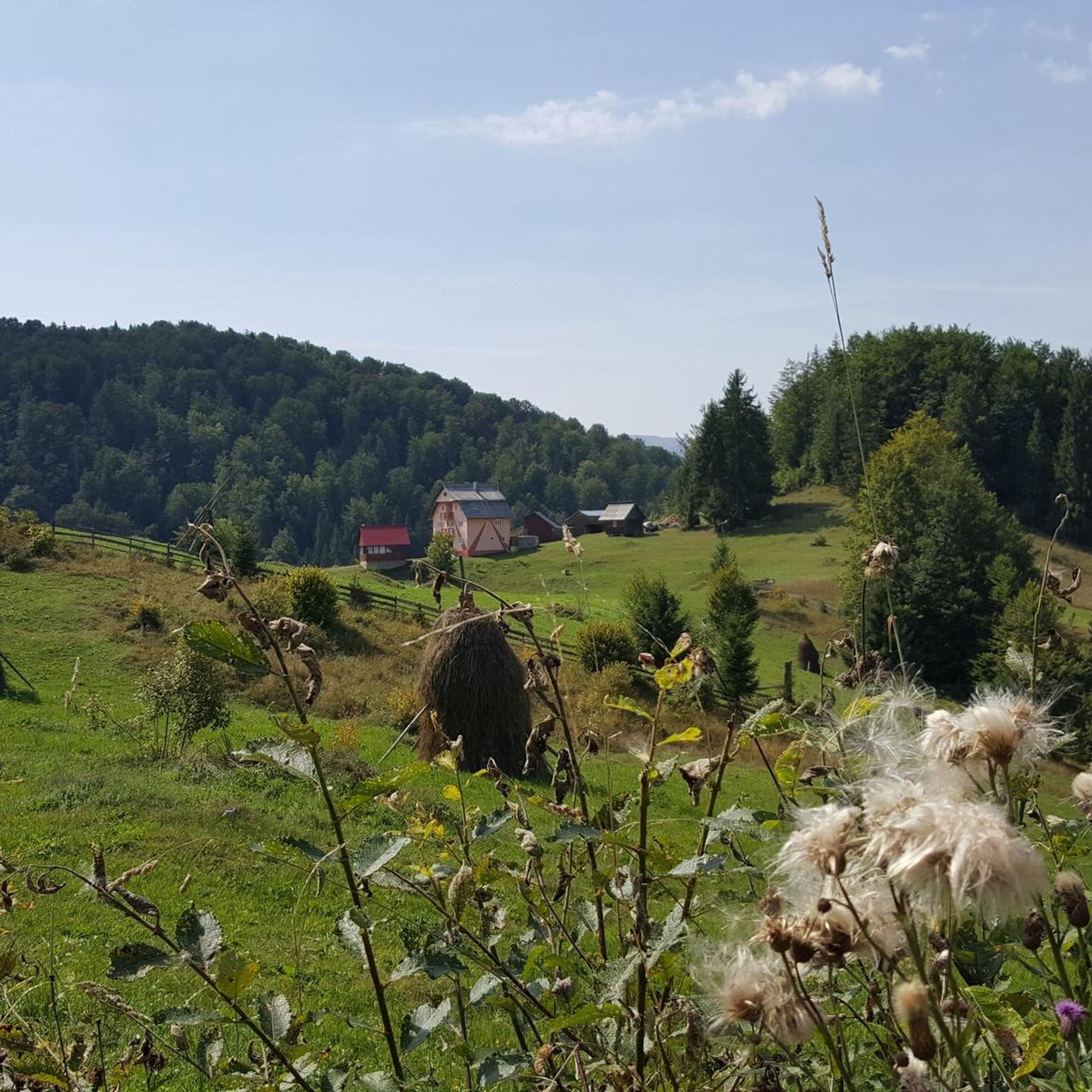
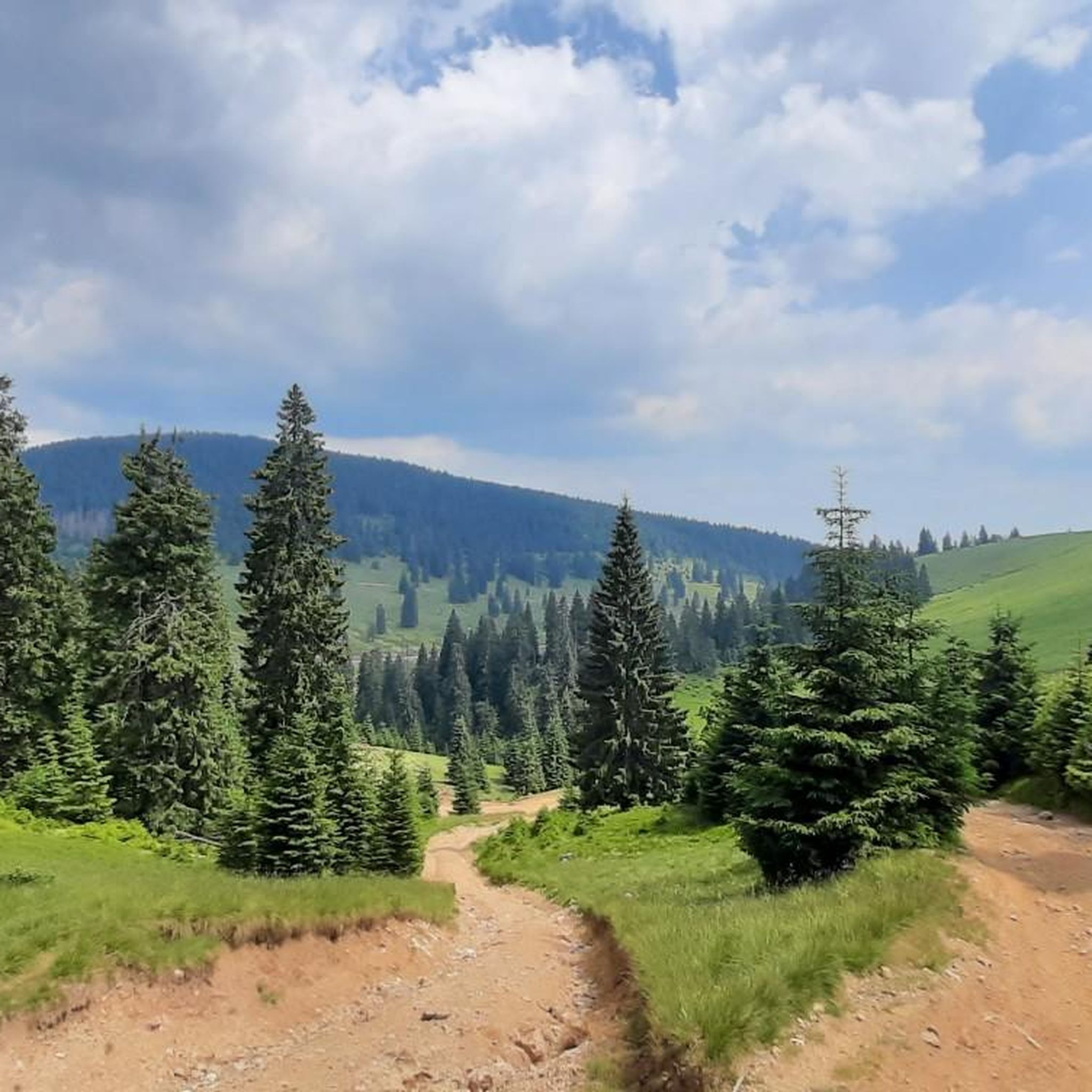
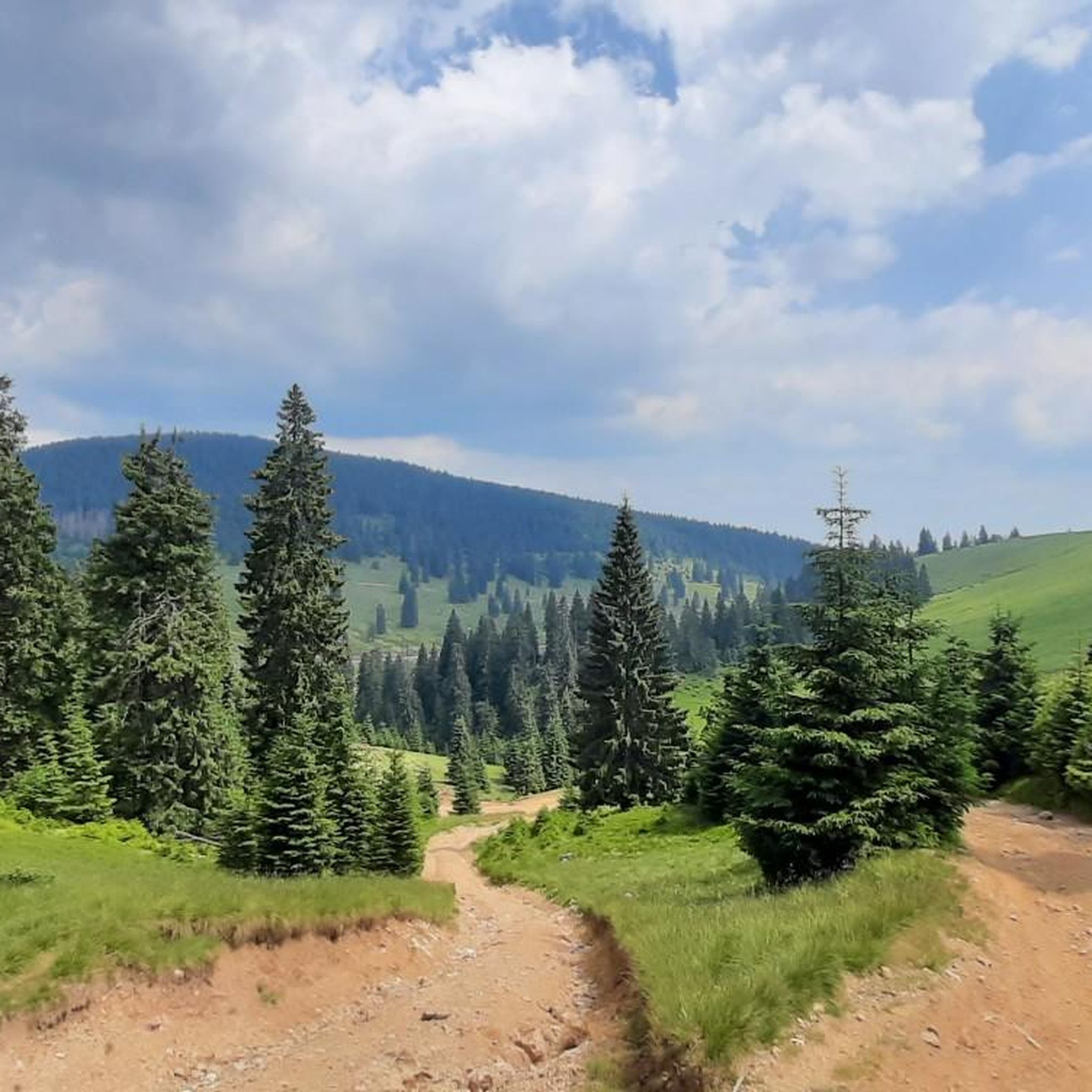
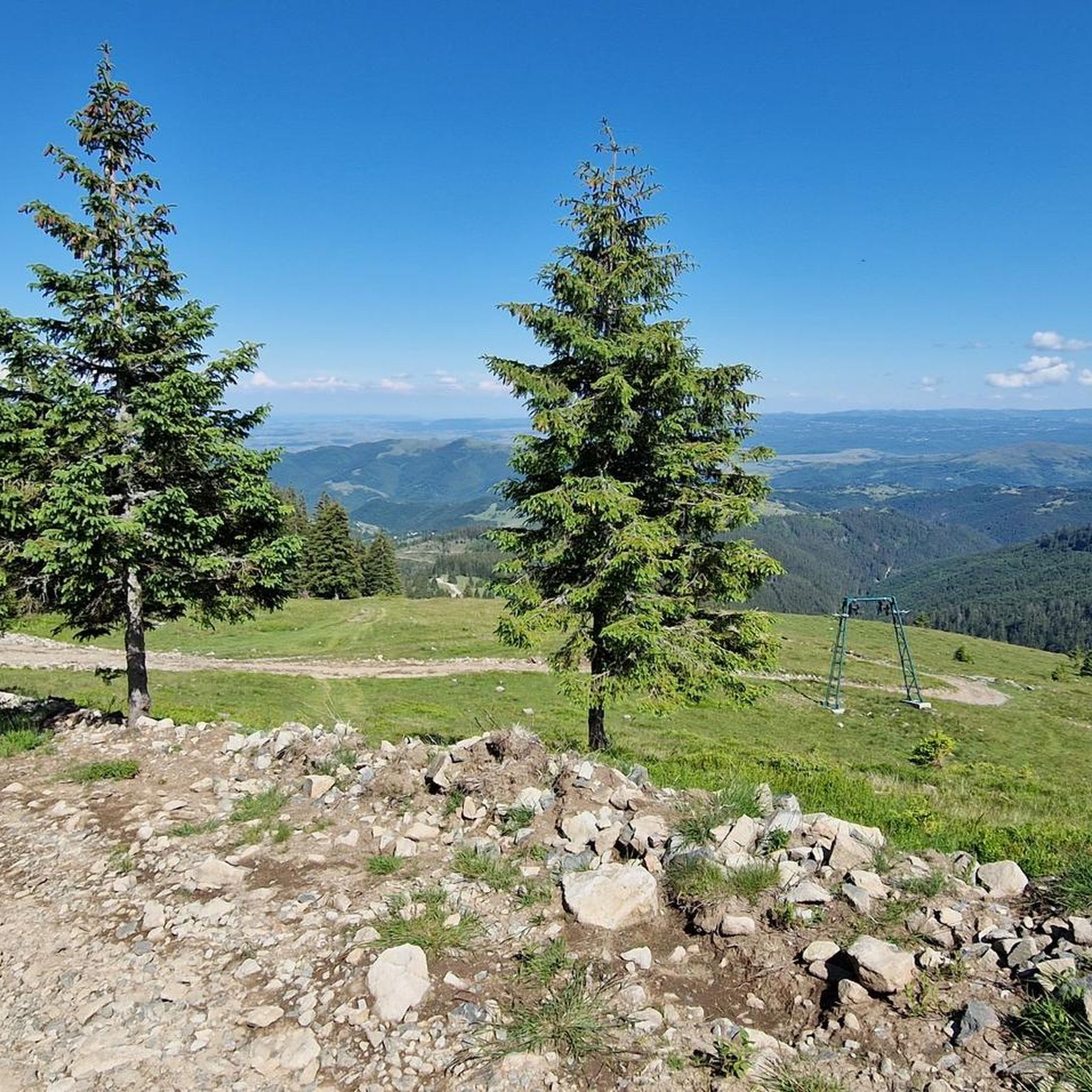
Tips from the Community

For now, this is the end of the cyclepath. But it will be completed soon.
0
0

Frequently Asked Questions
What is the typical difficulty level for touring cycling routes in Munții Apuseni - Vlădeasa?
Touring cycling in Munții Apuseni - Vlădeasa is primarily suited for advanced cyclists. All 18 routes listed in this guide are rated as difficult, featuring significant elevation changes and challenging terrain. For example, the Ionele's Door Cave loop from Sturu involves over 700 meters of elevation gain.
Are there any circular touring cycling routes in Munții Apuseni - Vlădeasa?
Yes, many of the touring cycling routes in Munții Apuseni - Vlădeasa are designed as loops, allowing you to start and end at the same point. Examples include the challenging La Găvrila – Salvamont Cluj loop from Poiana Horea and the La Găvrila – Salvamont Cluj loop from Barajul Beliș-Fântânele.
What kind of natural attractions can I expect to see along the touring cycling routes?
The region is rich in natural beauty. You can encounter impressive geological formations like the Scărișoara Cave, the dramatic Bridal Veil Waterfall, and the unique Rusty Pit gorge. Some routes also pass through dense forests, offering glimpses of the area's diverse flora and fauna.
What is the best season for touring cycling in Munții Apuseni - Vlădeasa?
The best season for touring cycling in Munții Apuseni - Vlădeasa is typically from late spring to early autumn (May to October). During these months, the weather is generally more stable, and the trails are free of snow. Summer offers warmer temperatures, while spring and autumn provide vibrant foliage and cooler conditions, ideal for longer rides.
Are there any viewpoints along the touring cycling routes in Munții Apuseni - Vlădeasa?
Yes, many routes offer spectacular viewpoints showcasing the mountainous landscape. The region's topography ensures that ascents are often rewarded with panoramic vistas. The Vlădeasa Summit Meteorological Station, for instance, provides extensive views of the surrounding area.
What are the typical durations for touring cycling routes in this region?
Route durations vary significantly based on distance and elevation. For example, the Salvamont Cluj loop from Hanul Beliș is approximately 29 km and can take around 2 hours, while the longer Forest Rest Area – End of the Cycle Path loop from Hanul Beliș, at over 79 km, might take upwards of 5 hours.
What do other touring cyclists enjoy most about touring cycling in Munții Apuseni - Vlădeasa?
The area is highly rated by the komoot community, with an average score of 4.6 stars from over 11 reviews. Reviewers often praise the challenging yet rewarding mountainous terrain, the dense forests, and the opportunities to experience the natural environment away from crowds.
Are there any options for wild swimming near the touring cycling trails?
While specific wild swimming spots directly adjacent to the trails are not explicitly listed, the region is known for its rivers and lakes, such as Lake Beliș-Fântânele. It's advisable to research local regulations and safety conditions for any potential swimming locations you might consider.
What kind of wildlife might I encounter while touring cycling in Munții Apuseni - Vlădeasa?
Munții Apuseni - Vlădeasa is part of a rich natural habitat. Cyclists might encounter various forest animals, including deer, wild boars, and a wide array of bird species. Keep an eye out, especially in quieter, forested sections of the routes.
Are there any cafes or places to refuel along the touring cycling routes?
While the routes traverse largely natural and sometimes remote areas, you will find small villages and guesthouses (pensiuni) in the valleys and near starting points like Poiana Horea or Hanul Beliș. These often offer opportunities for refreshments or a meal. It's always recommended to carry sufficient water and snacks, especially on longer, more isolated sections.
Is public transport available to reach the touring cycling trailheads?
Public transport options to the more remote trailheads in Munții Apuseni - Vlădeasa are limited. Buses might serve larger villages on the periphery of the region, but reaching specific starting points often requires a personal vehicle or arranging local transfers. Planning your logistics in advance is highly recommended.
Where can I find parking for touring cycling routes in Munții Apuseni - Vlădeasa?
Parking is generally available in or near the villages that serve as common starting points for routes, such as Sturu, Poiana Horea, or near Barajul Beliș-Fântânele. Look for designated parking areas or inquire locally about suitable spots, especially if you plan to leave your vehicle for an extended period.
Most popular routes in Munții Apuseni - Vlădeasa
Most popular attractions in Munții Apuseni - Vlădeasa

Get inspired with the komoot mobile app


Explore more
Browse the best Cycling routes in other regions.
