The best cycling routes in Refugio Nacional De Vida Silvestre De Cabo Rojo
5.0
(2)
178
riders
15
rides
Touring cycling routes in Refugio Nacional De Vida Silvestre De Cabo Rojo traverse diverse landscapes, including dramatic limestone cliffs and a distinct limestone coastline. The region features serene Cabo Rojo Salt Flats, characterized by hypersaline lagoons, alongside lush mangrove forests and subtropical dry forests. Cyclists can also explore routes leading to gorgeous Caribbean beaches, offering varied terrain for different skill levels. The refuge provides well-maintained trail systems suitable for touring cycling.
Best touring cycling routes in Refugio Nacional De Vida…
Last updated: May 18, 2026
9
riders
18.4km
01:08
60m
60m
Easy bike ride. Great for any fitness level. Mostly paved surfaces. Suitable for all skill levels.
13
riders
35.5km
02:59
420m
420m
Moderate bike ride. Good fitness required. Mostly paved surfaces. Suitable for all skill levels.

Sign up for free
10
riders
44.5km
03:00
230m
230m
Moderate bike ride. Good fitness required. Mostly paved surfaces. Suitable for all skill levels.
7
riders
19.3km
01:28
50m
50m
Hard bike ride. Great for any fitness level. You may need to push your bike for some segments of this route.
22
riders
41.9km
03:13
410m
420m
Moderate bike ride. Good fitness required. Mostly paved surfaces. Suitable for all skill levels.
Get access to more routes and recommendations from other explorers.
Sign up for free
Already have an account?
Our route recommendations are based on thousands of hikes, rides, and runs completed by other people on komoot.
Start today with a free account
Your next adventure awaits.
Login or Signup
Popular around Refugio Nacional De Vida Silvestre De Cabo Rojo
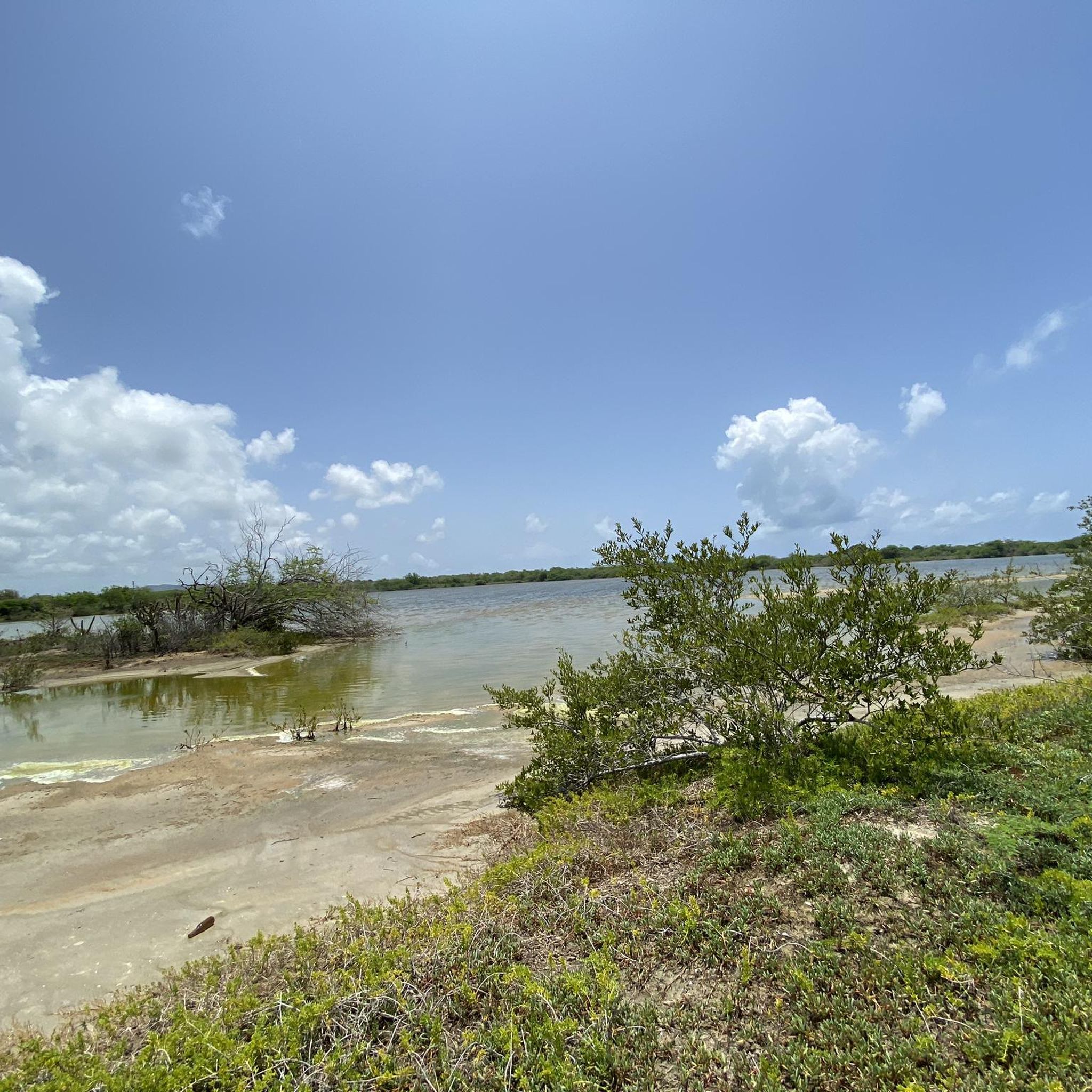
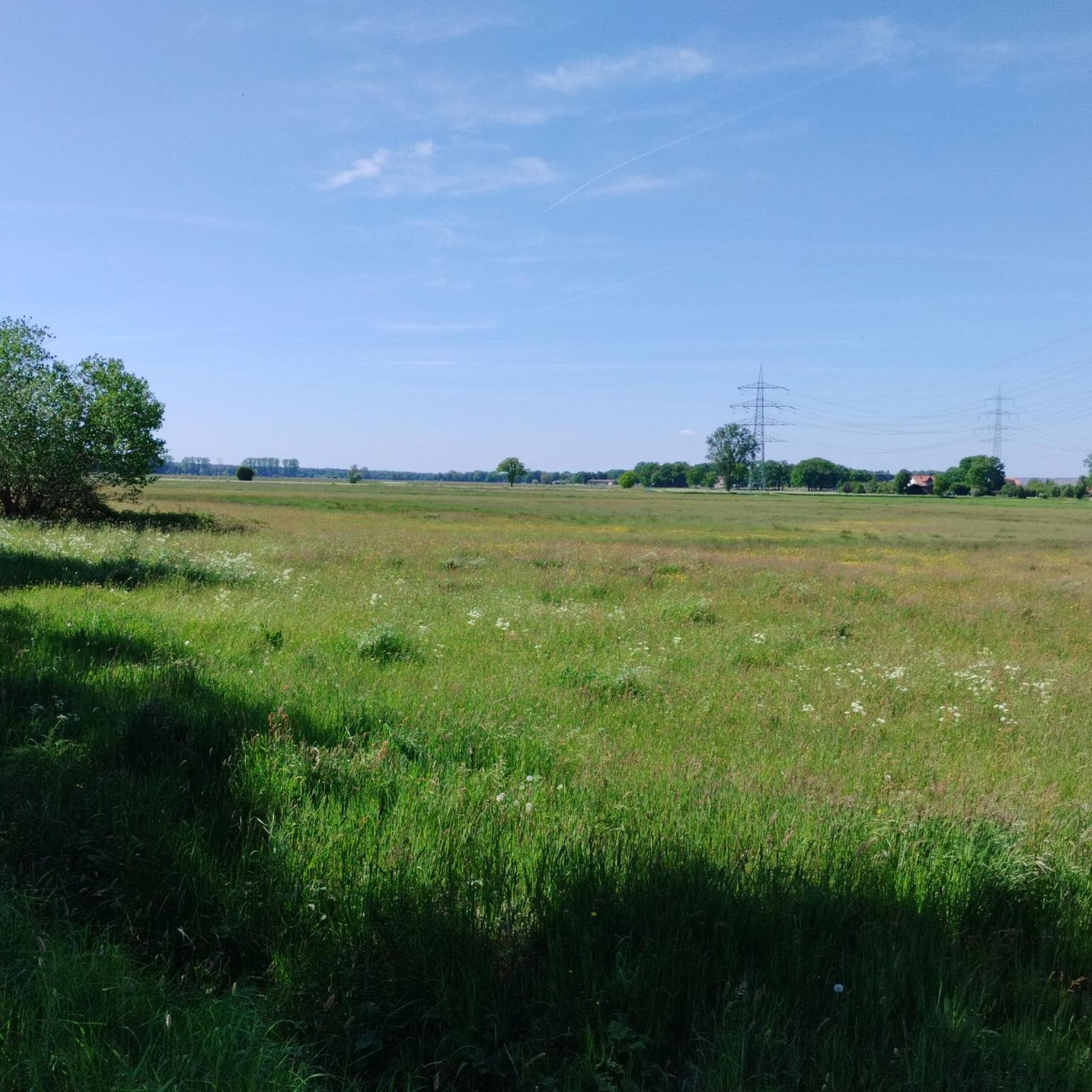

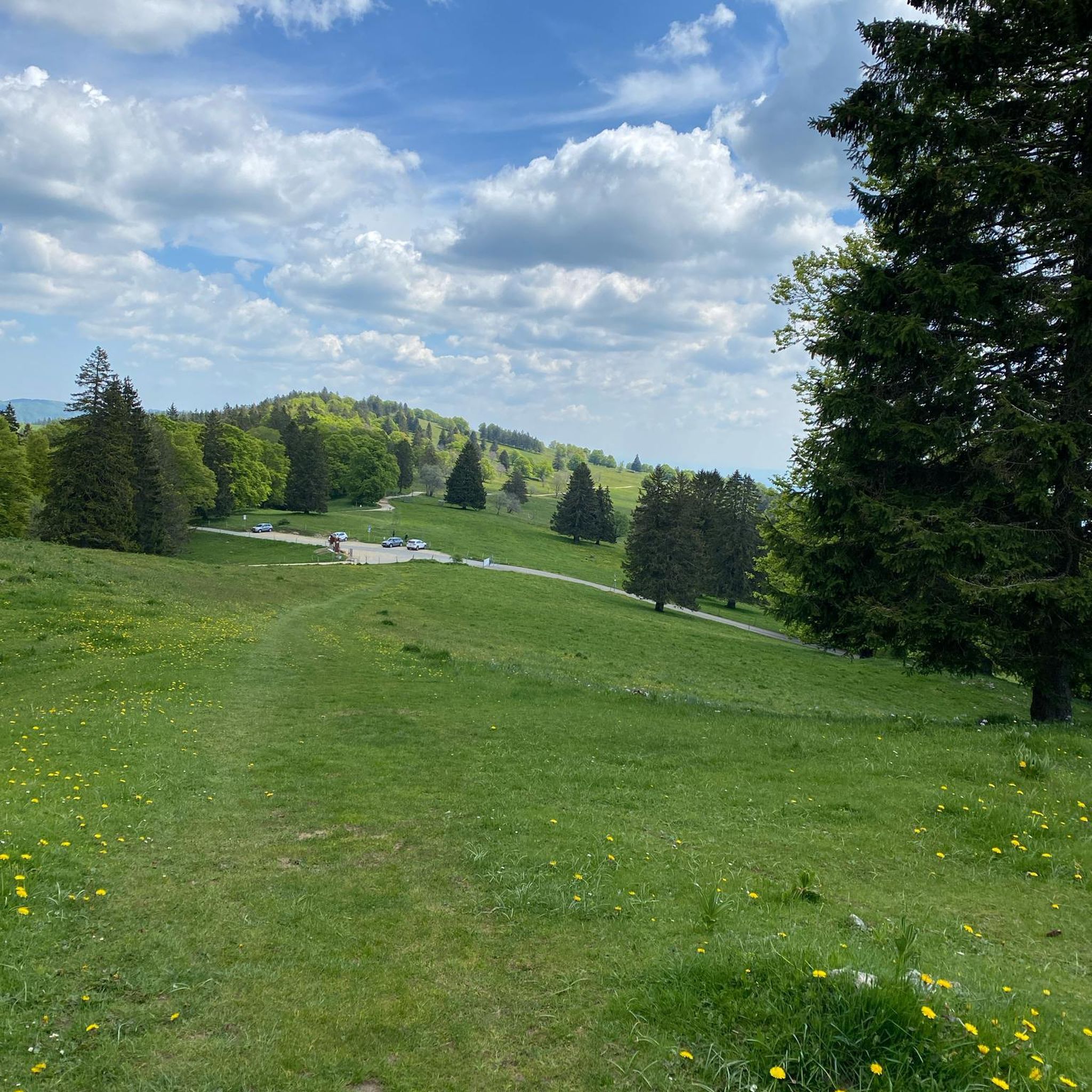
Tips from the Community

From 10am on it’s possible to get a Frappe or a something to eat before riding back.
0
0

Pictures Stonecliff in the blue ocean
0
0

The Iris L. Alameda Martínez Wildlife Refuge (RVS Boquerón) is located about 96 km southwest of San Juan, approximately 8 km from the town of Cabo Rojo, between a mangrove forest and a salt meadow. In 1964, the Department of Agriculture of the United States together with that of Puerto Rico, designated 182 hectares as a protected area. Its purpose? The conservation of coastal and marine resources and a recreational space that includes hunting waterfowl, cycling, hiking, among other uses The Refuge has an impressive biodiversity; First, it was made up of a mangrove forest, with an extension of approximately 1.7 km. In it there are two types of wetlands mainly: The Estuary, affected by waves of low intensity and changes in the tides; and the Palustrino, which is mostly freshwater and depends on the ebb and flow of the tides. 50% of the Refuge is made up of three types of mangroves (red mangrove, white mangrove, and black mangrove) that grow within, between, and on the edge of three dikes (West Dike, North Dike, and East Dike) totaling 4km in length. . These support a reservoir that receives water from five sources: three main ones: Valle de Lajas, Laguna de Rincón and runoff from the southern section of the Refuge, and two secondary ones: runoff from the Valle de Lajas irrigation canals and the Boqueron creek.
0
0
Frequently Asked Questions
What kind of terrain can I expect on touring cycling routes in Refugio Nacional De Vida Silvestre De Cabo Rojo?
The region offers diverse terrain for touring cyclists. You'll encounter routes traversing dramatic limestone cliffs, a distinct limestone coastline, and serene hypersaline lagoons within the Cabo Rojo Salt Flats. There are also paths through lush mangrove forests and subtropical dry forests, with some routes being paved and suitable for various skill levels.
Are there any easy touring cycling routes suitable for beginners or families?
Yes, there are several easy routes. For instance, the Bike loop from Villa Teresa is an easy 11.5-mile (18.4 km) trail, perfect for a relaxed ride and enjoying the natural features. The refuge generally offers well-maintained trails, making it accessible for a wide range of cyclists.
What natural landmarks or points of interest can I see while cycling in the refuge?
While cycling, you can explore several significant natural features and landmarks. These include the unique Cabo Rojo Salt Flats with their colorful lagoons, the historic Cabo Rojo Lighthouse (Faro Los Morrillos de Cabo Rojo), and the natural stone bridge known as Puente Natural. You might also cycle near the beautiful La Playuela Beach and pass through mangrove forests.
Are there any challenging touring cycling routes for experienced riders?
Yes, for more experienced riders, there are challenging options. Routes like the Laguna Fraternidad loop from Cabo Rojo National Wildlife Refuge, a 12.0-mile (19.3 km) trail, and the Boquerón Wildlife Refuge loop from Boquerón, a 45.3-km route, offer more demanding experiences with varied elevation and terrain.
What is the best time of year to go touring cycling in Refugio Nacional De Vida Silvestre De Cabo Rojo?
The refuge is generally pleasant for cycling year-round. However, the winter months (approximately November to April) are often preferred due to cooler temperatures and lower humidity, making for a more comfortable ride. This period also coincides with the peak season for migratory bird observation.
Is parking available at the Refugio Nacional De Vida Silvestre De Cabo Rojo for cyclists?
Yes, parking is available at various access points within and around the refuge. For example, there is parking near the Cabo Rojo Lighthouse and at the Visitor Centers. It's advisable to check specific trailheads or visitor center information for the most convenient parking for your chosen route.
Can I bring my dog on the touring cycling trails in Refugio Nacional De Vida Silvestre De Cabo Rojo?
While the refuge is a natural area, specific regulations regarding pets on trails can vary. It's best to check the official U.S. Fish & Wildlife Service website for the most current pet policy within the Refugio Nacional De Vida Silvestre De Cabo Rojo before planning your ride with a dog.
Are there any loop routes available for touring cyclists?
Yes, many routes in the refuge are designed as loops, offering a convenient way to explore without retracing your steps. Examples include the Peñones de Melones loop from Villa Teresa and the Cerro Guaniquilla – Cerro Algódon loop from Vistamar El Combate, which allow you to experience different landscapes in a single ride.
What kind of wildlife can I expect to see while cycling?
The refuge is a vital habitat for diverse wildlife. Cyclists often have opportunities for birdwatching, especially during the winter months when approximately 40,000 migratory birds flock to the area. You might also spot lizards, frogs, iguanas, and potentially the endangered Yellow-shouldered Blackbird.
Are there visitor centers or facilities where I can get more information about the refuge?
Yes, the refuge has visitor centers that provide valuable information. The Caribbean Islands National Wildlife Refuge Visitor Center and the Salt Flats Interpretive Center offer insights into the refuge's history, ecology, and significance for migratory birds. You can find more details on their official website: fws.gov/refuge/cabo-rojo/visit-us.
How long does it typically take to complete a touring cycling route in the refuge?
The duration varies significantly by route and your cycling pace. For example, an easy route like the Bike loop from Villa Teresa typically takes around 1 hour 8 minutes. Longer, more challenging routes, such as the Peñones de Melones loop from Villa Teresa, can take over 3 hours.
Are there any specific permits required for touring cycling in Refugio Nacional De Vida Silvestre De Cabo Rojo?
Generally, no specific permits are required for recreational touring cycling on designated trails within the refuge. However, it's always a good practice to check the official U.S. Fish & Wildlife Service website for any updated regulations or special requirements before your visit: fws.gov/refuge/cabo-rojo/visit-us/activities.
Most popular routes in Refugio Nacional De Vida Silvestre De Cabo Rojo

Get inspired with the komoot mobile app


Explore more
Browse the best Cycling routes in other regions.
