The best cycling routes in Castro De Las Labradas
5
riders
6
rides
Touring cycling in Castro De Las Labradas offers routes through a landscape characterized by rolling hills, rural paths, and agricultural areas. The region features varied terrain with moderate elevation changes, suitable for touring cyclists seeking a mix of open countryside and village-to-village exploration. Routes often connect historical sites and natural features, providing diverse cycling experiences.
Best touring cycling routes in Castro De Las Labradas
- The most popular touring cycling route is Castro de las Labradas – Castro de Las Labradas…
Last updated: July 16, 2026
2
riders
Moderate bike ride. Good fitness required. Mostly paved surfaces. Suitable for all skill levels.
Moderate bike ride. Great for any fitness level. Some segments of this route may be unpaved and difficult to ride.

Sign up for free
2
riders
Hard bike ride. Good fitness required. You may need to push your bike for some segments of this route.
2
riders
Hard bike ride. Good fitness required. You may need to push your bike for some segments of this route.
35.0km
02:36
410m
410m
Cycle 21.8 miles (35.0 km) through historical landscapes and rural scenery on this difficult touring cycling route near Alija del Infantado.
Our route recommendations are based on thousands of hikes, rides, and runs completed by other people on komoot.
Start today with a free account
Your next adventure awaits.
Login or Signup
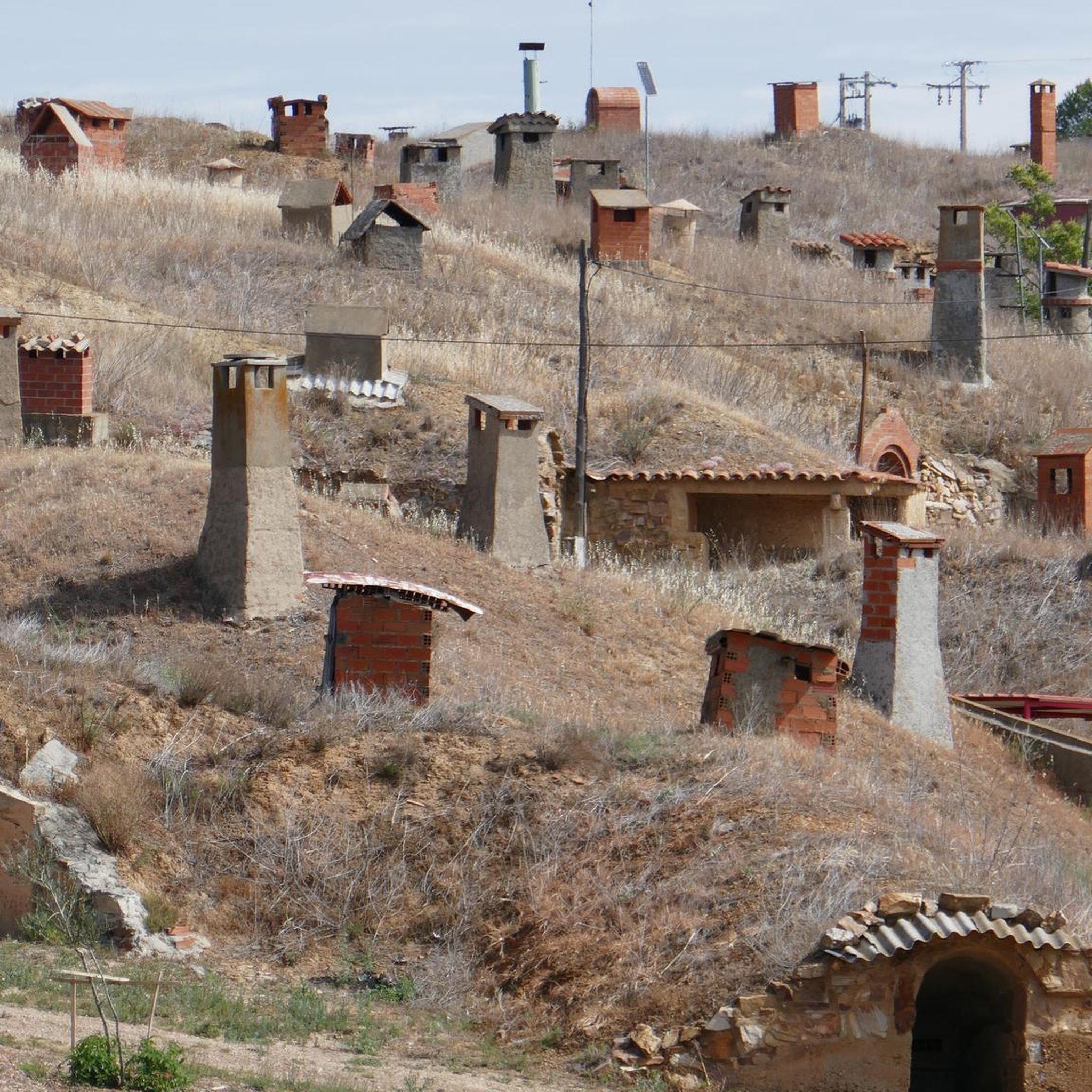

Tips from the Community

Although only part of the tower remains today, its presence is imposing: it was once a stately home and today serves as the perfect viewpoint over the Óbigo Valley. A bike ride up here is both visually and culturally rewarding. A great spot for epic photos, a restful break with views, and a bit of history on wheels. If you're planning a route with interesting stops, this castle is a definite yes.
0
0

On December 20, 1164, the widow of the Noble Vela Gutiérrez, Doña Sancha Ponce, transferred to the Cistercian Order of Santa María de Moreruela all the possessions and belongings of the territory of Nogales in hereditary right so that they could build another monastery that would be called Santa María from Nogales. From this moment and until the monks abandoned the monastery, in the mid-19th century, the Eria Region was governed according to the guidelines of the Order. This settlement established the model of repopulation and new management at all levels; social, cultural, agricultural and economic. At the same time it marked the appearance of the Villa de Nogales, which was initially made up of the servants and servants of the Monks. Without a sumptuous construction, Santa María de Nogales is located according to the criteria of the Cistercian order: a valley of fertile lands, abundance of water, and impressive solitude. For more than seven centuries it stood out for being the cradle of great men, an emporium of letters and science, where royal advisors and professors for the University of Alcalá emerged. Currently, only the ruins and remains of its greatness remain: scattered walls, the belfry of the Church and the main entrance arch with its heraldic shield. However, the surrounding area, fertile orchard, abundant vegetation, fruit trees and the waters of the Eria River, invite you to relax, contemplate and enjoy nature.
1
0

The Pimentel castle, built in the 19th century. XV, it is a large square fortress. Inside, there is the Palacio de los Ponces, built in the 16th century. XIII and currently unusable, due to the fires suffered in 1808 and 1887. The dukes of Infantado rebuilt the now visible fortress.
1
0

A prehistoric stone circle. The structure was usually built from locally quarried granite or slate. They were used for various ceremonies throughout the seasons.
2
0
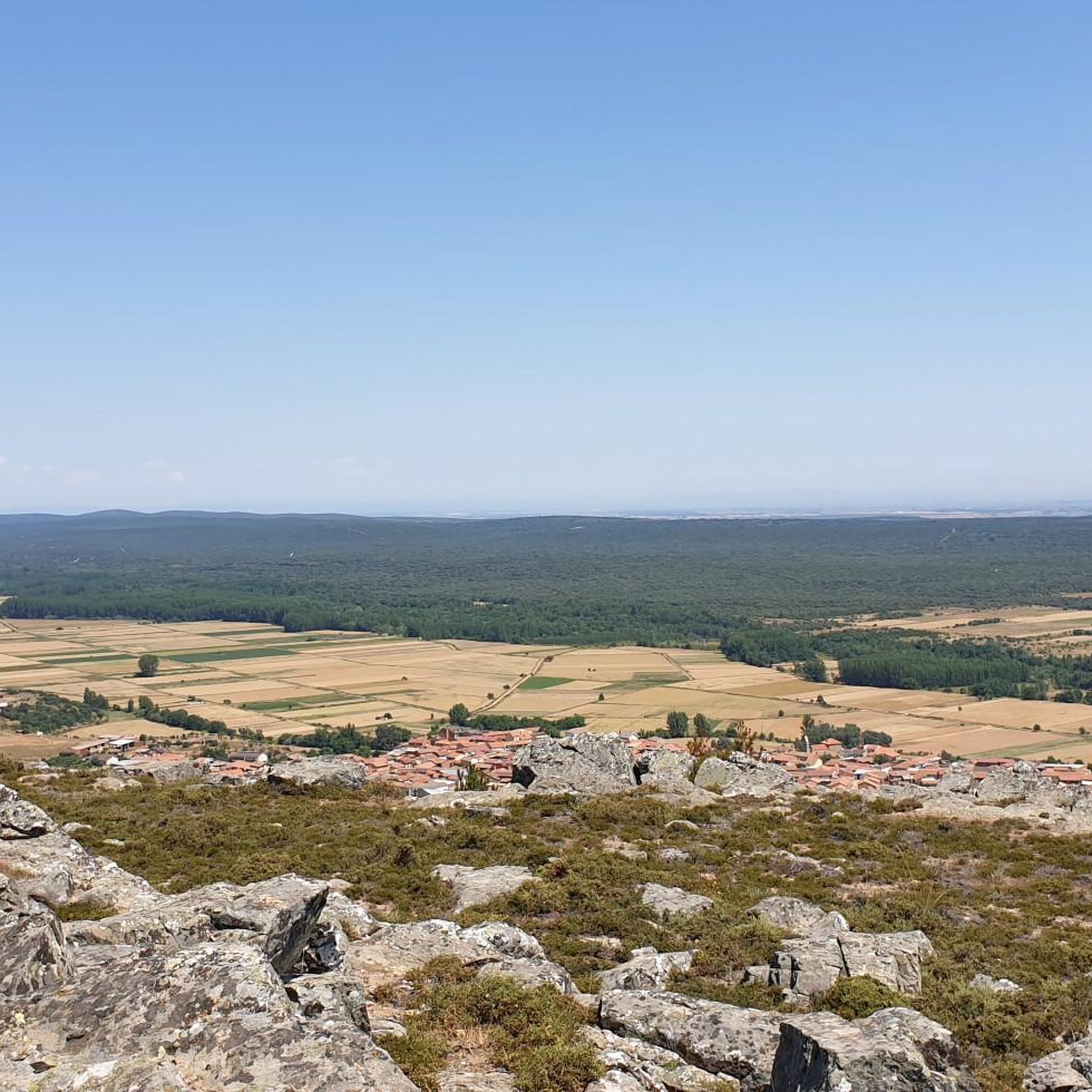
Arrabalde is a small town located between the Eria River and the Sierra de Carpurias that rises above it at 1000 meters above sea level. Head to the main square to admire the local church.
1
0
At an altitude of 1000 meters above sea level, there is a rocky outcrop, used to house animals and smugglers. Spectacular views of Arrabalde below.
1
1
A beautiful hiking route along the crest of the Sierra de Carpurias. Panoramic views of the surrounding valleys. The road reaches a small wild rock settlement, called the robbers' fort, at an altitude of 1,000 meters above sea level.
2
0
Frequently Asked Questions
What kind of terrain can I expect when touring cycling in Castro De Las Labradas?
Castro De Las Labradas features a landscape of rolling hills, rural paths, and agricultural areas. You'll encounter varied terrain with moderate elevation changes, offering a mix of open countryside and opportunities for village-to-village exploration.
Are there any circular touring cycling routes in Castro De Las Labradas?
Yes, several routes offer circular journeys. For example, the Castro de las Labradas – Castro de Las Labradas loop from Alcubilla de Nogales is a popular circular route, and the Castro de las Labradas – Arrabalde Church loop from San Esteban de Nogales also provides a loop through rural villages.
What are the difficulty levels of touring cycling routes in Castro De Las Labradas?
The region offers a mix of routes. You'll find several moderate options, such as the From Brime de Urz to the Dolmen of San Adrián — Benavente y los Valles, as well as more challenging difficult routes like the Castro de las Labradas and Alija del Infantado Loop, catering to different experience levels.
Are there any historical sites or landmarks to see along the touring cycling routes?
Many routes connect historical sites and natural features. For instance, the From Brime de Urz to the Dolmen of San Adrián — Benavente y los Valles route explores historical sites and open fields, while the Castro de las Labradas – Arrabalde Church loop from San Esteban de Nogales passes by the notable Arrabalde Church.
How long do the touring cycling routes typically take to complete?
Route durations vary depending on length and difficulty. For example, the moderate Castro de las Labradas – Castro de Las Labradas loop from Alcubilla de Nogales typically takes around 1 hour 59 minutes, while the more difficult Castro de Las Labradas – Arrabalde Church loop from San Esteban de Nogales might take about 2 hours 29 minutes.
What is the best time of year to go touring cycling in Castro De Las Labradas?
The region is generally pleasant for cycling during spring and autumn when temperatures are milder and the agricultural landscapes are vibrant. Summer can be warm, while winter may bring cooler, wetter conditions, though specific weather patterns can vary.
What should I wear for touring cycling in Castro De Las Labradas?
Given the rolling hills and varied terrain, layered clothing is advisable to adapt to changing temperatures. Comfortable cycling shorts, a moisture-wicking top, and a light jacket are good choices. Always bring a helmet, gloves, and appropriate footwear.
Are there any less crowded touring cycling routes in the area?
While specific crowd levels can vary, routes that venture further into the rural paths and agricultural areas, away from main villages, tend to be quieter. Exploring options like the Castro de las Labradas and Alija del Infantado Loop might offer a more secluded experience.
What do other touring cyclists enjoy most about cycling in Castro De Las Labradas?
The komoot community often praises the region for its quiet country roads, picturesque agricultural landscapes, and the opportunity to explore charming rural villages. Cyclists appreciate the mix of moderate and difficult routes that cater to different abilities.
How many touring cycling routes are available in Castro De Las Labradas?
There are 6 touring cycling routes documented in Castro De Las Labradas, offering a range of experiences from moderate to difficult.
Are there any routes suitable for beginner touring cyclists?
While there are no routes specifically graded as 'easy' in the current selection, some of the moderate routes with less elevation gain, such as the From Brime de Urz to the Dolmen of San Adrián — Benavente y los Valles, could be manageable for beginners looking for a shorter ride with historical interest.
What kind of views can I expect on the touring cycling routes?
The routes offer scenic views of rolling hills, expansive agricultural fields, and traditional rural villages. You'll often find open vistas across the countryside, providing a peaceful and immersive cycling experience.
Most popular routes in Castro De Las Labradas

Get inspired with the komoot mobile app


Explore more
Browse the best Cycling routes in other regions.
