The best road cycling routes in Reserva Natural De La Foz De Benasa
4.5
(11)
423
riders
11
rides
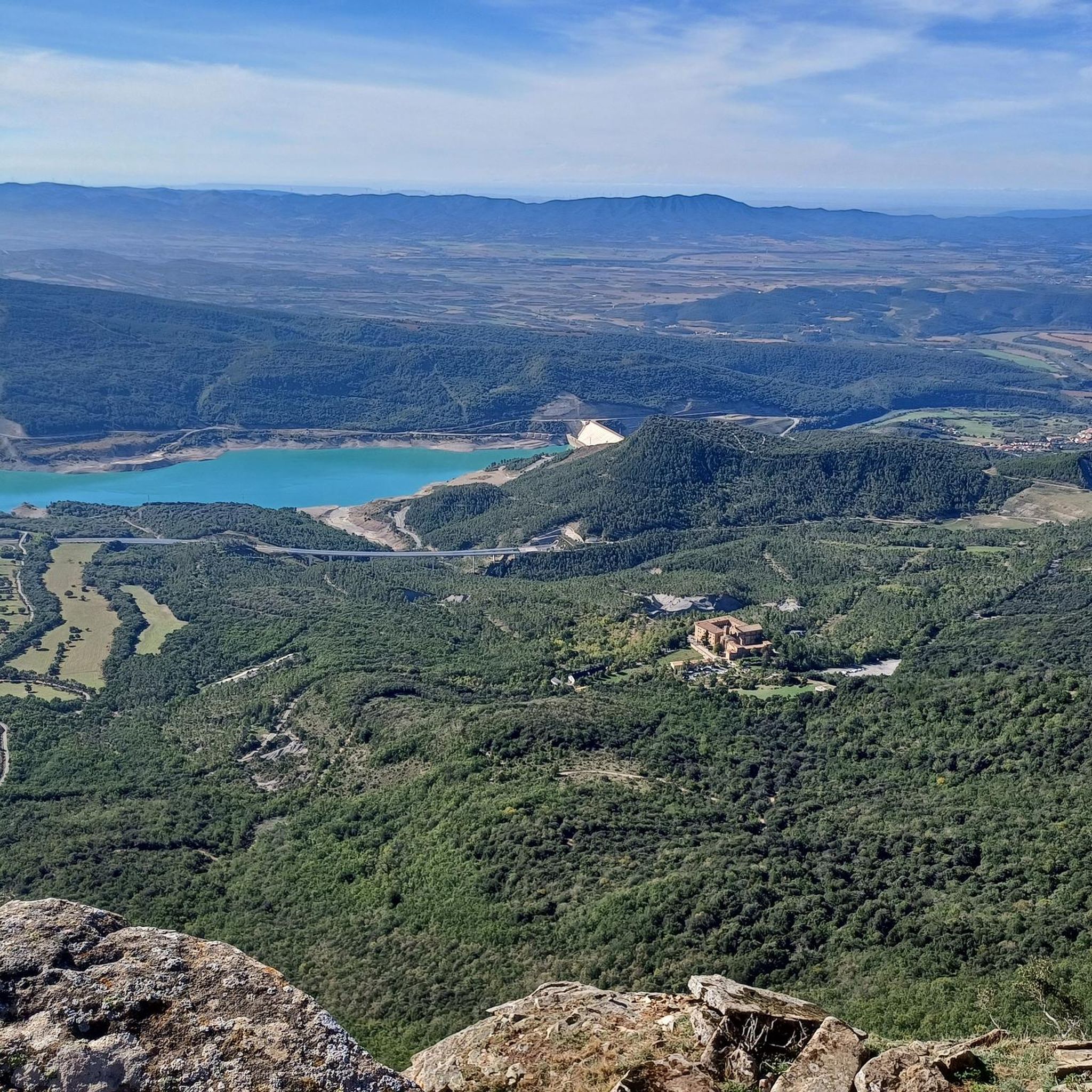
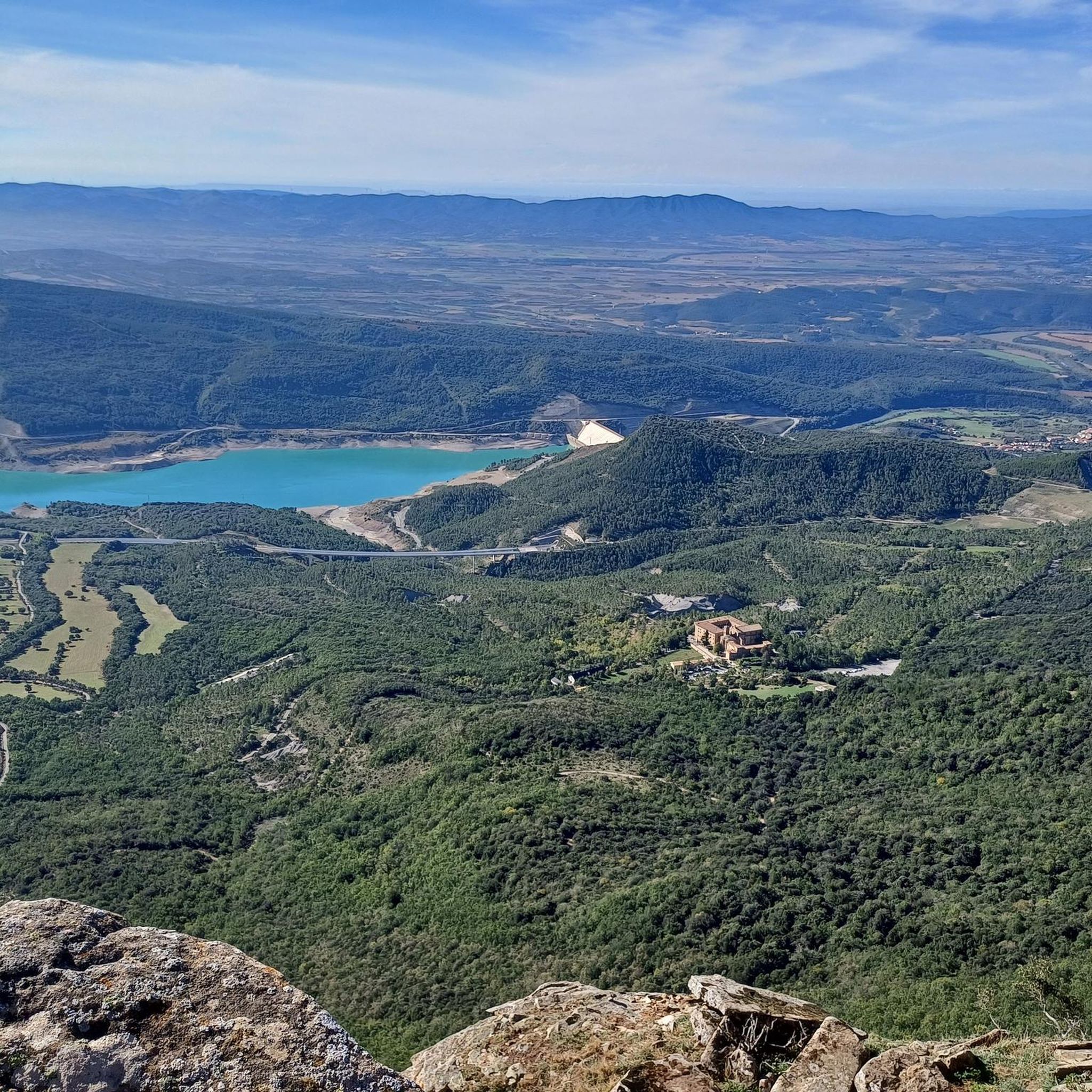
Road cycling routes in Reserva Natural De La Foz De Benasa are located within the pre-Pyrenean region of Navarra, Spain, offering diverse terrain. The area features a gorge carved through limestone walls by the Benasa stream, surrounded by forests of holm oaks, pines, and beeches. This setting provides varied landscapes, from dramatic rock faces to undulating hills and significant elevation gains in the broader region. Road cyclists can expect challenging climbs and scenic descents across this varied topography.
Best road…
Last updated: October 6, 2026
4.8
(4)
217
riders
81.3km
03:56
1,130m
1,120m
The "Roncal Valley and Laza Pass Loop" plunges you into the rugged beauty of the Navarrese Pyrenees, offering a road cycling experience that blends physical challenge with breathtaking scenery. Spanning…
9
riders
49.0km
02:35
950m
950m
This difficult 30.5-mile road cycling route from Navascués through Foz de Burgui offers challenging climbs and stunning gorge views.

2.0
(1)
23
riders
59.5km
02:26
370m
370m
Moderate road ride. Good fitness required. Mostly well-paved surfaces and easy to ride.
5.0
(1)
8
riders
82.1km
04:15
1,470m
1,470m
Hard road ride. Very good fitness required. Mostly well-paved surfaces and easy to ride.
5.0
(2)
17
riders
63.3km
02:47
600m
600m
Moderate road ride. Good fitness required. Mostly well-paved surfaces and easy to ride.
Get access to more routes and recommendations from other explorers.
Already have an account?
Our route recommendations are based on thousands of hikes, rides, and runs completed by other people on komoot.
Start today with a free account
Your next adventure awaits.
Popular around Reserva Natural De La Foz De Benasa


Tips from the Community

One of the most beautiful `villages in Navarra with its stone houses, cobbled streets, and medieval bridges. It is a village that due to its location we can consider as the gateway to explore the Selva de Irati.
1
0

Burgui is the start in the lower or southern part of the Roncal Valley, which ends in Belagua, at the foot of Piedra de San Martín. It is a very beautiful and quiet town, with all kinds of services to stay for several days and use it as a starting point for the various bike tours in the area. It is also highly recommended to reach Burgui via the road coming from Salvatierra de Esca, following the course of the Esca river through the Foz de Esca.
0
0
It is a beautiful mountain pass that links the Roncal Valley (Navarra) with the Ansó Valley (Aragon). It is a mountain pass that I am very fond of for several reasons: (i) the road is very winding, with many curves and hairpin bends, especially on the Navarre side (ii) it is a mountain pass with no steep slopes on either side (iii) there is hardly any car or motorcycle traffic. It is very peaceful and you can fully concentrate on the climb, on your pace, on your sensations. The asphalt on the Aragonese side is in very poor condition, although that also makes it attractive because you can imagine what the roads were like that professionals used in the 90s and before. It can be linked to other ports and is a beautiful gateway to the Pyrenees.
0
0
The Puerto de Laza is a small and beautiful hill that joins the valleys of Roncal (starting from Isaba) and Salazar (starting from Ochagavía) in the Navarrese Pyrenees. Both sides are very similar: a very easy start on a winding road, in perfect condition but without a hard shoulder, passing through small towns and going up the course of the respective rivers Anduña (Salazar valley) and Urbi (Roncal valley); a final stretch of 2 - 3 kms that is harder without being too much so, although there are some slopes above 10%. The Salazar valley side becomes harder when leaving behind the detour to the Larrau port. From here to the port there are 3 km with an average gradient of 7%. On the other hand, the Roncal valley side becomes harder when overcoming a bridge over the river that has been with us since we left Isaba behind. From here it is barely 2 km with an average gradient of 7%. From a landscape perspective, it is a port that I love because you can enjoy the exuberance of the vegetation of the Pyrenees, crossing narrow valleys and only with panoramic views when you reach the top, where there is a viewing point that is worth looking out at. A port that I always recommend for enjoying cycle tourism. I leave you the profile of both sides produced by the website www.cyclingcols.com --> http://www.cyclingcols.com/col/Laza
0
1

Very charming town located in the Salazar valley, just 2 km from Ochagavía, which is a larger town maintaining the rustic and traditional charm of the towns in the Navarrese valleys. From Escaroz there is the road that connects the Salazar valley with the route that enters Spain via Roncesvalles. This road with ports and elevations is especially recommended.
0
0
A rustic town that maintains its classic appearance of the valleys of the Pyrenees. It is a beautiful town with all kinds of services, several restaurants, many rural houses and hotels and several bars. It is a good reference point from which to carry out various routes through this area of the Navarrese and French Pyrenees.
0
0

Frequently Asked Questions
What kind of terrain can I expect when road cycling in Reserva Natural De La Foz De Benasa?
The region offers a diverse range of terrain, characteristic of the pre-Pyrenean area of Navarra. You'll encounter undulating landscapes, significant elevation gains, and challenging climbs, especially in the foothills. The routes traverse picturesque scenery, including majestic mountains, lush forests, rolling hills, and even ancient vineyards, providing a varied and engaging experience for road cyclists.
How many road cycling routes are available in Reserva Natural De La Foz De Benasa?
There are over a dozen road cycling routes available in and around Reserva Natural De La Foz De Benasa. These routes cater to various skill levels, with a good mix of moderate and difficult options to explore the region's diverse landscapes.
Are there challenging routes for experienced road cyclists?
Yes, the region is well-suited for experienced road cyclists seeking a challenge. Many routes feature significant elevation gains and technical climbs. For example, the Laza Pass (1,129 m) – Ochagavía loop from Gallués / Galoze covers over 160 km with nearly 2,700 meters of ascent, offering a demanding ride through the pre-Pyrenean landscape.
What are some notable natural features I might see while cycling?
While cycling in the broader region, you'll be surrounded by the stunning natural beauty of Navarra. The area is known for its dramatic limestone gorges, such as the Foz de Benasa itself, carved by the Benasa stream. You'll also pass through extensive forests of holm oaks, pines, and beeches, and might even spot diverse wildlife like griffon vultures or roe deer. Clear water pools and small waterfalls are also characteristic features of the landscape.
What do other road cyclists enjoy most about the routes here?
The road cycling routes in Reserva Natural De La Foz De Benasa are highly rated by the komoot community, with an average score of 4.4 stars. Cyclists often praise the breathtaking scenery, the varied and challenging terrain, and the well-maintained secondary roads that make for an enjoyable and safe riding experience.
Are there any moderate road cycling routes suitable for intermediate riders?
Absolutely. While many routes are challenging, there are also excellent moderate options. The Ochagavía – Ochagavía loop from Aspurz Cruce is a popular moderate route, covering nearly 60 km with around 370 meters of ascent, perfect for those looking for a rewarding ride without extreme difficulty.
What is the best time of year to go road cycling in Reserva Natural De La Foz De Benasa?
The pre-Pyrenean region of Navarra generally offers pleasant cycling conditions from spring through autumn. Spring brings lush greenery and comfortable temperatures, while autumn provides stunning fall foliage. Summer can be warm, but higher elevations offer cooler air. It's always advisable to check local weather forecasts before heading out.
Is the region suitable for family-friendly road cycling?
While many routes in the immediate vicinity of Reserva Natural De La Foz De Benasa feature significant climbs, the broader Navarra region offers diverse options, including easier cycling paths and greenways. For families, it's recommended to look for routes specifically designated as easy or family-friendly, which might be found slightly outside the most mountainous areas, to ensure a comfortable experience for all skill levels.
Where can I find more information about road cycling in the wider Navarra region?
For additional information on road cycling opportunities and infrastructure across the broader Navarra region, you can visit the official tourism website: visitnavarra.es. This resource provides valuable context on the cycling culture and diverse terrains available.
Are there any loop routes available for road cyclists?
Yes, many of the road cycling routes in the area are designed as loops, allowing you to start and finish at the same point. A notable example is the Roncal Valley and Laza Pass Loop, which offers a challenging circular ride through mountainous terrain.
What kind of elevation changes can I expect on these routes?
Road cycling in this pre-Pyrenean region is characterized by significant elevation changes. Routes often feature substantial ascents, with some difficult tours like the Pierre Saint-Martin Pass – Col de la Pierre Saint-Martin loop from Salvatierra de Esca including over 1,600 meters of climbing. Even moderate routes will have noticeable gradients, providing a good workout.
Are there any specific viewpoints or scenic spots along the road cycling routes?
The entire region is rich in breathtaking scenery. As you cycle, you'll be treated to panoramic views of the Pyrenean foothills, dramatic limestone formations, and lush forests. While specific named viewpoints might vary by route, the natural beauty of the landscape itself, with its green valleys, silent ravines, and ancient villages, ensures a constantly evolving scenic experience.
Most popular routes in Reserva Natural De La Foz De Benasa

Get inspired with the komoot mobile app


Explore more
Browse the best Road cycling routes in other regions.
