Attractions and Places To See around Eisenhüttenstadt - Top 20
Best attractions and places to see around Eisenhüttenstadt include a unique blend of post-war urban planning, GDR history, and natural landscapes. The city is known as the "first socialist city on German soil," featuring distinct architectural styles and historical sites. Its surroundings offer natural beauty with rivers, canals, and nature parks, providing opportunities for outdoor activities.
Best attractions and places to see around Eisenhüttenstadt
- The most popular attractions is Schinkensee, a lake that offers an enchanted landscape of forests and water. It features leaf-covered paths and sandy forest trails along moss-covered banks.
- Another must-see spot is Friedrich Wilhelm Canal, a historic artificial waterway with a bike path. This canal features a memorial stone documenting its 9 locks and offers a pleasant cycling route through nature.
- Visitors also love Neuzelle Abbey — Church of St Mary, a religious building and historical site. This Cistercian abbey, founded in the 13th century, is known for its lavish Baroque decoration and landscaped garden.
- Eisenhüttenstadt is known for its historical sites, cultural institutions, and natural features. Visitors can explore architectural ensembles, museums dedicated to GDR everyday life, and various lakes and canals.
- The attractions around Eisenhüttenstadt are appreciated by the komoot community, with more than 600 upvotes and over 700 photos shared.
Last updated: August 30, 2026
Neuzelle Abbey — Church of St Mary
Highlight • Religious Site
Translated by Google •
Tip by

Schinkensee
Highlight (Segment) • Lake
Translated by Google •
Tip by

Sign up now to discover places like this
Get recommendations on the best single tracks, peaks, & plenty of other exciting outdoor places.
Sign up for free
Friedrich Wilhelm Canal
Highlight (Segment) • River
Translated by Google •
Tip by

Ratzdorf Gauge House
Highlight • Monument
Translated by Google •
Tip by

Ruins of the Vogelsang Power Plant
Highlight • Historical Site
The Vogelsang power plant is a standard power plant built towards the end of the Second World War. It never went into regular operation and was dismantled after the war as reparations. The building envelope with the two chimneys, each 100 m high, is still preserved.
The power plant is the only monument to the industrial boom in Fürstenberg (Oder). Almost all other testimonials have disappeared. Only a few residential buildings have survived from the Degussa industrial area.
de.wikipedia.org/wiki/Kraftwerk_Vogelsang
Translated by Google •
Tip by

Sign up for free to discover even more attractions around Eisenhüttenstadt.
Sign up for free
Already have an account?
Start today with a free account
Your next adventure awaits.
Login or Signup
Popular around Eisenhüttenstadt
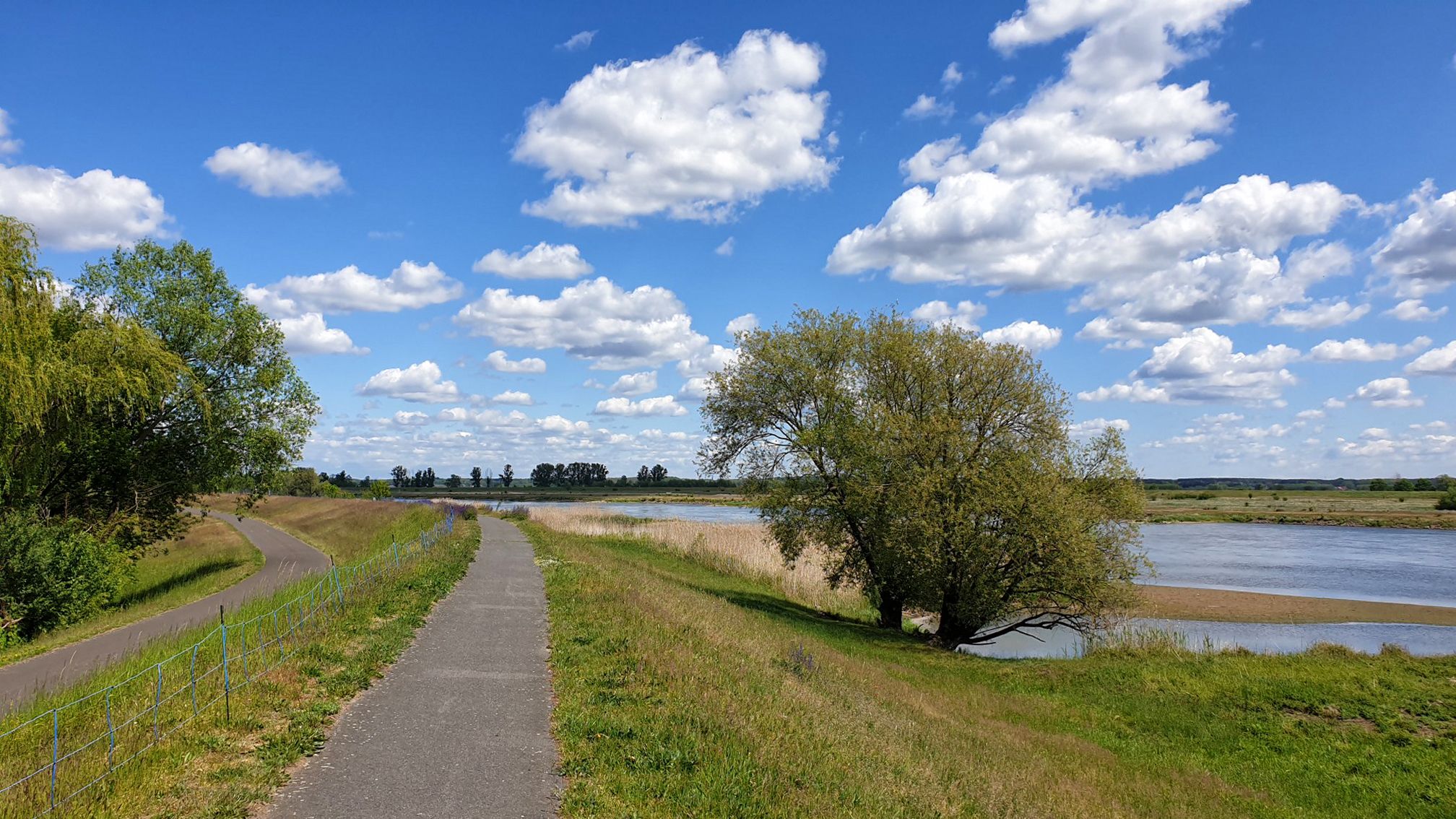
D-Route 12: Oder-Neiße Cycle Route
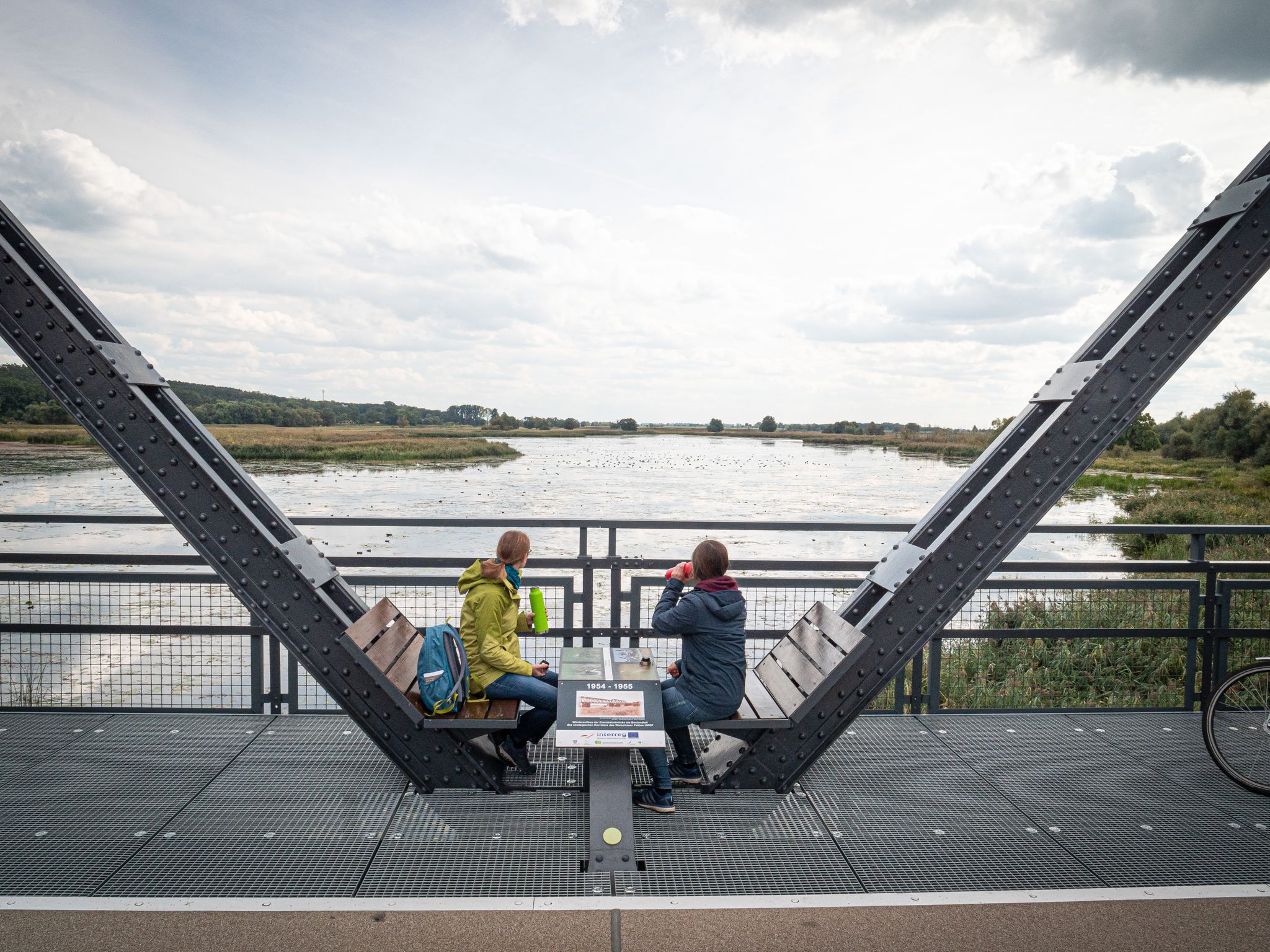
Grenzenlos unterwegs - Deutsch-Polnische Wander Ausflüge

Oder-Neiße-Radweg - Radfahren im Seenland Oder-Spree
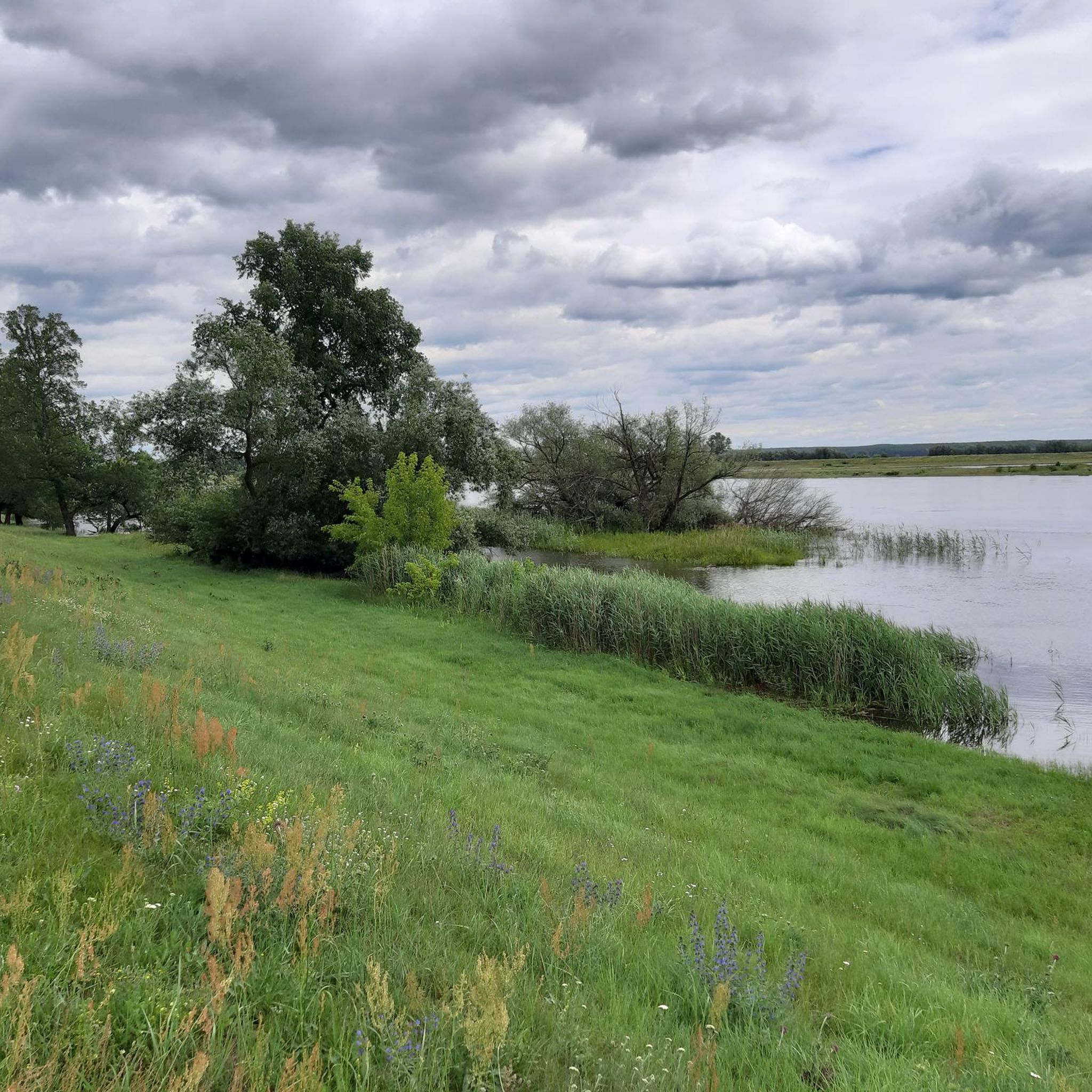
Cycling around Eisenhüttenstadt
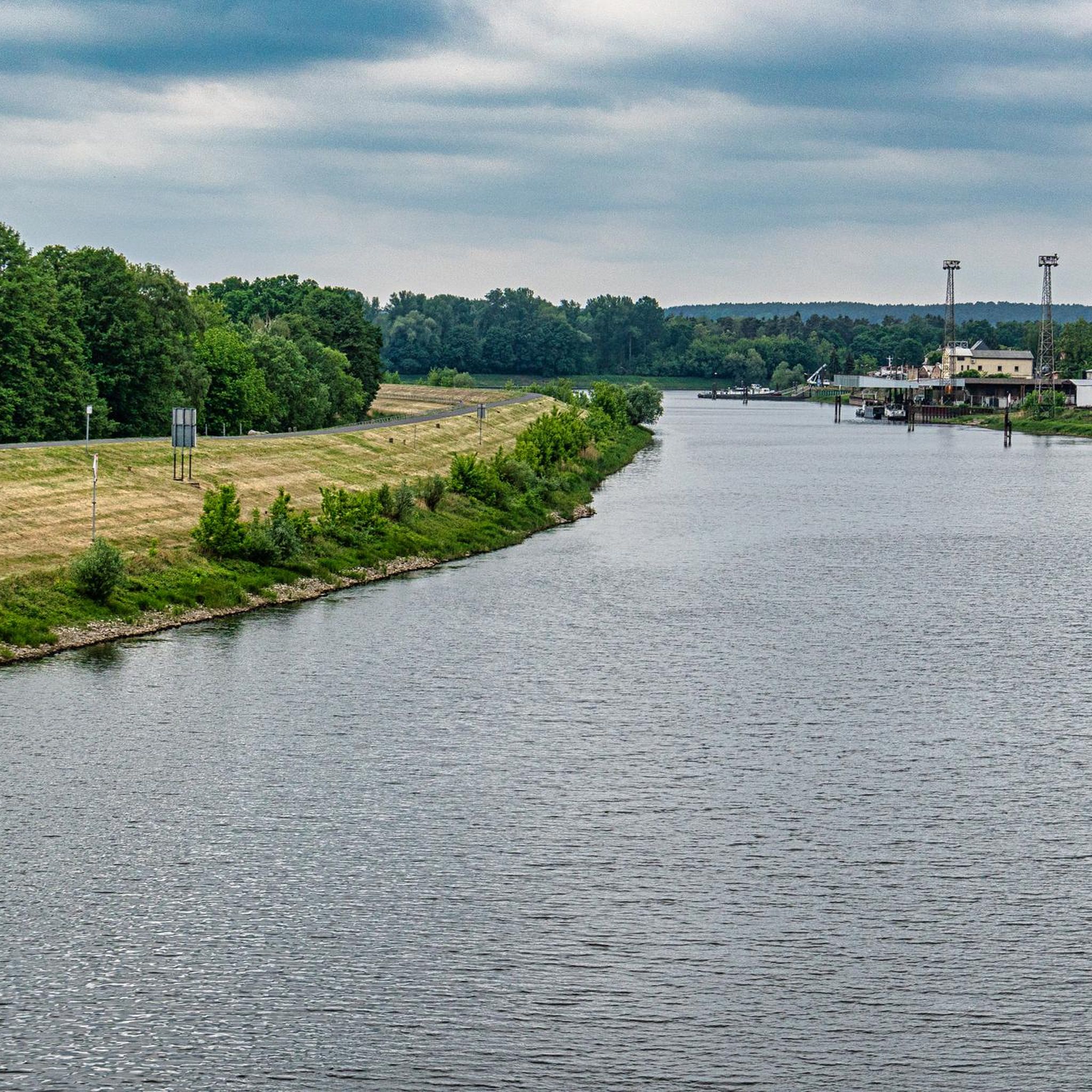
Road Cycling Routes around Eisenhüttenstadt
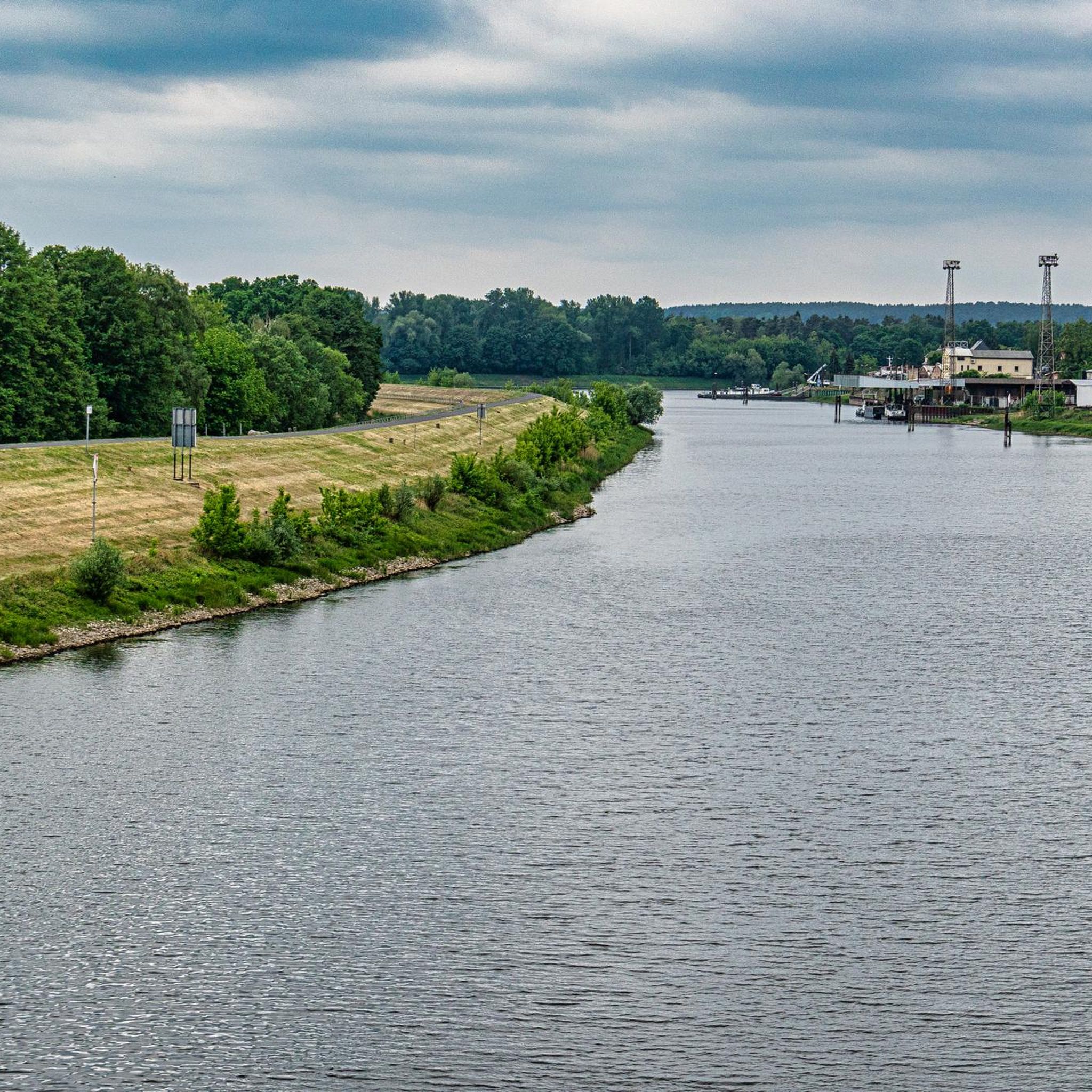
Hiking around Eisenhüttenstadt
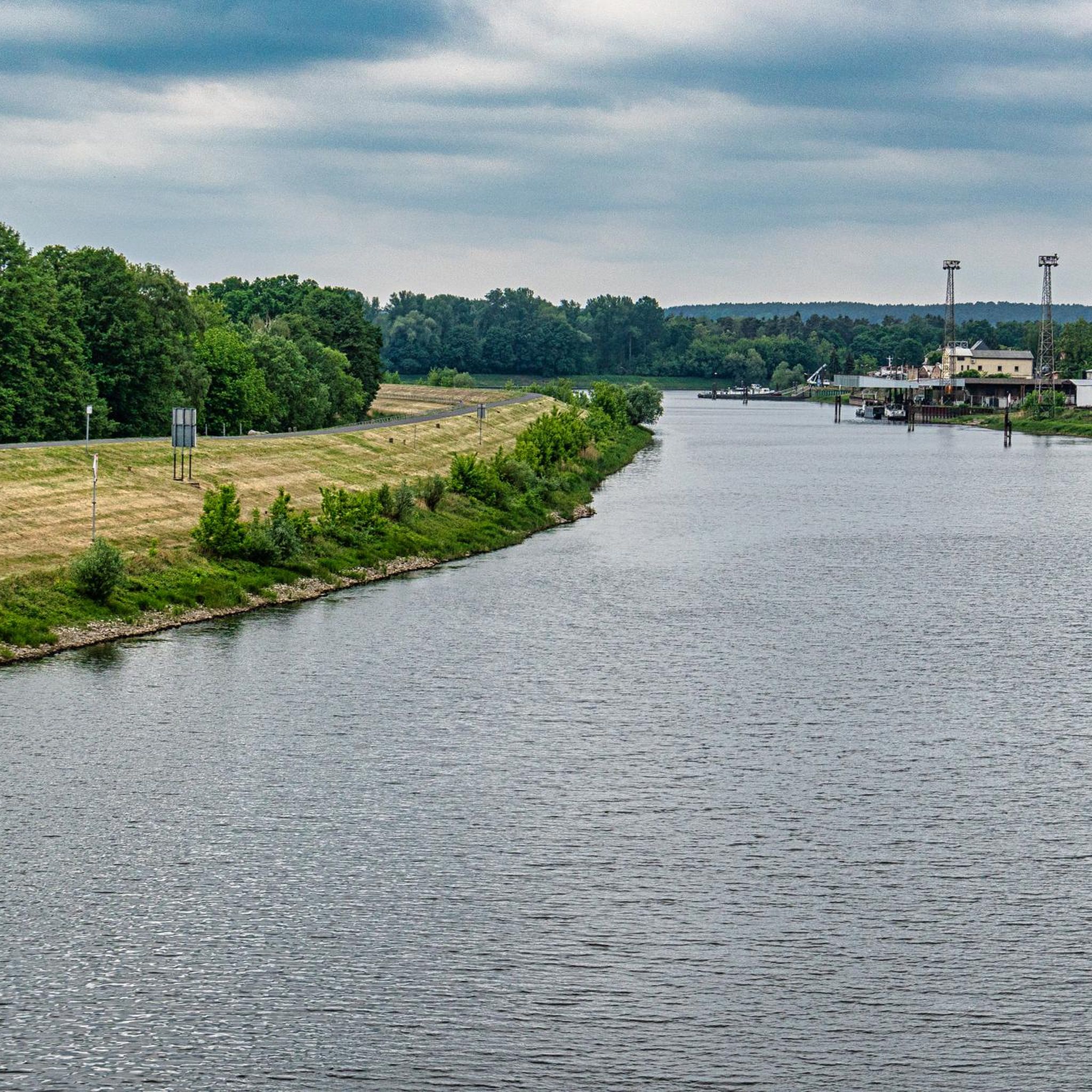
Running Trails around Eisenhüttenstadt
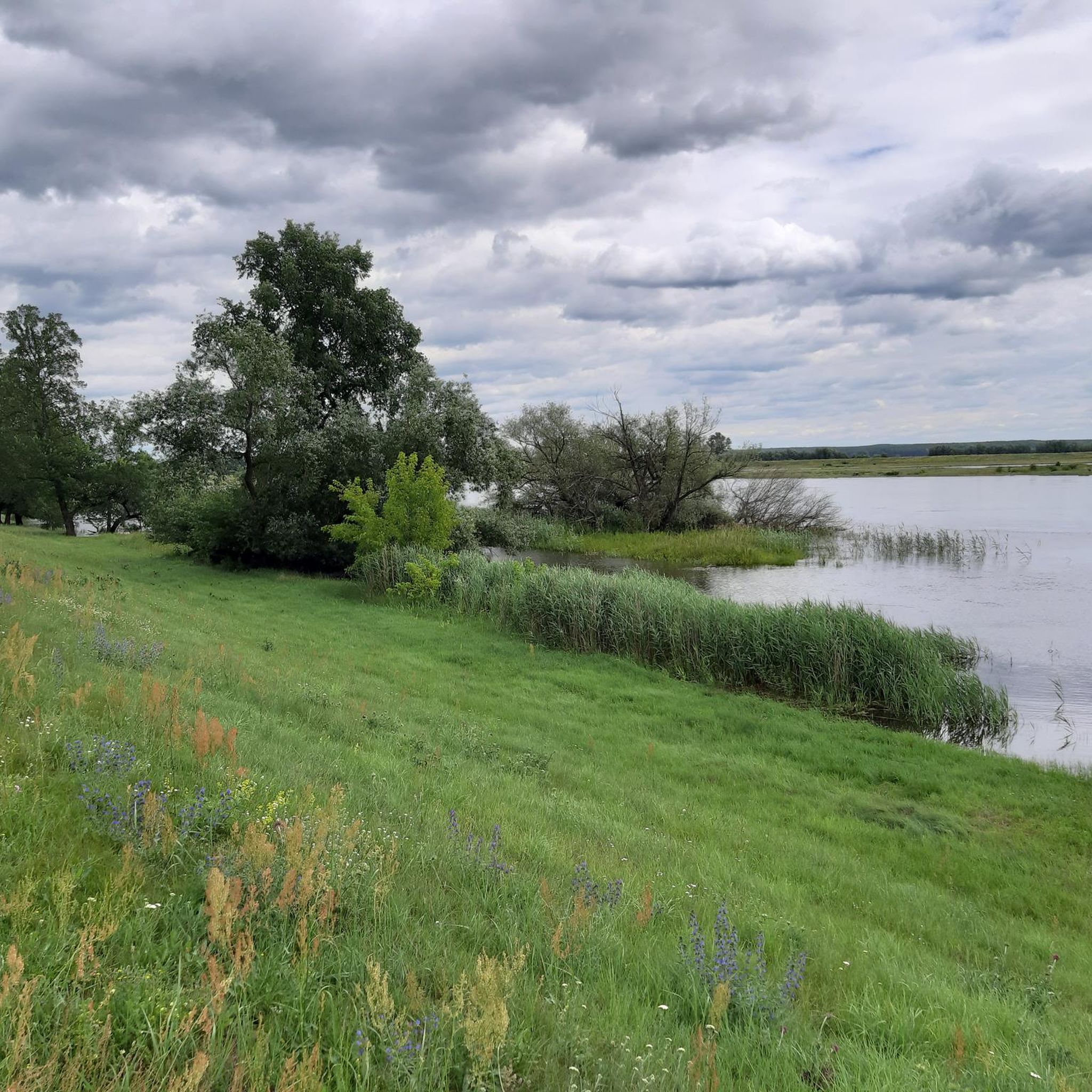
MTB Trails around Eisenhüttenstadt

Gravel biking around Eisenhüttenstadt
Other adventures around Eisenhüttenstadt


Tips from the Community

It's no longer an insider tip, but it's still worth it. The Vogelsang power plant is a standard power plant built towards the end of the Second World War. It never went into regular operation and was dismantled after the war as reparations. The building envelope with the two chimneys, each 100 m high, is still preserved. The power plant is the only monument to the industrial boom in Fürstenberg (Oder). Almost all other testimonials have disappeared. Only a few residential buildings have survived from the Degussa industrial area. https://de.wikipedia.org/wiki/Kraftwerk_Vogelsang
72
0

The Friedrich Wilhelm Canal, previously the Müllroser Canal, was the first artificial waterway that connected the Oder with the Spree. The canal, completed in 1668, ran from Brieskow an der Oder to Neuhaus an der Spree with a length of around 27 kilometers.
7
0

The most beautiful shore path without private claim is freely accessible at least on one side.
6
0

Very nice facility and great explanations about the flood ..
7
1
Attention at the point of blockage on the roadway against deer crossing.
5
0

Old power plant as an impressive ruin. How the time flies.
4
0

The Lausitzer Rundschau today dedicates an entire page to the Schlaubetal, with photos of hiking trails, the Stapellsee and the Henzendorfer Findlingspark. She also points out that the marked hiking trails are officially usable despite the swine fever. The article begins with the words: "A valley with many faces. Not even all the locals are aware of what a little paradise they have on their doorstep with the Schlaubetal." The Tourism Marketing Schlaubetal association spells it like this: lakes charming hilly quiet adventurous ways untouched and rustic touching Solitude and relaxation Animals Species richness delicious --> Schlaubetal plate
8
0

Mega cool history excursion. Something like that can still be found bombastic, especially with grenades. Unfortunately mosquitos tried
11
0
Frequently Asked Questions
What natural features can I explore around Eisenhüttenstadt?
The region offers diverse natural beauty. You can visit Schinkensee, a lake known for its enchanted forest landscape with leaf-covered paths and mossy banks, particularly beautiful in late summer or autumn. The historic Friedrich Wilhelm Canal provides a scenic bike path through nature. Additionally, the Schlaubetal Nature Park is recommended for its forests and lakes, and the Oder River and Oder-Spree Canal offer opportunities for cycling.
Are there any historical or cultural sites to visit in Eisenhüttenstadt?
Yes, Eisenhüttenstadt is rich in history, especially related to its past as the 'first socialist city on German soil.' You can explore the unique socialist neoclassical architecture along Lindenallee, visit the Friedrich-Wolf-Theater, and see the City Hall. The Documentation Centre for the Everyday Culture of the GDR (Museum Utopia and Everyday Life) offers extensive collections on life in East Germany, and the Städtisches Museum Eisenhüttenstadt documents the city's history. Nearby, the impressive Neuzelle Abbey — Church of St Mary is a significant historical site with lavish Baroque decoration.
What outdoor activities are available near Eisenhüttenstadt?
The area is great for outdoor enthusiasts. You can find numerous running, hiking, and gravel biking trails. For running, explore routes like the 'Inselbad Eisenhüttenstadt – Eisenhüttenstadt Lock loop'. Hiking options include the 'Kingfisher Trail Pohlitz' or longer routes like 'Eisenhüttenstadt Lock – Twin Shaft Lock loop'. Gravel biking offers scenic paths such as the 'Friedrich Wilhelm Canal – Hammerfort Lock Ruins loop'. For more details on routes, visit the Running Trails around Eisenhüttenstadt, Hiking around Eisenhüttenstadt, and Gravel biking around Eisenhüttenstadt guides.
What is the best time of year to visit Eisenhüttenstadt and its surroundings?
Late summer and autumn are particularly recommended for exploring the natural landscapes, such as Schinkensee and the Schlaubetal Nature Park, when the forests are especially beautiful. However, the city's historical and cultural sites, like the Documentation Centre for the Everyday Culture of the GDR, are accessible year-round.
Are there family-friendly attractions or activities in the area?
Yes, several attractions are suitable for families. Natural spots like Schinkensee and the Friedrich Wilhelm Canal with its bike path are great for outdoor family excursions. The Neuzelle Abbey — Church of St Mary is also listed as family-friendly. Additionally, the Tiergehege Eisenhüttenstadt (animal enclosure) provides a local option for families.
What do visitors enjoy most about the attractions around Eisenhüttenstadt?
Visitors frequently praise the untouched nature and tranquility of the region, especially around Schinkensee, describing it as an 'enchanted fairytale forest' perfect for a break from everyday life. The scenic bike paths, like those along the Friedrich Wilhelm Canal, are also highly appreciated for their natural beauty. The historical sites, such as the Ruins of the Vogelsang Power Plant, are valued for their unique historical insights.
Can I find any unique historical industrial sites in the vicinity?
Absolutely. The city itself was founded around the Eisenhüttenkombinat Ost (ArcelorMittal Eisenhüttenstadt) steelworks, which was central to its identity, and guided tours can be arranged. A notable site is the Ruins of the Vogelsang Power Plant, an impressive monument to the industrial boom in Fürstenberg (Oder) that never went into regular operation but stands as a silent witness to history.
Are there any places for water sports or swimming near Eisenhüttenstadt?
Yes, Lake Fürstenberg is a popular destination for water sports enthusiasts and anglers. Lake Helene is also a known spot for bathing trips. The Oder River and Oder-Spree Canal offer opportunities for activities on the water.
Where can I learn about everyday life in the former GDR?
The Documentation Centre for the Everyday Culture of the GDR (Museum Utopia and Everyday Life) is Germany's only museum dedicated to this topic. It offers extensive collections and exhibitions on politics, work, consumer goods, education, culture, and leisure in the former GDR. You can also experience a tangible glimpse into historical living at the GDR apartment of Gewi Eisenhüttenstadt.
Are there any interesting viewpoints or scenic spots?
The Schinkensee is considered a viewpoint due to its picturesque setting. The Ratzdorf Gauge House, located directly on the Oder where the Neisse flows in, offers a peaceful rest area with views of the river and its estuary.
What is the significance of the architecture in Eisenhüttenstadt?
Eisenhüttenstadt is renowned for its unique architectural style, representing the 'first socialist city on German soil.' The central Lindenallee (formerly Leninallee) and the Stalinallee Ensemble are prime examples of socialist neoclassical architecture, showcasing the city's planned urban development and are considered one of Germany's largest heritage areas. Buildings like the Friedrich-Wolf-Theater and the former Hotel Lunik are also significant architectural landmarks.
Most popular routes around Eisenhüttenstadt
Most popular attractions around Eisenhüttenstadt

Get inspired with the komoot mobile app


Explore more
Still not found the Highlight you’re looking for? See guides of the top attractions in other regions:
