The best cycling routes in Réserve Naturelle Du Courant D'Huchet
4.4
(3894)
25,258
riders
266
rides
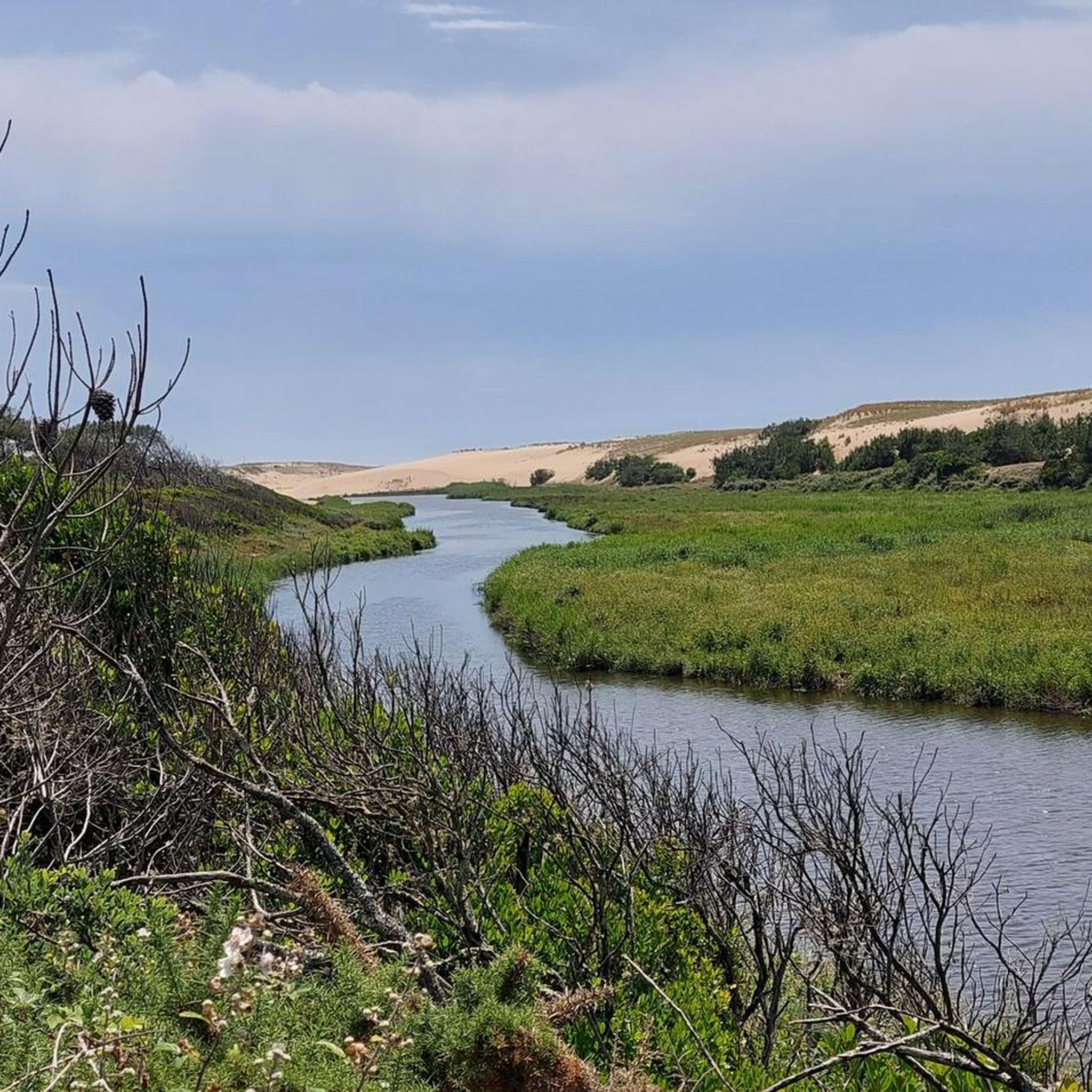
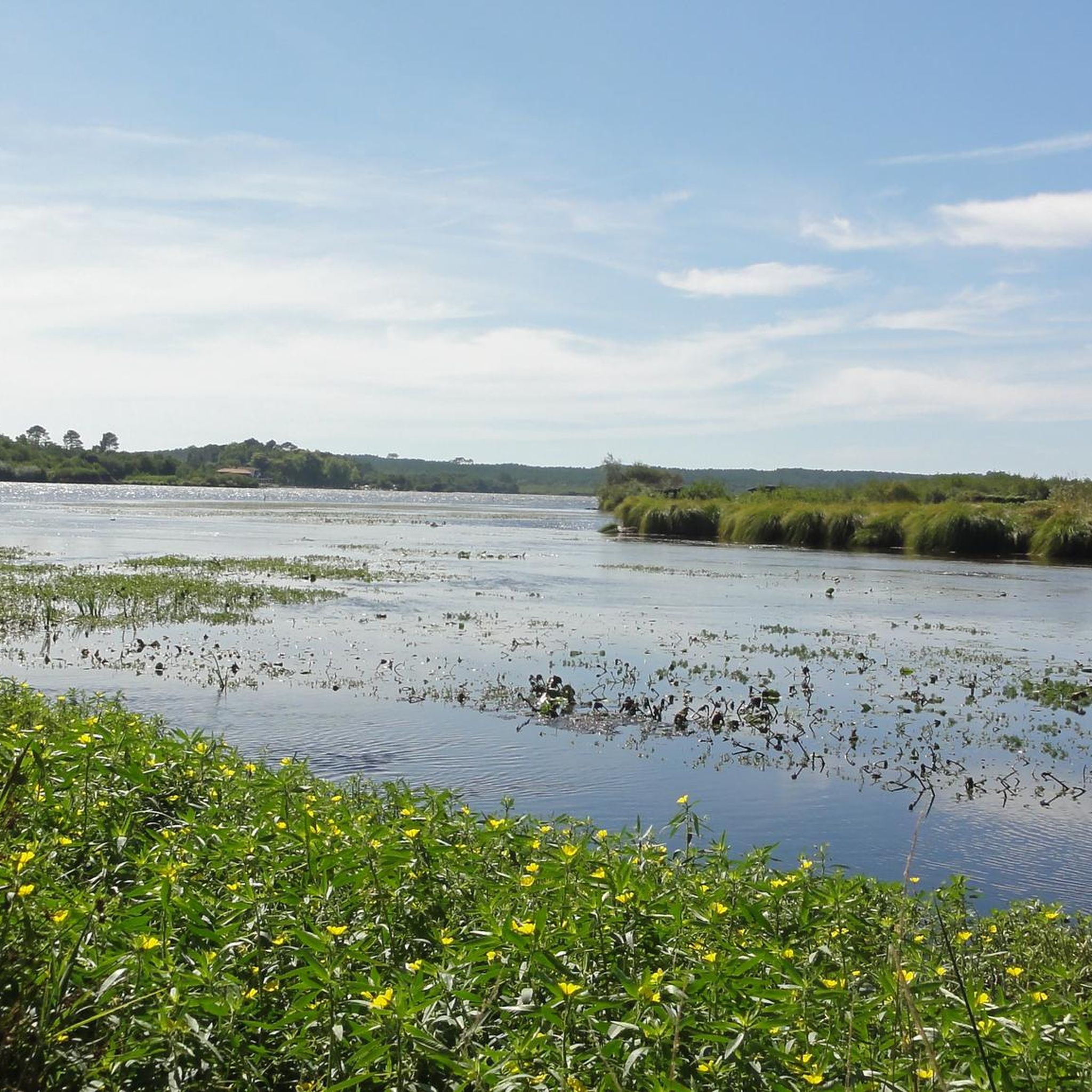
Touring cycling in Réserve Naturelle Du Courant D'Huchet offers access to the unique natural landscapes surrounding the protected Courant d'Huchet river. While direct cycling is not permitted within the reserve itself, the broader region features extensive pine forests, coastal paths, and dunes, providing a network of cyclist-friendly routes. These trails often connect Lake Léon to the Atlantic Ocean, traversing varied terrain with generally gentle elevation changes suitable for touring. The area is characterized by its lush "forêt-galerie" and diverse ecosystems,…
Last updated: October 25, 2026
4.8
(21)
204
riders
12.3km
00:43
30m
30m
Easy bike ride. Mostly paved surfaces.
4.2
(13)
144
riders
Easy bike ride. Mostly paved surfaces.

4.2
(5)
183
riders
Easy bike ride. Mostly paved surfaces.
4.7
(12)
81
riders
12.6km
00:50
110m
110m
Easy bike ride. Mostly paved surfaces.
5.0
(1)
67
riders
34.5km
02:44
190m
190m
Hard bike ride. Good fitness required. You may need to push your bike for some segments of this route.
Get access to more routes and recommendations from other explorers.
Already have an account?
Our route recommendations are based on thousands of hikes, rides, and runs completed by other people on komoot.
Start today with a free account
Your next adventure awaits.
Popular around Réserve Naturelle Du Courant D'Huchet
Tips from the Community

village cemetery at a crossroads. adjacent to the fire station
1
0

The cork oak (Quercus suber) is a characteristic evergreen broadleaf tree of the western Mediterranean and the Atlantic-influenced coastal regions of southwestern Europe, primarily known for its thick, elastic bark layer. The trees typically reach a height of 10 to 20 meters and develop a wide, open crown. Perfectly adapted to hot, dry summers, the cork oak has small, leathery leaves with slightly serrated edges, protected from excessive evaporation by a waxy coating, and they remain on the tree for up to three years. However, its most outstanding feature is the cork bark, which can reach several meters in height: in its natural, fire-prone environment, it serves as a brilliant, natural heat shield that can even survive forest fires. The economic and ecological heart of the cork oak is its sustainable use through cork harvesting, where the tree, unlike other forest trees, does not need to be felled. The bark is laboriously peeled off the trunk in large plates using special axes – a process that requires absolute precision to avoid damaging the underlying living growth layer (cambium). A tree can first be harvested at around 25 years of age, with this so-called "virgin cork" still being very uneven and cracked. Only from the second or third harvest, which occurs at a strict interval of every 9 to 12 years, does the regenerating cork possess the necessary quality and elasticity for the production of high-quality wine corks, insulation materials, floor coverings, or modern vegan textiles. A healthy cork oak can be stripped approximately 10 to 15 times during its lifespan of up to 200 years.
9
0
the beautiful traditional washhouse at the Fontaine Saint-Orens (also called Pourrut de Maâ in the local dialect). It is located on the Route d’Huchet (or Rue d'Huchet) in the municipality of Moliets-et-Maâ, directly bordering Léon to the south. This small, idyllic building is an important testament to the rural heritage of the Landes (petit patrimoine rural) and is deeply rooted in local history. The washhouse consists of an open, rustic wooden structure with a classic tiled roof, built directly over a water basin. The facility is fed by the historic Saint-Orens spring directly opposite, named after an old bishop of Auch. What is special about this place is the mystical story that surrounds the spring and the washhouse. For centuries, the water of the Saint-Orens spring was considered healing in the folk belief of the region. It was said that the bubbling, slightly sulfurous water could alleviate or even cure persistent skin diseases (affections cutanées). For this reason, the place was once a small, regional place of pilgrimage. However, the women from the surrounding area naturally used the flowing spring water at the washhouse primarily for the hard daily work, to collectively beat and clean the village laundry on the sloping wooden boards. Today, the small washhouse on the Route d'Huchet has been completely restored and is excellently maintained. It is nestled in a quiet natural landscape amidst pine forests on the way to the historic district of Quartier de Maâ. For walkers and cyclists on their way to the nearby mouth of the Courant d'Huchet, the shady washhouse offers a wonderfully cool and historically rich resting place.
0
0
A boat trip on the Courant d'Huchet is indeed strongly reminiscent of a gondola ride in Venice, but it takes place in a very special, protected natural landscape. The boats in which one is transported are called „Galupes“. These are traditional, colorful regional boats with a completely flat bottom and a pointed shape. They were historically constructed in such a way that one can move perfectly through the extremely shallow, winding riverbed overgrown with roots. Just like a Venetian gondolier, the boatman, called „Batelier“ here, uses an approximately 5-meter-long wooden pole (la perche) to silently push the boat forward through the water using only muscle power. Motorboats, private canoes, or other boats are strictly forbidden on the river in order not to disturb the sensitive ecosystem and wildlife of the inland dunes and moors. Therefore, these traditional barges are the only way to experience the nature reserve from the water. The tours are conducted by the traditional association of Bateliers, whose boatmen explain the flora and fauna in detail during the trip. The tour starts directly at Lac de Léon lake and leads through a dense, primeval forest-like gallery forest of bald cypresses, cork oaks, and ferns. The boats can usually accommodate a maximum of six passengers. There are two different tours to choose from: The „Small Tour“ takes about 1.5 to 2 hours, covers about 8 kilometers, and costs 20 euros for adults. During the main months of July and August, the „Grand Tour“ is also offered in the afternoon. This lasts almost 3 hours, covers 12 kilometers further into the direction of the Atlantic estuary at Moliets-et-Maâ, and costs 25 euros per person. Children under 6 years old pay a reduced price of 9 or 12 euros respectively on both tours. The season runs annually from the beginning of April until the French All Saints' autumn holidays at the beginning of November.
16
0

very nice and pleasant track
0
0

Very nice surf instructor. Speaks good English! And if the kids don't understand English themselves, they can also learn a little surfing English from Rémi.
0
0

There are some impressive cork oaks to see here. Some have been processed, others are not yet "peeled."
1
0
Frequently Asked Questions
Can I cycle directly within the Réserve Naturelle Du Courant D'Huchet?
No, direct cycling is prohibited within the Réserve Naturelle Du Courant D'Huchet itself to protect its delicate ecosystems. However, the surrounding area is very cyclist-friendly, offering numerous routes that allow you to reach the reserve's access points and explore the beautiful pine forests, coastal paths, and dunes. You can then enjoy the reserve on foot or by boat.
How many touring cycling routes are available in the Réserve Naturelle Du Courant D'Huchet area?
There are over 250 touring cycling routes available in the broader Réserve Naturelle Du Courant D'Huchet region. These routes cater to various skill levels, with 185 easy, 51 moderate, and 14 difficult options.
Are there touring cycling routes suitable for beginners or families in the Réserve Naturelle Du Courant D'Huchet area?
Yes, the region offers many easy routes perfect for beginners and families. An excellent option is the Notre Dame Church – Moliets-et-Mâa loop from MOLIETS-ET-MAÂ - Plage Centrale, an easy 3.5-mile path that explores the local area around Moliets-et-Mâa with minimal elevation changes.
What kind of landscapes can I expect to see while cycling in the Réserve Naturelle Du Courant D'Huchet region?
While cycling in the region, you'll primarily experience extensive pine forests, coastal paths, and dunes. The routes often connect Lake Léon to the Atlantic Ocean, offering varied terrain and generally gentle elevation changes. The area is known for its lush 'forêt-galerie' and diverse ecosystems, which you can explore further on foot or by boat once you reach the reserve's access points.
Are there any circular touring cycling routes in the area?
Yes, many routes in the region are circular, allowing you to start and end at the same point. For example, the Moliets-et-Mâa – Moliets Beach loop from La Pinède de Moliets is a 7.0-mile circular trail leading through pine forests and towards the beach.
What are some notable attractions or points of interest I can explore near the cycling routes?
Beyond cycling, you can explore several natural attractions. The Courant d'Huchet Nature Reserve itself is a must-see, often called the 'Amazon of the Landes.' You can also visit the Marais de la Pipe Observatory for birdwatching or experience the unique boat tours offered by the Bateliers du Courant d'Huchet.
What do other touring cyclists enjoy most about cycling in the Réserve Naturelle Du Courant D'Huchet region?
The area is highly rated by the komoot community, with an average score of 4.4 stars from over 3,000 reviews. Reviewers often praise the diverse terrain, from pine forests to coastal views, and the well-maintained paths that make for enjoyable touring cycling experiences.
Is the Réserve Naturelle Du Courant D'Huchet region suitable for advanced touring cyclists?
Yes, for those seeking a challenge, there are 14 difficult touring cycling routes. A longer, more demanding option is the Port of Capbreton – Capbreton Marina loop from Courant d'Huchet, a 73.7-mile trail with significant elevation changes, offering extensive coastal views.
Are there any routes that explore the area around Lake Léon?
Yes, you can find routes that explore the vicinity of Lake Léon. The Léon Beach – Léon Town Center loop from Léon is a 35.3-kilometer route that takes you around the lake area, offering scenic views and a good workout.
Can I combine cycling with other outdoor activities in the region?
Absolutely. The region is perfect for combining cycling with other activities. You can cycle to access points of the Réserve Naturelle Du Courant D'Huchet and then switch to hiking on numerous well-maintained trails or take a traditional flat-bottomed boat tour to experience the 'Amazonian' atmosphere of the Courant d'Huchet.
What is the best time of year for touring cycling in the Réserve Naturelle Du Courant D'Huchet region?
The region is generally pleasant for cycling from spring through autumn. The lush vegetation of the 'forêt-galerie' is particularly vibrant in spring and early summer, while the coastal paths offer refreshing breezes during warmer months. Always check local weather conditions before heading out.
Are there cafes or places to stop for refreshments along the cycling routes?
Many routes pass through or near towns and villages like Moliets-et-Mâa and Léon, where you can find cafes, restaurants, and shops to refuel and relax. The coastal areas also offer various establishments, especially during peak season.
Most popular routes in Réserve Naturelle Du Courant D'Huchet
Most popular attractions in Réserve Naturelle Du Courant D'Huchet

Get inspired with the komoot mobile app


Explore more
Browse the best Cycling routes in other regions.
