The best road cycling routes in La Vallée Du Couesnon
4.3
(37)
802
riders
155
rides
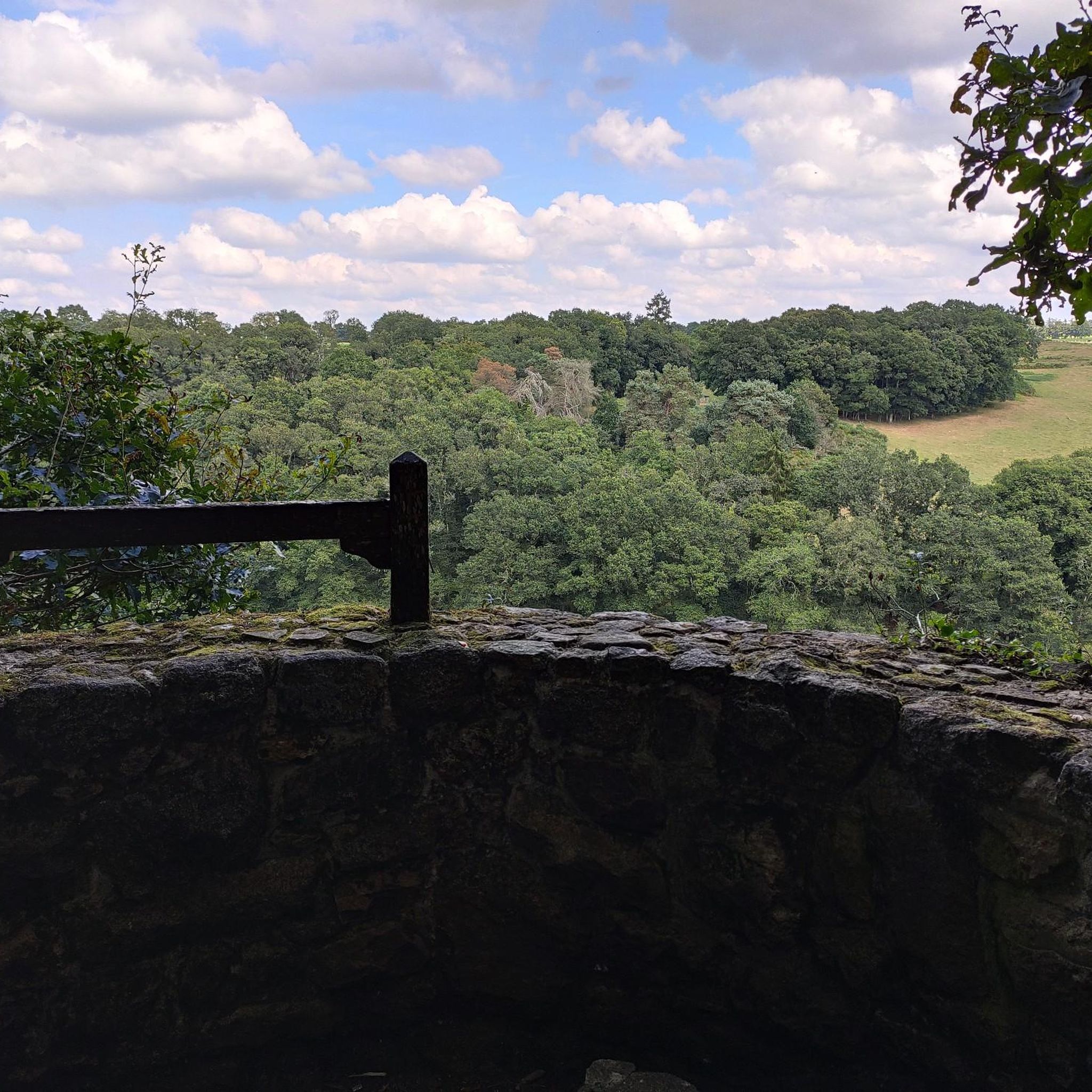
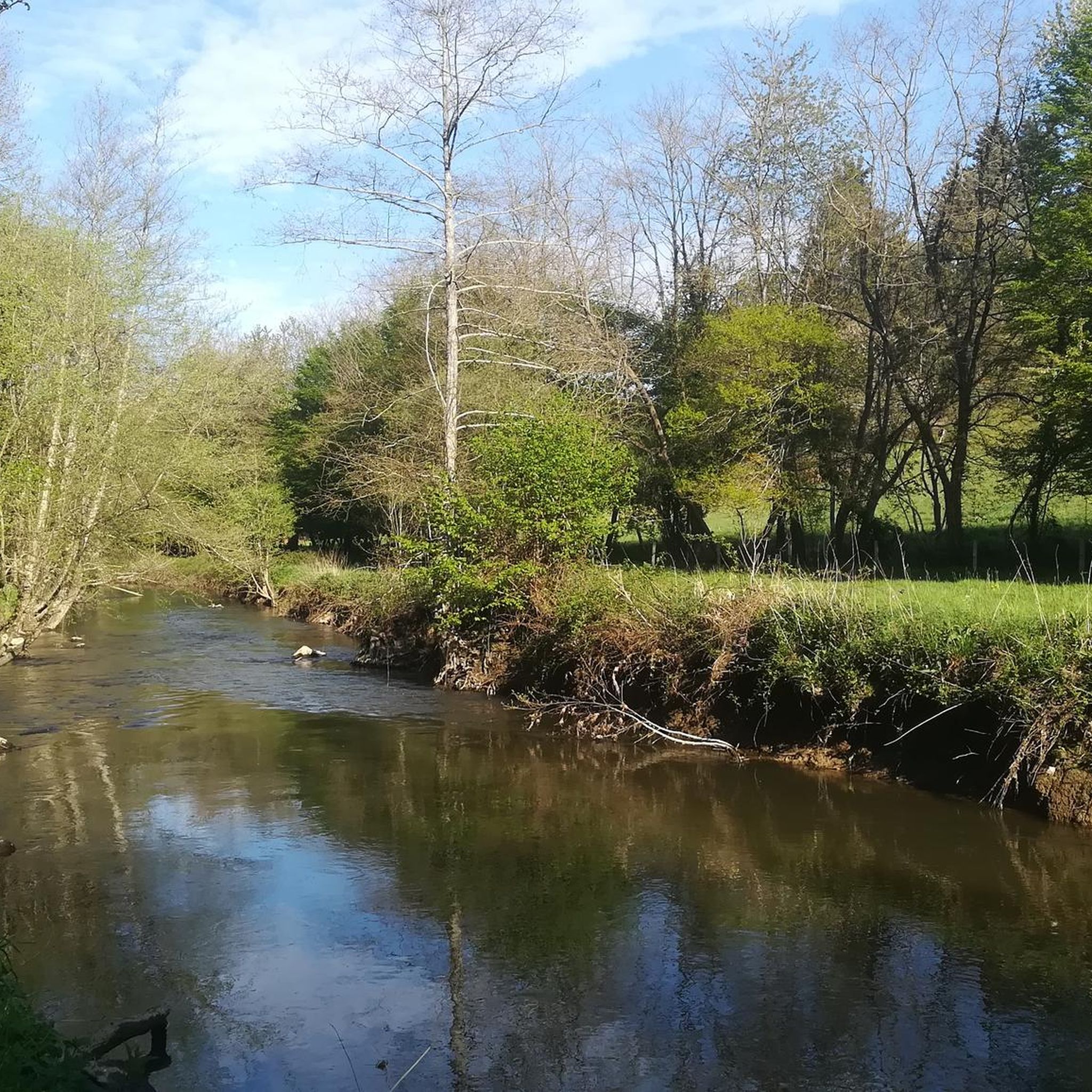
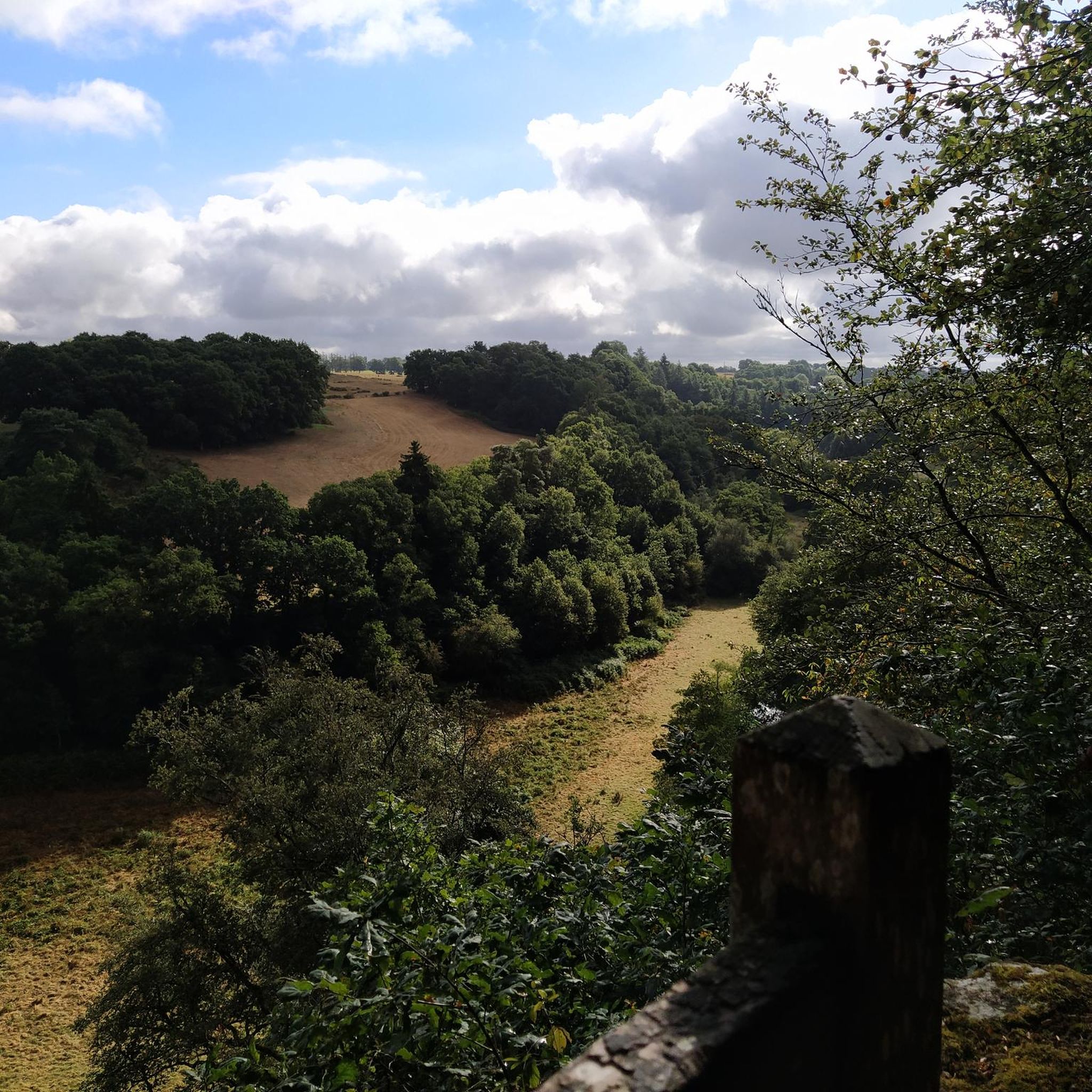
Road cycling routes in La Vallée Du Couesnon traverse a dynamic landscape shaped by the Couesnon River, which flows through a steep-sided valley. The terrain features a mosaic of bocage, dense woodlands, and expansive plains, providing varied scenery for cyclists. Wooded slopes are rich with diverse tree species, while the valley floor includes meadows and heathlands. Granite land and exposed rock formations contribute to the unique geological character of the region.
Best road cycling routes in La Vallée Du Couesnon
…Last updated: October 8, 2026
4.5
(2)
11
riders
33.0km
01:28
300m
300m
Moderate road ride. Good fitness required. Mostly well-paved surfaces and easy to ride.
7
riders
Moderate road ride. Good fitness required. Mostly well-paved surfaces and easy to ride.

5.0
(1)
8
riders
57.7km
02:40
520m
520m
Moderate road ride. Good fitness required. Mostly well-paved surfaces and easy to ride.
5
riders
65.3km
02:48
510m
510m
Moderate road ride. Good fitness required. Mostly well-paved surfaces and easy to ride.
2.0
(1)
4
riders
49.5km
02:22
350m
350m
Moderate road ride. Good fitness required. Mostly well-paved surfaces and easy to ride.
Get access to more routes and recommendations from other explorers.
Already have an account?
Our route recommendations are based on thousands of hikes, rides, and runs completed by other people on komoot.
Start today with a free account
Your next adventure awaits.


Tips from the Community

The crêperie le chat gourmand has changed its name to "L'Escapade du Couesnon" since 26/03/2026, (Certainly due to a change of ownership?)
0
0
Ministry of Culture open heritage platform: https://pop.culture.gouv.fr/notice/merimee/IA35049153
0
0
Crêperie Le Chat Gourmand, a crêperie in Mézières-sur-Couesnon (35)! Fabienne and Frédéric are delighted to welcome you to the heart of the magnificent Couesnon region. Our restaurant (Mézières-sur-Couesnon - 35), located near the Château de la Ville-Olivier, benefits from all the infrastructure that makes it a top tourist destination in Brittany, including numerous sporting activities (kayaking, canoeing, etc.). Our crêperie (Mézières-sur-Couesnon - 35) offers delicious, 100% homemade cuisine, using the finest fresh produce from local producers. Fred, our creative and experienced chef, invites you to discover a rich and diverse menu featuring inventive, high-quality cuisine at reasonable prices. Source: https://www.moncommerce35.fr/le-chat-gourmand-mezieres-sur-couesnon
0
0
Château de la Ville Olivier, 18th century. Located on the ancient Gallo-Roman road of La Chasteté, the château is protected by a wrought-iron gate surmounted by a marquis's coronet. The property, like that of La Sécardais, once belonged to the Marquisate of Bordage, in Ercé-près-Liffré. The gate is connected to granite posts surmounted by two lions and opens onto formal French gardens. Château de la Ville-Olivier is now a privately owned rental property. Source: https://www.mezieres-sur-couesnon.bzh/point-d-interet/chateau-de-la-ville-olivier/
0
0

The Jardin du Val Nançon stretches picturesquely along the Nançon River, framing the northern city walls of Fougères with lush greenery. Covering approximately two hectares, various themed areas invite exploration. This includes a botanical garden, the "Priest's Garden," a reference to the remains of an ancient abbey, a so-called "plant cage," and a colorfully landscaped slope. Of particular note is the contemporary glass art sculpture "L'œuvre à la vie" by Louis-Marie Catta from 2000, which represents peace and dialogue between cultures.
1
0
The bell tower, also called the belfry, was built by the townspeople in 1397 and is considered the oldest surviving building of its kind in Brittany. Architecturally, it is based on Flemish models that the cloth merchants of Fougères had encountered on their travels. The tower's largest bell is named "Roland Chapelle." In the past, the belfry served not only as a bell tower, but also as a fire watchtower and town hall. Today, the tower offers visitors impressive views of the medieval old town and its surroundings.
1
0
The Église Saint-Léonard was built in the 12th century and acquired its present form in the flamboyant Gothic style in the 15th and 16th centuries. During the French Revolution, the church was deprived of its sacred function, but in the 19th century, under architects such as Aristide Tourneux, it underwent extensive renovations, including a new main façade with a large rose window. Inside, 19th-century stained-glass windows depicting episodes from the life of Saint Léonard can be seen.
1
0
The cadastral records of the Château Fort de Fougères mention two towers—the Tour Raoul and the Tour Surienne (also called "tour de Surienne")—dated between 1480 and 1485. The tower was part of the fortifications that were reinforced or rebuilt in the 15th century.
1
0
Frequently Asked Questions
What kind of terrain can I expect on road cycling routes in La Vallée Du Couesnon?
La Vallée Du Couesnon offers a diverse landscape for road cyclists. You'll encounter the meandering Couesnon river, traditional Breton bocage with its patchwork of fields and hedgerows, extensive wooded areas, and alternating valleys and plains. The region also features granite outcrops, adding to the geological interest. Routes often utilize well-maintained paved surfaces and minor roads, providing a smooth ride.
Are there road cycling routes suitable for beginners or those looking for an easier ride?
Yes, La Vallée Du Couesnon caters to various skill levels, including beginners. Out of 150 routes, 25 are classified as easy. An example of an easier route is the D97 loop from Saint-Ouen-des-Alleux, which covers 30.6 km with a moderate elevation gain.
What are some notable landmarks or points of interest I can see while road cycling in the region?
The region is rich in cultural and historical sights. Along your rides, you might discover charming villages, historic mills, and architectural gems like the granite-built Châteaux de La Ballue (known for its garden) and Bonnefontaine (with its English-style grounds). The singular bridge of Antrain with its three mismatched arches is another unique sight. Villages such as Bazouges-la-Pérouse also host art galleries.
What is the best time of year to go road cycling in La Vallée Du Couesnon?
While specific weather conditions vary, the region's lush scenery and varied terrain are enjoyable throughout much of the year. Spring and autumn generally offer pleasant temperatures and beautiful natural colors, making them ideal for cycling. Summer can also be great, with the wooded areas providing welcome shade.
Are there any circular road cycling routes in La Vallée Du Couesnon?
Yes, many of the road cycling routes in La Vallée Du Couesnon are designed as loops, allowing you to start and finish in the same location. Examples include the Château de la Ville Olivier loop from Saint-Ouen-des-Alleux and the Boulet Pond loop from Mézières-sur-Couesnon.
What is the general difficulty level of road cycling routes in La Vallée Du Couesnon?
The routes in La Vallée Du Couesnon offer a range of difficulties, but the majority are classified as moderate. For instance, the Saint Léonard Church – Fougères Castle loop from Mézières-sur-Couesnon is a moderate 59.3 km route with over 500 meters of elevation gain. There are also easier options and a few more challenging routes available.
What do other road cyclists say about their experience in La Vallée Du Couesnon?
The road cycling routes in La Vallée Du Couesnon are highly regarded by the komoot community, with an average rating of 4.3 stars from over 28 reviews. Cyclists often praise the varied terrain, the scenic views along the Couesnon River, and the peaceful minor roads that allow for an immersive experience in the Breton countryside.
Are there opportunities to see Mont-Saint-Michel while cycling in La Vallée Du Couesnon?
Yes, given the valley's proximity to Mont-Saint-Michel Bay, certain vantage points along the road cycling routes may offer distant views of this iconic landmark, adding a spectacular element to your ride.
Where can I find more information about the Couesnon Valley region?
For broader information about the Couesnon Valley and its attractions, you can visit external tourism resources such as Ille-et-Vilaine Tourisme or Brittany Tourism.
Are there any specific cycling tours or signed routes in the area?
Beyond individual komoot routes, the region features dedicated cycling options. The 80 km "Couesnon Valley tour" is a signed route that showcases the diverse landscapes. Additionally, there are four cycling tours and two cycling roads on minor routes, providing structured options for exploration.
What kind of natural features will I encounter on the road cycling routes?
The natural features are a highlight of road cycling in La Vallée Du Couesnon. You'll experience the verdant environment carved by the Couesnon river, traditional Breton bocage, extensive woodlands, and a mix of valleys and plains. The presence of granite land and exposed rock formations also adds to the unique character of the landscape.
Most popular routes in La Vallée Du Couesnon

Get inspired with the komoot mobile app


Explore more
Browse the best Road cycling routes in other regions.
