Attractions and Places To See in Friðland Að Fjallabaki - Top 20
Best attractions and places to see in Friðland Að Fjallabaki include a landscape shaped by volcanic activity and ancient glaciers. This protected area in the Icelandic Highlands features colorful rhyolite mountains, geothermal areas, and extensive hiking opportunities. It is known for its unique geological formations and remote wilderness. The region offers a variety of natural attractions and points of interest for exploration.
Best attractions and places to see in Friðland Að Fjallabaki
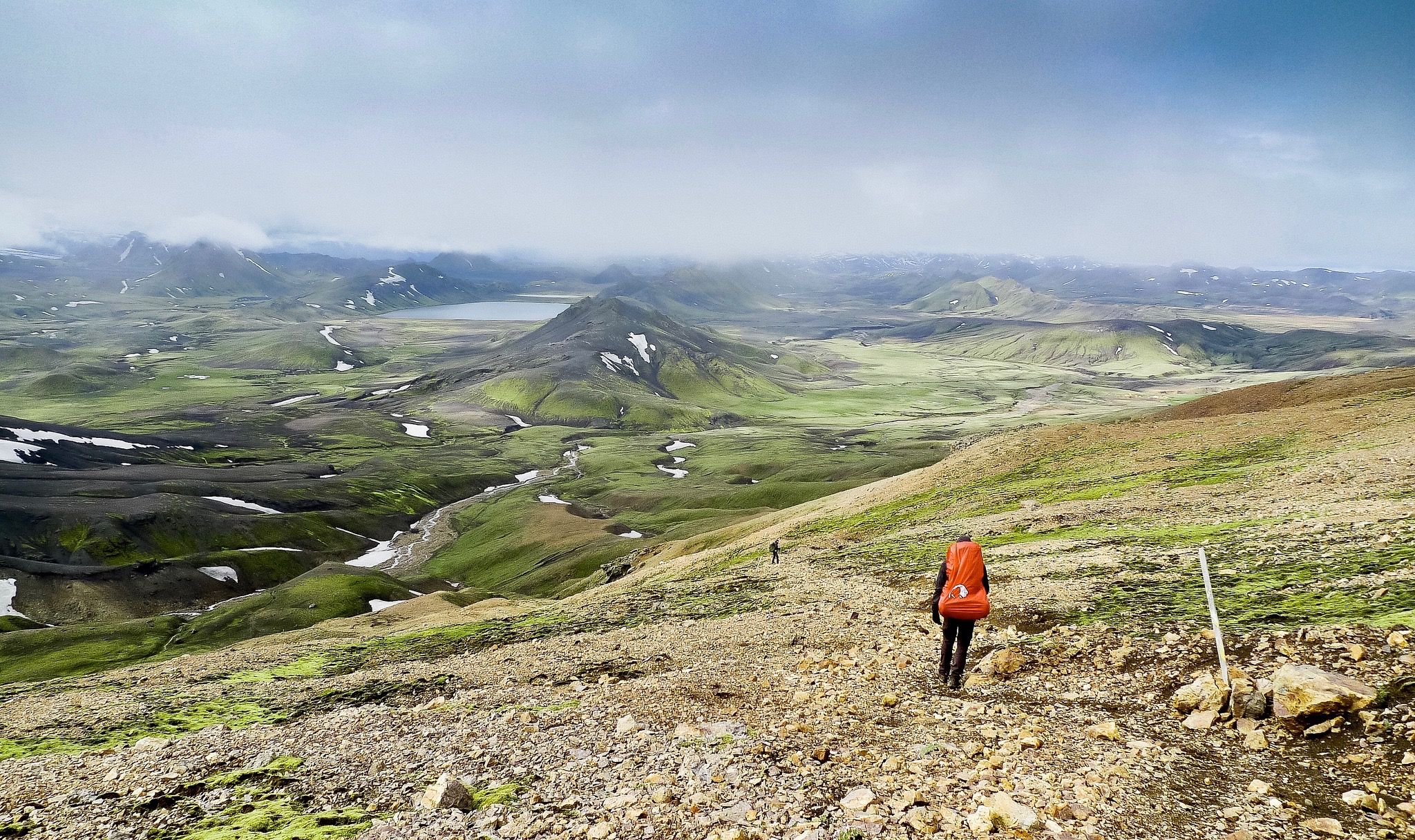
- The most popular attractions is Landmannalaugar to Hrafntinnusker…
Last updated: July 19, 2026
Landmannalaugar to Hrafntinnusker
Highlight (Segment) • Trail
Translated by Google •
Tip by

Landmannalaugar Hot Springs
Highlight • Natural Monument
Translated by Google •
Tip by

Sign up now to discover places like this
Get recommendations on the best single tracks, peaks, & plenty of other exciting outdoor places.
Sign up for free
Bláhnúkur Summit
Highlight • Summit
Translated by Google •
Tip by

Geothermal Area in Friðland að Fjallabaki
Highlight • Natural Monument
Translated by Google •
Tip by

Landmannalaugar Lava Fields
Highlight • Natural Monument
Translated by Google •
Tip by

Sign up for free to discover even more attractions in Friðland Að Fjallabaki.
Sign up for free
Already have an account?
Start today with a free account
Your next adventure awaits.
Login or Signup

Other adventures in Friðland Að Fjallabaki


Tips from the Community

Both tributaries are very hot, but the water cools down considerably after a few meters. Very crowded! No changing rooms: you have to make do with the towel you brought with you.
0
0

Please only climb the summit with good hiking boots and possibly hiking poles (approx. 3 hours round trip) Magnificent views of the colorful Liparit Mountains all around. The Bláhnúkur is a volcano in the Icelandic highlands that is almost a thousand meters high. Between it and the Laugahraun lava field lies the Graenagil gorge, through which several hiking trails lead.
2
0

Immerse yourself in this natural pool, once called the "People's Pool" by the indigenous people of Iceland. While you relax in the soothing water at around 45°C, you are surrounded by an impressive backdrop of colorful mountains, lava fields and the Brennisteinsalda volcano, whose reddish shimmer gives it the nickname "sulphur wave". Be fascinated by the natural temperature differences, which vary depending on your proximity to the ice-cold stream. The further you move away from its inlet, the warmer the water becomes. And deep down you feel the gentle bubbling, as if the earth were quietly whispering stories to you from times long past. The locals here are endowed with a natural sense of community and openness. Changing takes place on a small platform, away from cabins. Showering naked? No problem. In Iceland this is completely normal and part of the culture. So, leave your shame at home and enjoy this unique experience! If you visit Landmannalaugar, remember to bring your swimwear. A little insider tip: plan your bath later in the evening. It can be quite busy here during the day. Use the day to explore the impressive Graenagil Gorge. When dusk sets in and the sun barely sets in summer, your bath in the hot springs becomes an unforgettable experience. Although Landmannalaugar Hot Springs are open year-round, access can be difficult in the winter. The ideal period to visit is between June and September.
2
0
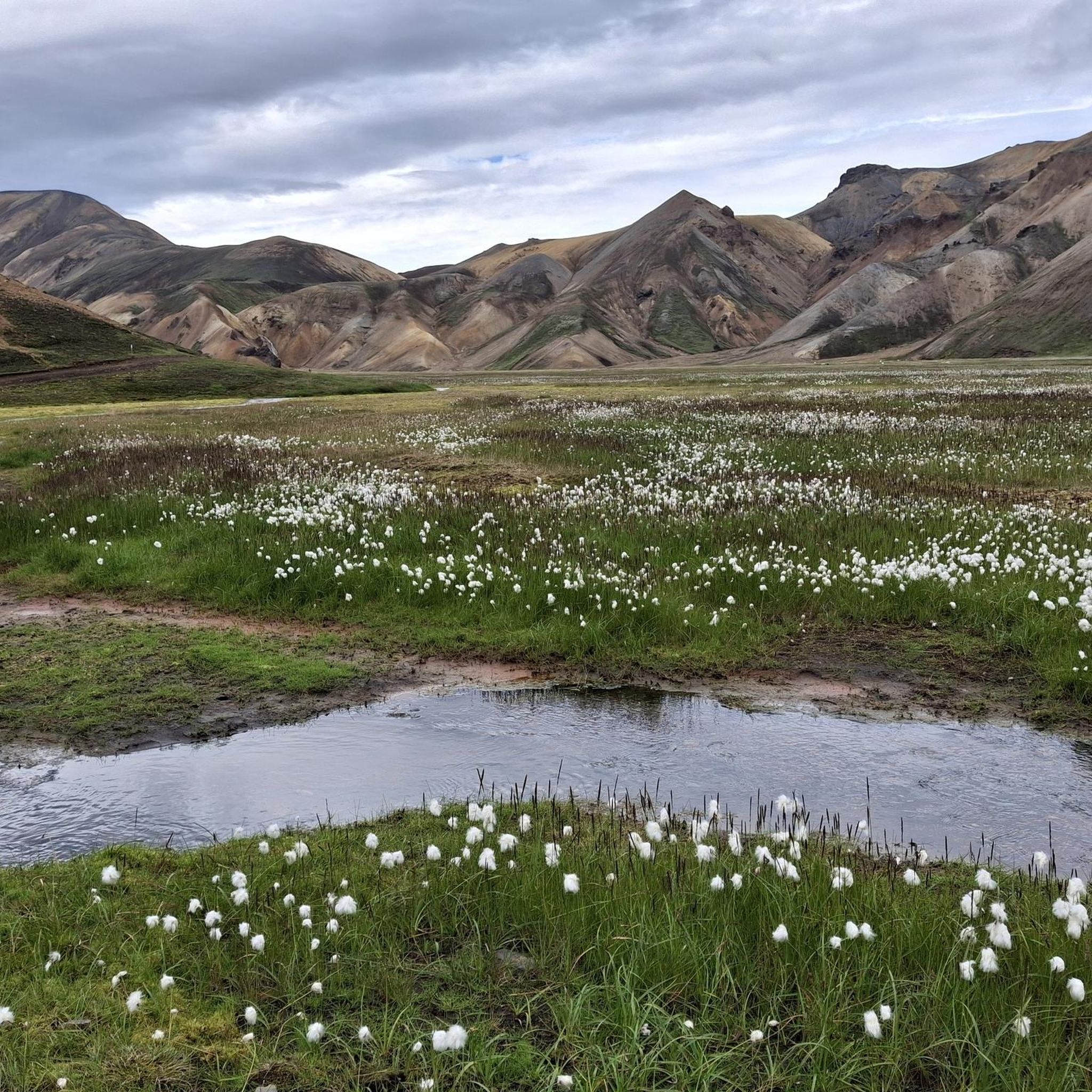
Landmannalaugar has long attracted me with its splendid colors and the shapes of its mountains. Now that I was finally there, the reality surpassed any images I had ever seen. A kaleidoscopic play of yellow, red and greenish-gray awaited me. To get to Landmannalaugar safely and comfortably, I recommend taking the highland bus. The weather in Iceland can be treacherous and taking the bus will save you unnecessary worries. On site you will find a well-marked and relatively easy circular route that takes you through the impressive Grænagil gorge, over the mystical Laugahraun lava field, past the smoking fumaroles and mud pots of the Brennisteinsalda volcano. It is a circular route that always brings you back to the starting point in Landmannalaugar. For the more adventurous among you, there is a more challenging circular hike. This leads from the cozy hut in Landmannalaugar over the Litla Brandsgil gorge and the mountain Skalli - and of course you can't miss a stroll past Brennisteinsalda. My personal highlight was the climb to Brennisteinsalda. Imagine climbing up through steaming clouds of sulfur gases and seeing this volcano towering before you in all its colors. And yes, it has an unusual shape! The short detour to the summit is definitely worth it - the view is simply indescribable. On the way you will repeatedly come across wooden posts and large, stacked stone towers. These are important, especially in fog, because they show you the way. However, there is one thing you should avoid: don't build your own cairns. They are important landmarks and cultural assets in Iceland. If you follow the Laugavegur trekking trail, you will also reach Hrafntinnusker, an impressive mountain that rises up to 1141 meters into the sky. A landscape characterized by volcanic sand and shiny obsidian awaits you here. Another highlight is the ice cave, which, despite collapsing a few years ago, is still an impressive destination for a short hike.
2
0

At Mountain Mail, you can fortify yourself with coffee, soup or a hot dog after the hike, or you can find a small mom and pop range for camping here.
1
1

plan enough time, partly steep uphill and downhill
1
0

Quite crowded hot pot during the day
2
1
Here the entire mountain is steaming due to geothermal activity. Nothing for weak noses 😉
3
0
Frequently Asked Questions
What unique natural features can I explore in Friðland Að Fjallabaki?
Friðland Að Fjallabaki is renowned for its landscape sculpted by volcanic activity and ancient glaciers. You can explore vibrant, multi-colored rhyolite mountains, extensive obsidian lava fields, and active geothermal areas. Notable features include the colorful mountains visible along the Landmannalaugar to Hrafntinnusker trail and the steaming mountains and neon green colored rock at the Geothermal Area in Friðland að Fjallabaki.
Where can I find the best panoramic views of the region?
For breathtaking panoramic views, consider hiking up Bláhnúkur Summit. Known as the 'blue peak,' it offers extensive vistas over the colorful rhyolite mountains of Landmannalaugar and the surrounding volcanic landscape. The climb, while challenging, is highly rewarding.
What are the most popular hiking trails in Friðland Að Fjallabaki?
The region is a hiker's paradise. The Landmannalaugar to Hrafntinnusker trail is a popular segment of the Laugavegur Trail, featuring vibrant rhyolite mountains and obsidian lava fields. Many other trails cater to various fitness levels, from easy loops to challenging multi-day routes. You can find more options in the Hiking in Friðland Að Fjallabaki guide.
Are there hiking options for different skill levels?
Yes, Friðland Að Fjallabaki offers trails for various abilities. For challenging routes, consider the Mountain Hikes in Friðland Að Fjallabaki guide, which includes difficult ascents like the Bláhnúkur Summit loop. For easier walks, the Easy hikes in Friðland Að Fjallabaki guide features accessible trails such as the Ljótipollur Crater Lake loop or the Stútur Volcanic Crater path.
When is the best time to visit Friðland Að Fjallabaki?
The reserve is generally accessible only during the summer months, typically from late June to early September. This period offers the most favorable weather conditions for hiking and exploring, as the challenging terrain and river crossings require specific vehicle types and clear conditions.
How do I access Friðland Að Fjallabaki, and what are the transportation requirements?
Access to Friðland Að Fjallabaki, especially to areas like Landmannalaugar, often requires a 4-wheel drive vehicle due to challenging terrain and unbridged river crossings. Many visitors opt for highland buses for safer and more comfortable travel, especially given the unpredictable weather conditions.
Are there any accommodation options within the reserve?
Yes, the Landmannalaugar Campground provides an opportunity to stay overnight in the highland wilderness. It offers both camping spots for tents and cabins operated by the Island Touring Association, complete with kitchen appliances and hot showers. It's a popular base for exploring the area and enjoying the natural hot springs.
Are there family-friendly activities or easy walks in Friðland Að Fjallabaki?
While many trails are challenging, there are options for families and those seeking easier walks. The Easy hikes in Friðland Að Fjallabaki guide highlights routes like the Ljótipollur Crater Lake loop and the Stútur Volcanic Crater path, which are generally less strenuous and offer scenic views suitable for a wider range of visitors.
What makes the landscape of Friðland Að Fjallabaki so unique?
The landscape's uniqueness stems from its 'Land of Fire and Ice' moniker. It features a dramatic interplay of colorful rhyolite mountains, formed by volcanic minerals, alongside ancient glacial formations. This creates a visually stunning environment with vibrant hues of yellow, pink, red, green, and blue, complemented by geothermal activity like hot springs and steam vents.
What kind of volcanic features can I see in the area?
Friðland Að Fjallabaki is rich in volcanic features. You can observe the blue-black slopes of Bláhnúkur, the 'blue peak,' and the striking red and yellow slopes of Brennisteinsalda, or 'sulfur wave,' colored by iron and sulfur deposits. The region also features distinctive crater lakes like Ljótipollur and volcanic craters such as Stútur, all accessible via hiking paths.
Are there any notable waterfalls or lakes to visit?
Yes, the reserve is home to several beautiful water features. Frostastaðavatn is the largest lake within the Fjallabak Nature Reserve. You can also find impressive waterfalls like Tungnaárfellsfoss, one of Iceland's widest, located on the eastern boundary, and the hidden gem Rauðafoss on the western side. The Vondugil Valley also features a notable waterfall.
What should I know about the terrain and conditions when planning a visit?
The terrain in Friðland Að Fjallabaki is challenging, characterized by rugged volcanic landscapes, river crossings, and potentially steep ascents and descents on trails. Weather conditions can be treacherous and change rapidly, even in summer. It's crucial to be prepared with appropriate hiking gear, including sturdy boots, and to check local conditions before embarking on any routes.
Most popular routes in Friðland Að Fjallabaki
Most popular attractions in Friðland Að Fjallabaki

Get inspired with the komoot mobile app


Explore more
Still not found the Highlight you’re looking for? See guides of the top attractions in other regions:
