Attractions and Places To See around Reppenstedt - Top 20
Best attractions and places to see around Reppenstedt include a blend of historical sites, natural beauty, and local points of interest. This village in Northern Germany serves as a gateway to numerous attractions in the nearby city of Lüneburg and the expansive Lüneburg Heath. The area features idyllic landscapes, including old Lüneburg Heath formations, and offers a variety of outdoor activities.
Best attractions and places to see around Reppenstedt
- The most popular attractions is View of the Old Crane (Alter…
Last updated: July 6, 2026
Lüneburg–Scharnebeck Ship Lift
Highlight • Monument
Translated by Google •
Tip by

Bardowick lift bridge over the Ilmenau River
Highlight (Segment) • Bridge
Translated by Google •
Tip by

Sign up now to discover places like this
Get recommendations on the best single tracks, peaks, & plenty of other exciting outdoor places.
Sign up for free
Ilmenau Riverside Trail
Highlight • Cycleway
Translated by Google •
Tip by

View of the Old Crane (Alter Kran) in Lüneburg
Highlight • Monument
Translated by Google •
Tip by

Historic Old Town Lüneburg
Highlight • Historical Site
Translated by Google •
Tip by

Sign up for free to discover even more attractions around Reppenstedt.
Sign up for free
Already have an account?
Start today with a free account
Your next adventure awaits.
Login or Signup

Tips from the Community

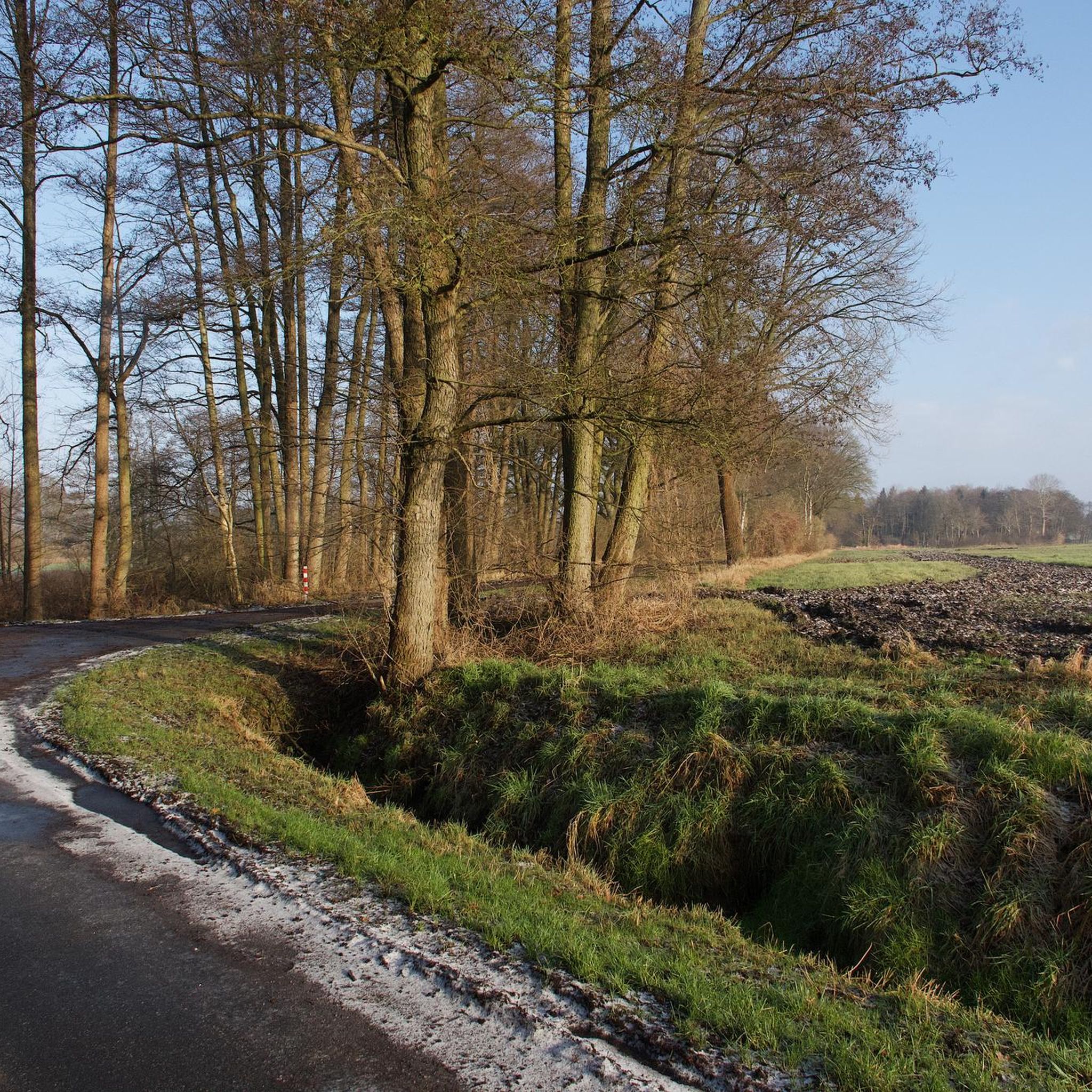
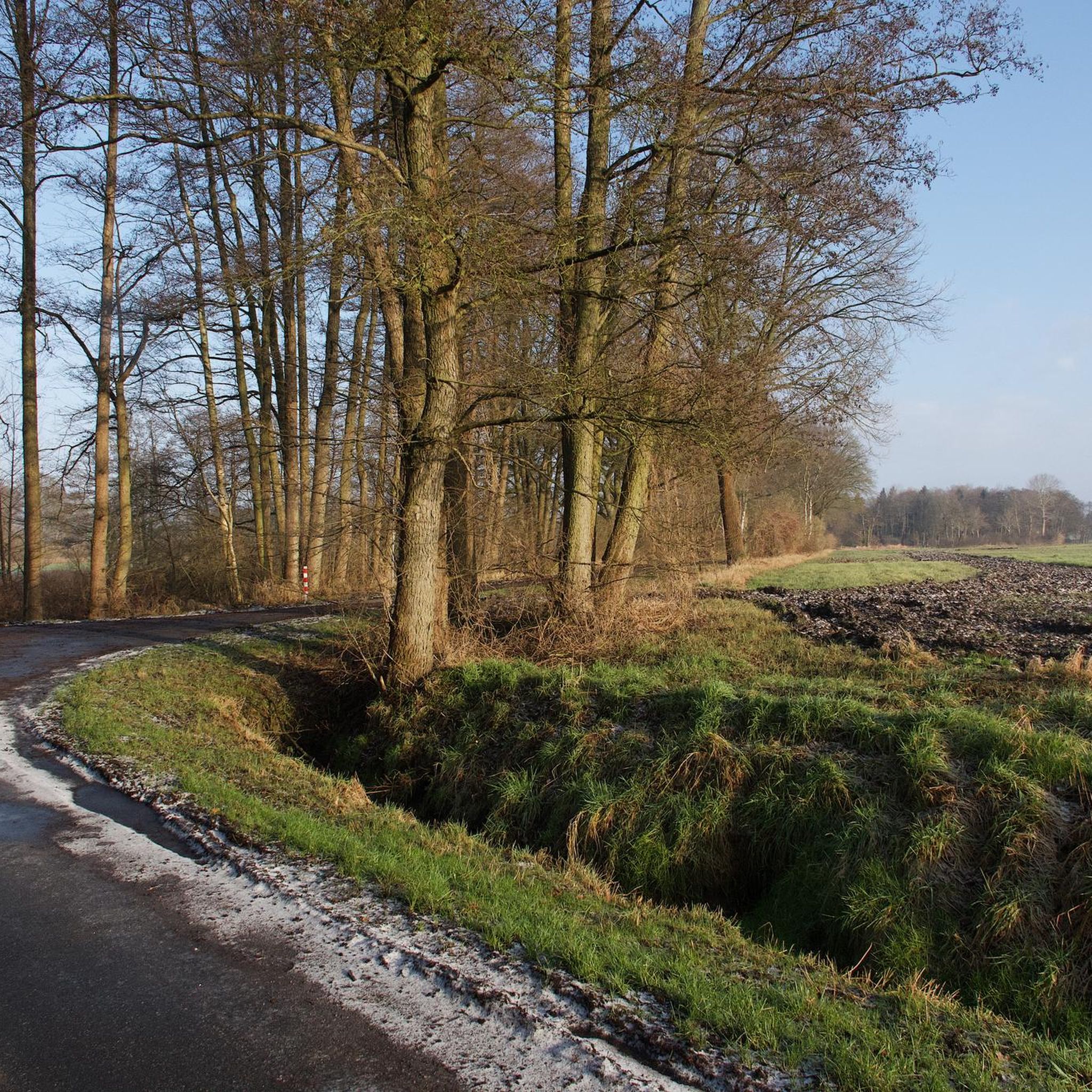
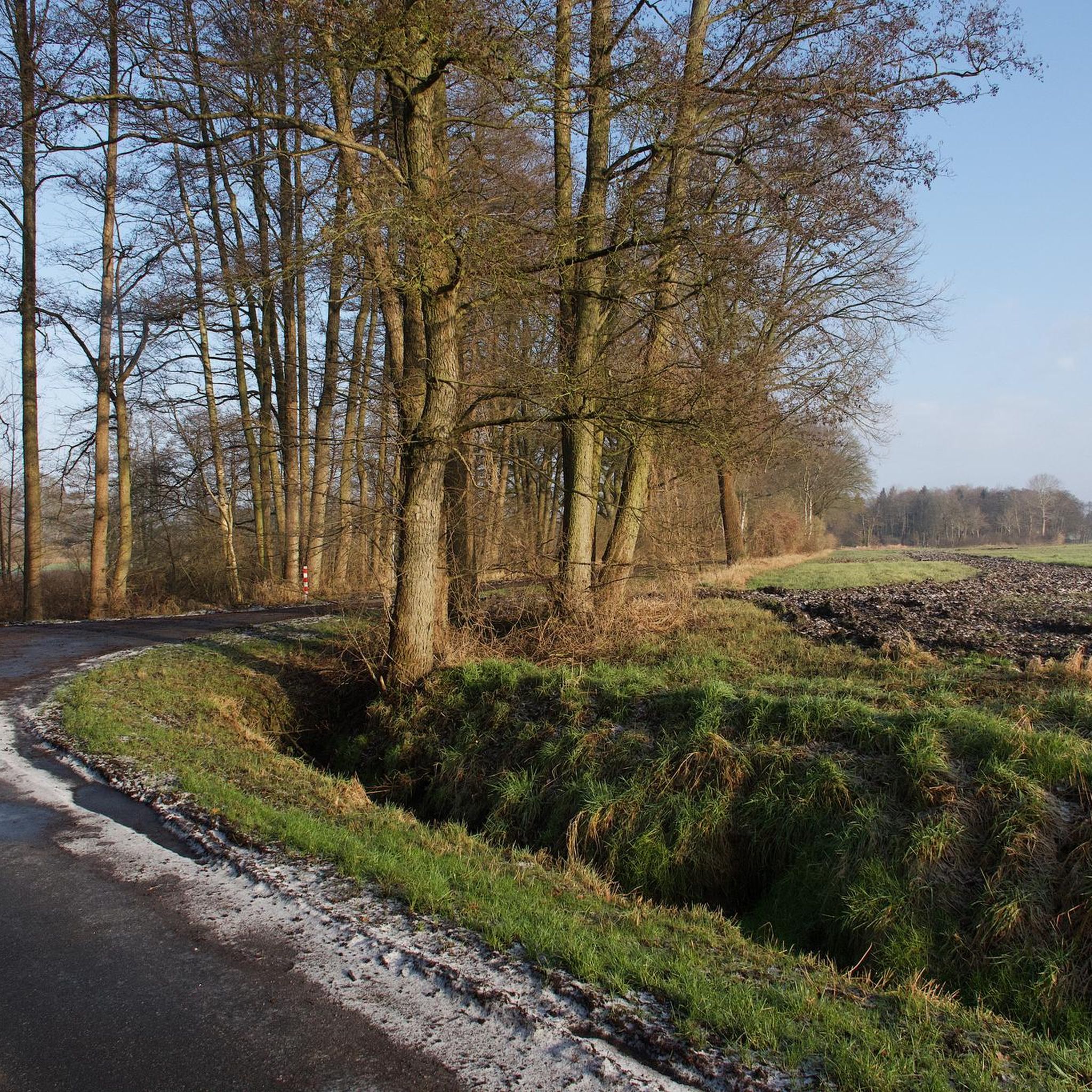
The landscape of the Ilmenau lowlands is wonderfully varied. It is characterized by wide meadows and pastures, which are broken up by rows of trees, scattered swamps and marsh forests. The idyllic heath river Ilmenau is a largely natural flowing water with numerous tributaries. It is by far the largest and most important body of water in the Lüneburg Heath. The Ilmenau is formed south of Uelzen from the confluence of the heath rivers Gerdau and Stederau. It meanders more or less strongly through the varied landscape until it finally flows into the Elbe at Hoopte just outside Hamburg. On these approximately 90 kilometers it flows through places such as Bad Bevensen, Bienenbüttel, Deutsch Evern and Lüneburg. North of Lüneburg the Ilmenau merges into the Ilmenau Canal and from there can only be considered to be close to nature to a limited extent. Source: https://www.lueneburger-heide.de/natur/artikel/10579/die-ilmenau-zauberhafter-fluss-in-der-heide.html
2
0

The Lüneburg ship lift in Scharnebeck works as a double lift. Both troughs of the ship lift work independently of each other and overcome a height difference of 38 m. Four guide towers are assigned to each trough. Through the trough-like openings in these towers, the opposing ups and downs of the trough and the counterweights can be seen. The weight of a water-filled trough with a usable length of 100 m, a width of 11.80 m and a water depth of 3.40 m, with or without a ship, is always 6000 t, since the ships displace as much water from the trough as they weigh themselves when entering and leaving the trough . In the area of the towers, the troughs rest on support frames. Each trough is held by 240 steel cables, each 54 millimeters thick. These are guided over cable pulleys on the top floor of the towers and connected to the support frame at one end of the cable and to the counterweights at the other end. They consist of 224 heavy concrete slabs, each weighing around 27.2 tonnes. Each trough is powered by 4 three-phase motors, each with 160 kW, which overcome a maximum lifting height of 38 m in approx. 3 minutes. The troughs can accommodate ships up to 100 m long, which is where the first problem begins. Modern cargo or tank ships are 110 m long and push convoys are 185 m long. The troughs with a usable length of 100 m are no longer sufficient for these ships.
6
0

The huge hoist in Scharnebeck near Lüneburg lifts ships in the Elbe Lateral Canal by 38 meters. The hoist works like a gigantic elevator: In two troughs filled with water, ships traveling on the Elbe Lateral Canal are lifted from the Elbmarsch 38 meters higher into the Geest landscape of the Lüneburg Heath. The pure journey time of a trough takes three minutes, from the entrance to the exit a ship takes 20 minutes. Source: www.ndr.de/ratgeber/reise/lueneburger_heide/
5
0

Last or first lift on the Elbe Lateral Canal. Here you can see the difference in height class. Ingenious invention to enable shipping traffic on a large scale inland. Observation deck open 24 hours.
5
0

Beautiful view over the Ilmenau in the distance
2
0

The towpath. Magnificent nature.
2
0

Lüneburg has a great old town with beautiful half-timbered houses
7
0

The most beautiful cycle path in Lüneburg
2
0
Frequently Asked Questions
What historical sites can I explore in and around Reppenstedt?
Reppenstedt and its surroundings are rich in history. You can visit Historic Old Town Lüneburg, known for its half-timbered houses and landmarks like the Ratsapotheke. Don't miss the View of the Old Crane (Alter Kran) in Lüneburg, a 14th-century landmark in the city's water district. Within Reppenstedt, explore Hof Lübbers, the oldest house from 1710, or sections of the 14th-century Alte Lüneburger Landwehr defense system. The Wegweiser auf dem alten Postweg bei Dachtmissen marks a historic postal route.
Are there any unique engineering marvels to see near Reppenstedt?
Yes, a significant engineering marvel nearby is the Lüneburg–Scharnebeck Ship Lift. Built in 1974, this double-vertical boat lift allows modern cargo ships to overcome a 38-meter height difference as part of the Elbe Side Canal system. It's a fascinating technical spectacle to witness.
What natural features and outdoor areas are there to enjoy around Reppenstedt?
The area around Reppenstedt offers an idyllic landscape with old Lüneburg Heath formations. You can explore hills like Zelt-Berg and Wahls-Berg, and the Sankt Nicolaier Fuhren forest. For a broader natural experience, the Ilmenau Riverside Trail provides scenic views along the Ilmenau River, perfect for cycling or walking. The larger Lüneburg Heath Nature Park is also easily accessible for wildlife observation, hiking, and cycling.
What cycling routes are available near Reppenstedt?
There are several cycling options around Reppenstedt. The Ilmenau Riverside Trail is a beautifully landscaped and easy-to-navigate path between Bardowick and Lüneburg. Another pleasant section of the Ilmenau cycle path passes the Bardowick lift bridge over the Ilmenau River. For more routes, you can explore options like the 'Luhe River at Luhmühlen – Luhmühlen Equestrian Village loop' or the 'Cycle path to Lüneburg – Bridge Over the Osterbach loop', which are part of the Cycling around Reppenstedt guide.
Are there family-friendly attractions or activities near Reppenstedt?
Absolutely. The Lüneburg–Scharnebeck Ship Lift is often a hit with families, offering an impressive technical spectacle. The Ilmenau Riverside Trail is also family-friendly for cycling or walks. Further afield, the Wildpark Lüneburger Heide provides opportunities for wildlife observation, which children often enjoy.
What is the best time of year to visit Reppenstedt and the Lüneburg Heath?
The Lüneburg Heath, easily accessible from Reppenstedt, is particularly stunning during the heather blooming season, which typically occurs in August and September. This period offers vibrant purple landscapes. However, the area provides beautiful outdoor experiences throughout spring, summer, and autumn with pleasant temperatures for cycling, hiking, and exploring historical sites.
What kind of running trails can I find around Reppenstedt?
Reppenstedt offers various running trails for different fitness levels. You can find easy loops like the 'Schnellenberger Allee loop' or more moderate options such as the 'Ententeich loop' and the 'Böhmsholz Forest Inn loop'. These are detailed in the Running Trails around Reppenstedt guide.
Are there any cultural events or local traditions in Reppenstedt?
Reppenstedt hosts annual events that showcase local culture. These include the Krimifest, a thriller festival, and a traditional Weihnachtsmarkt (Christmas market). These events offer a glimpse into the community spirit and local traditions.
Where can I find panoramic views of the area?
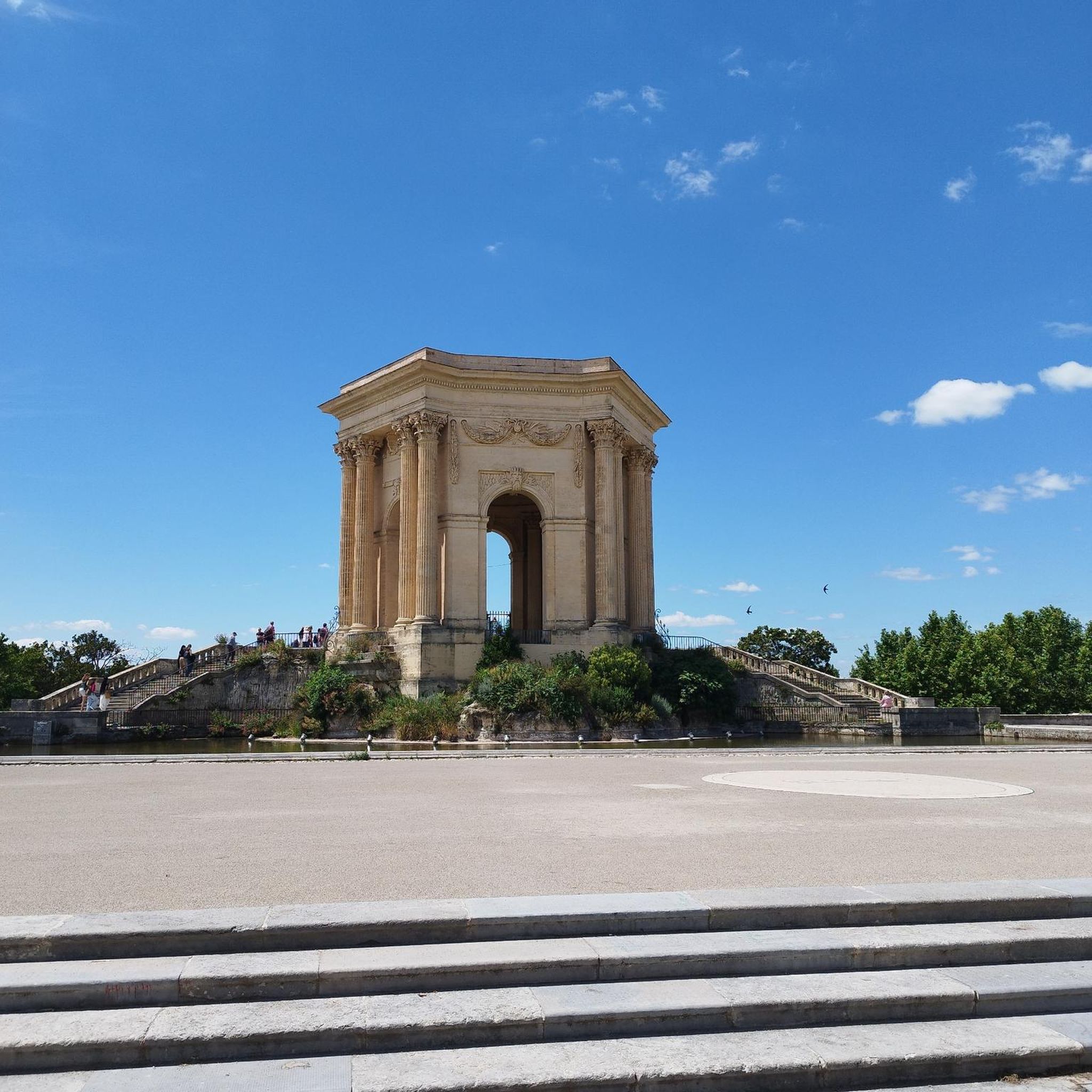
For panoramic views, the Lüneburg Water Tower is an excellent choice. It offers extensive vistas of Lüneburg and the surrounding landscape. Additionally, many points along the Historic Old Town Lüneburg and the Old Crane offer picturesque views of the city and river.
What are some lesser-known or 'hidden gem' attractions near Reppenstedt?
Beyond the main highlights, consider exploring the historical significance of the Alte Lüneburger Landwehr, a 14th-century defense system, or the Wegweiser auf dem alten Postweg bei Dachtmissen, which marks an old postal route with visible wagon tracks. These offer a deeper dive into the region's past away from the more crowded spots.
Can I find places to eat or drink near the attractions?
Yes, especially in Lüneburg's historic center and along popular routes. For example, near the Bardowick lift bridge over the Ilmenau River, you can stop off at the Mühlencafe for coffee and cake. The area around the Old Crane in Lüneburg also has various establishments.
What is the German Salt Museum in Lüneburg about?
The German Salt Museum (Salzmuseum) in Lüneburg provides a detailed look into the 1,000-year history of salt mining in the region. Lüneburg's prosperity was historically tied to its salt production, and the museum explains this fascinating aspect of the city's heritage.
Most popular routes around Reppenstedt
Most popular attractions around Reppenstedt

Get inspired with the komoot mobile app


Explore more
Still not found the Highlight you’re looking for? See guides of the top attractions in other regions:
