The best MTB trails in Parque Nacional Iztaccíhuatl-Popocatépetl
4.8
(26)
53
riders
8
rides
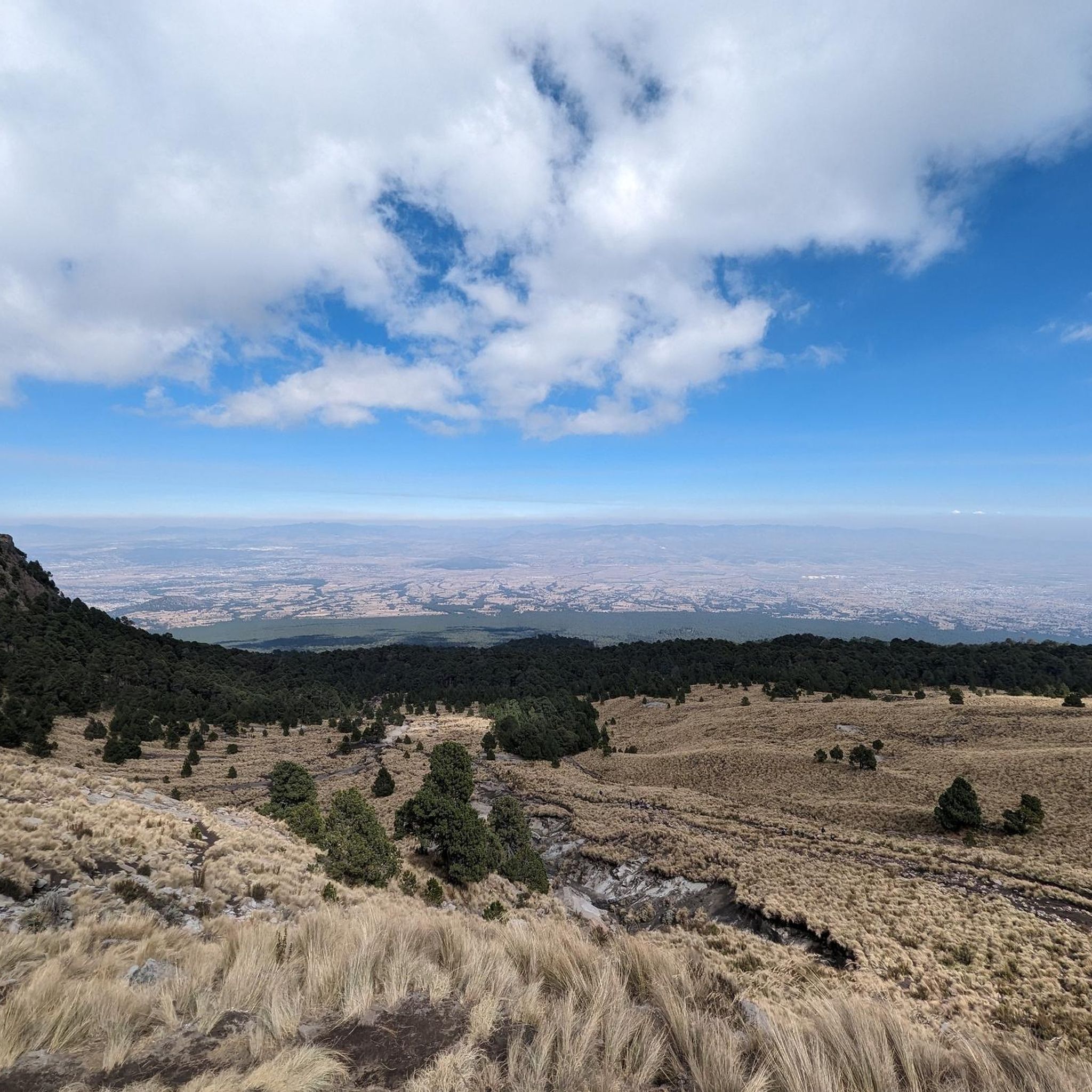
Parque Nacional Iztaccíhuatl-Popocatépetl mountain bike trails traverse dramatic volcanic landscapes, offering diverse ecosystems for riders. The region is characterized by towering volcanic peaks, extensive pine, oak, and fir forests at lower elevations, transitioning to alpine meadows and rocky terrain at higher altitudes. Key features include the historic Paso de Cortés, a mountain pass at 3,300 meters, which provides access to many routes. The varied terrain includes wide dirt roads, rocky sections, and significant elevation changes.
Best mountain bike trails in…
Last updated: October 13, 2026
5.0
(2)
17
riders
15.6km
01:30
340m
340m
Hard mountain bike ride. Good fitness required. Advanced riding skills necessary. Some portions of the route may require you to push your bike.
5.0
(1)
12
riders
23.8km
02:53
930m
930m
Hard mountain bike ride. Very good fitness required. Suitable for all skill levels.

5.0
(2)
3
riders
40.7km
04:35
1,430m
1,430m
Hard mountain bike ride. Very good fitness required. Suitable for all skill levels.
3.9
(13)
6
riders
50.7km
03:59
1,330m
1,330m
Hard mountain bike ride. Very good fitness required. Suitable for all skill levels.
5.0
(1)
2
riders
20.6km
01:48
460m
460m
Moderate mountain bike ride. Good fitness required. Suitable for all skill levels.
Get access to more routes and recommendations from other explorers.
Already have an account?
Our route recommendations are based on thousands of hikes, rides, and runs completed by other people on komoot.
Start today with a free account
Your next adventure awaits.
Popular around Parque Nacional Iztaccíhuatl-Popocatépetl

Tips from the Community

Amecameca de Juaréz is the municipal capital. It's a well-known town and a popular destination for visitors to the volcanoes, as it's located right at the foot of the volcanoes and is a national tourism area. There's almost everything here, plenty of food (the market, stalls, and shops), and there are bike repair shops if you need them. The plaza is large, with a traditional kiosk and church.
2
0
A monument depicting the passage of Spanish conquistador Hernán Cortés into the Valley of Mexico in 1520, mounted on a roundabout that provides access in several directions: Tlamacas (closed since the 1990s), Izta-Popo Refuge, Xalitzintla, Iztaccíhuatl, and San Pedro Nexapa. Its now-classic "Paso de Cortés" sign is a place where you can take a souvenir photo (of the achievement), which is currently obscure due to the countless stickers pasted by people from various cycling, motorcycling, mountaineering, and other clubs. Here, in addition to the beautiful view, you'll also find plenty of food on weekends; during the week, it's difficult to find supplies. The cold is usually very high, so always be prepared for the changes in mountain weather.
3
0


If you arrive by car to the Pluma de San Pablo Ixayoc you can leave it at the restaurant "El Venturero", from there you will walk a couple of hours to get to the Cabaña. It is the same route that is followed to go to Canoas Altas (ecotourism center) or El Tláloc (mountain and archaeological zone). A challenge for physical condition.
2
0

Food market next to Amecameca church
0
0

The starting point for climbing the volcano ... the only place where I haven't met any Germans or German speakers for two weeks in 11 months.
0
0
Frequently Asked Questions
How many mountain bike trails are available in Parque Nacional Iztaccíhuatl-Popocatépetl?
There are 8 mountain bike trails documented in Parque Nacional Iztaccíhuatl-Popocatépetl on komoot. These routes offer a range of experiences, from moderate paths to challenging rides with significant climbs.
What is the best time of year to go mountain biking in Parque Nacional Iztaccíhuatl-Popocatépetl?
The best time to visit Parque Nacional Iztaccíhuatl-Popocatépetl for mountain biking and other outdoor activities is generally from November to March. During these months, the weather is typically more stable, offering clearer views of the volcanic peaks.
Are there any family-friendly mountain bike trails in the park?
While many trails in Parque Nacional Iztaccíhuatl-Popocatépetl involve significant elevation changes and can be challenging, there are some moderate options. For example, the Muro del Aguileón – Hidden Waterfall loop from Amecameca is rated moderate and leads through forested landscapes, which might be suitable for families with some mountain biking experience.
What kind of terrain can I expect on the mountain bike trails?
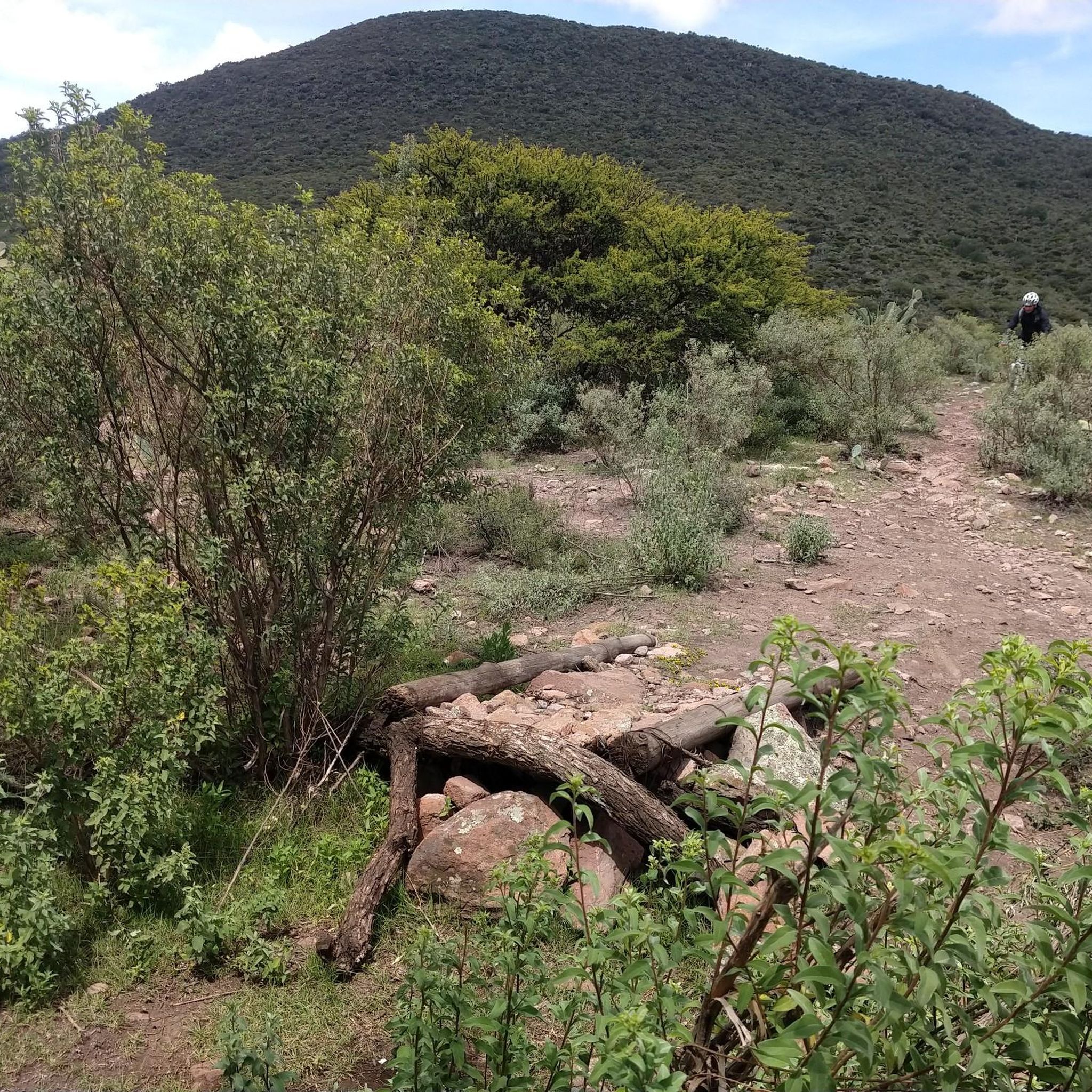
The terrain in Parque Nacional Iztaccíhuatl-Popocatépetl is diverse, ranging from wide dirt roads and rocky sections to forested paths. You'll encounter extensive pine, oak, and fir forests at lower elevations, transitioning to alpine meadows and more open, rocky environments at higher altitudes. Expect significant elevation gains and descents, with some sections potentially requiring you to push your bike.
Are there any notable landmarks or viewpoints along the mountain bike routes?
Yes, the park is rich in natural and historical landmarks. Many routes offer spectacular views of the active Popocatépetl volcano and the extinct Iztaccíhuatl volcano. A key attraction is the historic Paso de Cortés Monument, a mountain pass at 3,300 meters, which provides panoramic vistas and serves as a starting point for several trails. You might also encounter the La Joya Trailhead (Iztaccíhuatl) or the La Cabaña de Ollantaytambo.
Are dogs allowed on the mountain bike trails in Parque Nacional Iztaccíhuatl-Popocatépetl?
The park is a national protected area. While specific regulations regarding dogs on mountain bike trails can vary, it's generally advisable to check with park authorities directly before bringing pets, as wildlife protection is a priority. The park is home to diverse wildlife, including the endangered volcano rabbit.
Where can I find trails with waterfalls in the park?
Several routes in the park feature waterfalls. For instance, the Muro del Aguileón – Hidden Waterfall loop from Amecameca is a popular choice that leads to a waterfall. Another option is the Hidden Waterfall – Stream loop from Amecameca, which also incorporates a waterfall into its route.
What are the difficulty levels of mountain biking in Parque Nacional Iztaccíhuatl-Popocatépetl?
The mountain biking trails in the park range from moderate to difficult. Out of the 8 available routes, 2 are rated as moderate and 6 are rated as difficult. Difficult routes often involve significant elevation gains, technical sections, and require good physical fitness.
Is there parking available for mountain bikers?
Yes, parking is generally available at key access points and trailheads within the park, such as near Paso de Cortés. It's always a good idea to arrive early, especially on weekends, as these areas can become busy.
What do other mountain bikers say about the trails in Parque Nacional Iztaccíhuatl-Popocatépetl?
The mountain bike routes in Parque Nacional Iztaccíhuatl-Popocatépetl are highly rated by the komoot community, with an average score of 4.8 stars from more than 10 reviews. Riders often praise the dramatic volcanic landscapes, the challenging ascents, and the rewarding views of the peaks.
Are there any circular mountain bike routes in the area?
Yes, many of the mountain bike trails in Parque Nacional Iztaccíhuatl-Popocatépetl are designed as loops. Examples include the Paso de Cortés Monument – La Joya Pass – 4,000 m loop from Paso de Cortés and the Venturero Stop – La Cabaña de Ollantaytambo loop from , offering varied terrain and scenic views.
Can I reach the mountain bike trails using public transport?
While direct public transport to all trailheads within the national park can be limited, towns like Amecameca, which serve as common starting points for some routes, are generally accessible by public transport. From there, you might need to arrange local transportation or cycle to the specific trailheads.
Most popular routes in Parque Nacional Iztaccíhuatl-Popocatépetl
Most popular attractions in Parque Nacional Iztaccíhuatl-Popocatépetl

Get inspired with the komoot mobile app


Explore more
Browse the best MTB trails in other regions.
