The best cycling routes in Kaloko-Honokōhau National Historical Park
4.0
(1)
354
riders
27
rides
Touring cycling in Kaloko-Honokōhau National Historical Park offers routes across ancient lava flows from the Hualālai volcano, creating a rugged coastal environment. The park features diverse landscapes including sandy beaches, unique anchialine pools, and historical Hawaiian fishponds. Trails often meander through native vegetation and along the coast, providing varied terrain for cyclists. This area combines natural beauty with significant cultural and historical sites, making it suitable for exploration by bike.
Best touring cycling routes in Kaloko-Honokōhau National Historical Park
- The…
Last updated: May 13, 2026
27
riders
Moderate bike ride. Good fitness required. Mostly paved surfaces. Suitable for all skill levels.
8.35km
00:38
40m
40m
Easy bike ride. Great for any fitness level. Mostly paved surfaces. Suitable for all skill levels.

Sign up for free
10.6km
00:42
120m
120m
Easy bike ride. Great for any fitness level. Mostly paved surfaces. Suitable for all skill levels.
32
riders
74.4km
05:03
1,200m
1,200m
Hard bike ride. Very good fitness required. Mostly paved surfaces. Suitable for all skill levels.
4.0
(1)
28
riders
39.0km
02:31
480m
480m
Hard bike ride. Very good fitness required. Mostly paved surfaces. Suitable for all skill levels.
Get access to more routes and recommendations from other explorers.
Sign up for free
Already have an account?
Our route recommendations are based on thousands of hikes, rides, and runs completed by other people on komoot.
Start today with a free account
Your next adventure awaits.
Login or Signup
Popular around Kaloko-Honokōhau National Historical Park
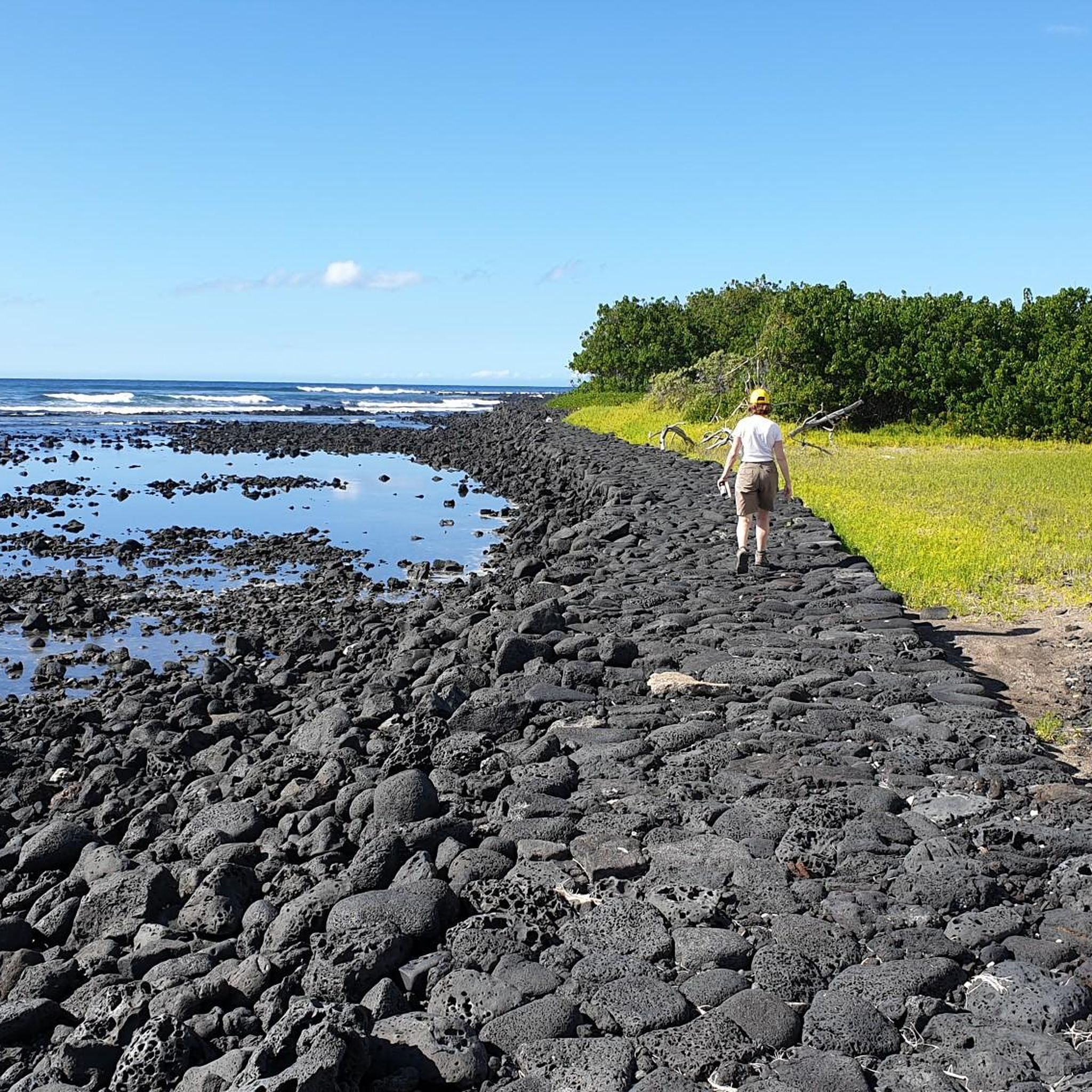
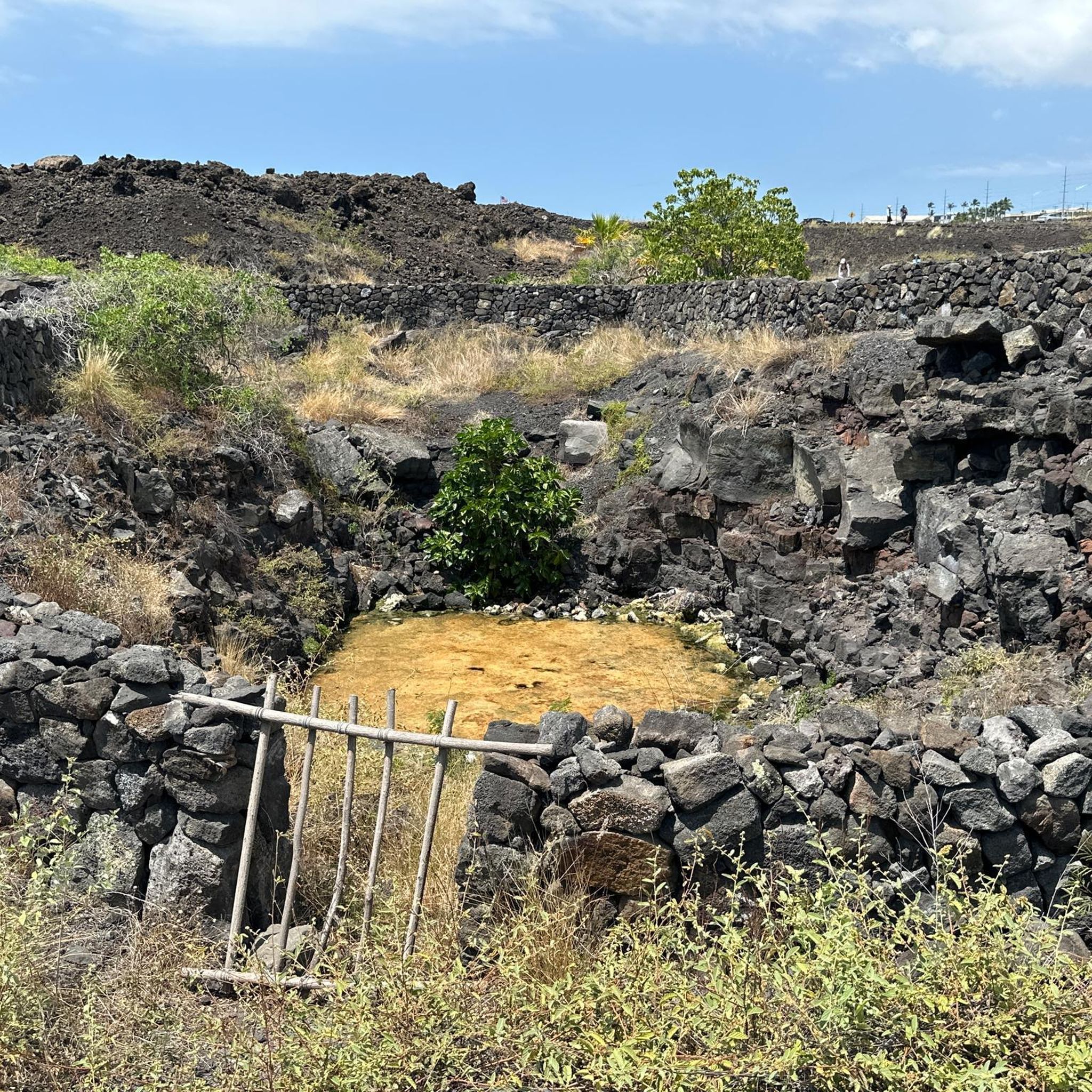
Tips from the Community

small museum in the former summer residence of the royal family
2
0


Breathtaking landscapes, beautiful routes to tackle!
0
1

Aliʻi Drive is one of the most beautiful snorkeling spots along the east coast to the east. A stop here is always worthwhile, as the postcard-famous blue ocean and small St. Peters Catholic Church is located here. The best time to cycle through is early in the morning, but during that time it is important be respectful of the surfers who get up early to surf here.
1
0

Wawahiwa'a Point is a large white sandy beach with crystal blue waters, lagoons, and rocky shores from the lava flows. This beach backs Hawaii's best in state Kohanaiki Golf Course.
0
0
Two Step Beach is a lava rock shore, but there is some sand a little further up the beach. Ideally you could bring a yoga mat to lay under your towel for a little more comfort. There are shallow saltwater pools to lay in, but watch out for critters!
0
0
Kealakekua Bay is a Marine Life Conservation area that offers snorkeling, scuba diving and kayaking. The bay is filled with coral and schools of tropical fish. Occasionally you can see spinner dolphins swimming in the clear blue waters of the bay. If you want to stay dry, there is a picnic area to relax and spectate from.
1
0
Frequently Asked Questions
How many touring cycling routes are available in Kaloko-Honokōhau National Historical Park?
There are over 25 touring cycling routes available in Kaloko-Honokōhau National Historical Park, offering diverse options for exploration. These routes range from easy coastal rides to more challenging loops with greater elevation.
What kind of terrain and elevation can I expect on the touring cycling routes?
The terrain varies from paved surfaces to unpaved segments, traversing ancient lava flows and coastal paths. You'll find routes with minimal elevation gain, like the Ala Kahakai Trail: Kohanaki Beach Park which has only 35m of ascent, as well as more challenging options with significant climbs, such as the Kailua-Kona – Huliheʻe Palace loop from St. Michael the Archangel Parish featuring over 1100m of ascent.
Are there any easy touring cycling routes suitable for beginners or families?
Yes, there are several easy routes perfect for beginners or families. The Ala Kahakai Trail: Kohanaki Beach Park is an easy 8.3 km path with minimal elevation, offering coastal scenery. Another accessible option is the Kailua-Kona loop, a 10.6 km trail through coastal areas and local streets.
What natural features and landmarks can I see along the cycling routes?
The park is rich in natural beauty and historical sites. You can explore beautiful sandy beaches, unique anchialine pools, and ancient Hawaiian fishponds like the Kaloko Fishpond. Routes also meander through lava fields and native vegetation. Historically, you'll encounter ancient Hawaiian settlements, archaeological sites including heiau (sacred temples) and petroglyphs, and sections of historic trails like the Ala Kahakai National Historic Trail.
Are there any circular touring cycling routes in the park?
Yes, many routes are designed as loops, allowing you to start and end at the same point. A popular moderate option is the Huliheʻe Palace – Kailua-Kona Beaches loop from Kaloko-Honokōhau National Historical Park, which covers 20.7 km. For a shorter, easy ride, consider the Kailua-Kona loop.
What are the operating hours and entrance fees for Kaloko-Honokōhau National Historical Park?
Kaloko-Honokōhau National Historical Park is generally open daily from 8:00 AM to 4:00 PM. There are no entrance fees to access the park. However, it's always a good idea to check the official National Park Service website for the most current information on hours and any potential changes.
Is it possible to spot wildlife while cycling in the park?
Yes, the park's diverse ecosystems offer opportunities for wildlife spotting. The anchialine pools and coastal areas support various marine life. You might also encounter native birds and other local fauna within the lava fields and native vegetation areas. Remember to observe wildlife from a respectful distance.
What is the best time of year to go touring cycling in Kaloko-Honokōhau National Historical Park?
The Big Island of Hawaii generally offers pleasant cycling weather year-round. However, the dry season (roughly April to October) typically provides sunnier and drier conditions, which can be ideal for cycling. The wet season (November to March) can bring more rain, but showers are often localized and brief. Always check the local weather forecast before heading out.
Are there any amenities like cafes or accommodation near the cycling routes?
While the park itself is primarily natural and historical, the nearby town of Kailua-Kona offers a wide range of amenities. You'll find various cafes, restaurants, and accommodation options there, which are easily accessible from many of the park's cycling routes. Some routes, like the Kailua-Kona – Kailua Bay loop from Kaloko-Honokōhau National Historical Park, pass directly through or near these areas.
What should I bring for a touring cycling trip in Kaloko-Honokōhau National Historical Park?
Given the Hawaiian climate and varied terrain, it's advisable to bring plenty of water, sun protection (sunscreen, hat, sunglasses), and appropriate cycling attire. Closed-toe shoes are recommended, especially if you plan to explore any unpaved sections or historical sites on foot. A basic bike repair kit and a fully charged phone are also good to have.
Are there any particularly challenging touring cycling routes for experienced riders?
For experienced riders seeking a challenge, the park and surrounding areas offer more demanding routes. The Kailua-Kona – Huliheʻe Palace loop from St. Michael the Archangel Parish is a difficult 74.4 km route with over 1100m of elevation gain. Another difficult option is the Kailua-Kona – Kailua Bay loop from Kaloko-Honokōhau National Historical Park, spanning 41.9 km with over 600m of ascent.
Can I rent a bicycle near Kaloko-Honokōhau National Historical Park?
Yes, bicycle rentals are available in the nearby Kailua-Kona area. Several shops offer a range of bikes, including touring bicycles, suitable for exploring the park and its surroundings. It's recommended to book in advance, especially during peak tourist seasons.
Most popular routes in Kaloko-Honokōhau National Historical Park

Get inspired with the komoot mobile app


Explore more
Browse the best Cycling routes in other regions.
