The best cycling routes in OlaʻA-Kilauea Watershed Partnership
84
riders
13
rides
Touring cycling in OlaʻA-Kilauea Watershed Partnership offers routes through a dynamic volcanic landscape, characterized by active volcanic terrain, craters, and diverse ecosystems. Cyclists can experience transitions from lush rainforests to recently formed lava fields. The region features significant elevation changes, particularly on routes ascending the slopes of Mauna Loa.
Best touring cycling routes in OlaʻA-Kilauea Watershed Partnership
- The most popular touring cycling route is Kīpukapuaulu loop via Mauna Loa Road, a 3.5 miles (5.7 km) trail that takes about 26 minutes to complete. This easy loop offers views along Mauna Loa Road.
- Another top favourite among local touring cyclists is Nāhuku (Thurston Lava Tube) – Kīlauea Iki East Overlook loop from Kīpuka Puaulu, a moderate 20.1 miles (32.3 km) path. This route traverses volcanic features including a lava tube and an overlook into Kīlauea Iki crater.
- Local touring cyclists also love the Mauna Loa Road to Mauna Loa Lookout, a 15.2 miles (24.5 km) trail leading through koa woodlands and over ancient lava flows, often completed in about 2 hours 16 minutes.
- Touring cycling in OlaʻA-Kilauea Watershed Partnership is defined by volcanic terrain, rainforests, and lava fields. The network offers options for various ability levels, from easy loops to challenging climbs.
- The guide includes highly-rated routes that showcase the best of the region's landscape. More than 20 touring cyclists have used komoot to explore OlaʻA-Kilauea Watershed Partnership's varied terrain.
Last updated: May 13, 2026
13
riders
Moderate bike ride. Good fitness required. Mostly paved surfaces. Suitable for all skill levels.
5.72km
00:26
30m
30m
Easy bike ride. Great for any fitness level. Mostly paved surfaces. Suitable for all skill levels.

Sign up for free
24.5km
02:16
670m
670m
Hard bike ride. Very good fitness required. Mostly paved surfaces. Suitable for all skill levels.
4.79km
00:17
40m
40m
Easy bike ride. Great for any fitness level. Mostly paved surfaces. Suitable for all skill levels.
8.18km
00:29
50m
50m
Easy bike ride. Great for any fitness level. Mostly paved surfaces. Suitable for all skill levels.
Get access to more routes and recommendations from other explorers.
Sign up for free
Already have an account?
Our route recommendations are based on thousands of hikes, rides, and runs completed by other people on komoot.
Start today with a free account
Your next adventure awaits.
Login or Signup
Popular around OlaʻA-Kilauea Watershed Partnership
Tips from the Community

Closed and inaccessible since 2018!
2
0
The center is closed for renovations until August 2026
2
0


Here is a picnic area on the outer rim of the popular Kīpukapuaulu Trail. This "bird park" is absolutely filled with birds thanks to the conservation and ecological protection of this native rainforest. For the full 411, check out the National Parks Service Trail guide: https://www.nps.gov/havo/planyourvisit/upload/Kipukapuaulu_Trail_Guide.pdf
0
0
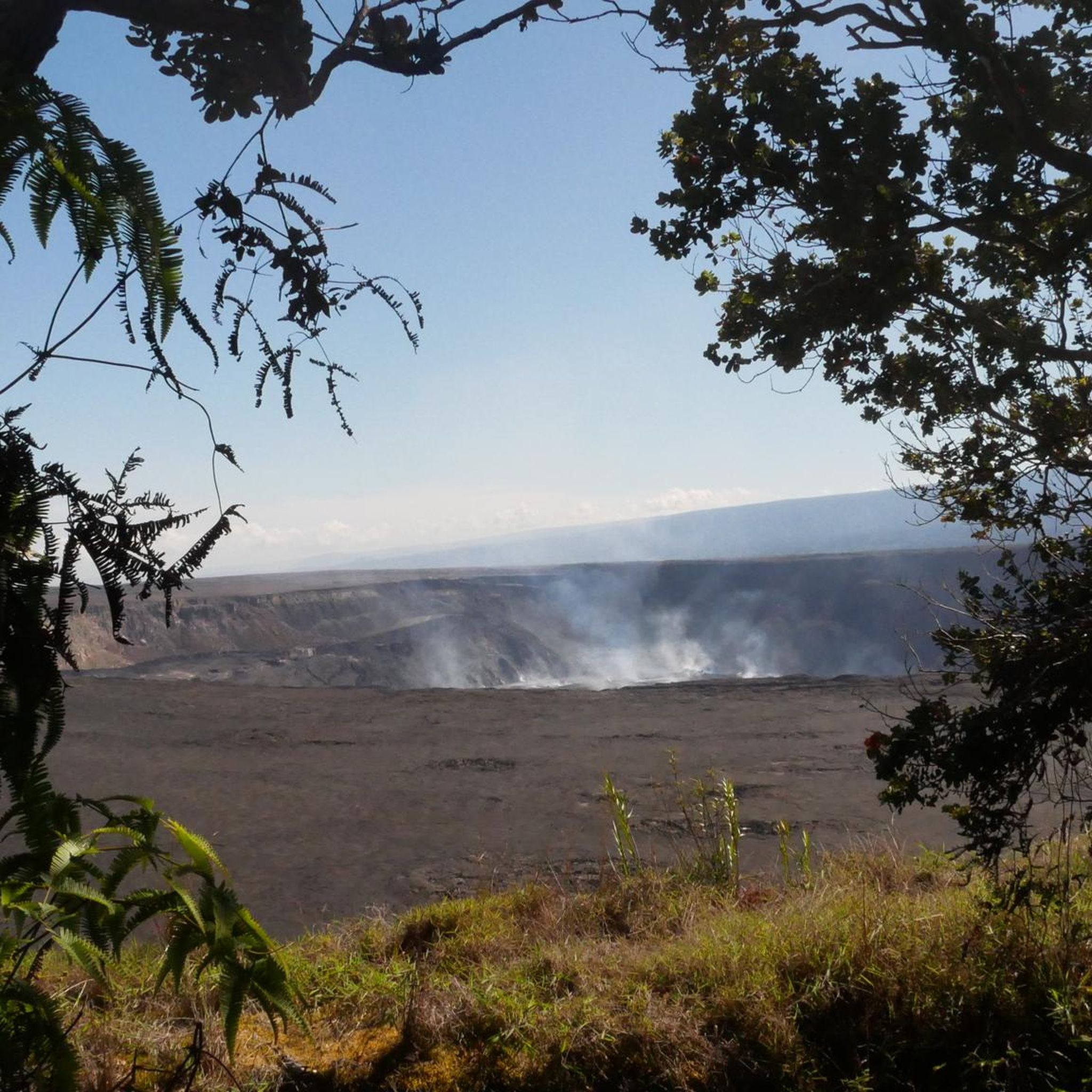
The Jaggar Museum will be demolished in late 2023 due to thousands of earthquakes during the 2018 Kīlauea volcano eruption. This will bring an end to the 96-year history of the Jaggar Museum. Today you can still spectate at the Uēkahuna Bluff after much restorations performed by NPS.
0
0
Open 9am-5pm daily, the Kīlauea Visitor Center is a great place to stop before entering the park. There is a park store here that sells books, posters, and other souvenirs! On the back side of the building there are restrooms and across the street you can find a few restaurants and another gift shop!
0
0
Mauna Loa Road is a scenic route that winds its way up to the Mauna Loa Lookout. The road is exposed most of the way up as you make your way through the high elevation vegetation. Occasionally the forest opens up and you can see the lava flows.
0
0

Hawaiʻi Volcanoes National Park entrance leads to a park with two active volcanoes. Kīlauea Volcano is one of the most active volcanoes on earth. Mauna Loa Volcano is the world's biggest shield volcano. Hawaiʻi Volcanoes National Park has volcanic landscapes, rare plants, and information on Hawaiian culture and how these landscapes were important to them.
0
0
Frequently Asked Questions
How many touring cycling routes are available in OlaʻA-Kilauea Watershed Partnership?
There are over 10 touring cycling routes available in the OlaʻA-Kilauea Watershed Partnership, catering to various skill levels. These routes offer diverse experiences through volcanic landscapes and lush ecosystems.
Are there easy touring cycling routes suitable for beginners or families?
Yes, the region offers several easy touring cycling routes. For a gentle introduction, consider the Kīpukapuaulu loop via Mauna Loa Road, which is about 3.5 miles long and takes less than half an hour. Another accessible option is the Crater Rim to Kīlauea Iki Overlook route, offering scenic views over a shorter distance.
What are some challenging touring cycling routes for experienced riders?
For experienced cyclists seeking a challenge, the Mauna Loa Road to Mauna Loa Lookout route is a demanding climb. This 15.2-mile route features significant elevation gain as it ascends through koa woodlands and over ancient lava flows, culminating in panoramic views of Kīlauea.
What kind of landscapes can I expect to see while cycling in the region?
Cyclists can experience a dramatic transition of landscapes, from lush rainforests with dense vegetation to stark, recently formed lava fields. The routes often provide views of active volcanic terrain, including craters and steaming vents, offering a visually engaging backdrop for your ride.
Are there any specific natural features or landmarks to look out for?
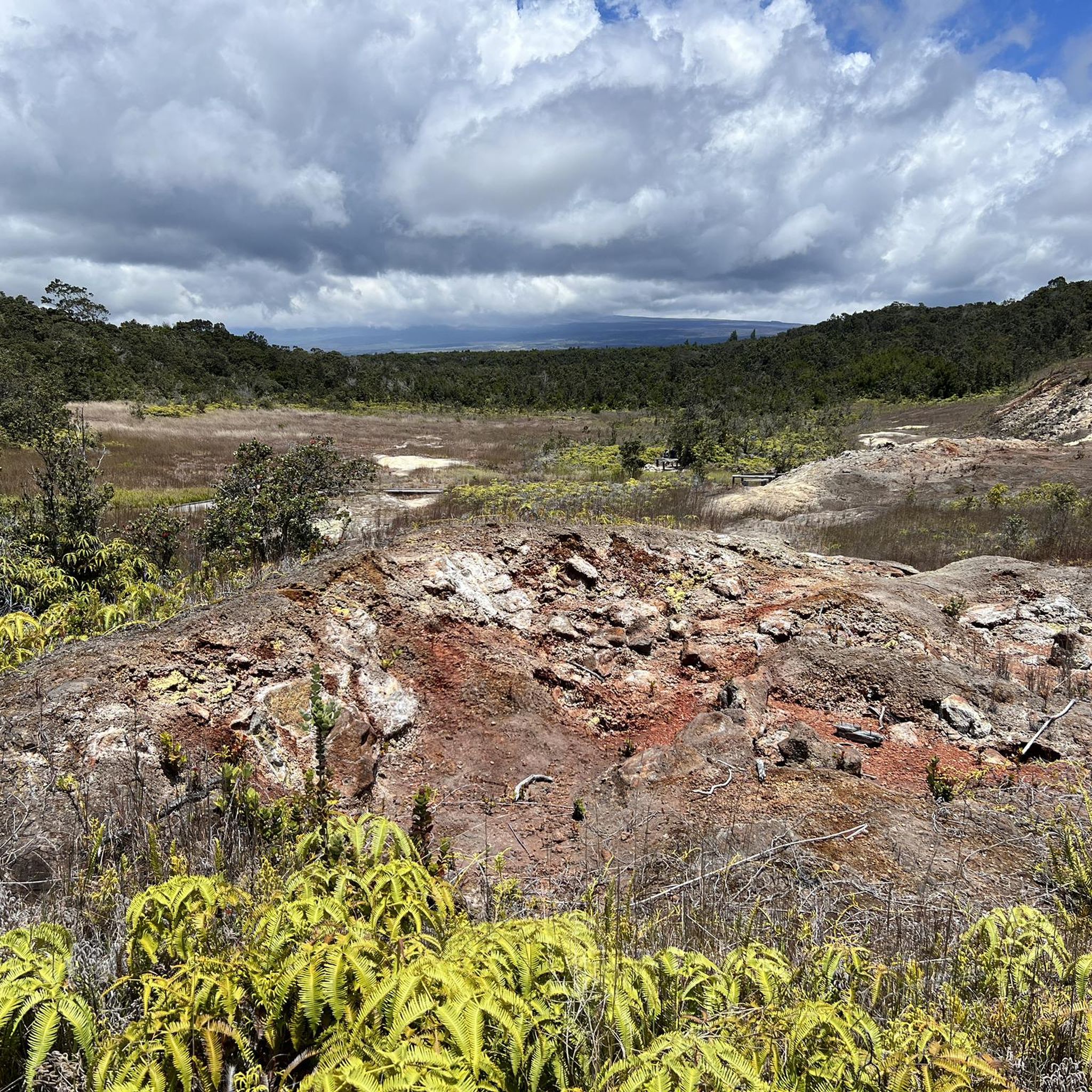
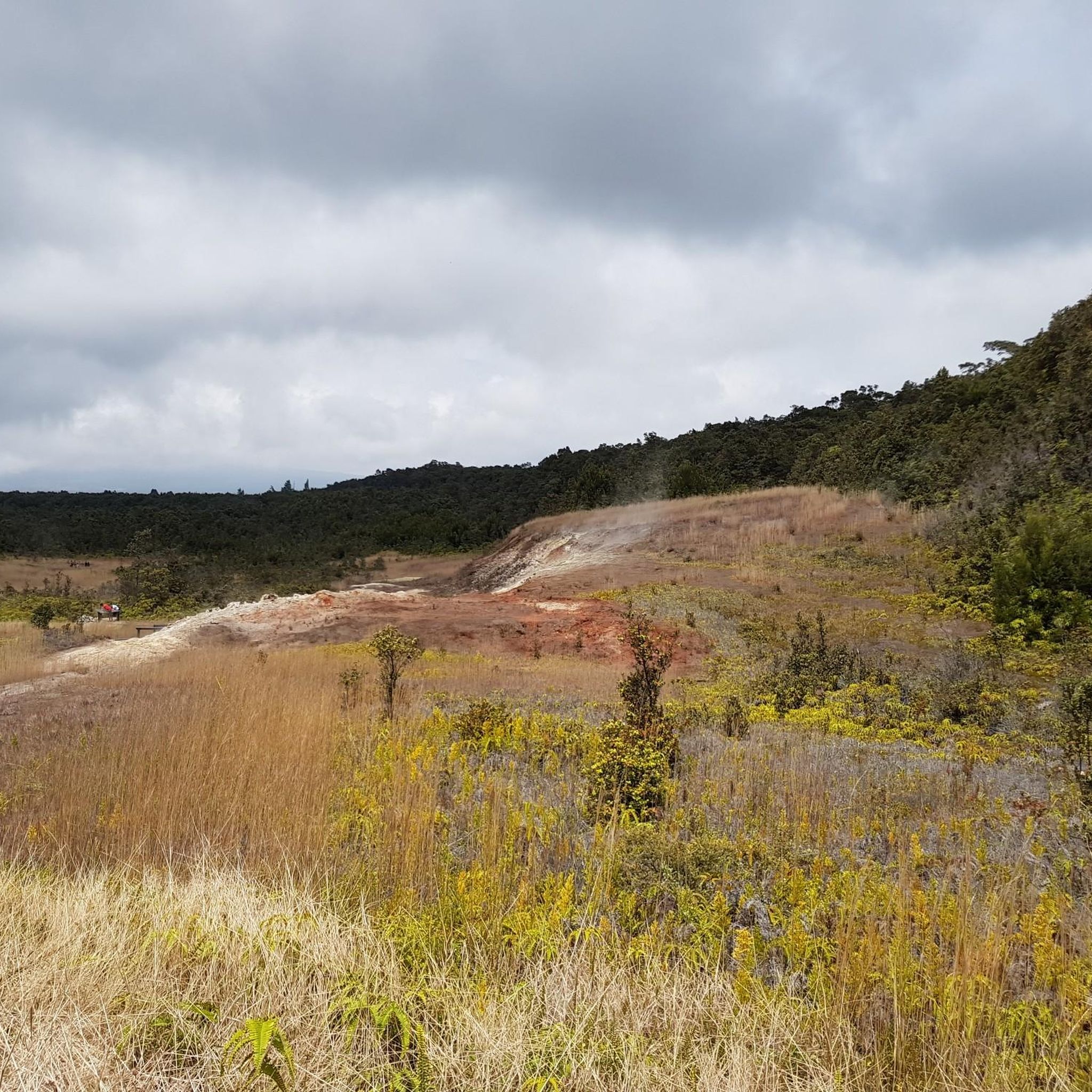
Absolutely. You can cycle past the Kīlauea Caldera, offering glimpses of volcanic activity. The Nāhuku (Thurston Lava Tube) – Kīlauea Iki East Overlook loop from Kīpuka Puaulu route allows you to explore a lava tube and provides stunning views into the Kīlauea Iki crater. The Sulphur Banks are also accessible, where you can observe unique volcanic features up close.
Are there any circular touring cycling routes?
Yes, there are circular routes available. The Kīpukapuaulu loop via Mauna Loa Road is an easy circular option. Another popular choice is the moderate Nāhuku (Thurston Lava Tube) – Kīlauea Iki East Overlook loop from Kīpuka Puaulu, which also forms a loop, allowing you to return to your starting point.
What is the best time of year to go touring cycling in OlaʻA-Kilauea Watershed Partnership?
The region experiences varied weather, but generally, the best time to cycle is during the drier months. However, given the dynamic volcanic environment, conditions can change rapidly. It's always advisable to check local weather forecasts and park conditions before heading out.
What should I know about the weather conditions for cycling?
Weather in the OlaʻA-Kilauea Watershed Partnership can be unpredictable, ranging from sunny and warm to rainy and cool, especially at higher elevations. Be prepared for sudden changes, including rain, fog, and strong winds. Always carry appropriate gear for varying conditions.
Is public transport available to access the cycling routes?
Public transport options directly to the trailheads within the OlaʻA-Kilauea Watershed Partnership, particularly within Hawaiʻi Volcanoes National Park, are limited. Most visitors access the area by private vehicle. It's recommended to plan your transport accordingly.
Where can I park my car when visiting the cycling trails?
Parking is generally available at visitor centers and designated trailheads within the Hawaiʻi Volcanoes National Park, which encompasses much of the watershed area. Specific parking information for individual routes can often be found on the park's official website or komoot route details.
Are permits required for cycling in the OlaʻA-Kilauea Watershed Partnership?
While general cycling on paved roads within Hawaiʻi Volcanoes National Park does not typically require a special permit beyond the park entrance fee, certain unpaved trails or restricted areas might have specific regulations. For the most up-to-date information on permits and regulations, it's best to consult the official National Park Service website: nps.gov/havo.
What do other touring cyclists enjoy the most about touring cycling in OlaʻA-Kilauea Watershed Partnership?
Touring cyclists often praise the unique experience of riding through a dynamic volcanic landscape, with the stark contrast between lush rainforests and recent lava flows. The opportunity to witness geological wonders like craters and lava tubes, combined with well-defined routes, makes for a memorable adventure.
Most popular routes in OlaʻA-Kilauea Watershed Partnership

Get inspired with the komoot mobile app


Explore more
Browse the best Cycling routes in other regions.
