The best walks and hikes in ʻOlaʻA Forest Reserve
4.8
(678)
7,255
hikers
60
hikes
Hikes in ʻOlaʻa Forest Reserve explore a humid tropical rainforest on the slopes of Mauna Loa. The landscape is characterized by volcanic features, including lava flows from past eruptions and kīpuka, which are islands of older forest surrounded by lava. The area's ecosystem consists of a canopy of ʻōhiʻa and koa trees with an understory of hāpuʻu tree ferns.
Best hiking trails in ʻOlaʻA Forest Reserve
- The most popular hiking route is the Kīlauea Iki Crater Loop — Hawai‘i Volcanoes National Park, a 3.6 mile (5.8 km) trail that takes around 1 hour 45 minutes to complete. This route descends through rainforest to the floor of the Kīlauea Iki crater.
- Another top favourite among local hiking enthusiasts is the Crater Rim Trail — Hawai‘i Volcanoes National Park, a moderate 5.2 mile (8.4 km) path. The trail follows the edge of the Kīlauea caldera, passing through sections of forest and across areas with steam vents.
- Local hiking enthusiasts also love the Kīlauea Iki Crater Trail – Kīlauea Iki East Overlook loop from Kalapana, a 5.2 mile (8.3 km) trail leading through rainforest and across the crater floor, often completed in about 2 hours 25 minutes.
- Hiking in the ʻOlaʻa Forest Reserve area is defined by trails through native rainforest, across solidified lava lakes, and along volcanic crater rims. The network of ʻOlaʻa Forest Reserve trails and adjacent park paths offers options for different ability levels.
- The routes in ʻOlaʻA Forest Reserve are highly rated by the komoot community with an average score of 4.7 stars from over 600 reviews. More than 6,500 hikers have used komoot to explore ʻOlaʻA Forest Reserve's varied terrain.
Last updated: July 9, 2026
4.9
(10)
100
hikers
Hard hike. Very good fitness required. Easily-accessible paths. Suitable for all skill levels.
4.9
(136)
1,567
hikers
5.77km
01:42
170m
170m
Easy hike. Great for any fitness level. Easily-accessible paths. Suitable for all skill levels.

Sign up for free
4.8
(19)
291
hikers
8.42km
02:26
210m
210m
Moderate hike. Good fitness required. Easily-accessible paths. Suitable for all skill levels.
4.9
(43)
321
hikers
Moderate hike. Good fitness required. Easily-accessible paths. Suitable for all skill levels.
4.9
(31)
158
hikers
Moderate hike. Good fitness required. Easily-accessible paths. Suitable for all skill levels.
Get access to more routes and recommendations from other explorers.
Sign up for free
Already have an account?
Our route recommendations are based on thousands of hikes, rides, and runs completed by other people on komoot.
Start today with a free account
Your next adventure awaits.
Login or Signup
Popular around ʻOlaʻA Forest Reserve
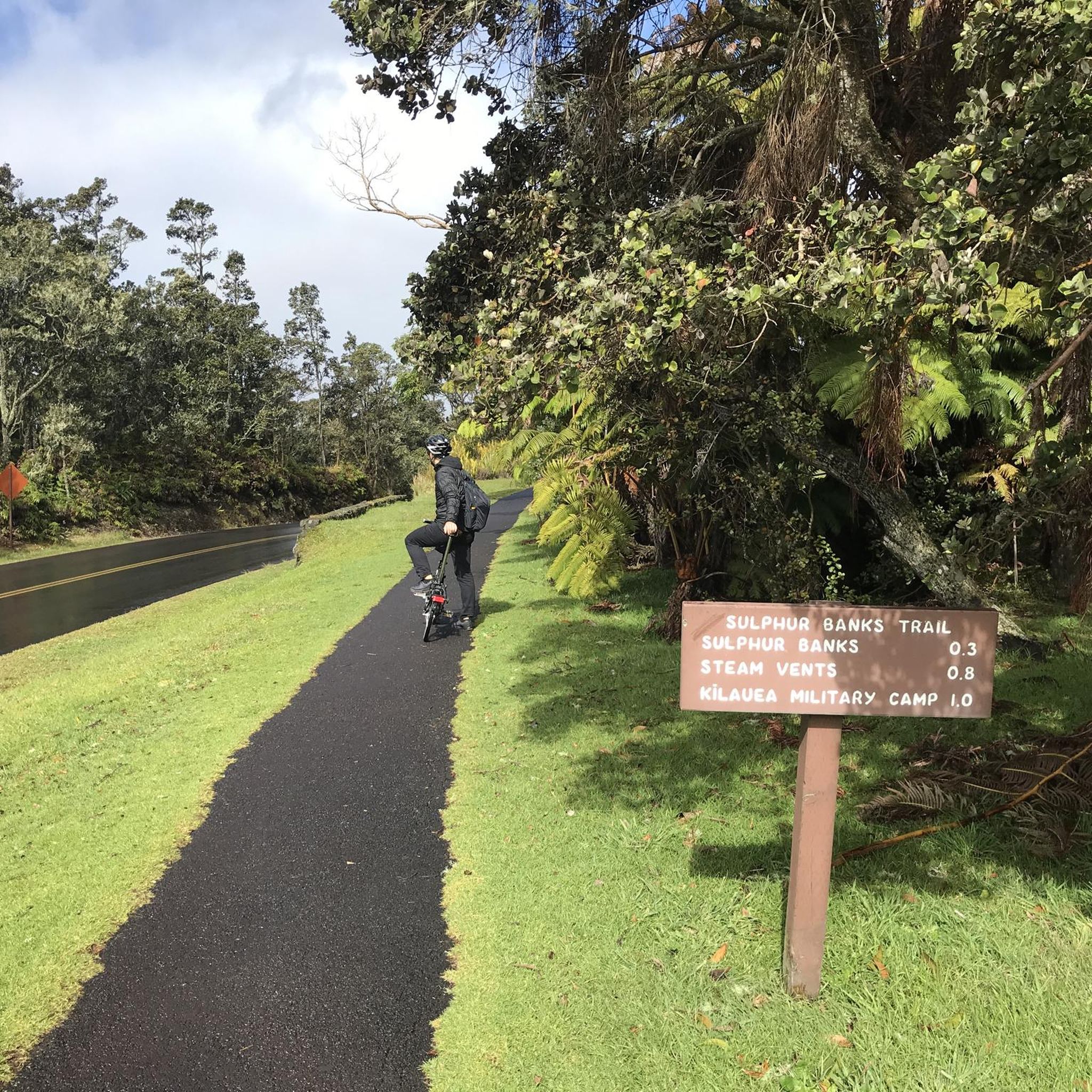
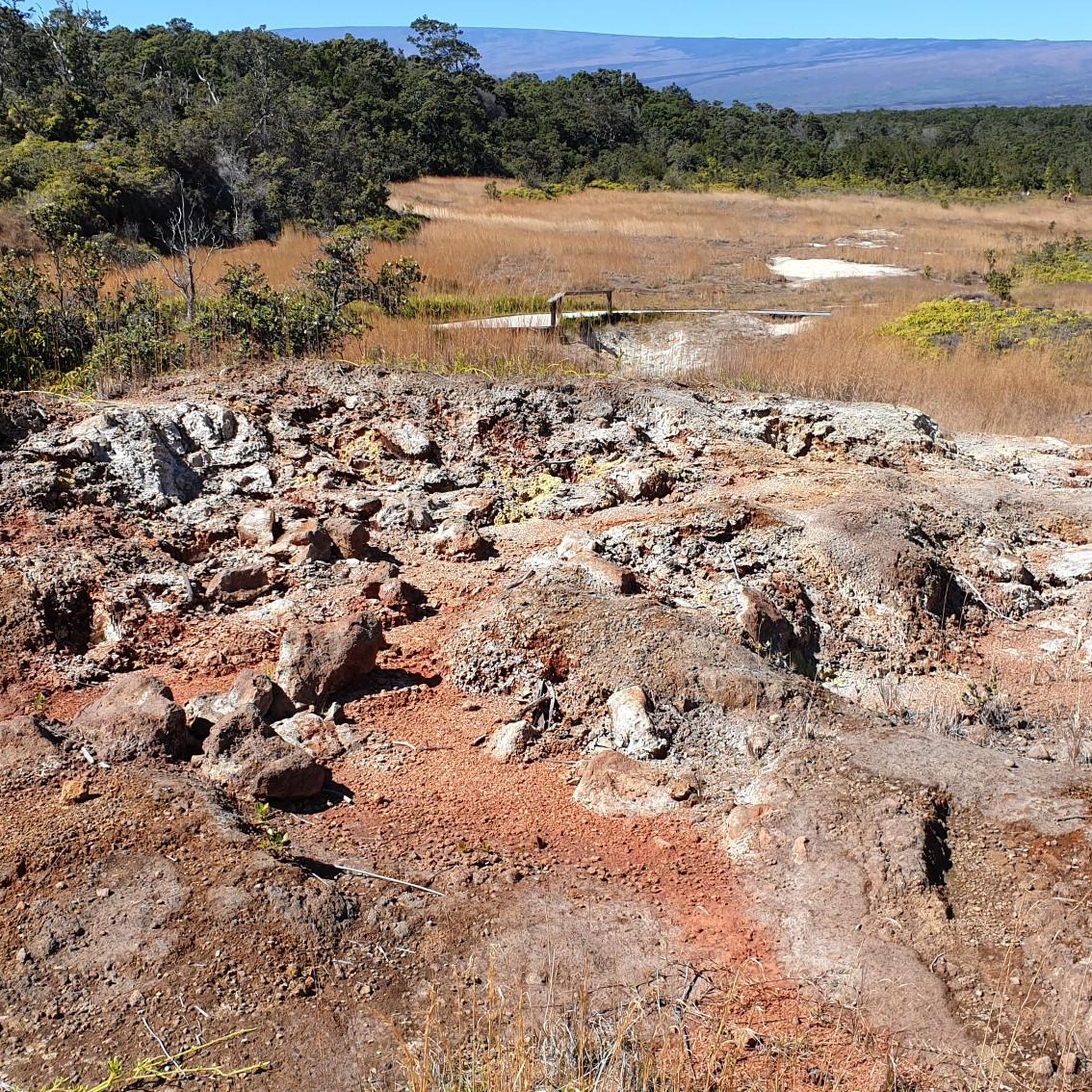
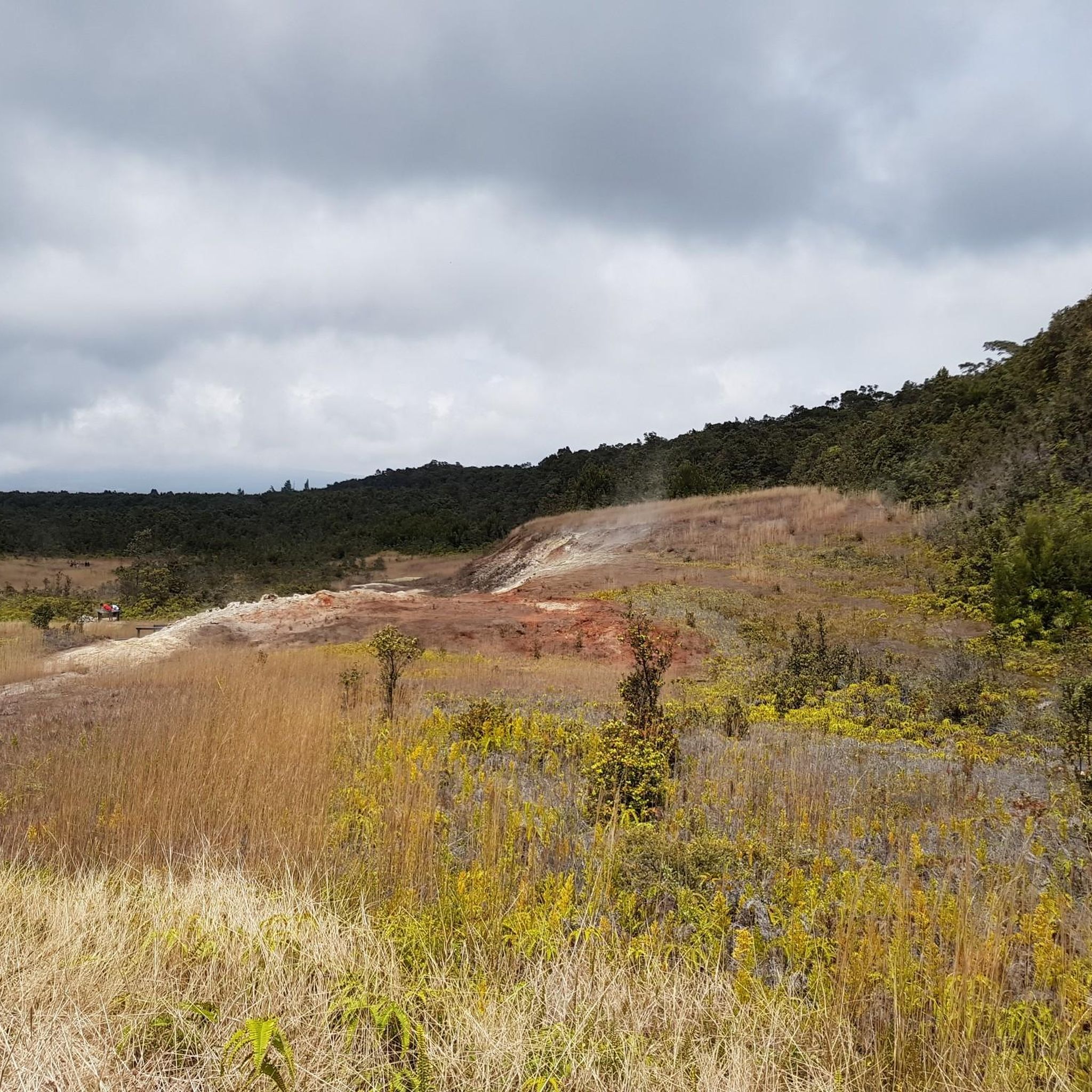
Tips from the Community

easy to reach super viewpoint for the view of the eruption zone
4
0
the forest of giant ferns forms a green contrast to the lava desert on the crater floor
3
0
impressive 500-meter-long tunnel in the lava flow
2
0

great view from the crater rim
0
0
Closed and inaccessible since 2018!
2
0
easily accessible viewpoint with good views of the volcano
1
0
The center is closed for renovations until August 2026
2
0

Not quite as great as Iceland, but worth seeing
0
0
Frequently Asked Questions
What is the ecosystem of the ʻOlaʻa Forest Reserve like?
The ʻOlaʻa Forest Reserve is a humid tropical rainforest on the slopes of Mauna Loa. The landscape is defined by volcanic features, including historic lava flows. The forest canopy is dominated by native ʻōhiʻa and koa trees, with a dense, prehistoric-feeling understory of hāpuʻu tree ferns.
Are there any easy hikes suitable for families?
Yes, the area offers several easier options. While many trails explore rugged volcanic terrain, there are 33 easy-rated hikes in and around the reserve. A great choice for an accessible but spectacular experience is the Kīlauea Iki Crater Loop, which takes you through lush rainforest and across a solidified lava lake.
What makes this area special for birdwatching?
The reserve is a prime destination for birdwatchers as it's a critical habitat for many native Hawaiian birds. The forest is home to endemic honeycreepers like the 'apapane, 'amakihi, and 'i'iwi. The unique kīpuka—islands of old forest surrounded by lava—are particularly rich in birdlife.
What is a kīpuka?
A kīpuka is a Hawaiian term for an area of land and older forest that was spared by surrounding lava flows. Hiking in this region, you can experience the dramatic contrast of walking from a barren, black lava field directly into one of these lush, green 'islands' of life. They are ecological treasures and refuges for native plants and animals. You can learn more about them on the National Park Service website.
Do I need a permit to hike in the ʻOlaʻa Forest Reserve?
Generally, public access trails like the Puʻu ʻŌʻō Trail do not require a permit for hiking. However, if you plan to explore specific features like the lava tube along the trail, a permit may be required from the State Department of Land and Natural Resources (DLNR). It's always best to check the latest regulations before your visit.
How do I get to the main trailheads?
The primary access for many popular hikes, including the Puʻu ʻŌʻō Trail, is located along Saddle Road (Highway 200). The trailhead is situated between the 22 and 23-mile markers. Be aware that some trailheads, like the one for the ‘Ōla‘A Forest Reserve Trail on Old Volcano Road, are reported to be overgrown and may be difficult to navigate.
What is the weather like and how should I prepare?
The weather on the slopes of Mauna Loa can change very rapidly. Fog is common and can roll in unexpectedly, reducing visibility. Rain is also frequent. You should always hike with layers of clothing, reliable rain gear, and a map and compass or GPS device. Due to hunting in the area, wearing bright clothing is also recommended for safety.
Are there any challenging hikes in the area?
Yes, for those seeking a longer and more strenuous day out, there are several challenging options. The Kīlauea Iki West Overlook – Kīlauea Iki Crater Trail loop is a 9.5-mile (15.3 km) route that provides a significant workout with substantial elevation gain, combining several of the area's distinct landscapes.
What do other hikers think of the trails in ʻOlaʻa Forest Reserve?
The trails in and around the ʻOlaʻa Forest Reserve are very highly rated by the komoot community, with an average score of 4.7 stars. Hikers often praise the unique experience of walking through native rainforests, across volcanic craters, and along the dramatic caldera rims.
How many hiking trails are available in the ʻOlaʻa Forest Reserve area?
There are nearly 60 designated hiking routes in and around the ʻOlaʻa Forest Reserve. These range from easy walks through the forest to challenging full-day treks across volcanic landscapes, offering a wide variety of options for all skill levels.
What is the difference between hiking in ʻOlaʻa Forest Reserve and Hawaiʻi Volcanoes National Park?
The areas are adjacent and share a similar volcanic landscape, with some trails crossing between them. ʻOlaʻa is a State Forest Reserve focused on conservation and recreation, while Hawaiʻi Volcanoes is a National Park with more visitor infrastructure. A trail like the Crater Rim Trail is within the National Park but showcases the type of terrain—caldera edges and steam vents—that defines the entire region.
What is the historical significance of the trails here?
Some trails have deep historical roots. The Puʻu ʻŌʻō Trail, for example, follows the path of a historic 19th-century cattle driving route. Hiking it allows you to walk through history, crossing lava flows from the 1855 and 1881 eruptions of Mauna Loa.
Most popular routes in ʻOlaʻA Forest Reserve

Get inspired with the komoot mobile app


Explore more
Browse the best Hikes in other regions.
