PuʻU Honua O Hōnaunau National Historical Park
PuʻU Honua O Hōnaunau National Historical Park
Attractions and Places To See in PuʻU Honua O Hōnaunau National Historical Park - Top 5
Best attractions and places to see in PuʻU Honua O Hōnaunau National Historical Park include a sacred site on the Kona Coast of Hawaiʻi Island. This park offers insights into traditional Hawaiian life, serving historically as a place of refuge for lawbreakers and warriors. The landscape features a rugged coastline, Hōnaunau Bay, and black lava rock formations. It preserves significant cultural landmarks and natural features.
Best attractions and places to see in PuʻU Honua O Hōnaunau National Historical Park
- The most popular attractions is Puʻuhonua o Hōnaunau National Historical Park, a historical site that was a temple complex and a refuge for those who broke sacred laws. This area was once royally owned and provided absolution to those who reached its sanctuary.
- Another must-see spot is Ki'i Point Overlook, a viewpoint offering ocean vistas. Visitors can take in dynamic seascapes from this cliffside location.
- Visitors also love Alahaka Bay, a beach featuring black lava stones and Pāhoehoe-Lava. The contrast of the dark stones and the blue ocean makes this a notable natural monument.
- PuʻU Honua O Hōnaunau National Historical Park is known for its historical sites, beaches, and viewpoints. The park offers a variety of attractions to see and explore, including cultural landmarks and natural coastal features.
- The attractions in PuʻU Honua O Hōnaunau National Historical Park are appreciated by the komoot community. There are 14 upvotes and 29 photos shared by visitors for the highlights in this region.
Last updated: May 21, 2026
Puʻuhonua o Hōnaunau National Historical Park
Highlight • Historical Site
Tip by

Alahaka Bay
Highlight • Beach
Tip by
Sign up now to discover places like this
Get recommendations on the best single tracks, peaks, & plenty of other exciting outdoor places.
Sign up for free
Ki'i Point Overlook
Highlight • Viewpoint
Tip by

Two Step Beach
Highlight • Beach
Tip by

Coastal Trail
Highlight (Segment) • Trail
Tip by
Start today with a free account
Your next adventure awaits.
Login or Signup
Popular around PuʻU Honua O Hōnaunau National Historical Park
Tips from the Community

The spectacularly crafted Ala Kahakai National Historic Trail takes you down a black rocky bluff and right up to the water's edge. You can see across the Ki'ilae Watercourse to Ki'i Point where the old lava flow meets the sea.
0
0

Interesting information with video and a short tour on historical topics.
0
0

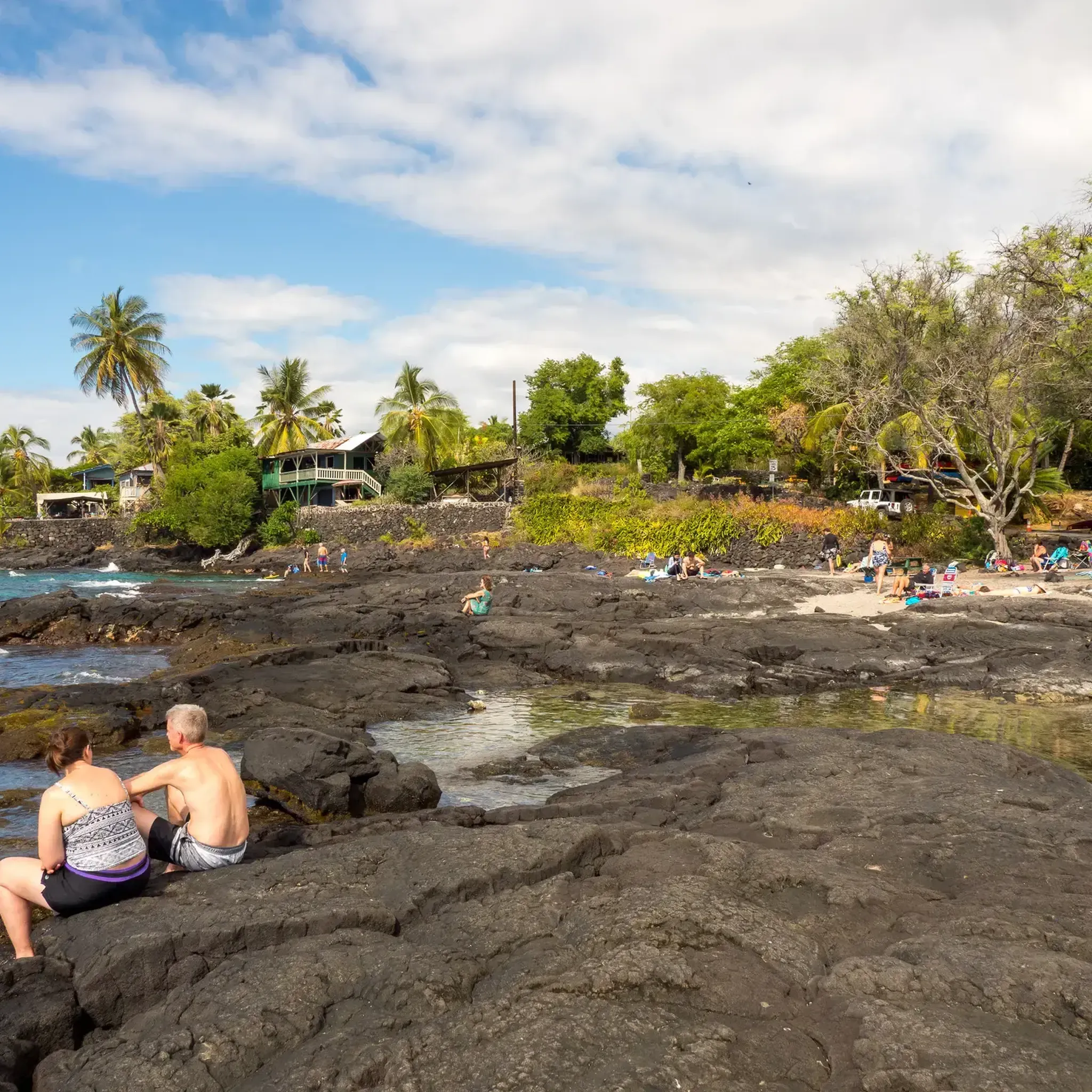
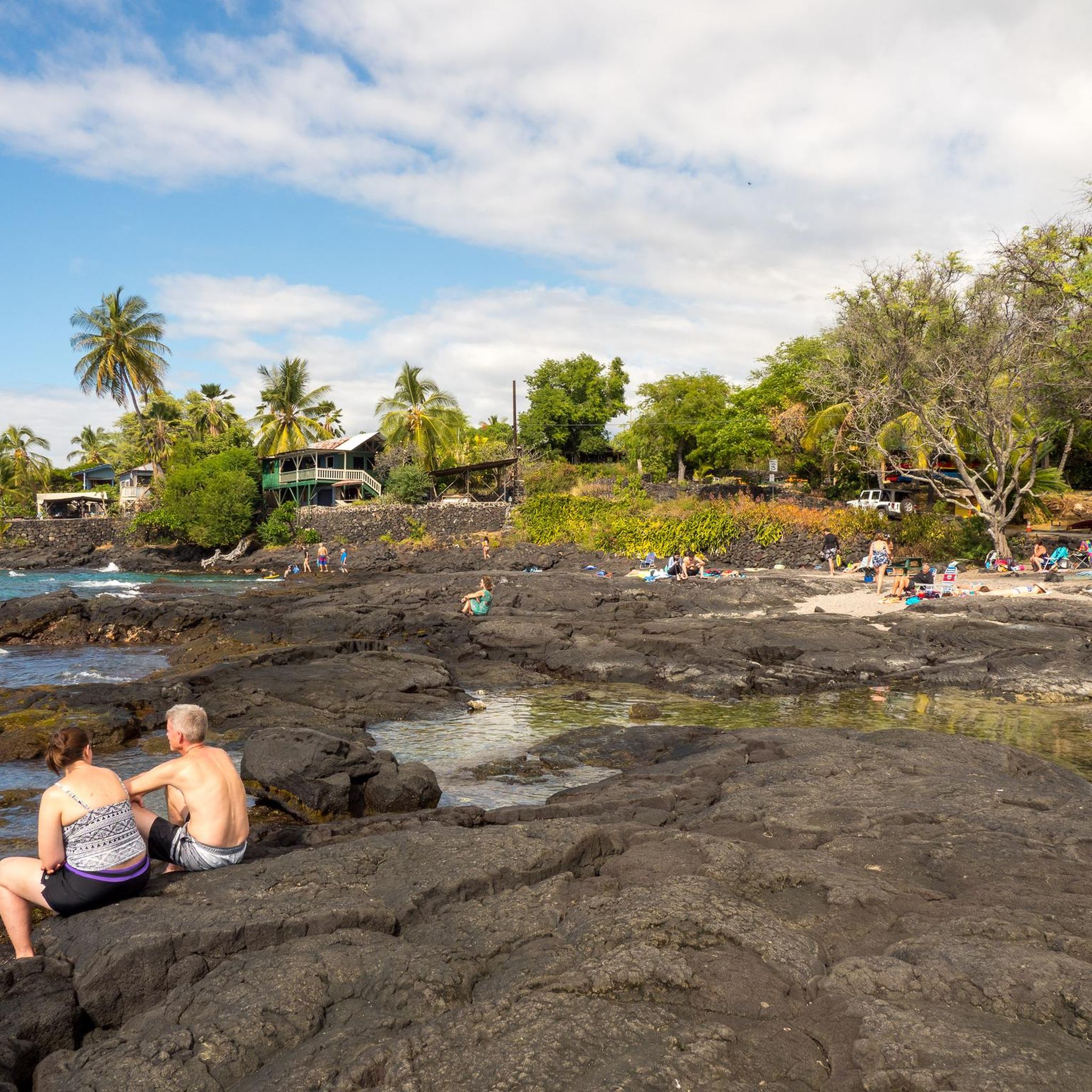
Two Step Beach is a lava rock shore, but there is some sand a little further up the beach. Ideally you could bring a yoga mat to lay under your towel for a little more comfort. There are shallow saltwater pools to lay in, but watch out for critters!
0
0

Two Step at Honaunau Bay is not a sand beach, but it is a lava rock shore. There are shallow saltwater pools and a couple small pockets of sand. It's a very popular snorkeling spot, and there are common animal sightings here. Visitors often see spinner dolphins and sea turtles. If a visitor sees either of these animals, they have to stay 150 feet from both the animal and human safety.
0
0

The Coastal Trail leads along the beautiful coastline of Puʻuhonua o Hōnaunau National Historical Park. Walking under palm trees along the beach and watching the beautiful ocean, I could imagine worse places to be at.
0
0

This cliffside overlook at Ki'i Point showcases breathtaking ocean vistas, providing a peaceful yet dramatic spot to take in the dynamic seascapes and natural beauty.
0
0
Puʻuhonua o Hōnaunau is a temple complex and a great place to learn about Hawaiian culture. The area once was royally owned and a refuge for people who broke the kapu (holy laws). If the lawbreaker made it to the area without getting caught by his pursuers, he was given absolution and could return to society.
1
0
Alahaka Bay is located in Puʻuhonua o Hōnaunau National Historical Park. Around the bay you will find beautiful, black lava stones to walk on, and you can see the so called 'Pāhoehoe-Lava' (lava with a very smooth surface). Enjoy the contrast of the black stones and the blue ocean.
0
0
Frequently Asked Questions
What is the historical significance of Puʻuhonua O Hōnaunau National Historical Park?
The park is a sacred site that once served as a place of refuge for ancient Hawaiian lawbreakers and defeated warriors. Those who reached its sanctuary could escape execution and be absolved by priests. It features the Puʻuhonua (Place of Refuge), the Great Wall, and the Royal Grounds, offering a unique glimpse into traditional Hawaiian life and governance.
What kind of natural landscapes can I expect to see along the Kona Coast within the park?
You will encounter a rugged and picturesque coastline, including the black lava rock shoreline and tidepools. Alahaka Bay, for instance, showcases beautiful black lava stones and Pāhoehoe-Lava, creating a striking contrast with the blue ocean.
Are there any scenic viewpoints in the park?
Yes, Ki'i Point Overlook offers breathtaking ocean vistas from its cliffside location, providing a dramatic spot to take in the dynamic seascapes and natural beauty of the Kona Coast.
Can I see traditional Hawaiian structures or cultural demonstrations in the park?
The park preserves traditional structures like hālau (thatched work houses) and ancient fishponds, demonstrating Hawaiian craftsmanship and aquaculture. Cultural demonstrations, including hula dancing and lei making, are often hosted, and ranger-guided tours provide insights into the area's rich history and culture.
Are there opportunities for snorkeling or swimming in the park?
While direct access for snorkeling from within the main park area is restricted, Hōnaunau Bay, adjacent to the park, is known for its calm waters and marine life. Two Step Beach at Hōnaunau Bay is a very popular snorkeling spot where visitors often see spinner dolphins and sea turtles, though it is a lava rock shore rather than a sandy beach.
What trails are available for walking or hiking in the park?
The park features the Coastal Trail, which leads along the beautiful coastline under palm trees. Additionally, a 1-mile segment of the historic 1871 Trail traverses the park coastline, offering scenic walks and access to the remains of Kiʻilae Village.
What outdoor activities can I do near these attractions?
Beyond exploring the park's historical and natural sites, the surrounding area offers excellent cycling opportunities. You can find various routes for touring bicycles and road cycling, such as the 'Two Step Beach via Kealakekua Bay loop' or the 'Keauhou Bay to Hoʻokena Beach Park' route. For more details on cycling routes, visit the Cycling in PuʻU Honua O Hōnaunau National Historical Park guide.
Is there an entrance fee for Puʻuhonua O Hōnaunau National Historical Park?
Yes, there is an entrance fee to access Puʻuhonua O Hōnaunau National Historical Park. For the most current information on fees and passes, it is recommended to check the official National Park Service website: nps.gov/puho.
What is the best time of year to visit Puʻuhonua O Hōnaunau National Historical Park?
The Kona Coast generally enjoys pleasant weather year-round. However, visiting during the cooler, drier months from April to October can be ideal for exploring the outdoor historical sites and trails. Early mornings are often recommended to avoid the midday heat and crowds.
Are there family-friendly activities available at the park?
Yes, the park offers several family-friendly aspects. Children can learn about Hawaiian history and culture through the interpretive exhibits and cultural demonstrations. Exploring the tidepools, walking the easy sections of the Coastal Trail, and enjoying the picnic areas shaded by coconut trees are also popular activities for families.
What should I wear when visiting the park?
Given the warm climate and outdoor nature of the park, light, breathable clothing is recommended. Comfortable walking shoes are essential for exploring the lava rock terrain and trails. Don't forget sun protection, including a hat, sunglasses, and reef-safe sunscreen, as well as a reusable water bottle to stay hydrated.
How long does it typically take to visit Puʻuhonua O Hōnaunau National Historical Park?
Most visitors spend between 2 to 3 hours exploring the main historical sites, walking the trails, and engaging with the interpretive exhibits. If you plan to attend cultural demonstrations or participate in a ranger-guided talk, you might want to allocate more time.
Are there any hidden gems or unique features to look out for?
Beyond the main Place of Refuge, keep an eye out for the three hōlua slides, steeply sloped courses used by ancient chiefs for sled racing. Also, the Keōua Stone, a favorite resting place of a high chief, offers a quiet historical detail often overlooked by casual visitors.
Most popular routes in PuʻU Honua O Hōnaunau National Historical Park

Get inspired with the komoot mobile app


Explore more
Still not found the Highlight you’re looking for? See guides of the top attractions in other regions:
