Top 10 Castles around Mirow
Best castles around Mirow are situated in the picturesque Mecklenburg Lake District, often on islands. This region is historically significant as a former ducal residence, notably connected to Queen Charlotte. The area combines historical architecture with scenic natural landscapes, offering a unique exploration experience. Visitors can explore sites that showcase centuries of history, from medieval fortifications to Baroque palaces.
Best castles around Mirow
- The most popular castles is Mirow Castle Island (Schlossinsel Mirow), a castle that features a palace,…
Last updated: June 23, 2026
Mirow Castle Island (Schlossinsel Mirow)
Highlight • Castle
mv-schloesser.de/de/willkommen-auf-schloss-mirow
Translated by Google •
Tip by

Mirow Castle Church
Highlight • Religious Site
The Knights Hospitaller branch probably only …
Translated by Google •
Tip by

Sign up now to discover places like this
Get recommendations on the best single tracks, peaks, & plenty of other exciting outdoor places.
Sign up for free
Neustrelitz Castle Church
Highlight • Religious Site
Source: de.wikipedia.org/wiki/Schlosskirche_(Neustrelitz)
Translated by Google •
Tip by

Wesenberg Castle
Highlight • Castle
Translated by Google •
Tip by
Mirow Lower Palace (Unteres Schloss Mirow)
Highlight • Castle
Translated by Google •
Tip by

Sign up for free to discover even more castles around Mirow.
Sign up for free
Already have an account?
Start today with a free account
Your next adventure awaits.
Login or Signup
Popular around Mirow
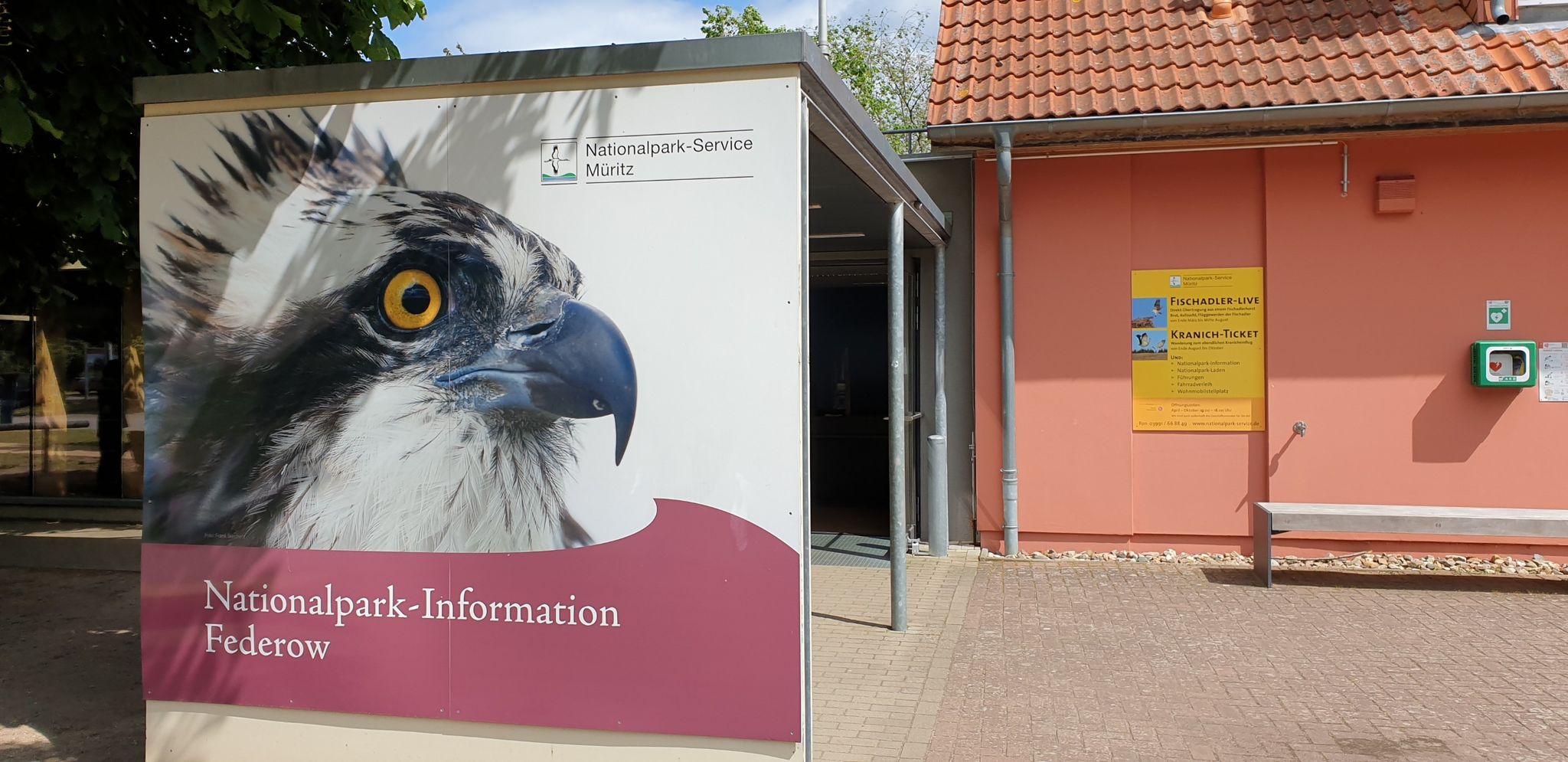
Müritz National Park Information
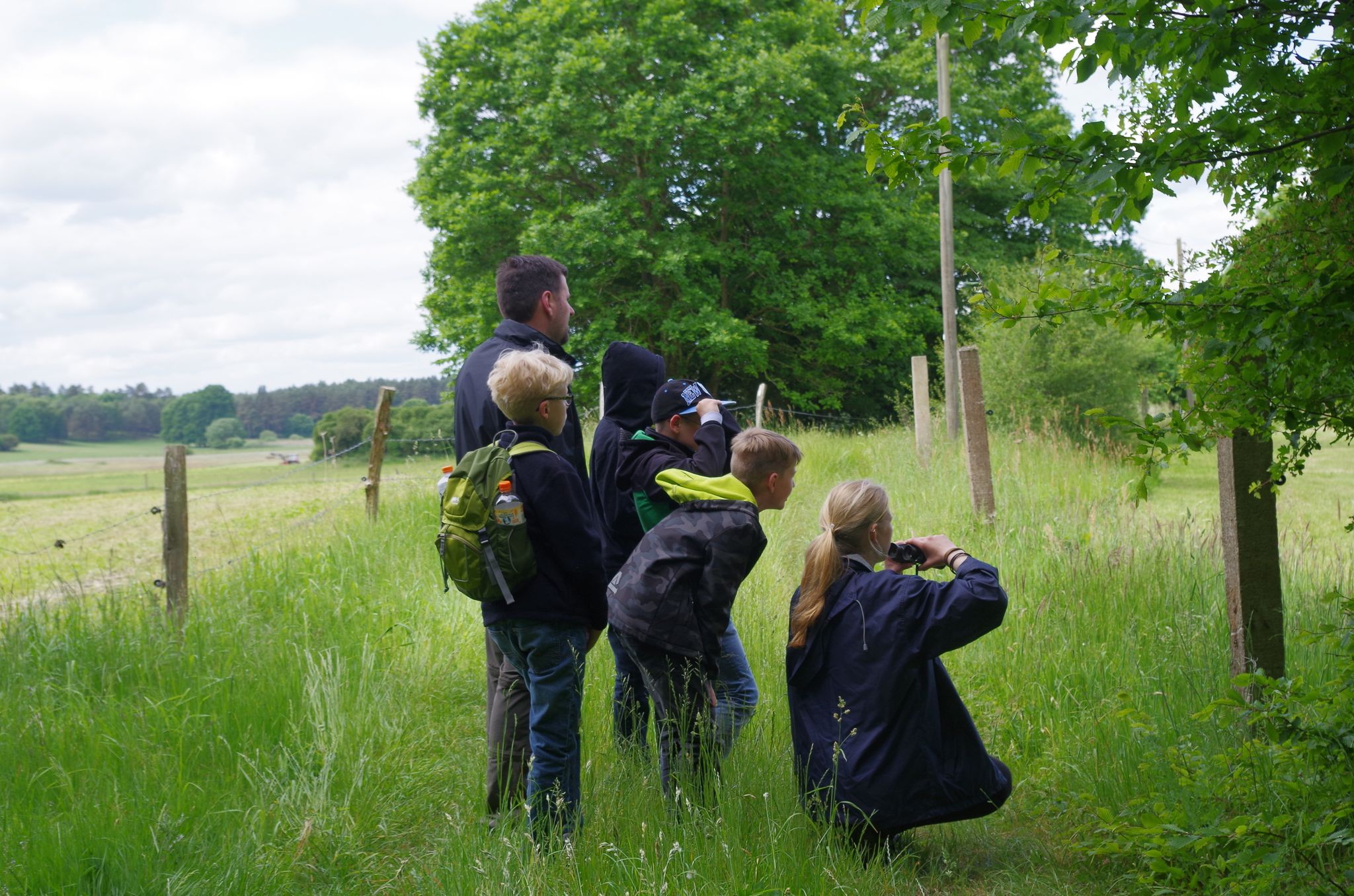
Müritz National Park – Experience trails and hiking tours for families
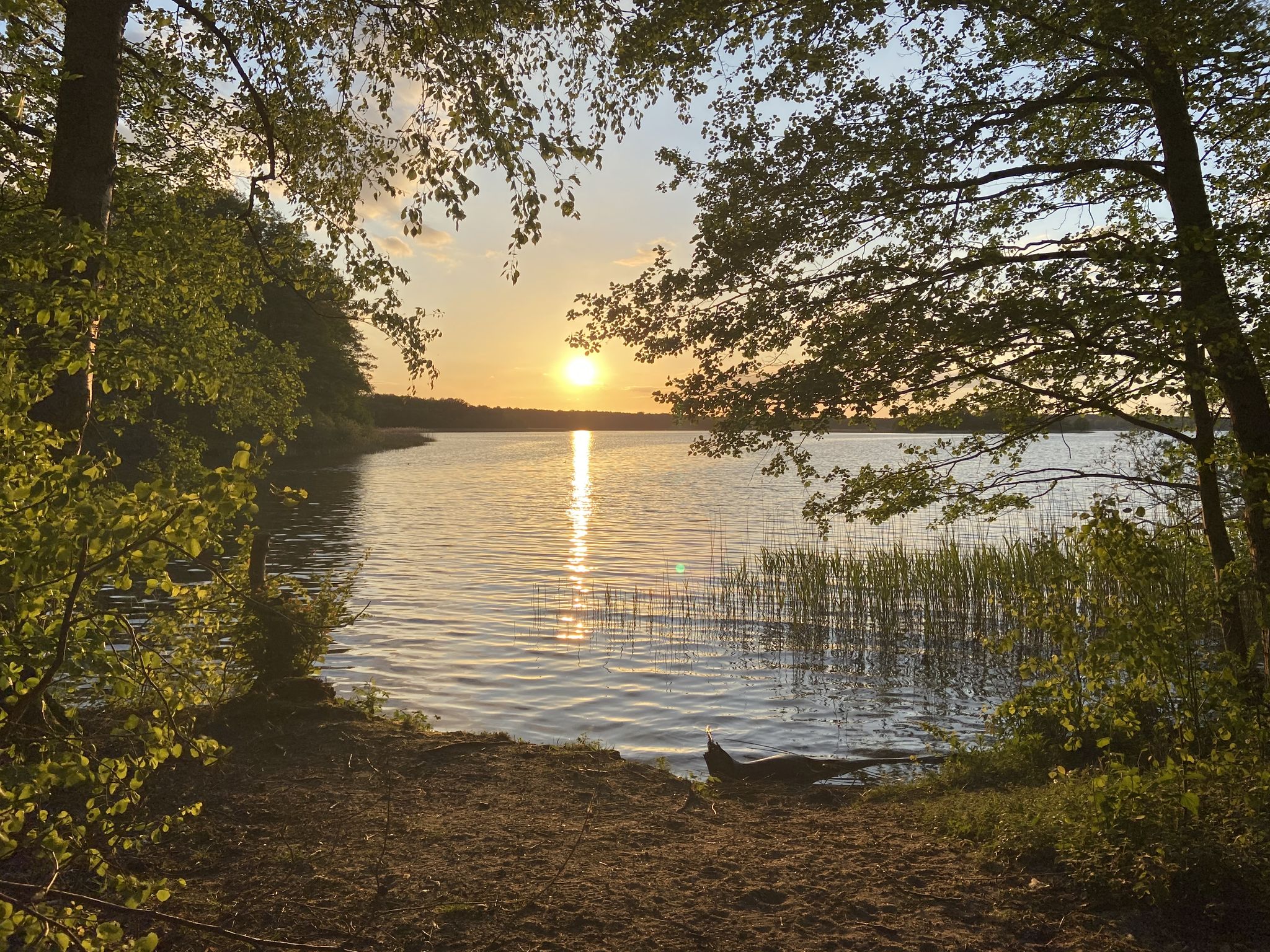
Müritz-Nationalpark – Wanderwege im Müritz-Teil
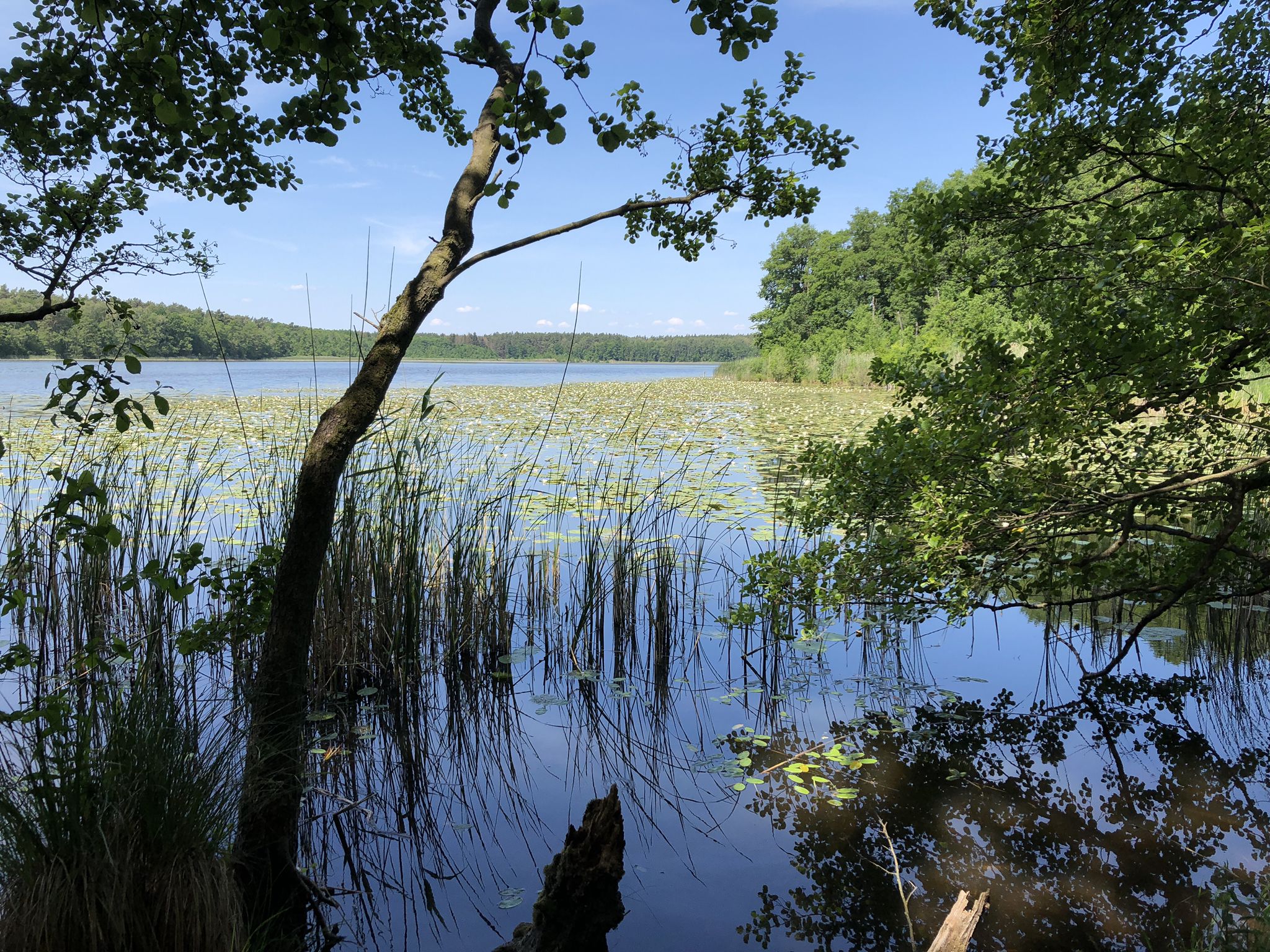
Cycling routes in Müritz National Park
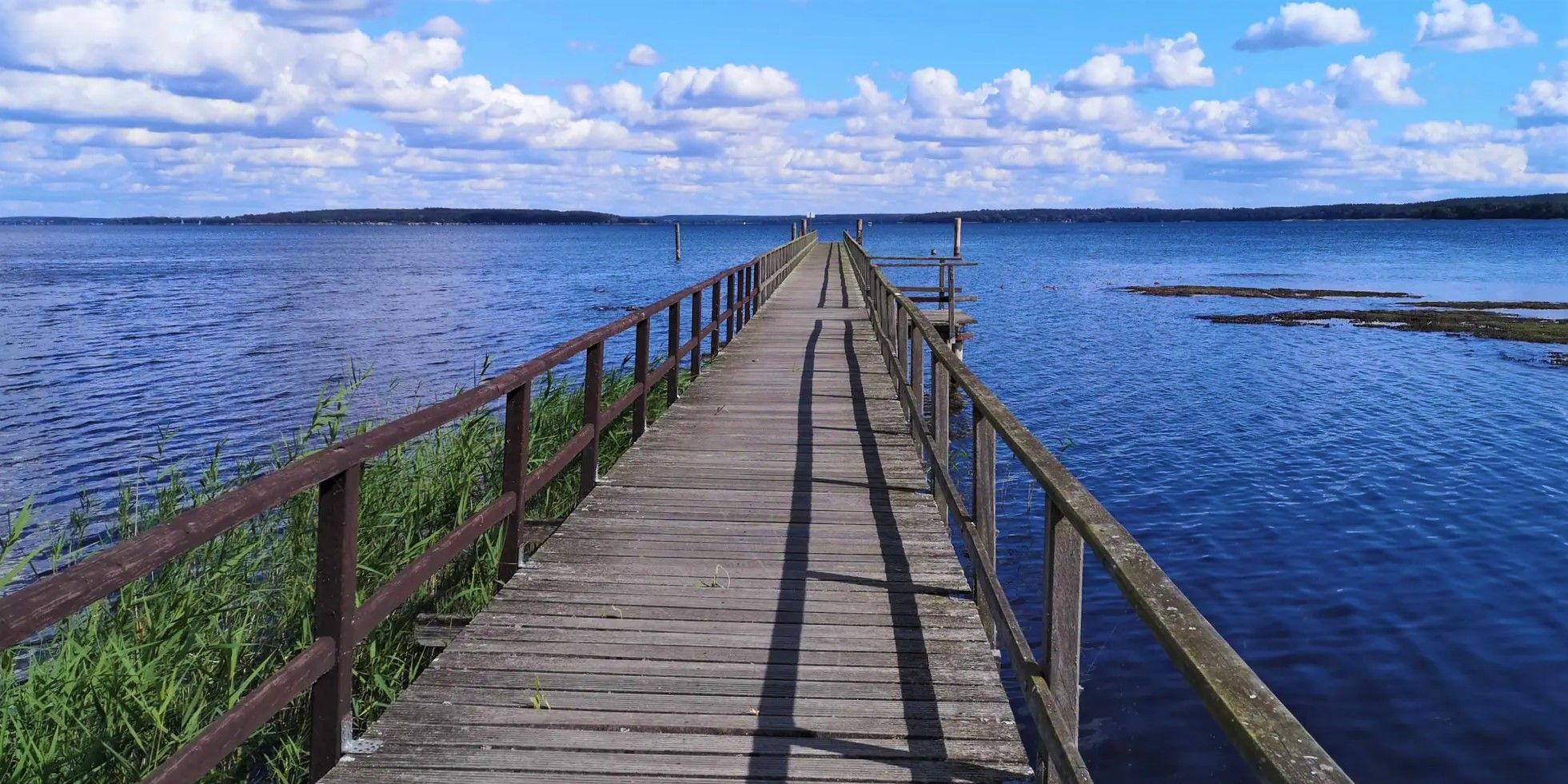
Cycling and swimming fun – Mecklenburg Lakes Cycle Route
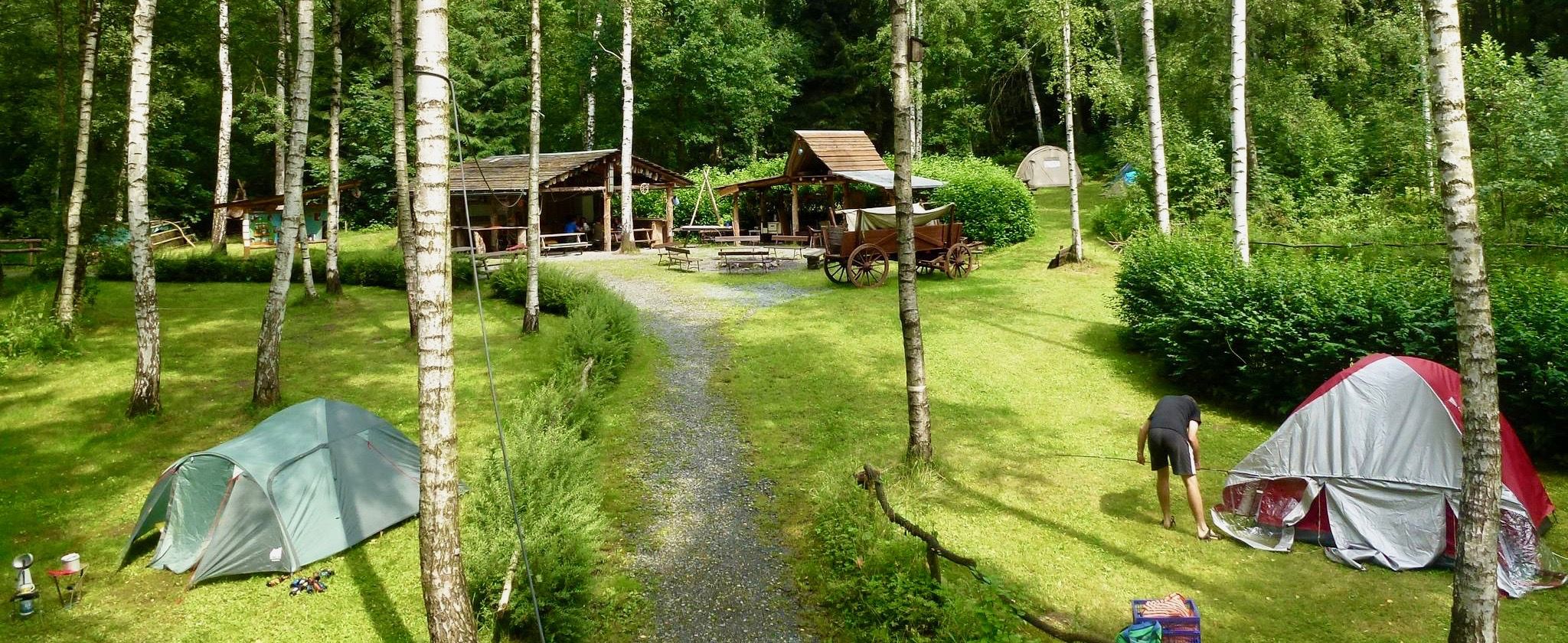
Nature campsites — 13 magical places around Germany
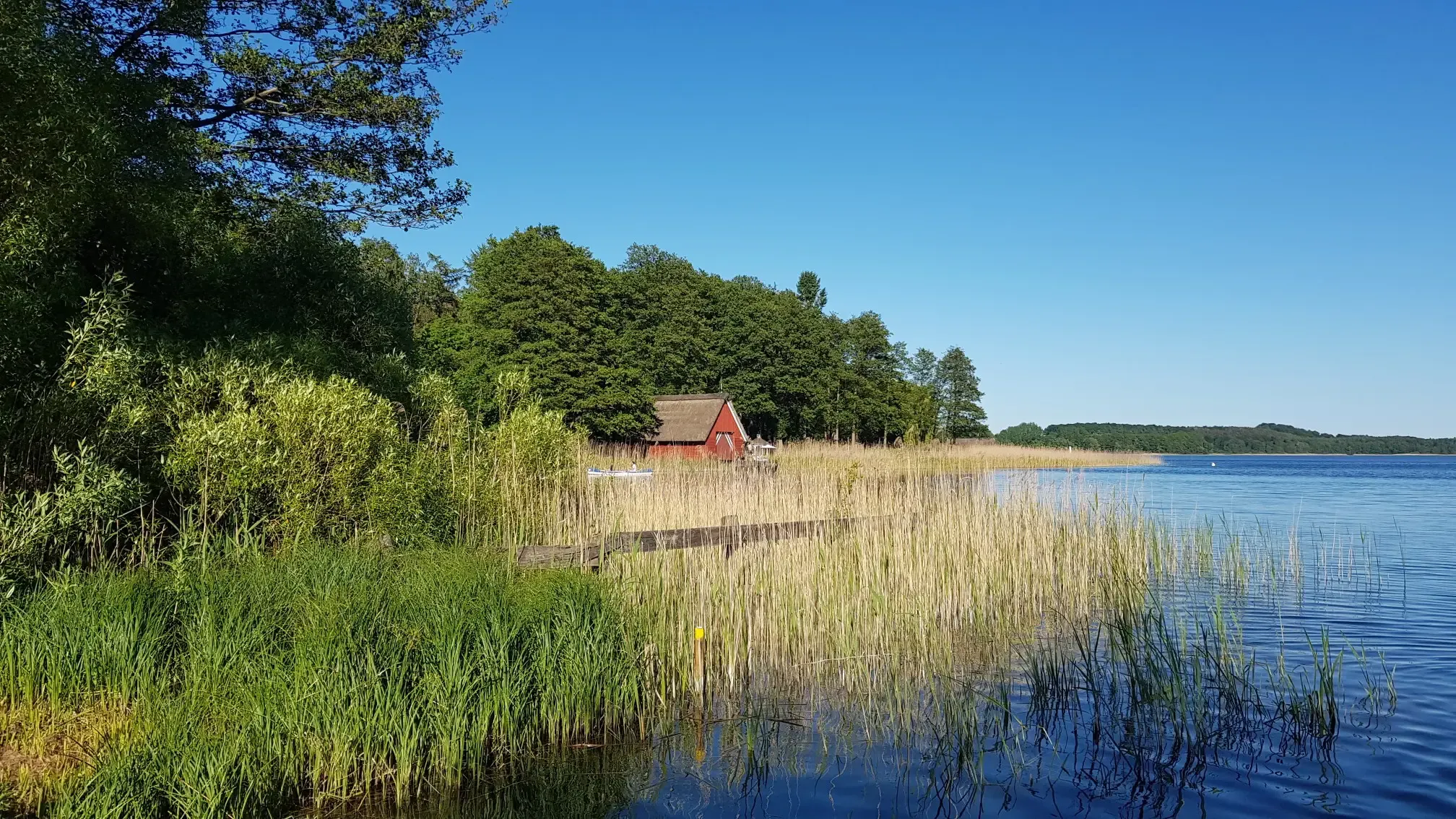
The Best Swimming Lakes In Mecklenburg-Hither Pomerania
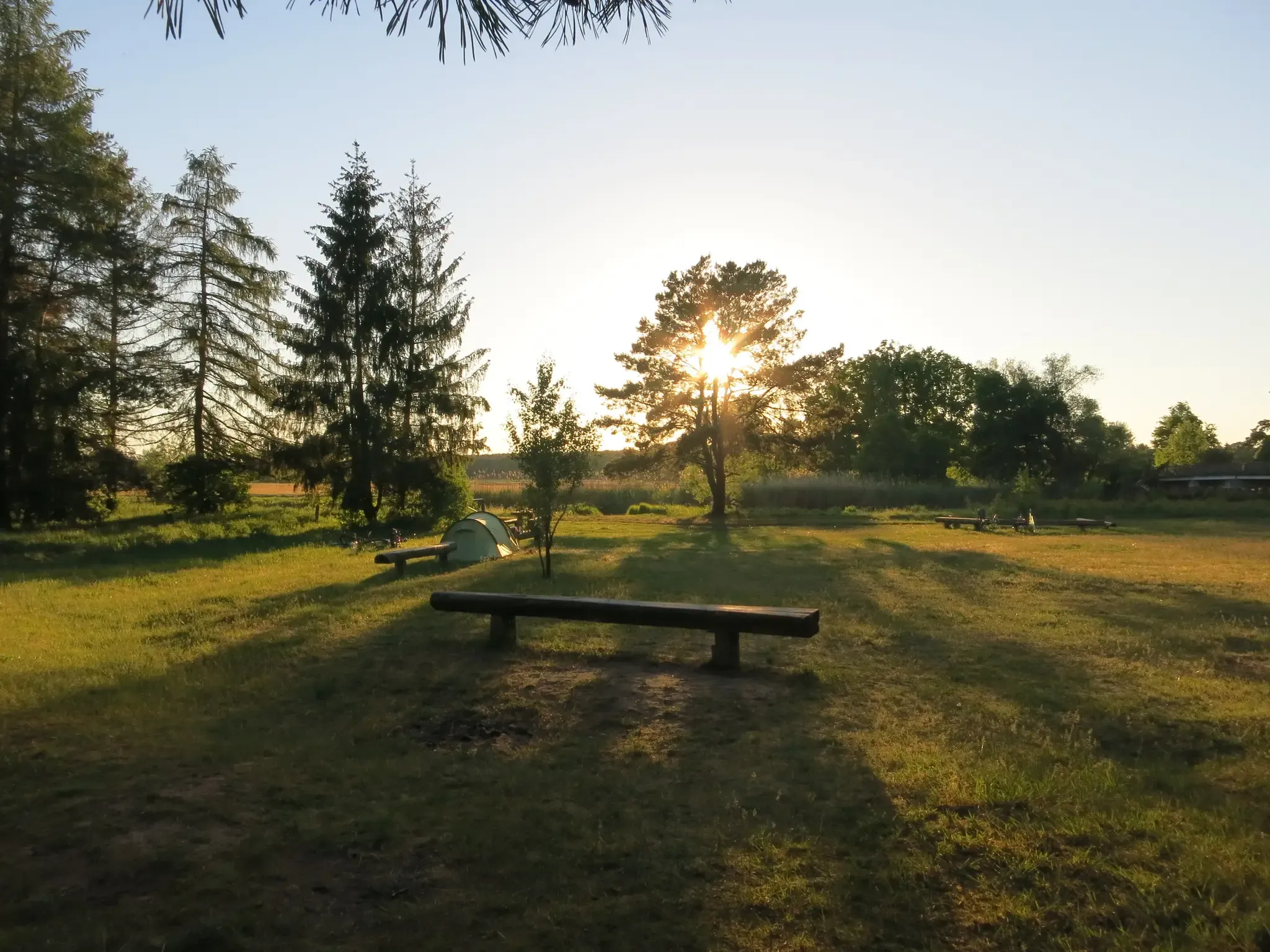
Natural campsites around Berlin
Cycling around Mirow
Hiking around Mirow
Other adventures around Mirow


Tips from the Community

Impressive building right on the main street but unfortunately in need of renovation.
1
0
a lot of history in a small space, very beautiful
1
0

Wesenberg Castle, a high medieval motte castle in the northeast of the town of Wesenberg, is a historical highlight in the Mecklenburg Lake District district in Mecklenburg-Western Pomerania. With its impressive history, which dates back to the middle of the 13th century, the castle today offers a fascinating insight into the region's past. The castle was originally built to protect the town of "Wesenberge" and has experienced numerous eventful events over the centuries, including Mecklenburg-Brandenburg disputes and the consequences of the Thirty Years' War, which led to the extensive destruction of the complex. The torso of the keep, known as the Fangelturm, and parts of the south wall have been preserved. Today the castle is owned by the town and houses the Wesenberg Tourist Office and a local history room, which displays a collection on fishing, forestry and regional history. The castle's rooms are also used as a forestry museum. In addition, the traditional castle festival takes place every year on the first weekend in July with a historical parade, knightly plays, dancing and fireworks, attracting visitors from near and far. Visitors to Wesenberg Castle can climb the preserved tower and enjoy a wonderful view of the town and the lake from there. The idyllic location, the well-preserved grounds and the diverse cultural offerings make the castle a worthwhile destination for history buffs, culture enthusiasts and anyone who wants to experience the beauty of the Mecklenburg Lake District. When visiting Wesenberg Castle, visitors should make sure they have appropriate equipment, especially if they want to climb the tower. Information on opening times, admission prices and special events can be obtained in advance from the Wesenberg Tourist Office or on the Wesenberg town website.
2
0

The core of the castle still consists of parts of a previous building from 1708, which was partially destroyed in the fire of 1742. The baroque ballroom dates from 1710. The current castle was built between 1749 and 1752 on behalf of Adolf Friedrich III. Built according to plans by Christoph Julius Löwe.
2
0
Highly recommended! Here, the experience of nature and traces of the past combine in an idyllic way. Mirow Palace and Park are part of an entire ensemble on the palace island. There are two other architectural highlights: the Renaissance gatehouse and the Johanniter Church, which also houses the family crypt of the Strelitz ducal house. The palace has a fascinating history. At its core, it still consists of parts of a previous building from 1708, which was partially destroyed in a fire in 1742. The Baroque ballroom, which still exists today, dates from 1710. The current building was erected between 1749 and 1752 on behalf of Adolf Friedrich III according to plans by Christoph Julius Löwe. It is a small, two-story structure with an H-shaped floor plan, flanked by short, risalit-like wings. The facades of the eleven-aisled palace are rather plainly designed, with simple gables on the risalits. The interior of the palace was inspired by 18th-century French country palaces. The palace is said to have once been furnished with valuable furnishings by artists who also worked at Sanssouci, but today, little of this remains. After the ducal family left, the palace was repeatedly left unused for long periods and was mainly used for burials in the nearby princely crypt. A bike tour to the castle island of Mirow is a great way to actively explore the beautiful surroundings. The Mecklenburg Lake District offers numerous bike paths that lead comfortably to the island. Along the way, you can discover the picturesque nature, the lakes, and the charming villages along the way.
9
0

Emergency renovation is intended to protect the castle from further deterioration.
2
0
Imposing building, beautiful to look at, in an exposed location. The island belonged to the Knights of St John, and later the church too. The Knights Hospitaller branch probably only had a house chapel at its disposal for the first hundred years. The church, which was dedicated to John the Baptist according to the Johanniter tradition, dates back to the first half of the 14th century. A remark from 1341 suggests its existence, but it is explicitly mentioned in 1351 and 1356. https://www.johanniterkirche-mirow.de/kirche/geschichte/
6
0
Frequently Asked Questions
What historical connections do the castles around Mirow have?
The castles in the Mirow area are deeply rooted in the history of the Mecklenburg-Strelitz dynasty. Mirow Castle Island, in particular, served as a ducal residence and is famously connected to Queen Charlotte, who later became Queen of Great Britain. You can explore the very place where she spent her last night in Germany before her marriage. The region's sites, like the Mirow Castle Church, also house crypts of ducal figures, offering a glimpse into centuries of noble history.
Are there family-friendly castles to visit near Mirow?
Yes, several castle sites around Mirow are considered family-friendly. Mirow Castle Island offers a park, museum, and cafes, making it suitable for all ages. Wesenberg Castle, with its Fangel Tower lookout and local history museum, also provides an engaging experience for families. The 3 Queens Palace on Mirow Castle Island features an interactive exhibition that can be interesting for younger visitors.
Can I find viewpoints at the castles in the Mirow area?
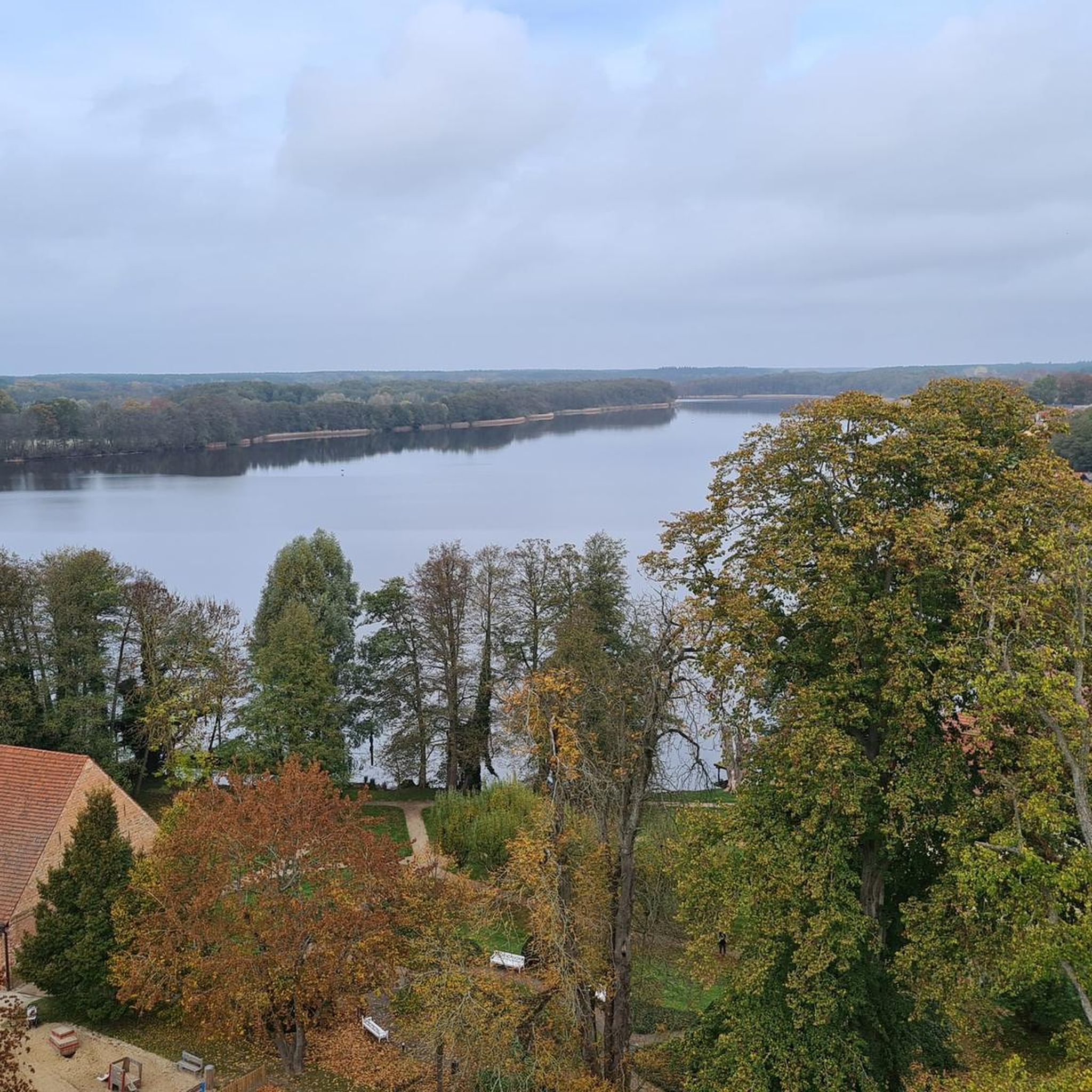
Yes, several locations offer excellent viewpoints. On Mirow Castle Island, you can climb the tower of the Johanniter Church for panoramic views of Mirow and the surrounding Mecklenburg Lake District. Wesenberg Castle also features a preserved keep, known as the Fangel Tower, which serves as a lookout tower.
What kind of architecture can I expect to see at Mirow's castles?
The castles around Mirow showcase a blend of architectural styles, primarily Baroque and neo-Gothic. Mirow Castle itself is a Baroque palace with a three-story, H-shaped floor plan, known for its sumptuously decorated interior, including a magnificent Baroque banqueting hall. In contrast, the Neustrelitz Castle Church is a striking neo-Gothic structure built from yellow brick, featuring twelve slender towers and polychrome stained glass windows.
Are there opportunities for outdoor activities near the castles?
Absolutely. The Mecklenburg Lake District provides a beautiful backdrop for outdoor activities. You can find numerous cycling routes, such as those detailed in the Cycling around Mirow guide, which often lead to or past the castle sites. For mountain biking enthusiasts, there are trails like those in the MTB Trails around Mirow guide. Additionally, easy hiking paths are available, as highlighted in the Easy hikes around Mirow guide, allowing you to explore the picturesque nature surrounding the historical sites.
How long should I plan for a visit to Mirow Castle Island?
To fully experience Mirow Castle Island, including the palace, the Johanniter Church, the park, and the 3 Queens Palace exhibition, you should plan for at least 2-3 hours. If you wish to enjoy a coffee or meal at one of the island's cafes, or simply linger in the beautiful park, you might extend your visit to half a day.
Are there cafes or dining options available at the castle sites?
Yes, particularly on Mirow Castle Island, you'll find cafes where you can enjoy a coffee with picturesque views over the water. The "Alte Schlossbrauerei" is located on the castle island, offering dining options. The 3 Queens Palace also hosts a café with cake specialties and an outdoor terrace. Wesenberg Castle also has a restaurant on its premises.
What makes Mirow Castle Island unique?
Mirow Castle Island is unique for its combination of historical significance, architectural beauty, and picturesque setting. Located on an island in the Mecklenburg Lake District, it offers a romantic environment with its Baroque palace, the Johanniter Church, and a beautiful landscape park. Its strong connection to Queen Charlotte, who became Queen of Great Britain, adds a distinct royal allure.
Is Wesenberg Castle worth visiting, and what can I see there?
Wesenberg Castle is definitely worth a visit for its historical significance and unique features. While only the preserved keep, known as the Fangel Tower, and parts of the castle wall remain from the original 13th-century structure, the tower now serves as a lookout point. The castle premises house a local history and forestry museum, offering insights into the region's past and natural environment. A traditional castle festival is also held here annually on the first weekend of July.
What is the significance of the 3 Queens Palace on Mirow Castle Island?
The 3 Queens Palace on Mirow Castle Island hosts an interactive exhibition focusing on the history of the region and, specifically, three Mecklenburg princesses who became queens at European courts: Sophie Charlotte (Queen of England), Luise (Queen of Prussia), and her sister Friederike (Queen of Hanover), who was born in Mirow. It provides a fascinating look into the royal connections of the area.
What is the best time of year to visit the castles around Mirow?
The best time to visit the castles around Mirow is typically from spring to early autumn (May to September). During these months, the weather is generally pleasant for exploring the castle grounds and parks, and for enjoying outdoor activities in the Mecklenburg Lake District. The castle museums and exhibitions are also fully operational. Visiting in winter can offer a quieter, more tranquil experience, though some outdoor areas might be less accessible.
Are the castles around Mirow accessible for visitors with wheelchairs?
While historical sites often present accessibility challenges, some parts of the castle complexes may be accessible. For specific details regarding wheelchair accessibility at Mirow Castle Island, Wesenberg Castle, or other sites, it is recommended to check their official websites or contact the venues directly before your visit. Information for Mirow Castle can be found at mv-schloesser.de.
Most popular routes around Mirow
Most popular attractions around Mirow

Get inspired with the komoot mobile app


Explore more
Looking for the best castles somewhere else? Discover other guides around Mirow:
