Attractions and Places To See around Murchin - Top 20
Best attractions and places to see around Murchin, a municipality in Mecklenburg-Vorpommern, Germany, offers a blend of historical sites and natural beauty. The region features scenic lakes and significant nature reserves, providing diverse landscapes for exploration. Visitors can discover local landmarks and cultural sites that reflect the area's heritage. This area provides opportunities for various outdoor activities amidst its natural and historical settings.
Best attractions and places to see around Murchin
- The most popular attractions is Möwenort (South Tip of…
Last updated: July 6, 2026
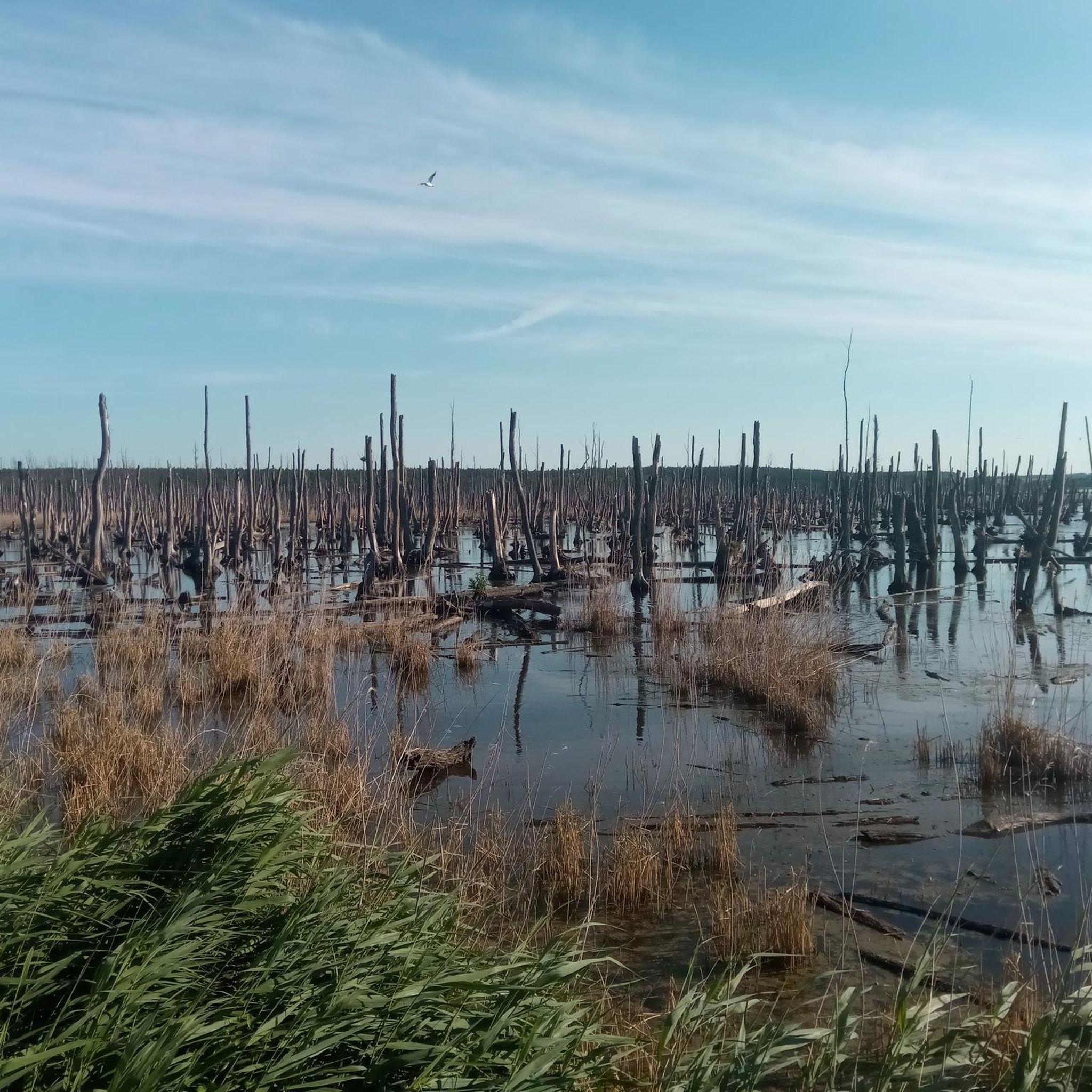
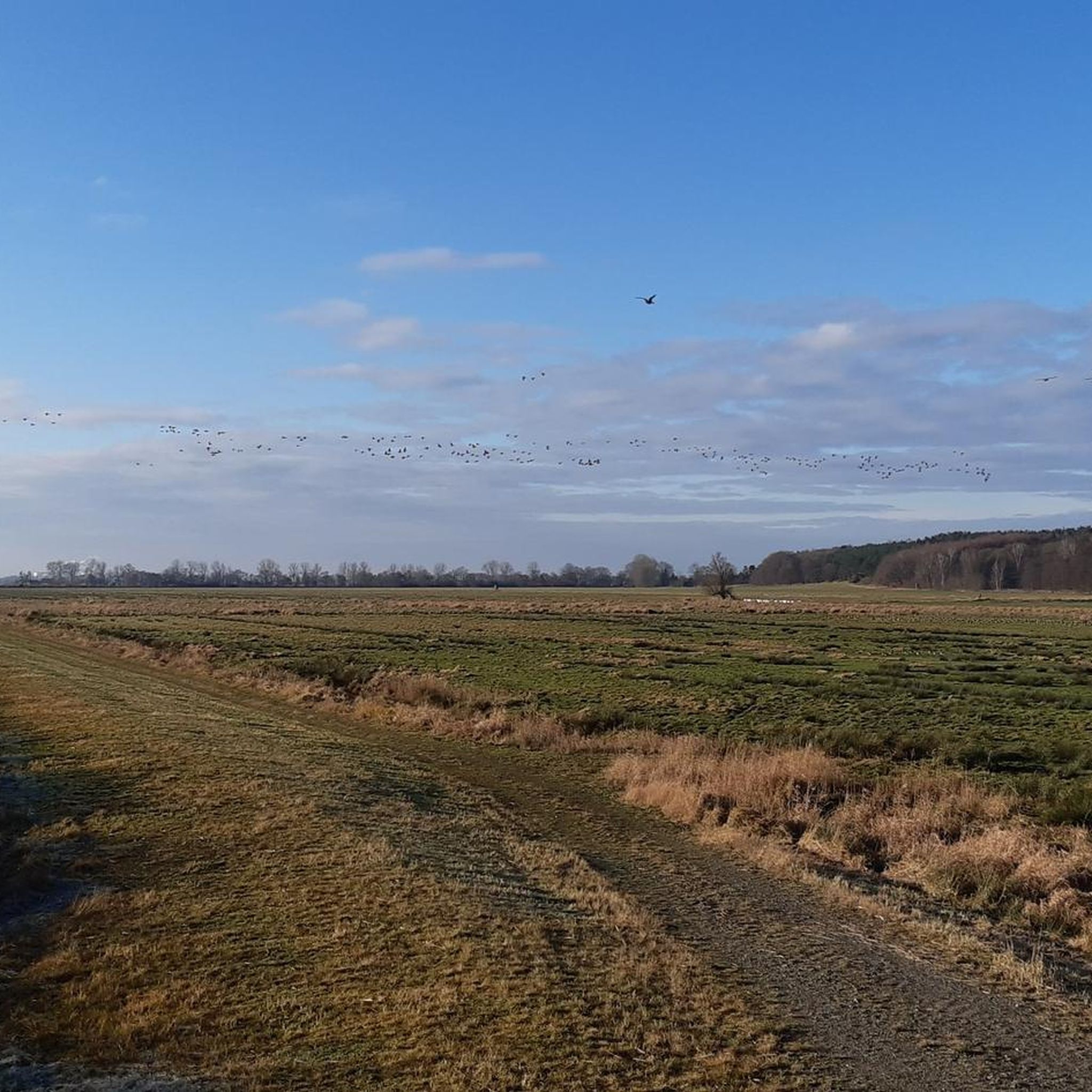
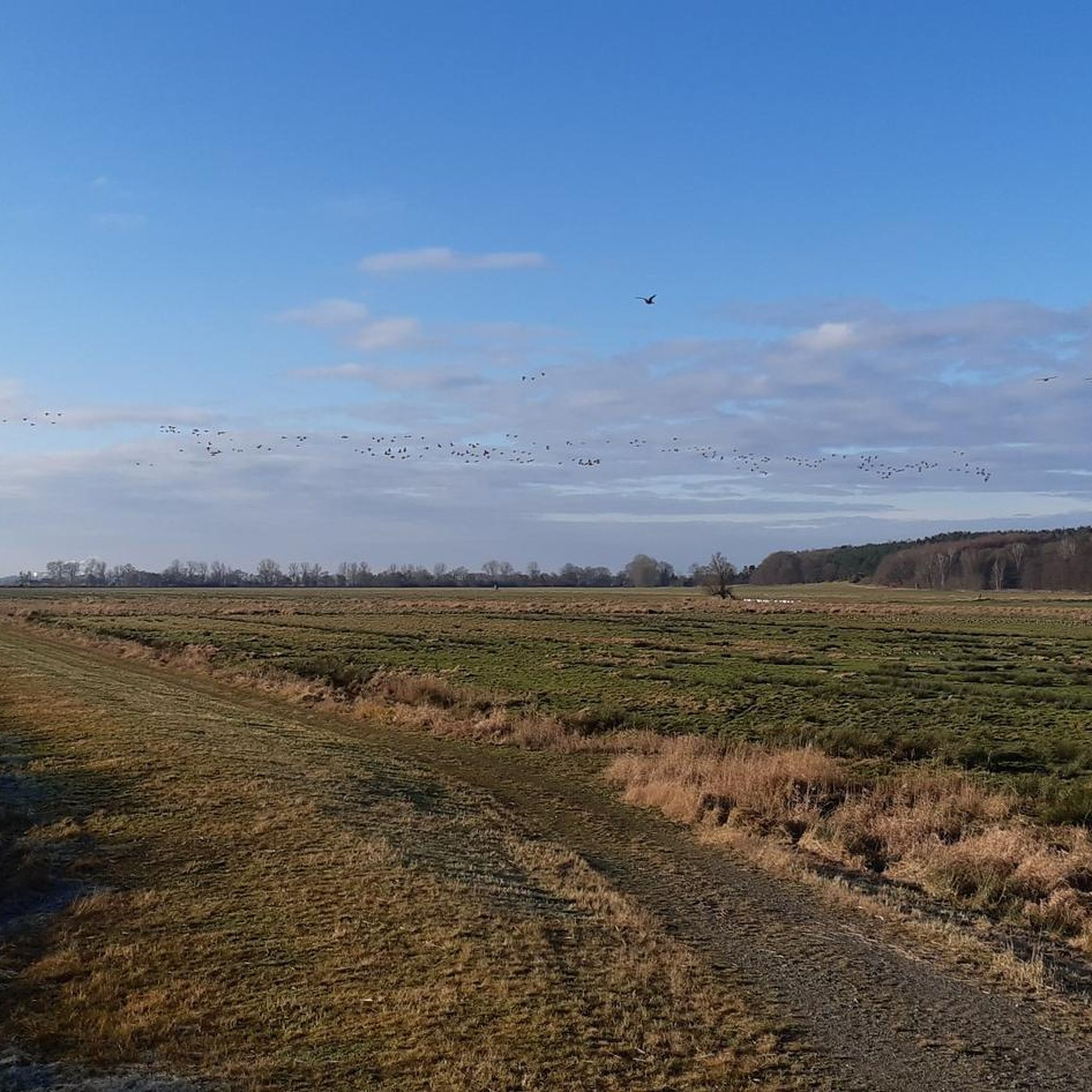
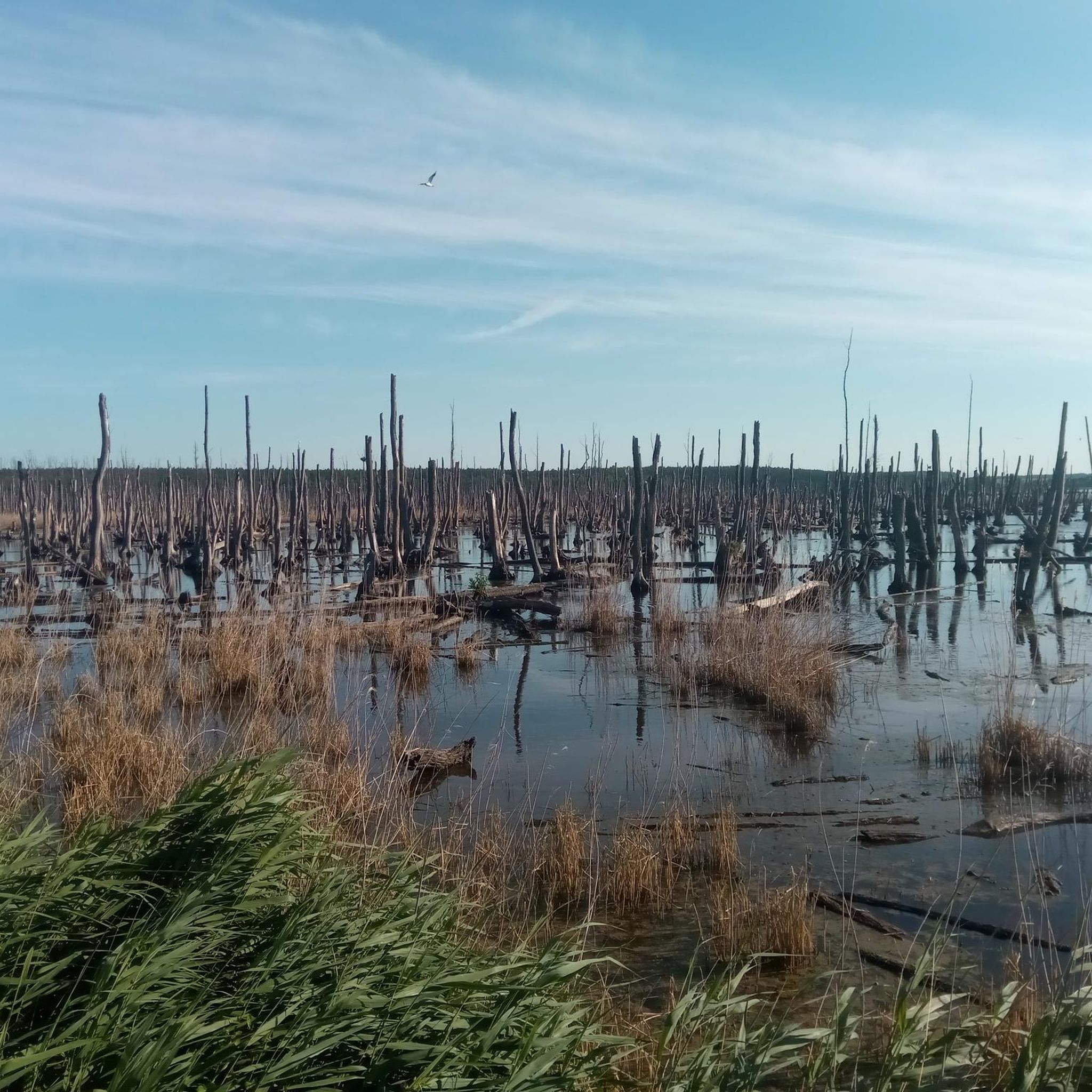
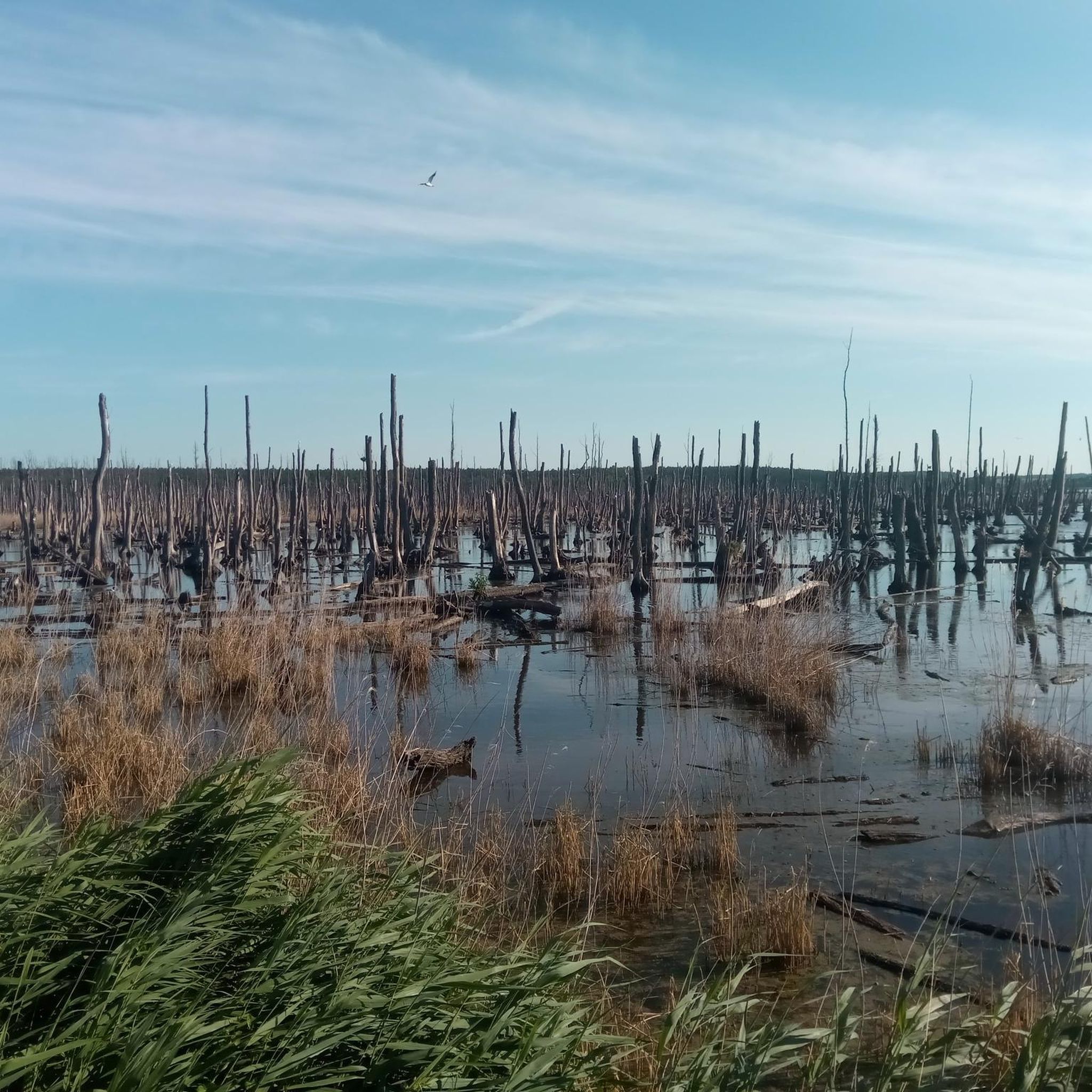
Anklamer Torfmoor Nature Reserve
Highlight (Segment) • Natural Monument
Translated by Google •
Tip by

Möwenort (South Tip of Gnitz)
Highlight • Beach
Translated by Google •
Tip by

Sign up now to discover places like this
Get recommendations on the best single tracks, peaks, & plenty of other exciting outdoor places.
Sign up for free
Zecherin Bridge
Highlight • Bridge
Translated by Google •
Tip by

Karnin Railway Lift Bridge
Highlight • Bridge
"Since 1876, especially …
Translated by Google •
Tip by

Gnitz Peninsula
Highlight • Natural
Translated by Google •
Tip by

Sign up for free to discover even more attractions around Murchin.
Sign up for free
Already have an account?
Start today with a free account
Your next adventure awaits.
Login or Signup
Tips from the Community

The Zecherin Bridge has a total length of 325 meters. The bascule bridge is 20 meters long. With the bascule bridge closed and the water level at medium, a clearance of six meters is possible. The roadway is also 6 meters wide. In addition, there is a 1.5-meter-wide sidewalk. In 2019, there will be three openings per day (until March 31) and five (from April 1), each lasting a maximum of 15 minutes.[1] Source: https://de.wikipedia.org/wiki/Zecheriner_Br%C3%BCcke
3
0
In 1867, the barge and pram ferries "Klotzower Fähre" and "Pinnower Fähre" could no longer handle the traffic to the island of Usedom. A road embankment (today's B 110) was built from Johannishof south of Pinnow to the Peene River, and a fiscal ferry service with a ferry farm was established at the so-called Schwemmort. When the spa business on the island of Usedom experienced a rapid upswing in the 1920s, the capacity of the ferry connections between Schwemmort on the mainland and the island soon reached its limits. Therefore, the Usedom-Wollin district commissioned the construction of a road bridge. Construction began in 1930. The following year, on May 22, 1931, the connection was opened as the Usedom Spa Bridge. Shortly before the end of World War II, the bridge was blown up by the Wehrmacht in 1945. It was not reopened to road traffic until 1955. The bridge was completely renovated in 1999 and 2000. Source: https://de.wikipedia.org/wiki/Zecheriner_Br%C3%BCcke
4
0

The lift bridge was completed in 1933 as a railway line and was previously 360 m long and connected Wolgast with Świnoujście. The superstructures on both sides of the movable part were destroyed by the Wehrmacht in 1945 to prevent the advancing Soviet troops from crossing. Since then, the lift bridge has stood as a technical monument in the coastal waters that connect the Szczecin Lagoon with the Pennestrom.
5
0

The Gnitz peninsula is a place full of beauty and very remote. Around the middle of the 19th century, in addition to the nobles, the parish and the sexton, the village only had around 10 houses and 165 residents. Gnitz is now a popular holiday resort and excursion destination with beautiful hiking trails and cycle paths directly in the nature conservation paradise.
9
2

The southern tip of Gnitz is one of the most beautiful places on Usedom. From here you have a breathtaking view over the backwaters. There is also a beautiful bathing area with a sandy beach far away from the tourist crowds.
6
1

The Karnin lifting bridge, a formerly 360 m long railway bridge between the Pomeranian mainland near Kamp and the island of Usedom near Karnin. The superstructures on both sides of the movable lifting part were destroyed by the Wehrmacht in 1945 to stop the advancing Soviet troops. Since the end of the war, the raised part of the bridge has remained unchanged as a fragment and technical monument in the middle of the river, the inner coastal water that connects the Szczecin Lagoon with the Peenestrom.
13
2

You can safely ignore the sign "Cyclists dismount" due to the low number of pedestrians - and still cycle slowly over the bridge to enjoy the view. You need a little patience at times to cross the main road before and after the cycle path - but you can always find a free gap.
2
0

Very interesting path, partly another world.
5
3
Frequently Asked Questions
What natural attractions can I explore around Murchin?
Murchin is rich in natural beauty. You can visit the Anklamer Torfmoor Nature Reserve, a significant habitat for diverse flora and fauna, especially migratory bird flocks. For stunning views over regularly flooded polders and birdlife, the Anklam Peat Bog Observation Tower is a must-see. Additionally, the Möwenort (South Tip of Gnitz) offers panoramic views over the backwaters and a quiet sandy beach.
Are there any historical landmarks worth visiting in the Murchin area?
Yes, the region features notable historical sites. The Karnin Railway Lift Bridge is a fascinating technical monument, a fragment of a former railway bridge visible from a distance when traveling from Zecherin to Usedom. The Historic Murchin Mill also provides insight into past centuries and local heritage.
What kind of outdoor activities are available near these attractions?
The Murchin area offers various outdoor activities. You can explore numerous trails for hiking and mountain biking. For hiking, consider routes from the Easy hikes around Murchin or Hiking around Murchin guides. Mountain biking enthusiasts can find trails in the MTB Trails around Murchin guide. The scenic lakes surrounding Murchin are perfect for canoeing, fishing, and paddleboarding.
Are there family-friendly attractions in the Murchin area?
Absolutely. The Anklam Peat Bog Observation Tower is considered family-friendly, offering an engaging experience with its breathtaking views and diverse birdlife. The historic Karnin Railway Lift Bridge is also a family-friendly spot, providing an interesting historical detour.
Where can I find scenic viewpoints around Murchin?
For breathtaking vistas, head to the Anklam Peat Bog Observation Tower, which offers panoramic views over the polders and their birdlife, especially at dusk. The Möwenort (South Tip of Gnitz) also provides stunning views over the backwaters. Additionally, the Zecherin Bridge offers great views as it connects Usedom with the mainland.
What do visitors enjoy most about the attractions around Murchin?
Visitors particularly appreciate the natural beauty and tranquility. The Möwenort (South Tip of Gnitz) is often praised as one of the most beautiful spots on Usedom for its quiet sandy beach and views. The Anklamer Torfmoor Nature Reserve is valued for its impressive landscape and rich birdlife, while the Karnin Railway Lift Bridge is considered definitely worth seeing for its historical significance.
Are there any accessible attractions for visitors with mobility needs?
The Zecherin Bridge is noted as wheelchair accessible, offering a chance to enjoy views of the landscape connecting Usedom with the mainland.
Can I find places for water activities like swimming or boating?
Yes, Murchin is surrounded by quiet lakes, which are ideal for activities such as canoeing, fishing, and paddleboarding. For swimming, the Möwenort (South Tip of Gnitz) features a beautiful sandy beach, offering a peaceful spot away from crowded tourist areas.
What is the significance of the Karnin Railway Lift Bridge?
The Karnin Railway Lift Bridge is a significant historical and technical monument. Originally a vital railway connection to Usedom, its lifting part remains as a fragment after being destroyed in 1945. It stands as a testament to German railway history and is now a protected technical monument in the Peenestrom.
Are there any nature reserves for birdwatching near Murchin?
Absolutely. The Anklamer Torfmoor Nature Reserve is an excellent spot for birdwatching, known for its diverse birdlife and as a crucial habitat for migratory bird flocks. The Anklam Peat Bog Observation Tower also provides fantastic opportunities to observe birds in the regularly flooded polders.
What are the best places for a quiet, natural escape?
For tranquility, the Möwenort (South Tip of Gnitz) offers a secluded sandy beach and panoramic views away from tourist crowds. Additionally, the Anklamer Torfmoor Nature Reserve provides a peaceful natural paradise for those seeking quiet immersion in nature. Secluded forest retreats are also available near Murchin for ultimate privacy.
Most popular attractions around Murchin

Get inspired with the komoot mobile app


Explore more
Still not found the Highlight you’re looking for? See guides of the top attractions in other regions:
