Woodwalton Fen National Nature Reserve
Woodwalton Fen National Nature Reserve
The best walks and hikes in Woodwalton Fen National Nature Reserve
4.2
(82)
452
hikers
45
hikes
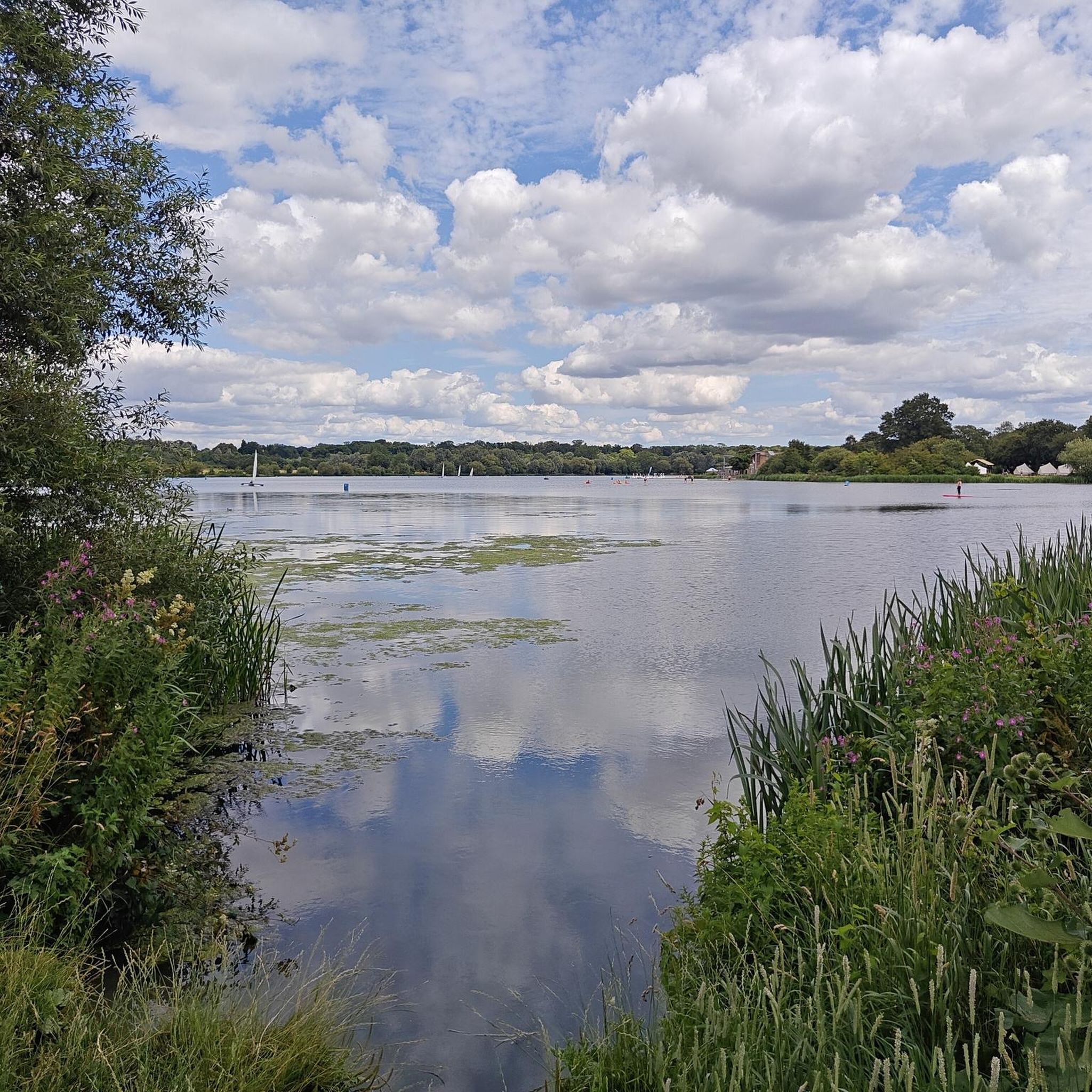
Hiking in Woodwalton Fen National Nature Reserve offers exploration of a rare lowland fenland habitat. The region is characterized by its predominantly flat terrain, quiet waterways, extensive reedbeds, and wildflower meadows. Hikers will find damp woodlands and open fenland scenery, providing expansive views across the surrounding agricultural landscape. This environment is a critical refuge for numerous plant and animal species.
Best hiking trails in Woodwalton Fen National Nature Reserve
- The most popular hiking route is Lady's Wood Bluebells loop from…
Last updated: May 4, 2026
4.3
(4)
16
hikers
8.41km
02:08
30m
30m
Moderate hike. Good fitness required. Easily-accessible paths. Suitable for all skill levels.
4.7
(3)
20
hikers
3.90km
00:59
10m
10m
Easy hike. Great for any fitness level. Easily-accessible paths. Suitable for all skill levels.

Sign up for free
4.7
(3)
11
hikers
5.26km
01:22
30m
30m
Easy hike. Great for any fitness level. Easily-accessible paths. Suitable for all skill levels.
4.3
(6)
13
hikers
5.96km
01:32
30m
30m
Easy hike. Great for any fitness level. Easily-accessible paths. Suitable for all skill levels.
5.0
(1)
4
hikers
Moderate hike. Good fitness required. Easily-accessible paths. Suitable for all skill levels.
Get access to more routes and recommendations from other explorers.
Sign up for free
Already have an account?
Our route recommendations are based on thousands of hikes, rides, and runs completed by other people on komoot.
Start today with a free account
Your next adventure awaits.
Login or Signup


Tips from the Community

Be careful when starting route 2 as the start can be easily missed going through the gate.
0
0

Wonderful friendly pub. Slightly pricey but great food.
0
0

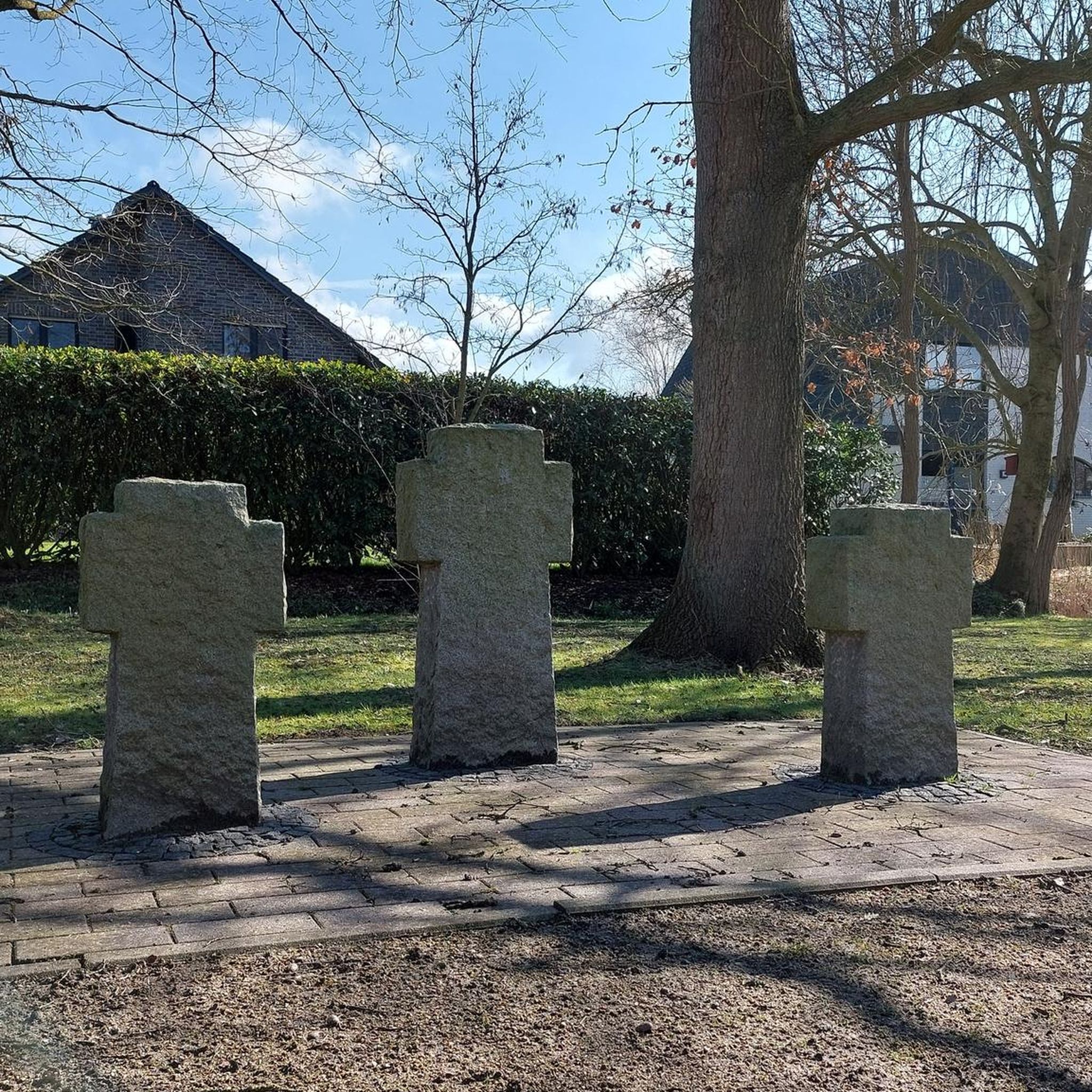
They may look like out of place lampposts but Holme Posts are part of history. The posts were buried in 1848 to measure how much the land sunk after Whittlesey Mere, once on this site, was drained. The peat lake floor had been soaked in water but after drainage, the peat shrank, as did the height of the land. The top of the posts, once level with the ground, are now around 4m above it. The posts are generally accepted to mark the lowest land point in Great Britain at 2.75m below sea level.
0
0
Holme Fen is a Site of Special Scientific Interest (SSSI) as well as a National Nature Reserve (NNR). It is in the location of Whittlesey Mere, once the biggest lake in England, which was drained in the mid 19th century so the land could be used for farming. This south western shore of the huge lake could not be made dry enough for farming.
0
0
They may look like strange green lampposts but Holme Posts are part of history. The posts were buried in 1848 to measure how much the land sunk after Whittlesey Mere, once on this site, was drained. The peat lake floor had been soaked in water but after drainage, the peat shrank, as did the height of the land. The top of the posts, once level with the ground, are now around 4m above it. The posts are generally accepted to mark the lowest land point in Great Britain at 2.75m below sea level.
0
0
Holme Fen is a Site of Special Scientific Interest (SSSI) as well as a National Nature Reserve (NNR). It is in the location of Whittlesey Mere, once the biggest lake in England, which was drained in the mid 19th century so the land could be used for farming. This south western shore of the huge lake could not be made dry enough for farming.
0
0

It's a sweet hamlet, with a collection of thatched cottages and a pub only a short walk away.
0
0

With its lovely church, green, hall, pretty stream and public house, Broughton is a classic English village. The Crown Inn serves good pub food between Wednesdays and Sundays, perfect for a refuel after a walk in Cambridgeshire's flat countryside.
0
0
Frequently Asked Questions
Are dogs allowed in Woodwalton Fen National Nature Reserve?
No, dogs are not permitted within the reserve. This policy is in place to protect the sensitive fenland habitats and the diverse wildlife, which includes many rare and endangered species of birds, insects, and plants.
What is the best time of year to visit for wildlife watching?
Woodwalton Fen offers unique wildlife sightings year-round. Spring and summer are excellent for spotting birds like bitterns and cuckoos, as well as a vast number of butterflies and dragonflies. The reserve is particularly famous for its rare plants, including the fen violet, which flowers in the spring. Winter brings different bird species, such as flocks of finches and redpolls.
Is there parking available at Woodwalton Fen?
Yes, there is parking available at the reserve. Access is via a rugged road, so please drive with care. From the car park, you can easily access the network of walking trails.
Are the walking trails suitable for families with children?
The trails are generally flat and grassy, making them accessible for a family outing. The waymarked trails, like the 0.75-mile Bungalow Trail, are a good length for younger children. The paths can be muddy and uneven, so sturdy footwear is recommended for everyone.
How can I get to Woodwalton Fen using public transport?
Reaching the reserve by public transport can be challenging due to its rural location. The nearest train stations are in Huntingdon and Peterborough, from which you would need to take a taxi for the remaining journey. It's best to check local bus schedules for services to nearby villages like Ramsey, but a final walk or taxi ride will likely be necessary.
What kind of footwear is recommended for hiking in the reserve?
Sturdy, waterproof walking shoes or boots are highly recommended. The paths are mostly flat and grassy but can be very muddy, soft, and uneven, especially after rain. Some sections also include wooden boardwalks which can be slippery when wet.
Are there any circular walks available?
Yes, the reserve features several waymarked circular trails. For a longer walk that explores the surrounding area, consider the Old Oak Tree loop from Great Raveley. This route gives you a broader sense of the Cambridgeshire landscape just outside the main reserve.
What makes Woodwalton Fen different from the nearby Holme Fen?
Both are key parts of the Great Fen project, but they offer different experiences. Woodwalton Fen is one of the last fragments of ancient, managed fenland, known for its rich biodiversity and watery landscape of reedbeds and meres. Holme Fen is famous for its birch woodland and for being the lowest point in Great Britain. A walk like the Holme Posts – Holme Fen Forest Trail loop from Yaxley showcases its distinct woodland character.
Are the trails accessible for wheelchairs or mobility scooters?
Due to the soft, uneven, and often muddy ground, the grassy paths may not be suitable for all wheelchairs. All-terrain mobility vehicles are better suited for the terrain. An all-terrain tramper can sometimes be borrowed by prior arrangement with the Great Fen team.
What do other hikers say about Woodwalton Fen?
The area is well-regarded by the komoot community, with an average rating of 4.2 stars. Hikers often praise the sense of tranquility, the excellent opportunities for birdwatching from the hides, and the unique experience of walking through a rare fenland habitat.
How many hiking trails are there in the Woodwalton Fen area?
There are over 40 hiking routes to explore in and around Woodwalton Fen National Nature Reserve. These range from short, easy waymarked paths within the reserve to longer, more moderate hikes that connect to the wider Great Fen landscape.
Are there any specific points of interest to look for on a walk?
A key historical feature is the Rothschild Bungalow, a thatched building on stilts built by the reserve's founder. There are also several well-placed bird hides, such as the Northern Reedbeds Hide and Gordon's Mere Hide, which provide fantastic, undisturbed views of the local birdlife.
Most popular routes in Woodwalton Fen National Nature Reserve

Get inspired with the komoot mobile app


Explore more
Browse the best Hikes in other regions.
