The best cycling routes in Ballyquintin Point National Nature Reserve
5.0
(2)
61
riders
11
rides
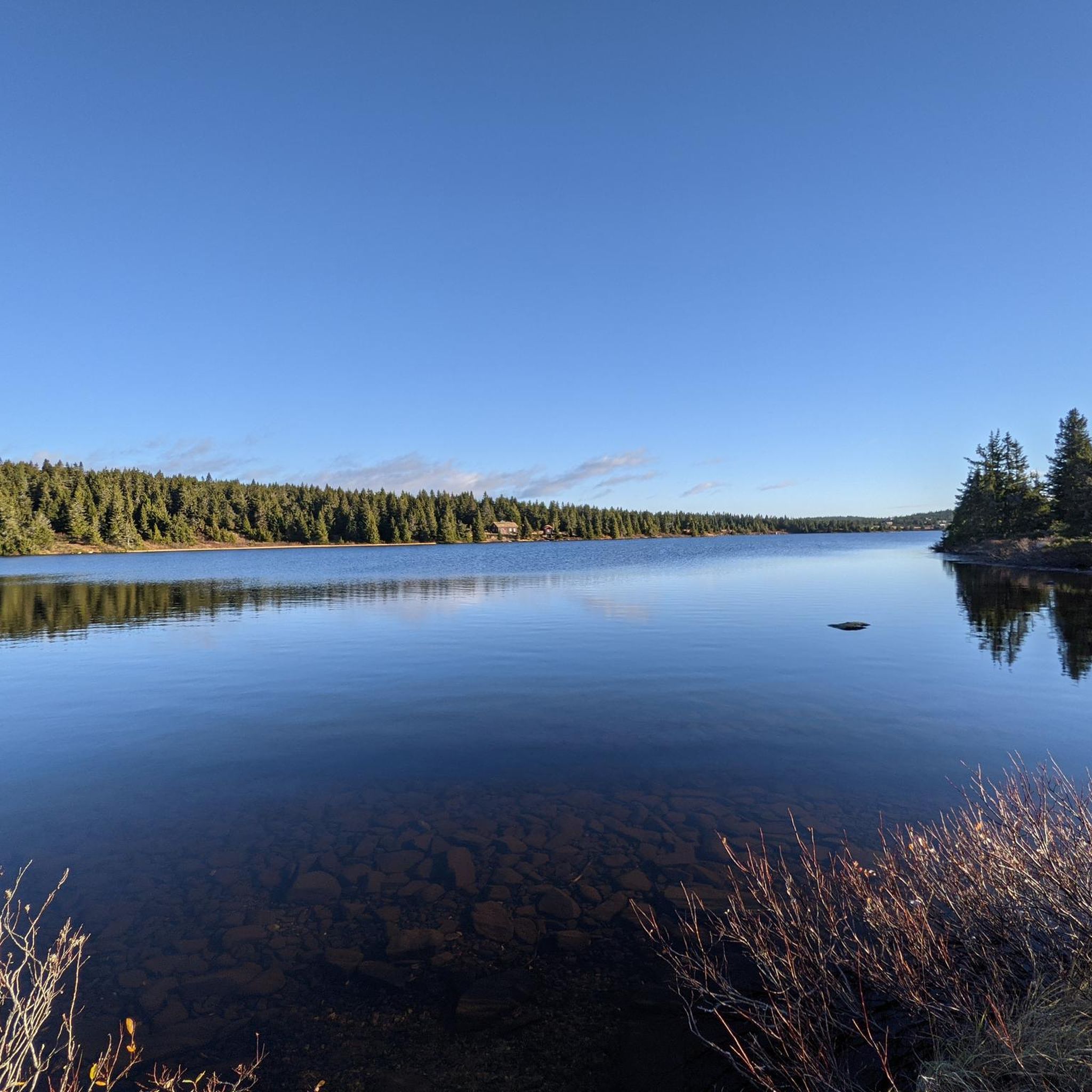
Touring cycling in Ballyquintin Point National Nature Reserve offers routes along a low, exposed, and rocky coastline, featuring small promontories, bays, and inlets. The area is characterized by a raised beach of shingle and cobble stones, gently sloping inland to low cliffs. Cyclists can experience panoramic views across the Irish Sea to the Isle of Man and Strangford Lough on clear days. The landscape includes sparse, dry grassland that supports diverse wildflowers in spring and early summer, alongside wind-dwarfed blackthorn…
Last updated: May 16, 2026
4
riders
29.2km
01:46
150m
150m
Moderate bike ride. Good fitness required. Mostly paved surfaces. Suitable for all skill levels.
5.0
(1)
6
riders
35.4km
02:07
260m
260m
Moderate bike ride. Good fitness required. Mostly paved surfaces. Suitable for all skill levels.

Sign up for free
6
riders
15.8km
00:57
80m
80m
Easy bike ride. Great for any fitness level. Mostly paved surfaces. Suitable for all skill levels.
3
riders
57.1km
03:21
270m
270m
Moderate bike ride. Good fitness required. Mostly paved surfaces. Suitable for all skill levels.
1
riders
30.3km
01:48
160m
150m
Moderate bike ride. Good fitness required. Mostly paved surfaces. Suitable for all skill levels.
Get access to more routes and recommendations from other explorers.
Sign up for free
Already have an account?
Our route recommendations are based on thousands of hikes, rides, and runs completed by other people on komoot.
Start today with a free account
Your next adventure awaits.
Login or Signup
Popular around Ballyquintin Point National Nature Reserve


Tips from the Community

Burr Point marks the most easterly point on the island of Ireland. The spot is marked by a coastal sculpture by artist Ned Jackson Smyth. You can rest up in the sheltered cove which has a well-kept toilet and changing facilities close by.
1
0

Built in 1622 by Roland Savage. The tower has had several alterations over its past. The neo gothic style was introduced in the early 19th century.
0
0
Visitors to Corrog Wood will be greeted by a curious wooden sculpture of a Dryad. The sculpture has been affectionately named the ‘Frump in the Stump’. A dryad is a tree nymph in Greek mythology. The Dryad keeps a watchful, protective eye on the new wood standing at the entrance. Continue past the Dryad on through the little kissing gate and a loop pathway will be waiting to lead you around the 14-acre wood, where a mix of approximately 12,000 native trees and 400 metres of hedging have been planted.
0
0
Quintin Castle is one of the few inhabited Anglo-Norman castles to be found in Ulster. The Castle was built in 1184 by John de Courcy, an Anglo-Norman Knight who had conquered substantial parts of Ireland from 1176. It is located in the Ards Peninsula, east of the village of Portaferry on the shore of the Irish Sea, The location hosts an unprecedented view of the surrounding landscape.
0
0
Also known as Phennick Cove Marina, in Ardglass, County Down, one of three major fishing ports in Northern Ireland. Ardglass is now one of the safest small harbours on the east coast of Ireland, following improvements made in recent years.
0
0
Ballyhornan is sandy beach surrounded by cliffs. Guns Island lies just in the bay. On the horizon it is possible to see the Isle of Man.
1
0
The Marina is a nature reserve of unparalleled beauty, it is a good starting point on which to explore the Lough.
0
0
Portaferry ( from Port an Pheire 'landing place of the ferry' ) is a small town in County down, at the southern end of the Ards Peninsula, near the Narrows at the entrance to Strangford Lough. It hosts its own small Marina, From where the The Ferry service operates daily at 30-minute intervals (7.45 am to 10.45 pm) between the villages of Portaferry and Strangford. The Lough being one of the world's most important marine sites with over 2,000 marine species. There are fine Georgian buildings in the town square, including a Market House, now used as a community centre. Portaferry Castle, a 16th-century townhouse ruin, sits atop a slope overlooking the Harbour.
0
0
Frequently Asked Questions
How many touring cycling routes are available in Ballyquintin Point National Nature Reserve?
There are 12 touring cycling routes recorded on komoot for Ballyquintin Point National Nature Reserve. These routes offer a variety of distances and difficulty levels, ensuring options for different cycling preferences.
What kind of terrain and landscapes can I expect while cycling in Ballyquintin Point National Nature Reserve?
Cyclists can expect a diverse landscape featuring a low, exposed, and rocky coastline with small promontories, bays, and inlets. The area is notable for its raised beach of shingle and cobble stones, gently sloping inland to low cliffs. Routes often pass through coastal paths and farmland, with many featuring well-paved surfaces for an enjoyable ride.
Are there any easy touring cycling routes suitable for beginners or families?
Yes, there are 5 easy touring cycling routes available. An excellent option for a more relaxed ride is the Portaferry to Quintin Castle loop, which is 9.8 miles (15.8 km) long and takes about 57 minutes to complete, leading through coastal areas and past historical points of interest.
What are the best times of year to go touring cycling in Ballyquintin Point National Nature Reserve?
The spring and early summer months, particularly May and June, are ideal. During this time, the sparse, dry grassland bursts into color with wildflowers, including orchids and wild dwarfed Burnett roses. Clear days also offer breathtaking panoramic views across the Irish Sea to the Isle of Man, as well as Strangford Lough and Killard Point.
What natural features and wildlife might I encounter on the routes?
The reserve is rich in natural beauty. You'll see unique geological features like the raised shingle and cobble stone beach, diverse wildflowers in season, and wind-dwarfed blackthorn scrub. For wildlife, keep an eye out for various bird species such as skylarks, linnets, peregrine falcons, buzzards, kestrels, and Brent geese. Irish hares are also commonly seen feeding on the grassland and along the shoreline.
Are there any historical landmarks or points of interest along the cycling routes?
Yes, you can discover historical elements. For instance, the Portaferry to Quintin Castle loop passes by Quintin Castle. Additionally, near the main car park, there's a World War II lookout hut overlooking the nature reserve, offering a glimpse into the area's past.
Are there any circular touring cycling routes in the area?
Many of the touring cycling routes in Ballyquintin Point National Nature Reserve are designed as loops, offering circular journeys. Examples include the Kilclief to Ardglass Harbour loop —Strangford & Lecale and the Ballyhornan Beach – Quoile River View loop from Strangford.
What are the parking options for cyclists visiting Ballyquintin Point National Nature Reserve?
The reserve is freely accessible, and there are no entry or car park charges. This makes it a convenient and budget-friendly destination for cyclists arriving by car.
Are there cafes, pubs, or restaurants nearby for refreshments?
Yes, the nearby towns of Portaferry and Strangford offer several pubs, restaurants, and cafes. These provide convenient stops for refreshments and meals, allowing you to refuel during or after your cycling tour.
What do other touring cyclists enjoy most about cycling in Ballyquintin Point National Nature Reserve?
The area is highly rated by the komoot community, with an average score of 5.0 stars. Reviewers often praise the stunning coastal scenery, the unique geological formations, and the variety of routes that cater to different ability levels, from easy loops to more moderate rides like the Ards Peninsula half loop from Portaferry — Strangford & Lecale.
Are the touring cycling routes in Ballyquintin Point National Nature Reserve suitable for dogs?
While the reserve is a natural area, specific regulations regarding dogs on cycling routes are not detailed. It's generally advisable to keep dogs on a lead, especially given the presence of wildlife like Irish hares and various bird species, and to ensure they do not disturb the natural environment or other visitors.
What is the longest touring cycling route available?
The longest touring cycling route is the Ards Peninsula half loop from Portaferry — Strangford & Lecale, covering a distance of 35.5 miles (57.1 km). This moderate route offers an extended exploration of the region's coastal beauty.
Are there any moderate difficulty touring cycling routes for more experienced riders?
Yes, there are 7 moderate touring cycling routes. A popular choice is the Portaferry to Kirkistown Castle loop — Strangford & Lecale, which is 18.8 miles (30.3 km) long and offers scenic coastal views and varied terrain.
Most popular routes in Ballyquintin Point National Nature Reserve

Get inspired with the komoot mobile app


Explore more
Browse the best Cycling routes in other regions.
