Aqualate Mere National Nature Reserve
Aqualate Mere National Nature Reserve
The best road cycling routes in Aqualate Mere National Nature Reserve
4.5
(71)
1,908
riders
187
rides
Road cycling routes in Aqualate Mere National Nature Reserve traverse a landscape characterized by expansive rural countryside, serene woodlands, and open farmland. While the immediate reserve paths are for walking, the surrounding network of country lanes provides excellent road cycling opportunities. This region, known for its glacial lake and diverse habitats, offers varied scenery for cyclists. The generally flat nature of many routes contributes to an accessible cycling experience for various fitness levels.
Best road cycling routes in Aqualate Mere…
Last updated: October 18, 2026
43
riders
80.0km
03:15
410m
410m
Moderate road ride. Good fitness required. Mostly well-paved surfaces and easy to ride.
25
riders
55.0km
02:25
340m
340m
Moderate road ride. Good fitness required. Mostly well-paved surfaces and easy to ride.

18
riders
33.6km
01:23
170m
170m
Easy road ride. Great for any fitness level. Mostly well-paved surfaces and easy to ride.
14
riders
75.2km
03:24
550m
550m
Moderate road ride. Good fitness required. Mostly well-paved surfaces and easy to ride.
4.3
(3)
63
riders
46.9km
02:08
240m
240m
Moderate road ride. Good fitness required. Mostly well-paved surfaces and easy to ride.
Get access to more routes and recommendations from other explorers.
Already have an account?
Our route recommendations are based on thousands of hikes, rides, and runs completed by other people on komoot.
Start today with a free account
Your next adventure awaits.
Popular around Aqualate Mere National Nature Reserve
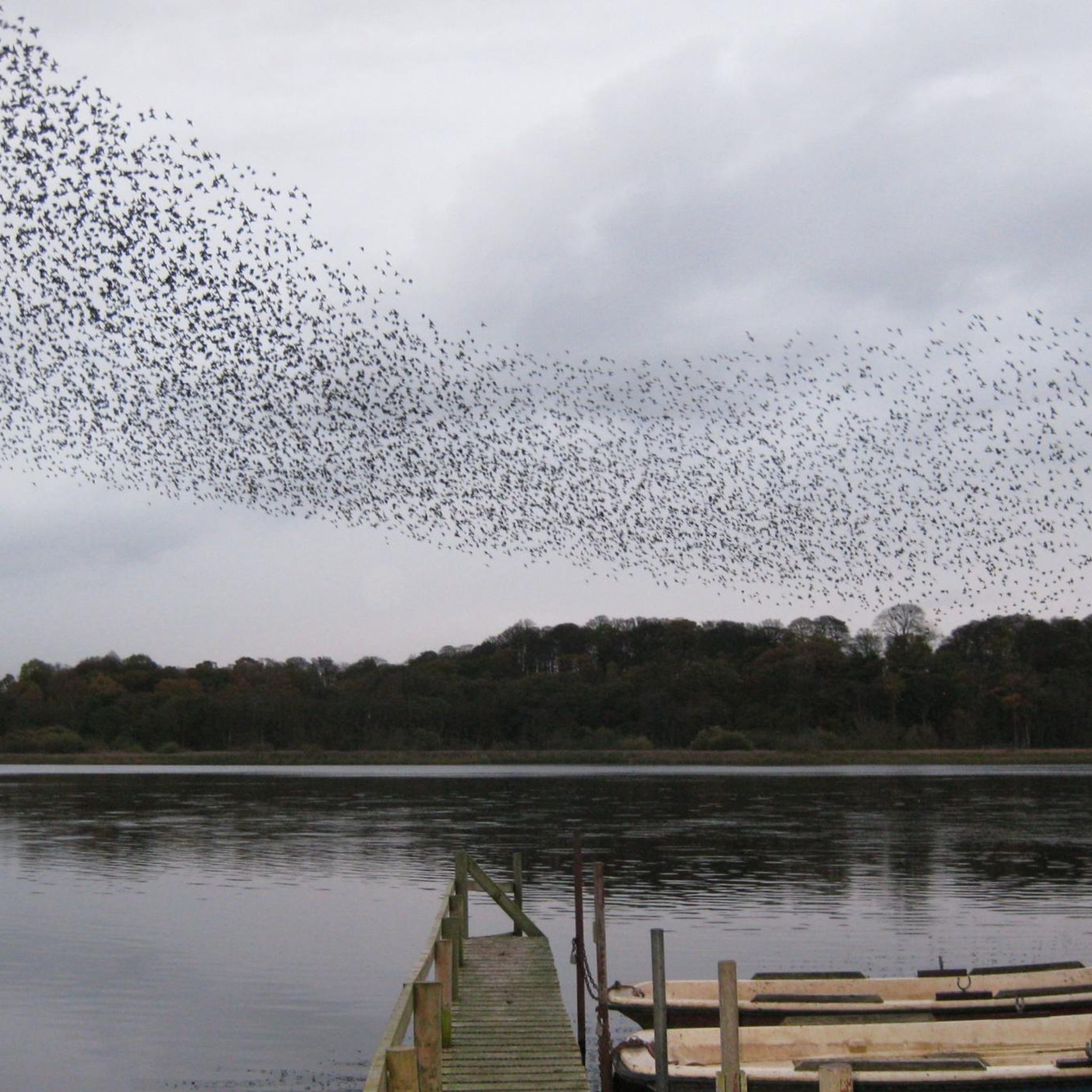

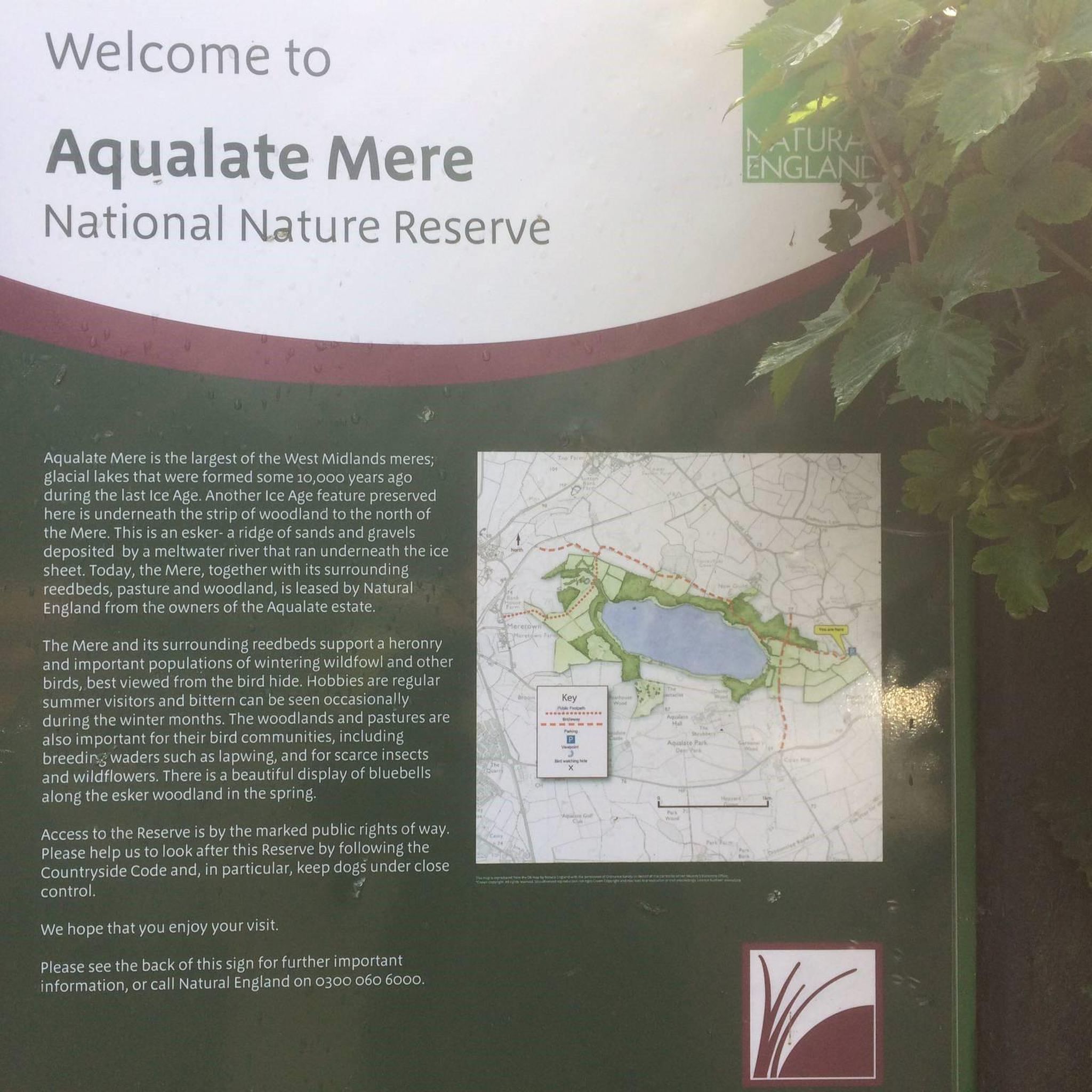
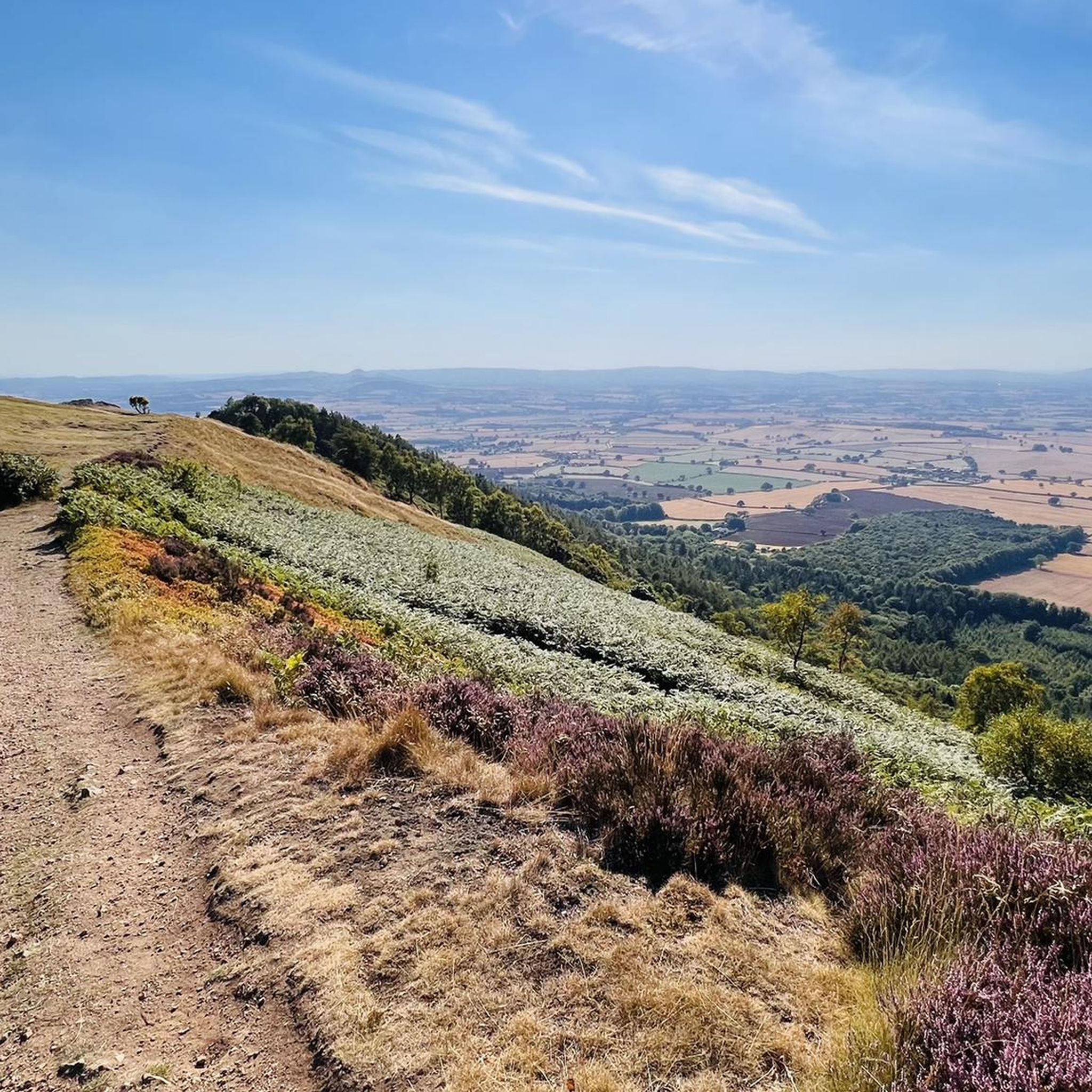

Tips from the Community

a must see if you have time. amazing museum with some fantastic aircraft including all 3 v bombers!! it's totally free too
0
0


There has been a Church in Norbury for well over 1000 years. North Burie (Norbury) was a Saxon Settlement and St. Chad, the first Bishop of Mercia, may have come from Lichfield to found a church here. The current building was completed in the 14th Century, circa 1340, probably by Ralph de Botiller (d 1342), Lord of the Manor, whose tomb is in the chancel. Close by the tomb is the oldest Staffordshire brass memorial plate. The lady depicted is the wife of Ralph de Botiller (d 1359). The home in the 14th Century of the Bottilers and subsequent Lords of the Manor was on a moated site which the remains can still be seen close to Norbury Manor Farm (a short walk from Norbury Junction). The church was constructed in the 'Decorated' Style, indicated by the design of the medieval windows, and other architectural features including the Sedilia- stone niches for seats for the clergy. The Church consists of a wide nave and a long chancel, constructed from local red sandstone. The high pitched, lofty timber framed nave roof is thought to be the original, although the chancel roof, is probably late 15th or 16th Century. The medieval church had a west tower, which was replaced in brick in 1759, possibly by William Baker (1705-71), architect of Audlem, although the new tower is said to have been built around older stonework at the base (and has 17th Century bells). Restoration in 1826-29 (recorded on tablet on north vestry) included addition of north vestry and a west gallery, at a cost of £700. The gallery was later taken down and the present pews were installed later in the 19th Century. The east window was installed in 1873 to the design of Miss C.S. Burne.
0
0

check out the wind direction - going towards Shrewsbury with a NE wind is fantastic
0
0

Ruins of a 16th century castle that was ruined during the Civil War. Under the care of English Heritage now and free to wander around. It's an imposing site from the roadside, but getting up close to the building is advised.
0
0

Great spot to stop for coffee and cake! Toilets and bike rack, and an outdoor area for those rare, precious warm sunny days!
0
0

Frequently Asked Questions
What kind of terrain can I expect on road cycling routes around Aqualate Mere National Nature Reserve?
The road cycling routes around Aqualate Mere National Nature Reserve primarily traverse quiet country lanes, serene woodlands, and open farmland. While the immediate paths within the nature reserve itself are generally more suitable for walking due to being stony and dirt tracks, the surrounding network offers a varied and scenic experience on paved roads.
Are there road cycling routes suitable for beginners in the Aqualate Mere area?
Yes, the region offers several easy road cycling routes. For instance, the Bod Café Bar – Howley Pool Fishery loop from Newport is an easy 20.9-mile (33.6 km) route with moderate elevation gain, making it a good option for those new to road cycling. Another easy route is The Boat Inn – Norbury Wharf Ltd loop from Newport, covering 20.9 miles (33.7 km).
What are the general difficulty levels for road cycling routes in this region?
Road cycling routes in the Aqualate Mere National Nature Reserve area cater to various abilities. You'll find a good mix of easy, moderate, and challenging options. Out of over 200 available routes, 98 are classified as easy, 108 as moderate, and a few as difficult, ensuring there's something for every skill level.
What natural features or landmarks can I see while road cycling near Aqualate Mere?
While cycling the country lanes surrounding Aqualate Mere, you can enjoy views of the mere itself, which is the largest natural lake in the English Midlands. The routes often pass through expansive rural countryside, woodlands that display vibrant bluebells in spring, and open farmland. You might also encounter the rare esker, a unique geological feature formed during the last ice age.
Is Aqualate Mere National Nature Reserve suitable for family-friendly road cycling?
The surrounding country lanes offer a generally accessible cycling experience, with many routes being relatively flat. While the reserve's internal paths are not ideal for cycling, the network of quiet country roads provides opportunities for families to enjoy rides together, especially on the easier routes available.
What is the best time of year to go road cycling around Aqualate Mere?
Spring is particularly beautiful for road cycling, as the woodlands surrounding the mere burst into vibrant displays of bluebells. The region is also known for its diverse birdlife, with many species present year-round and overwintering wildfowl visible during colder months. Generally, late spring to early autumn offers pleasant weather conditions for cycling.
Are there any cafes or pubs along the road cycling routes near Aqualate Mere?
Yes, several routes incorporate stops or pass near establishments. For example, the popular Bod Café Bar – Moreton Corbet Castle loop from Newport starts near a café bar, providing convenient options for refreshments before or after your ride. The broader area around Newport and other villages will offer various local amenities.
What do other road cyclists say about the routes in Aqualate Mere National Nature Reserve?
The road cycling routes in the Aqualate Mere National Nature Reserve area are highly regarded by the komoot community, holding an average rating of 4.6 stars from over 60 reviews. Cyclists frequently praise the quiet country lanes, the serene woodlands, and the varied scenery that makes for an enjoyable ride.
How many road cycling routes are available in the Aqualate Mere National Nature Reserve area?
There are over 200 road cycling routes available for exploration in the Aqualate Mere National Nature Reserve area, offering a wide range of distances and difficulty levels to suit different preferences.
Where can I park my car when planning a road cycling trip to Aqualate Mere?
While specific parking areas for cyclists are not detailed for every route, towns like Newport, which serve as common starting points for many routes, typically offer public parking facilities. It's advisable to check local parking options in your chosen starting village or town.
Are there any circular road cycling routes around Aqualate Mere?
Yes, many of the road cycling routes in the Aqualate Mere area are designed as loops, allowing you to start and finish in the same location. Examples include the Lilleshall Hall Avenue – Royal Air Force Museum loop from Newport and the Stoke on Tern Church Tower – Moreton Corbet Castle loop from Newport, both offering scenic circular journeys.
Can I bring my dog on road cycling routes near Aqualate Mere?
While dogs are generally welcome on public rights of way, it's important to keep them under control, especially when cycling on country lanes where you might encounter livestock or other road users. The immediate nature reserve paths are more suited for walking with dogs, but the surrounding road network is generally accessible for cyclists with well-behaved dogs.
Most popular routes in Aqualate Mere National Nature Reserve

Get inspired with the komoot mobile app


Explore more
Browse the best Road cycling routes in other regions.
