Muckle Moss National Nature Reserve
Muckle Moss National Nature Reserve
The best cycling routes in Muckle Moss National Nature Reserve
4.1
(41)
685
riders
59
rides
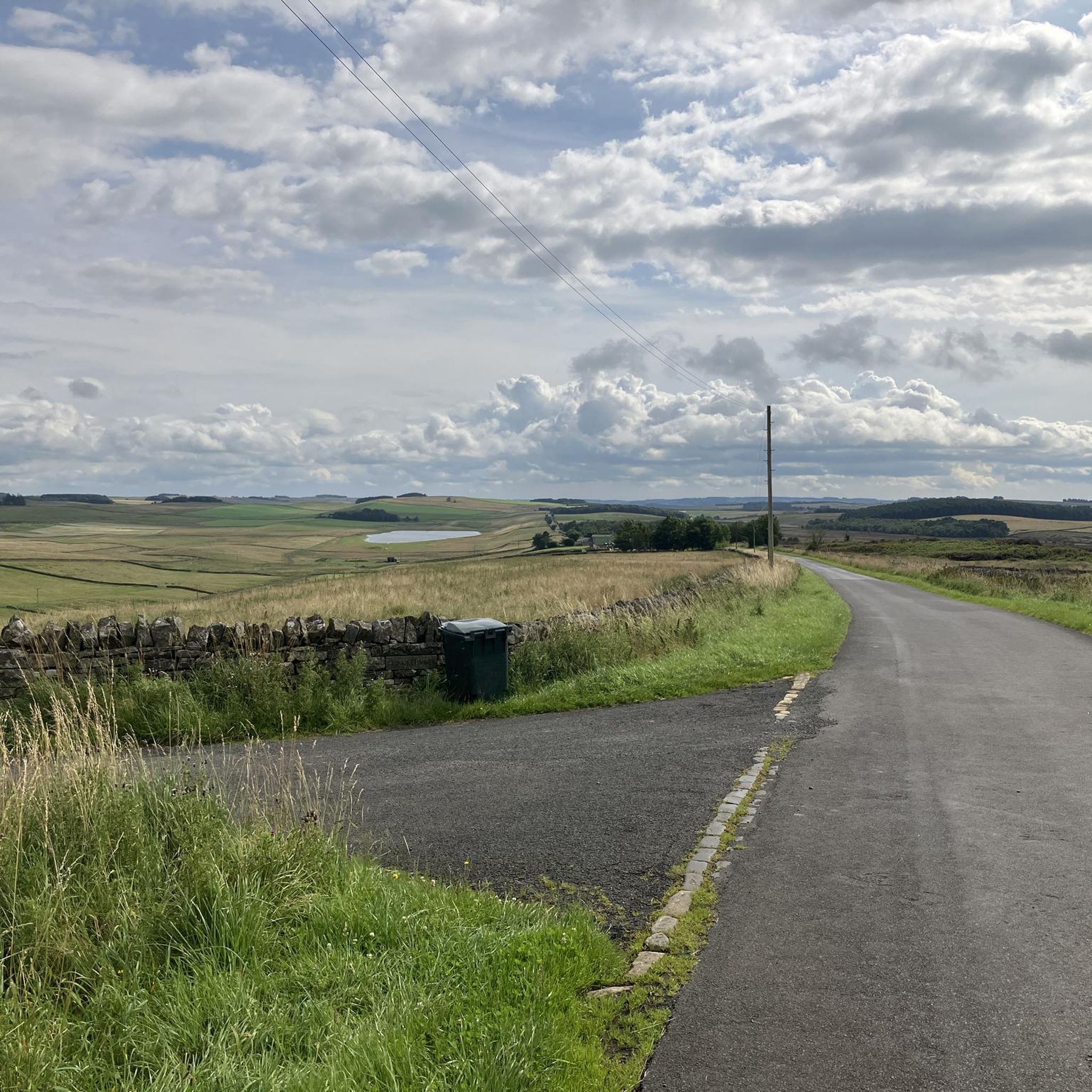
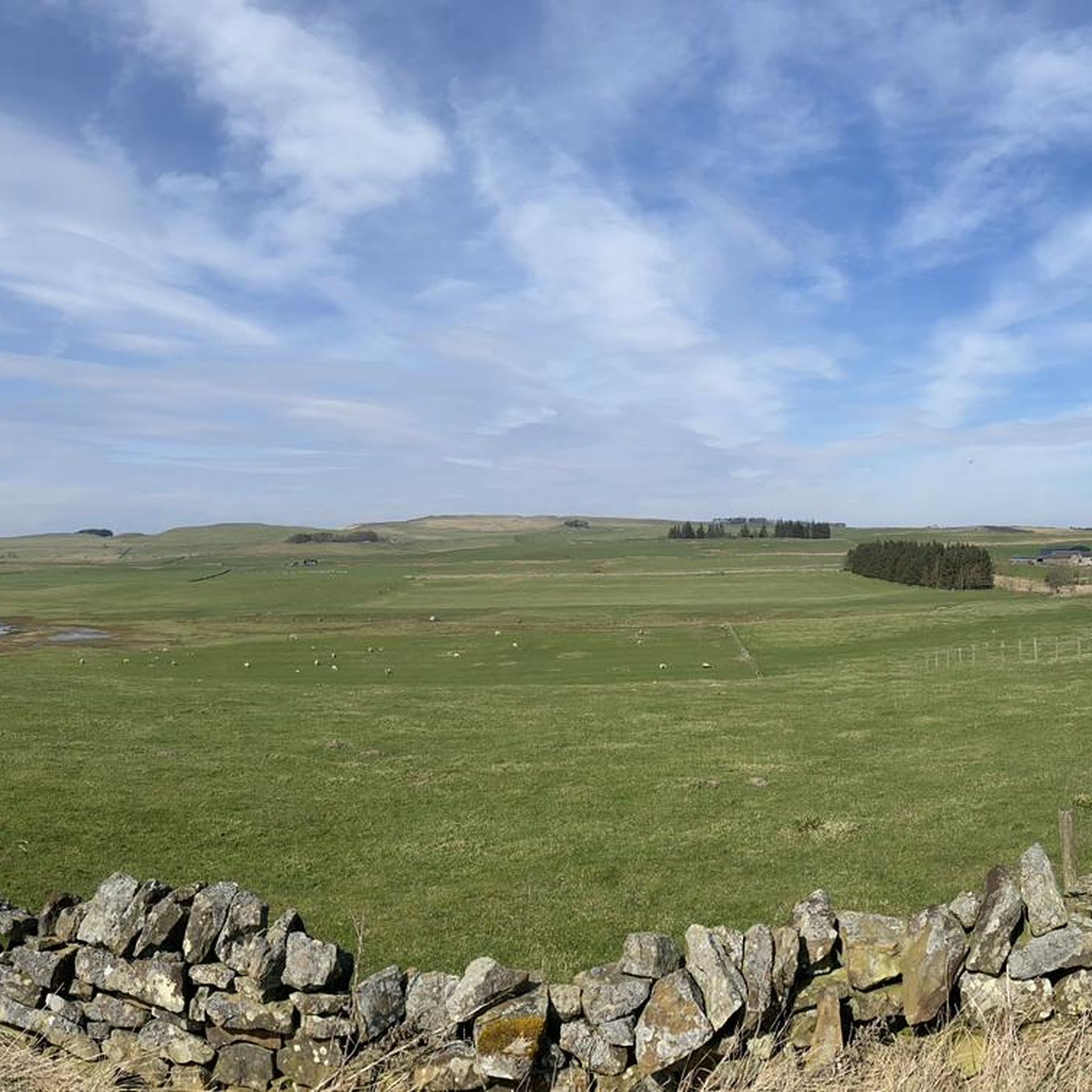
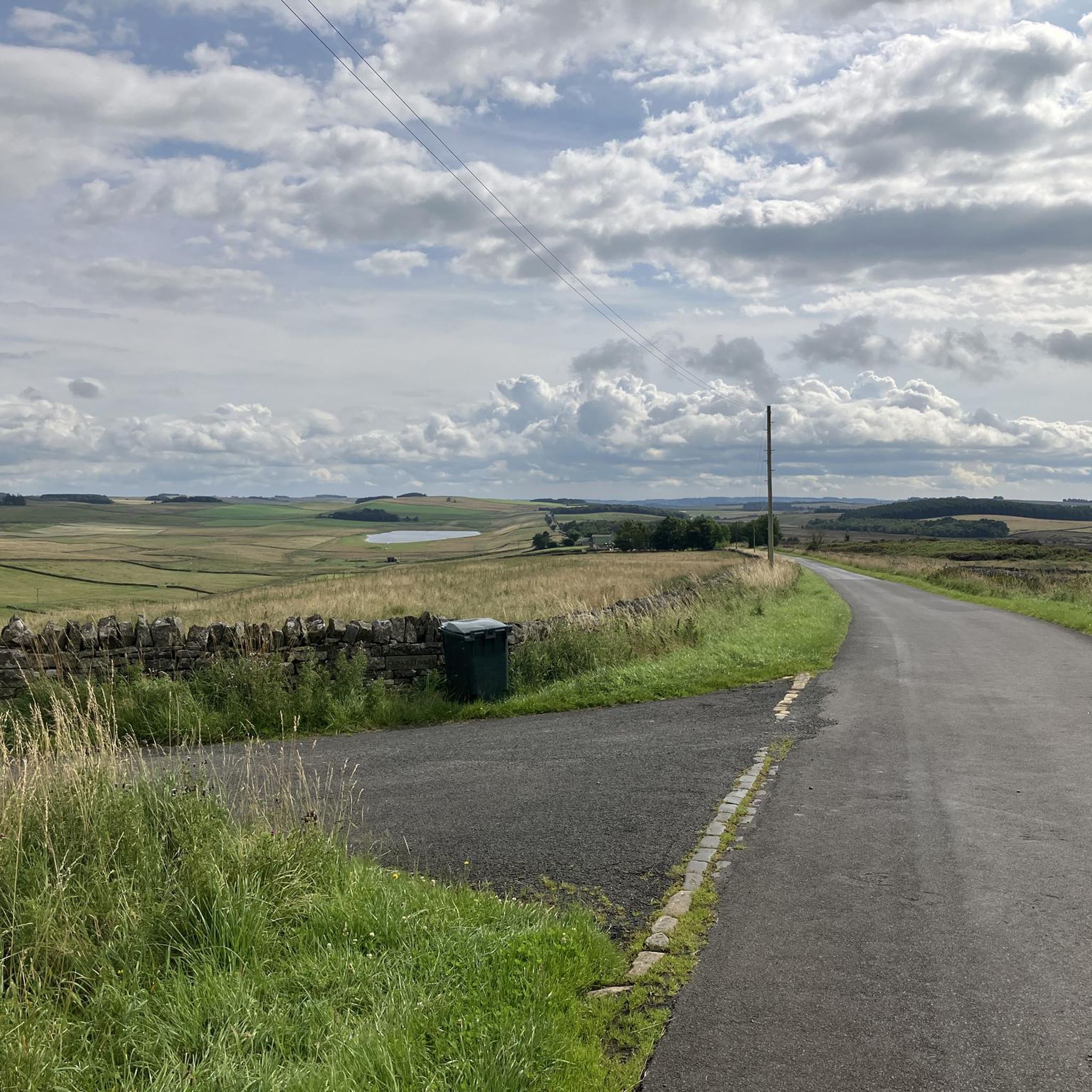
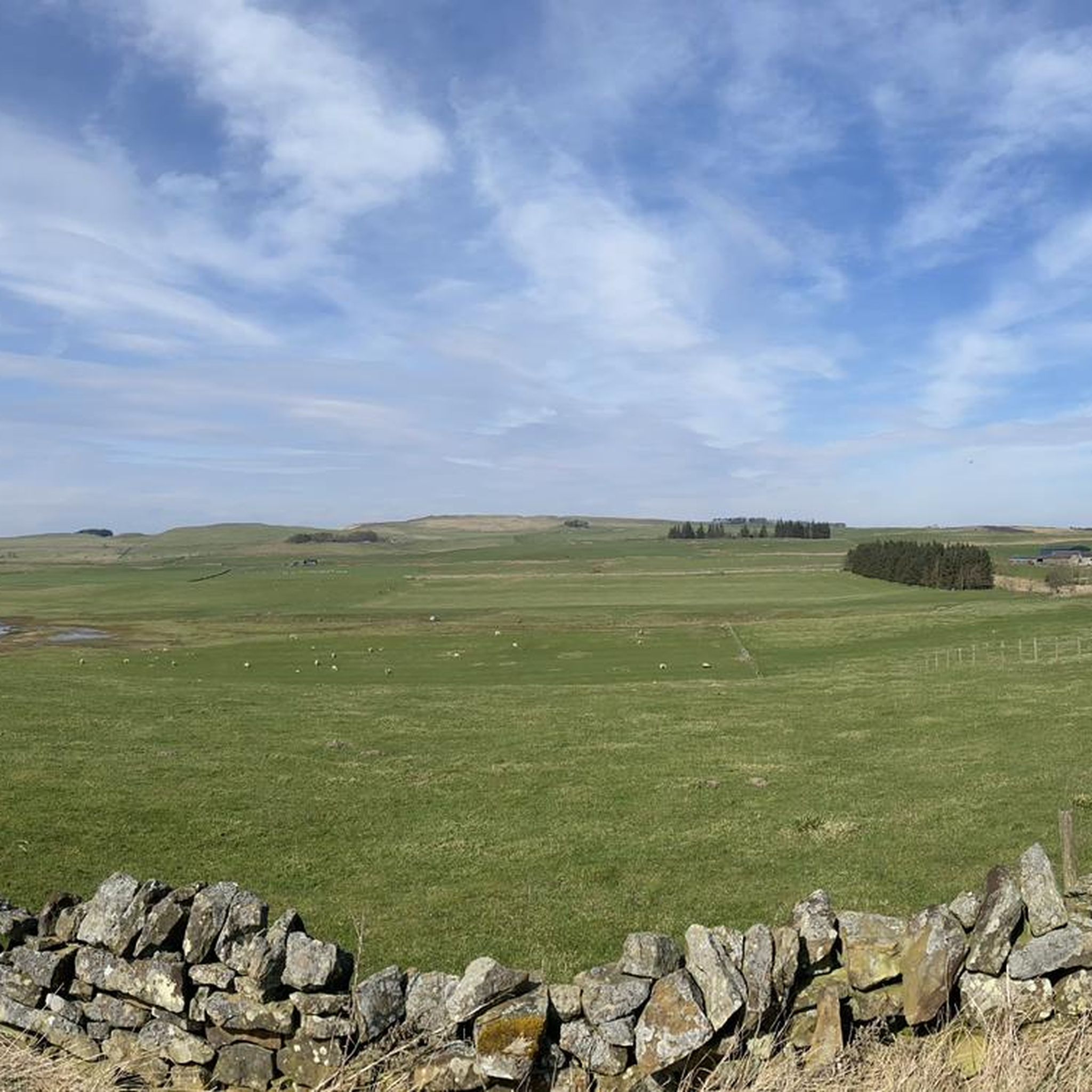
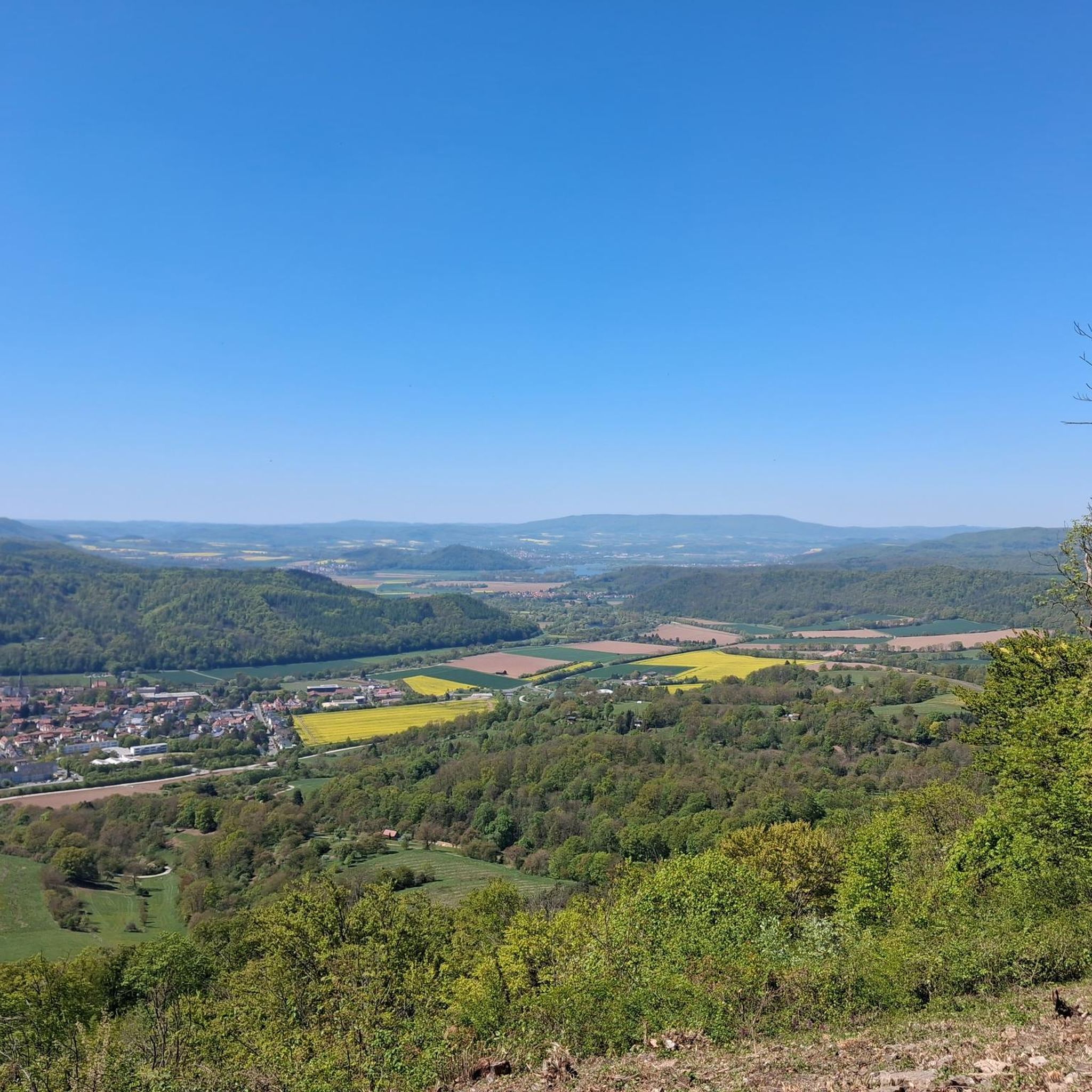
Touring cycling in Muckle Moss National Nature Reserve offers routes through a unique landscape characterized by extensive blanket bog and open moorland. This protected area is a significant peatland, providing a distinct environment for cycling. The terrain generally features gentle undulations across the open landscape, with some routes incorporating views of historical sites and river valleys.
Best touring cycling routes in Muckle Moss National Nature Reserve
- The most popular touring cycling route is View of Vindolanda Roman Fort – Warden…
Last updated: May 13, 2026
4.7
(11)
107
riders
38.3km
02:34
520m
520m
Hard bike ride. Very good fitness required. Mostly paved surfaces. Suitable for all skill levels.
5.0
(1)
20
riders
40.3km
03:07
600m
600m
Hard bike ride. Very good fitness required. Mostly paved surfaces. Suitable for all skill levels.

Sign up for free
4.5
(2)
14
riders
32.3km
02:04
240m
240m
Moderate bike ride. Good fitness required. Mostly paved surfaces. Suitable for all skill levels.
3.0
(1)
10
riders
Moderate bike ride. Good fitness required. Mostly paved surfaces. Suitable for all skill levels.
7
riders
54.1km
03:16
370m
370m
Moderate bike ride. Good fitness required. Mostly paved surfaces. Suitable for all skill levels.
Get access to more routes and recommendations from other explorers.
Sign up for free
Already have an account?
Our route recommendations are based on thousands of hikes, rides, and runs completed by other people on komoot.
Start today with a free account
Your next adventure awaits.
Login or Signup
Popular around Muckle Moss National Nature Reserve
Tips from the Community


The Beaufront Castle Gatehouse is the gateway to the impressive Beaufront Castle, a Grade I listed manor house in Northumberland, near Hexham. Although the castle itself was built between 1836 and 1841 in the Castellated Gothic Revival style by architect John Dobson, the complex contains older elements such as a clock tower with a bell dating from 1694 and parts of a 17th-century house belonging to the Errington family. The gatehouse is believed to be part of this historic structure and served as both ceremonial and functional access to the estate. It stands on a site where a pele tower—a fortified tower house that was later incorporated into the manor house—was mentioned as early as 1415.
8
0
National Cycle Route 72, or Hadrian's Cycleway, passes through Stanegate here. Stanegate was a strategic Roman border road in Northern England, constructed around 77–85 AD under Governor Agricola—decades before Hadrian's Wall. The name "Stanegate" comes from Old English and literally means "stone road." Stanegate runs through the valleys of the River Tyne and River Irthing and is approximately 61 km long. It served as a military corridor leading to Hadrian's Wall and, from around 87 AD, became the de facto northern border of the Roman Empire in Britain.
7
0

St. Aidan's Church in Hexham is a small but active congregation belonging to the United Reformed Church (URC). The building itself is modest and functional, lacking the medieval grandeur of Hexham Abbey. The church is part of Hexham Churches Together, an ecumenical network that promotes collaboration between different denominations.
8
0
Warden Bridge is an elegant stone arch bridge spanning the River South Tyne. The current bridge was built in 1903 and replaced an earlier chain bridge dating from 1826, which collapsed under the weight of a steam threshing machine in 1877. The structure consists of two stone arches with one pier suspended in the water. On the south side, the old tollhouse still stands, a reminder of the days when you had to pay to cross the bridge.
8
0
The Fourstones Millennium Monument is a striking work of art in the village of Fourstones, Northumberland, featuring a large colliery wheel – a tribute to the region's industrial heritage. Erected around the year 2000 as a symbol of the transition to a new millennium, the monument commemorates the coal mines that once shaped the landscape and the community. The colliery wheel stands alongside Stanegate Roman Road, creating a visual landmark in the open landscape.
7
0
Frequently Asked Questions
How many touring cycling routes are available in Muckle Moss National Nature Reserve?
Muckle Moss National Nature Reserve offers a wide selection of touring cycling routes, with over 60 options to explore. These routes cater to various skill levels, ranging from easy to difficult.
Are there any easy touring cycling routes suitable for beginners or families?
Yes, Muckle Moss National Nature Reserve has several routes suitable for those seeking an easier ride. There are 7 easy touring cycling routes available. While specific 'family-friendly' routes aren't explicitly categorized, the easier options would be a good starting point. For a moderate option, consider the Lambley Viaduct – Lambley Viaduct loop from Bardon Mill, which is 20.2 miles (32.5 km) long.
What is the typical terrain like for touring cycling in Muckle Moss National Nature Reserve?
The terrain in Muckle Moss National Nature Reserve is characterized by gentle undulations across open moorland and extensive blanket bog. While generally not mountainous, some routes incorporate views of historical sites and river valleys, offering varied scenery.
Are there any circular touring cycling routes in the area?
Many of the touring cycling routes in Muckle Moss National Nature Reserve are designed as loops, allowing you to start and finish at the same point. Examples include the difficult View of Vindolanda Roman Fort – Warden Bridge loop from Bardon Mill and the moderate View of Melkridge Countryside – Centre of Britain, Haltwhistle loop from Bardon Mill.
What kind of historical sites or viewpoints can I expect to see along the routes?
The region is rich in history, with routes offering views of historical sites. For instance, the View of Vindolanda Roman Fort – Warden Bridge loop from Bardon Mill provides views of the historic Roman Fort. Other routes may pass through areas with river valleys and countryside around towns like Newbrough.
What is the best time of year to go touring cycling in Muckle Moss National Nature Reserve?
The best time to go touring cycling in Muckle Moss National Nature Reserve is generally during the drier, warmer months from late spring to early autumn (May to September). This period offers more pleasant weather conditions and better visibility across the open moorland. Always check local weather forecasts before heading out, as conditions can change rapidly.
What should I wear for touring cycling in Muckle Moss National Nature Reserve?
Given the open moorland environment, it's advisable to wear layers that can be adjusted to changing weather conditions. Waterproof and windproof outer layers are recommended, even on sunny days, due to potential exposure. Comfortable cycling attire, sturdy footwear, and sun protection are also essential.
Are there opportunities for wildlife spotting while cycling?
Muckle Moss National Nature Reserve is a protected area known for its unique blanket bog and open moorland, which supports diverse wildlife. While cycling, you may have opportunities to spot various bird species and other moorland inhabitants. Maintaining a respectful distance and quiet observation will enhance your chances.
What do other touring cyclists enjoy most about the routes in Muckle Moss National Nature Reserve?
The touring cycling routes in Muckle Moss National Nature Reserve are highly rated by the komoot community, with an average score of 4.1 stars. Reviewers often praise the unique open moorland landscape, the sense of tranquility, and the views of historical sites and river valleys that define the area.
Are there any cafes or places to stop for refreshments near the cycling routes?
While the immediate vicinity of the nature reserve is largely open and undeveloped, routes often pass near or through small villages and towns. For example, routes starting from Bardon Mill or exploring areas around Newbrough may offer opportunities to find local cafes or shops for refreshments. It's always a good idea to carry sufficient water and snacks, especially on longer rides.
How can I access the trailheads, and is parking available?
Many routes, such as the Warden Bridge – Beaufront Castle Gatehouse loop from Bardon Mill, often start from villages like Bardon Mill. Parking availability varies by location; typically, small car parks or on-street parking might be found in these villages. It's recommended to check specific starting points for parking details before your trip.
Is public transport an option for reaching the cycling routes?
Public transport options to Muckle Moss National Nature Reserve may be limited due to its rural nature. However, some villages near the reserve, such as Bardon Mill, might be accessible by local bus services or train lines, particularly those along the Hadrian's Wall corridor. Cyclists should research specific routes and public transport schedules in advance to plan their journey.
Most popular routes in Muckle Moss National Nature Reserve

Get inspired with the komoot mobile app


Explore more
Browse the best Cycling routes in other regions.
