Dawlish Warren National Nature Reserve
Dawlish Warren National Nature Reserve
The best cycling routes in Dawlish Warren National Nature Reserve
4.6
(306)
5,122
riders
194
rides
Touring cycling in Dawlish Warren National Nature Reserve features a diverse landscape, including a 1.5-mile sandspit at the mouth of the Exe Estuary. The area is characterized by sand dunes, mudflats, and a sandy beach, alongside grasslands, meadows, and saltmarsh. This region offers predominantly level, traffic-free paths, particularly along the Exe Estuary, making it suitable for touring cyclists.
Best touring cycling routes in Dawlish Warren National Nature Reserve
- The most popular touring cycling route is Dawlish Beach – Teignmouth Fishing Beach loop from Dawlish Warren, a 10.6 miles (17.1 km) trail that takes 1 hour 11 minutes to complete. This moderate route features mostly paved surfaces along the coast.
- Another top favourite among local touring cyclists is Red Rock Lane – Dawlish Beach loop from Dawlish Warren, a moderate 8.1 miles (13.1 km) path. This route offers a mix of coastal and inland scenery on paved surfaces.
- Local touring cyclists also love the The Exe Estuary loop from Exmouth — East Devon, a 31.3 miles (50.3 km) trail leading through the Exe Estuary, often completed in about 3 hours 11 minutes.
- Touring cycling in Dawlish Warren National Nature Reserve is defined by coastal paths, estuary trails, and sand dunes. The network offers options for different ability levels, from easy to difficult.
- The routes in Dawlish Warren National Nature Reserve are highly rated by the komoot community with an average score of 4.6 stars from over 290 reviews. More than 5000 touring cyclists have used komoot to explore Dawlish Warren National Nature Reserve's varied terrain.
Last updated: May 15, 2026
5.0
(1)
26
riders
17.1km
01:11
300m
300m
Moderate bike ride. Good fitness required. Mostly paved surfaces. Suitable for all skill levels.
5
riders
13.0km
00:55
180m
180m
Moderate bike ride. Good fitness required. Mostly paved surfaces. Suitable for all skill levels.

Sign up for free
6
riders
19.5km
01:16
250m
250m
Moderate bike ride. Good fitness required. Mostly paved surfaces. Suitable for all skill levels.
3.5
(2)
14
riders
50.3km
03:11
490m
490m
Hard bike ride. Very good fitness required. Mostly paved surfaces. Suitable for all skill levels.
3.8
(5)
58
riders
38.9km
02:38
590m
590m
Hard bike ride. Very good fitness required. Mostly paved surfaces. Suitable for all skill levels.
Get access to more routes and recommendations from other explorers.
Sign up for free
Already have an account?
Our route recommendations are based on thousands of hikes, rides, and runs completed by other people on komoot.
Start today with a free account
Your next adventure awaits.
Login or Signup
Popular around Dawlish Warren National Nature Reserve
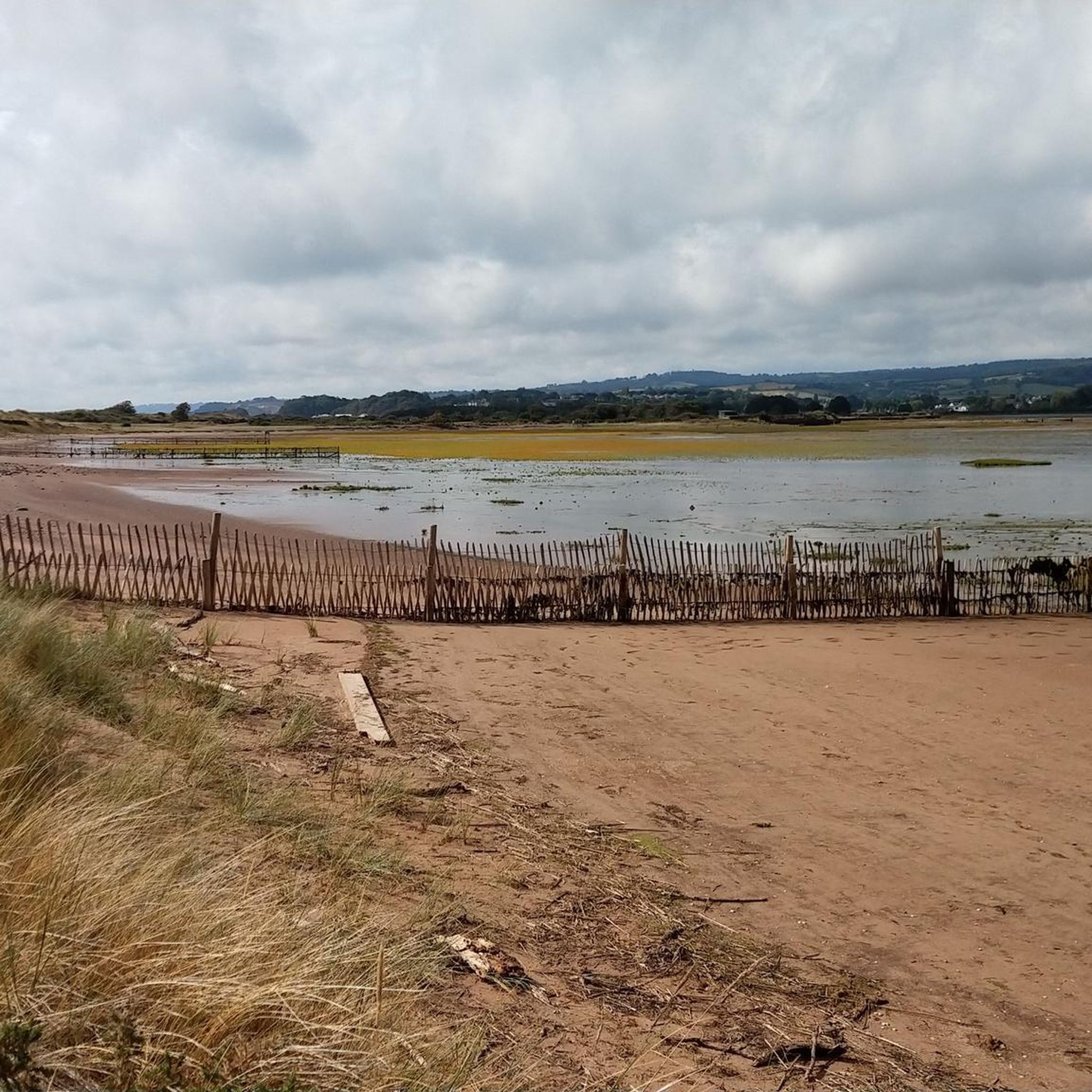
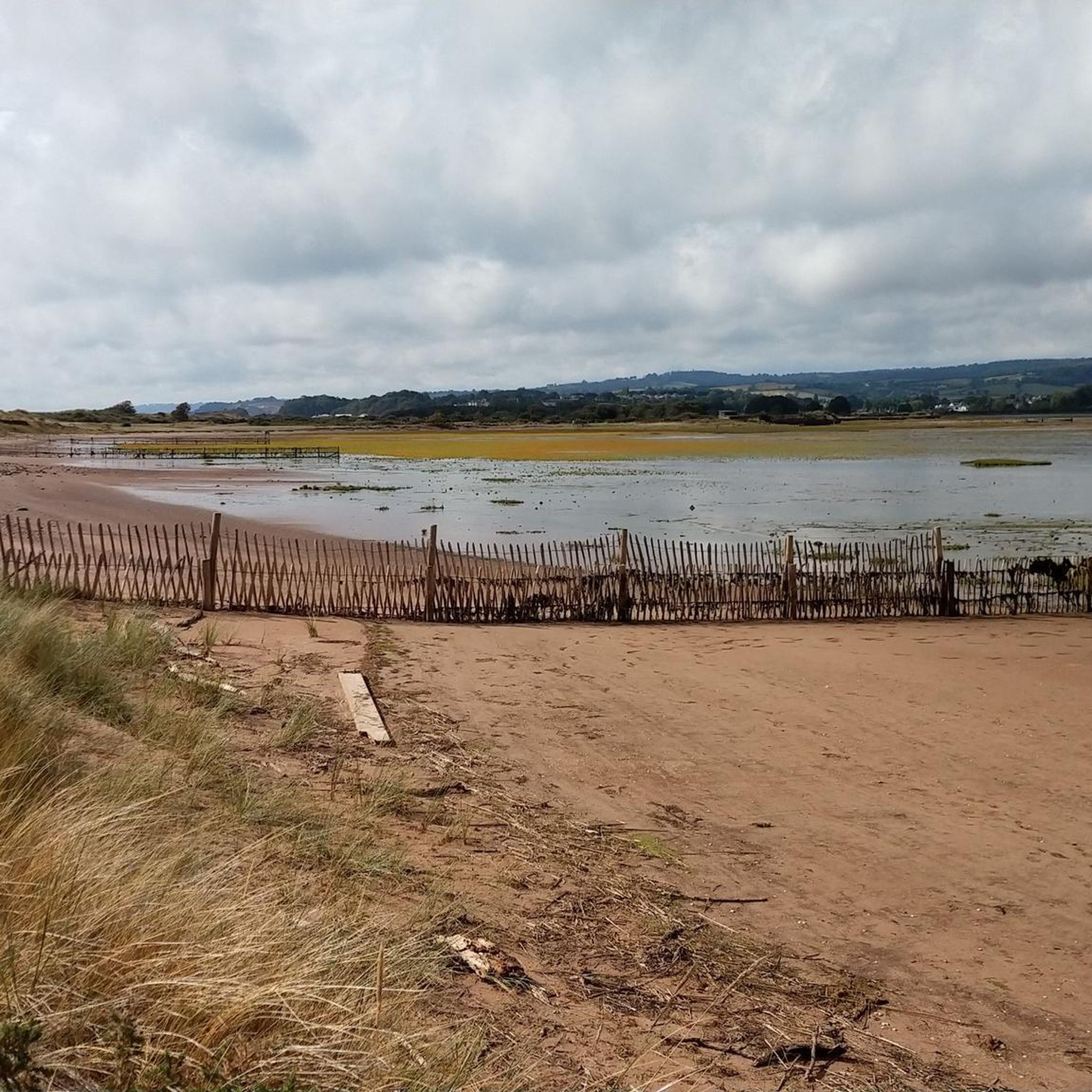
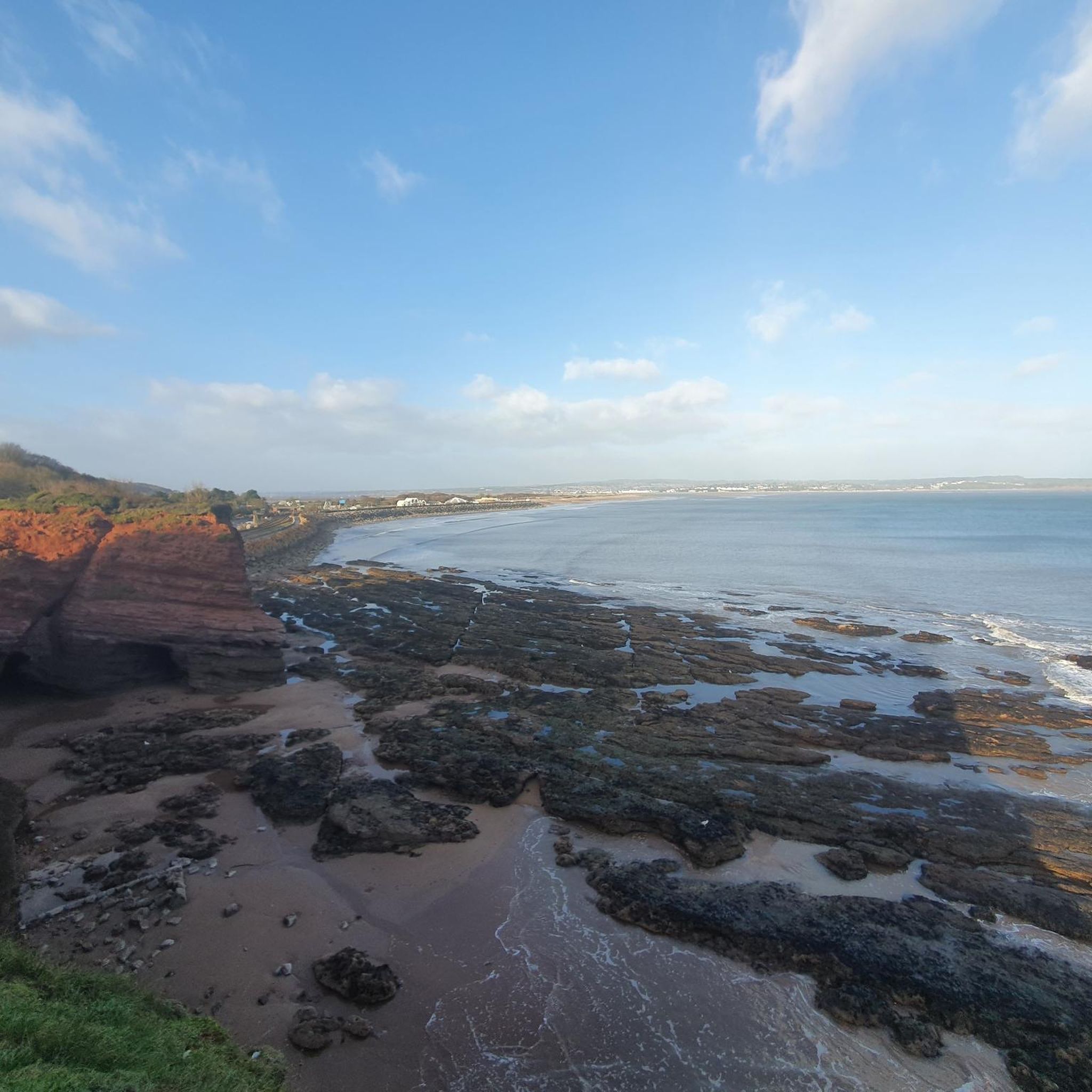
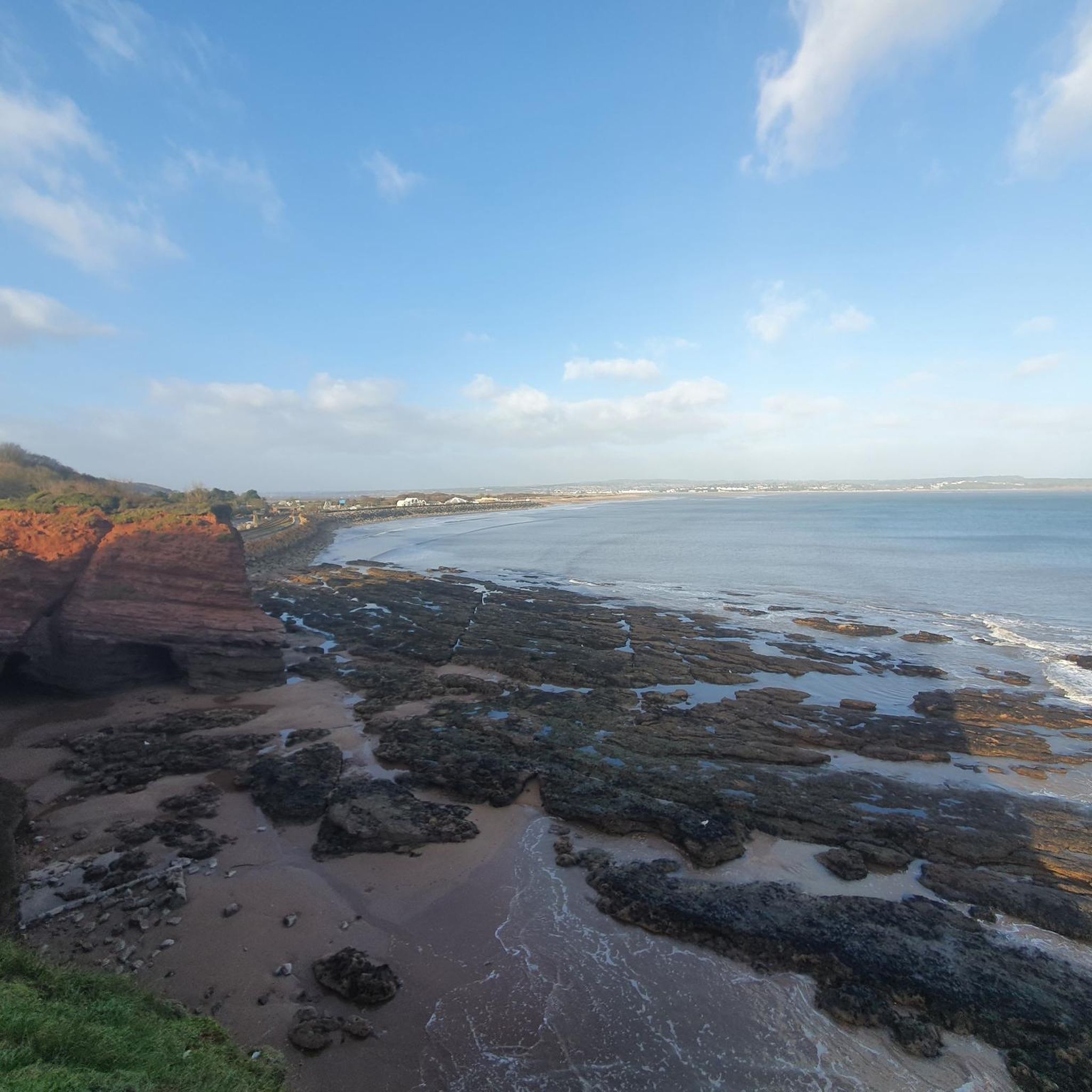

Tips from the Community

Look out for an entrance onto a footpath on your right, which follows beside the railway tracks on your left, and the exe estuary on your right. The path is too narrow for cycling but great for walking and running.
1
0

Harnessing the power of moving water to drive a mill wheel is an ancient invention of human ingenuity, whose origins can be traced back to ancient times. Thanks to such a design, a watercourse – natural or artificial – made it possible to simply replace human or animal muscle power with the power of natural elements, for example, to grind grain into corn or press oil from fruit. There are essentially two drive variants for watermills: * Either the flowing water simply hits the blades of the water wheel from below to set it in motion; or * the water is guided above the wheel – usually through a so-called "mill channel" – and falls onto the blades. This design utilizes natural gravity to achieve greater efficiency.
2
0


this road becomes flooded would avoid when on yellow 🟡 weather warning cause you might need a boat, but otherwise it's very pretty and worth a visit great pubs for food nearby and air BnB places
3
0

Gardens offer a superb view along Sidmouth beach. The clock tower within the gardens is perfect for great coffee, yummy cakes and even better sandwiches 😀
2
0

Connaught Gardens is a sheltered and in part walled garden of about 1.25 hectares, opened as a public park in 1934 and featuring mixed borders and municipal bedding. Rare and tender plants are also featured. Until the late C18, Sidmouth was a small fishing village at the mouth of the River Sid. In 1792 the lord of the manor, Thomas Jenkins, commissioned the architect Michael Novosielski, who had worked in London as a developer and theatre designer, to build Fortfield Terrace, a seafront crescent which was intended to provide accommodation for fashionable visitors; the scheme was never fully realised (Cherry and Pevsner 1989). By 1796 the Copper Plate Magazine commented that, 'the town is of late tolerably frequented in the bathing season', and a group of cottages ornés was constructed around the edge of the old town in the first two decades of the C19. These cottages were illustrated in Butcher and Haseler's Sidmouth Scenery published in 1816-17, and a collection of lithographs published by Rowe in 1826. A grand public mall 'railed and rolled in very good style' existed adjacent to the beach by 1810 (Cherry and Pevsner 1989), and in 1835-8 The Esplanade was constructed to designs by G H Julian. During the C19 the resort developed slowly, partly constrained by its location between cliffs to east and west and partly by the absence of the railway, which arrived only in 1874. Modest development continued into the early C20, with the resort generally catering for older visitors. In about 1820, Emmanuel Lousada of Peak House, Sidmouth, constructed a detached marine villa known as Cliff Cottage on a headland west of The Esplanade, overlooking Chit Rocks; this headland is shown on a panorama of Sidmouth painted by Hubert Cornish in 1814 (Sidmouth Museum). This house was occupied in the 1830s by the Kent family, who were followed by a succession of private owners, the last, Mr Jemmett, being eccentric and reclusive (Creeke 1992). The property, which from the late C19 was known as Sea View, was placed on the market in 1930; it was bought by Sidmouth Urban District Council for £3500 in order to create public gardens. The house, which was found to be in a dilapidated condition, was demolished, and some of its walls were incorporated into the layout for the public gardens. These were designed by the Gardens Department of Dartington Hall Ltd, which was based at Dartington Hall, Devon (qv). An illustrated publicity brochure published by the Dartington Gardens Department in 1935 (private collection) notes that it was responsible for the design, construction, and planting of the gardens. The gardens were opened on 3 November 1934 by Field Marshal HRH the Duke of Connaught, in whose honour they were named.
1
0

A very beautiful cycle route along the Exe
1
0
A beautiful area and great for cycling right on the Exe
2
0
Frequently Asked Questions
How many touring cycling routes are available in Dawlish Warren National Nature Reserve?
There are nearly 200 touring cycling routes available in and around Dawlish Warren National Nature Reserve. These routes cater to various skill levels, with 46 easy, 82 moderate, and 70 difficult options.
What makes Dawlish Warren National Nature Reserve a good place for touring cycling?
Dawlish Warren is ideal for touring cycling due to its diverse landscapes, including sand dunes, mudflats, and a sandy beach, alongside grasslands and saltmarsh. The region offers predominantly level, traffic-free paths, especially along the Exe Estuary, making it accessible for cyclists of all abilities. It also boasts significant wildlife and natural features, enhancing the cycling experience.
Are there any family-friendly cycling routes in Dawlish Warren National Nature Reserve?
Yes, the area offers several family-friendly options, particularly along the Exe Estuary. The Dawlish Beach – Teignmouth Fishing Beach loop from Dawlish Warren is a moderate 10.6-mile route with mostly paved surfaces, suitable for families looking for a scenic ride. The Exe Estuary Trail itself is largely traffic-free and flat, perfect for a relaxed family outing.
What is the best time of year to cycle in Dawlish Warren National Nature Reserve?
The best time to cycle in Dawlish Warren National Nature Reserve is generally from autumn to spring, when the mudflats serve as critical feeding grounds for thousands of wildfowl and wading birds. This offers excellent opportunities for birdwatching while cycling. However, the paved and accessible nature of many routes means cycling is enjoyable year-round, weather permitting.
Can I rent a bike in Dawlish Warren National Nature Reserve?
Yes, cycle hire services are conveniently available in Dawlish Warren itself, as well as in nearby Exeter Quay and Topsham. This makes it easy to explore the area even if you don't bring your own bike.
Are there any circular cycling routes in the area?
Yes, there are several circular routes. A popular option is the Red Rock Lane – Dawlish Beach loop from Dawlish Warren, which is a moderate 8.1-mile path offering a mix of coastal and inland scenery on paved surfaces. The wider Exe Estuary Trail also offers opportunities for creating longer circular tours.
What kind of views and landmarks can I expect along the cycling routes?
Cycling routes in Dawlish Warren offer panoramic views of the coast, the Exe Estuary, and the surrounding countryside. You'll encounter diverse habitats like sand dunes, mudflats, and sandy beaches, as well as red sandstone cliffs. The area is also a haven for wildlife, particularly birds, providing natural landmarks and points of interest throughout your ride.
What do other touring cyclists enjoy most about cycling in Dawlish Warren National Nature Reserve?
The area is highly rated by the komoot community, with an average score of 4.6 stars from over 290 reviews. Reviewers often praise the predominantly level and traffic-free paths, the stunning coastal and estuary views, and the rich wildlife, especially the birdwatching opportunities.
Are dogs allowed on the cycling trails in Dawlish Warren National Nature Reserve?
While Dawlish Warren is a National Nature Reserve and a haven for wildlife, specific rules regarding dogs on cycling trails can vary. It's generally recommended to keep dogs on a lead to protect the sensitive habitats and wildlife, especially ground-nesting birds. Always check local signage for the most current regulations.
Is there parking available for cyclists near the trails?
Yes, Dawlish Warren is well-equipped with facilities, including parking. There are convenient parking options available near the main access points to the cycling paths, making it easy to start your ride.
Can I access the cycling routes using public transport?
Yes, Dawlish Warren is accessible by public transport. The area has good connections, including a train station, which allows for convenient access to the cycling trails, particularly those along the Exe Estuary.
Are there cafes or pubs along the cycling routes in Dawlish Warren?
Yes, Dawlish Warren offers amenities such as cafes and pubs, particularly within Dawlish Warren village and along popular routes like the Exe Estuary Trail. These provide convenient stops for refreshments during your ride.
What is the Exe Estuary Trail and how does it relate to Dawlish Warren?
The Exe Estuary Trail is an almost entirely traffic-free, 26-mile route that forms part of the South Coast National Cycle Network No. 2. It connects Exmouth to Dawlish, weaving through picturesque villages and offering uninterrupted cycling with panoramic views. Dawlish Warren is located at the mouth of the Exe Estuary, making it a key point along this popular trail.
Most popular routes in Dawlish Warren National Nature Reserve

Get inspired with the komoot mobile app


Explore more
Browse the best Cycling routes in other regions.
