Valley Of Stones National Nature Reserve
Valley Of Stones National Nature Reserve
The best road cycling routes in Valley Of Stones National Nature Reserve
4.6
(72)
2,688
riders
41
rides
Road cycling routes in Valley Of Stones National Nature Reserve traverse a landscape characterized by dry chalk valleys and undulating chalk slopes. The area is notable for its unique sarsen boulders, which are ancient geological formations. Many routes offer views across the South Dorset Ridgeway, providing a varied terrain for road cyclists. The region features mostly well-paved surfaces, with some routes including significant elevation gains.
Best road cycling routes in Valley Of Stones National Nature Reserve
- The most popular road cycling route is Chesil Beach – Wild Chesil Centre loop from Abbotsbury, a 21.2 miles (34.1 km) trail that takes 1 hour 35 minutes to complete. This route offers coastal views and moderate climbs.
- Another top favourite among local road cyclists is Valley of Stones – Eggardon Hill Trig Point loop from Abbotsbury, a moderate 24.5 miles (39.5 km) path. This route includes significant elevation gain and panoramic views from Eggardon Hill.
- Local road cyclists also love the Valley of Stones – Litton Lakes loop from Abbotsbury, a 18.4 miles (29.6 km) trail leading through the distinctive sarsen stone formations, often completed in about 1 hour 30 minutes.
- Road cycling in Valley Of Stones National Nature Reserve is defined by dry valleys, undulating chalk slopes, and ancient sarsen stone formations. The network offers options for easy, moderate, and difficult ability levels.
- The routes in Valley Of Stones National Nature Reserve are highly rated by the komoot community with an average score of 4.7 stars from more than 60 reviews. More than 2,700 road cyclists have used komoot to explore Valley Of Stones National Nature Reserve's varied terrain.
Last updated: November 10, 2026
30
riders
34.1km
01:35
330m
330m
Moderate road ride. Good fitness required. Mostly well-paved surfaces and easy to ride.
12
riders
39.5km
02:08
620m
620m
Moderate road ride. Good fitness required. Mostly well-paved surfaces and easy to ride.

15
riders
53.9km
02:33
530m
530m
Moderate road ride. Good fitness required. Mostly well-paved surfaces and easy to ride.
5.0
(1)
11
riders
29.6km
01:30
430m
430m
Moderate road ride. Good fitness required. Mostly well-paved surfaces and easy to ride.
6
riders
31.2km
01:36
370m
370m
Moderate road ride. Good fitness required. Mostly well-paved surfaces and easy to ride.
Get access to more routes and recommendations from other explorers.
Already have an account?
Our route recommendations are based on thousands of hikes, rides, and runs completed by other people on komoot.
Start today with a free account
Your next adventure awaits.
Popular around Valley Of Stones National Nature Reserve
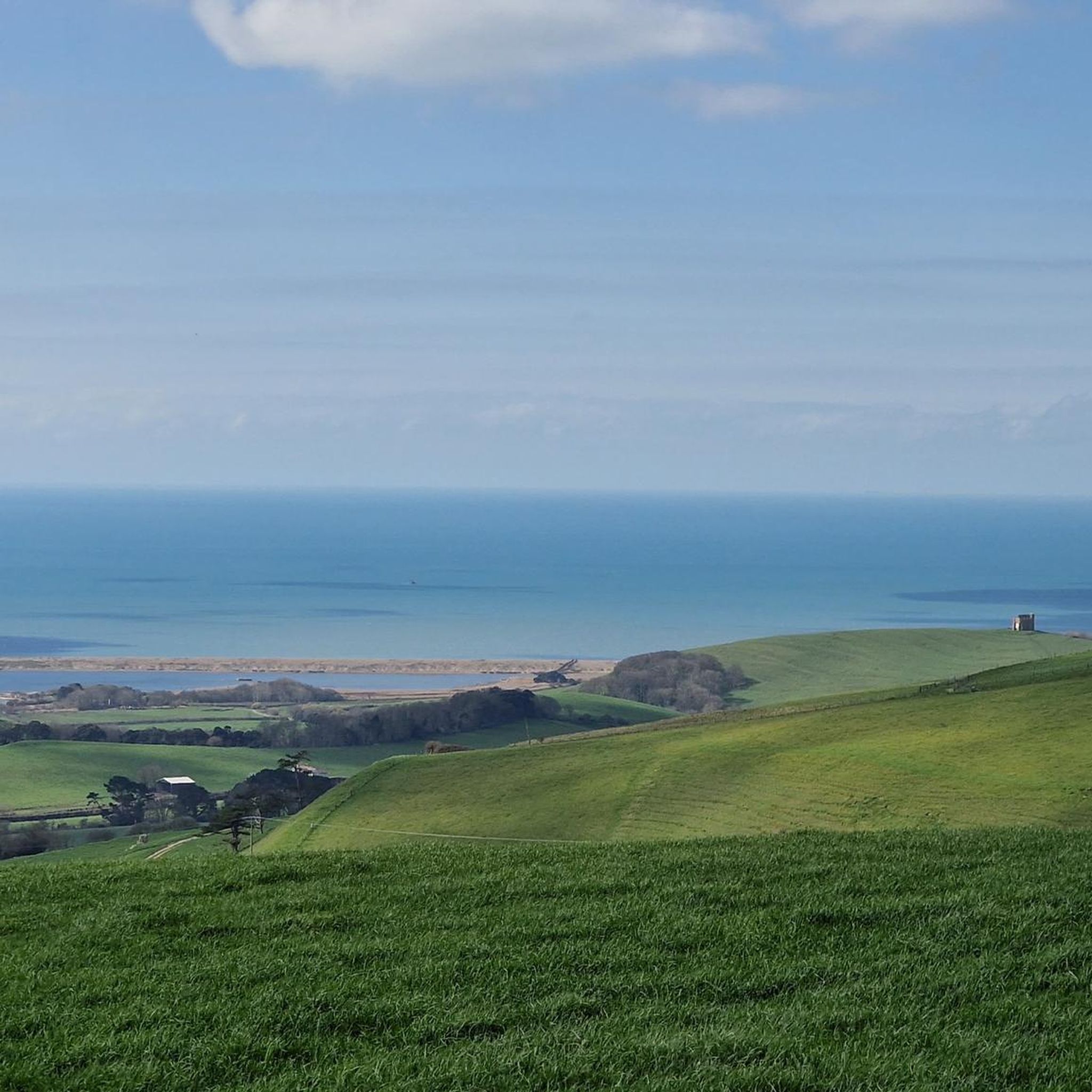
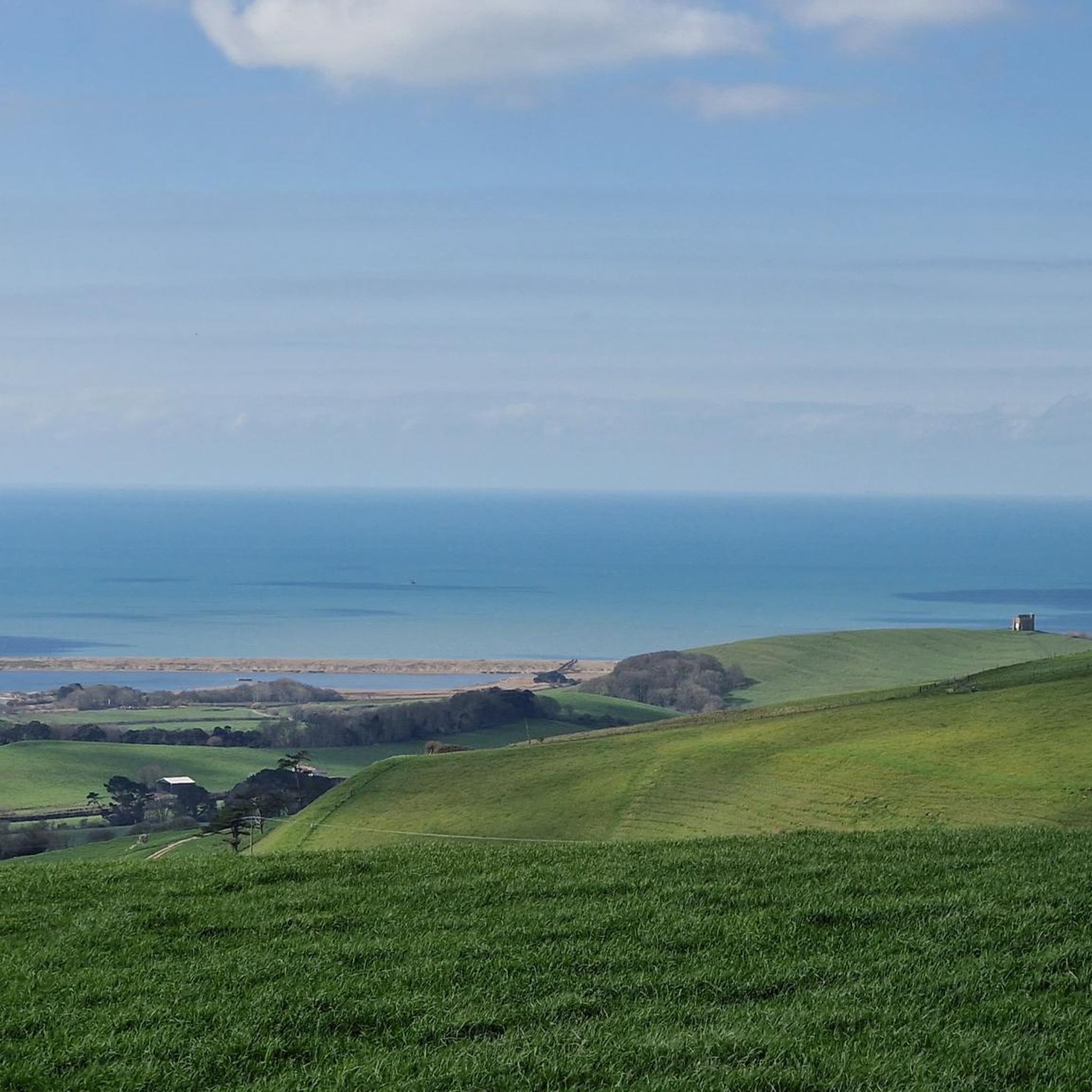
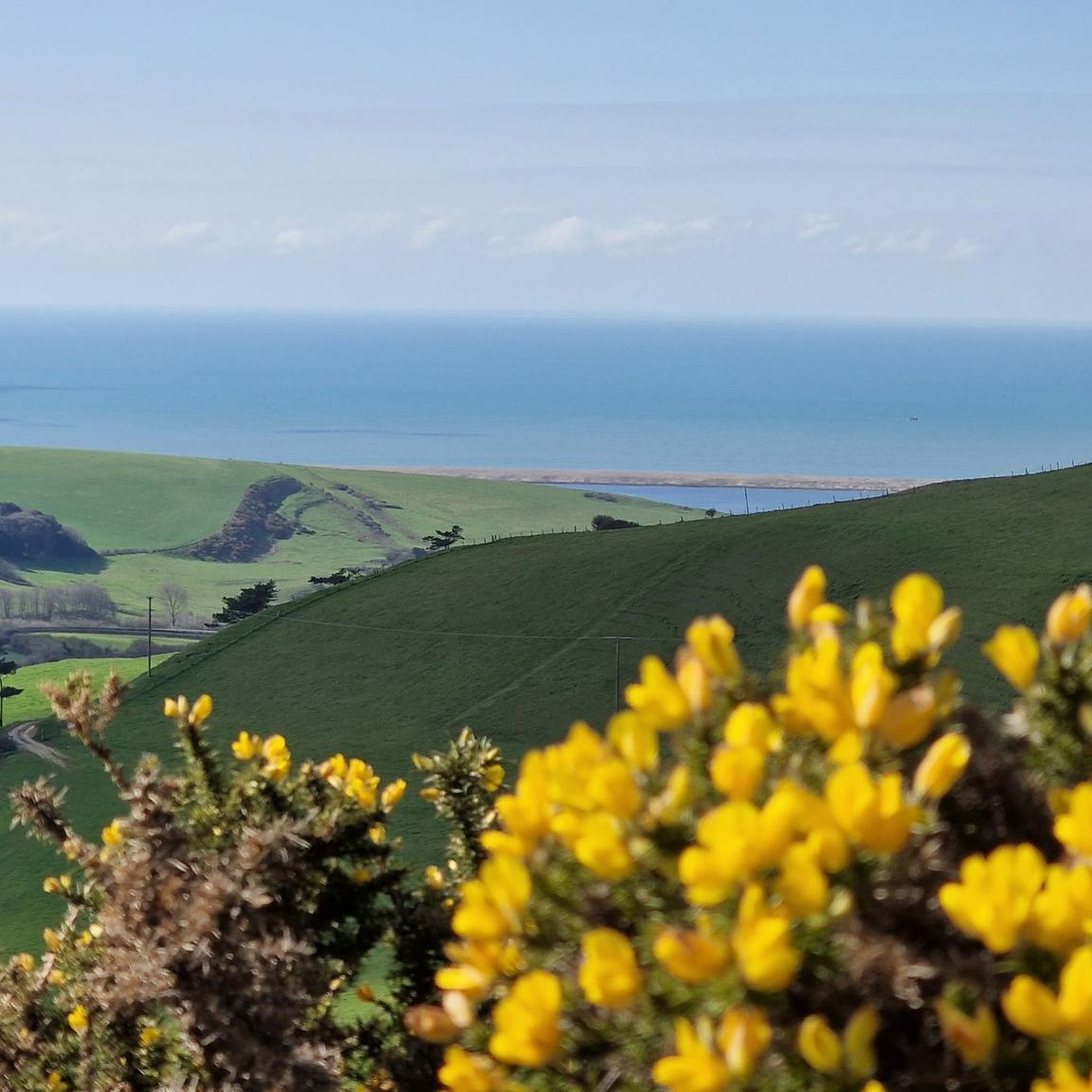
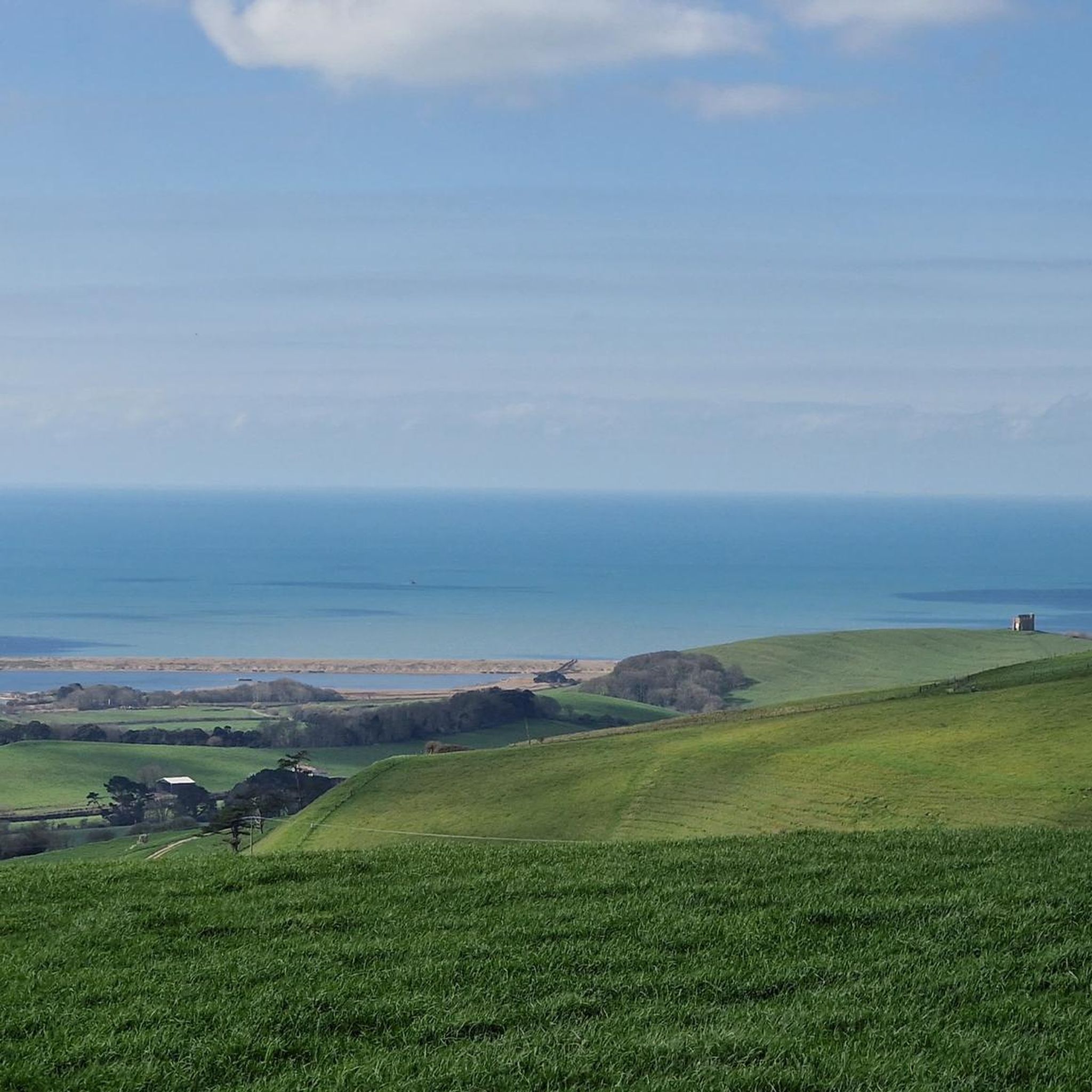
Tips from the Community

Notable Features Inside and Out15th-Century Font & 17th-Century Pulpit: Inside sits an octagonal stone font dating back to the 1400s alongside a richly carved, seven-sided oak pulpit from the mid-1600s. Stained Glass & Bells: The chancel's east window preserves fragments of 17th-century glass, while the tower houses a ring of six bells (the oldest cast in 1617) and an early 19th-century wrought-iron clock. Scars of the 1955 Flood: During the catastrophic South Dorset storm of July 1955, torrential floodwaters rushed through the valley and into the church; watermarks from that night are still visible near the base of the 1891 pews. Historic Churchyard: Several 17th- to 19th-century chest tombs and headstones—including monuments to the Gould, Freke, and Roper families—are individually Grade II listed. Today, St Laurence's remains an active Church of England parish within the West Ridgeway Team Ministry and is typically open during daylight hours for walkers and visitors exploring the valley.
0
0
St Laurence’s Church is a Grade II* listed parish church tucked into the deep valley of Upwey on the northern edge of Weymouth, Dorset. Sitting just up the lane from the famous Upwey Wishing Well (the source of the River Wey), it is built largely from local Upwey and Portland stone and serves as the historic centrepiece of the village. Origins and ArchitectureWhile a church likely stood on the site prior to the Norman Conquest, the earliest surviving written mention dates to 1201. Much of what stands today—including the west tower, north aisle, north porch, and parts of the nave—was constructed in the late 15th century, incorporating earlier 13th- and 14th-century stonework. Over the centuries, the building evolved to fit the growing village:1838–1841: A south aisle and arcade were added to mirror the north side, along with a clerestory to bring more light into the nave. 1891: A major Victorian restoration led by architect J.T. Micklethwaite removed old wooden galleries, laid new floors, and installed the current oak pews. 1906–1907: Because the medieval chancel had become structurally unstable, it was rebuilt on a larger scale alongside a new vestry and organ chamber, carefully reusing stone and windows from the original structure.
0
0
It's not the best of pathways, especially in the rain as many potholes are the size of a kids paddling pool!
0
0
Located in Upwey near Weymouth, Dorset, the Upwey Wishing Well marks the source of the River Wey. Fed by a natural spring, it has long drawn visitors and royals, including King George III. Today, the site features peaceful water gardens and an adjoining tea room.
0
0

What I find truly hilarious are people who collect casino chips as if they were rare Pokémon cards. Some have complete display cases at home full of different colors and designs. I wonder if there are any fans of such casino stuff hanging around on https://roadchicken.nl. Honestly, I kind of get the hobby, because some old chips look pretty cool. My own collection currently consists mainly of receipts that I forgot to throw away.
0
0
Great place for free parking if you get here early enough
0
0


Portland Castle is an impressive historic fortress on the south coast of England, built in the 16th century. It was constructed under King Henry VIII to protect the coast from possible attacks from the sea. Today, the castle is a fascinating attraction that immerses visitors in the past. A visit to Portland Castle allows you to explore the well-preserved walls, towers, and defenses. From the bastions, you can enjoy great views of the sea and the surrounding countryside. The grounds are ideal for walking and offer a wonderful opportunity to learn more about the region's history. The atmosphere is tranquil and historic, perfect for history buffs and families looking for a day outdoors. The museum inside the castle features interesting exhibits and artifacts that bring the fortress's story to life. Overall, Portland Castle is a fascinating place that combines history, nature, and beautiful views. A visit is definitely worth it to discover the rich past of Portland and southern England.
2
0
Frequently Asked Questions
How many road cycling routes are available in Valley Of Stones National Nature Reserve?
There are over 45 road cycling routes in Valley Of Stones National Nature Reserve. These routes cater to various fitness levels, with 11 easy, 33 moderate, and 3 difficult options available.
What is the general difficulty level for road cycling in Valley Of Stones National Nature Reserve?
Road cycling in Valley Of Stones National Nature Reserve offers a range of difficulties. While many routes are considered moderate, featuring significant elevation gains, there are also easier options for casual rides and a few more challenging routes for experienced cyclists. The terrain includes undulating chalk slopes and dry valleys, providing varied climbs.
Are there any family-friendly road cycling routes in Valley Of Stones National Nature Reserve?
Yes, the reserve offers several easier road cycling routes that are suitable for families or those looking for a less strenuous ride. These routes typically have gentler gradients and cover shorter distances, allowing for a more relaxed exploration of the area's unique landscape.
What kind of views and natural features can I expect along the road cycling routes?
Road cycling routes in Valley Of Stones National Nature Reserve offer diverse scenery. You'll encounter the distinctive sarsen boulders, which are ancient geological formations, and ride through dry chalk valleys and undulating chalk slopes. Many routes provide panoramic views across the South Dorset Ridgeway and, in some cases, coastal vistas, such as those found on the Chesil Beach – Wild Chesil Centre loop from Abbotsbury.
Are there any circular road cycling routes in the Valley Of Stones National Nature Reserve?
Yes, many of the road cycling routes in Valley Of Stones National Nature Reserve are designed as loops, allowing you to start and finish at the same point. Examples include the Valley of Stones – Eggardon Hill Trig Point loop from Abbotsbury and the Valley of Stones – Litton Lakes loop from Abbotsbury, which are popular choices among local cyclists.
What is the best time of year for road biking in Valley Of Stones National Nature Reserve?
The calcareous grasslands in the reserve are particularly vibrant in summer with an abundance of wildflowers, making it a beautiful time to visit. However, spring and autumn also offer pleasant conditions with milder temperatures and potentially fewer visitors. Winter rides are possible, but cyclists should be prepared for colder weather and potentially wet surfaces.
What do other road cyclists enjoy most about road cycling in Valley Of Stones National Nature Reserve?
The komoot community highly rates the road cycling experience in Valley Of Stones National Nature Reserve, with an average score of 4.7 stars from over 60 reviews. Cyclists often praise the varied terrain, the unique geological features like the sarsen stones, and the panoramic views across the ancient landscape of the South Dorset Ridgeway.
Are there any notable landmarks or points of interest along the road cycling routes?
Yes, the region is rich in historical and natural points of interest. Cyclists can explore areas near ancient monuments like the Kingston Russell Stone Circle or enjoy panoramic views from elevated points such as Eggardon Hill. The routes also pass through areas with unique sarsen stone formations and offer glimpses of the diverse plant and insect life, including rare butterflies on the south-facing grassy slopes.
What are the typical road conditions for cycling in the reserve?
The road cycling routes in Valley Of Stones National Nature Reserve generally feature mostly well-paved surfaces, providing an enjoyable riding experience. However, some segments, particularly on more challenging routes, might include unpaved sections or gravel, so it's advisable to check specific route details if you prefer entirely paved roads.
Can I find cafes or refreshment stops near the road cycling trails?
While the immediate reserve area is primarily natural, the surrounding villages and towns, such as Abbotsbury, offer amenities including cafes and pubs where cyclists can refuel and rest. It's a good idea to plan your route to include these stops or carry sufficient provisions for your ride.
Is public transport an option for accessing road cycling routes in the Valley Of Stones National Nature Reserve?
Public transport options to directly access the heart of the Valley Of Stones National Nature Reserve for road cycling may be limited. It is generally recommended to check local bus services or consider driving to a suitable starting point, such as Abbotsbury, which serves as a common base for many routes.
Where can I park my car when visiting for road cycling?
Parking is typically available in or near the villages surrounding the Valley Of Stones National Nature Reserve, such as Abbotsbury. These locations often serve as convenient starting points for many of the road cycling routes. Always check for designated parking areas and any local restrictions or fees.
Most popular routes in Valley Of Stones National Nature Reserve

Get inspired with the komoot mobile app


Explore more
Browse the best Road cycling routes in other regions.
